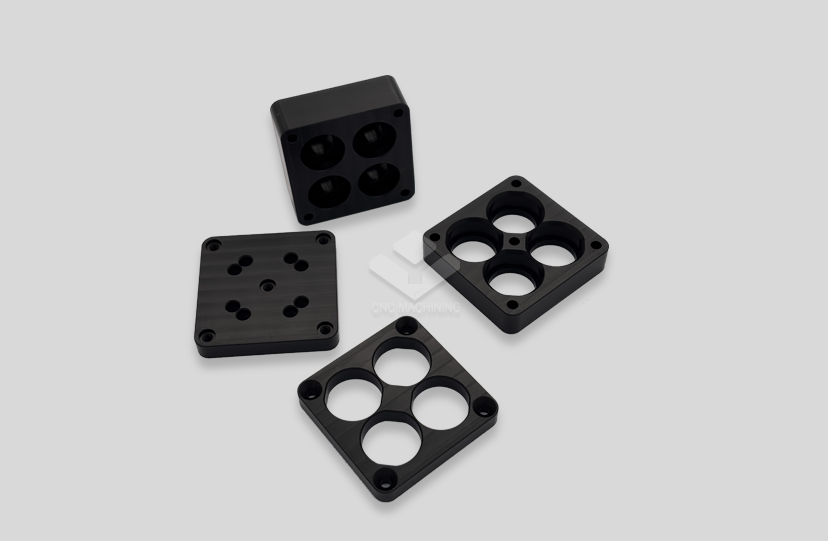
Industrial Aluminum Die Casting
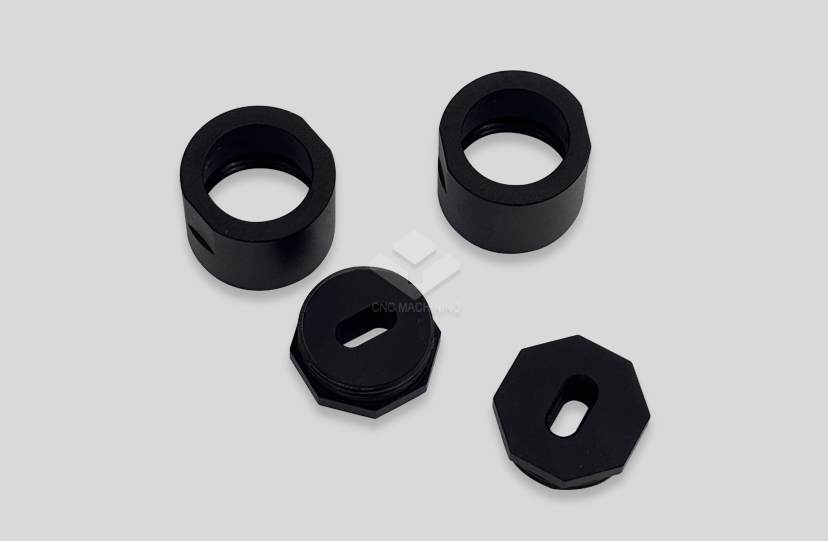
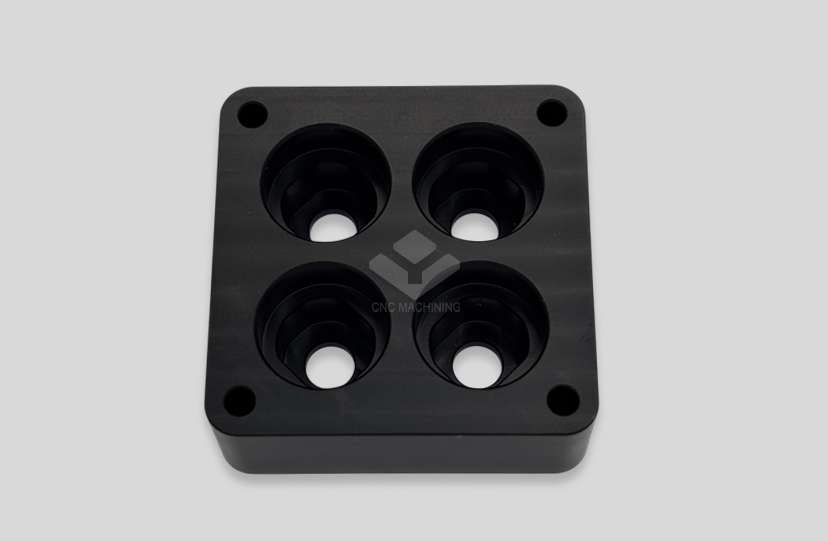
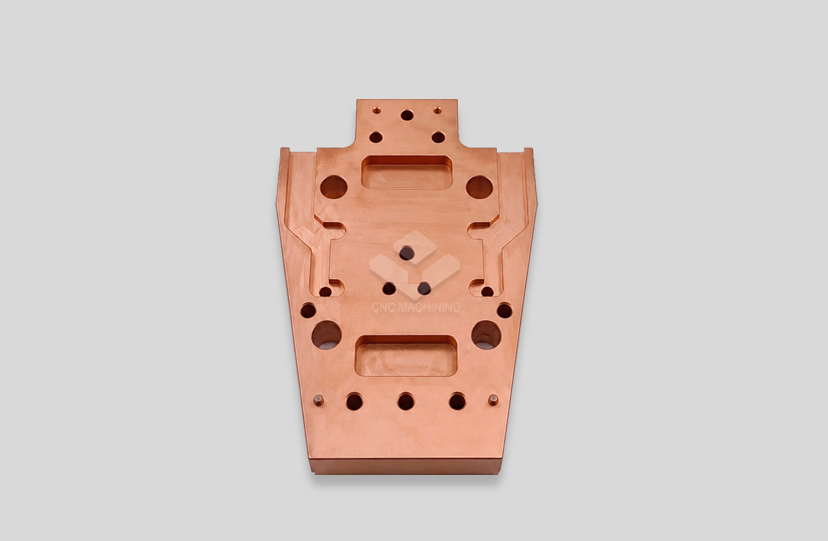
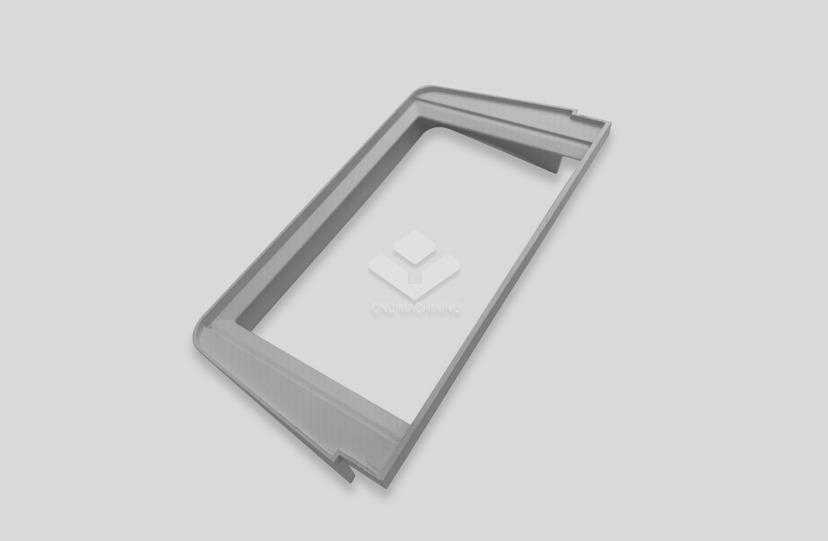
Aluminum die casting is a process where molten aluminum is injected into steel molds to produce complex, high-precision parts. It is suitable for high-volume production in automotive, electronics, robotics, and industrial applications.
2.Process & Capability
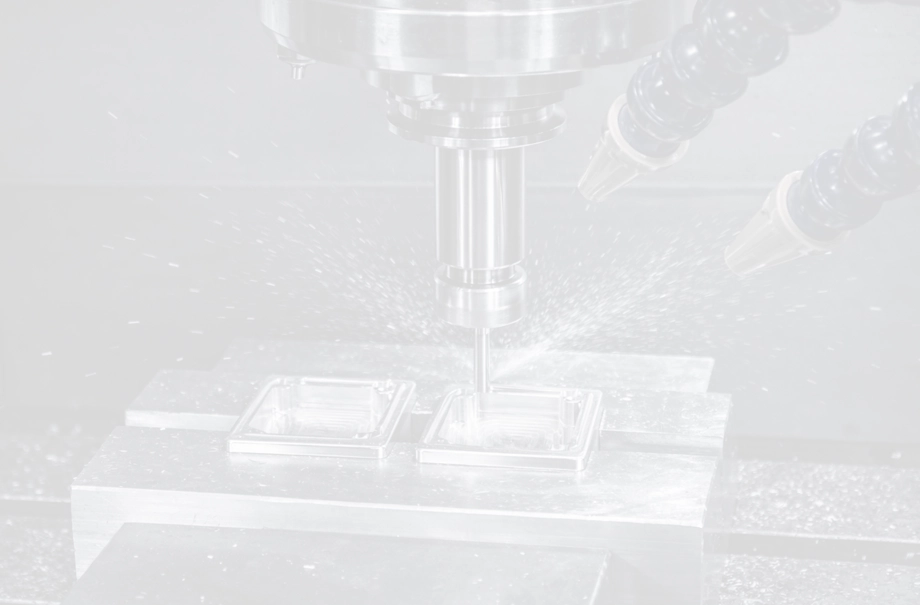
We use high-pressure die casting followed by trimming and CNC machining for critical features. Surface treatments like anodizing and powder coating are available. This ensures both efficiency and precision for finished components.
3.Quality Control
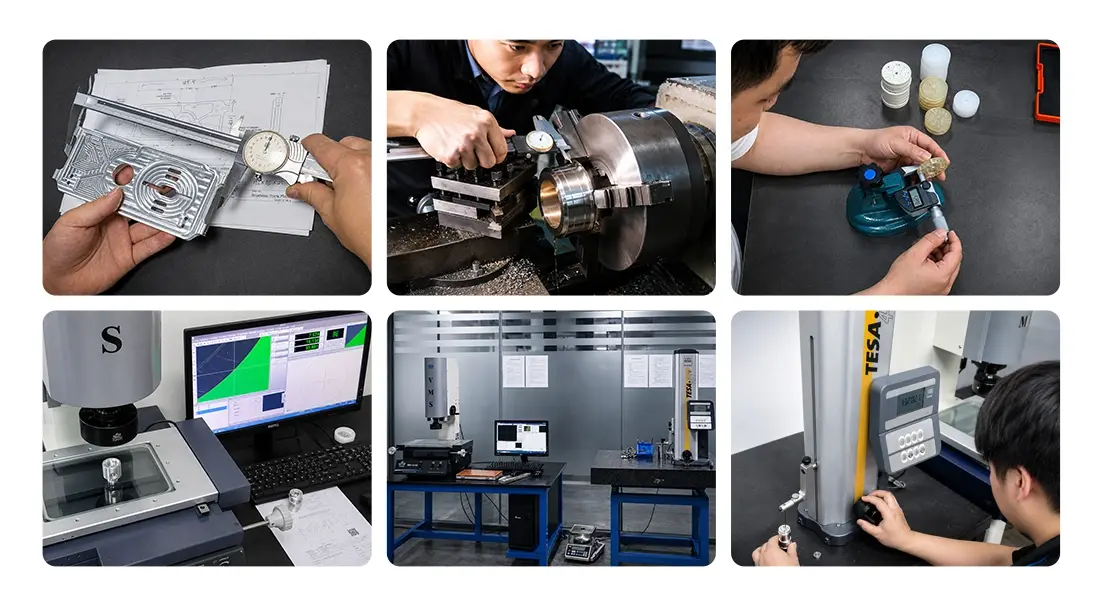
We inspect castings for defects, monitor machining dimensions, and perform final checks for accuracy and appearance under strict quality standards.
Industrial Aluminum Die Casting Services – Precision Metal Components for Your Industry
Since 2008, Shenzhen Ruiyihang Technology has been delivering Industrial Aluminum Die Casting precisely made aluminium parts. Our method is based on engineering and blends high-pressure die casting with CNC milling to make complicated parts with accuracy of ±0.02 mm. We offer one-on-one technical help from plan review to delivery, and our engineers have an average of 15+ years of experience. Our integrated manufacturing capability guarantees consistent quality and quick turnaround for uses in robots, electronics, industrial equipment, and cars around the world, whether you need prototypes in three days or large production runs.
What Makes Our Aluminum Die Casting Different?
You should work with a manufacturer that knows the technology problems you're facing.
We do more than just make parts; we also fix technical problems. Our team looks over your plans with you and makes suggestions for how to choose better materials, build the structure better, and make the manufacturing process more efficient. This joint method cuts down on mistakes and speeds up the project timeline by a lot.
Both speed and accuracy are needed for the product. Under high pressure, we pour liquid aluminium metal into steel moulds, making complex shapes and thin-wall structures all at the same time. Once the casting is done, we use CNC cutting to make sure that all of the important parts are exactly how you want them.
We've been making parts for more than 9 years and have strict quality control at every step of the way.
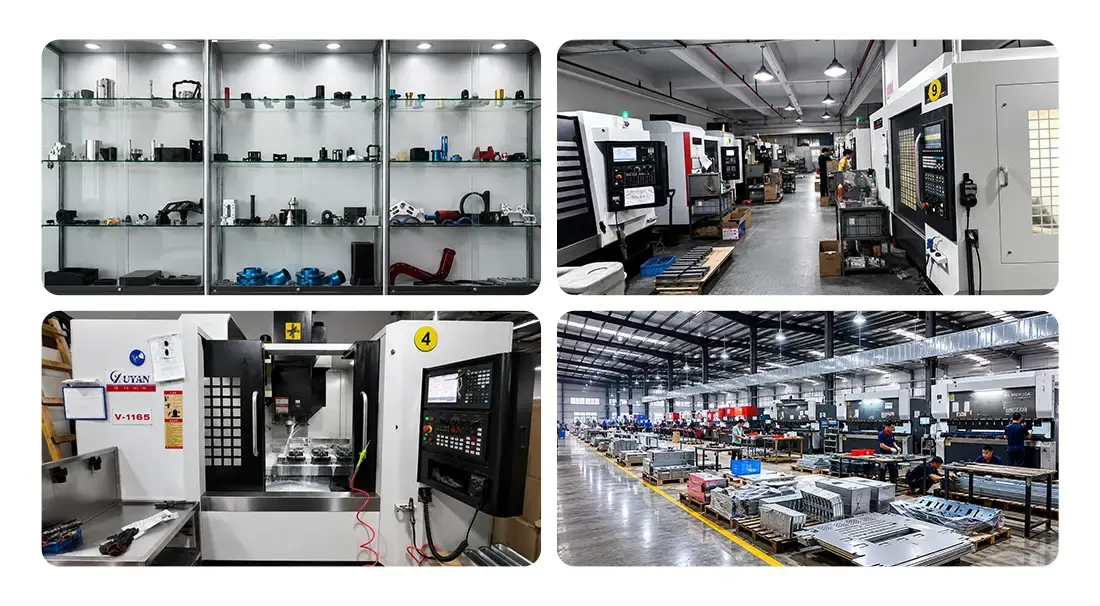
Our Manufacturing Process
This is how we turn your idea into finished parts:
Step 1: Design Review & Engineering Support
Before production starts, our experts look over your plans and make suggestions on tolerances, material choices, and surface finishes.
Step 2: High-Pressure Die Casting
Moulds made of precision steel are filled with molten aluminium. Parts harden quickly, but they keep their shape and functional power.
Step 3: Trimming & Secondary Processing
After taking off the gates and flash, we use CNC cutting, drilling, or tapping to make the parts fit together more closely if your plan calls for it.
Step 4: Surface Treatment
You can choose between electroplating, powder finishing, anodising, or shining to get the look and function you want.
Step 5: Quality Inspection
Before being shipped, each batch goes through checks for material approval, measurements, and eye confirmation.
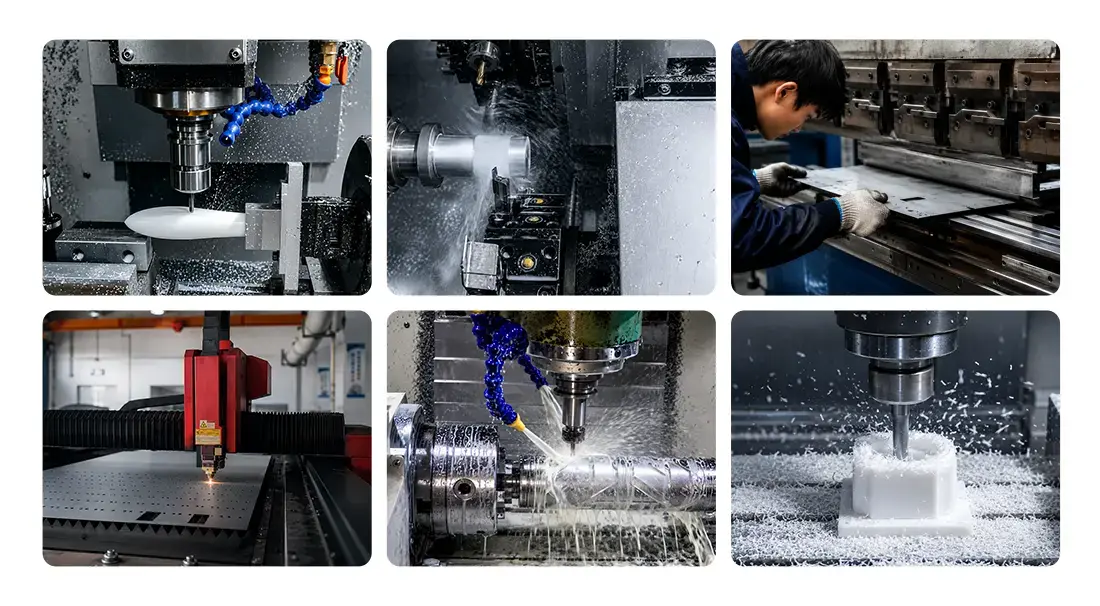
Technical Specifications
| Item | Specification |
|---|---|
| Material | Aluminum Alloy, ADC12 |
| Process | Die Casting + CNC Machining / Milling / Turning |
| Surface Finish | Machined, Polished, Anodized, Powder Coated, Electroplated |
| Standard Tolerance | ±0.1 mm |
| CNC Tolerance | ±0.02–0.05 mm |
| Surface Roughness | Ra 1.6–3.2 μm |
| Size Range | Per Customer Drawing |
| Drawing Format | PDF / DWG / STEP / IGS |
| Production Volume | Prototype to Mass Production |
| Inspection | Incoming Material Check, In-Process QC, Final Inspection |
| Key Features | Lightweight, corrosion-resistant, high dimensional stability |
Why Your Project Needs Our Service?
Fast Turnaround You Can Count On
In three days, simple parts will be ready. Within 7 days, standard samples are sent out. We know how valuable your time is.
100% Custom Manufacturing
There are no common items here. No matter how many you need—10 or 10,000—every part is made to your exact plans and specs.
Engineering Expertise at Your Service
Talk to skilled experts directly; don't go through middlemen. Get useful tips on how to choose the right materials, make the best use of tolerances, and cut costs.
Integrated Quality Standards
We follow foreign rules, such as FDA rules for materials that come into touch with food. You can get material certificates and salt spray test results by asking for them.
Reliable After-Sales Guarantee
If you report problems with the quality within the same month, we'll have it remade within a week and pay for the shipping.
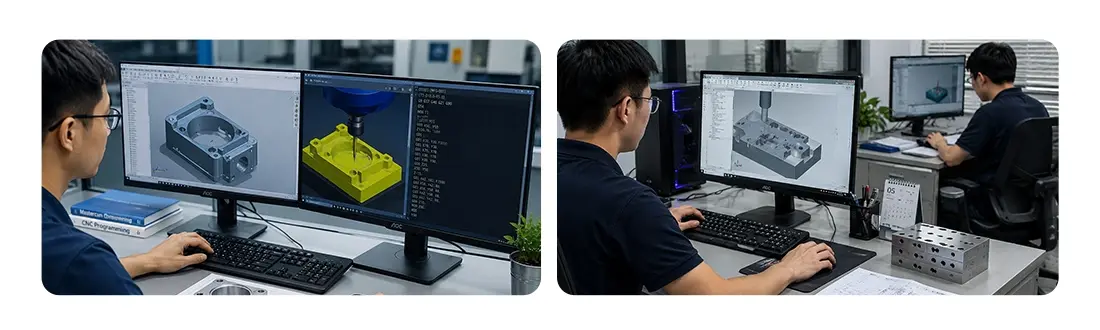
Applications Across Industries
Several industries use our Industrial Aluminum Die Casting parts:
- Automotive: parts for engines, gearbox housings and support pieces
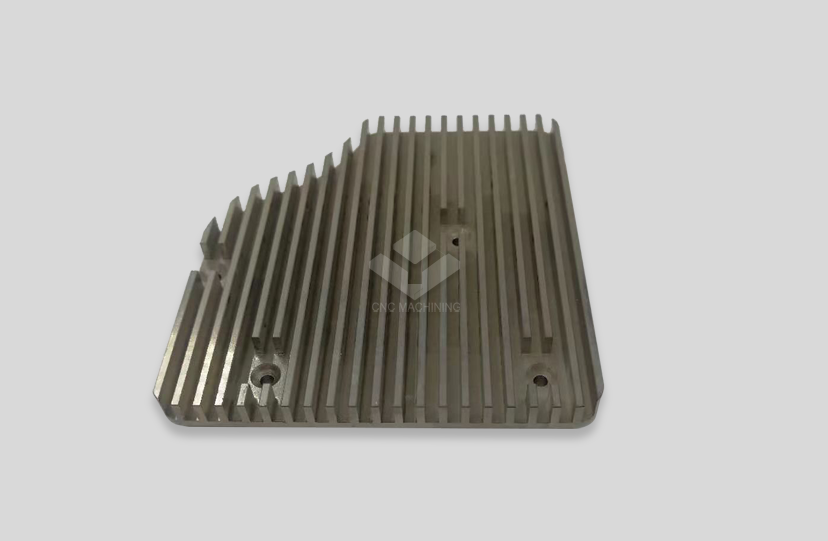
- Electronics: Covers, heat sinks, and connecting housings
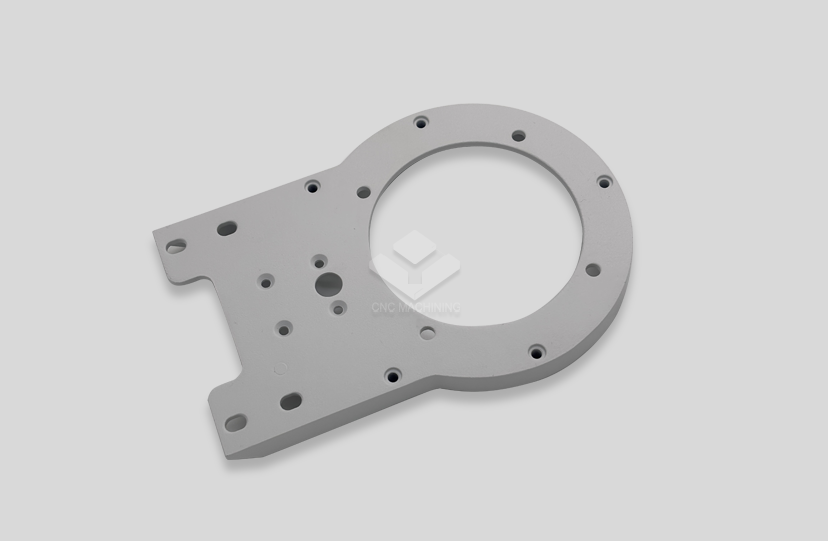
- Robotics: frame frameworks, motor mounts, and joint parts
- Industrial Tools: machine parts, valve bodies, and pump housings
Power tool housings and coffee machine frames are examples of consumer goods.
FAQ
Q: What is aluminum die casting used for?
It produces complicated metal parts in large quantities, including housings, enclosures, and structural components.
Q: What are the advantages of aluminum die casting?
High manufacturing efficiency, constant quality, and complicated forms with little machining are its advantages.
Q: Can die casting make precise parts?
CNC mill key sections for tighter tolerances and achieve superior dimensional accuracy.
Q: Which surface finishes are available?
Based on design and application, powder coating, painting, polishing, and anodising are options.
Q: Can you do prototypes and mass production?
Absolutely. We assist prototypes to large-scale manufacturing with the same quality.
Q: How do you guarantee batch quality?
We examine raw castings for flaws, monitor machining measurements during manufacturing, and verify shipment before shipping.
Contact Us
Ready to discuss your Industrial Aluminum Die Casting project? Our engineering team is standing by to review your drawings and provide practical manufacturing solutions. Contact us at bill@bldmachining.com today.