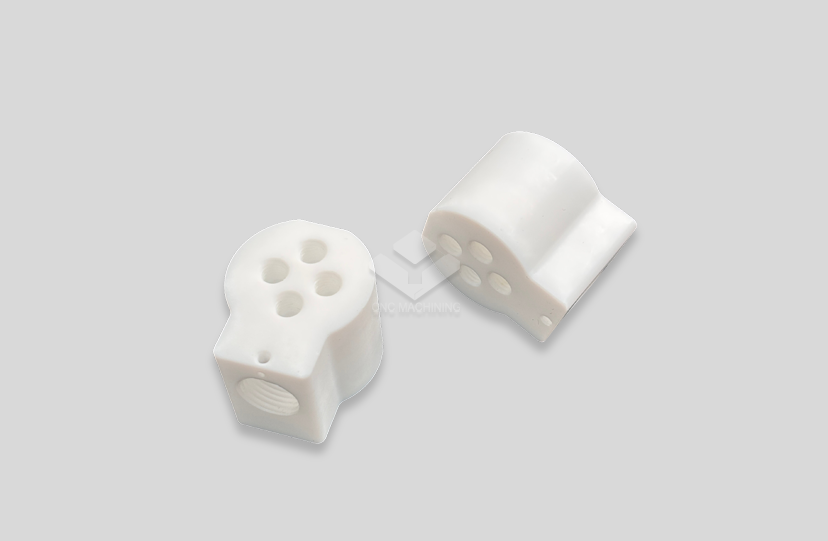
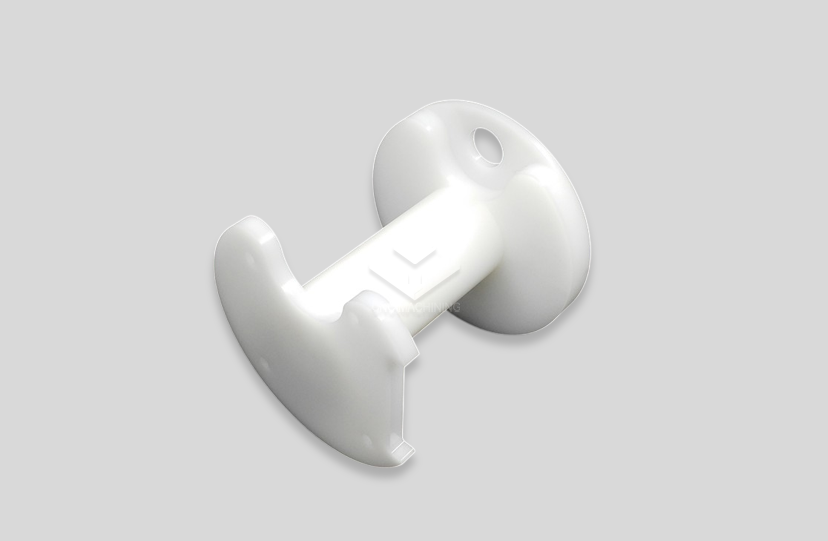
PMMA CNC Machined Optical Components
2. Materials: Engineering plastics with diverse mechanical and thermal properties.
3. Process: Multi-axis CNC machining ensures precision and stability.
4. Advantages: Strong chemical resistance and electrical insulation.
5. Precision: Reliable tolerances and repeatable quality.
6. Capability: Suitable for both prototypes and production parts.
7. Quality: Inspection ensures stable and defect-free output.
PMMA CNC Machined Optical Components
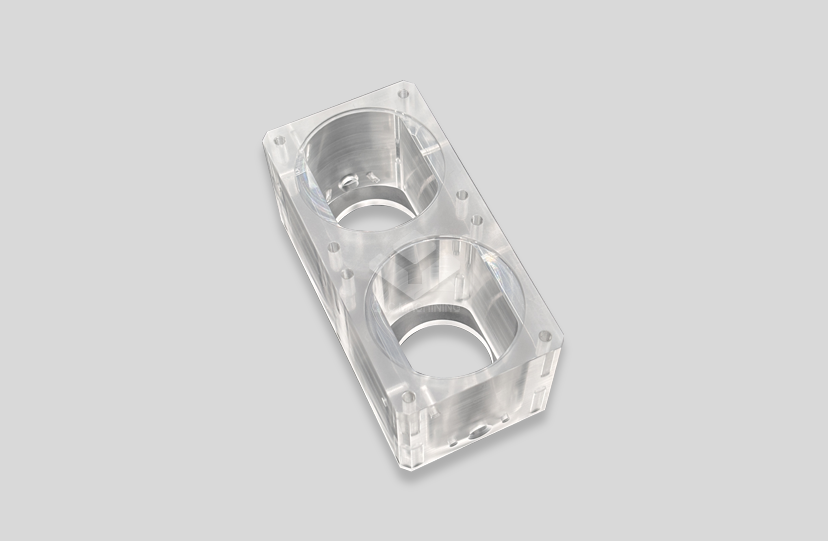
PMMA CNC Machined Optical Components are the best choice when your project needs precise shape and optical performance that is clear as glass. Our production process is based on engineering, and we have over 15 years of experience and modern CNC machining tools to make unique acrylic optical parts that let up to 92% of light through and have tolerances as close as ±0.02 mm. From quick development in as little as three days to full-scale production, we can help with your optical projects by letting you talk directly to an engineer, making everything from scratch, and certifying materials to be FDA-compliant when needed.
Why PMMA Stands Out for Optical Applications?
Acrylic, which is another name for PMMA, is the best material for many optical parts.
It lets an amazing amount of light through. It has the same level of clarity as glass but is a lot lighter.
The material works beautifully in machines. It can hold fine features and have high-quality finishes put on it.
It's very resistant to weather. Your parts' visual features stay the same even after being outside for a long time.
Stability in chemicals is also important. A lot of the popular solvents and cleaners used in optical systems don't work on PMMA.
It's useful because it saves money. You get optical-grade performance without having to buy expensive glass or worry about breaking it.
Our Engineering-Driven Process
We don't just cut parts. We solve optical engineering challenges.
Your project starts with direct engineer communication. No intermediaries. No miscommunication.
Our team reviews your drawings carefully. We identify potential issues before machining begins.
You receive professional recommendations on:
- Material grade selection for your specific optical requirements
- Structural modifications to improve manufacturability
- Tolerance specifications that balance performance and cost
- Surface finishing options to optimize light transmission
This collaborative approach reduces errors. It shortens lead times. It improves your final component quality.
Technical Specifications
| Item | Description |
|---|---|
| Material | PMMA (Polymethyl Methacrylate, Acrylic or equivalent) |
| Color | Transparent (Clear), Black, White, or Custom Colors |
| Process | CNC Milling / CNC Turning / CNC Machining |
| Surface Finish | Machined, Polished, or Sandblasted |
| Tolerance | ±0.05 mm (±0.02 mm for critical features) or per drawing |
| Surface Roughness | Ra 1.6–3.2 μm |
| Feature | Excellent optical clarity, good weather resistance, high surface quality, and lightweight |
| Size | Per Customer Drawing |
| Drawing Format | PDF / DWG / STEP / IGS |
| Production Volume | Prototype to Mass Production |
| Inspection | 100% Inspection / Sampling Inspection |
Precision Machining for Optical Quality
Creating optical components requires special attention.
PMMA is thermally sensitive. Improper machining generates heat that causes stress and distortion.
We control cutting parameters carefully. Feed rates, spindle speeds, and tool selection are optimized for optical-grade results.
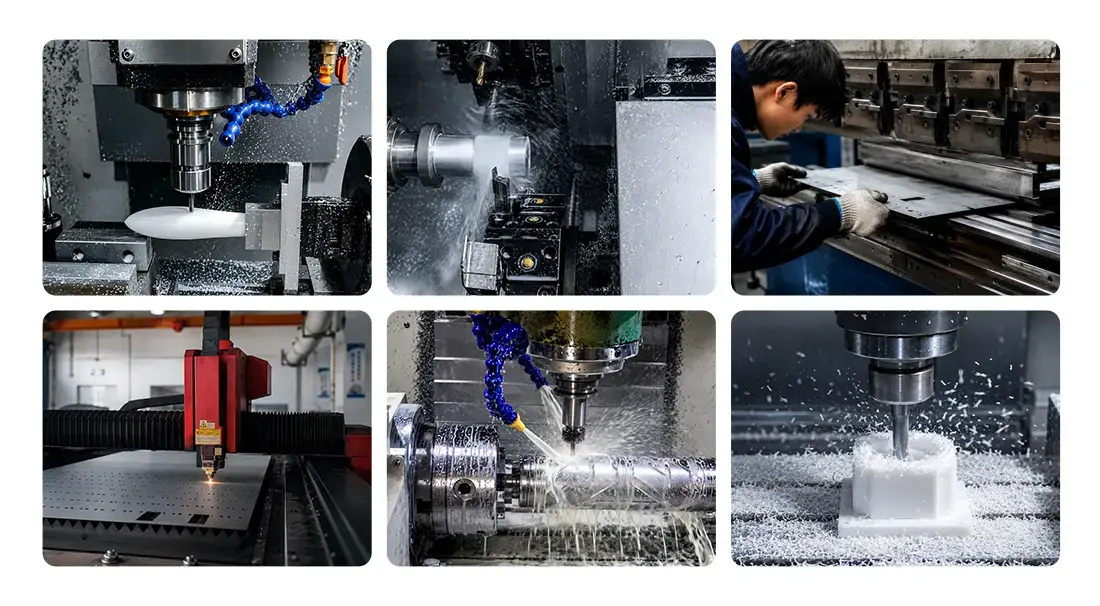
Our multi-axis CNC equipment handles complex geometries. Curved surfaces, precise angles, and intricate features are produced with consistency.
Fixturing methods prevent deformation during machining. Your parts maintain dimensional accuracy throughout the process.
Secondary operations include drilling, threading, and engraving. We complete your components ready for assembly.
For critical optical surfaces, we achieve surface roughness down to Ra 1.6 μm or better through careful machining techniques.
Surface Finishing Options
The right finish transforms machined parts into optical components.
Polishing creates mirror-smooth surfaces. This maximizes light transmission and minimizes scatter.
Flame polishing produces exceptional optical clarity. It's ideal for visible light applications requiring maximum transparency.
Vapor polishing offers uniform surface smoothness. This method works well for complex geometries.
Coating application adds functional properties. Anti-reflective coatings, scratch-resistant layers, or UV protection can be applied.
Sandblasting creates controlled diffusion. This is perfect for light guides and diffuser applications.
We match the finishing process to your optical performance requirements.
Fast Turnaround Without Compromising Quality
Time matters in product development.
You receive quick quotations after our engineers review your drawings.
Sample production typically completes within 7 days. Simple parts can be ready in as fast as 3 days.
This speed doesn't sacrifice quality. Every component undergoes rigorous inspection before shipment.
For production runs, we maintain the same precision and surface quality achieved in prototypes.
Our efficient project management keeps you informed. You always know your project status.
Quality Assurance You Can Trust
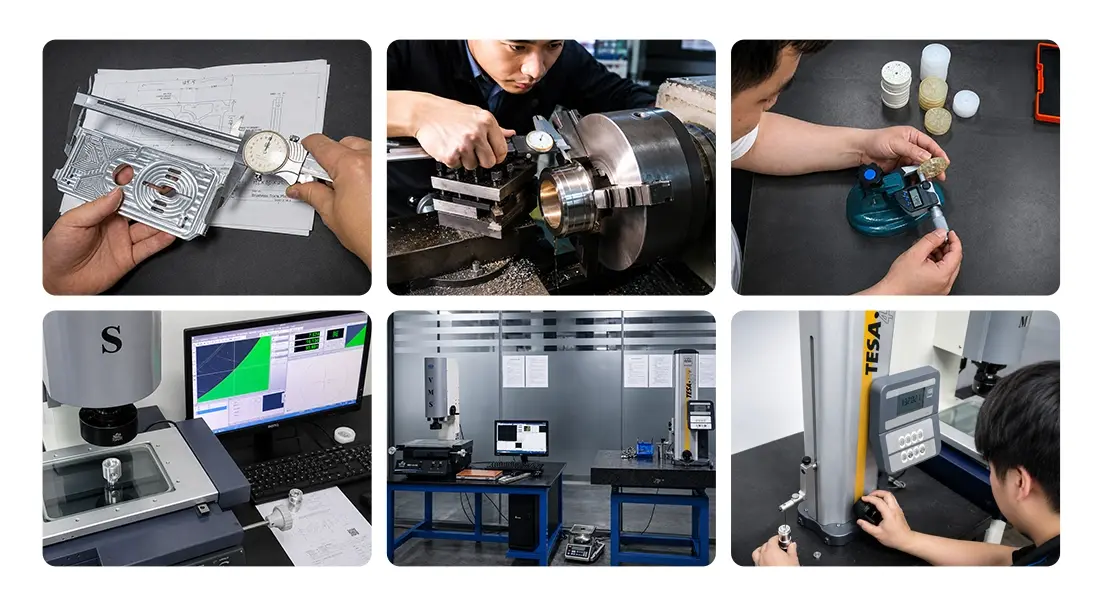
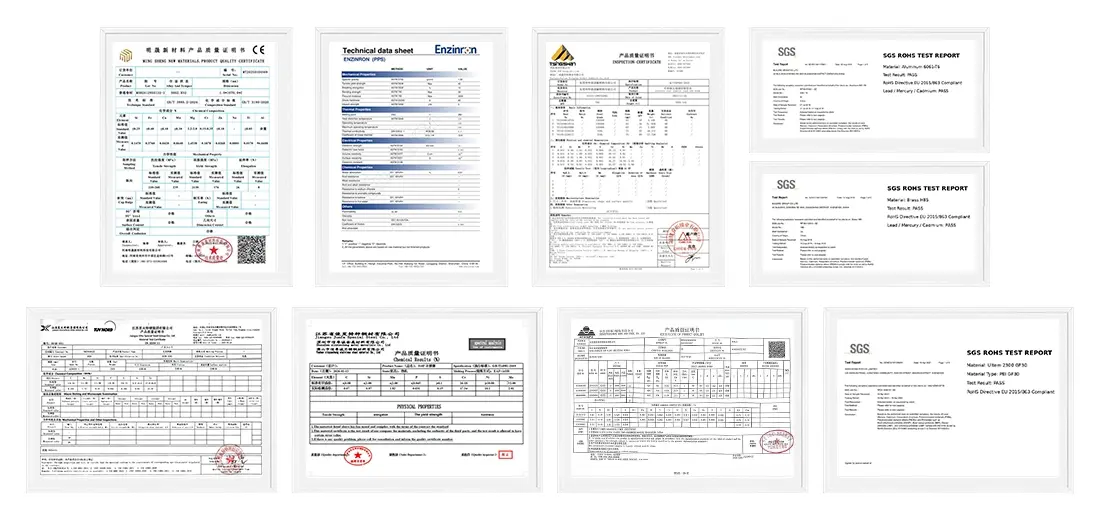
Material approval is the first step in quality control. For tracking, we write down the specs of the raw materials.
Dimensional checking makes sure that tolerances are met. We use measuring tools that are very accurate and are set to meet world standards.
Optical performance testing makes sure that your parts meet the standards for light transfer.
Before shipping, surface flaws are found through visual inspection.
For uses that need to be FDA-compliant, we offer full material certification and compliance paperwork.
As long as the problems with the quality happen within the same month, we'll have it fixed within a week and pay for the shipping.
FAQ
Q: Why choose PMMA (acrylic) for optical components?
Perfect for lenses, light guides, and display covers, PMMA has high light transmission (92%), low haze, and great surface polishability.
Q: How does PMMA compare to PC?
PC is stronger and harder for mechanical purposes than PMMA, which is more transparent and optically clear.
Q: Can PMMA precision machine optical parts?
Controlled CNC machining provides precise tolerances and high-quality optical surfaces.
Q: What post-processing improves PMMA optics?
Polishing, flame treatment, and coating decrease visual distortions and smooth surfaces.
Applications Across Industries
PMMA CNC Machined Optical Components have several uses:
Biocompatible, sterilisable optical parts help medical equipment. Diagnostic, imaging, and surgical devices use our precise parts.
Light guides, diffusers, and coverings made of optical-grade PMMA are used in display technology.
Optically controlled lenses, reflectors, and light pipes make up lighting systems.
Industrial sensors need tough optical windows and translucent housings.
Consumer gadgets require lightweight, scratch-resistant, clear optical components.
Contact Us
Ready to Start Your Optical Project with PMMA CNC Machined Optical Components? Contact our engineering team at bill@bldmachining.com to discuss your requirements and receive a detailed quotation.
 CNC machined parts.webp)