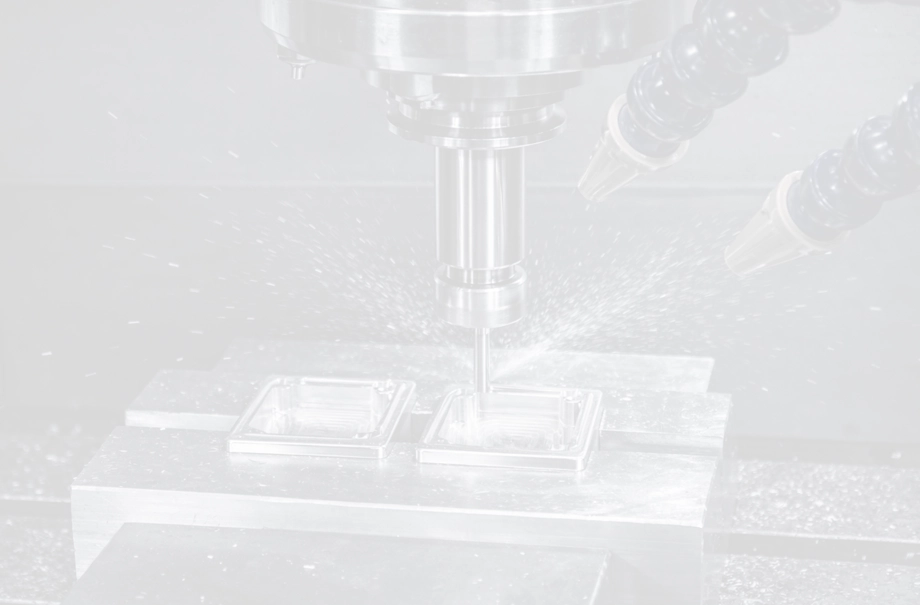
How Swiss Machined Parts Enhance Efficiency and Accuracy in Production
Swiss Machining is now an important part of modern manufacturing because it combines high precision with the ability to make things quickly. For this specific type of turning, sliding headstock lathes support the workpieces continuously while they are being cut. This keeps the dimensions accurate to within ±0.01 mm and prevents deflection. This technology directly improves efficiency by letting manufacturers make complex, small-diameter parts with tight tolerances. This is done by cutting down on cycle times, reducing material waste, and making sure that the quality of the output is always the same. When procurement managers and design engineers in fields like medical devices, aerospace, and precise electronics use this advanced machining method, production costs go down, wait times get faster, and there are fewer mistakes.
Understanding Swiss Machining and Its Advantages
Learn about Swiss Machining and its benefits.
The watchmaker business in Switzerland was the first to use Swiss Machining-type CNC turning. They needed very precise machines to make very small, complicated parts. This technology has changed a lot over the years and now helps many high-tech businesses around the world. The main feature of this process is that the workpiece moves longitudinally through a guide bushing while turning. This lets cutting tools reach the part from different directions at the same time.
Core Benefits for Modern Manufacturing
There are clear benefits to this method over traditional ways of machining. Through our many years of experience, we have seen that parts made with Swiss Machining technology always have surface roughness values as low as Ra 0.8 μm, even after being finished a second time. When working with thin parts, vibration and bending are typical problems that can be fixed by using a guide bushing to provide ongoing support. Because it is stable, makers can work with tough materials like SS316 stainless steel, titanium metals, and high-performance plastics without changing the sizes between runs of production. Bar stock goes straight through the machine, which maximises usage efficiency compared to traditional turning, which needs extra stock length for clamping. This cuts down on material waste by a large amount.
How Production Speed Improves
Compared to multi-operation processes, setup times are much shorter. A part that needs to be turned, drilled, and threaded more than once can be finished in a single cycle, without having to be moved or repositioned. Using our six Swiss Machining-type CNC lathes, we've made complicated prototypes for car clients in just three to five days, which is a lot faster than the old ways of doing things. Being able to run production with no lights on increases capacity even more, which helps makers meet short delivery dates without lowering quality standards.
Swiss Machining vs Traditional Machining Methods: A Detailed Comparison
Knowing the technical differences between the different ways of making things helps buying teams make smart choices about where to get things. Each method is better for certain tasks, and knowing the differences between them helps you choose the right supplier without making expensive mistakes.
Machine Design and Operational Workflow
Traditional CNC lathes hold workpieces in chucks or collets, but they don't support long pieces while they're being cut. While this setup works well for parts with larger diameters, it can be hard to machine thin parts with length-to-diameter ratios higher than 3:1. When features need to be added to both sides of a component, traditional turning needs to be set up more than once. Swiss Machining machines, on the other hand, feed bar stock through a guide screw that is placed close to the cutting zone. This keeps the bar stock steady during the whole process. This design lets both the front and back cutting areas be used at the same time, which greatly cuts cycle times while also improving accuracy.
Tolerance Capabilities and Cost Considerations
Under normal circumstances, conventional machining can reach ranges of ±0.05 mm to ±0.10 mm, which is good enough for many commercial uses. On the other hand, projects with stricter requirements often need extra grinding or lapping steps, which adds cost and wait time. During primary operations, Swiss Machining often achieves tolerances of ±0.01 mm, so no other processing is needed. Even though Swiss Machining machines may have higher hourly rates, the total cost per part often goes down because they have shorter cycle times and don't need as many secondary processes. Our research of customer projects shows that moving from traditional turning to Swiss Machining technology can lower the total cost of making the right parts by 20 to 35 percent, especially when more than 500 are being made.
Selecting the Right Process for Your Application
Swiss Machining works best for parts with diameters up to 25 mm and complicated shapes. In this group are parts like precise pins, shafts, joints, and parts for medical instruments. Traditional machining centers may work better for parts with a larger diameter or a lot of face work. We suggest that you talk to engineering teams directly about your needs. They can look at the drawings and tell you the best way to proceed based on the design features, the choice of material, the tolerance requirements, and the production quantities.
Enhancing Production Efficiency Through Swiss Machining
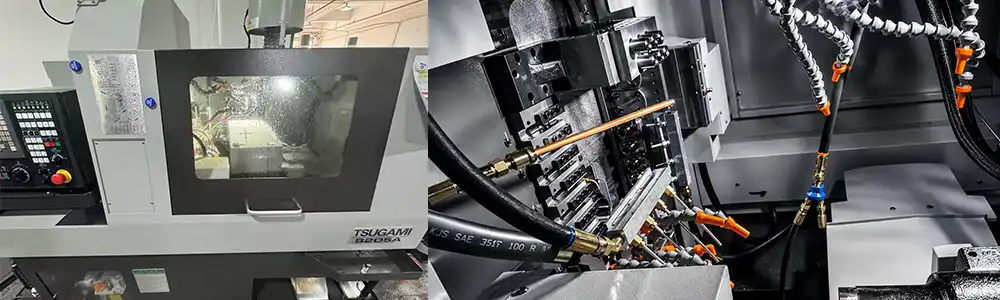
Most of the time, manufacturing jams are caused by machines breaking down, inconsistent quality, or long setup processes. Swiss Machining technology solves these problems in a planned way, making productivity and stability better in a way that can be measured.
Workflow Integration and Cycle Time Reduction
A medical device company we worked with was having trouble getting their precision surgery parts made on time using regular four-axis tools. Lead times were nearly four weeks because each part had to be set up three times and inspected in between. When they switched to Swiss Machining, the same parts could be made in just one operation, and cycle times dropped from 18 minutes per piece to seven minutes. Without buying any new equipment, production capacity tripled, and first-pass yield rates went up from 94% to 99.2 %. This change shows how choosing the right technology to improve processes has a direct effect on how well a business does.
Supporting Lean Manufacturing Principles
Methods for continuous improvement stress getting rid of waste and improving the value stream. Swiss Machining helps reach these goals by combining processes, lowering the amount of work-in-process inventory, and cutting the amount of floor space needed. Being able to finish complicated parts in a single setting cuts down on wasted time and effort spent moving parts between workspaces and lowers the risk of damage during handling. Our facility has a small footprint that used to only fit three traditional machines but now holds six Swiss Machining-type CNC lathes, showing improvements in space efficiency of over 40%. If procurement managers want to start lean projects, they should look at Swiss Machining technology as a strategic partner instead of just another choice for machining.
Real Industry Performance Metrics
Electronics companies that make tiny connector pins said that Swiss Machining cut their quality review time by 60% because the accuracy of the dimensions got so much better. An aircraft parts seller said that moving suitable parts to Swiss Machining production saved them more than $180,000 a year in costs, mostly because they had less scrap and could deliver the parts faster. These measured results show that the technology has real benefits beyond its academic ones. This makes it a useful tool for companies that want to improve their performance.
How to Choose the Right Swiss Machining Service Provider?
When choosing a factory partner, you need to look at more than just the price. The right supplier becomes an extension of your engineering team, adding knowledge that makes the design and production of your products better.
Essential Technical Capabilities to Evaluate
First, make sure that the supplier uses real Swiss Machining-type CNC lathes and not just any old machines with sliding headstocks, as there are big differences in how well they work. To find out about the maximum bar capacity, typical tolerances, and materials that are regularly processed, you should ask. Six Swiss Machining CNC lathes can work with industrial plastics, aluminium, brass, titanium, stainless steel, and metals up to 25 mm in diameter. They can keep tolerances of ±0.01 mm or tighter when plans say so. Check to see if secondary processes like deburring, polishing, and passivation can be done in-house. This will make sure that the whole part is delivered without having to coordinate with several suppliers.
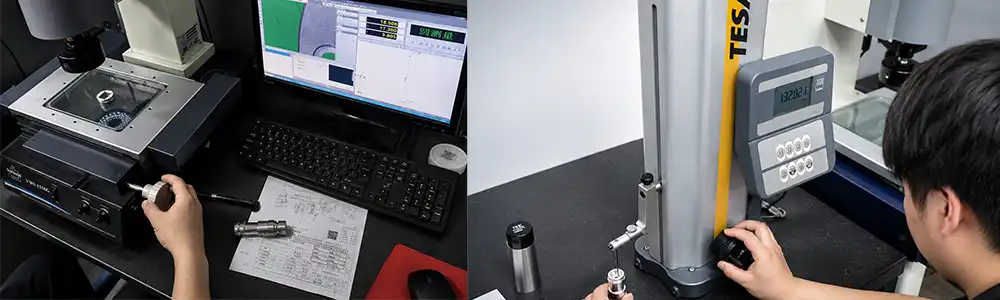
Quality assurance processes show how mature and committed to consistency the seller is. We check the materials that come in before we start making things, use precision tools and optical projectors to make sure things are correct while they're being made, and do final CMM checks before sending them out. All of the steps are done according to ISO 9001 standards, which allows for documented traceability that meets the rules for medical devices and aerospace applications. During the assessment process, ask for sample inspection reports to make sure that the supplier's measurement skills match your needs.
Communication and Engineering Support
True manufacturing partners are different from order-taking providers because they give you direct access to skilled engineers. Our team has an average of more than fifteen years of experience in precision machining. We work directly with customers to look over drawings, improve tolerances, suggest different materials, and answer technical questions. This way of working together stops mistakes that lead to delays and extra work that costs a lot of money. If you ask, we can send you development photos and films, which builds trust as the job is being carried out. This level of involvement is especially helpful for new businesses that may not have a lot of experience making things but need reliable technical advice.
Response Time and Flexibility
Quick turnaround times for quotes and samples show that an organization is efficient and focused on the customer. Detailed quotes are usually sent within 24 to 48 hours, and samples can be made within three to seven days, depending on how complicated they are. This flexibility shortens the time it takes to create a product and get it to market. Being flexible about order amounts is also important, since many projects need to start with making a sample and then slowly increase production. Our ability to handle both low-volume precision parts and mass production means that customers don't have to switch suppliers as volume increases. Instead, they can keep the same source throughout the span of a product.
Conclusion
Swiss Machining is a tried-and-true method for companies that want to boost production while still maintaining high standards of accuracy. The technology can make complicated, tight-tolerance parts in a single step, which cuts down on cycle times, waste, and improves quality consistency overall. We have seen personally how adopting this advanced process changes the way companies make things in the medical, aerospace, automobile, electronics, and industrial equipment sectors. To find the best Swiss Machining partner, you need to look at their technical skills, quality systems, engineering support, and how quickly they respond to your communications. Precision machining has been our speciality for twelve years, and we work directly with other engineers to make sure everything is clear. This makes us a reliable manufacturing partner for both large companies and new, innovative businesses.
FAQ
What size range is suitable for Swiss machining?
Some more advanced tools can handle bigger sizes, but Swiss Machining works best for parts with diameters up to 25 mm. The technology works especially well with parts that have length-to-diameter ratios greater than 3:1. With these parts, traditional ways have trouble with deflection and shaking. The better control this process gives is useful for very small parts like watch parts and medical micro-instruments.
What are the advantages of Swiss machining over conventional turning?
The guide bushing supports the workpiece continuously close to the cutting zone, so it doesn't bend much during operations. This makes it possible to machine parts that are longer and thinner than usual and to get better surface finishes and tighter standards. Using multiple cutting tools at the same time cuts cycle times by a lot, and finishing complex geometries with a single setup eliminates the quality risks that come with moving parts around.
How do you achieve high precision in Swiss machining?
Precision comes from building a rigid machine, making sure the geometry of the tools is just right, and controlling the cutting parameters so that vibrations are kept to a minimum. The guide bushing support system keeps the workpieces stable while they are being cut, which lets the features be placed correctly. We use micrometres and optical displays to make measurements while the process is going on, and we make changes in real time to keep up with specs. Before they are shipped, the final CMM inspection makes sure that the finished parts meet the requirements of the drawing.
Partner With RYH for Expert Swiss Machining Services
RYH specialises in precise Swiss Machining for customers who need very high accuracy, quick return, and solid technical support. Our six Swiss Machining-type CNC lathes can make parts out of SS316 stainless steel that are up to 25 mm in diameter and have surface roughness values of up to 0.8 μm. They can hold tolerances of ±0.01 mm. We are a reliable source for Swiss Machining for companies across North America that make medical devices, aerospace products, electronics, and industrial equipment. Our engineers work directly with your team to make ideas better, suggest materials, and come up with useful ways to make things. Get in touch with bill@bldmachining.com right away to talk about your project needs and get a full quote within 48 hours.
References
1. Stephenson, D.A. and Agapiou, J.S. (2016). Metal Cutting Theory and Practice. CRC Press, Boca Raton.
2. Boothroyd, G. and Knight, W.A. (2011). Fundamentals of Machining and Machine Tools. CRC Press, Boca Raton.
3. Kalpakjian, S. and Schmid, S.R. (2014). Manufacturing Engineering and Technology. Pearson Education, Upper Saddle River.
4. Groover, M.P. (2015). Fundamentals of Modern Manufacturing: Materials, Processes, and Systems. John Wiley & Sons, Hoboken.
5. Shaw, M.C. (2005). Metal Cutting Principles. Oxford University Press, New York.
6. Schey, J.A. (2000). Introduction to Manufacturing Processes. McGraw-Hill Higher Education, Boston.