CNC Turning Services: A Guide To Custom Parts And How To Choose Your Manufacturing Partner
When you need to make a product quickly and accurately, CNC Turning Services are the most important part of your manufacturing strategy. With great accuracy and consistency, these automatic machining processes turn raw metal and plastic materials into unique cylinder-shaped parts. It doesn't matter if you're an R&D expert testing a prototype or a procurement manager looking for parts for mass production. Knowing how turning services work and choosing the right manufacturing partner can make or break your project. This guide talks about the main things you should think about when buying precision machining parts. It will help you confidently manage technical requirements, quality standards, and seller capabilities.
Understanding CNC Turning Services: Process, Benefits, and Applications
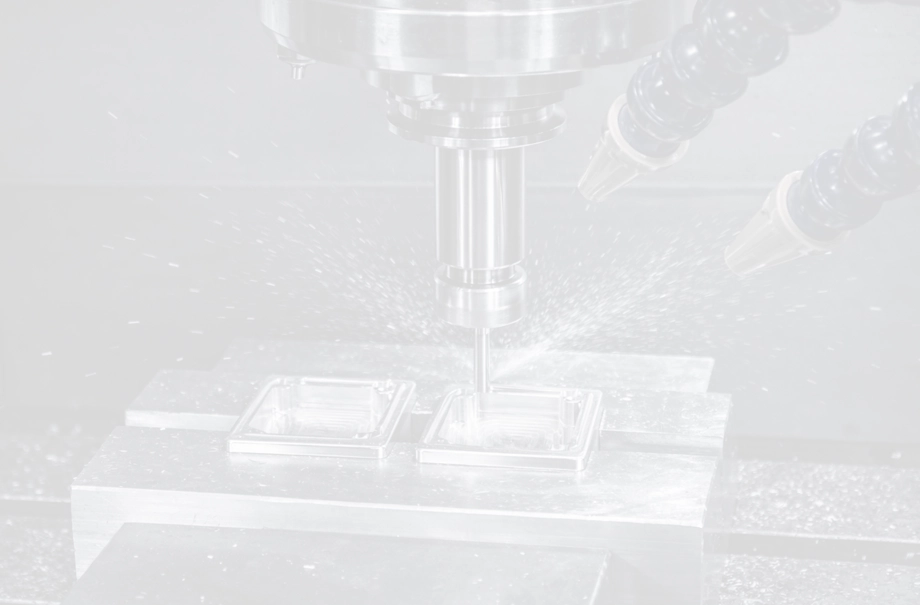
The basic idea behind CNC Turning Services is simple but complex: the item spins at high speeds while fixed cutting tools remove material to make cylinder shapes. Computer Numerical Control technology makes sure that every cut is made according to the program's instructions. This lets different materials have dimensional accuracy as low as ±0.0005 inches.
How the CNC Turning Process Works
The process starts when raw material is put into a rotating chuck. This material is usually brass, aluminum, stainless steel, or engineering plastics. Cutting tools move toward the moving workpiece at exact angles and depths, cutting away extra material to show the final shape. Modern multi-axis CNC lathes can do complicated tasks like cutting, grinding, knurling, external turning, and internal boring without having to move the part. This one-setup feature cuts down on handling mistakes and keeps multiple features concentrically aligned, which is especially helpful for parts that need precise geometric dimensions and tolerances.
Key Benefits for Custom Part Manufacturing
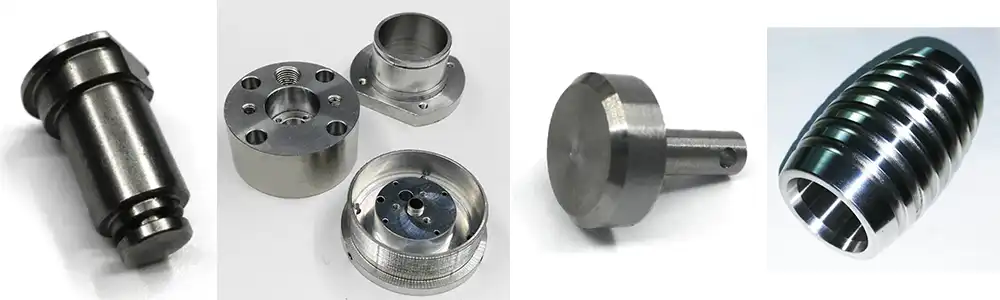
When it comes to precision cutting, CNC turning is clearly better than other ways. Repeatability is the main benefit—once a program is proven to work, it's possible to make thousands of identical parts with very little variation. Custom CNC Brass Turning Parts are a good example of this consistency because brass is easy to machine and can be cut smoothly, threaded precisely, and produced quickly without wearing out tools too quickly. Because of how it's made, the material has faster cycle times than harder metals, which saves money on big production runs.
Another benefit of CNC Turned Aluminum components is that the metal is great for high-speed cutting because it is low in density and conducts heat well. Aluminum is simple to work with, which lets you cut it at high speeds, get a smooth surface, and quickly make precision turned parts that are used in electronics housings, medical device parts, and car sensors. Being able to get a smooth surface right after turning often gets rid of the need for extra steps like grinding or finishing, which cuts down on wait times even more.
How to Choose the Right CNC Turning Service Provider for Your Business
When looking for a manufacturing partner for CNC Turning Services, it's not enough to just compare prices; you also need to look at their technical skills, quality systems, and operational dependability. When providers don't have the technical depth or process control to give uniform results from the prototype phase to the production phase, it has real effects on the procurement managers.
Technical Capabilities and Material Expertise
Your production partner should have a track record of working with the materials that your plans call for. Not all shops are as good at working with materials that are hard to make, like Inconel, titanium, or strengthened plastics. A company that mainly makes Custom CNC Brass Turning Parts might not know the best ways to design and make tools for hardened steels. When evaluating a source, ask for case studies or model parts that show how the material meets your needs and how complicated the job is. If a shop has metallurgical experts on staff, they can suggest material swaps that keep performance the same while making it easier to machine or lowering costs.
Machining capability is more than just having the right tools on hand. Controlling the tolerance depends on things like stable temperature, machine maintenance schedules, and the skill of the operator. Maintaining ISO 9001 certification is a sign that a supplier is dedicated to process documentation and ongoing improvement. However, certification doesn't ensure accuracy on its own. Ask specific questions about the inspection tools used, such as CMM machines, optical comparators, and surface roughness testers, and find out if dimensional records are sent with orders. What makes precision CNC turning different from standard turning? Tighter tolerances, a better surface finish, and tight control of concentricity and roundness through advanced process monitoring are what precision turning is all about.
Engineering Support and Design Collaboration
Technical communication separates transactional machine shops from true manufacturing partners. Engineers and product developers need suppliers who are involved in the design phase and offer Design for Manufacturability analyses that find problems before the first chip is cut. Talking directly with another engineer can help explain tolerance stackups, surface finish standards, and critical-to-function dimensions. This lowers the risk of having to do expensive rework or delays in production.
Our engineering team has an average of more than 15 years of technical experience, which lets us give you useful advice on choosing materials, improving structural design, and surface finishing options that are in line with how things are made. By working together, this method speeds up prototype testing by helping R&D teams figure out which parts of the design affect cost and lead time. When suppliers share manufacturing intelligence early on, products get to market faster and with fewer changes to the design.
Lead Time, Flexibility, and Scalability
Production plans don't always go as planned because of changes in designs, changes in demand, and problems in the supply chain. Manufacturing partners need to be able to react quickly to provide CNC Turning Services. Look at the lead times that suppliers give you for prototypes versus production runs, and learn what makes those times different. Because we keep our tooling libraries up to date and our scheduling systems fluid, we can usually finish sample production in one week and deliver easier parts in three days.
Batch adaptability is important for businesses that are going from prototypes to production. A lot of suppliers have high minimum order amounts that don't work for pilot production or specialty products that are only needed in small amounts. A manufacturing partner who is skilled at both small-batch runs and high-mix production can help you make smart decisions by letting you test market demand before you commit to big inventory investments. Scalability makes sure that if your needs grow, the provider can meet them without lowering quality or making wait times longer.
Global Logistics and Delivery Reliability
When balancing domestic and international suppliers, procurement teams have to think about how hard it is to ship, how long it takes to clear customs, and how much it costs to land. Manufacturers that give door-to-door service make it easier to coordinate operations and make running a business easier. We ship small orders around the world quickly and easily, taking care of the export paperwork and choosing the best service to make sure the parts arrive in good condition and on time. Delivery reliability is more than just meeting stated ship dates. It also includes packing that doesn't get damaged, accurate tracking of shipments, and quick contact when problems happen.
Navigating the CNC Turning Process: From Inquiry to Delivery
Knowing how the CNC Turning Services manufacturing process works helps procurement professionals run projects well and make sure that everyone inside the company has realistic expectations. At each stage, there are chances to get the best results by communicating clearly and making smart decisions.
Initial Inquiry and Quote Assessment
The pricing process tells you a lot about a supplier's skills and how they treat their customers. Send in detailed drawings with all the measurements, material requirements, surface finish needs, and estimates of the annual volume. When RFQs aren't clear, quotes aren't clear either, which can cause scope creep and cost overruns. Before agreeing to prices and wait times, responsive providers ask detailed questions about important measurements, inspection needs, and preferred packaging.
We respond quickly and give quotes, usually within 24 to 48 hours, because our engineering team looks over every inquiry to make sure it's technically possible before setting a price. This extra work up front keeps things from going wrong during production when geometric shapes are hard to make or need special fixtures. When comparing prices, don't just look at the unit price. Also, look at services that add value, such as design optimization, material certifications, inspection documents, and post-processing choices like plating, anodizing, or heat treatment.
Design Validation and Material Selection
Before you buy production tools, you should make sure that your idea works well with the turning process. Suppliers with a lot of engineering knowledge do DFM reviews to find problems like walls that aren't thick enough, features that need special tools, or tolerance stackups that could lead to rejection. This joint validation saves time and money by answering worries about how well the chips can be made before they are shipped.
The choice of material affects both cost and performance. Many fluid control parts are still made of brass because it is resistant to corrosion and easy to work with. Why is brass good for CNC turning? Brass is very easy to machine, so it can be cut smoothly, threaded precisely, and produced quickly, which lowers the cost of each part. Different grades of aluminum alloys machine with different results, but they can be used in situations where weight reduction and thermal management are important. Your provider should help you choose the right materials based on how they will be used, the environment, and your budget.
Production, Inspection, and Quality Assurance
After plans are approved and purchase orders are sent out, production execution checks to see if parts meet the requirements. Process controls are used by well-known manufacturers to keep an eye on tool wear, dimensional drift, and the consistency of the surface finish throughout production runs. Before full batch processing starts, the first article inspection makes sure that the first parts match the drawings. This finds setup mistakes early on.
We follow strict international rules for approval of materials, allowable size differences, and compliance, which include using FDA-approved materials for medical purposes. Inspection records that include real measures of key dimensions are concrete proof of conformance. For uses that need very high quality, ask for process capability studies that show the supplier's tools and methods consistently make parts that are within the limits of the specifications.
Post-Processing and Final Delivery
There are a lot of precision turned parts that need extra steps like heat treatment, surface finishing, or assembly before they can be used. When a supplier offers combined post-processing, you don't have to coordinate with multiple providers. Anodizing aluminum parts makes them more resistant to wear and gives you more options for how they look. Salt spray testing proves that the corrosion protection is good for harsh environments.
The way a supplier handles warranties and customer service shows how confident they are in their work. If quality problems are discovered within the same month, we guarantee quick remanufacturing, usually within a week, and pay for the shipping. This promise lowers the risk for buying teams and shows responsibility, which helps to build relationships that last.
Conclusion
To find the best partner for making precision turned parts through CNC Turning Services, you need to look at more than just price. You need to look at their technical skills, quality systems, engineering support, and operational reliability. Modern product development needs accurate measurements, a wide range of materials, and fast output. Custom CNC turning meets these needs in the automobile, medical, aerospace, electronics, and industrial equipment industries. Procurement pros set their companies up for success by learning about the turning process, asking smart questions when evaluating suppliers, and working together with makers who are driven by technology. Finding a real manufacturing partner—one that contributes to design ideas, upholds strict quality standards, and can adapt to changing project needs—is an investment that pays off in lower risk, faster time-to-market, and products that work reliably in tough situations.
FAQ
What materials work best for CNC turning applications?
Materials that are often turned for CNC Turning Services are aluminum, brass, carbon steel, stainless steel, and engineering plastics like PEEK and Delrin. The choice of material is based on its function, including its power, resistance to corrosion, ability to carry electricity, and working temperature. Brass is great for controlling fluids because it is easy to work with and doesn't rust. Aluminum works well in aircraft and electronics where weight is important. Stainless steel grades are used for medical devices and food handling tools that need to be biocompatible and clean.
How do I identify the right CNC turning service for complex parts?
Multi-axis machines, live tooling, and Swiss-type lathes are better at handling complex geometries than basic two-axis lathes. This is something you should look at when evaluating suppliers. Look over case studies that show parts that are similar in complexity to yours. Ask for sample parts and inspection papers that show that the tolerances were met. Suppliers who offer technical help do DFM analysis, which finds possible manufacturing problems early on and lowers the risk of production delays.
What certifications should I expect from a reliable turning service provider?
Getting ISO 9001 approval means that your quality control systems are well-established. Industry-specific certificates, such as AS9100 for aircraft or ISO 13485 for medical devices, show that a product meets the standards of its field. Material approvals track the history and chemical makeup of raw materials. For medical and food contact uses, products that are FDA-approved are necessary. Ask for proof that the certification is up-to-date and covers the things that are important to your application.
Partner With RYH for Precision CNC Turning Services
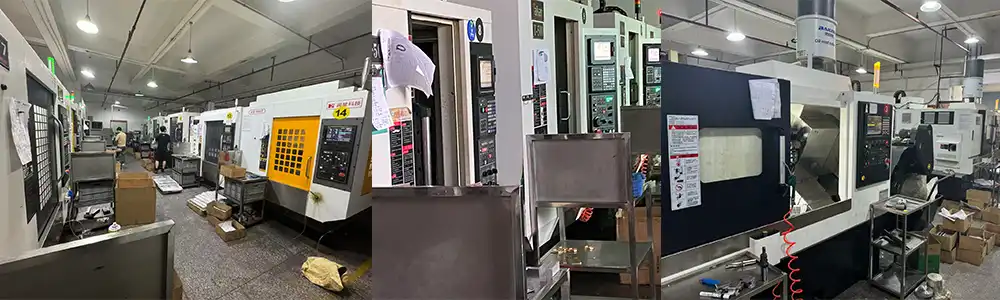
Finding a CNC Turning Services provider who knows both the technical needs of precision machining and the business realities of B2B procurement is the first step to streamlining your supply chain. Together, RYH's manufacturing team has more than 16 years of experience, and the engineers have more than 15 years of hands-on experience making unique metal and plastic parts. Our fully customized method starts with your drawings and includes everything from rapid prototyping—samples can be sent in as little as three days—to scalable mass production with strict quality control.
Direct contact between engineers avoids misunderstandings that cost a lot of money, and our wide range of services includes material certifications, FDA compliance, anodizing, and strict inspection routines that meet international standards. We are very good at handling complicated machine needs, unique surface finishes, and small-batch production that can be changed to fit your project's stage and budget. Efficient global transportation and door-to-door shipping solutions make buying things from other countries easier. We also promise to remanufacture quickly within one week if there are any quality issues.
Discover how our engineering-driven method and track record can help you speed up the development of your product while keeping the level of accuracy needed for your use. Get in touch with bill@bldmachining.com right away to talk about your unique CNC turning needs and get a quote that is made just for your project.
References
1. Gardner, S. (2021). Precision Machining Technology. Boston: Cengage Learning.
2. Kalpakjian, S., & Schmid, S. (2020). Manufacturing Engineering and Technology. Upper Saddle River: Pearson Education.
3. Lopez, M. (2019). CNC Programming Handbook: A Comprehensive Guide to Practical CNC Programming. New York: Industrial Press.
4. Machinery's Handbook Editorial Staff. (2020). Machinery's Handbook 31st Edition. New York: Industrial Press.
5. Stephenson, D., & Agapiou, J. (2018). Metal Cutting Theory and Practice. Boca Raton: CRC Press.
6. Walker, J. (2022). Fundamentals of Metal Machining and Machine Tools. London: Taylor & Francis.