CNC Turning VS. Milling Services: The Authoritative Guide To Cost, Precision, And Lead Time
Selecting between CNC turning and milling services has a big effect on the success of your project, how much money you spend, and how long it takes to get your product on the market. Both methods of cutting produce precise parts, but they work in very different ways, have very different cost structures, and can't produce parts of the same size. CNC Milling Services are very good at making parts with complicated shapes, flat surfaces, and small details by using rotary cutters to remove material from workpieces that stay still. On the other hand, turning is used to make cylinder-shaped parts by moving the workpiece against cutting tools that stay in place. By knowing these differences, mechanical engineers, procurement managers, and research and development teams can make sure that production methods are in line with design needs, material specifications, and production volumes, all while reducing costs and speeding up delivery times.
Understanding CNC Turning and Milling: Core Differences Explained
The main differences between these machining processes determine their best uses and how well they work with other designs. Knowing these differences helps procurement pros make choices that are in line with project requirements and the ability to make the product.
How CNC Turning Operates and Its Applications
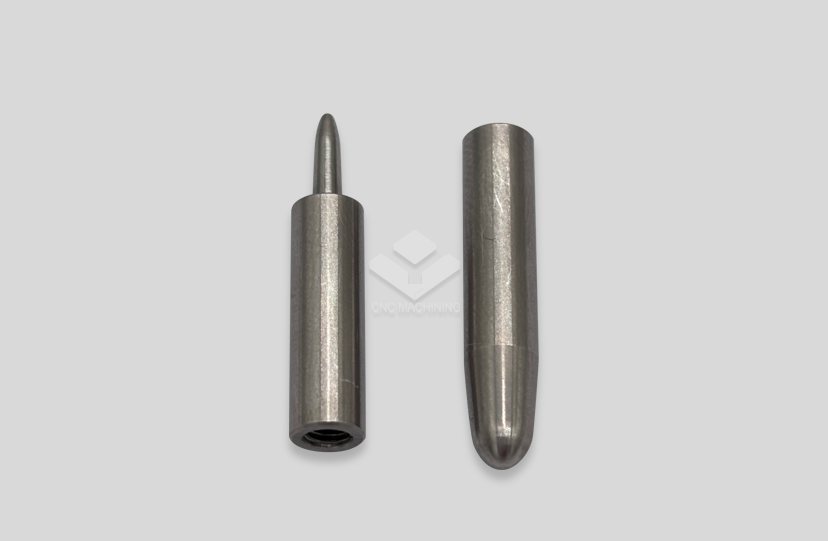
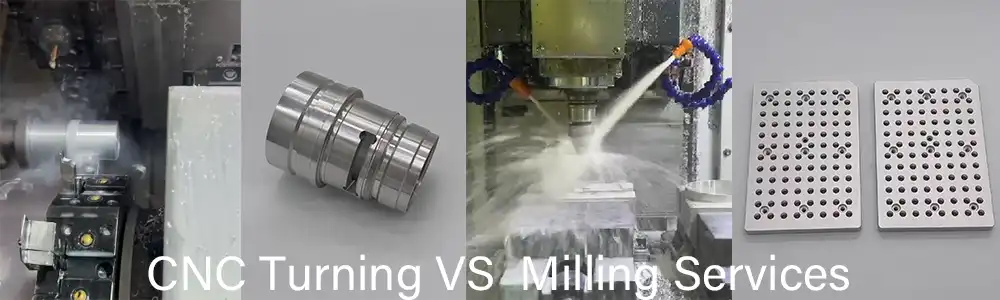
CNC turning spins the piece at very high speeds, while cutting tools that stay in place remove material along paths that have already been planned. This process naturally makes shapes that are cylinder- or cone-shaped, like shafts, bushings, pins, and threaded parts. The rotating workpiece lets a lot of material be removed quickly, which makes turning a very efficient way to make a lot of round parts. Turning operations are often used in fields that need precise shafts for robotics, automotive spindles, or medical instrument housings. Advanced multi-axis lathes can usually hold tolerances of ±0.005mm and can work with aluminum, stainless steel, brass, titanium, and industrial plastics.
CNC Milling Capabilities and Geometric Flexibility
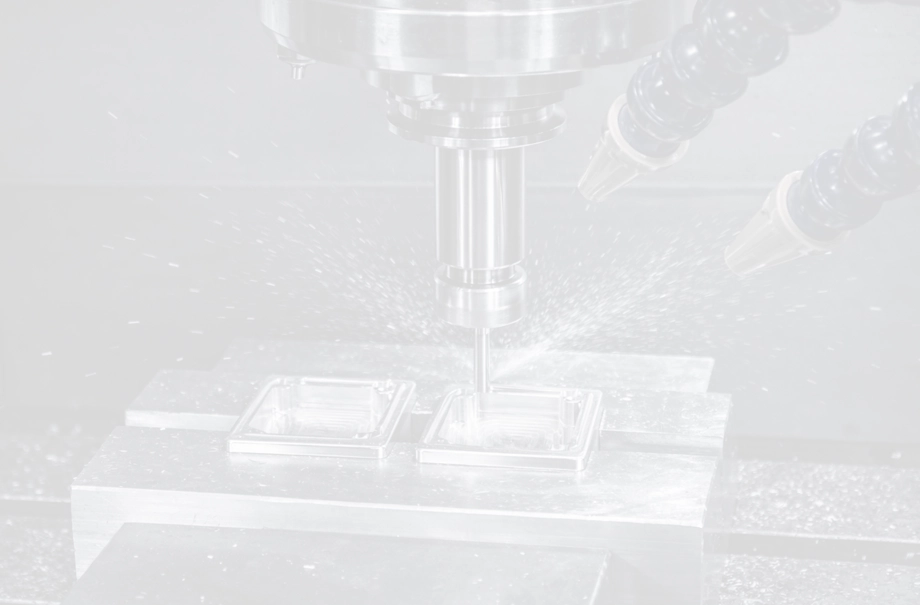
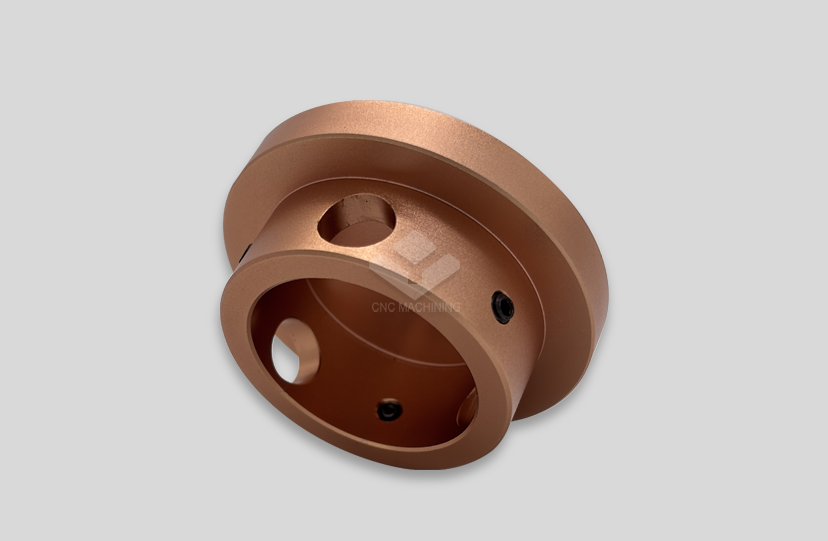
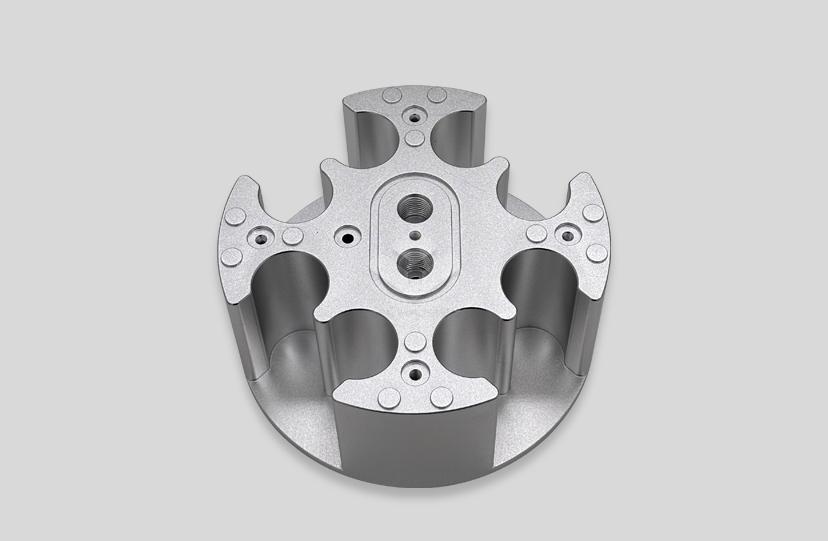
Milling uses spinning cutters that move along multiple directions while the workpiece stays still. This lets complex forms, slots, pockets, and precise surface features be made. For parts with complicated shapes, like mounting clamps, enclosures, heat sinks, and test housings, this feature is very important. CNC Milling Services can work with a variety of materials, such as C11000 copper, which has a high electrical conductivity of ≥101% IACS and a high thermal conductivity of approximately 391 W/m·K at 20°C. Three-axis mills are good for basic tasks, but five-axis configurations can make complex shapes in a single setup, which cuts down on handling mistakes and improves the regularity of dimensions. Milled copper parts are used in places where high conductivity-to-weight ratios are very important, like in telecommunications infrastructure, power electronics for EV systems, and renewable energy inverters.
Material Considerations Across Both Processes
The properties of the material have a big effect on the choice of machining method. When turning, materials are easily moved around to make round profiles, but thin-walled or irregularly shaped stock can be hard to hold in place. CNC Milling Services work with different types of materials, like plates, blocks, and irregular castings, so they can be used to make parts that need to be machined into non-cylindrical shapes with multiple features. Passivated CNC milling parts made of stainless steel often get a treatment after they are machined that makes them more resistant to rust without changing their size, which is very important for FDA-compliant medical device parts and food processing equipment.
Cost, Precision, and Lead Time: Critical Criteria for B2B Procurement
Making decisions about what to buy depends on finding the best balance between cost, accuracy in measurements, and speed of delivery. Depending on the part's shape, the amount being made, and the tolerance standards, each cutting method has its own benefits. Knowing these trade-offs helps supply chain managers deal well and make sure that the project's needs are met by the supplier's abilities.
Cost Structure Analysis for Turning and Milling
Because setup times are short and cycle times are fast, turning processes usually offer lower per-piece costs for large quantities of cylinder parts. When compared to multi-axis mills, single- or dual-axis lathes need simpler tools, which lowers the original cost and ongoing costs of upkeep. But parts that need features other than a cylindrical shape can't be turned because they are too expensive. This means that extra processes are needed.
Precision Capabilities and Tolerance Achievement
Tight tolerances can be reached with either process, but the exact capabilities depend on the quality of the machine, the condition of the tools, and the skill of the operator. Modern CNC lathes keep diameter tolerances of ±0.005mm to ±0.01mm, and they can achieve surface finishes of Ra 0.8μm through precise turning operations. When milling, the error levels for linear measurements are about the same, but it's harder to keep the positional accuracy across multiple features. Five-axis mills are great at meeting the geometric dimensioning and tolerancing (GD&T) needs of complicated assemblies.
Lead Time Factors and Production Speed
Lead times depend on how hard the code is, how many machines are available, and how much is being made. Simple turned parts usually ship within three to seven days because they are easy to program and don't need much setup. Lead times are one to two weeks longer for complex milled parts that need five-axis operations, special fixtures, or more than one setup.
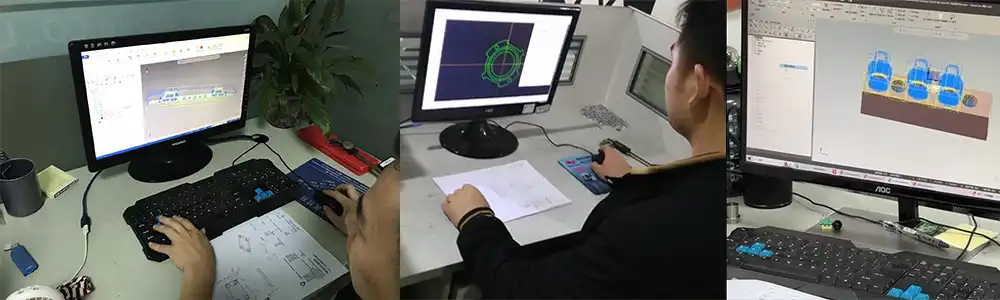
Our engineering team has an average of more than 15 years of technical experience, which lets us do quick design-for-manufacturability (DFM) analyses that find problems before they happen in production. This proactive approach cuts down on revision cycles and speeds up the delivery of prototypes. Sample production usually ends in one week, and simpler parts can be machined in three days. This helps startups and R&D departments that are under a lot of pressure from the market to meet their tight product development deadlines.
Choosing the Right Service: Tailoring to Your Project Needs
Matching machining methods to the needs of the component improves both the quality and efficiency of production. To avoid costly redesigns or delivery delays, procurement managers should know which process fits the design intent, material properties, and production scale.
Design-Driven Process Selection
Process suitability is based on the geometry of the part. When turning, cylindrical parts like shafts, pins, bushings, and connections automatically line up. Turning is a fast and efficient way to make aluminum shafts for robotics equipment or threaded links for battery systems. On the other hand, parts with flat surfaces, angular shapes, or many features that overlap need cutting capabilities. CNC Milling Services are needed to make complex copper heat sinks for 5G base stations or intricate stainless steel brackets for medical devices.
Decisions are also affected by the width and aspect ratios of the walls. Cylindrical parts with thin walls could bend when they are turned, which could affect how accurate the measurements are. When milling, using the right fixtures helps support complex shapes better. Material machinability is also important. "Gummy" materials like pure copper can smear when turned, but by optimizing milling parameters, you can get better surface finishes and edges without burrs.
Prototyping and Low-Volume Production Strategies
Process adaptability is helpful for low-volume production situations. Milling may be more cost-effective for projects that need 10 to 100 parts, even though each piece costs more, because it requires less tooling and is easier to make changes to the design. When you turn enough, the cost of setup is spread out over a bigger number of batches, which lowers the unit cost by a large amount.
Hybrid Approaches for Complex Components
This process of turning and milling complex parts together is called turn-mill processing. Integrated machining centers that can do both types of work are useful for parts with cylinder bodies that have milled flats, cross-holes, or pockets. This method cuts down on handling between processes, which improves accuracy in measurements by keeping work-holding references consistent and cuts down on total lead times.
Turn-mill techniques combined with CNC Milling Services are often used to make aerospace parts, UAV structural parts, and high-performance robotic systems. To coordinate these tasks, you need suppliers who can handle various machining processes and provide effective project management. We can support projects from development to mass production by integrating resources and offering customized solutions. We maintain strict tolerances and consistent quality standards across all production runs.
Optimizing Your Procurement Strategy with CNC Milling and Turning Services
Clear communication, thorough specs, and smart partnerships with suppliers, including reliable CNC Milling Services, are all parts of good procurement strategies that make it easier to carry out projects. Using these methods cuts down on costs, makes quality more consistent, and speeds up delivery times during the prototype and production stages.
Submitting Detailed RFQs and Technical Documentation
For accurate quotes, you need a lot of information. Request-for-quotation (RFQ) packages should have full CAD models, detailed drawings with GD&T callouts, material requirements, surface finish needs, and expected production volumes. Specifications that aren't clear can lead to price confusion and mistakes during production. Clearly stating the needs for inspections, material approvals, and packing from the start avoids confusion and delays.
Our one-on-one technical contact, which doesn't go through middlemen, lets engineers talk directly to each other about reviewing sketches, making designs better, and coming up with useful machining solutions. This collaborative approach finds problems with manufacturability early on, which cuts down on the number of changes needed and shortens lead times. Responding quickly and getting quotes back—often within 24 hours—helps meet tight deadlines for purchases and projects.
Managing Minimum Order Quantities and Lead Time Expectations
Managing lead times needs reasonable planning that takes into account things like complexity, getting materials, and scheduling output. Rush orders cost more, but providers can better use their resources when they are clear about when things need to be done. Setting up blanket buy orders with planned releases lets suppliers see how production is going, which helps them plan their capacity more efficiently and make sure that the quality of all deliveries is the same.
Leveraging Technology for Communication and Order Tracking
Digital platforms improve the productivity of buying by making contact easier, tracking orders in real time, and centralizing paperwork. Cloud-based teamwork tools make it easier to share design files, handle revisions, and get approvals. This cuts down on the number of emails that get lost and the chance of misunderstandings. Automated progress updates keep everyone involved in the project updated, which makes it easier for the engineering, procurement, and management teams to work together on the project.
Good ties with suppliers are marked by clear communication and adaptable performance. Our global door-to-door delivery services for small orders make international logistics easier by getting rid of the hassles of customs and coordinating goods. With this all-in-one service model, procurement professionals can focus on strategic tasks instead of managing logistics and paperwork.
Conclusion
To choose between CNC turning and CNC Milling Services, you need to look at the shape of the part, the amount that needs to be made, the tolerances that need to be met, and the cost. Turning is faster and better for making large quantities of cylindrical parts, while milling can handle complicated forms and features that are needed for complex structures. Understanding how costs work, how precise a supplier's powers are, and how lead times change over time helps procurement managers match a supplier's skills with the needs of a project. Hybrid methods that use both processes work best for making complicated parts because they reduce the amount of handling needed and make sure that the dimensions are always the same. Strategic relationships with suppliers that focus on technical teamwork, quality inspection, and responsive communication turn machining vendors into real production partners, speeding up product development and making sure deliveries are on time.
FAQ
What tolerances can CNC turning and milling achieve?
Today's CNC turning keeps diameter tolerances between ±0.005mm and ±0.01mm, and the surface finish can reach Ra 0.8μm. Linear margins are about the same for milling processes, but five-axis machines are better at meeting complex GD&T needs. What the machine can actually do depends on its state, the qualities of the material, and the shape of the part. Talking about tolerance distribution with experienced engineers during design reviews makes sure that the product can be made without defining too many tight tolerances that drive up costs.
How do I choose between turning and milling for prototypes?
Choosing a prototype depends on the shape of the part and any changes that are expected to the design. Cylindrical parts are easy to turn because it saves time and money. Milling is needed for parts with flat surfaces, pockets, or complicated shapes. When designs are changed a lot, milling is better than turning because it can handle changes in geometry more easily. Talking to factory experts early on makes it clear if the process will work and finds ways to improve the design that cut costs and speed up delivery.
Can surface treatments be applied after CNC machining?
Passivation makes milled stainless steel parts more resistant to corrosion without changing their size. This is usually required for medical devices and food processing equipment. Anodizing aluminum parts gives them a nice colour and makes the surface harder and more resistant to wear. Testing with salt spray proves that a coating works well for use in marine or outdoor settings. By mentioning surface treatments in the RFQ, providers can make sure that operations are done in the right order and give correct prices.
Partner with RYH for Precision CNC Milling Services and Turning Solutions
It's easy to make choices about complicated machining when you work with experienced CNC Milling Services suppliers who are dedicated to engineering teamwork and quality excellence. Our team at RYH has more than 15 years of technical experience and advanced multi-axis machining skills. We can help with projects from the first prototype to large-scale mass production. We do a lot of fully customized mechanical processing based on plans from our clients. We can work with metals and non-metals, like C11000 copper, stainless steel, aluminum, and industrial plastics. Our direct contact between engineers cuts out middlemen and lets them give professional advice on choosing materials, designing structures, keeping standards, and finishing the outside of things in a way that makes them easier to make and costs less. Sample production usually ends within a week, or even three days for simpler shapes, which helps meet tight development deadlines. Whether you need complex milled parts with tight tolerances or large quantities of consistent quality turned parts, RYH can help. Their solutions are backed by full material certifications and guarantees for quick remanufacturing. Get in touch with bill@bldmachining.com right away to talk about your project needs and start working with a fast, engineering-driven CNC machine partner.
References
1. Kalpakjian, S., & Schmid, S. R. (2014). Manufacturing Engineering and Technology (7th ed.). Pearson Education.
2. Stephenson, D. A., & Agapiou, J. S. (2016). Metal Cutting Theory and Practice (3rd ed.). CRC Press.
3. Groover, M. P. (2020). Fundamentals of Modern Manufacturing: Materials, Processes, and Systems (7th ed.). Wiley.
4. ASTM International. (2019). ASTM B152: Standard Specification for Copper Sheet, Strip, Plate, and Rolled Bar. ASTM International.
5. Boothroyd, G., Dewhurst, P., & Knight, W. A. (2011). Product Design for Manufacture and Assembly (3rd ed.). CRC Press.
6. López de Lacalle, L. N., & Lamikiz, A. (2009). Machine Tools for High Performance Machining. Springer-Verlag London.