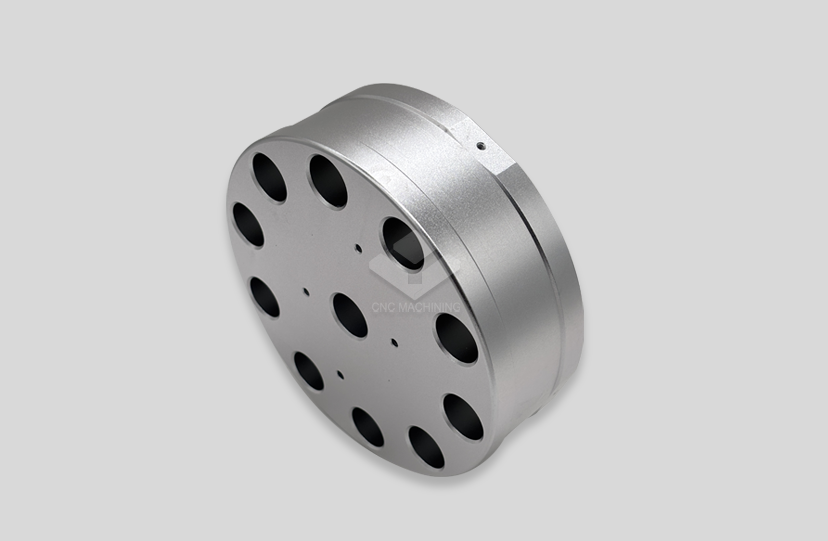
Why Does 5-Axis CNC Work for Complex Parts?
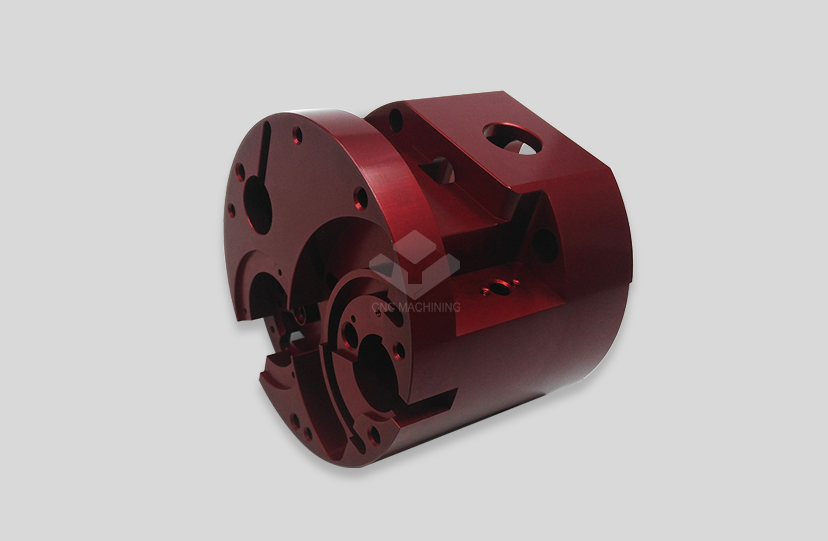
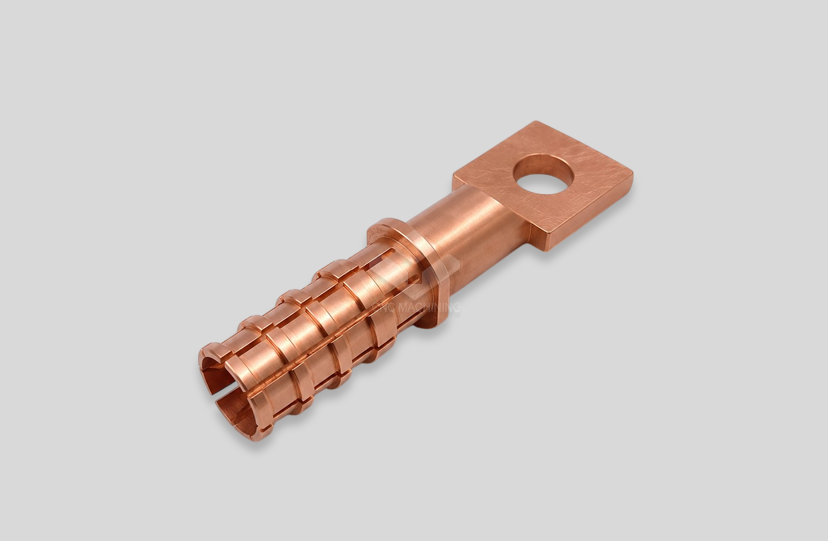
5-Axis CNC Machining changes the way complicated parts are made by letting cutting tools approach workpieces from almost any angle all at once. This ability to move in more than one direction gets rid of the mistakes and inefficiencies that come with traditional methods of repositioning. When your part has complex angles, deep cavities, or complicated shapes, 5-Axis CNC Machining technology gives you the highest level of accuracy while cutting production time by a huge amount. Because linear and rotational directions can be controlled at the same time, parts that normally need multiple supports can now be made without stopping, and tolerances and surface quality are kept the same throughout the process.
Introduction
Procurement managers and engineering teams in the aircraft, medical device, automobile, and industrial equipment sectors are always facing problems when they try to make complex precision parts. There are some problems with traditional machining methods that become clearer as product designs get more complicated. 5-Axis CNC Machining has become an important tool for business-to-business workers who want to keep tight tolerances on dimensions while increasing output efficiency.
This complete guide talks about the real-life problems that procurement managers, R&D engineers, and supply chain workers face when they have to make complicated parts with very tight standards. Knowing how simultaneous multi-axis control works and why it's important helps people make decisions about which manufacturing partners to work with, whether to invest in new technology, and how to speed up the process of making a product. The tips below will help you understand how advanced machining can help your business, whether you're making medical instruments that need materials that are FDA-approved or prototyping car parts with complicated shapes.
Understanding the Fundamentals of 5-Axis CNC Machining
How Five-Axis Control Functions
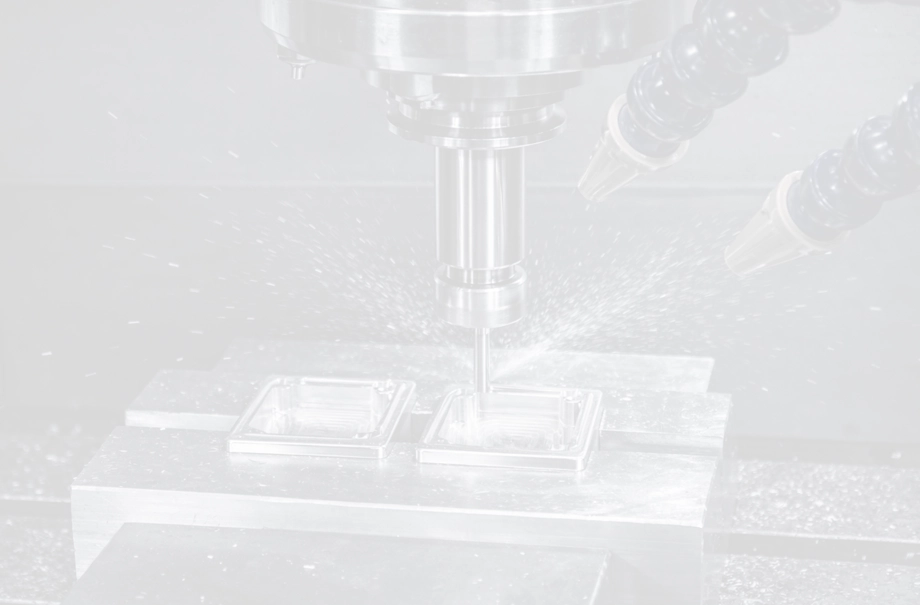
A 5-Axis CNC Machining machine works by moving cutting tools along three linear axes, which are called X, Y, and Z. At the same time, the workpiece or tool head is rotated around two more rotational axes, which are usually called A and B. During the grinding process, this arrangement lets the cutting tool stay at the best angle to the workpiece surface. True 5-Axis CNC Machining lets you make continuous changes to the position of all five axes at the same time. This is different from traditional three-axis systems that can only move tools in straight lines or four-axis setups that add a single rotational plane.
CAD modelling is the first step in the operational workflow. This is where engineers define the geometry of the part with exact details. Then, advanced CAM software turns these digital designs into multi-axis toolpaths by figuring out complicated motion patterns that keep set tolerances while preventing tool collisions. During production, the machine follows these directions to the micron level, changing the position of the tools automatically as it moves through complex features.
Distinctions Between Three-Axis and Four-Axis Configurations
Three-axis machining only lets the tool move in vertical and horizontal planes, so angled features have to be repositioned by hand, which takes time and causes alignment mistakes every time the setup is changed. Four-axis devices let you rotate around a single axis, which makes it easier to work with cylinders, but still means you need more than one direction for really complicated shapes.
These problems are completely gone with 5-Axis CNC Machining technology. Parts with undercuts, oblique holes, or compound curves that would need three or four separate setups on regular machines can be made in a single continuous operation. This single-setup benefit keeps reference points and dimensional relationships that are often lost when using multiple fixturing arrangements. We've seen that procurement teams that are worried at first about how hard the programming is to understand quickly see the benefits: less damage during handling, faster lead times, and higher rates of first-article acceptance.
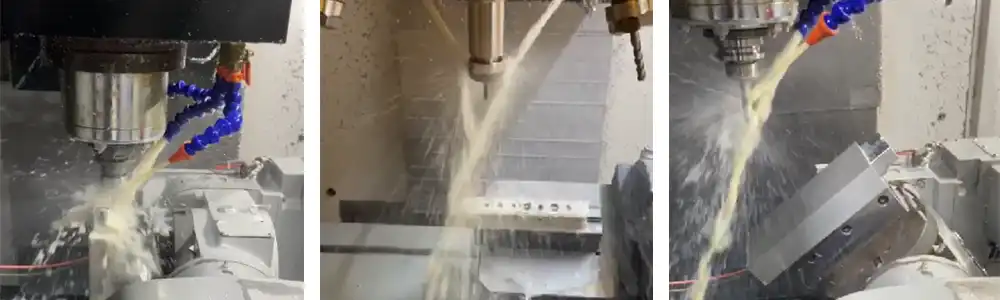
Why 5-Axis CNC Machining Excels with Complex Parts
Solving Traditional Machining Limitations
When making complex parts, traditional three-axis machining forces manufacturers into a frustrating cycle. When an operator moves a workpiece to a different machining angle, it may cause it to become out of alignment. Even with skilled workers and exact fixtures, positioning mistakes add up and make the total accuracy worse. As machines wait between sets, cycle times get much longer, and the chance of damage to the object rises with each handling event.
Continuous tool access in 5-Axis CNC Machining solves these issues in a planned way. The cutting tool can get to tough spots like deep pockets, walls with angles, and compound curves without having to move the workpiece. This method keeps the consistency of the reference data throughout the whole process, which makes sure that the dimensional relationships shown in your engineering models stay correct. Surface finishes get much better because the tool can keep the right cutting angle, which lowers vibration and tool movement that cause surfaces that have been made before to have bad finishes.
Industry Applications Demonstrating Reliability
When making parts for aeroplanes, it's important to be able to work on 5-Axis CNC Machining because of the complicated shapes of turbine blades with bent aerofoil profiles and cooling channels. These parts need to be perfectly aerodynamic and structurally sound, which is hard for multi-setup processes to do reliably. The same is true for companies that make medical devices like surgical instruments with comfortable handles and precise functions. This is especially true when working with biocompatible titanium alloys that are hard to machine normally.
The automotive engineering teams that are making battery housings for electric vehicles are using 5-Axis CNC Machining technology, which can handle the complicated mounting features and heat management channels that these parts need. It is possible to machine thin-walled, lightweight aluminium parts with precise bolt patterns in a single setup, which cuts down on weight while keeping structural performance. We often help engineers with prototype development projects that need to make quick changes to the design. The flexibility of 5-Axis CNC Machining lets us make these changes without having to buy new fixtures or tools.
Strategic Value for Decision-Makers
There are more business reasons for using 5-Axis CNC Machining than just technical ones. When purchasing managers look at the total cost of ownership, they need to think about lower scrap rates. This is because single-setup operations reduce the number of mistakes that damage partially finished parts during handling. Shortening the lead time directly leads to faster product sales, which gives companies a competitive edge in fields where time-to-market is important for making money.
Getting rid of risks is another important factor. When you combine several operations into one, you make it less likely that something will go wrong in your supply chain. Because process variables go down, quality becomes easier to predict. When looking for partners to make mission-critical parts where exact measurements can't be compromised, these things matter a lot.
Comparing 5-Axis CNC Machining with Other Axis Configurations
Accuracy and Versatility Considerations
Three-axis machines are great at making simple prismatic parts like brackets, flat plates, and basic housings that have features that are not parallel to the main surfaces. When designs have curved parts or need to be machined on more than one face, their flaws become clear. Four-axis equipment is useful for rotating parts like shafts and cylinder-shaped housings, but it needs to be moved again for shapes that aren't spherical.
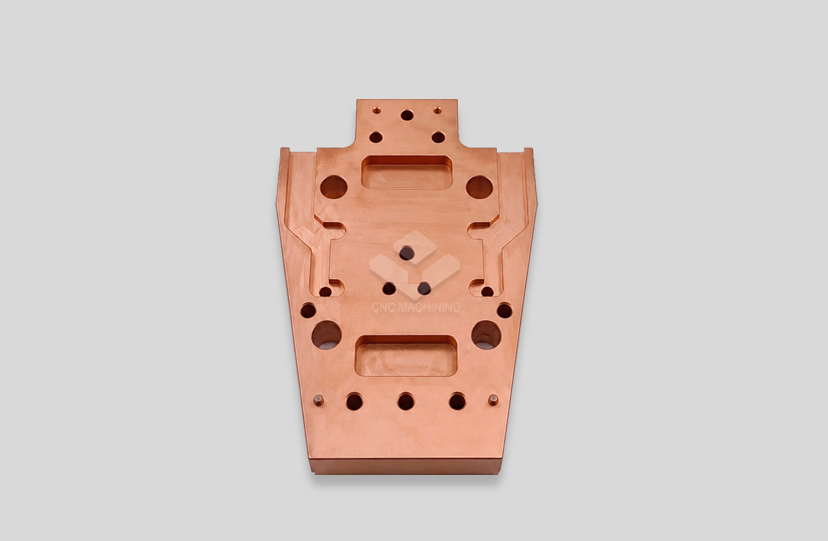
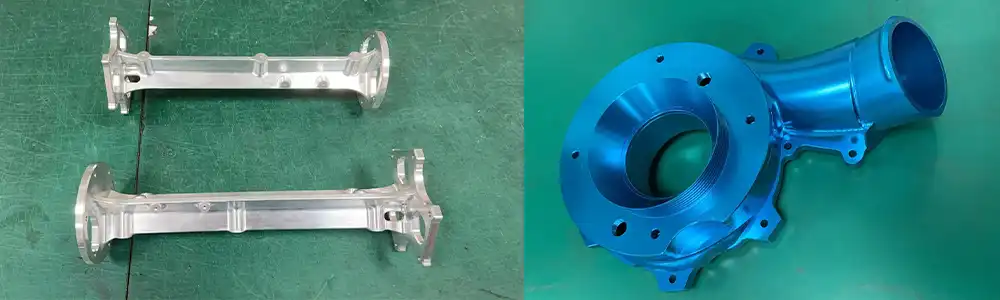
5-Axis CNC Machining devices are more flexible and can work with a wider range of parts. From simple flat plates that only need to be drilled to complicated aircraft brackets with compound angles and organic curves, one machine can do it all. This flexibility is especially helpful for job shops and contract manufacturers that work with a lot of different industries. However, OEMs with a wide range of products can also benefit from it. The benefits in accuracy come from keeping the workpiece oriented during machining. This is possible because reference surfaces never move from their original position.
Evaluation Criteria for Equipment Selection
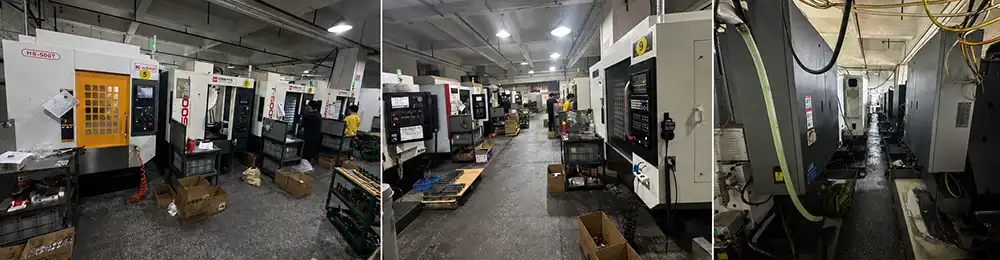
When procurement workers look at 5-Axis CNC Machining investments, they should look at a number of technical factors. Tolerances can be affected by how stiff the machine is, especially when working with hard materials that require a lot of cutting force. Spindle speed and power decide what kinds of materials and cutting methods can still be used. The measurements of the work envelope need to be able to fit your standard component sizes and the floor space that you have available.
Leading manufacturers like DMG Mori make machines that work best in high-mix production environments. Haas equipment, on the other hand, makes it easy for companies to start expanding their capabilities. Makino makes tools that are used in the medical and aircraft industries, which need to be very precise and are worth a lot of money. The choice of equipment is closely linked to the capability of the CAM software. For example, advanced toolpath generation needs complex programming platforms that make the most of the hardware's potential.
The Software and Skills Equation
To work at its best, even the most powerful 5-Axis CNC Machining machine needs to be programmed by a skilled professional. CAM software from companies like Mastercam, Siemens NX, or Autodesk Fusion turns engineering ideas into precise motion orders. But to make the best toolpaths, you need to know how to use the software and have experience cutting. Operators need to learn about multi-axis kinematics, how to choose the right tool for a complex shape, and how to avoid collisions.
This fact makes it clear why working with an experienced machine source is often a better option than building up your own skills, especially for businesses that are more focused on creating new products than making things. We keep engineers on staff with an average of more than 15 years of technical experience so that design teams can get the manufacturing knowledge they need while they're working on new products. Direct communication between engineers helps find machining problems early on, before they become costly prototype failures.
Overcoming Common Challenges in 5-Axis CNC Machining
Programming Complexity and Operator Expertise
For 5-Axis CNC Machining tasks, making toolpaths that don't collide requires paying close attention to how the machine moves and how the work is held. Programmers who aren't very good at what they do sometimes make paths that work great in simulation but cause errors or crashes on real equipment. For multi-axis programming, you need to know more than just how to use the software. You also need to know how cutting forces affect tool deflection, how material properties affect chip formation, and how thermal effects affect the stability of dimensions.
Programming teams stay up to date on new software features and machining techniques through ongoing training programs. We keep putting money into new technology because our manufacturing know-how has a direct effect on the quality and efficiency of the work we do for our clients. When engineering teams contact us during the development of a new product, our programmers give them useful information about how to make features easier to use, the best types of tools to use, and changes to the design that make it easier to make without affecting how well the product works.
Maintaining Equipment Accuracy Over Time
To keep their accuracy, precision 5-Axis CNC Machining tools need to follow strict repair procedures. Dimensional uniformity is affected by thermal stability. Machines need to be properly controlled and warmed up before they can start production. Wear items like ballscrews, linear guides, and spindle bearings are taken care of by preventive maintenance plans before they affect the quality of the part. Regular tuning with laser interferometers or ballbar testing makes sure that the placement is correct across the whole work area.
These upkeep needs are big practical responsibilities for people who own equipment. When companies look at developing their own skills, they need to include ongoing costs and downtime in their business cases. By outsourcing to well-known machining partners, these operational tasks are taken care of, and you can use well-kept equipment operated by skilled workers.
Material-Specific Considerations
5-Axis CNC Machining cutting works well with difficult materials when workers know how the materials behave. Titanium metals are used in aircraft and medicine, and they produce heat that speeds up tool wear. To machine them properly, you need to use the right cutting speeds, feed rates, and coolant techniques. Aluminium grades that are commonly used in car and industrial settings can be machined quickly, but they make long chips that get in the way of cutting if they are not handled properly. To keep composite materials from delaminating and posing health risks, they need special tools and systems for collecting dust.
Years of production experience in a wide range of industries have given us material-specific knowledge. The engineering staff at our company uses all of this information to suggest the best ways to machine parts when sourcing teams come to us with strange alloy or material needs. This consultation during the quoting phase keeps you from having to keep trying things over and over again, which wastes time and materials.
Conclusion
5-Axis CNC Machining technology has grown from a niche skill in aircraft to an important part of the industry across many fields. There are measured benefits to being able to make complicated geometries in a single setup, such as shorter lead times, better dimensional accuracy, better surface finishes, and lower handling risks. When looking for manufacturing partners, procurement professionals should give more weight to suppliers who offer cutting-edge equipment, deep engineering knowledge, and quick project management.
The strategic value goes beyond what is needed for production right now. As product ideas get more complicated, the ability to make things in a variety of ways becomes a key competitive advantage. When engineering teams work with skilled machining suppliers, they can come up with new designs without being limited to shapes that can be made in traditional ways. This freedom in design speeds up the process of making a product while still meeting the quality standards needed for end uses.
FAQ
What Types of Parts Benefit Most From Five-Axis Machining?
Parts that need to be machined from more than one direction, have compound angles, deep cavities, undercuts, or other features that make them valuable, are those with these features. 5-Axis CNC Machining capability is usually needed for things like aerospace frames, medical surgical tools, prototype housings for cars, and industrial equipment parts that need to be mounted in complicated ways.
How Much Do Lead Times Improve Compared to Conventional Machining?
Lead time savings depend on how complicated the part is, but with 5-Axis CNC machining, parts that need three or four setups on regular equipment can often get 40–60% faster cycle times. Eliminating setup steps and lowering the amount of handling that needs to be done between processes greatly speeds up production, especially for small sample numbers where setup time takes up a lot of the total manufacturing time.
Does Five-Axis Technology Apply to Both Prototyping and Production?
5-Axis CNC Machining is useful for all stages of a product's life, from the first prototypes to mass production. The technology's adaptability makes it perfect for special manufacturing in small quantities. However, many military and medical companies use 5-Axis CNC Machining equipment for ongoing production when the complexity of the part calls for it.
Partner With RYH for Advanced Multi-Axis CNC Machining Solutions
To make complex parts, you need more than just high-tech tools. You also need skilled engineering partners who know how to machine parts and how to meet your individual application needs. At RYH, we use cutting-edge 5-Axis CNC Machining technology and direct communication between engineers to cut down on mistakes and make sure that designs can be made easily from the start.
Our team has an average of more than 15 years of professional experience in precise machining for use in aircraft, medical devices, cars, and industrial equipment. Customised production based on client drawings is what we do best. We can work with both metal and non-metal materials and have full material certifications, FDA compliance, and surface treatment choices such as anodising and salt spray tests. Our responsive project management and flexible coordination get things done on tight deadlines, whether you need quick prototype samples in three days or reliable production support for ongoing programs.
As a reliable 5-Axis CNC Machining seller, we'd love to talk to your procurement managers and engineering teams about your future component needs. Email our engineering team at bill@bldmachining.com with the details of your project and find out how our manufacturing partnership method can help you get your products to market faster while still meeting the high standards of precision needed for your uses.
References
1. Klocke, Fritz. "Manufacturing Processes 1: Cutting." Springer-Verlag Berlin Heidelberg, 2011, pp. 234-267.
2. Boothroyd, Geoffrey and Knight, Winston A. "Fundamentals of Machining and Machine Tools." CRC Press, Third Edition, 2006, pp. 412-448.
3. Schmitz, Tony L. and Smith, K. Scott. "Machining Dynamics: Frequency Response to Improved Productivity." Springer International Publishing, 2019, pp. 189-223.
4. Altintas, Yusuf. "Manufacturing Automation: Metal Cutting Mechanics, Machine Tool Vibrations, and CNC Design." Cambridge University Press, Second Edition, 2012, pp. 156-194.
5. Tlusty, Jiri. "Manufacturing Processes and Equipment." Prentice Hall, 2000, pp. 378-415.
6. López de Lacalle, Luis Norberto and Lamikiz, Aitzol. "Machine Tools for High Performance Machining." Springer-Verlag London, 2009, pp. 267-302.