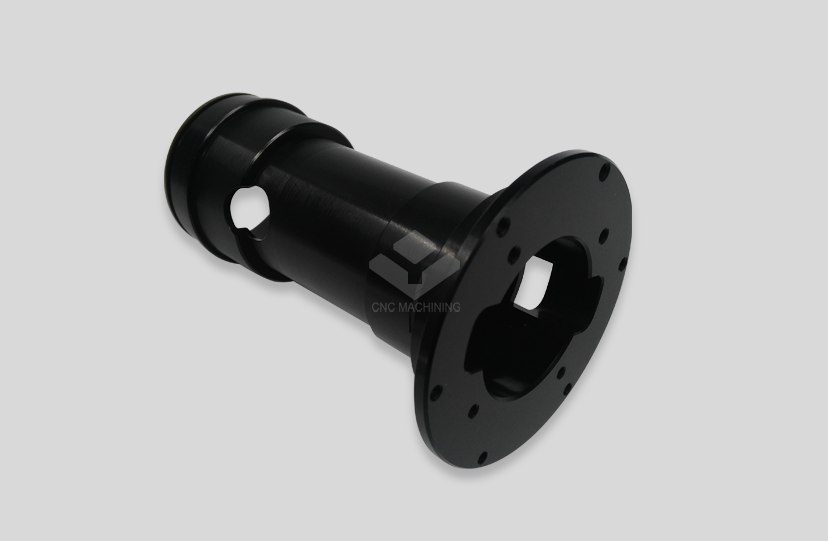
Understanding the CNC Milling Process
To understand precision cutting, you should start with CNC Milling. This is a type of subtractive manufacturing that uses computer-controlled spinning cutters to make complex parts out of raw materials. Since 2008, RYH has been improving this technology to help buying teams find solid parts even when it's hard to find them. Understanding how CNC Milling works is essential for the success of any project, whether it's making robotic systems, car housings, or medical device cases. This guide talks about the technical problems, tolerance needs, and factors for choosing a supplier that mechanical engineers and procurement managers face every day.
What is CNC Milling and How Does It Work?
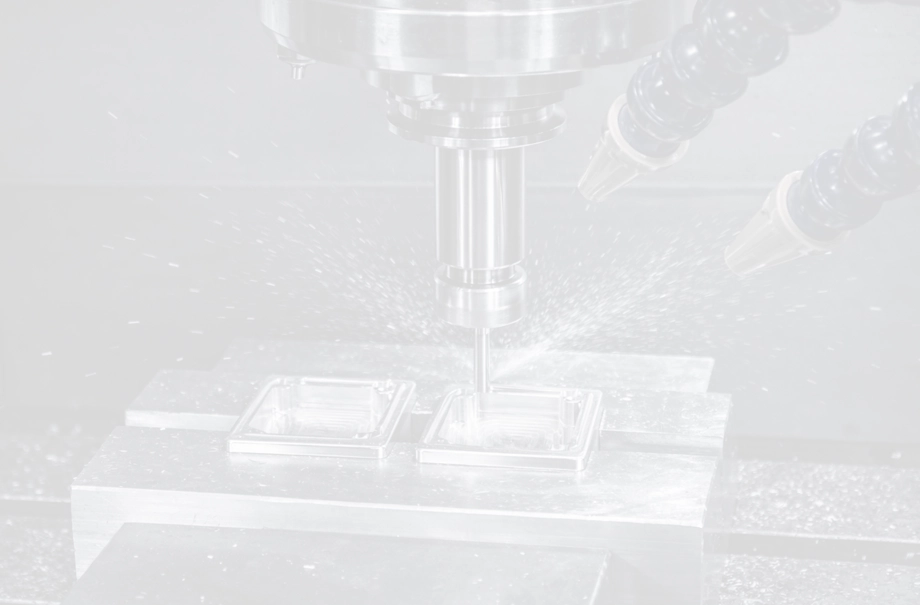
Tool routes, spindle speeds, and feed rates are all predetermined by CNC Milling, which replaces human machine operation. In traditional milling, operators move levers and wheels by hand. But computerized numerical control systems read digital patterns and make exact cuts without any help from the operator. The key difference is repeatability: a CNC mill can make thousands of similar parts without changing anything once it is programmed to do so.
Core Components and Workflow Integration
There are a few important parts in modern milling centers that all work together. The spindle holds the cutting tools and spins at speeds higher than 20,000 RPM to make the surface smooth. Linear motion systems move the piece of work along the X, Y, and Z directions, and the accuracy of their placement is measured in microns. Controllers use special software to turn CAD models into G-code, which is the language used by machines to tell tools how to move.
When engineering teams send us CAD files in STEP or IGS format, our work starts. We look at the shape using Design for Manufacturability (DFM) review to find parts that could clash with tools or need special fixing. CAM software creates toolpaths that are best for the material that is being used. For example, cutting metal needs a different strategy than cutting stainless steel or PEEK plastic. While these directions are being carried out by the machining center, sensors keep an eye on tool wear and measurement change in real time.
Material Considerations Affecting Machining Parameters
Cutting speeds, coolant needs, and limits that can be reached are all determined by the qualities of the material. Aluminum 6061 is easy to work with at high speeds, and it has great surface finishes with little tool wear. To keep work from getting too hard, types of stainless steel like 316L need slower speeds and carbide tools. To keep engineering plastics like PTFE from melting at touch places, you need to use sharp tools and limit chip evacuation.
Purchasing teams often forget that the choice of materials can affect wait time and cost. When it comes to machinability, brass is better than titanium, which needs special tools and longer cycle times. When choosing materials, you should think about more than just their basic qualities. You should also think about how they work with cutting processes. We keep scientific data sheets for more than 40 grades of materials, which help our clients match the performance needs with the ability to make the materials.
Key Benefits of CNC Milling for B2B Manufacturing
Automated precision cutting fixes problems that keep coming up with prototypes and makes production more flexible. Tight tolerances are important for mechanical engineers to make sure that parts fit together and work properly. CNC Milling parts regularly achieve ±0.02 mm dimensional accuracy, which gets rid of the variation that comes with hand methods.
Advantages That Address Procurement Pain Points
The technology gives real benefits that are in line with the practical goals that procurement managers have to deal with. Repeatability makes sure that every part meets the requirements, which lowers the number of rejected parts and gets rid of the need for expensive repair processes. Once you accept the first item, all future production will keep the same quality and won't gradually lose size.
Multi-axis capability makes it easier to set up parts with complicated shapes. A 5-axis machining center can work on all areas with just one clamping operation, which keeps location relationships that are lost when using multiple setups. This is important for parts that need to be perpendicular or have features on sides that aren't parallel. For example, medical device housings and aircraft brackets can benefit a lot from single-setup processing.
Automation has a direct effect on the cost of workers and the speed of production. Unattended machining during off-shifts makes the best use of tools without adding staff in the same way. When a project needs fast prototyping followed by low-volume production, CNC mills can switch between sample numbers and batch runs without having to wait for retooling to happen. It's easier to make design changes quickly when changes to the engineering don't need to be reflected in new fittings or retraining for operators.
When compared to older methods, material efficiency cuts down on waste. Advanced CAM software figures out the best tool contact angles and stepover lengths so that as little stock as possible is removed. This efficiency is important when working with expensive metals or when approvals add a lot to the cost per pound of the material.
Types of CNC Milling Machines and Their Applications
Choosing the right tools makes sure that their capabilities fit the needs of the project. Most industrial jobs, like making flat parts, simple pockets, and drilled hole patterns, can be done by basic 3-axis vertical CNC Milling machines. These tools are great for making clamps, mounting plates, and structural parts with features that are all on one plane or that only need to be indexed once.
Comparing Multi-Axis Configurations
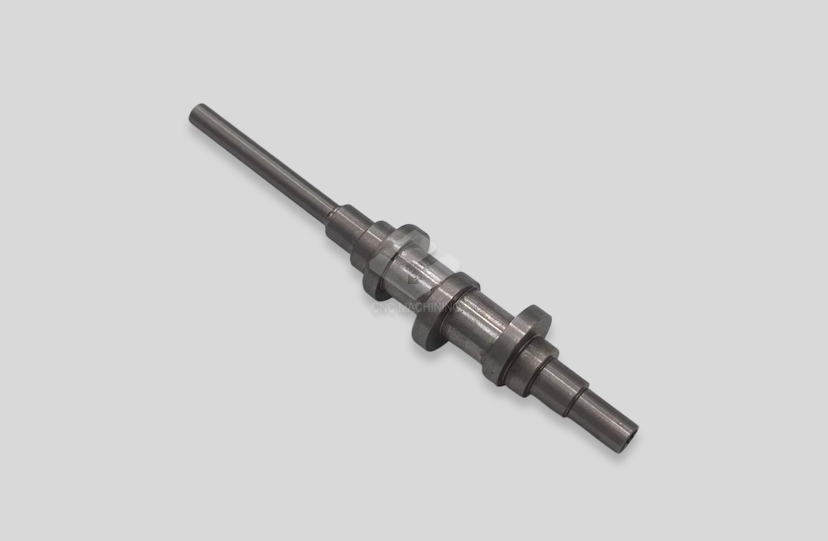
Four-axis devices let you rotate around one horizontal axis, which lets you machine circular features and outline continuously on curved surfaces. Impellers, camshafts, and other parts with radial features that repeat around a center plane are some examples of uses. The extra line gets rid of the need for different setups while keeping the features in the same place.
Five-axis simultaneous grinding is the most flexible way to use a mill. With tilting heads or rotating tables, you can get to complicated shapes and undercuts with your tools without having to move them. This ability is used in aerospace parts with complex angles, medical implants that need smooth changes between surfaces, and prototype housings with complex cooling channels. The investment is worth it when the shape of the part makes it impossible to use easier methods or when processing with only one setup cuts cycle time enough to cover the cost of the equipment.
When it comes to strength, spindle power, and temperature stability, industrial-grade machines are different from laptop units. In production settings, machines must stay accurate during long processes and high rates of material removal. Desktop units are used to make prototypes when smaller part boxes and lower numbers are enough.
When you compare grinding to turning and laser cutting, you can see when each one works best. Turning is great for making parts that are uniform and revolve around a center axis, like shafts, bushings, and cylinder-shaped fittings. Laser cutting can cut sheet metal shapes, but it can't do things in three dimensions like grinding can. Many projects use more than one process in a row. For example, laser-cut blanks that are then made for precise holes and pockets show how two different processes can work together.
CNC Milling Process Best Practices and Safety Tips
Consistently following rules and doing preventative maintenance is needed to keep operations safe and CNC Milling machinery working well. Lockout-tagout processes are used in machine shops to keep machines from starting up by chance while tools are being changed or fixtures are being adjusted. Workers put on safety glasses to keep chips from flying off, and machine guards keep people from getting to the spinning needles.
Extending Equipment Life Through Maintenance
Regular repair plans include checking the coolant level, lubrication, and way cover cleaning. Ballscrews need to be oiled from time to time to keep their motion along their axes smooth. Checking the quantity of coolant is important for keeping germs from growing and preventing rust from happening. Not taking care of these basics can cause things to wear out faster and cause unexpected breaks that can throw off production plans.
CAD/CAM processes that are integrated improve both accuracy and speed. Today's software has impact recognition that keeps tools from crashing because of mistakes in the code. Simulation shows the whole machining process before the code is run on real equipment. This helps find problems where clamps and tool holds clash with each other. These digital steps of proof stop mistakes that cost a lot of money and damage tools or workpieces.
When reviewing suppliers, people in charge of buying things should ask about software and preventative repair plans. When shops invest in new CAM technology, they show they are committed to process improvement, and well-maintained equipment gives consistent results. At RYH, we keep track of each machine's performance measures in maintenance logs, and we use laser interferometry to confirm positioning accuracy across the full work area every three months as part of our calibration checks.
How to Choose CNC Milling Services and Suppliers: A Buyer's Guide
Picking a supplier has a direct effect on the project results that goes beyond just comparing prices. When looking at CNC Milling partners, you need to look at their technical skills, how quickly they respond to messages, and whether they have quality systems that support consistent production.
Criteria for Supplier Assessment
Technical skill starts with having the right tools and training with them. Suppliers should have tools that can handle the complexity of your part. For example, 3-axis centers are fine for simple shapes, but 5-axis equipment is needed for complex aerospace parts. Find out what the largest part sizes are, what the spindle taper standards are, and what tool cases are offered. Expertise in both the material and the process is important. For example, shops that work with medical-grade stainless steel know how to passivate it, while shops that make electronics housings know how to handle delicate thin-wall aluminum structures.
Quality assurance methods show how mature a provider is. ISO 9001 certification means that methods have been written down, but certification by itself doesn't ensure success. Instead of getting generic certificates, ask for sample inspection records with real measuring data. Suppliers who are qualified give first-article inspection reports that include CMM data to confirm that the dimensions are correct and material certifications that link the stock to mill test reports.
Communication habits can tell you how well a relationship will work. Direct conversation between engineers during quotes helps find possible manufacturing problems before orders are placed. Instead of just taking drawings without analyzing them, suppliers who offer DFM comments show that they are technically engaged. We give each project its own specialized project engineer, who works on it from the quote stage to the delivery stage. This way, there are no communication problems that happen when multiple people work on the same project.
Quick responses and flexible lead times can handle last-minute needs and design changes. Quotes for prototypes arrive within 24 hours, and sample production is finished in 3–7 days. This makes it possible for products to be developed quickly. Scalability in production makes sure that suppliers who are used to working with small batches of prototypes can switch to large-scale production without affecting quality or adding to lead times.
Pricing clarity shows the total cost of the job, not just the rates for each part. Find out about setup fees, tooling costs, and minimum order amounts. Some sellers don't charge setup fees for repeat orders, while others spread the cost of tools over the first few sales. There are different types of contracts, such as spot purchases and blanket orders with planned releases. Choose a setup that fits the way your demand usually works.
Conclusion
Precision machining with CNC Milling technology makes it possible for modern businesses to make the complicated parts they need. Procurement pros can make better sourcing decisions and lower project risk by learning about machine capabilities, how materials combine, and how to evaluate suppliers. The technology is very useful in robots, cars, medical devices, and electronics because it can be used for both fast prototyping and large-scale production. For long-term manufacturing success, partnerships need more than just comparing prices. They also need to have technical know-how, good communication, and quality systems that have been tried and tested.
FAQ
What Materials Work Best for CNC Milling Applications?
Aluminum metals are the most common materials used in CNC Milling because they are easy to work with, strong, and inexpensive. Grades 6061 and 7075 are used for structural parts, and grade 2024 is used in aircraft. 303 stainless steel is good for regular machining, while 316 stainless steel is better for sea exposure. Engineering plastics like POM, PEEK, and PTFE are used in situations where electrical protection, chemical defense, or FDA compliance are needed.
How are 3-Axis and 5-Axis Machines Different in How They Work?
Three-axis machines have X, Y, and Z axes that are not parallel to each other. This type of machine is good for parts with features on parallel lines or that only need simple numbering. Five-axis systems have two rotating axes that let the tool be approached from any angle. This means that complicated contours and undercuts don't need to be repositioned. When the shape of the part calls for it or when single-setup processing cuts cycle time by enough to make up for higher equipment costs, the extra capability is worth the extra cost.
What Factors Most Significantly Impact CNC Milling Costs?
Costs are based on how complicated the part is and what materials are used. Cycle time goes up when there are complicated shapes that need small tools, tight tolerances, or a lot of code. Materials that are hard to work with, like titanium or polished steel, wear down tools faster and make feeds slower. Through setup amortization, the number of parts made changes the price per part. This is because higher amounts spread fixed costs across more parts. Charges for priority booking and working extra hours are increased by the lead time urgency.
Partner with RYH for Precision CNC Milling Solutions
RYH provides engineering-driven, precise machining services for businesses that need to meet strict tolerances and depend on on-time delivery. As a well-known CNC Milling maker that has been serving customers around the world since 2008, we use cutting-edge multi-axis equipment and direct contact between engineers to avoid the misunderstandings that often happen during the buying process. Our technical team has an average of more than 15 years of experience with machining. They can help you make your plans more realistic by giving you DFM advice before production starts. Send your drawings to bill@bldmachining.com for a quick quote. Most sample projects ship within a week, and simpler shapes can be finished in three days. We help prototypes go straight into production, making sure that the quality standards set during sample approval are maintained during large-scale production runs.
References
1. Kalpakjian, Serope, and Steven Schmid. Manufacturing Engineering and Technology. Pearson Education, 2013.
2. Groover, Mikell P. Fundamentals of Modern Manufacturing: Materials, Processes, and Systems. John Wiley & Sons, 2020.
3. Stephenson, David A., and John S. Agapiou. Metal Cutting Theory and Practice. CRC Press, 2016.
4. Lynch, Mike. CNC Programming Handbook: A Comprehensive Guide to Practical CNC Programming. Industrial Press, 2018.
5. Boothroyd, Geoffrey, Peter Dewhurst, and Winston Knight. Product Design for Manufacture and Assembly. CRC Press, 2011.
6. Chang, Tien-Chien, Richard A. Wysk, and Hsu-Pin Wang. Computer-Aided Manufacturing. Pearson, 2006.