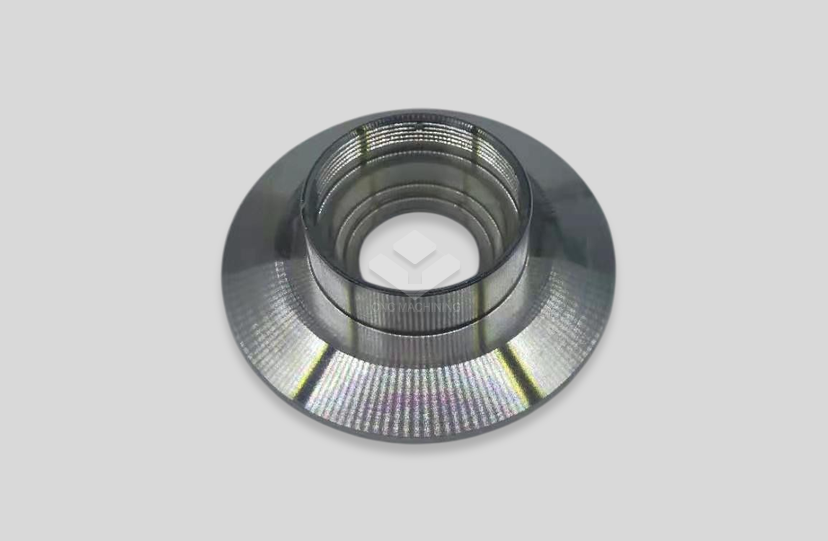
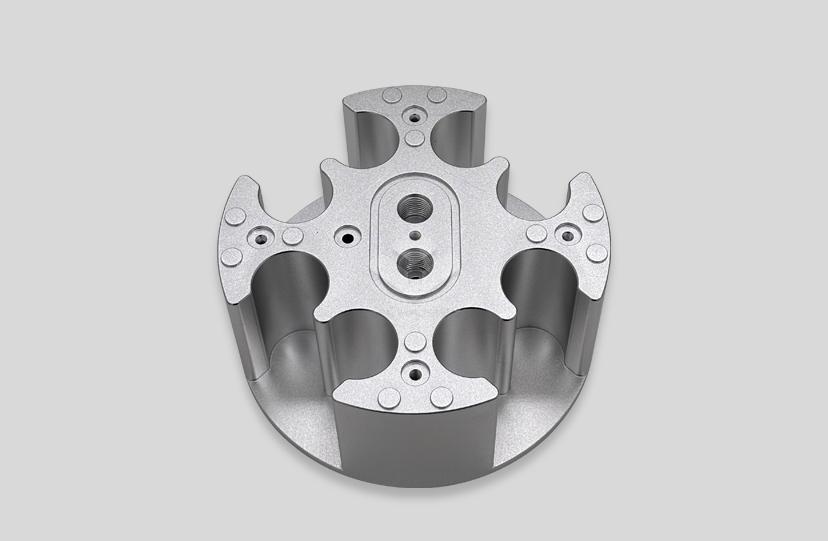
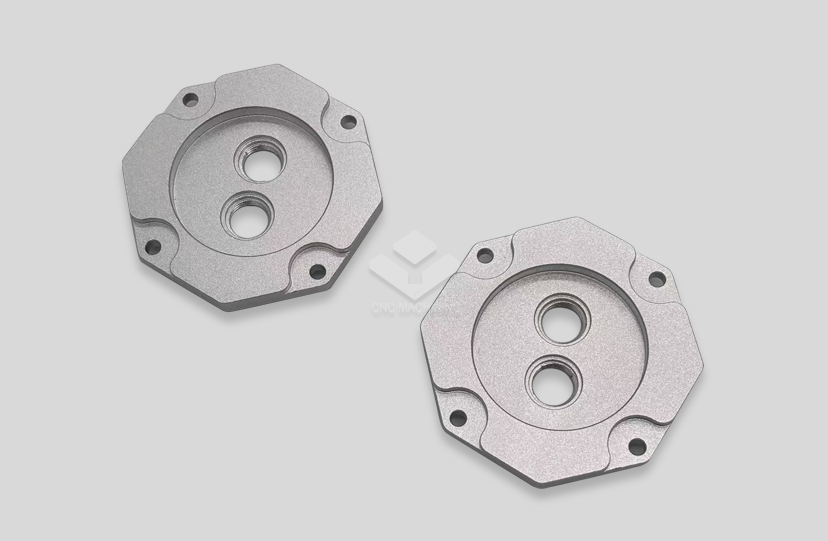
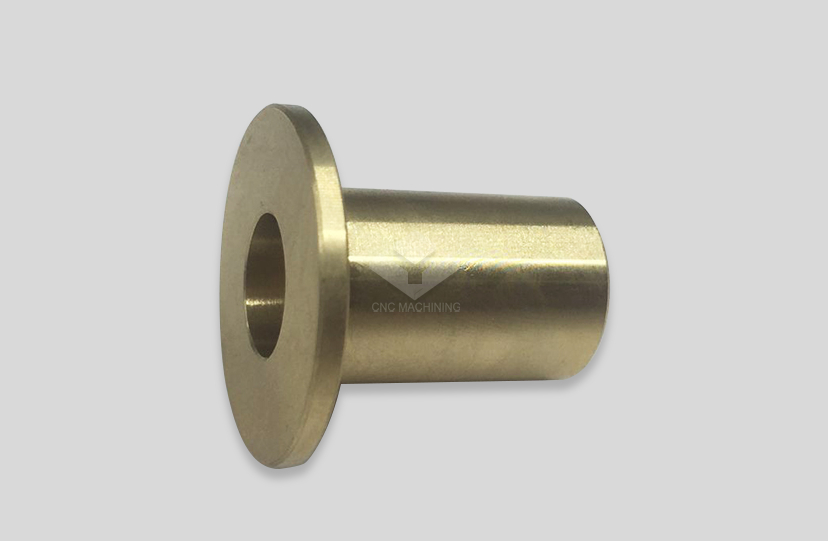
Swiss Machining: The Most Impressive Precision Manufacturing Technology
Swiss Machining is always the best choice for industrial engineers and procurement managers who need to make tiny, high-precision parts with tight standards. With errors as low as ±0.01 mm and great surface finishes, this specialized turning technology is great at making complicated parts with sizes that are usually less than 25 mm. Swiss-type lathes are different from other types because they use a moving headstock and guide bushing system to keep the workpiece close to the cutting zone and reduce shaking and deflection. This one-of-a-kind method has made it essential in fields like aircraft, electronics, medicine, and cars, where accuracy directly affects how well and safely a product works.
Understanding Swiss Machining: The Precision Process Explained
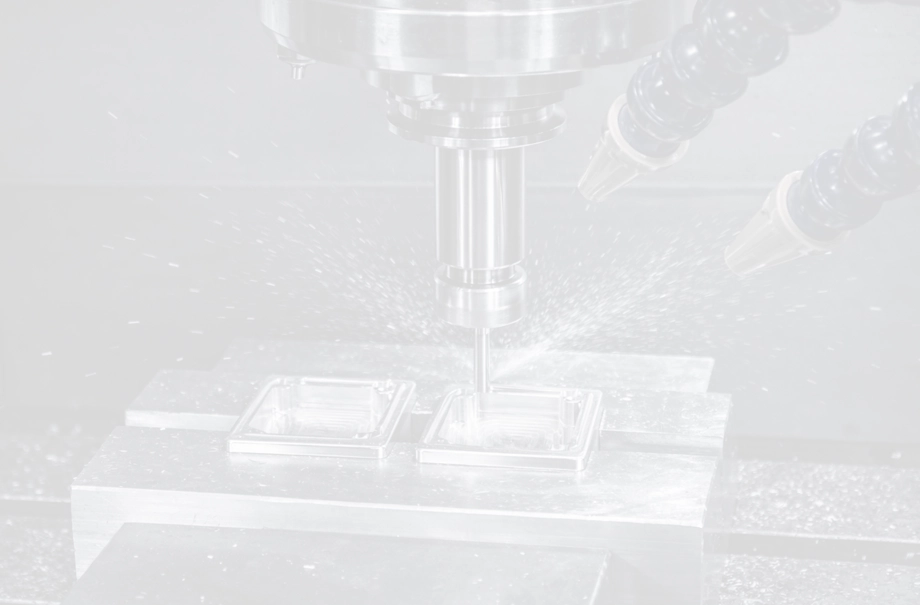
Swiss-type turning is based on the idea that the item should be stable while it is being cut. This machine has a guiding bushing that holds the bar stock firmly close to the cutting tool. The headstock slides along the Z-axis to move the material through the bushing. In this setup, the length of the object that isn't supported is cut down to just a few millimeters. This makes the stiffness a lot better than in traditional lathes, where long, thin parts tend to bend when cutting forces are applied.
How the Sliding Headstock System Works
The moving headstock system is very different from the way turning is usually done. Bar stock is pushed through the fixed guide bushing right behind the cutting zone by the moving headstock. Tools on gang slides, turrets, or back-working extensions can work on the piece at different points at the same time. With this set-up, complicated shapes like threads, cross holes, flats, and contours can be made in a single setting, without having to move the part.
Material Compatibility and Tolerance Capabilities
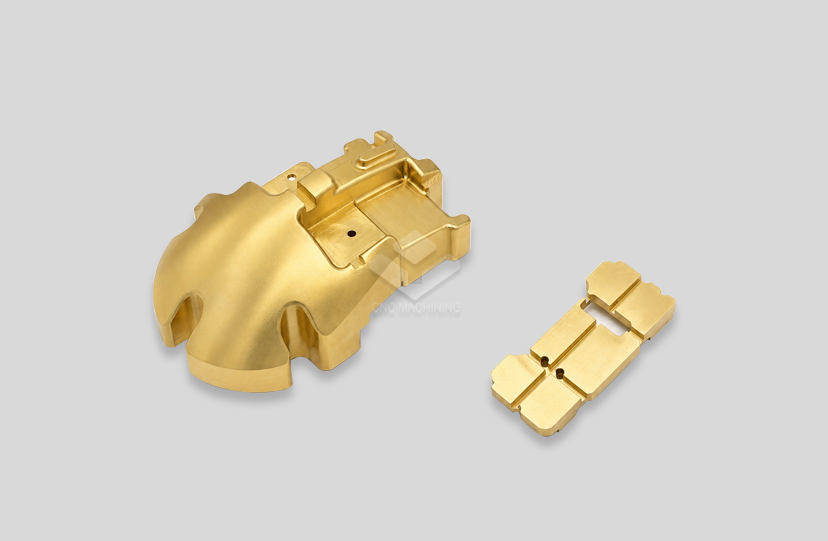
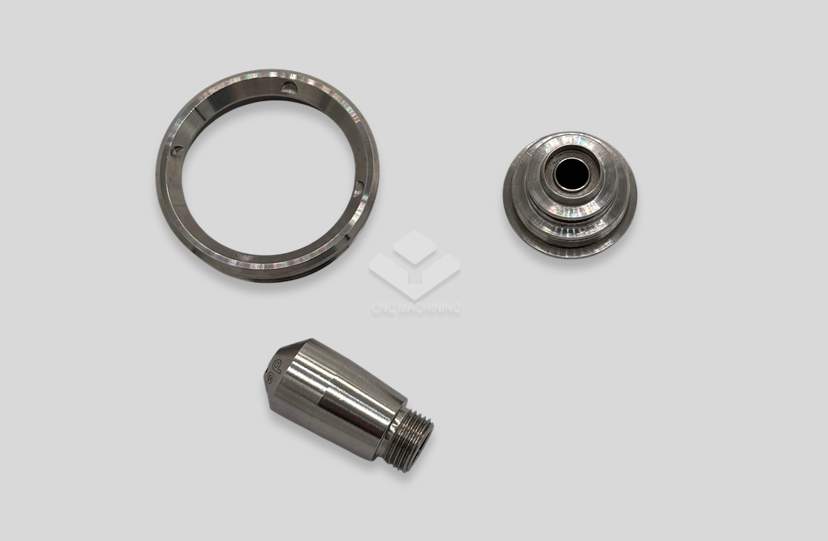
Swiss turning can be used on a lot of different materials, which is important for making precise products. Stainless steel SS316 is a corrosion-resistant alloy that is often used in naval and medical settings. It cuts easily on Swiss lathes, even though it tends to become harder after being worked on. Different types of brass and aluminum cut quickly and cleanly, while titanium and high-strength metals benefit from the hard support that keeps the workpiece from moving around. When we machine SS316 parts up to 25 mm in diameter at RYH, we usually keep limits of ±0.01 mm and make sure the surface roughness is at least Ra 0.8 μm.
Industrial Applications Across Critical Sectors
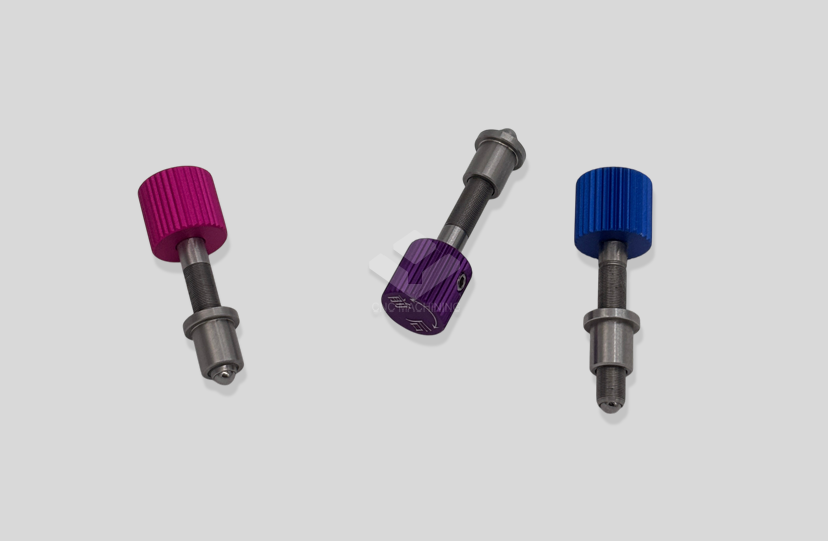
Medical device makers use Swiss-machined parts in surgery tools, dental implants, and drug delivery systems because the accuracy of the dimensions has a direct impact on how well patients do. This technology is used by aerospace suppliers to make fuel system parts, sensor housings, and actuator pins that need to work in harsh conditions. Electronics companies buy precise shielding, plugs, and connections that need to be the same size across thousands of units. When precision is needed for a car to run reliably, automotive experts choose Swiss-turned fuel injector parts, transmission pins, and sensor parts.
Swiss Machining vs. Conventional Methods: Making the Right Choice
To know when to use Swiss Machining instead of normal CNC operations, you need to look at the shape of the part, the amount of output, and the level of accuracy needed. Both methods can be useful, but their strengths lie in different types of production situations.
Set up Dynamics and Production Efficiency
When setup freedom is more important than per-piece cycle time, conventional CNC lathes are best for making parts with bigger diameters and shorter production runs. Swiss-type machines need more programming and equipment preparation at the beginning, but once they are set up, they can make parts with little help from a user. The Swiss method usually has lower per-unit costs for batches bigger than 100 pieces because multiple processes happen at the same time instead of one after the other.
Precision and Repeatability Advantages
The guide bushing support system makes Swiss turning the best way to work with small diameters. When the length-to-diameter ratio is more than 3:1, conventional turning has trouble with the part because the cutting pressure causes it to shift, which leads to variations in size and a rough surface finish. Because the support for the part stays the same during the machining cycle, Swiss machines can easily handle 10:1 ratios or higher while still keeping tight standards.
When the engineers at RYH look over customer plans, they often find ways to change the specs from traditional turning to Swiss Machining. Medical pins made of SS316 had to be concentricity ±0.02 mm over a 40 mm length and 4 mm diameter for a recent job. Standard turning wasn't able to consistently meet the requirements, so more than 15% of the parts were rejected. When we switched to our Swiss CNC lathes, the number of mistakes dropped to less than 2%, and cycle time went down by 30%.
Cost Considerations and Break-Even Analysis
The amount of material used has a big effect on the total cost of the part. Swiss machines leave very little tail length—often only 3 to 5 mm—because the bar is supported by the guide nut close to the point where the part is cut off. For jaw clearance, conventional turning needs longer stubs, which could waste 10 to 20 mm per piece. When it comes to expensive materials like titanium or specific alloys, this gap gets bigger as more of them are made. Cross-drilling, threading, and shaping are all done in a single cycle in Swiss turning, so there are fewer secondary operations. This is because moving parts between machines, setting them up, and handling them costs money.
How to Select the Right Swiss Machining Services for Your Business
It takes more than just checking prices to find the right Swiss Machining partner. Buyers and designers need suppliers who work with them on production and offer technical advice that raises the quality of the product and shortens the time it takes to reach the market.
Essential Evaluation Criteria
The ability to be precise is the most important necessity. Ask possible providers about how they control tolerances, what testing tools they use, and how they measure the capability of their processes. Coordinate measuring tools, optical comparators, and precision micrometers are used at RYH to do a 100% measurement check on important features. Our quality system is ISO 9001 certified and keeps track of all measurements. This makes it possible to follow the process and meet the requirements of medical device rules and aircraft standards.
Turnaround time has a direct effect on how long it takes to make a product. Because we have six Swiss-type CNC lathes that are only used for making stainless steel parts, we can send trial samples within three to seven days, depending on how complicated they are. This response means faster iteration processes and less development risk for mechanical engineers who are checking designs. Keeping the supply chain moving quickly is important for just-in-time industrial settings. Most production orders are shipped within two weeks.
Prototyping Through Production Scalability
The perfect partner can handle both making prototypes and making a lot of them at once. Startups and R&D departments need suppliers who are ready to machine small amounts, like 10 or 20 pieces, while still giving those orders the same level of engineering care as bigger orders. At RYH, we actively help new businesses because we know how important it is to have trusted manufacturing partners during the product launch phase. Our engineers work directly with the design teams, looking over plans to make sure they can be made and offering changes that lower costs without affecting function.
Technical Communication and Problem Resolution
Direct contact between engineers gets rid of the problems with communication that happen in many supply relationships. When our clients send us pictures, the techs who will program and carry out their jobs respond and give them feedback. This openness keeps people from getting confused about standards, surface finishes, and material requirements. We also provide visual production reports, such as photos and videos of parts being machined, to give procurement managers peace of mind that all requirements are being met before the shipment.
Quality assurance procedures show how providers deal with problems that are bound to happen. If you report a problem within a month, our policy says that faulty parts will be remade for free within a week, and RYH will pay for the return shipping. We're ready to stand behind our work and have faith in the process control that this promise shows.
Maintaining Swiss Machining Excellence: Tools, Setup, and Maintenance
To get consistent part quality, you have to pay close attention to the tools you use, how the machine is calibrated, and the repair plans you set up for Swiss Machining excellence. There is a difference between providers who can provide accurate information reliably and those who have to deal with variation and downtime.
Cutting Tool Selection and Management
Dimensional precision and surface finish are directly affected by the shape, covering, and grade of the tool. Carbide inserts with smooth rake faces and sharp cutting edges reduce cutting forces, which keeps the object from bowing even when the guide bushing is in place. When cutting SS316 stainless steel, we use tools with chipbreakers that break up long, stringy chips before they get in the way of the cutting zone. Coatings like TiAlN make tools last longer in tough situations and keep their dimensions the same over longer production runs.
Monitoring tool wear stops the slow loss of measurement. Every 50 pieces that are being made, our workers check the key measurements and make any necessary adjustments to the tool offsets to account for wear. Instead of waiting for rejects, tools are indexed or changed before they are rejected when measurements get close to tolerance limits. This methodical technique keeps the process working even during long runs.
Machine Calibration and Process Optimization
To meet certain standards, Swiss lathes need the guide nut, collet, and tools to be perfectly lined up. We check the concentricity of the guide bushings and the angles of the tools every day, writing down the results so that we can look for patterns that could mean problems are starting to happen. Before starting production, spindle warm-up steps make sure that the temperature is stable, since changes in temperature can cause micron-sized changes in the dimensions of the parts.
Tool life and part quality are both affected by how coolant is managed. When high-pressure water is aimed right at the cutting edge, it gets rid of chips, stops heat from building up, and makes the surface finish better. We keep an eye on the amount of coolant and how clean it is, and we replace it when the level of contamination rises. These seemingly small details add up to the difference between consistently holding ±0.01 mm limits and having changes that are hard to predict.
Scheduled Maintenance for Uptime Reliability
Scheduled preventive repair keeps machines running smoothly and cuts down on unplanned downtime. Lubricating the bearings, cleaning the ways, and adjusting the slides all go according to what the maker says to do. We also do some extra checks based on our working experience. People pay extra attention to guide bushing wear because even small increases in size weaken the support for the workpiece, which impacts both the accuracy of the measurements and the finish of the surface.
Our maintenance records keep track of how the machines work over time, revealing trends that help us decide which parts to change before they break. This proactive method keeps our six Swiss-type CNC lathes going smoothly, so we can deliver on time even when demand is high. When B2B clients are trying to meet tight production plans, supplier dependability is often just as important as expert skill.
Future Trends and Innovations in Swiss Machining Technology
The combination of automation, connectivity, and AI is transforming Swiss Machining from a labor-intensive craft into a data-driven precision manufacturing platform. These technological advancements create new business opportunities for suppliers and customers willing to invest in developing their capabilities.
Automation and Lights-Out Manufacturing
Material handling has been automatic for a long time with bar feeders and part catches. Newer systems include vision inspection, adaptive control, and statistical process tracking. Spindle load tracking now lets machines change the cutting settings in real time based on how the tools are wearing down. These features allow for longer periods of unsupervised operation while keeping control over dimensions. This means that capacity can be increased without adding shifts or staff.
Industry 4.0 Integration and Digital Twins
Connected manufacturing platforms get information from Swiss machines, inspection tools, and quality systems, and store it digitally for each output batch. Managers of procurement can get real-time updates on the state of orders that show how they are progressing, quality metrics, and expected finish dates. Digital twin models let engineers try out different machining strategies online before putting them into real production. This cuts down on the time and materials needed for development.
At RYH, we see these tools as ways for customers and us to work together more closely. When our computer team and design engineers look at machining simulations together, the design engineers learn more about how choices in the design affect how well the product can be made. This open, data-driven method builds trust and speeds up the process of going from planning to production.
Material Science and Process Innovation
New materials are pushing the limits of what can be done with Swiss turning. Specialized cutting tools and methods are needed for biocompatible plastics, high-performance ceramics, and metal matrix composites. Suppliers who put money into developing their capabilities will stand out by being able to solve hard machining problems that other suppliers can't. We are always looking at new fixturing methods, cutting fluid formulas, and tool finishes that make more materials compatible.
Conclusion
Swiss Machining is the most precise way to make small parts, and when it comes to those parts, accuracy in dimensions, surface finish, and production stability all have a direct effect on how well the product works. The technology is highly important in the medical, aerospace, electronics, and automobile industries because it can hold rigid workpieces, move on multiple axes, and use materials efficiently. To find the right provider, you need to look at their technical skills, quality systems, communication methods, and willingness to work with you as a manufacturing partner instead of just a machine shop. As automation and digitization change the way precise production is done, businesses that are willing to adapt to these changes will be able to offer better quality, faster service, and lower costs than their competitors.
FAQ
What size range is suitable for Swiss-type turning?
Specialized tools can handle parts up to 38 mm in diameter, but Swiss Machining is best at parts up to 25 mm in diameter. When it comes to small parts with tight specs and complicated features, this technology works best.
What are the advantages over conventional turning methods?
The guide bushing support system makes small parts more rigid, which lets you get closer to standards, better surface finishes, and higher length-to-diameter ratios. When multiple axes are machined at the same time, cycle time is cut down, and extra processes are eliminated.
How do you achieve high precision consistently?
To get precision, you need to hold the item rigidly, choose the right tools, keep an eye on the process, and do preventative maintenance. During production, we check important measurements and change tool offsets to account for wear, so we can safely keep tolerances of ±0.01 mm.
Why use stainless steel SS316 for Swiss-machined parts?
SS316 is great for medical devices, naval uses, and food processing equipment because it doesn't rust and is safe for living things. Even though work tends to harden over time, good results can be achieved with the right tools and cutting settings.
What lead times should I expect for prototypes and production?
Depending on how complicated they are, prototype samples usually ship in three to seven days. Orders for 100 to 1,000 pieces are usually finished in two weeks, but this depends on how much material is available and how busy the shop is at the moment.
Partner with RYH: Your Trusted Swiss Machining Manufacturer
When you choose a Swiss Machining provider, you're choosing a manufacturing partner that knows how to help you with your engineering problems and meet your quality standards. RYH has been doing precise cutting for more than 15 years and has six Swiss-type CNC lathes that are specifically designed to work with stainless steel parts up to 25 mm in diameter. Our skilled workers have an average of more than 12 years of experience, which means that even the most complicated parts can be made reliably.
When you talk to us directly about technology issues, we're different from other machine shops. Your engineers talk directly with our code and production team, going over plans to make sure they can be made and talking about ways to improve tolerances. We send you photos and videos of your parts being machined as production updates, so you can be sure that the requirements are being met. As part of our pledge to new businesses, we offer quick quotes, the ability to make small batches, and technical support that helps your goods do well.
Get in touch with bill@bldmachining.com right away to talk about your needs for precision parts. Our team gives your project the quality, responsiveness, and engineering relationship it needs, whether you need test samples in a week or scalable production capacity backed by ISO 9001 certification. Get a price right now and see what a difference working directly with a maker can make.
References
1. Kalpakjian, S. and Schmid, S. R. Manufacturing Engineering and Technology: Principles and Applications in Precision Machining. Pearson Education, 2019.
2. Society of Manufacturing Engineers. Fundamentals of Swiss-Type Machining: Technology, Applications, and Process Optimization. SME Technical Publications, 2021.
3. Boothroyd, G. and Knight, W. A. Fundamentals of Precision Turning and Advanced CNC Operations. CRC Press, 2020.
4. American Society of Mechanical Engineers. Precision Machining Technology Standards: Tolerances, Surface Finish, and Quality Control Practices. ASME Standards Committee, 2022.
5. Machinery's Handbook Editorial Staff. Modern Machine Shop Guide to Swiss Turning Technology. Industrial Press Inc., 2023.
6. International Journal of Advanced Manufacturing Technology. Evolution of Swiss-Type Machining: From Traditional Methods to Industry 4.0 Integration. Springer Nature, Volume 118, 2022.