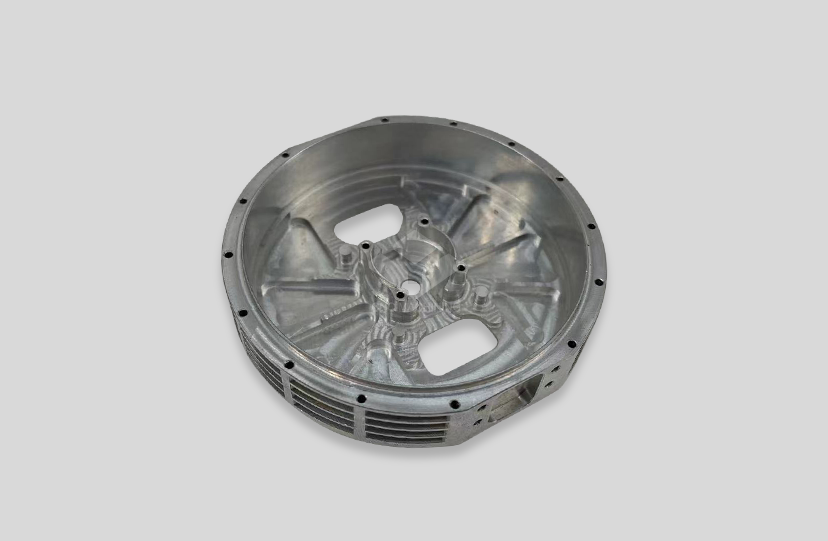
What is CNC Machining? How Does CNC Machining Work?
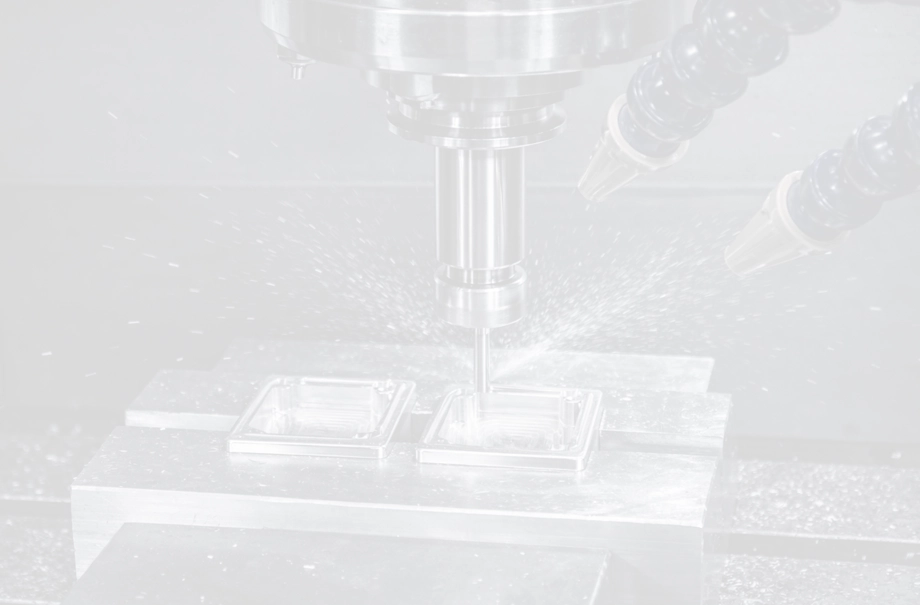
CNC machining is a subtractive manufacturing process controlled by Computer Numerical Control technology that transforms raw material blocks—such as aluminum, stainless steel, or engineering plastics—into finished parts through precise cutting, drilling, and shaping operations. Unlike manual machining, which relies on operator skill and physical adjustments, CNC systems execute commands from digital design files (CAD models) to guide toolpaths with repeatable accuracy. This automated approach resolves persistent manufacturing challenges: dimensional inconsistency, slow prototype turnaround, and the inability to produce complex geometries reliably. Engineers and procurement professionals across aerospace, medical device, automotive, and industrial equipment sectors depend on CNC technology to deliver components meeting tolerances as tight as ±0.01 mm while maintaining surface finishes suitable for functional assemblies.
Understanding CNC Machining: Definition and Core Concepts
CNC Machining is based on three main parts working together: digital design input, machine control software, and precise tool systems. Computer-Aided Manufacturing (CAM) software changes a 2D PDF drawing or 3D STEP file before it is sent to a production partner by a buying team. This software creates G-code, a computer language made up of tool directions and coordinate instructions. During the cutting cycle, G-code tells the spindle what speed to go at, how fast to feed the material, and where to place the tools.
How CNC Systems Interpret Design Files
These days, machine centers read design specs and turn them into mechanical moves that happen on more than one axis. Cutting tools in a 3-axis mill can be moved along X, Y, and Z directions. This type of mill is good for making flat parts and simple shapes. The more modern 4-axis and 5-axis machines can also rotate, which lets them make complex shapes, undercuts, and angles without having to move the material. This multi-axis freedom solves a common problem: it cuts down on setup time and mistakes made by hand when making complicated parts.
When making prototypes, aluminum 6061 is still the best material to use because it is easy to work with, doesn't rust, and is readily available. Stainless steels 304 and 316 are used in medical and food-grade settings where they need to be resistant to chemicals and biocompatible. Engineering plastics, such as PEEK and Delrin, can be used to make electrical housings and parts that keep electricity from leaking. To get the best surface roughness and dimensional stability, you need to set the cutting settings for each material differently. These include the shape of the tool, how much coolant to use, and the feed rate.
Key Components of a CNC Machining System
A CNC Machining system is made up of several parts: the machine frame, which gives the structure rigidity; the spindle assembly, which turns cutting tools at up to 24,000 RPM; the tool changers, which switch tools automatically during multi-operation cycles; and the feedback sensors, which check the accuracy of the position in real time. Coordinate measuring machines (CMM) and optical profile projectors check the final sizes against the tolerances that were planned. This makes sure that they are in line with international standards like ISO 2768 for general tolerances or with the unique needs of the customer.
As part of quality control procedures, spectrometers are used to check the makeup of new materials. This is followed by calipers and micrometers being used for in-process measurements. After machining, secondary processes like deburring, anodizing, and passivation improve the surface's properties and make it more resistant to rust. Finally, a CMM check makes sure the geometry is correct.
The Evolution and Advantages of CNC Machining in Modern Manufacturing
Before numerical control systems came along in the 1950s, most production was done by hand. At first, programs were entered using punched tape. In the 1970s, switching to computerized control made things more precise and flexible, which paved the way for today's combined industrial environments. Modern CNC Machining technology fixes problems with older ways of making things, like lots of wasted material due to human mistakes, problems with repeatability between batches of production, and long wait times for design changes.
Precision and Repeatability Benefits
Automated tool control gets rid of human error, so parts can be made consistently within ±0.02 mm limits for thousands of units. This precision is very important in fields like car electronics, where sensor housings need to stay the same size so they can be put together correctly with matching parts. Medical device makers depend on this uniformity for surgery tools that need to have precise functional features and biocompatible surface finishes.
The ability to make rapid prototypes is another important benefit. For traditional manufacturing methods like casting and forging, making the model takes weeks before the first sample can be made. CNC Milling and turning can make working samples from CAD files in three to seven days, which shortens the time it takes to build a new product. Engineers can try fit, function, and performance, and then make changes to plans without having to pay for new tools.
Getting rid of unnecessary work and making the best use of materials waste leads to cost savings. Complex parts can be made on multi-axis machining machines in a single setup, which cuts down on handling time and setup mistakes. When compared to less advanced cutting methods, nesting software places multiple parts within raw material pieces to get the most use out of them and reduce the amount of waste.
Impact on Supply Chain Efficiency
Shorter lead times and variable production numbers help manufacturers who work with global OEM partners stay competitive. Low-volume specialty tools can be used for small-batch production runs of 10 to 500 pieces without having to spend a lot of money on injection molds or pressing dies. This adaptability is good for startups and R&D teams that want to try market ideas before committing to infrastructure for high-volume production.
Quality management systems that meet ISO 9001 standards make sure that products can be tracked all the way through the production process. Shipments come with inspection reports, material certifications, and batch tracking. This meets regulatory needs in the medical, aircraft, and defense industries, where paperwork is just as important as the real parts.
Types of CNC Machining and Their Typical Applications
Manufacturers choose which machining methods to use based on the shape of the part, the properties of the material, and the amount of output that needs to be done. Each method has its own unique benefits that make it better for solving certain technical problems.
CNC Milling Operations
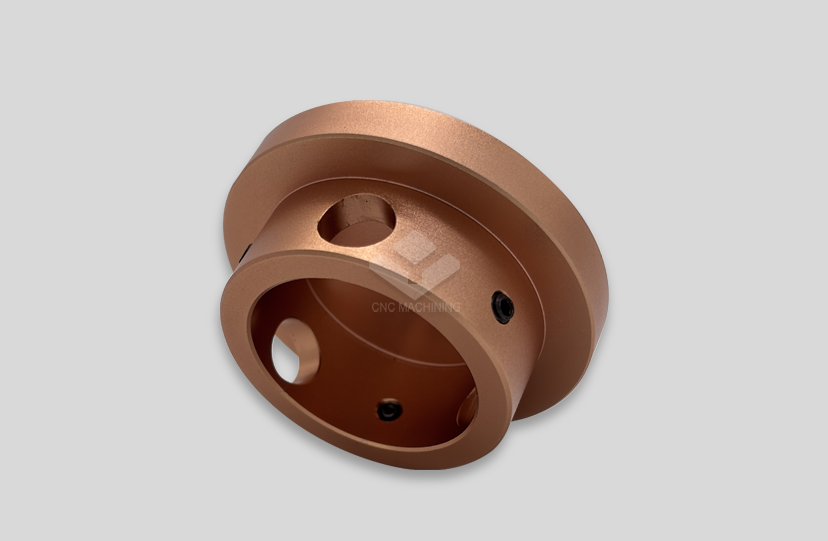
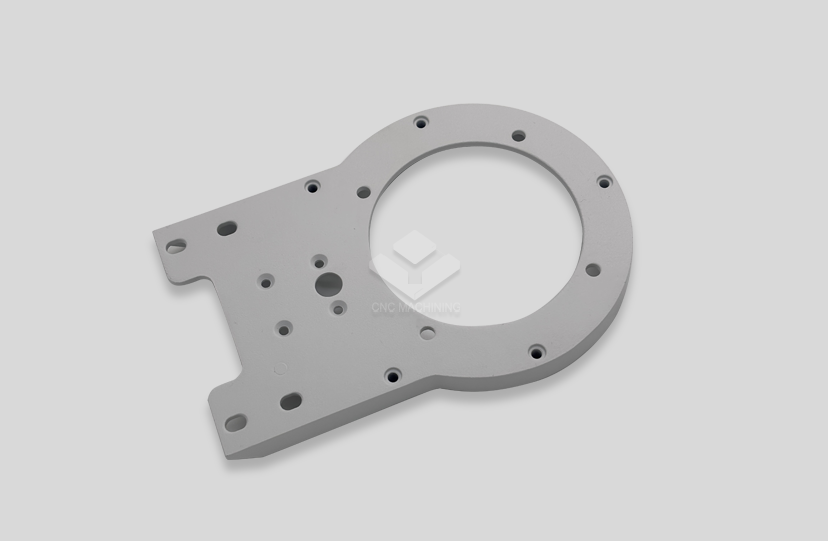
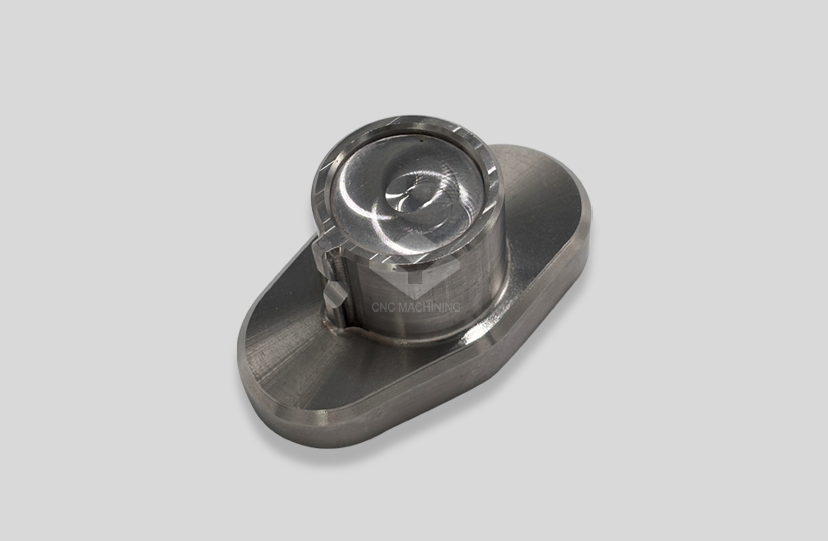
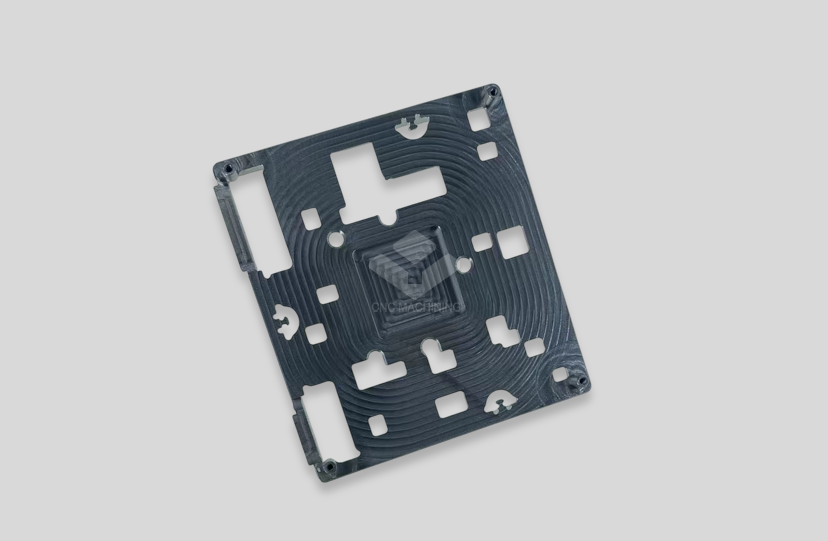
Milling machines are a core part of CNC Machining, using rotating cutting tools to remove material from fixed workpieces and create flat surfaces, pockets, slots, and complex 3D geometries. Five-axis milling centers make it possible to manufacture aircraft brackets, medical implant housings, and robotic joint components requiring precise angles in a single setup. Surface finishes ranging from Ra 1.6 (as-machined) to Ra 0.4 (fine milled) meet both aesthetic and functional requirements while minimizing the need for additional finishing operations.
Sensor mounts, actuator housings, and control panel casings made of aluminum are often CNC milled and then anodized to protect them from rust and prevent electricity from flowing. With this mix, parts are ready to be put together on assembly lines in days instead of weeks.
CNC Turning and Swiss Machining
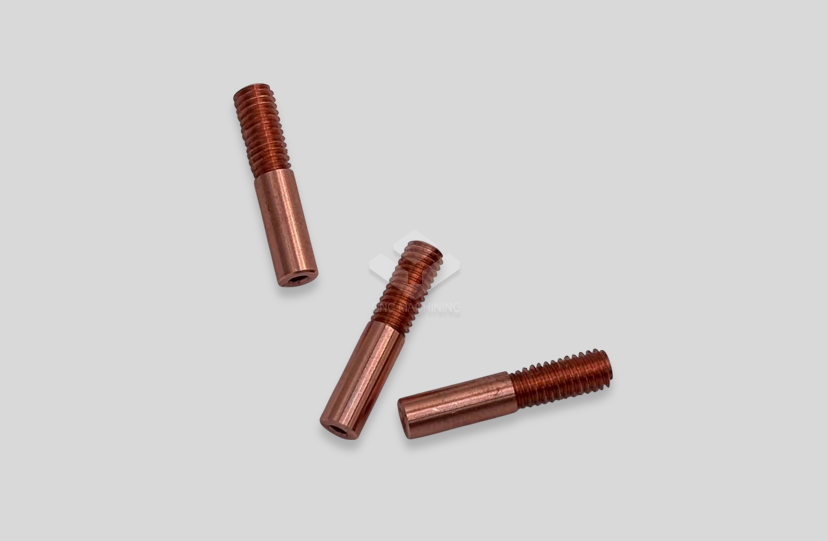
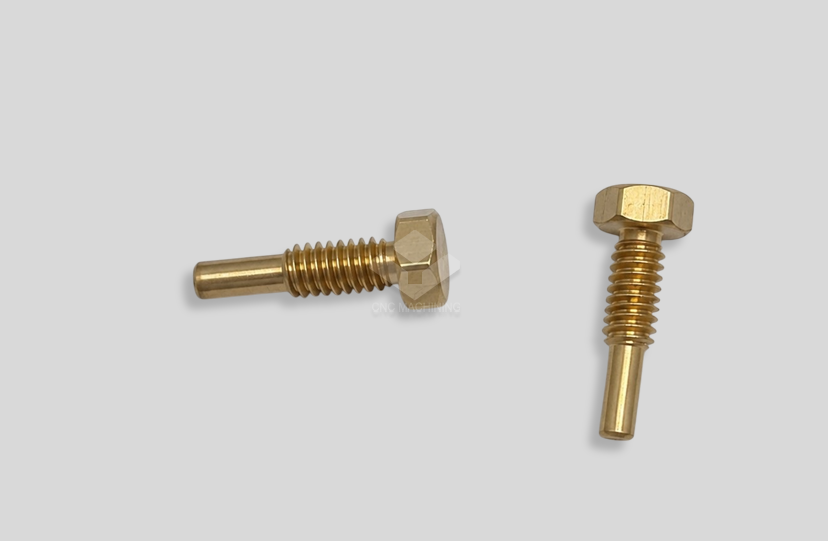
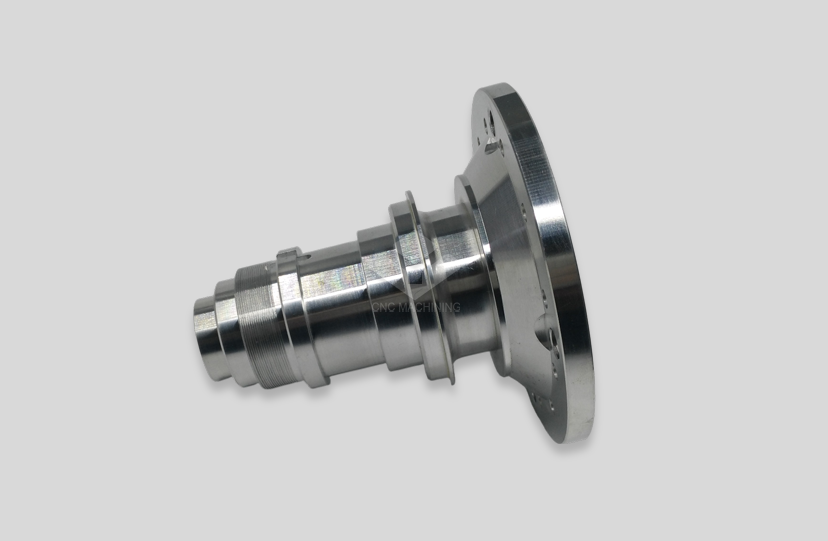
While fixed cutting tools shape cylindrical parts like shafts, bushings, and threaded connections, turning processes turn workpieces. Swiss Machining lathes are great at making small, precise parts (≤25 mm) with tight tolerances (±0.01 mm) and great surface finishes (Ra ≤0.8 μm). Swiss-machined stainless steel 316 parts are used in medical instruments for fluid handling systems because they are consistent in size and have a smooth surface that keeps fluids from getting contaminated.
High-speed turning with carbide tools can do secondary operations like drilling, knurling, and cutting in a single setup. This cuts down on handling time and keeps all of the features concentrically aligned. This speed is important for making sure that O-ring grooves, electrical connections, and mounting threads for car sensor housings are made exactly how they're supposed to be.
Specialized CNC Processes
Electrical discharge machining (EDM) uses controlled electrical sparks to remove material. This makes it possible to make parts out of sharpened tool steel with complex cooling paths and shapes that can't be reached with regular cutting tools. Wire EDM makes complex two-dimensional shapes out of conductive materials with little stress on the machine. It can be used to make precision stamping dies and aircraft clamps with thin walls.
When you compare CNC Machining methods to other ways of making things, you can see the strategy trade-offs. Additive manufacturing (3D printing) makes parts one layer at a time. It lets you use organic shapes in your designs, but the parts usually don't have as good a finish or as much power as machined parts. It is cheap to make a lot of plastic parts with injection molding, but you need to buy expensive tools that aren't good for testing or making small amounts. Laser cutting is great for making things out of sheet metal, but it can't make 3D shapes or keep tight vertical standards.
When deciding which production process to use, procurement teams look at things like unit cost at different volumes, material property needs, lead time limits, and the complexity of the design.
How to Choose the Right CNC Machining Service for Your Procurement Needs
To find a good production partner, you need to look at their technical skills, quality processes, and how quickly they respond to communication needs that are in line with the project.
Evaluating Technical Capabilities and Equipment
The range of machines, axis setups, workpiece size limits, and material knowledge that make up a machine's machining ability. Suppliers with 3-axis, 4-axis, and 5-axis tools can work on a wide range of projects, from simple brackets to complex aircraft structures. Swiss Machining skills show that you know how to make small, precise parts that need great surface finishes.
Experience with handling materials is just as important. Suppliers who know a lot about industrial plastics, brass, titanium, aluminum alloys, and stainless steels can suggest the best material types in terms of cost, ease of machining, and performance. Direct technical contact with experienced engineers avoids design misunderstandings and allows for useful optimization ideas, such as changing the wall thickness, loosening tolerances where functional performance allows, and changing features to make them easier to manufacture.
Quality Assurance and Certification Standards
ISO 9001 certification means that quality management procedures have been set up and are being followed. These procedures include document control, corrective action protocols, and practices for ongoing growth. Suppliers that work with companies that make medical devices often have extra licenses that show they can track materials and make sure processes are safe, which is needed for FDA-regulated goods.
The availability of inspection tools like CMM systems, optical comparators, and surface roughness testers demonstrates that CNC Machining projects can meet stringent tolerance and measurement requirements. When a supplier offers 100% inspection for critical features or statistical sampling for high-volume production, it provides the flexibility needed to balance risk levels and application requirements while maintaining consistent quality standards.
Communication and Project Support
Response time during the quote and engineering review steps shows how well operations are running and how important customer service is. When suppliers answer technical questions within hours instead of days and give DFM feedback that points out possible production problems before an order is placed, it shows that they are committed to project success rather than just processing orders.
For customers who can't visit manufacturing sites in person, seeing pictures and videos of the production process builds trust. This visibility is especially helpful for new businesses and startups that don't have established supplier ties or production knowledge.
Some red flags that could mean problems in a relationship are unclear price explanations, unwillingness to talk about inspection methods, a lack of material certifications, and slow communication responses. Before committing to bigger production numbers, procurement professionals can use trial orders to see how well a provider meets their needs in terms of accuracy, quality of finish, and on-time delivery.
Latest Trends and Future Outlook in CNC Machining Technology
Manufacturing technology keeps getting better thanks to the addition of digital tools, better automation, and the creation of mixed processes that make standard machining more useful.
Industry 4.0 Integration and Smart Manufacturing
IoT sensors are used in connected production systems to keep an eye on real-time process factors, tool wear, and machine performance. Predictive maintenance algorithms look at patterns of vibration, changes in power use, and thermal signs to plan tool changes and preventive maintenance before they break. This cuts down on unnecessary downtime.
AI-driven process optimization changes the cutting parameters on the fly based on changes in the material's hardness, the state of the tool, and the surface finish traits that are wanted. These adaptive control systems keep quality constant while increasing output. They are especially useful in high-mix, low-volume production settings that have to meet the needs of a wide range of customers.
Advanced Materials and Hybrid Manufacturing
As the use of composite materials like carbon fiber reinforced plastics and ceramic matrix composites grows, they need special cutting tools and methods to keep the fibers from coming apart and delaminating. When suppliers spend money on diamond-coated tools and cryogenic cooling systems, they prepare to serve the aircraft and racing industries, which need strong, lightweight parts.
Combining subtractive cutting with additive processes, hybrid manufacturing makes it possible to fix expensive parts by depositing material and then carefully finishing them. This method makes aircraft engine parts, injection molds, and industrial machinery parts last longer for a lot less money than buying new ones.
Purchasing managers who keep an eye on these technological changes can gain strategic benefits by being among the first to use new features that make designs lighter, development processes faster, and cost structures better. Working with sellers who are ahead of the curve lets you use new technologies without having to buy expensive equipment that hasn't been tried yet.
Conclusion
CNC Machining is where digital accuracy and mechanical production meet. It makes parts that are exactly what is needed in a wide range of industries and uses. Understanding the technology's features, like multi-axis machining, Swiss turning, and the ability to work with different types of materials, helps sourcing workers choose the right methods for each project. Potential providers should be judged on their technical skills, quality certifications, ability to communicate clearly, and production flexibility. This way of doing business will ensure relationships that can support both prototype development and large-scale production needs. Keeping in touch with forward-thinking providers gives you access to new skills that drive innovation and help you stay competitive as manufacturing technology improves through Industry 4.0 integration and mixed process development.
FAQ
What materials work best with CNC machining processes?
Aluminum alloys, especially 6061 and 7075, are easy to make and have good surface finishes. They are also resistant to corrosion, making them good for prototypes, aircraft parts, and consumer electronics. 304 and 316 stainless steels are used in medical devices, food processing equipment, and seafaring uses that need to be biocompatible and resistant to chemicals. Engineering plastics like PEEK, Delrin, and polycarbonate can be used to make electrical insulation, wear-resistant joints, and clear housings that are lighter. For artistic gear and fluid control parts, brass and bronze work well when machined.
How long does typical CNC machining take from quote to delivery?
Simple parts, like grinding or turning that only need one process, usually ship within three to five business days after the order is confirmed. Seven to ten business days are usually needed for complex multi-axis parts that need to be set up multiple times, go through secondary processes, and have their surfaces treated. When production plans allow, sample prototypes that are selected for quick handling can be finished within 72 hours. Accurate lead time predictions are possible when there is clear information about the complexity of the plan, the quantity, and the supply of materials.
Can CNC machining handle extremely tight tolerances reliably?
Tolerances of ±0.02 mm for general features and ±0.01 mm for important measurements are common on modern machining centers when the right tools, fixtures, and inspection procedures are used. Small-diameter features that are made on Swiss-type lathes have even tighter limits. When the accuracy is close to ±0.005 mm, thermal management, machine testing, and external controls become very important. Tolerance requirements should be balanced with functional needs in procurement standards. This is because too tight of tolerances raises costs and make manufacturing more difficult.
Partner with RYH for Expert CNC Machining Solutions
To meet the needs of precision manufacturing, you need a provider with technical know-how, quick contact, and adaptable production options. RYH is an expert at making custom metal and plastic parts for a wide range of businesses around the world, such as aircraft, medical devices, industrial equipment, and automotive systems. Our engineering team, which has an average of more than 15 years of technical experience, works directly with customers throughout the entire project lifecycle. They review sketches, make designs better, and offer useful machine solutions that cut down on mistakes and speed up delivery times.
Along with 15 CNC lathes and 6 Swiss-type turning machines, we run 3-axis, 4-axis, and 5-axis machining centers. This lets us make parts ranging from complicated metal housings to small, precise stainless steel parts. Our quality systems, which are approved to ISO 9001 standards, make sure that all of our products are consistently accurate in terms of size and shape. This is true whether your project needs trial samples within a week or batch production with ±0.02 mm tolerances.
We know how important clear communication and flexible planning are as a CNC Machining maker that works with procurement managers, design engineers, and product development teams. Contact our team at bill@bldmachining.com to talk about your unique needs, make sure the design is possible, and get cheap quotes that will help you meet your project deadlines. We're happy to work with new businesses and offer useful technical help that is in line with our actual production capabilities. This way, we can make sure your parts meet the requirements without being too complicated or expensive.
References
1. Kalpakjian, S., & Schmid, S. R. (2014). Manufacturing Engineering and Technology (7th ed.). Pearson Education.
2. Groover, M. P. (2020). Fundamentals of Modern Manufacturing: Materials, Processes, and Systems (7th ed.). John Wiley & Sons.
3. Boothroyd, G., Dewhurst, P., & Knight, W. A. (2011). Product Design for Manufacture and Assembly (3rd ed.). CRC Press.
4. Stephenson, D. A., & Agapiou, J. S. (2016). Metal Cutting Theory and Practice (3rd ed.). CRC Press.
5. Society of Manufacturing Engineers. (2019). Precision Machining Technology (2nd ed.). Cengage Learning.
6. American Society of Mechanical Engineers. (2018). ASME B5.54: Methods for Performance Evaluation of Computer Numerically Controlled Machining Centers. ASME Standards.