What is CNC Milling? Process, Advantages, and Applications
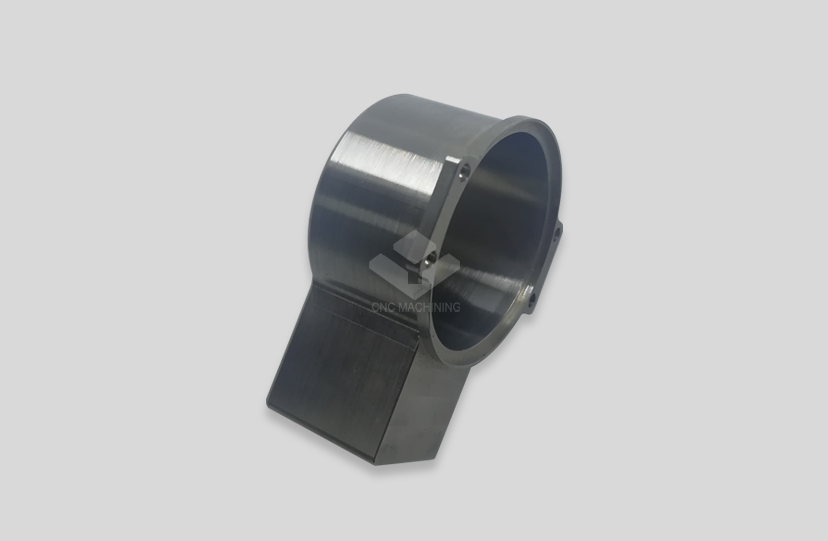
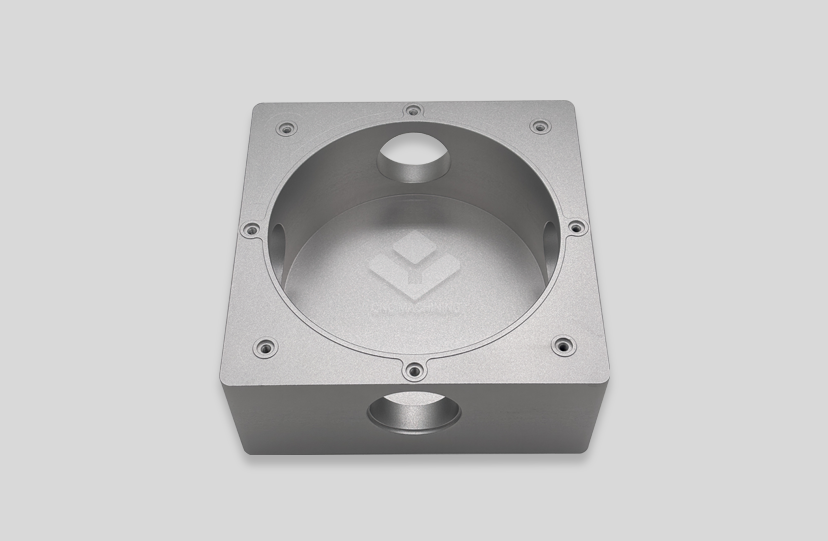
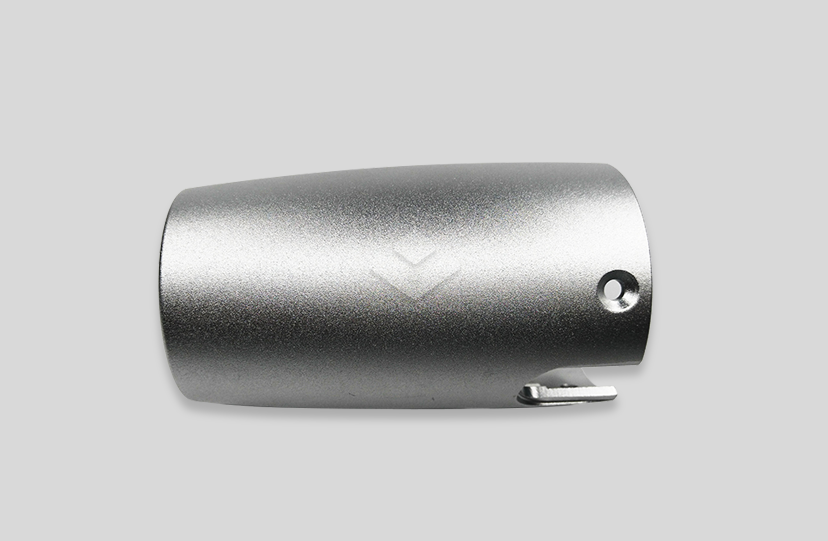
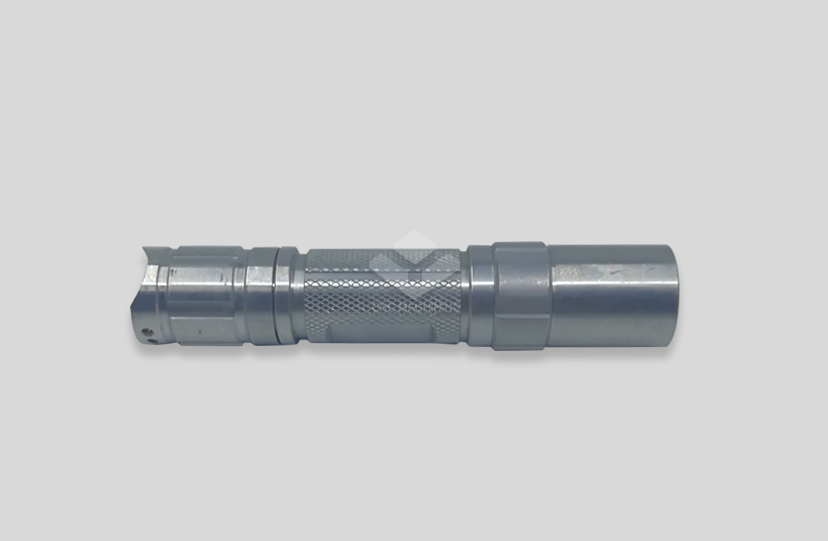
CNC Milling is a term that keeps coming up in different fields when people talk about modern precision manufacturing. Using spinning cutting tools that are led by computer programs, this method turns plain blocks of metal or plastic into complex parts. Because it doesn't depend on human error, makers can make parts with tolerances as low as ±0.02 mm and surface finishes as smooth as Ra 0.8–1.6 μm. This technology gives you the stability and accuracy you need for your projects, whether you're looking for parts for battery housings for electric vehicles, robotic joints, or medical device casings.
Understanding CNC Milling: Definition and Basics
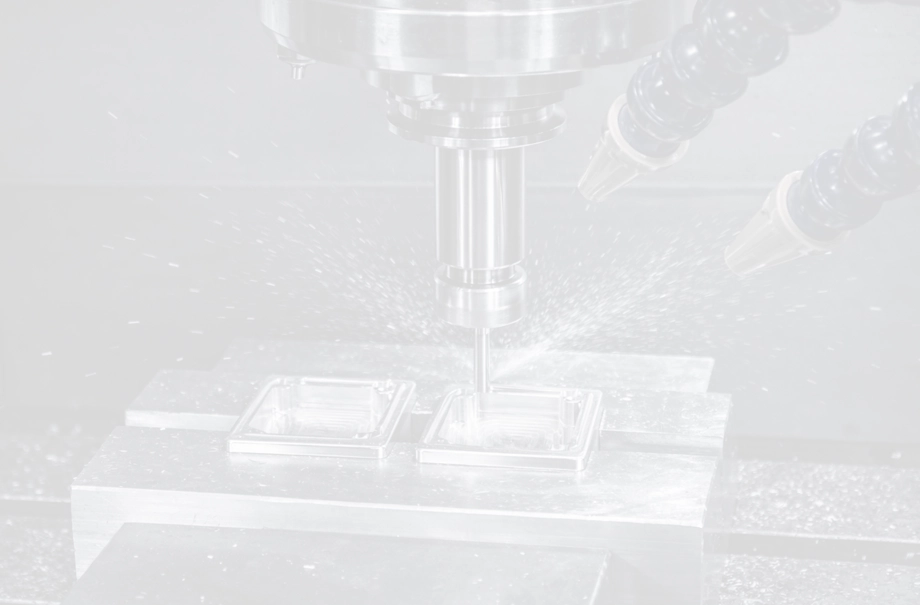
Computerized milling uses high-speed spinning cutters that are managed by computer directions to remove material from a workpiece. These systems follow pre-programmed toolpaths with micrometer-level accuracy, unlike hand tools that depend on the skill of the operator. When we work at RYH, we use machine centers from well-known brands that can do simple 3-axis tasks as well as complicated 5-axis cutting at the same time.
How Multi-Axis Systems Work
Different gear designs are used for different types of manufacturing. A 3-axis mill is great for making flat surfaces, holes, and simple pockets because it can move tools along the X, Y, and Z planes. Four-axis setups let you rotate around one horizontal axis, which is useful if your design has angled parts or curved surfaces. The most flexible 5-axis machines can spin workpieces in two more directions, which lets complicated geometries be machined at the same time without having to move the workpieces. This skill is very important when making frames for spacecraft, parts for medical implants, or transmission housings for cars.
Material Compatibility and Machine Selection
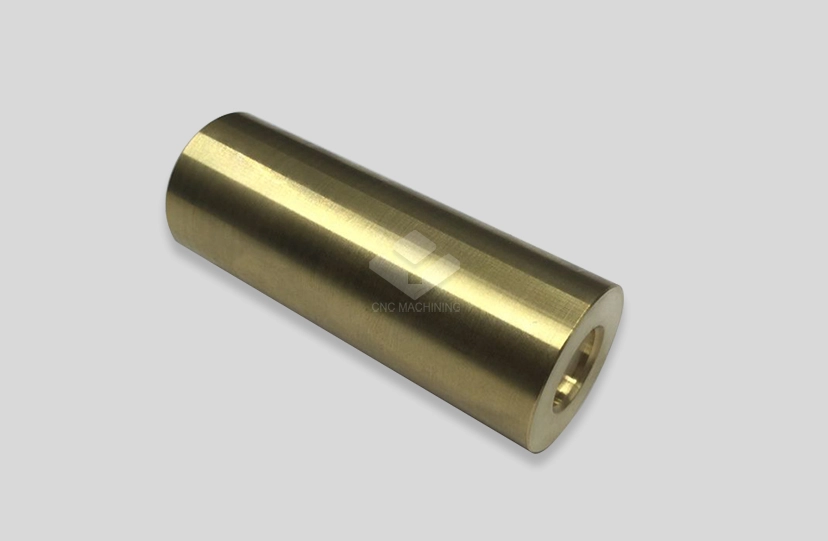
A huge variety of products can be used in this process. Aluminum metals like 6061 and 7075 are easy to make and have smooth surfaces. Grades of stainless steel, like 304 and 316, don't rust and can be used in naval and food processing equipment. Brass and copper are used to manage electricity and heat. Engineering plastics like PEEK, POM, and PTFE offer options that are light and don't react with chemicals. The hardness of the material, the complexity of the part, and the amount of output are some of the things that our engineering team looks at every time they meet with a client to discuss a project.
The CNC Milling Process Explained: Step-by-Step
A structured process turns digital plans into real parts for machining projects that go well. Procurement managers can find sellers with strong technical skills and quality systems by understanding each step.
Design Translation and Programming
CNC Milling begins as soon as our engineers receive your CAD files in STEP or IGES format. We look over plans to make sure that the material specs, tolerance zones, and dimensional callouts are correct. The toolpaths that our CAM software makes show how the cuts how they should move through the object. The computer language for the machine is called G-code, and it sets the spindle speeds, feed rates, and cutting depths. This planning phase finds problems before they become big problems, which saves money and time by avoiding needless rework and project delays.
Setup and Machining Execution
Fixturing the workpieces correctly keeps them still while high-force cutting is done. Based on the shape of the part, we choose the right vises, clamps, or special fittings. Choosing the right end mills, face mills, and drill bits is just as important as choosing the right material. Coolant fills the cutting area during grinding to keep the heat down and flush out chips. With real-time tracking, workers can change settings if they notice vibrations or tool wear.
Quality Assurance and Finishing
Once basic shapes are set by rough cutting, final measurements and surface quality are reached by finishing passes. Deburring gets rid of rough edges. Sandblasting for matte finishing, anodizing metal parts to protect them from corrosion, or passivating stainless steel to make it less likely to rust are all examples of secondary processes. For complicated profiles, our checking processes use both optical comparators and micrometers and calipers for human measurements. Important medical and aircraft parts get full dimension records that show they meet print tolerances.
Advantages of CNC Milling for B2B Manufacturing
Picking the best cutting method can change project times, costs, and how well the finished product works. CNC Milling has benefits that can't be matched by human work. This is especially true for businesses that have to meet tight deadlines for growth or high-quality standards.
Before going into specific benefits, it's important to note how this technology solves common problems in buying, such as inconsistent part quality, long wait times, and suppliers who aren't very flexible. The following features show why engineering teams in the medical device, industrial equipment, and auto industries depend on this process.
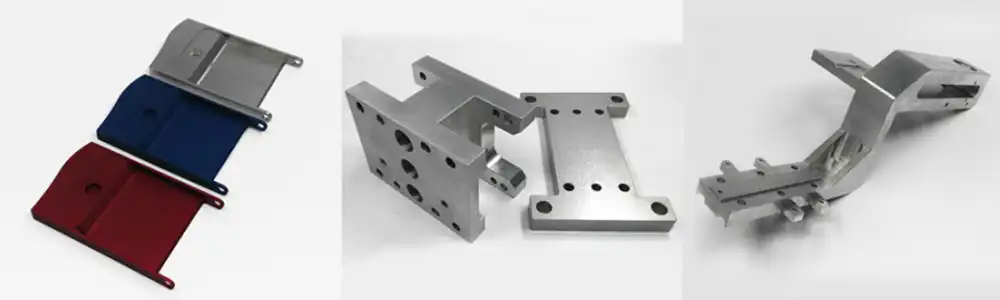
- Dimensional Consistency Across Production Runs: Machines can copy moves with sub-millimeter accuracy once toolpaths have been proven. A group of 500 artificial gripper parts will all have the same hole locations, pocket sizes, and flat surfaces. Because it can be done again and again, this removes the variation that comes with hand machining, where differences in skill or tiredness can affect the results. This uniformity is important to procurement managers because it makes inspections easier and prevents problems with assembly later on.
- Complex Geometry Capability: Multi-axis tools can reach areas from different directions without having to be moved by hand. It's easy to make undercuts, curved bores, and organic shapes that are hard to do with traditional tools. Common projects include medical device housings with built-in fixing bosses and ventilation holes, or automobile manifolds with flow channels inside them. It cuts down on handling time and total tolerance stack-up when parts can be finished in a single setting.
- Material Versatility and Rapid Prototyping: To switch between aluminum, stainless steel, and industrial plastics, all that needs to be done is make changes to the program and the tools. There is no need to rearrange any major pieces of equipment. This gives prototype development a lot of freedom when design changes need quick responses. Within three to seven days, our team makes model parts that R&D engineers can test to make sure they work, fit, and look right before committing to making the production tools. This edge in speed-to-market helps both new and established OEMs meet customer needs more quickly.
These benefits have clear practical advantages, including lower costs per part through automation, shorter project timelines, and fewer quality issues. By leveraging CNC Milling, companies gain access to manufacturing partners that can support projects from initial prototyping and sample development all the way to high-volume production while maintaining consistent quality and efficiency.
Applications of CNC Milling in Global B2B Procurement
Precision cutting is needed to meet performance and safety standards in industries that use tight-tolerance parts. Because the technology is so flexible, it is needed in all fields where accurate measurements directly affect how a product works.
Aerospace and Defense Components
Structures for airplanes need parts that are both light and strong, and the materials must be certified. Tough checking procedures are used on aluminum bulkheads, titanium clamps, and stainless steel fittings. With five-axis capability, complexly curved turbine blade shapes and structural sections can be machined. For defense uses, suppliers must keep process paperwork and traceability standards, which we've kept on projects involving UAV parts and housings for guidance systems.
Medical Device Manufacturing
Medical cutting uses materials that are approved by the FDA and methods that can be used in a laboratory. Biocompatible materials, such as 316L stainless steel or medical-grade PEEK, are needed for the handles of surgical instruments, the cases of testing equipment, and parts of lab machinery. To keep surfaces from getting dirty, they must meet strict cleaning standards. As part of our quality system, we provide material certificates, dimensional inspection records, and lot tracking to help with regulatory files and audit needs.
Automotive and New Energy Systems
The use of electric vehicles increases the need for precisely made battery housings, motor mounts, and charge system parts. Aluminum parts are lighter, which is important for a vehicle's range. Tight precision makes sure that the bolt patterns and seal surfaces are lined up correctly. Automotive tier providers, so that we can build prototypes during the design validation stages and then increase production numbers when new vehicle projects start. The iterative nature of current car engineering is reflected in this prototype-to-production model.
Industrial Equipment and Robotics
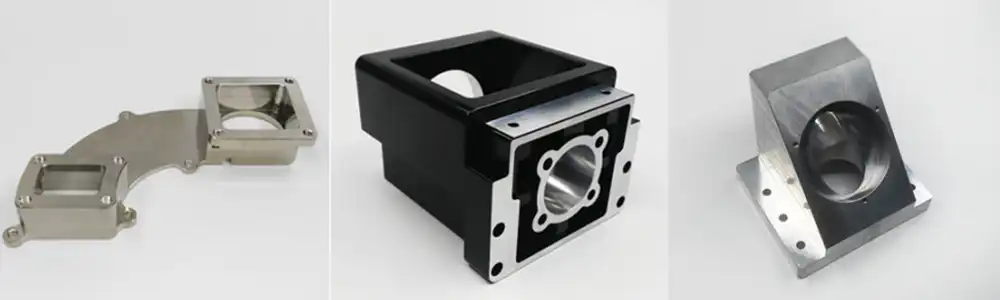
Motion-critical parts in automation equipment rely on CNC Milling to achieve the precise dimensions required for optimal kinematic performance. Components such as robot joint housings, linear actuator bodies, and pneumatic manifolds demand exceptional alignment and flatness to ensure reliable operation. Industrial customers value suppliers with strong mechanical expertise who can recommend design improvements that enhance manufacturability without compromising functionality. Through continuous DFM reviews, our engineering team optimizes CNC Milling processes, reducing cycle times, minimizing material waste, and improving overall production efficiency.
How to Choose the Right CNC Milling Solution for Your Business
When choosing a factory partner, you need to look at their technical skills, how quickly they respond to messages, and how reliable their supply chain is. The choice affects the quality of the result, the time it takes to create, and the total cost of the program.
Assessing Technical Capabilities
First, look at the equipment's ability. Does the seller have up-to-date machining centers with the right axis settings for the shape of your part? Ask about experience with the material. Being good at working with metal doesn't mean you'll be good at working with hardened stainless steel or rare plastics. Ask for examples of parts or case studies that show complexity that matches your needs. It's also important to have the right inspection tools. For example, coordinate measure machines and optical comparators can check complex features in a way that mobile tools can't.
Evaluating Communication and Engineering Support
Manufacturing partners are different from common machine shops when it comes to working together on technology. Before giving you a quote, our experts look over your plans to see if there are any tolerance issues, sharp internal corners that need special tools, or surface finish callouts that need more information. By talking things out right away, we avoid misunderstandings that lead to delays and extra work. Procurement managers should get clear answers about whether the material can be machined, how long the wait time will actually be, and what other materials can be used if the types they want aren't available. Problems can be solved faster when engineers can talk directly to each other, without going through salespeople.
Understanding Pricing and Lead Time Structures
Trust grows when quotes are clear. We give you detailed figures that include the costs of materials, time spent on machining, charges for extra processes, and inspection fees. For prototypes that need to be made quickly, there are "rush" options, and parts can arrive within three days for easy shapes. One week is enough time to finish standard sample production. Optimized sets and batch processes help with large amounts of production. Learning about a supplier's limited ability helps you place orders that meet both delivery and cost standards. Ask for examples from customers who have placed similar orders. Buyers who are interested in prototypes have different needs than buyers who are interested in high-volume production.
Conclusion
FAQ
What materials can be machined using this process?
The system can work with both metals and non-metals. Aluminum alloys (6061 and 7075), stainless steel grades (304 and 316), brass, copper, and carbon steel are all common metals. Engineering plastics like PEEK, POM, PTFE, and Nylon can be machined smoothly for uses that need chemical-resistant parts that are lightweight. The choice of material is based on its mechanical qualities, how it will be used, and any regulations that are specific to your business.
How does this method compare to turning or laser cutting?
Turning is great for making cylinders and parts with circular symmetry, but it's not so good at making pockets or flat surfaces. Laser cutting is fast for cutting sheet metal shapes, but it can't cut deeply and leaves heat-affected areas. Milling can handle complicated 3D shapes with controlled layers, internal features, and high-quality surface finishing. Many parts need more than one step to be made. For example, milled flats may need to be added to turned shafts, and mounting holes may need to be machined into laser-cut mounts.
What maintenance ensures consistent machine performance?
Costly failures can be avoided by inspecting spindle bearings on a regular basis. The coolant filter gets rid of chips that build up and wear down tools too quickly. Ball screw oil keeps the accuracy of placement. Axis alignment checks are done every day to catch movement before parts get too far out of range. Schedules for preventative repair, which happen about once a month for output tools, increase uptime and part consistency. Suppliers who have written maintenance plans show that they care about the quality and dependability of delivery.
Partner with RYH for Expert CNC Milling Solutions
Our engineering team at RYH has been grinding things by hand for more than 15 years and brings that experience to every job. We use high-tech, multi-axis machines that can work with industrial plastics, aluminum, stainless steel, brass, and copper, and can hold tolerances of up to ±0.02 mm. Our one-on-one expert contact cuts out the hassle of working through salespeople, whether you need rapid prototype samples sent to you in three days or scalable production runs with full inspection documentation. As a reliable CNC Milling maker, we offer DFM analysis during the quote process to make sure that your plans are the best they can be for production. Concerns about quality are dealt with right away—any problems reported within a month are remade within a week at our cost. Get in touch with bill@bldmachining.com to talk about your needs for precision parts and get a full quote backed by engineering advice.
References
1. Kalpakjian, S., & Schmid, S. R. (2014). Manufacturing Engineering and Technology (7th ed.). Pearson Education.
2. Stephenson, D. A., & Agapiou, J. S. (2016). Metal Cutting Theory and Practice (3rd ed.). CRC Press.
3. Boothroyd, G., & Knight, W. A. (2011). Fundamentals of Machining and Machine Tools (3rd ed.). CRC Press.
4. Tlusty, J. (2000). Manufacturing Processes and Equipment. Prentice Hall.
5. Altintas, Y. (2012). Manufacturing Automation: Metal Cutting Mechanics, Machine Tool Vibrations, and CNC Design (2nd ed.). Cambridge University Press.
6. Groover, M. P. (2020). Fundamentals of Modern Manufacturing: Materials, Processes, and Systems (7th ed.). Wiley.