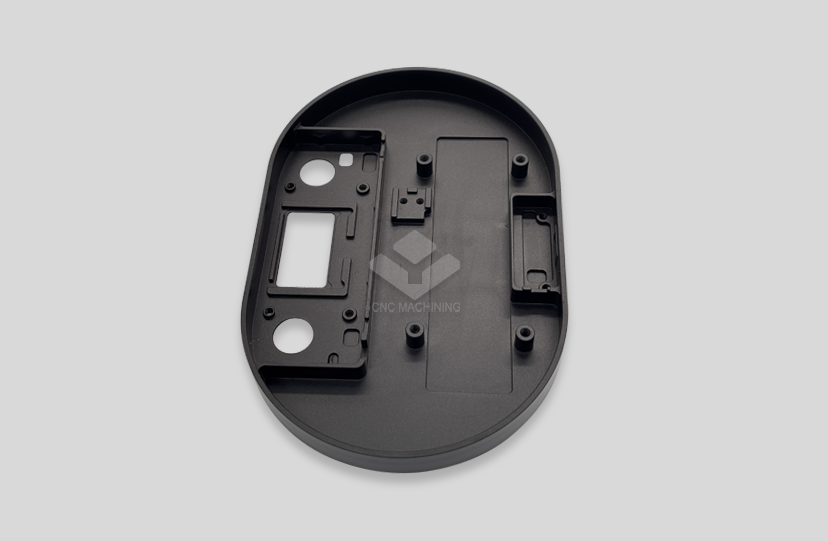
What is CNC Turning: Types, Materials & Advantages
A workpiece moves on a spindle while fixed cutting tools shape it into cylindrical or conical forms during the CNC Turning process, a precision industrial process. This automated method, which is run by computer numerical control systems, can achieve tight tolerances (often within ±0.02 mm) and provide uniform surface finishes that are perfect for important parts in the aircraft, medical, automobile, and industry sectors. CNC Turning, on the other hand, gets rid of human mistakes, speeds up production cycles, and can handle complex operations like threading, grooving, and knurling all in one setting. This makes it essential for engineers and buying teams looking for reliable, repeatable results.
Understanding CNC Turning: Definition and Process
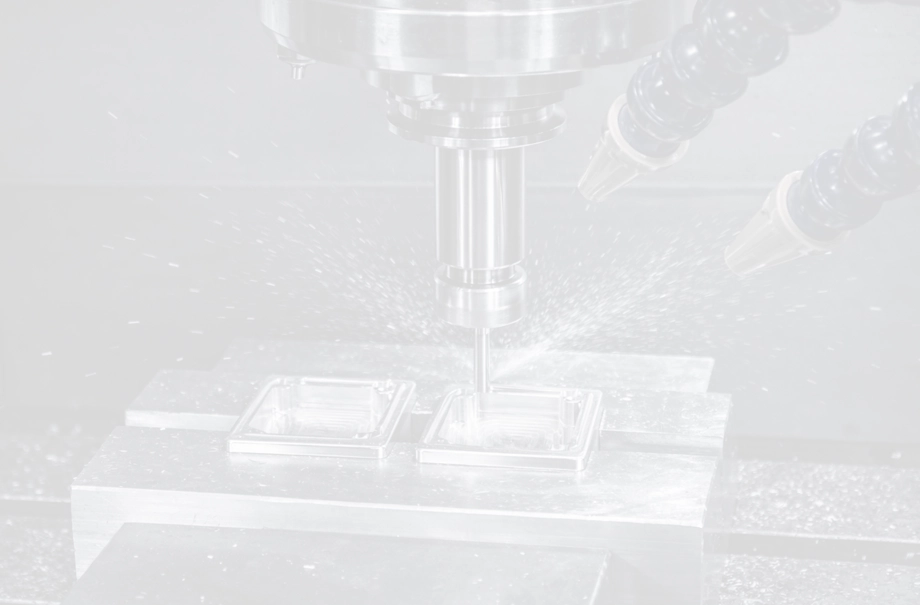
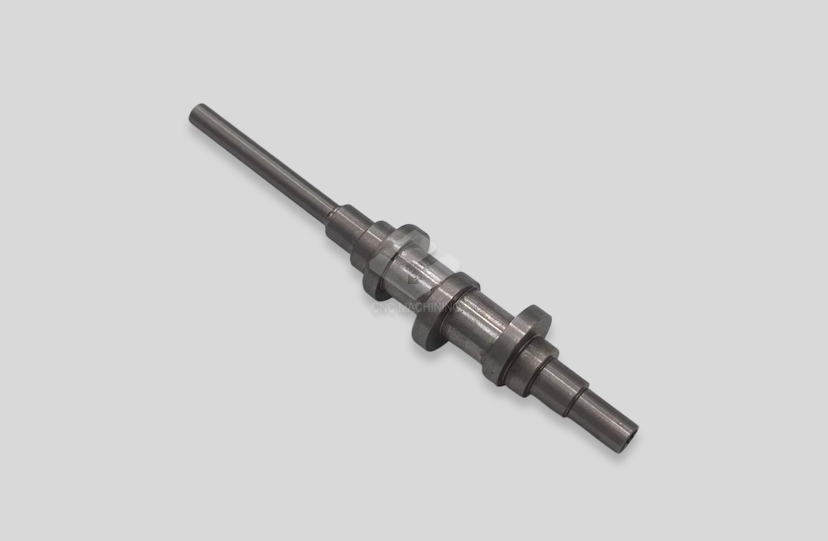
By automatically rotating and removing material, CNC Turning converts raw cylinder stock into final parts. The piece of work is put into a chuck and spun very quickly while carbide or ceramic cutting tools on a turret moved along pre-set tracks to make external sizes, internal bores, tapers, and threads. CNC milling revolves the cutter around a set object. Turning, on the other hand, revolves the part itself, which makes it perfect for making parts that are symmetrical, like shafts, bushings, and connectors.
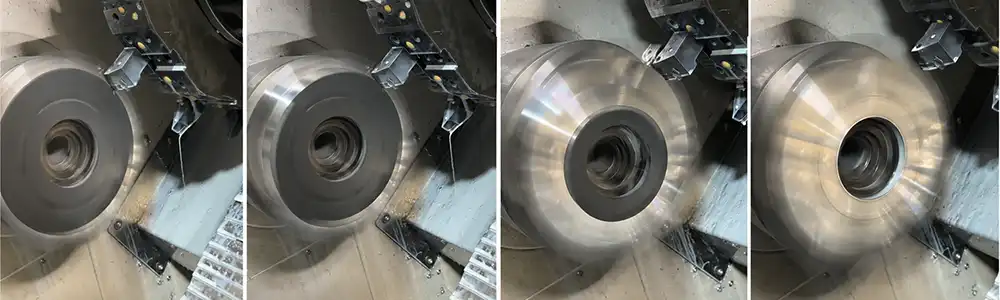
Key Components of a CNC Lathe
Learning about machine design helps buying teams figure out what a supplier can do. Depending on the strength of the material and the finish you want on the surface, the spindle holds and spins it at speeds that can range from 100 to over 5,000 RPM. The tower holds many tools, so they can be changed quickly without any help from a person. Modern multi-axis machines have live tools and a Y-axis, which lets them drill and mill without being in the same plane during the same cycle. This integration cuts down on extra processing, shortens wait times, and lowers costs, all of which are very helpful when prototyping or going from small quantities to large production runs.
Common CNC Turning Techniques
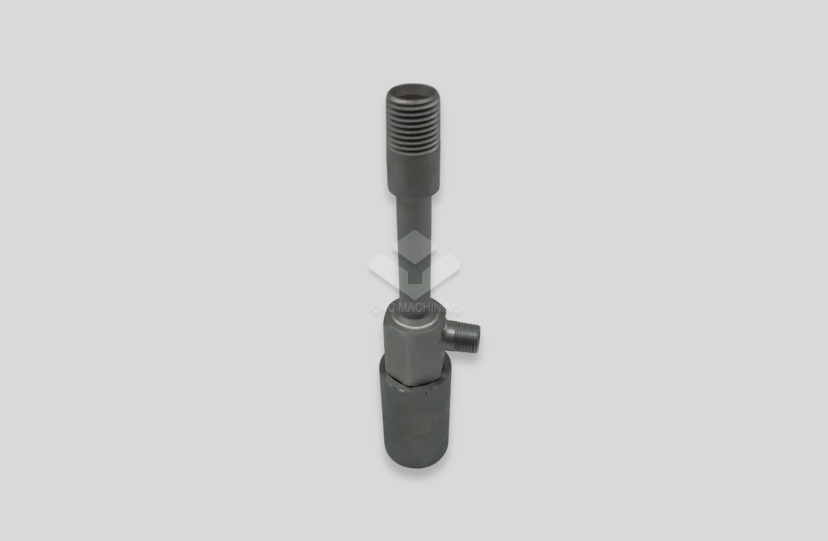
Roughing quickly gets rid of the bulky material, setting up the basic shape while leaving some for the finishing passes. Finishing steps get exact measurements and hardness levels on the surface, like Ra 1.6 or higher, which are needed for closing surfaces and bearing seats. When you thread, you make precise spiral loops for fasteners or fluid connections. When you groove, you make holes for O-rings or snap rings. The finished part is separated from the stock bar by parting off. Knurling gives the grip areas more roughness. These tasks are handled flawlessly by our 15 CNC Turning and Turning-Milling tools, which can produce anything from a single sample to batches of more than 10,000 pieces.
On the other hand, CNC milling is best for prismatic parts with complicated pockets and curves, while turning is best when the design calls for a cylinder-shaped symmetry. When engineers need to machine rods, tubes, or bar stock quickly and cheaply, they often choose turning. They save milling for features that are not on the spinning axis.
Types of CNC Turning Machines and Their Applications
Picking the right machine design has an effect on cost, accuracy, and output. Understanding these groups helps procurement managers match the skills of suppliers with the needs of the project.
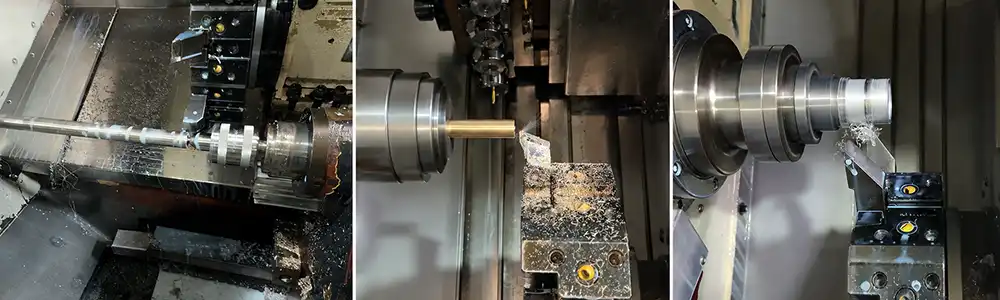
Standard CNC Lathes
The X-axis (cross-slide) and Z-axis (longitudinal feed) are controlled by two-axis CNC lathes, which are good for simple jobs like turning, facing, and cutting. These tools can work with parts that are up to 300 mm in diameter and 600 mm long. This makes them great for making car shafts, hydraulic cylinders, and industrial rollers. Brands like Haas and Doosan offer strong spinning power and temperature stability, which makes sure that standards stay the same over long production runs.
Swiss-Type Turning Centers
Multi-Axis Turning-Milling Centers
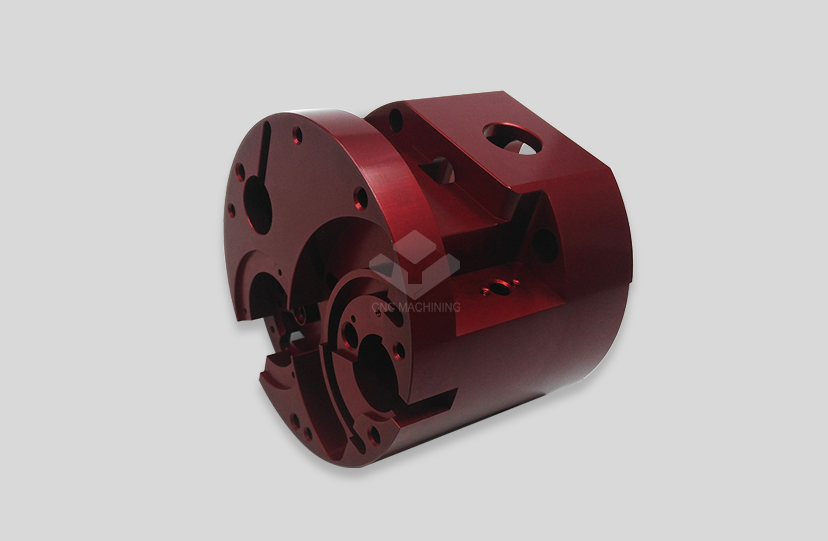
Three-, four-, and five-axis machines have grinding wheels and driven tools built in, so they can cut complicated shapes without having to re-chuck. This freedom is good for both aerospace parts, like turbine shaft adapters, and car transmission parts. Mazak, Okuma, and Fanuc make machines that are stiff and have advanced control software that helps with DFM optimization and cuts down on setup waste. We have several multi-axis centers in our building, which lets us work with complicated designs and get models to you in three to seven days.
Knowing about these types of machines can help you decide if a potential provider has the right technology to meet your needs for tolerance, complexity, and volume. When looking for a partner, find out about their spindle specs, tool size, and recent projects that match your needs.
Materials Suitable for CNC Turning and Their Advantages
The choice of material has a direct effect on how easy it is to machine, how well it works, and how much it costs. CNC lathes can work with a lot of different metals and plastics, and each one has its own benefits.
Stainless Steel
304 and 316 types of stainless steel are very strong, don't rust, and are easy to weld. We often machine these metals for medical devices that need FDA-approved materials, food processing equipment, and naval gear. There are a number of surface finishes that meet health and visual standards, such as "as machined," "polished," and "passivated." Standard tolerances are ±0.02 mm, and surface roughness is Ra 1.6. These values are checked by a CMM before the shipment.
Aluminum Alloys
Aluminum 6061 and 7075 are both very light and easy to machine, which lets them be cut quickly and have a smooth surface. Aluminum's ability to conduct heat and work with anodizing makes it useful for making battery housings for cars, military brackets, and consumer electronics cases. Less tool wear and faster cycle times mean lower costs per part, which is especially helpful when making prototypes and test runs.
Titanium and Specialty Alloys
Titanium alloys are very strong for their weight and are biocompatible, which makes them important for aircraft motors, UAV parts, and medical devices that are implanted. To machine titanium, you need carbide tools, controlled speeds, and good water management, all of which are skills we've been working on for nine years. Specialty materials, like Inconel, brass, and PEEK plastics, are used in niche situations where heat resistance, electrical conductivity, or chemical inertness are needed.
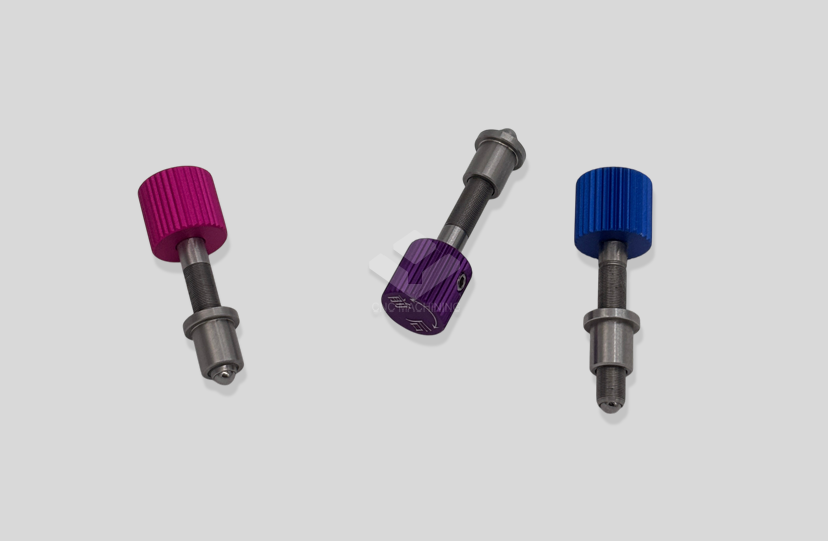
Material effect produced by CNC Turning is shown by real-life examples: an aluminum RF connector blocks electromagnetic interference in telecom equipment, a titanium surgical pin safely fits into human tissue, and a stainless steel valve stem doesn't dezincify. During the RFQ stage, procurement experts should include material certificates and inspection reports to make sure that the products meet industry standards such as ASTM, AMS, or RoHS.
Benefits of CNC Turning for B2B Procurement Clients
For buyers who are focused on engineering, automated turning methods offer real benefits that lower risk and improve project results.
The most important things are accuracy and regularity. Computer-controlled tools make sure that thousands of parts are all the same size, so there is no variation that comes with human work. Parts fit together without any changes being made, which cuts down on guarantee claims and setup time. Cost effectiveness comes from using as little work as possible, making the best use of materials, and switching between part numbers quickly. It becomes possible to afford prototypes and small-scale production runs, which allows for iterative design proof without having to buy expensive tools.
When start dates get tight, speed is important. Our team gives quotes within 24 hours and makes samples within a week on average, but sometimes in as little as three days for easier shapes. Direct contact between engineers gets rid of misunderstandings, speeds up DFM input, and cuts down on expensive changes. Flexibility also means being able to meet unique needs, such as custom threading, non-standard tapers, or unique surface treatments like anodizing that is resistant to salt spray.
Comparing CNC turning to manual turning shows productivity gains of more than 300 percent, while comparing with grinding shows how turning can make complex features with fewer processes. All of these reasons make CNC Turning a good choice for strategic buying, making businesses more competitive and improving operational efficiency.
These perks are strengthened by quality security. Spectrometers are used to check the chemical makeup of new raw materials. Using CMMs, pin gauges, and surface testers for in-process checks lets you find errors before they spread. Final checking protocols—100% for important batches and statistical sampling for high-volume orders—make sure that the product meets the limits set by ISO 2768 or the customer. If there are quality problems within the same month, we promise to remanufacture the defective parts within one week and pay for the return shipping. This shows that we are responsible and willing to work together.
How to Choose the Right CNC Turning Service or Machine
Certifications show that a process is mature. ISO 9001 compliance means that quality management systems are documented, that they can be tracked, and that they use methods for ongoing growth. For medical device projects, getting materials that are FDA-compliant and working in a clean room are important. For aircraft projects, AS9100 approval is best. To check claims, ask for audit records and customer references.
What a provider can make is based on their technological skills. In complex shapes, multi-axis turning-milling centers make it possible, which cuts down on assembly steps and part count. Live tooling and high-speed frames speed up processes, which lowers the cost per unit. Advanced software, like CAM programming and modeling, keeps tools from colliding and finds the best paths for them to follow, which cuts down on setup times.
Communication and the ability to grow are what make a relationship work. Having direct access to manufacturing experts makes it easier to review designs, suggest materials, and find the best tolerances. Each team member has more than 15 years of professional experience, which means that the help we give is based on real-world machining limitations. Scalability helps your business grow: start with small numbers for the prototype, move on to test runs, and then to mass production without moving providers.
Price types are different. Quotes from custom service providers include material, machining, finishing, and testing costs based on a model. When buying capital equipment, you need to think about which machine brand to buy. Haas offers value and support, Okuma focuses on precision and sturdiness, and Mazak combines automation for manufacturing that doesn't require any lights. Distance affects lead times and shipping prices, but global door-to-door operations make up for it so that small orders can be handled more easily.
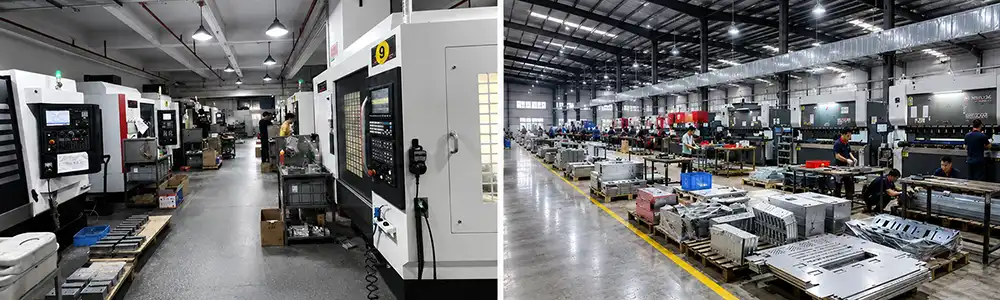
Our company, which was started in 2008, follows these rules. We can handle jobs ranging from single samples to batches of more than 10,000 pieces using our 15 CNC Turning and Turning-Milling machines. Our engineers look over plans, suggest changes to the design that would make it easier to make, and respond quickly so that projects stay on schedule. We are more of a trusted partner than a transactional machine shop because we consistently go above and beyond what our clients expect through strong resource integration and flexible execution.
Conclusion
In order to find cylindrical parts with tight tolerances, uniform quality, and quick turnaround, engineers and sourcing specialists still rely on CNC Turning, a cornerstone of precision manufacturing. Making smart buying choices that balance cost, performance, and risk means knowing about different types of machines, the qualities of materials, and the benefits of different processing methods. By checking providers' licenses, technical know-how, communication, and ability to produce on a large scale, you can be sure that the partnerships you make will help with both prototype development and large-scale production. Automated turning methods make companies more competitive, shorten the time it takes to get products to market, and provide reliable parts for a wide range of businesses, from cars and planes to medical devices and industrial machinery.
FAQ
What tolerances can CNC turning achieve?
Tolerances for standard CNC Turning are 0.05 mm, but for precision settings, they are 0.02 mm or less. Critical measurements can be as accurate as ±0.01 mm on Swiss-type machines and multi-axis centers, which makes them good for medical equipment and aerospace parts. With the right finishing passes and tools, you can get surface roughness values as low as Ra 0.8.
Can CNC turning handle small batch sizes?
Of course. CNC programming gets rid of the need for human setup variations, which lowers the cost of making small amounts. We often make prototypes in numbers ranging from one to ten pieces, test runs of fifty to five hundred units, and production batches that reach thousands of units. Different order amounts can be handled with flexible scheduling and quick tool changes. There are no minimum quantity fines.
When should I choose CNC turning over milling?
For parts that are symmetrical around a cylinder, like shafts, bushings, valves, and connections, choose turning. When it comes to speed and cost, turning is the best way to machine bar stock. Milling is the best choice for patterns with complicated pockets, flat surfaces, or uneven shapes. Hybrid turning-milling centers do both of these operations at the same time. They are perfect for parts that need both rotating features and off-axis holes or slots.
Partner with a Trusted CNC Turning Supplier for Your Next Project
Precision turning services that are fully customized are what RYH does best. They help businesses like aerospace, medical devices, and industrial automation. Our engineering team talks directly with your creators, going over plans, suggesting materials, and finding the best tolerances to make things easier to make and lower costs. We have 15 cutting-edge CNC Turning and Turning-Milling tools, allowing us to produce samples in three to seven days and easily move into mass production. We use an analyzer to check the incoming materials, a CMM to check the progress of the work, and final tests to make sure that every part meets ISO 9001 standards and your exact requirements. Email us at bill@bldmachining.com to get a price, talk about the details of your project, or find out how working with an experienced CNC Turning maker can help you develop your products faster and make your supply chain stronger.
References
1. Kalpakjian, S., & Schmid, S. R. (2014). Manufacturing Engineering and Technology (7th ed.). Pearson Education.
2. Groover, M. P. (2020). Fundamentals of Modern Manufacturing: Materials, Processes, and Systems (7th ed.). Wiley.
3. Boothroyd, G., & Knight, W. A. (2011). Fundamentals of Machining and Machine Tools (3rd ed.). CRC Press.
4. Stephenson, D. A., & Agapiou, J. S. (2016). Metal Cutting Theory and Practice (3rd ed.). CRC Press.
5. Lopez de Lacalle, L. N., & Lamikiz, A. (2009). Machine Tools for High Performance Machining. Springer.
6. International Organization for Standardization. (2016). ISO 2768-1:1989 General Tolerances – Part 1: Tolerances for Linear and Angular Dimensions Without Individual Tolerance Indications. ISO Standards Catalogue.