5 Tips for CNC Machining Complex Parts
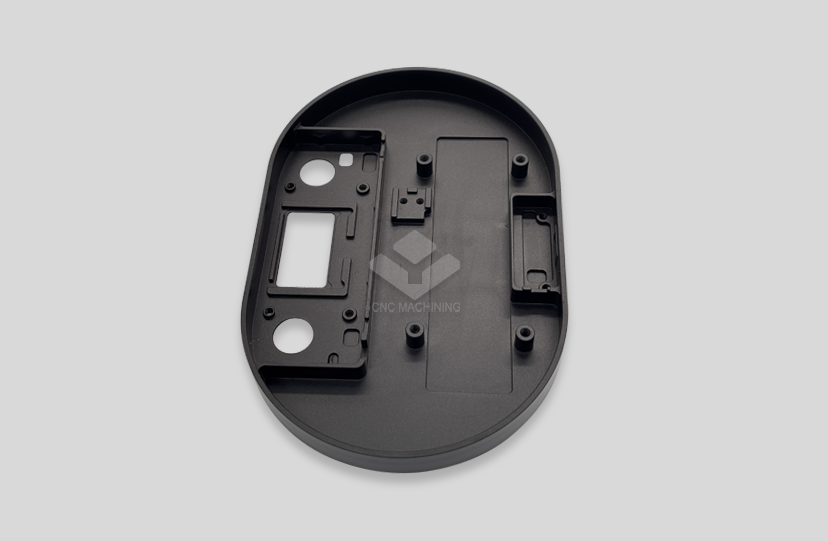
Precision machining is the key to solving difficult engineering problems and the difference between great functionality and expensive failures. For businesses requiring precise tolerances, intricate geometries, and reliable quality throughout production runs, CNC Machined Parts are the go-to option. Learning the ins and outs of machining complicated parts is important for keeping projects on schedule and within budget, whether you're looking for parts for medical devices, aerospace pieces, or automobile systems. These five expert tips will help procurement managers, design engineers, and production planners make important decisions at key points, such as the initial design analysis and the supplier partnership. They will help you make sure that your parts meet exact standards while still being easy to make and cost-effective.
Tip 1: Thoroughly Analyze Part Design and Complexity
Start with Comprehensive Design Review
A lot of work goes into good cutting before the first chip flies. There are often secret problems in complex parts, like undercuts, internal spaces, or wall thicknesses that make it hard for tools to reach and stay rigid. We've seen that procurement teams that start early on with design analysis have 40% fewer fix rounds than teams that rush to production. Advanced CAD/CAM software lets you do virtual machine models that show you possible collisions, tool access issues, and tolerance stack-up problems before you spend money on materials. With this proactive method, rough sketches are turned into detailed industrial plans that can be used.
Leverage Design-for-Manufacturability Collaboration
Direct contact between engineers working on CNC Machined Parts gets rid of the language mistakes that happen a lot in sourcing projects. Our technical team often finds ways to change fillet angles, move holes so they are easier to access with tools, or change tolerance zones without affecting function when they look over client plans. These DFM findings can cut the time it takes to machine by 25–35% while making the parts more stable in their dimensions. The collaboration works best when design engineers share functional needs instead of just geometries. This lets machinists offer different features that do the same job but cost less and are made faster.
Visualize Toolpath Feasibility Early
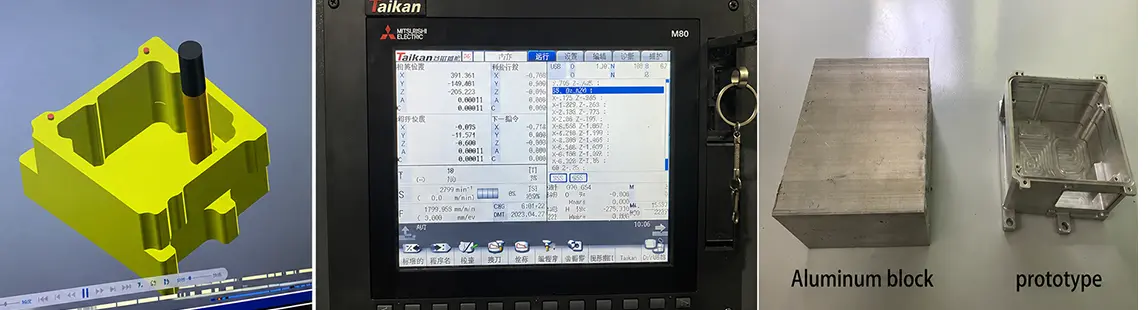
Knowing how the cutting tools will move through the shape of your part will keep things from going wrong during production. When looking at features at complex angles or deep pockets that need long tool extensions, it's clear that you need more than one line. CAM simulation shows if normal tools are enough or if special cuts are needed. This level of visibility is very important for planning, since specialty tools can add days to wait times and hundreds to unit prices. Finding out about these needs during the quote process instead of in the middle of production helps keep projects on schedule and within price.
Tip 2: Select the Right CNC Machining Process Type
Match Process Capabilities to Part Complexity
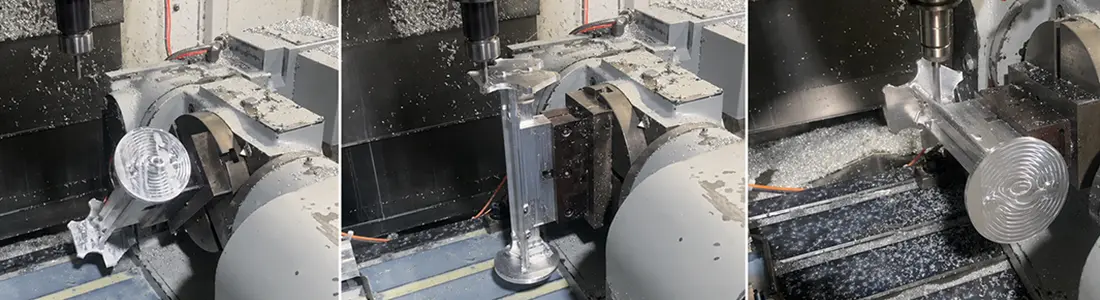
For CNC Machined Parts, different machining methods have their own benefits when dealing with complicated shapes. Most prismatic parts can be machined easily with three-axis milling. However, five-axis machining is needed when features appear at multiple compound angles or when tool access needs to be constantly reoriented. We were able to make robot parts with built-in mounting bosses at 15-degree intervals around cylinder-shaped bodies, which is something that cannot be achieved with regular tools. Swiss-type turning is great for small shafts with complicated longitudinal features, and EDM is ideal for situations where hard materials or complex internal geometries make it impossible for normal cutting tools to work.
Consider Production Volume in Process Selection
The size of your batch has a big effect on the best process choice. Multi-axis milling is flexible, so you don't have to buy expensive fixtures for prototypes and small runs. For mid-volume output, it might be worth it to use specialized workholding and three-axis programs that are designed to cut down on cycle time. The changeover point usually happens between 500 and 1,000 pieces per year, but these levels can change depending on the complexity and value of the parts. Knowing how your volume will change over time helps providers suggest process methods that will stay cost-effective as volumes rise, so you don't have to do any re-engineering in the future.
Evaluate Material Interaction with Machining Methods
The qualities of the material have a big impact on the process choice. Titanium and Inconel metals are hard to work with normally, but they work well with high-pressure coolant systems and special ways of making tools. To keep them from melting and delaminating, glass-filled nylon and PEEK industrial plastics need to be cut at slower speeds and with a sharp edge. Aluminum CNC Machined Parts can have harsh conditions that remove material quickly, which makes them perfect for complicated aircraft brackets. From what we've seen, matching the properties of the material to the powers of the process cuts tool wear costs by 30% while also improving the quality of the surface finish.
Tip 3: Choose Optimal Materials for CNC Machining Complex Parts
Balance Performance Requirements with Machinability
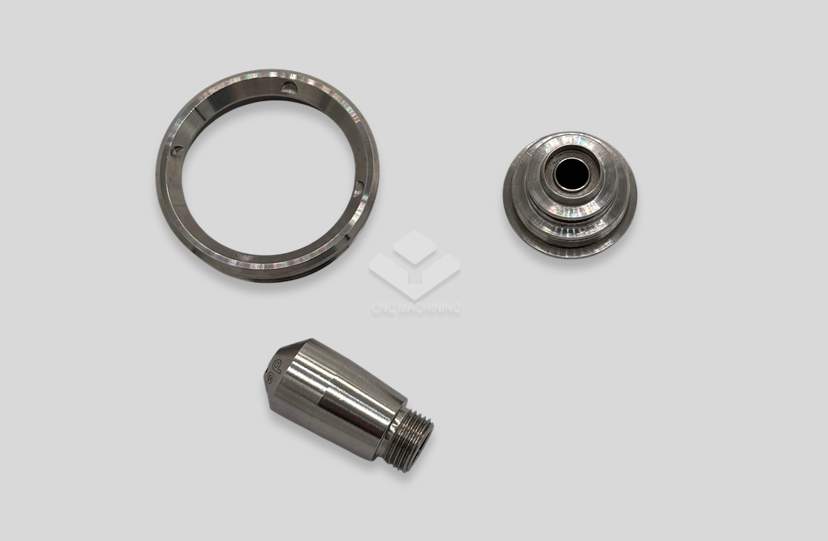
There are trade-offs between technical qualities and how quickly the product can be made when choosing a material. Aluminum metals like 6061-T6 and 7075-T6 are popular for making industrial equipment housings and UAV structural parts because they are strong for their weight and easy to machine. Stainless steel types are needed for medical tools and food processing equipment because they don't rust, but they are 40–50% slower to machine than aluminum. Titanium is very strong at high temperatures, which makes it ideal for use in aircraft applications. However, it needs special cutting techniques and longer cycle times.
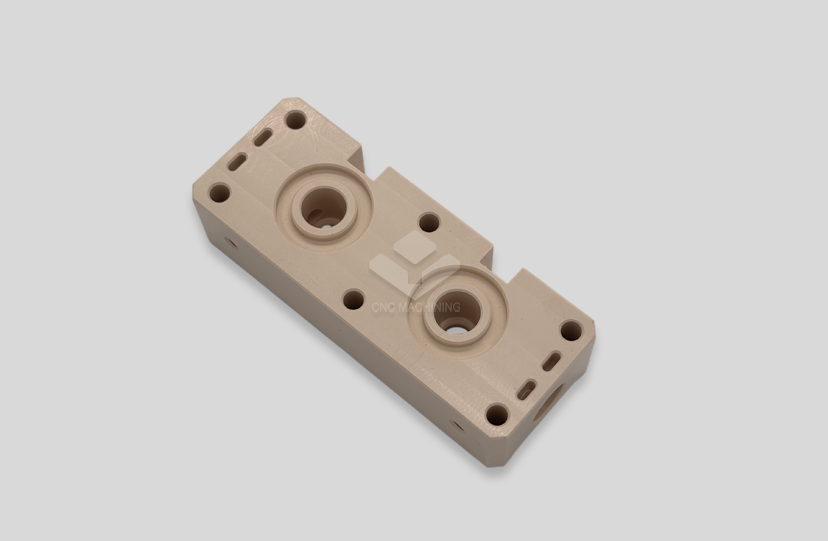
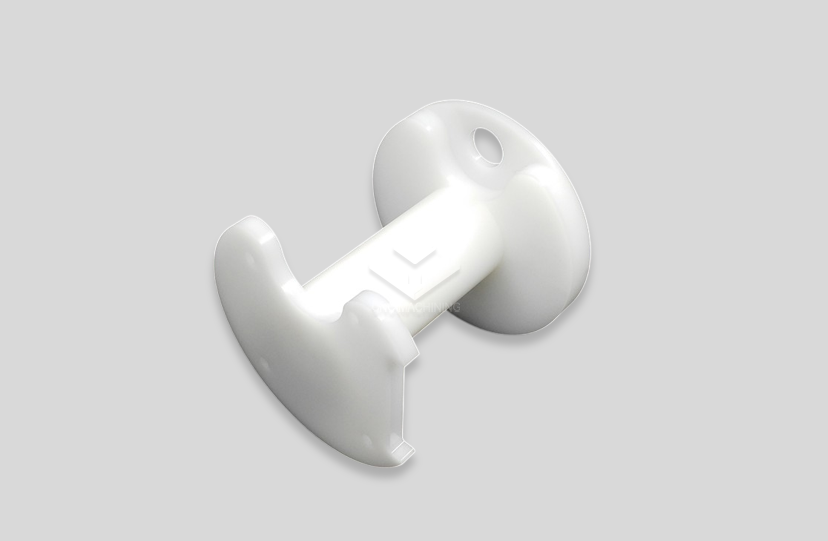
Engineering plastics step in and do the job when metals fail to solve a problem. PEEK CNC Machined Parts can handle being exposed to 480°F for a long time and are resistant to chemicals and electricity, which is very important for tools used in semiconductor processing. ABS CNC Machined Parts are a cheap way to make prototypes that can withstand pressure during functional testing. When used in food-contact situations, nylon CNC Machined Parts don't need to be greased because they are self-lubricating. Not only does the choice of material affect how well a part works, but it also affects wait time, tooling costs, and unit price.
Verify Material Certifications and Traceability
Regulated businesses need proof of a material's history. Parts for medical devices need materials that are FDA-approved and can be fully tracked back to heat lots and mill certificates. Materials for aerospace parts must meet AMS standards and have their full chemical makeup confirmed. We keep working with certified sources who give us material approvals, paperwork for dimensional tolerances, and records of compliance for tests against anodizing and salt spray. Our careful attention to material validation has kept our medical device clients from having to pay a lot of money for qualification fails caused by undocumented materials that would render whole production runs useless.
Consider Supply Chain Stability
The supply of materials has a big impact on project plans for CNC Machined Parts. Common metals, like 6061 aluminum and 304 stainless steel, are always available. But exotic types have longer wait times, and prices change all the time. When choosing materials for complicated parts, knowing how the market is doing right now can help you plan for delays. During times of lack, we've helped clients find other alloys with similar qualities, which kept production going even when chosen materials had six-month backlogs.
Tip 4: Optimize CNC Machining Parameters and Setup
Fine-Tune Cutting Parameters for Quality
To get tight specs on complicated parts, you have to carefully optimize the parameters. Spindle speeds, feed rates, depth of cut, and tool contact angles must be set in a way that balances the amount of material removed with the quality of the finish and the accuracy of the measurements. Aggressive parameters increase output, but they also increase the chance of tool movement, which lowers standards. Setting things to be conservative guarantees accuracy but raises costs. Our engineers come up with parameters by making test cuts and small changes over time, writing down the best numbers for each mix of material and shape. Because of this focus, we can regularly hold ±0.005mm tolerances on complex features.
Implement Strategic Tooling Selection
Choosing the right tools has a huge effect on both quality and cost when producing CNC Machined Parts. Carbide endmills last longer and cut faster than high-speed steel in most materials. This makes the higher original cost worth it because they don't need to be replaced as often and give better results. When working with rough materials, coated tools last longer. The shape of the tool is also important. For example, changeable helix forms stop chatter on thin walls, and chip breaker geometries stop stringy chips that damage surfaces. We keep a large inventory of tools for a wide range of specific uses. This way, we can avoid delays when standard cuts don't work on difficult features.
Establish Rigorous Quality Control Protocols
For complex parts, proof is needed after the final check. In-process measurement finds changes in dimensions before expensive features are finished, which prevents scrap from happening. We use first-article inspection to make sure the setup is correct, and then statistical process control to keep an eye on important measurements during production runs. A CMM measurement checks all of the physical standards, and a surface finish test makes sure that the machining parameters meet the required roughness levels. When quality problems happen, our ability to quickly remanufacture—usually in one week with shipping costs covered—shows that we care about our customers' success.
Tip 5: Partner with Trusted Custom CNC Machining Suppliers
Evaluate Supplier Technical Capabilities
The success of a CNC Machined Parts project depends on the choice of supplier more than anything else. When judging technical depth and industrial experience, don't just look at lists of equipment. Can the experts at the supplier talk about the pros and cons of the tolerance standards and the manufacturing costs? Do they actively suggest ways to improve the design? Our team has an average of more than 15 years of experience with machining, which lets us have deep technical conversations about choosing the right materials, improving structures, and making things that are possible. This knowledge directly leads to fewer problems with output and better problem-solving when problems do happen.
Assess Communication and Responsiveness
How quickly a project moves relies on how responsive the provider is. We've built our name on quickly sending quotes—usually within 24 hours—and making samples in three to seven days for most parts. Because internal processes have been simplified and contact between customers and engineers has been made direct, there are no middlemen. When procurement managers call us, they talk to the engineers who are looking over the plans and planning how to make the products. This gets rid of the jumbled phone calls that lead to mistakes about specifications and project delays.
Verify Flexibility and Scalability
A lot of the time, samples of complicated parts, such as CNC Machined Parts, are made before they are put into mass production. Your seller should be able to handle this change without any problems. We are experts at small-batch production and customization. We can handle orders for as few as one sample or as many as a few thousand pieces without needing to see a promise to volume. This flexibility is very important during the growth stages of a product, when designs change, and numbers are unknown. Our ability to integrate resources helps projects grow, and the quality stays the same whether we're making five review samples or 500 production units.
Conclusion
To successfully machine complicated CNC Machined Parts, you need to pay close attention to design analysis, method selection, material selection, parameter optimization, and working with a supplier. At each choice point, there are effects on cost, product, and delivery time. Procurement teams can greatly enhance the results of projects by carefully studying part shape at the beginning, choosing the right machining methods, picking materials that balance performance with ease of production, improving cutting parameters, and working with skilled suppliers. These five tips are based on thousands of complicated machining projects completed in aircraft, medicine, cars, and industrial equipment. They are meant to help you lower your risk and get your product to market faster.
FAQ
What defines a "complex part" in CNC machining?
Tough to make parts often have tight tolerances (less than ±0.005mm), compound angles that need access from more than one axis, deep holes that are hard for tools to reach, thin walls that easily bend, or complex surface shapes. They usually mix several machining processes on different axes, and they might need special fixtures or tools that are made just for them. In addition to geometry, standards for material hardness and surface finish add more levels of complexity.
How long does complex part machining typically take?
Lead times depend on how complicated the part is, how much material is available, and how busy the shop is at the moment. It might take three days to finish simple complex parts, but one to two weeks to finish complex multi-operation parts. Because tool improvement and process validation take more time at the start, prototypes usually ship faster than production runs. Clear contact during the quotation process sets reasonable deadlines that are based on your individual needs.
What industries benefit most from precision CNC machining?
Precision-machined parts are used a lot in aerospace, medical devices, automobiles, industrial automation, robots, and the production of semiconductor equipment. These industries need precise measurements, the ability to track materials, and regular quality, all of which can be consistently provided by CNC processes. Any use where a broken part could have major safety or financial repercussions benefits from CNC machining's superior accuracy and reliability compared to other ways of making things.
Ready to Start Your Complex Machining Project with RYH?
With 16 years of experience in precise CNC cutting, RYH can help you with even the most difficult parts. As a specialist in CNC Machined Parts, we are very good at making exactly what you want from your plans. We can work with both metal and non-metal materials and keep tolerances to ±0.005mm. Our engineering team, which has an average of more than 15 years of technical knowledge, talks to you directly to improve designs, suggest materials, and solve problems with production. We offer quick quotes within 24 hours and full samples in three to seven days. Our fast global door-to-door shipping will help you meet your project deadlines. Our quality assurance includes material certifications, thorough inspection reports, and one-week remanufacturing promises when needed. This is true whether you need to test a sample or make a lot of them. Get in touch with our engineering team right away at bill@bldmachining.com today to discuss how our CNC Machined Parts supplier services can help you turn your difficult component problems into manufacturing wins.
References
1. Brown, M. & Chen, L. (2021). "Advanced CAD/CAM Strategies for Complex CNC Machining." Journal of Manufacturing Systems, Vol. 58, pp. 234-247.
2. Peterson, R. (2020). "Material Selection Guidelines for Precision Machining Applications." Society of Manufacturing Engineers Technical Papers, Series TP20-145.
3. Kumar, S. & Zhang, W. (2022). "Multi-Axis Machining: Process Selection and Economic Analysis." International Journal of Production Research, Vol. 60, No. 8, pp. 2567-2583.
4. Anderson, J. (2019). "Design for Manufacturability in CNC Machining: A Practical Guide." Manufacturing Engineering Press, 3rd Edition.
5. Williams, T. & Martinez, C. (2023). "Quality Control Methods for High-Precision Machined Components." Precision Engineering Journal, Vol. 79, pp. 112-126.
6. Thompson, D. (2021). "Supplier Selection Criteria in Complex Component Procurement." Supply Chain Management Review, Vol. 25, No. 3, pp. 45-59.