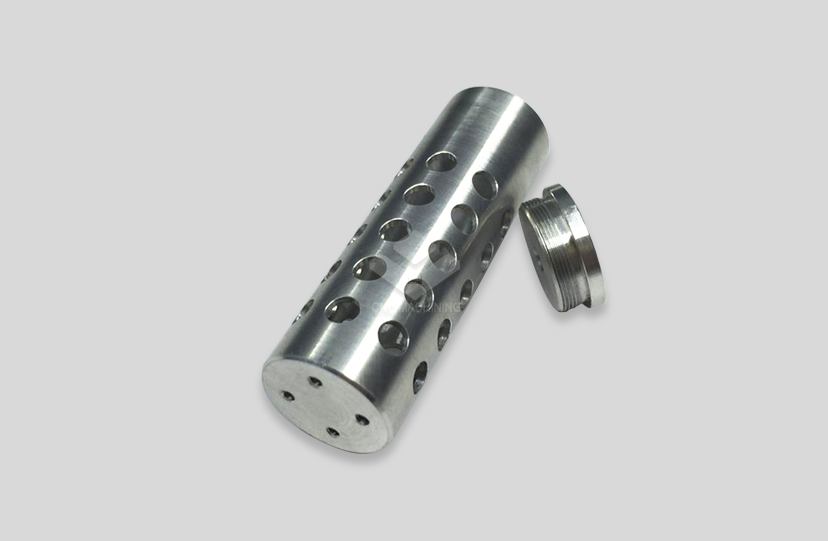
CNC Turning: Definition, Process , Advantages, Applications, Tips
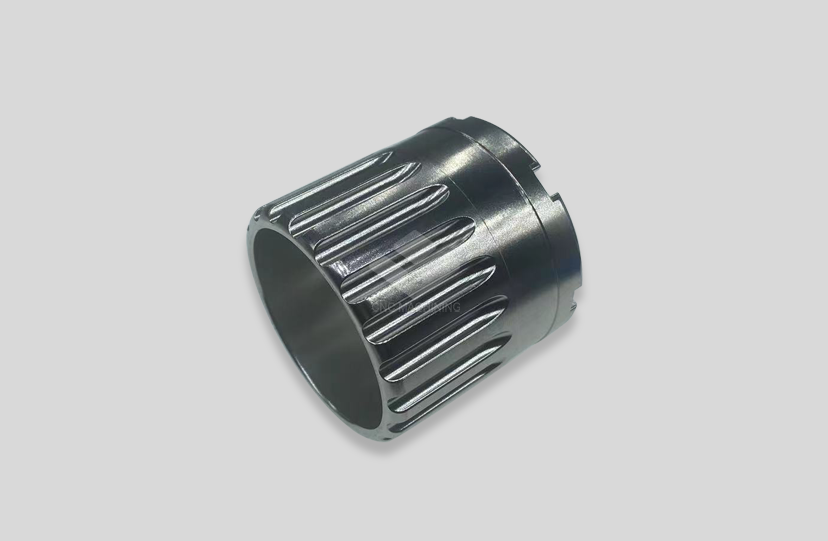
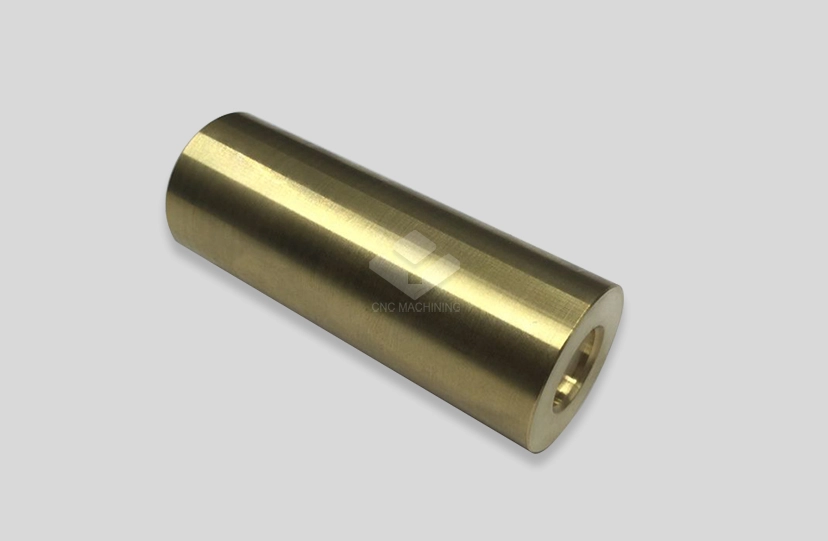
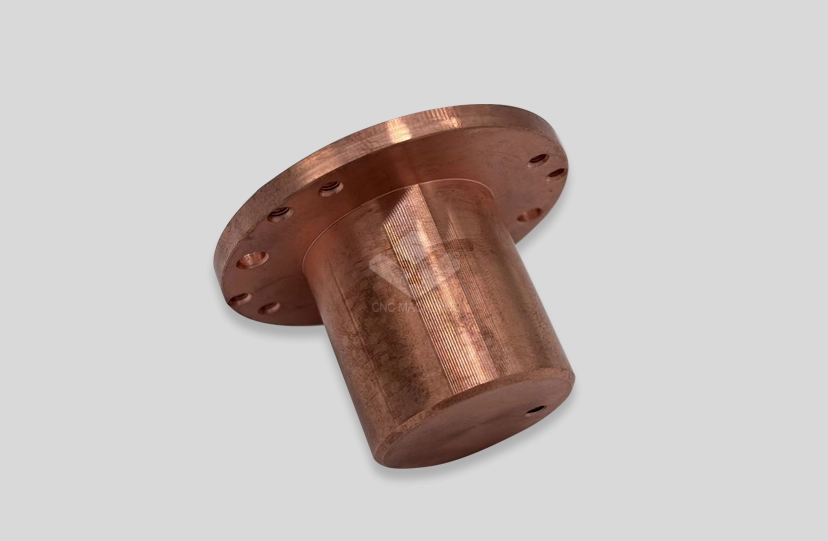
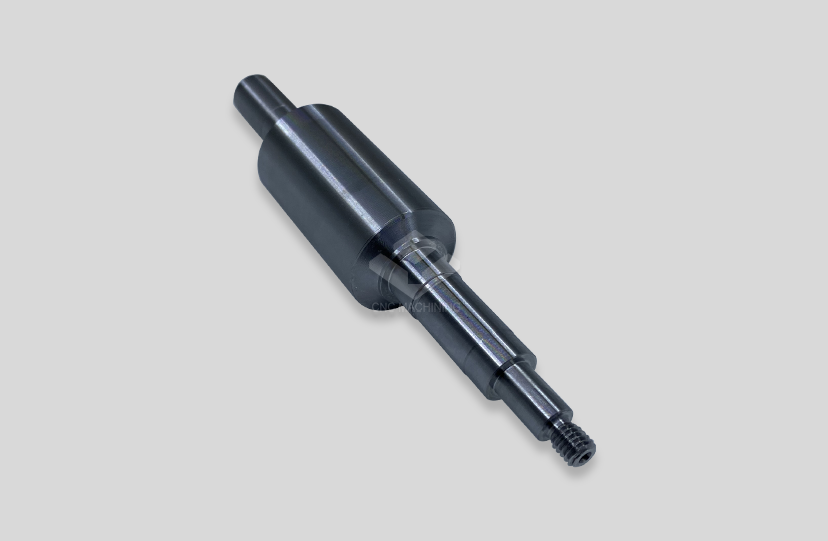
CNC turning is a precision machining process where computer-controlled lathes rotate cylindrical workpieces against cutting tools to create accurate parts with complex geometries. This automated subtractive manufacturing method excels at producing shafts, bushings, pins, and threaded components from metals and plastics, delivering consistent dimensional accuracy and excellent surface finishes. Unlike conventional manual lathes, CNC turning eliminates human variation through programmed instructions, achieving tolerances as tight as ±0.02 mm while maintaining repeatability across production batches. The process supports both rapid prototyping and mass production, making it essential for industries requiring precision cylindrical components.
What is CNC Turning? An In-Depth Definition
CNC Turning is a precise turning technique in which computer-controlled lathes turn cylinder-shaped workpieces against cutting tools to produce precise parts with intricate shapes. This automated subtractive production method is great at making threaded parts, shafts, bushings, and pins out of metals and plastics. It does a great job of maintaining uniform dimensions and surface finishes. CNC Turning is different from traditional manual lathes because it doesn't depend on human error. Instead, it uses coded directions to achieve tolerances as low as ±0.02 mm while keeping consistency across production runs. Rapid development and mass production can both be done with this method, which makes it important for businesses that need precise cylindrical parts.
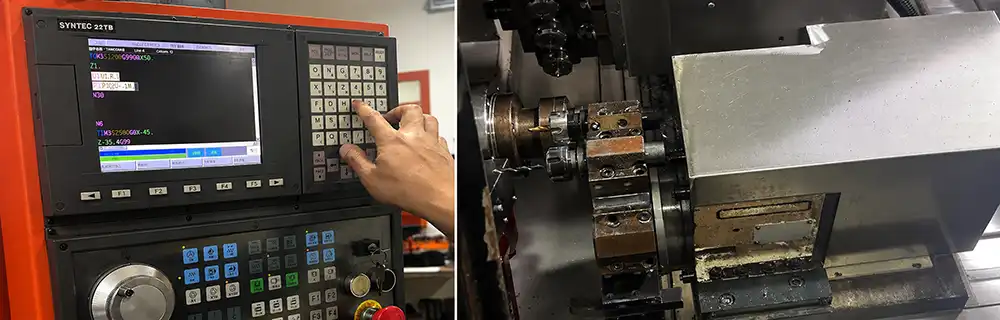
The Core Mechanism Behind CNC Turning
CNC Turning is based on computer numerical control systems that provide incredibly precise movement guidance for lathe wheels and tool movements. Carbide or high-speed steel cutting tools move along multiple directions, removing material to make the shapes that are needed while the workpiece spins at controlled speeds. Modern CNC lathes can be set up with two, three, or more axes, which lets makers make complex shapes like tapers, grooves, and internal bores without having to move parts around.
How CNC Turning Differs from Manual Machining
In traditional hand turning, trained workers have to keep changing where the tools are placed and checking the sizes of the parts as they are being made. This makes things less predictable and slows down production. By following pre-programmed toolpaths with micrometer-level accuracy, CNC Turning gets rid of these problems and enables long periods of uninterrupted operation. The automatic process cuts down on labor costs and greatly improves part consistency, which is especially important for medical device parts and aircraft uses where differences in size can put people's safety at risk.
Understanding the Operational Workflow
CAD/CAM programming, in which engineers translate technical drawings into G-code directions, is the first step in the normal CNC Turning process. The raw material, which is usually brass, aluminum alloys, or stainless steel 304, is locked into the chuck or collet during setup. The machine cuts at the best spinning speeds, which for finishing passes are often higher than 4,000 RPM. Secondary operations like polishing, threading, and knurling are done in later sets, but more modern turning centers do these steps all at once to reduce the amount of work that needs to be done by hand.
Advantages of CNC Turning for Modern Manufacturing
Because it solves important production issues that purchasing managers and quality engineers deal with every day, CNC Turning is becoming more and more popular among manufacturers. The benefits go far beyond just automating tasks; they affect every part of the quality and speed of the supply chain.
Unmatched Precision and Surface Quality
Tolerances of 0.02 mm are regularly achieved by CNC Turning, which meets the strict requirements of car sensors and electronic equipment. When carbide tools are used with high spinning speeds, the surface roughness can be as low as Ra 1.6. This means that expensive extra finishing is not needed. We use spectrometers to check the metal makeup of new materials before they are machined. This keeps material-related flaws from happening that could lead to dimensional drift during production. Coordinate measuring machines (CMM) and precision gauges check important measurements all along the way to make sure that every part fits the customer's drawings.
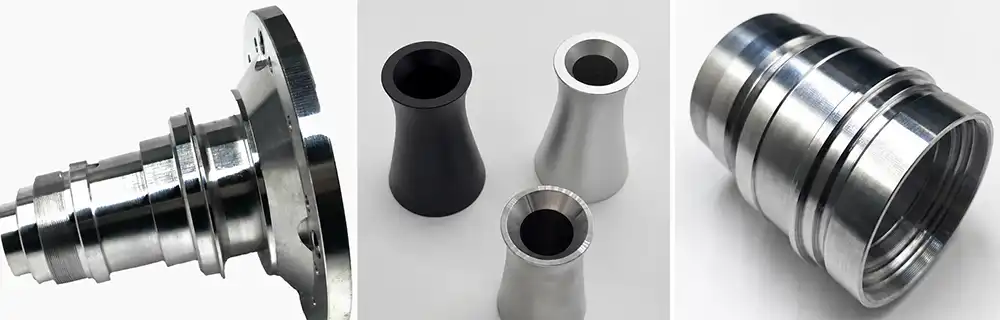
Cost Efficiency Through Automation
CNC Turning lowers per-part costs through short cycle times and low scrap rates, but the initial setting requires engineering knowledge. When compared to manual processes, a single person can watch over multiple machines at the same time, which greatly reduces the cost of labor. The process can easily go from making a few prototypes to making more than 10,000 of them without lowering the quality. This freedom is very helpful for research and development teams that are trying out new designs and for operations managers who are turning prototypes that work into full production runs.
Accelerated Lead Times and Project Responsiveness
When teams working on new products have to meet tight start dates, speed is important. Within three to seven days, CNC Turning usually sends prototype models, and simple parts can be made even faster. In order to support urgent projects and enable parallel production that shortens lead times, our building keeps 15 CNC Turning and turning-milling machines. Direct contact between engineers gets rid of the delays that come with having a sales team act as a middleman. This lets engineers talk about how to improve designs in real time, which avoids expensive rework rounds.
All of these benefits make the supply chain more stable by lowering reliance on sellers who can't change how they make things or keep the quality consistent. Procurement experts get a reliable partner that can help with both small-scale experiments and ongoing high-mix production needs.
Applications of CNC Turning in B2B Procurement and OEM Manufacturing
Precision shafts, bushings, and threaded fittings that can handle high temperatures and mechanical stress are needed in the car industry. To make sure the electrical connections work right, companies that make battery tools need special stainless steel terminals with very tight limits on size. These important parts are made by CNC Turning from metals like aluminum 6061 and stainless steel 316, which helps both conventional combustion systems and new electric vehicle technologies.
Automotive and Electric Vehicle Components
Precision shafts, bushings, and threaded fittings that can handle high temperatures and mechanical stress are needed in the car industry. To make sure the electrical connections work right, companies that make battery tools need special stainless steel terminals with very tight limits on size. These important parts are made by CNC Turning from metals like aluminum 6061 and stainless steel 316, which helps both conventional combustion systems and new electric vehicle technologies.
Medical Device Manufacturing Requirements
Medical equipment sellers have to follow strict rules, such as getting material certifications that are FDA-compliant and biocompatibility paperwork. CNC Turning is very good at making parts for medical instruments, lab tools, and diagnostic devices that meet ISO 13485 standards. The process can work with special materials like titanium metals and medical-grade plastics, and the surface finishes can still be used for cleanliness. Passivation treatments make internal parts less likely to rust, meeting the quality standards of the healthcare business.
Industrial Automation and Robotics
Companies that make robots need precise gears, couplings, and attaching parts that work well with automatic systems. Companies that make industrial equipment get special cylindrical parts for things like sensor housings, pneumatic motors, and hydraulic cylinders. CNC Turning is essential for automation applications where component misalignment leads to system malfunctions because it can machine complicated shapes with very tight concentricity requirements.
Electronics and Semiconductor Equipment
Equipment used to make semiconductors needs shielding housings and setting parts that are very accurate and are made from brass or metal. Custom links, RF insulation parts, and heat sink elements made with CNC Turning are required by electronic makers. The process takes care of the complicated internal threading and fine-pitch exterior features needed for electrical links while keeping the shielding qualities against electromagnetic interference (EMI).
To find good manufacturing partners, you have to look at more than just their basic machine skills. Look for providers that offer Design for Manufacturability (DFM) analysis, help with choosing materials, and thorough inspection reports. Lead times and transportation costs are affected by geography, but reliable door-to-door shipping options make it easier to buy things across long distances.
Expert Tips for Optimizing Your CNC Turning Projects
Cutting forces and temperatures have different effects on different metals. Stainless steel 304 is very resistant to rust, but it makes a lot of heat when it's machined, so the feed rate needs to be carefully managed. Lead in brass metals like C36000 works as a lubricant, which lets them cut faster and have better surface finishes. Aluminum 6061 can be machined quickly, but it needs sharp tools to keep edges from building up. Talking to manufacturing experts about the properties of the materials before finishing designs stops problems with machinability that slow down production.
Material Selection and Machinability Considerations
Cutting forces and temperatures have different effects on different metals. Stainless steel 304 is very resistant to rust, but it makes a lot of heat when it's machined, so the feed rate needs to be carefully managed. Lead in brass metals like C36000 works as a lubricant, which lets them cut faster and have better surface finishes. Aluminum 6061 can be machined quickly, but it needs sharp tools to keep edges from building up. Talking to manufacturing experts about the properties of the materials before finishing designs stops problems with machinability that slow down production.
Avoiding Common Manufacturing Pitfalls
In CNC Turning operations, when cutting forces cause resonant movements, they leave behind chatter marks, which are swirling patterns that lower the quality of the surface. This flaw can be fixed by cutting down on tool overlap and making spinning speeds more efficient. When the wrong cutting settings create too much heat, which leads to dimensional drift between production runs, tool wear speeds up. Dimensional uniformity is maintained by tracking tool life and replacing them on a regular basis. Most of the time, inaccurate measurements are caused by poor workholding or heat expansion during cutting. These mistakes can be avoided by using the right chuck pressure and giving the machine time to stabilize between roughing and finishing processes.
Tooling and Equipment Selection Guidance
For most turning jobs, carbide inserts work better than high-speed steel tools because they last longer and remove more metal. When cutting stainless steels and superalloys, coated carbide grades with titanium aluminum nitride (TiAlN) work even better. Machine choice is based on how complicated the part is and how much of it needs to be made. Swiss-type lathes are great at making high-precision parts with small diameters that are longer than their diameters by large amounts. When milling operations are combined with turning operations on horizontal machine centers with live tools, setup times are cut for parts that need both turning and milling features.
To do practical optimization, you have to find a balance between theory-cutting factors and how the material and machine work in the real world. Working with manufacturers who can offer technical help based on real-world production knowledge speeds up the success of a project. CNC Turning remains the focal point of these optimizations.
Future Trends and Innovations in CNC Turning
AI programs look at data on cutting forces, vibration patterns, and tool wear to make real-time changes to the machine settings. This adaptable control makes the surface finish more consistent and stretches the life of the tool. Machine learning models can tell when maintenance needs to be done before something breaks down. This cuts down on unexpected downtime that throws off production plans. These smart systems are especially helpful for complicated projects that use materials that are hard to machine, since standard computing methods need a lot of trial-and-error to get better.
AI-Driven Process Optimization
AI programs look at data on cutting forces, vibration patterns, and tool wear to make real-time changes to the machine settings. This adaptable control makes the surface finish more consistent and stretches the life of the tool. Machine learning models can tell when maintenance needs to be done before something breaks down. This cuts down on unexpected downtime that throws off production plans. These smart systems are especially helpful for complicated projects that use materials that are hard to machine, since standard computing methods need a lot of trial-and-error to get better.
IoT-Enabled Manufacturing Intelligence
Internet of Things sensors built into CNC Turning lathes send operating data to cloud platforms. This lets buying managers see how production is going in real time. Engineers can keep an eye on the progress of a project from anywhere in the world by using remote tracking to find problems before they cause delivery delays. Predictive analytics find quality trends across production batches, which lets you make changes ahead of time that stop defects from getting worse. CNC Turning becomes integrated nodes within smart workplace environments, as a result of this connection, moving from isolated production cells.
Evolving Supplier Landscape and Customization Demands
Product lifespans keep getting shorter, and across all businesses, the need for customization is growing. More and more, manufacturers are looking for flexible providers who can handle frequent design changes without long wait times. Flexible manufacturing that supports processes from pilot to production replaces the old model of making a lot of the same thing. Suppliers who offer direct engineering contact, quick quotes, and short lead times for sample delivery have an edge over their competitors. Quality assurance goes beyond just checking the sizes of things. It now includes full material approvals, proof of surface treatment, and remanufacturing promises that lower the risk of buying something.
Understanding these trends helps procurement workers protect supply chains for the future by working with makers who are investing in new technologies instead of just using old equipment.
Conclusion
With the measurement accuracy, surface quality, and production freedom that modern industries require, CNC Turning continues to be the cornerstone of precision manufacturing. Because it can make complicated cylindrical shapes from a variety of materials, the process is useful in many important areas, such as medicine, aircraft, electronics, and cars. To be successful, you need to choose manufacturing partners who have technical know-how, good communication, and quality processes that make sure results are always the same. The possibilities of CNC Turning are continually growing thanks to improvements in AI optimization, IoT connection, and adaptive machining, which allow for even tighter standards and quicker turn-around times. Professionals in procurement can make better choices when they understand both basic process principles and new technologies that affect source selection.
FAQ
What materials work best for CNC turning applications?
Most engineering materials, such as aluminum alloys, stainless steels, carbon steels, brass, bronze, titanium, and engineering plastics such as PEEK and Delrin, can be accommodated by CNC Turning. Choosing the right material depends on the job. For example, stainless steel 304 works well in acidic settings, aluminum 6061 is strong for its weight, and brass is easy to machine for mass production. Biocompatible titanium alloys are often needed in medical uses, while Inconel superalloys may be needed in aircraft parts.
How does CNC turning compare to milling operations?
By turning the workpiece against fixed tools, CNC Turning is excellent at making cylindrical parts like shafts and bushings. When milling, cutting tools are turned against workpieces that stay still. This method works best for polygonal parts with flat sides and complex pocket features. For many parts, both turning and milling are needed. Turning makes the basic cylinder shape, and milling adds keyways, flats, or cross-holes. Modern turning centers with live cutting can do both, so you don't have to move tools from one machine to another.
What criteria identify reliable CNC turning service providers?
When choosing a supplier, make sure they have direct access to engineers for design talks, full quality systems with material certifications and inspection reports, tools that can handle the level of complexity of the project, and a track record of success in your field. Ask for example parts to check the quality of the surface finish and the accuracy of the dimensions. Check that the company has ISO 9001 certification and ask about their practices on remanufacturing broken parts. Clear lead time predictions and quick responses to messages are signs of good project management.
Partner with RYH for Precision CNC Turning Solutions
RYH specializes in custom CNC Turning services that help businesses around the world with everything from pilot development to mass production. Complex shapes made of stainless steel, aluminum, brass, and engineering plastics are handled by our 15 CNC Turning and turning-milling tools with tolerances of 0.02 mm. Direct contact between engineers makes sure that your ideas get feedback on how well they can be made before production starts, which saves you the cost of making costly changes. We provide test samples within three to seven days, and our methods are ISO 9001-certified and include spectrometer material proof and CMM dimensional inspection. Our team has the technical know-how and production flexibility that procurement workers need, whether you need threaded fittings, precision shafts, or custom bushings. Get in touch with our engineering team at bill@bldmachining.com to talk about your next project with a reputable CNC Turning maker that cares about quality, speed, and on-time delivery.
References
1. Kalpakjian, S., & Schmid, S. R. (2014). Manufacturing Engineering and Technology (7th ed.). Pearson Education.
2. Groover, M. P. (2015). Fundamentals of Modern Manufacturing: Materials, Processes, and Systems (6th ed.). Wiley.
3. Stephenson, D. A., & Agapiou, J. S. (2016). Metal Cutting Theory and Practice (3rd ed.). CRC Press.
4. Society of Manufacturing Engineers. (2018). Tool and Manufacturing Engineers Handbook Volume 1: Machining (4th ed.). SME.
5. Todd, R. H., Allen, D. K., & Alting, L. (2012). Manufacturing Processes Reference Guide (2nd ed.). Industrial Press.
6. Boothroyd, G., & Knight, W. A. (2011). Fundamentals of Machining and Machine Tools (3rd ed.). CRC Press.