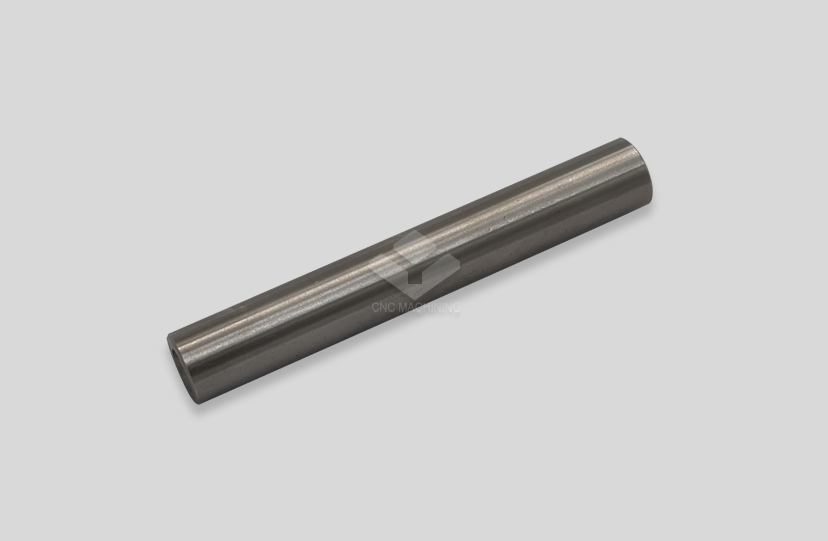
CNC Machined Parts for Critical Applications
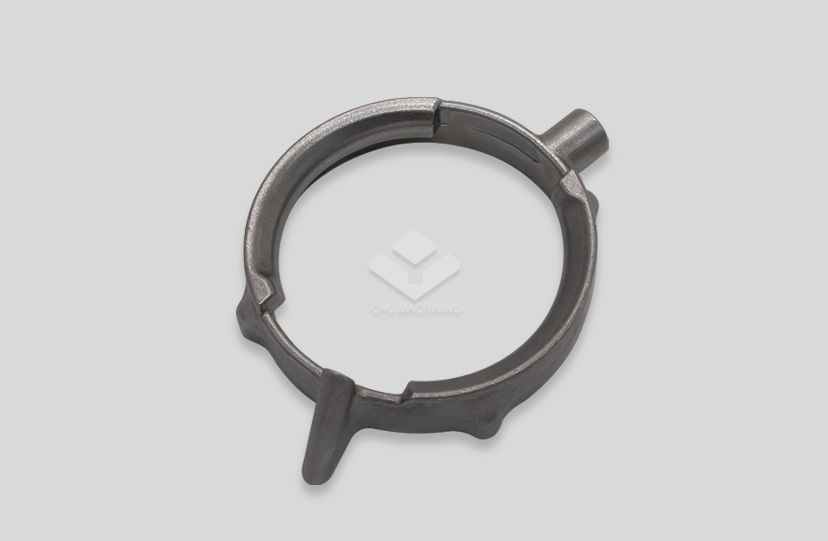
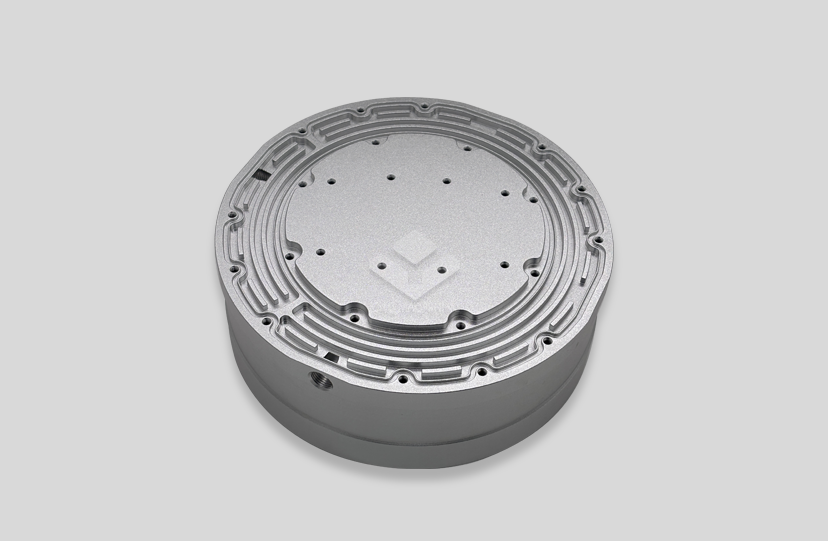
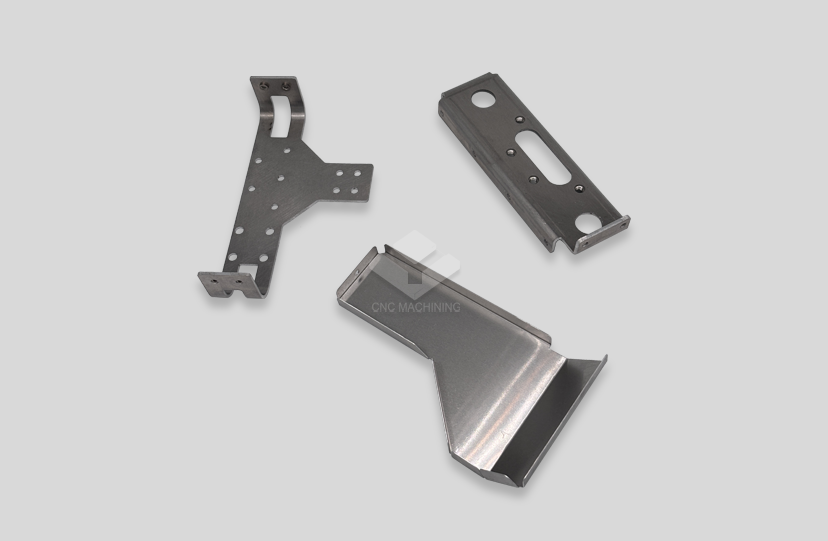
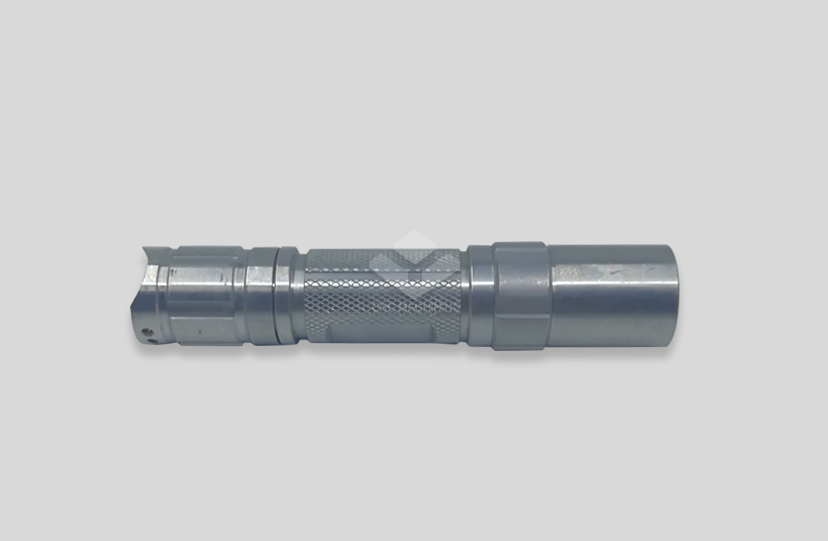
When precision, reliability, and performance define success, CNC machined parts become the backbone of engineering innovation. These high-accuracy components are manufactured through computer-controlled subtractive processes—milling, turning, and drilling—transforming raw materials into functional parts with micron-level tolerances. Industries like aerospace, medical devices, automotive, and robotics depend on these precision components to meet exacting specifications where failure isn't an option. Unlike injection molding or 3D printing, computer numerical control machining delivers dimensional stability, superior surface finishes, and the mechanical properties required for mission-critical assemblies that operate under extreme stress, temperature, or regulatory scrutiny.
Understanding Precision Component Manufacturing and Its Process
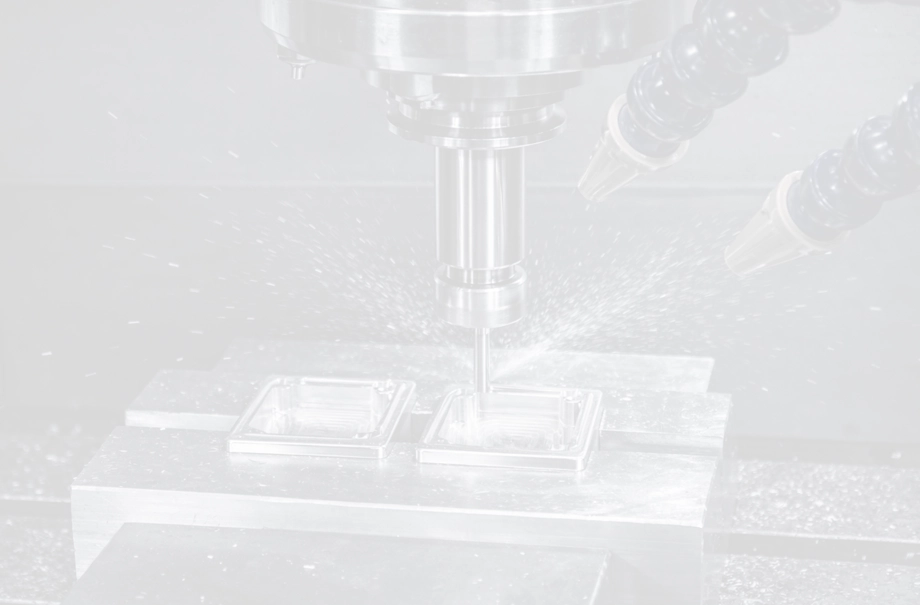
Through a number of carefully planned steps, computer-controlled machining turns engineering drawings into real parts. The first step is to understand the CAD model. Then, toolpaths are set up to precisely cut away material from solid stock. Multi-axis mills can work with complicated shapes, and turning processes make cylinder-shaped parts that are tightly centered.
Core Manufacturing Steps in Precision Machining
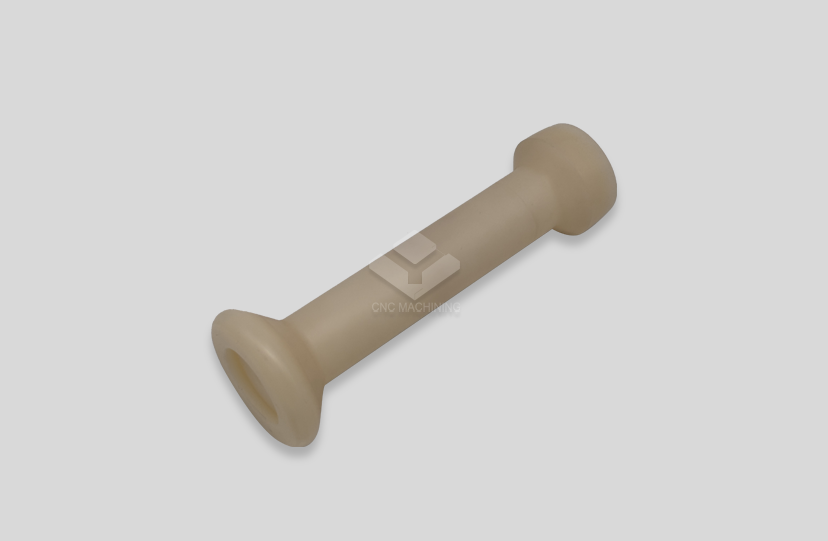
Choosing the right materials is the first step in any good job. Aluminum alloys are great for aircraft frames and robotic links because they are easy to machine and have a high strength-to-weight ratio. Stainless steel types don't rust, which is important for medical tools and food processing equipment. Titanium is the strongest material available for aircraft uses that need to be lightweight. On the other hand, engineering plastics like PEEK and nylon are used in places where metal would rust or conduct electricity that isn't needed.

Material Properties That Drive Application Success
Tolerance Requirements and Quality Standards
Knowing these basics helps buying teams rate the skills of suppliers in an unbiased way. When looking at possible partners, find out how accurate their machine tools are, what kind of testing equipment they have, and how they control the process. If a company says they have tight limits, they need to show proof of that by showing accurate measuring systems and statistical process control paperwork.
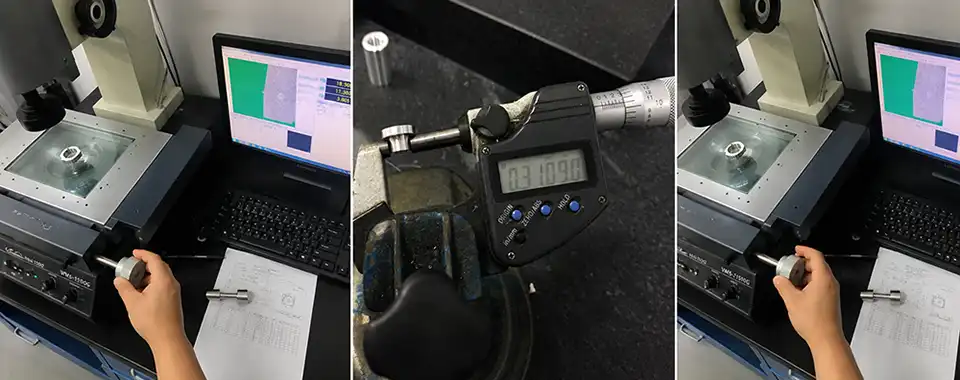
Key Benefits of Precision-Machined Components for Mission-Critical Systems
Computer-controlled manufacturing for CNC Machined Parts has many benefits beyond just making sure that the dimensions are correct. Repeatability is one of the best things about it; once a program is proven to work, the same parts can be made in different production runs that happen months or years apart. This stability gets rid of the changes in size that happen when things are done by hand or when plastic tools get worn out.
Multi-axis machining makes it possible to make shapes that are too complicated for other ways of making. Undercuts, internal channels, holes that cross each other, and compound angles are all coded once and then done perfectly. Engineers who make parts for robots, medical devices, or spacecraft systems have more freedom in their designs, which directly leads to better product performance.
When you compare production methods, you can see where they are most useful. Additive manufacturing is great at making organic shapes and quickly testing ideas, but it's not so good at making things that are strong and smooth. Injection molding is the most common way to make a lot of things, but it needs expensive tools and long wait times. Computer-controlled machining is the middle ground between these two extremes. It can produce materials and finishes that are good enough for production without having very high setup costs. This makes it perfect for prototypes, trial runs, and customized production batches that are common in modern product development processes.
Selecting the Right Precision Components for Your Application
For component buying to work, the needs must be made clear from the start. The functional performance requirements should include information about the loads, temperatures, chemicals that may be exposed to, and the expected service life. A motor housing for industrial robots needs a different kind of material than a handle for a surgical tool, even though both need to be accurate in terms of size.
Evaluating Material Properties Against Application Demands
Material approvals for CNC Machined Parts make it possible to track and guarantee performance. Medical gadget makers need materials that are FDA-approved and come with full test results. For aerospace jobs, you need certified alloys whose chemical and mechanical qualities have been recorded. We work with certified suppliers of materials and include full paperwork for all shipments, so you don't have to guess when it comes to quality and security.
Supplier Certification and Quality System Assessment
When evaluating a supplier, you should do more than just compare prices. Systematic quality management is shown by ISO approval, but problem-solving skills are shown by direct contact between engineers. We give each project an expert contact, who helps with design reviews, figuring out if the product can be made, and quickly fixing problems that come up during production. Working together cuts down on expensive redesigns and speeds up the time it takes to get a product to market.
Custom Versus Standard Components: Balancing Performance and Economics
Geographic factors affect wait times and how well people can communicate in the sourcing of CNC Machined Parts. Some buyers are hesitant to purchase from other countries, but our experience shows that good communication and effective service can overcome distance barriers. We can usually produce samples within one week, or within three days for simpler designs. Our prices are competitive and can match or even beat domestic options. Small orders of CNC Machined Parts can be shipped directly to the customer’s door, simplifying logistics and making international cooperation feasible, even for small quantities such as prototypes.
Design Optimization Strategies for Cost-Effective Precision Manufacturing
Thoughtful design has a huge effect on the cost and time of production. Small-diameter tools are needed for sharp internal corners, which take longer to machine and wear out the tools faster. Radiused corners that match normal end mill sizes make the machine go faster and last longer because they spread out the stress. Deep pockets with small holes make it hard for chips to escape and for the tool to stay rigid. When you can, make the pockets bigger than they are deep. This makes them easier to machine and lowers the cost.
Material-Specific Design Guidelines
Standard hole sizes that match up with existing tools get rid of the need to buy special tools. Blind holes need to be controlled in depth and chipped away, but through-holes are cheaper. Standard thread forms should be used for tapped holes instead of unusual pitches that need special taps. These things may not seem important on their own, but when added up across many complicated parts, they have a big impact on quotes and delivery times.
Large radii and middling wall thicknesses are good for aluminum shapes. The material is very easy to machine, which lets you make complex shapes, but thin walls can bend when they're being cut, which can affect how accurately the dimensions are held. The way stainless steel hardens after being worked with makes it good for making broken cuts and sharp tools. Titanium needs slow speeds, rigid setups, and a lot of tool changes. Making the design as simple as possible directly saves money.
Leveraging Advanced Machining Capabilities
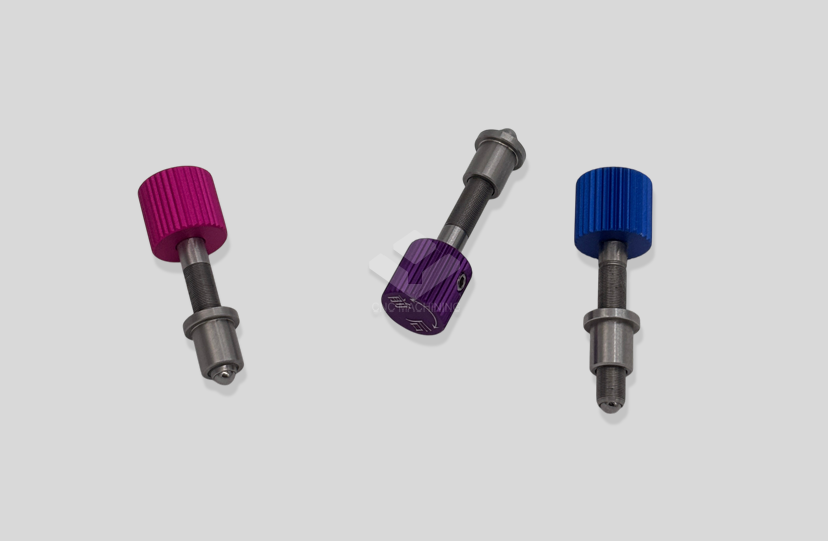
With multi-axis power, you can make CNC Machined Parts for more complex designs and set them up more quickly. Five-axis machining can reach complex angles in a single process, which keeps tolerances tighter than moving parts around several times. We use this technology to make robotic joints, medical device parts, and aircraft brackets where setup mistakes can't affect the precision or finish of the surface.
Surface treatments improve efficiency beyond the qualities of the main material. Anodizing metal makes it less likely to rust and protects against corrosion. Testing with salt spray proves that coatings are durable enough to be used in sea or outdoor settings. Through our network of partners, we organize these secondary tasks, keeping track of the project while sending finished parts that are ready to be put together.
Strategic Procurement Approaches for Precision Component Sourcing
Request for Quotation papers that work well speed up the process of getting exact prices and schedules. Complete 3D models show what the designer was trying to do better than just 2D drawings. Instead of vague statements, material specs should be based on industry standards. Suppliers can make reasonable proposals without having to go through multiple rounds of clarification if you are clear about the amount you need, when you need it, and what kind of quality paperwork you need.
Crafting Comprehensive RFQ Documentation
Modern methods for making CNC Machined Parts are supported by small-batch freedom. We can handle test orders of just one piece all the way up to production runs of thousands. We do this by adapting our resources to the stage of the project. This gets rid of the need to build ties with multiple suppliers as goods go from an idea to a finished product. This keeps consistency and institutional knowledge up to date throughout the development cycle.
Volume Considerations and Production Scaling
There are both chances and problems in global supply networks for CNC Machined Parts. When providers put contact first, things like language barriers and different time zones don't matter. Our engineering team keeps work hours that are the same as those of our North American users, so they can answer technical questions within hours instead of days. When you mix this responsiveness with technical depth, foreign relationships go from being risks to being competitive benefits.
Our remanufacturing promise makes sure that any quality problems are fixed right away. If you report a problem within thirty days, we'll fix it quickly (usually within a week) and pay for the return shipping. This promise shows that we trust our processes and lowers the risk that procurement managers need to take when adding new suppliers to lists of qualified vendors.
Conclusion
Computer-controlled methods used to make precision parts, including CNC Machined Parts, give them the accuracy, repeatability, and material qualities that are needed for important uses. To do good buying, you need to know the basics of manufacturing, be clear about what you need, and work with providers who can provide both technical expertise and quick communication. By making designs easier to make, writing detailed specs, and choosing partners who care about quality and working together, engineering teams can shorten development times while still meeting the high standards needed for mission-critical systems. It's not about getting the lowest price; it's about building partnerships with manufacturing partners who can work with your engineering team as an extension of it.
FAQ
What factors most significantly impact component pricing?
Base prices are determined by the material used. For example, titanium or PEEK metals cost more than aluminum or regular plastics. Complexity affects cutting time; complicated shapes, close tolerances, and long setup times all add to the cost of labor and tools. Setting up depreciation changes the price per part based on the quantity. Because of code and fixturing, a prototype could cost hundreds of dollars. Production runs, on the other hand, split these costs among many pieces, which greatly lowers unit prices.
How can I verify supplier quality before committing to production orders?
Ask for model parts that show off features that are useful for your application. Look over the material certifications and inspection records to make sure that the way the paperwork is done is correct. Find out about the measuring tools and when they need to be calibrated. While ISO approval is a good way to make sure of quality, talking to engineers directly during sample production shows more about how they solve problems and their technical knowledge than any license.
What lead times should I expect for custom precision machining projects?
From the time an order is placed until it is shipped, simple parts made from stock materials usually take one week. Two to three weeks may be needed for parts that are very complicated and need special materials, multiple setups, or a thorough review. When time is of the essence, rush services can shorten plans, but careful planning is still the best option. Clear communication during the quote process sets reasonable goals and avoids schedule problems later on.
Partner with RYH for Precision CNC Machined Parts Manufacturing Excellence
Every part that RYH makes is made with engineering-driven accuracy. We've been making totally customized metal and plastic parts for businesses that can't skimp on quality since 2008. Our engineers talk to your team directly—no middlemen, no misunderstandings—and offer Design for Manufacturability analysis, material suggestions, and tolerance optimization that cut costs while raising performance. Our team has an average of over 15 years of experience in machining, so they are ready to take on your hardest problems. Whether you need a sample to be approved within three days or production numbers that meet FDA standards, they can do it. You can talk to our technical experts about your project by emailing bill@bldmachining.com. As a trusted CNC Machined Parts supplier, we deliver the precision, speed, and technical partnership that transforms component sourcing from a procurement task into a competitive advantage.
References
1. Kalpakjian, S., & Schmid, S. R. (2019). Manufacturing Engineering and Technology (8th ed.). Pearson Education.
2. Groover, M. P. (2020). Fundamentals of Modern Manufacturing: Materials, Processes, and Systems (7th ed.). Wiley.
3. Society of Manufacturing Engineers. (2018). CNC Machining Handbook: Building, Programming, and Implementation. SME Publications.
4. American Society of Mechanical Engineers. (2021). ASME Y14.5-2018: Dimensioning and Tolerancing Standard. ASME Press.
5. Boyer, R., & Briggs, R. D. (2022). Materials Properties Handbook: Titanium Alloys for Aerospace Applications. ASM International.
6. FDA Center for Devices and Radiological Health. (2020). Technical Considerations for Additive Manufactured Medical Devices: Guidance for Industry and Food and Drug Administration Staff. U.S. Department of Health and Human Services.