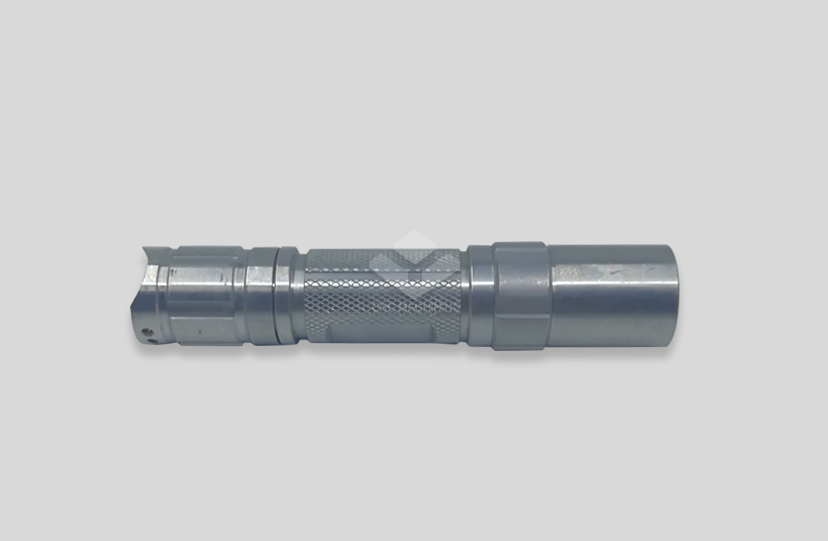
custom machined parts - Small Batch Customization
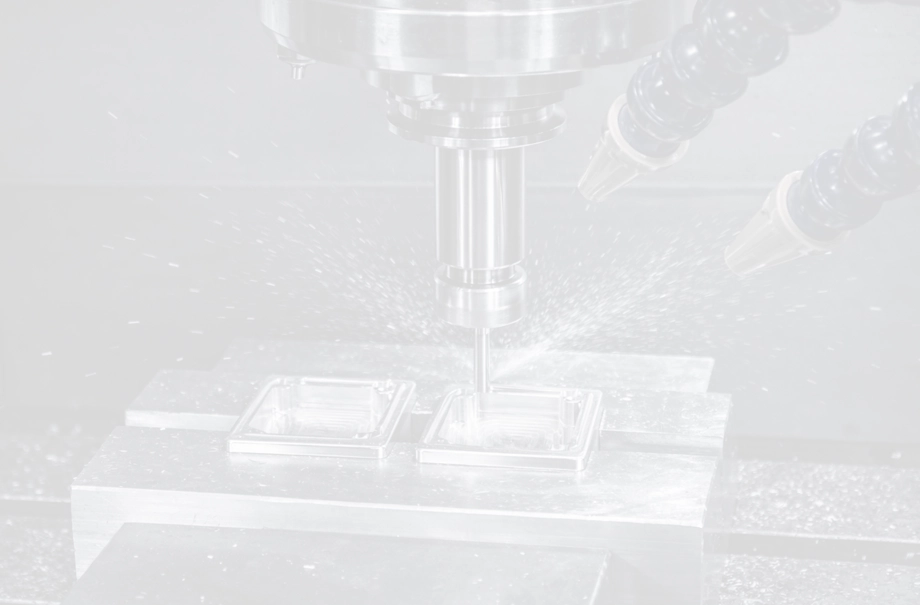
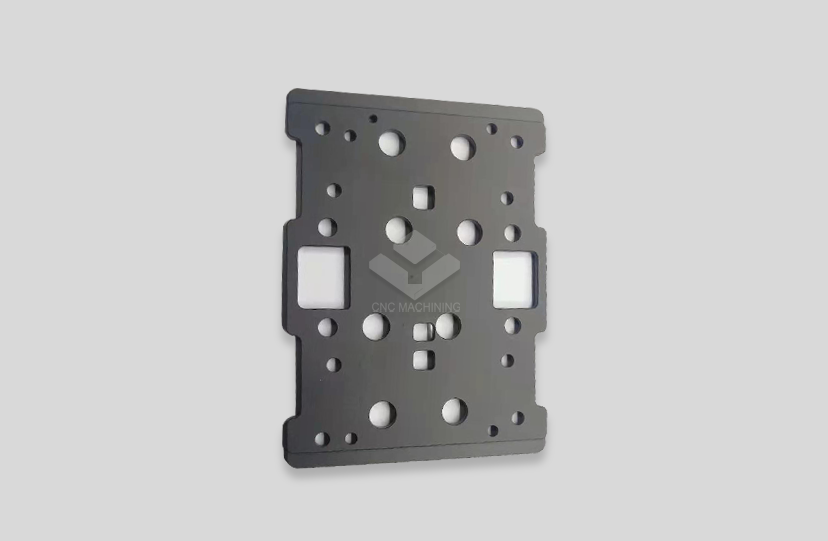
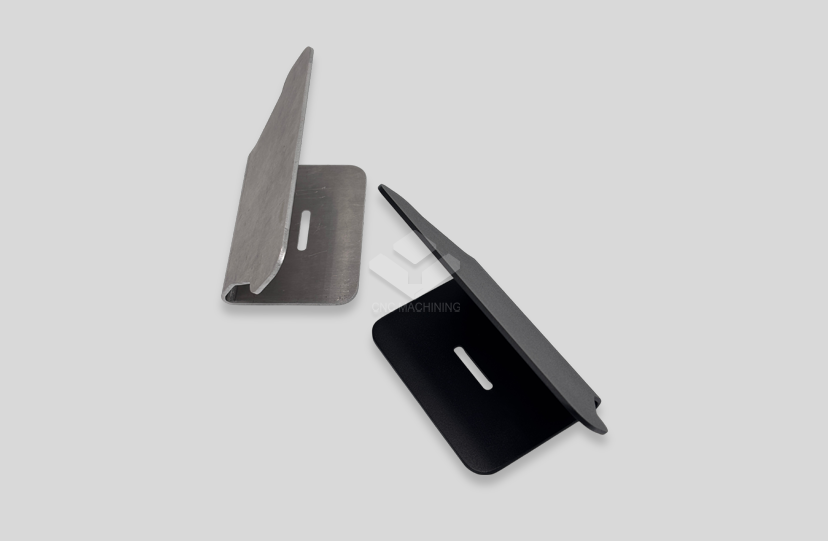
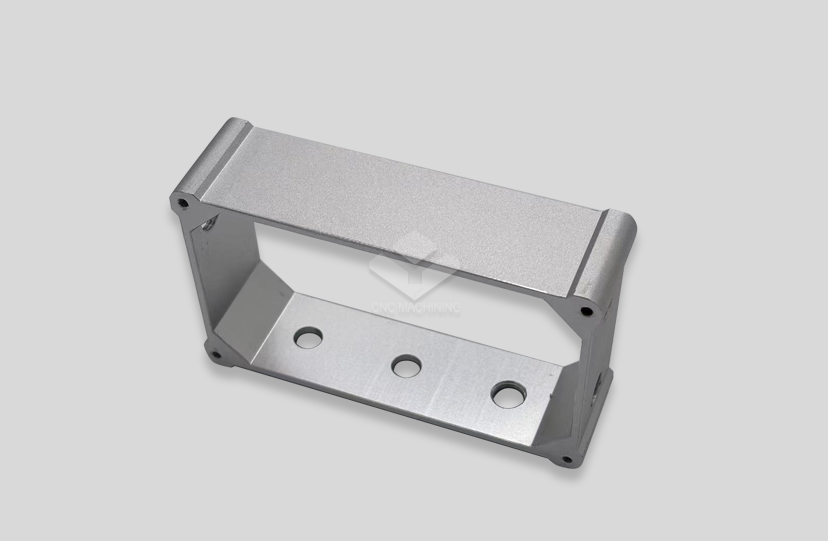
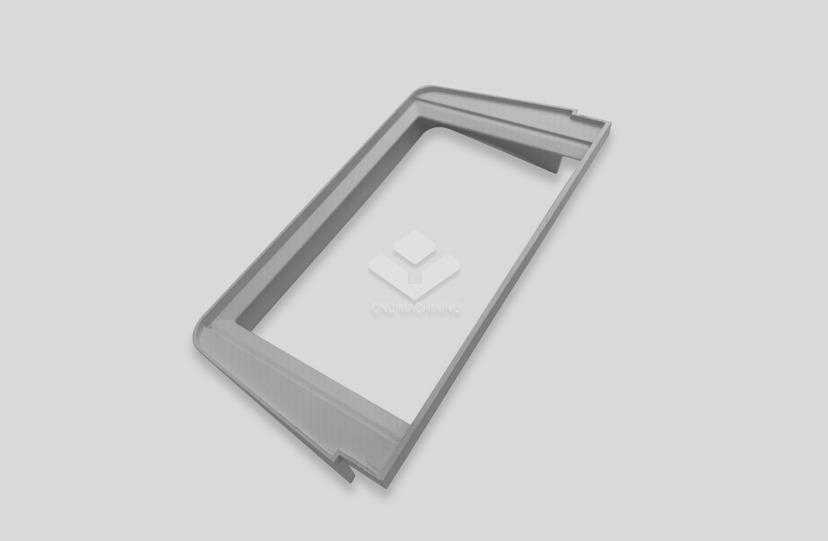
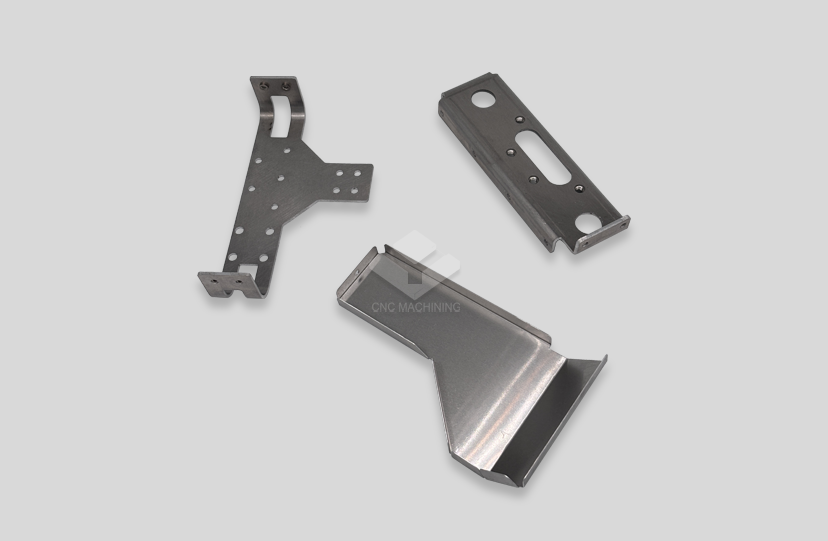
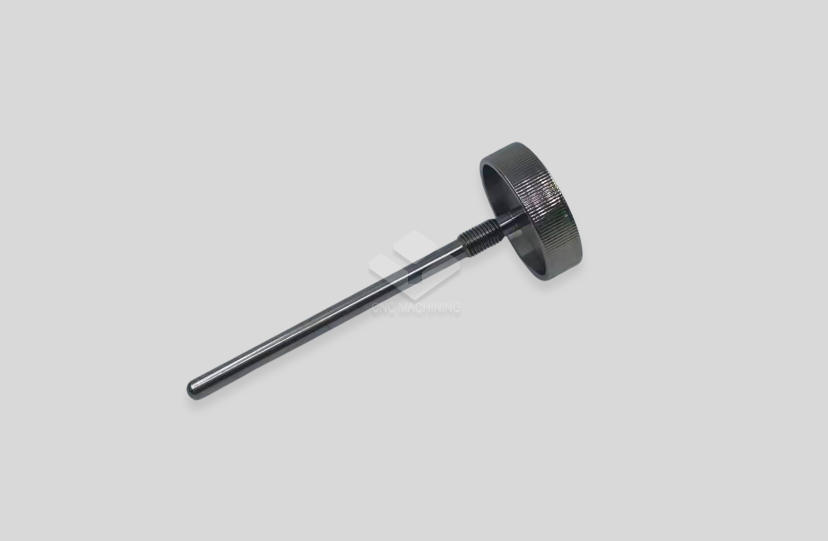
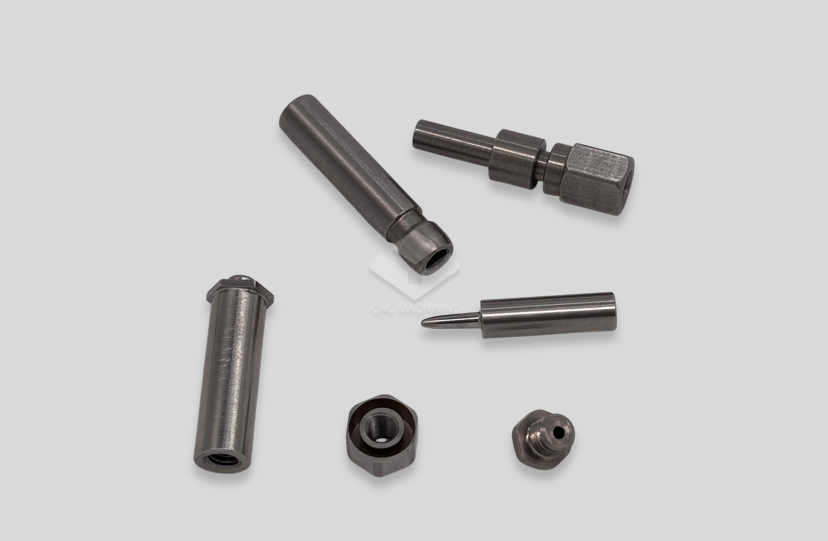
Custom Machined Parts are precisely engineered parts that are made to exact specifications using cutting-edge subtractive techniques. Small batch customisation is all about making small amounts—usually between one and several hundred units—that meet specific needs in the industry without having to make big investments in production. This method combines the precision of CNC technology with the cost-effectiveness needed for prototypes, test runs, and unique uses. When procurement teams work with skilled machinists, they can get custom solutions that shorten the time it takes to make a new product while still meeting strict standards for material integrity and accuracy in dimensions that are important in the aerospace, medical device, automotive, and electronics industries.
Understanding Custom Machined Parts and Their Small-Batch Production
The way engineering teams work on making parts changes when they use small batch production. This model is different from mass production because it focuses on adaptability and quick turnaround. This lets designers try ideas, make sure they work, and improve specs before committing to large orders.
What Defines Precision Components in Low-Volume Manufacturing
Precision machining lets you get parts with tolerances as small as ±0.005mm, which is very important when off-the-shelf products can't meet specific shape or function needs. The difference is in how much you can customise it. Every measurement, surface finish, and material trait is exactly what your CAD file says it should be. Multi-axis CNC machines can handle complicated shapes in a single setup, so there are no alignment mistakes like there are in multi-stage processes. This also makes sure that the same thing happens every time the production runs.
Manufacturing Techniques for Flexible Production Runs
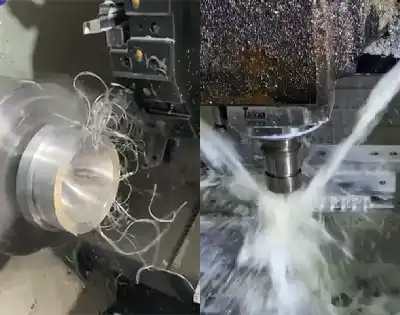
CNC turning, milling, and EDM (Electrical Discharge Machining) are the most important tools for producing Custom Machined Parts in small batch tasks. Milling creates intricate contours and pockets; turning produces cylindrical features with exceptional concentricity; EDM tackles hardened materials and deep-hole drilling that conventional tooling cannot reach. This technical flexibility means that a single manufacturing partner can meet the needs of a wide range of components without having to outsource secondary tasks. This streamlines your supply chain and lowers the cost of coordination.
Material Selection Impact on Component Performance
For structural uses, aluminium alloys like 6061-T6 have great strength-to-weight ratios. On the other hand, 7075-T6 is used for high-stress aircraft parts. Medical instruments made of stainless steel 316 don't rust, and implants made of titanium grade 5 are biocompatible. Engineering plastics like PEEK, Ultem, and Delrin are good for uses that need to fight chemicals or electrical current. The choice of material has a direct effect on how easy it is to machine, the post-processing options, and the lifetime costs. This selection process is led by experienced machining partners who will suggest options that balance performance with manufacturability to get the best results for your project.
The Small Batch Custom Machining Process Explained
Being open about how production works boosts trust and helps with planning projects better. Knowing what to expect at each stage helps you plan ahead and work well with your supplier.
Design for Manufacturability and Early Prototyping
The DFM review finds features that make machining harder, like undercuts that need special tools, dimensions that need to be set up more than once, or tolerances that are too tight for functional needs. If you take care of these problems before production starts, you can avoid delays and extra costs. Prototyping confirms the design purpose, shows problems with assembly, and gives you real samples to test how well they work. With quick sample turnaround times of three to seven days, this iterative method speeds up development processes and lowers the risk of having to make costly design changes later in the production process.
CNC Machining Workflow and Quality Checkpoints
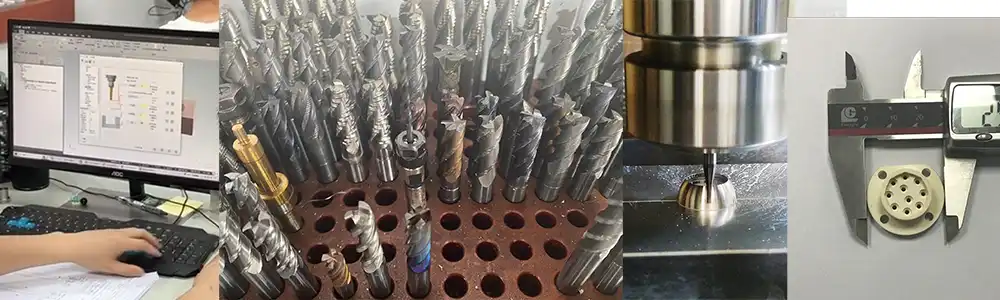
Programming starts with analysing the CAD file and making toolpaths that find the best cutting techniques while keeping cycle time as low as possible. Setting up a machine includes choosing tools, fixing up the workholding, and checking the parameters. Cutting operations for Custom Machined Parts happen in a set order, and tool wear or dimensional drift can be found during the process through in-process monitoring. For post-machining inspection, a CMM is used to check the important dimensions, a profilometer is used to check the surface roughness, and a visual inspection is used to find any cosmetic flaws. This multi-level quality control finds problems before the parts get to your facility.
Real-World Case Study: Solving Complex Machining Challenges
A company that makes electronics for cars came to us with aluminium heat sinks that needed complex cooling lines inside and tight standards for flatness across all mounting surfaces. The first look at the design showed that the suggested wall thicknesses would cause deflection during machining, which would lower the accuracy of the measurements. Our engineering team suggested adding stronger frames and changing the way the clamps are used. We got ±0.02mm flatness across critical interfaces with five-axis machining and optimised toolpaths. We were also able to finish prototype samples in five days. This way of working together to solve problems, along with clear technical communication, turned a project that could have been troublesome into a successful long-term business relationship.
Advantages of Small Batch Custom Machined Parts for B2B Clients
Small-batch manufacturing has strategic benefits that go beyond buying parts. It affects how quickly products are developed and how competitive they are in the market.
Flexibility and Rapid Design Iteration
Product creation doesn't usually go in a straight line. Tests, customer feedback, or pressures from competitors can lead to changes in the design. These changes can be made with small batch production, which doesn't have the fixed costs that come with mass production tooling. Engineering teams can try out different versions of a design, find the best performance parameters, and make small improvements over time. Because of this, time-to-market is shortened, and companies can quickly adjust to new possibilities or technical problems that would normally cause product launches to be delayed.
Cost Efficiency Without Inventory Burden
Making thousands of parts wastes money on inventory, costs money to store, and runs the risk of becoming obsolete if designs change or demand predictions turn out to be wrong. Small batch orders match production with real demand, which boosts cash flow and lowers waste. The price per unit is higher than the price for mass production, but the total cost of the project is often less when you consider the costs of keeping inventory, fast freight for stock-outs, and getting rid of old inventory after design changes.
Tailored Solutions for Specialized Applications
Standard parts can't always meet the needs of OEM uses and niche markets that need odd shapes, special materials, or special surface processes. These exact needs are met by custom machining, which can make biocompatible titanium surgical instruments with very smooth finishes, high-conductivity copper busbars for EV battery systems, or aerospace-grade aluminium brackets that can handle environments with a lot of vibration. This ability to customise becomes a competitive advantage, allowing product improvements that can't be made with off-the-shelf parts.
Access to Advanced Materials and Manufacturing Technology
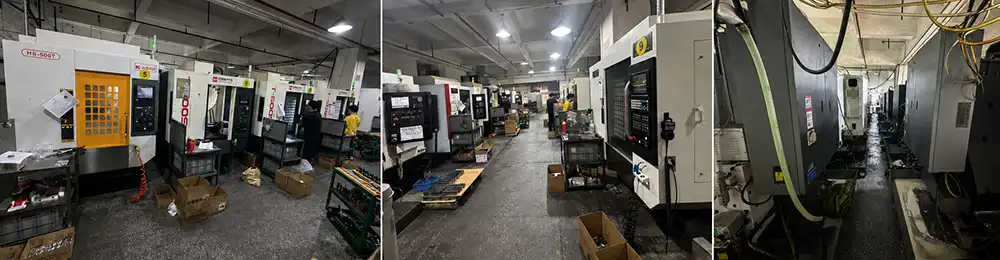
Well-known companies that produce Custom Machined Parts buy things like multi-axis CNC machines, special cutting tools for tough metals like Inconel or Hastelloy, and high-tech measurement systems that smaller shops can't afford. When you work with these manufacturers, you can get access to skills and knowledge that would cost a lot of money to develop on your own. Because of this relationship, engineering teams can choose the best materials and methods without having to build their own machining facilities.
How to Seamlessly Procure Custom Machined Parts in Small Batches
Procurement methods that work well make things easier for administrators while also making sure that supplies are reliable and that project results are expected.
Digital Platforms and Streamlined Order Management
Modern manufacturing partners have online quote systems that can directly accept CAD files and give you a rough price within hours. Digital platforms let you keep track of orders, get information on the state of production, and access documents, so you don't have to deal with email chains and phone tag. This openness makes planning more accurate and lowers the administrative work needed to handle many supplier relationships in global supply chains.
Balancing Pricing Negotiations with Production Flexibility
Small batch economics is not the same as big buying dynamics. Even though the cost per unit is higher than the cost per mass production unit, you should negotiate the total value of the project, promises of lead time, and quality pledges instead of just the unit price. If a supplier offers savings for large orders or combining packages, customers are more likely to keep doing business with them. Flexible order quantities, like letting customers change the minimum order amount or meeting rush requests, are often more valuable than slightly lower prices from suppliers who are set in their ways.
Managing Lead Times and Expedited Production Options
Standard lead times for precision parts are between seven and fifteen business days, but this can change depending on how complicated the part is, how quickly the material can be sourced, and how the surface needs to be finished. Knowing these deadlines helps you make realistic plans for your projects and stops you from rushing to get things done in a hurry. When urgent delivery is needed more quickly, well-known sources can usually handle rush production for important projects, finishing easier parts in three days. Supply chain resilience can't be achieved through transactional buying; it can only be achieved by building relationships with proactive partners who put your projects first when capacity is tight.
Building Long-Term Supplier Partnerships
Manufacturing partnerships that work well are based on consistent quality, open communication, and working together to solve problems. When suppliers know your design standards, quality requirements, and application limitations, they can give you better results with less supervision. Long-term relationships allow for proactive planning of capacity, priority scheduling during busy times, and technical advice that goes beyond just supplying components. These relationships turn into strategic assets that help with practical goals and product development projects that help the business grow.
Conclusion
FAQ
What is the standard lead time for prototype components?
The time it takes to make a prototype varies from seven to fifteen business days, depending on how complicated the part is, what materials are needed, and how the surface needs to be finished. Simpler parts that are cut from materials that are easy to get, like aluminium 6061 or stainless steel 304, can be made faster, sometimes in just three to five days. Timelines are longer for parts with complicated shapes that need multi-axis machining, specialised tools, or a lot of secondary processes like heat treatment and anodising. When quoting, experienced providers give accurate figures, which lets you plan a realistic project.
How do CNC machining and 3D printing compare for small batch production?
CNC machining is very good at making precise, high-strength parts out of solid engineering materials that still have all of their mechanical properties, even when the materials are made of wrought metals or plastics. Surface finishes are better, and the accuracy of the measurements meets the needs for tight tolerances. 3D printing can handle very small amounts and very complicated internal shapes, but the surface quality and mechanical properties usually need to be fixed after printing. There are fewer materials to choose from, and the strength of the parts is usually lower than that of machined versions. The best way to make something depends on the needs of the project, especially the tolerance standards, performance requirements for the material, and output quantities.
What factors influence material selection for custom components?
When choosing a material, you have to think about its cost, its mechanical properties, and how well it works in different environments. Aluminium metals are strong for their weight and easy to work with; stainless steels don't rust; titanium is biocompatible and works well at high temperatures; and engineering plastics are good for chemical protection and electrical insulation. Material choices are based on the needs of the application, such as load bearing, weather exposure, chemical contact, wear protection, and following the rules. Expert machine partners suggest options that improve performance while taking cost and ease of production into account.
Partner with RYH for Your Small Batch Machining Needs
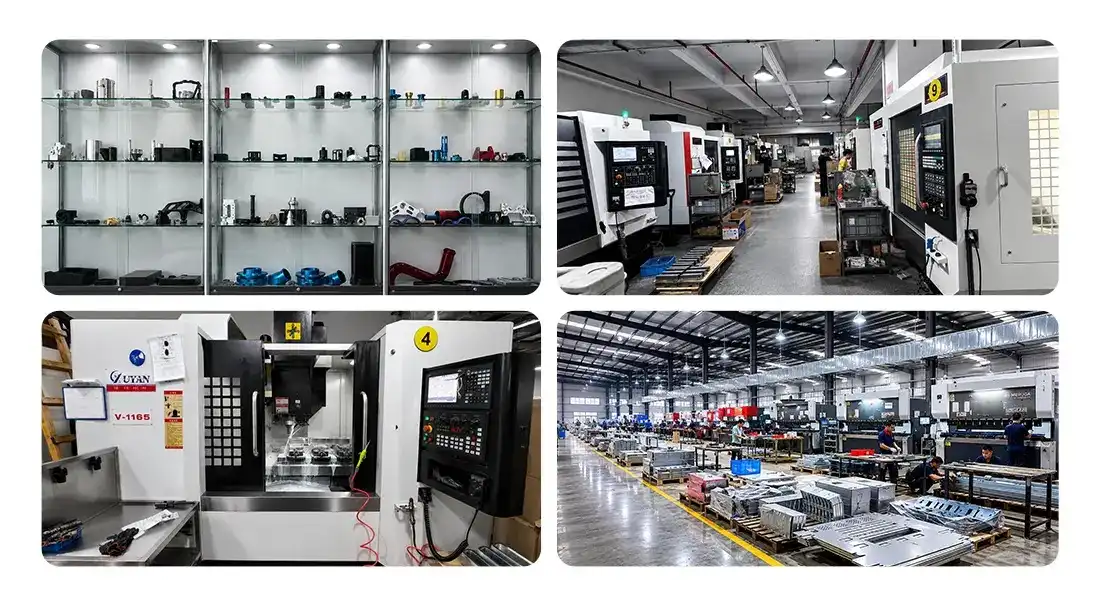
Every small batch project that RYH works on is done with engineering-driven precision. They do this by combining advanced CNC capabilities with direct technical communication, which gets rid of mistakes and delays that cost a lot of money. Our team of experienced engineers—with an average of fifteen years of machine experience—looks over your plans, improves designs, and comes up with useful solutions that make things easier to make while still meeting your exact needs. We help with projects from the first prototypes to full production runs. We work with both metal and non-metal parts and have full international material certifications, FDA compliance, and specialised surface treatments like anodising and salt spray testing.
Our service philosophy is based on quick response: quotes usually come within 24 hours, and sample production is done within a week, or often just three days for simple parts. Our manufacturing capacity is flexible enough to handle complicated shapes, difficult materials, and unique processing needs that other suppliers turn down. Global door-to-door shipping makes sure that your parts get to you on time, no matter how big or small the job is. If a quality problem is reported within the same month, it is remanufactured right away and usually done within a week. Shipping costs are also covered.
Get in touch with bill@bldmachining.com right away to talk about your small batch Custom Machined Parts needs with engineers who have been there and done that. As a reliable company that makes Custom Machined Parts, we offer the speed, technical know-how, and consistent quality that turn supplier relationships into strategic partnerships that help your product succeed.
References
1. Brown, J. & Miller, K. (2021). Precision Manufacturing Processes: CNC Machining for Low-Volume Production. Industrial Press Inc.
2. Chen, L. (2022). "Material Selection Strategies for Custom Mechanical Components in Medical Device Applications." Journal of Manufacturing Science and Engineering, 144(8), 081-095.
3. Davidson, R. (2020). Quality Assurance in Small Batch Manufacturing: ISO Standards and Implementation. McGraw-Hill Education.
4. Peterson, M. & Torres, A. (2023). "Design for Manufacturability in Prototype Development: Case Studies from Aerospace and Automotive Sectors." International Journal of Advanced Manufacturing Technology, 125(3), 1247-1263.
5. Williams, S. (2022). Strategic Procurement for Engineering Components: Building Supplier Partnerships in Global Markets. Wiley Publishing.
6. Zhang, H. & Kumar, V. (2021). "Comparative Analysis of Machining Methods for Low-Volume Production: CNC, Additive Manufacturing, and Hybrid Approaches." Manufacturing Review, 8(2), 156-174.