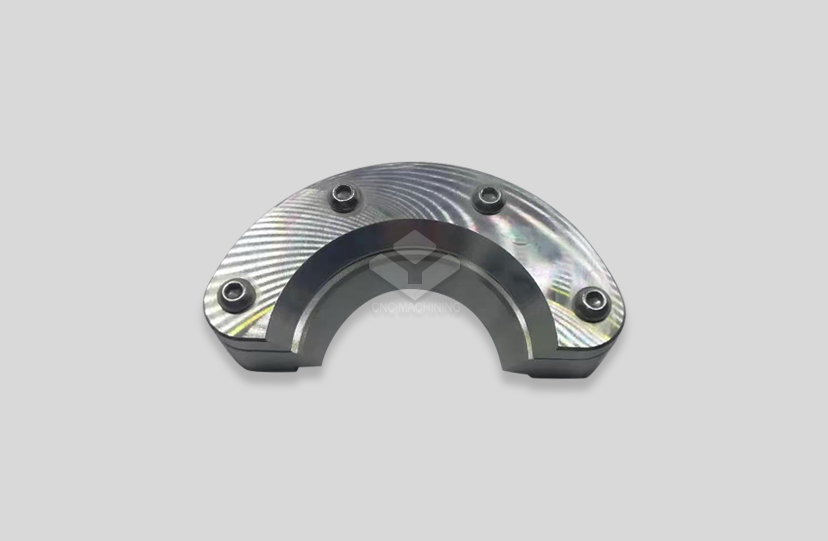
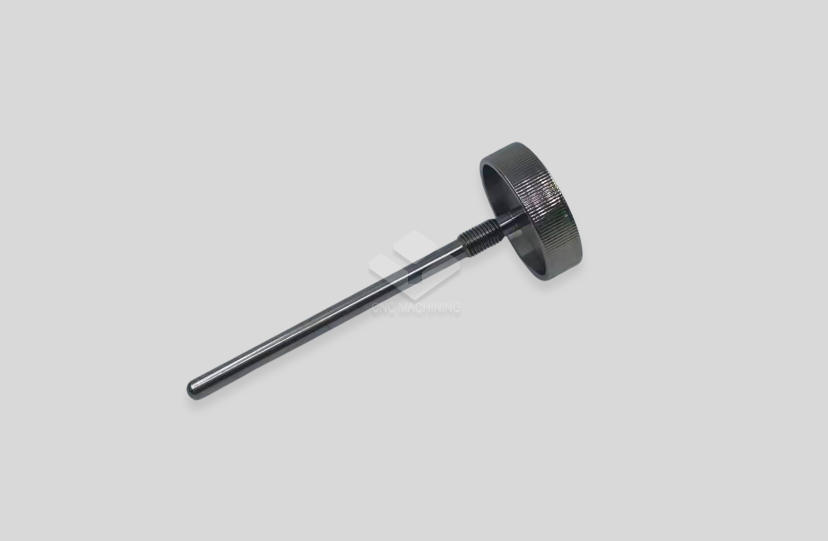
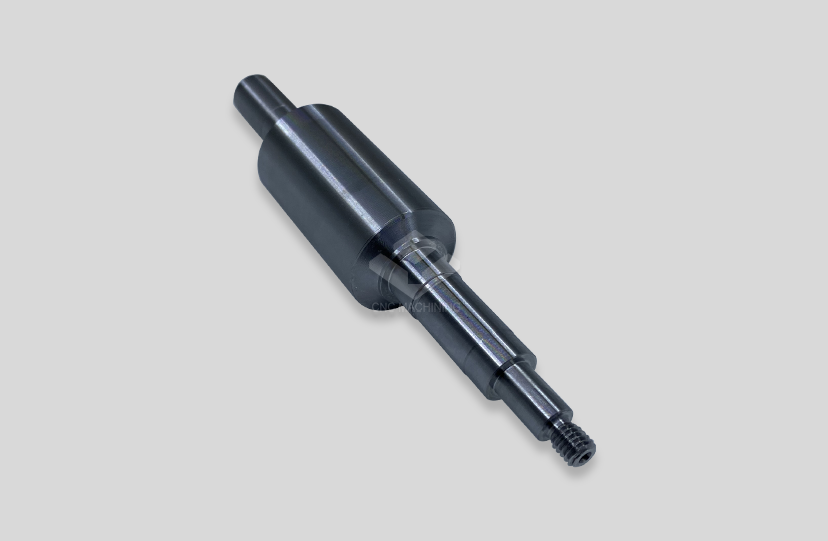
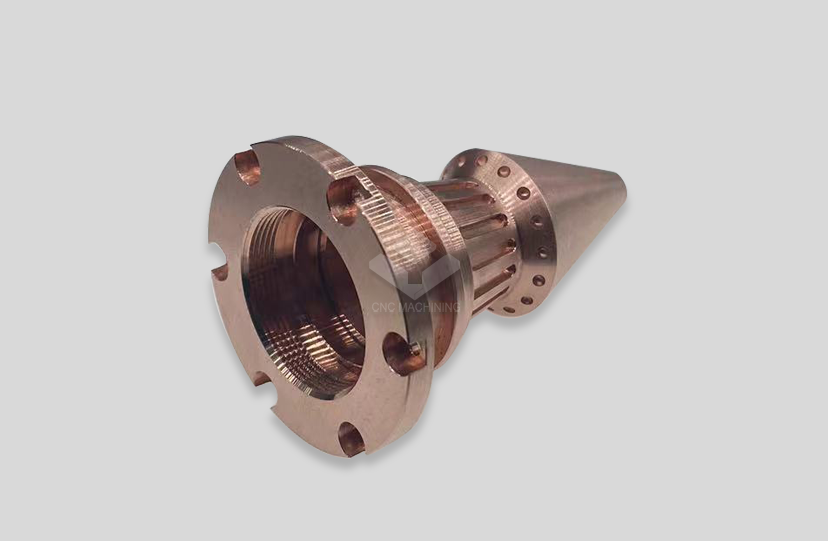
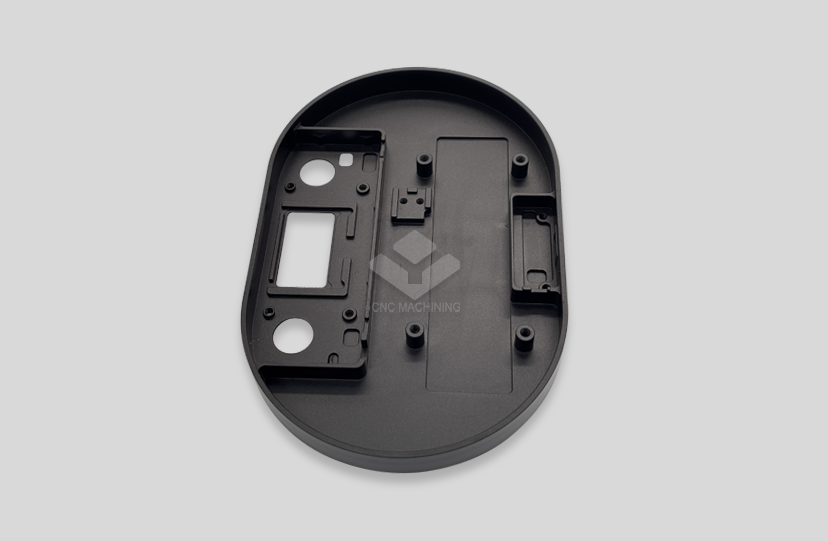
A Guide to Precision CNC Machining
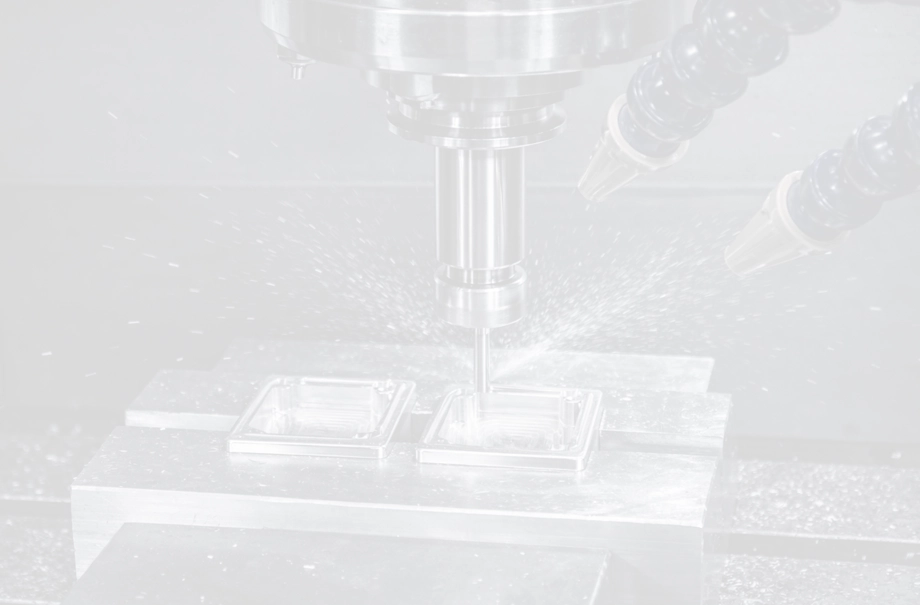
Precision CNC Machining is a revolutionary method of making unique parts, in which computer-controlled tools remove material from metal or plastic workpieces to produce parts with very precise dimensions. For businesses that need precision, complexity, and tolerances that are often ±0.005mm or smaller, this way of making things is now essential. Understanding how Precision CNC Machining works and how to best use it can have a huge effect on the success, cost-effectiveness, and time-to-market performance of your project, whether you're making samples or increasing the number of items you make.
Understanding Precision CNC Machining
What Makes Precision CNC Machining Different
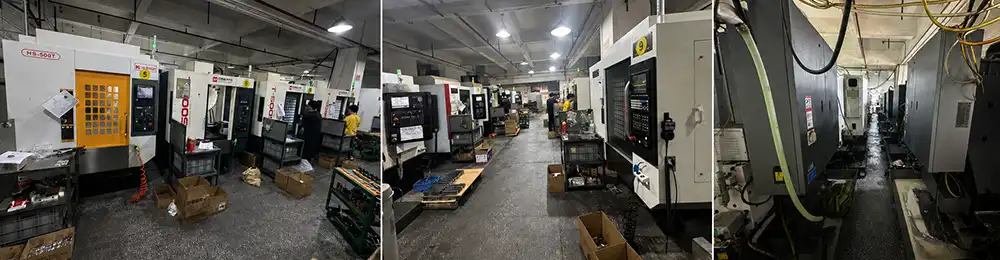
When people do traditional machining, they control the cutting tools by hand. But in Precision CNC Machining, multi-axis machines follow pre-programmed directions through complex cutting paths. This automation gets rid of the variability caused by human mistakes and makes it possible for thousands of similar parts to all have the same dimensions. Standard CNC and Precision CNC Machining are mostly different in the kinds of tools they use and how they handle the process. For precision versions, high-rigidity machine frames, heat stability systems, and advanced spindle technologies are used to keep accuracy at the micron level during long production runs. These machines usually have four or five axes, which let them cut at the same time from different directions and make complex shapes that can't be made with three-axis tools.
Material Selection and Machining Considerations
The choice of material has a big effect on both the cutting strategy and the performance of the end part. Aluminum alloys like 6061-T6 are most often used in places where good machinability, corrosion resistance, and anodizing compatibility are needed. This makes them perfect for medical device cases and aircraft housings. Aluminum 7075-T6 or stainless steel types like 316L have better mechanical qualities when strength is more important than weight. Engineering plastics like PEEK and Delrin are used in situations where electrical protection, chemical resistance, or FDA compliance for parts that come into contact with food are needed. When machining, each material has its own problems. For example, metal produces heat that needs to be cooled down quickly, and some plastics need special tools to keep them from melting or warping. Knowing these details helps buying teams choose the right materials during the planning phase, so they don't have to make expensive changes later.
Tolerance Requirements in B2B Manufacturing
Machining limits say how much the real measurements can differ from the planned dimensions. ISO 2768-medium class tolerances (±0.1mm for smaller features) are fine for surfaces that aren't very important, but useful interfaces like bearing bores or joining surfaces usually need tolerances of ±0.01mm or tighter. To meet these requirements, you need coordinate measuring machines (CMM) for checking, inspection areas with controlled temperatures, and studies of the process's capabilities that show statistical control. Professionals in procurement should know that setting limits that are too tight for all features increases costs without adding any functionality. Strategic tolerance assignment—tight where it's needed, loose where it's not—adjusts the cost of production while still ensuring product performance.
Benefits and Applications of Precision CNC Machining
Core Advantages for Product Development Teams
Precision CNC Machining is useful for more than just making sure that measurements are correct. Repeatability is very important—once a program has been tested, it's possible to keep making the same parts without losing quality. This consistency is very important in fields like medical devices, where following the rules about how to make things rests on using tried-and-true methods. Material optimization saves money because CNC programming cuts down on waste compared to doing things by hand. Rapid iteration speeds up development processes; changes to designs only need to be made to the program, not the whole system. Another important benefit is that production can be scaled up or down easily. The same process that can handle trial amounts of five units can easily handle production volumes of five thousand units without any major changes to the way it is done.
Lead time compression might be the most useful benefit for jobs that need to be done quickly. We usually finish trial samples in three to seven days, which lets us test the design and make sure it works, while our rivals are still weeks away from making their first products. This ability to respond quickly has become very important for engineering teams that have to meet tight launch dates, especially in the consumer goods and car industries, where market windows close quickly.
Industry Applications Across Sectors
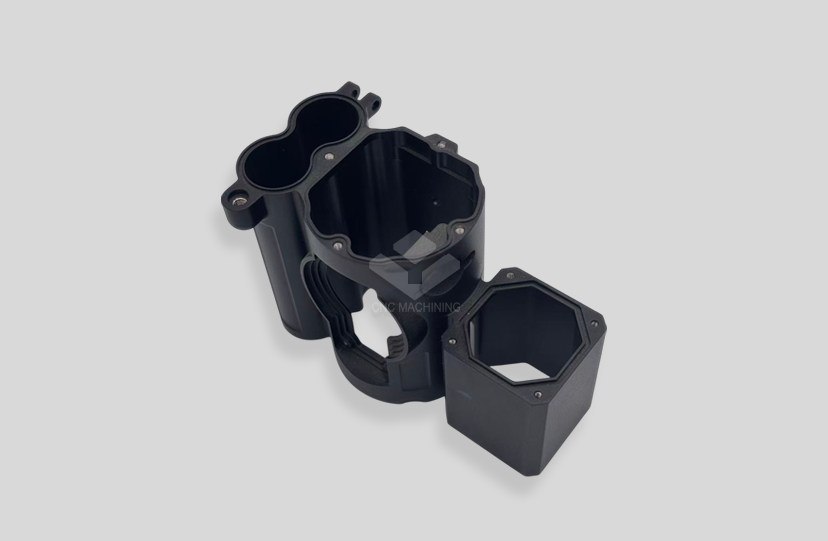
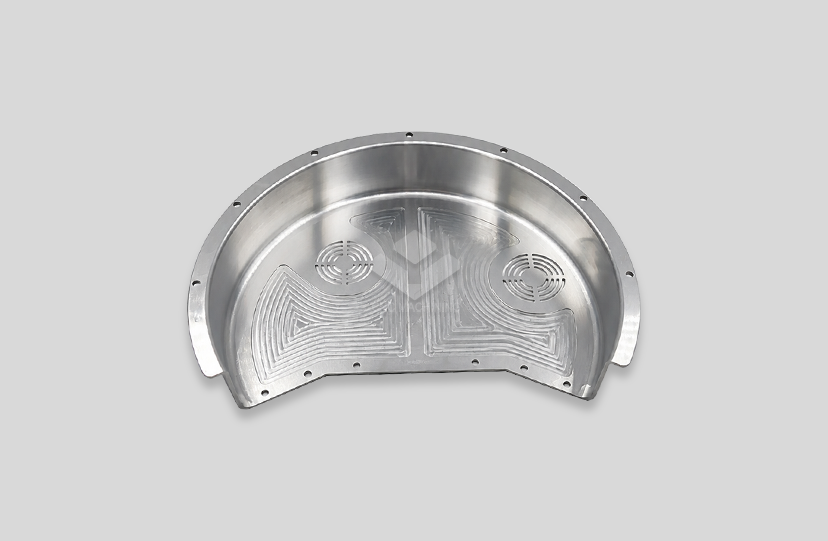
Precision CNC Machining is an important part of many different production settings. Aerospace parts need to have very high strength-to-weight ratios and be able to handle high temperatures and vibrations. Titanium and aluminum parts that are precisely made meet these needs and keep their shape over time. Medical device makers count on CNC accuracy for making surgery instruments, implantable parts, and monitoring tools that must be biocompatible and resistant to sterilization. As cars become more electric, there is a huge demand for precise battery housings, heat management components, and lightweight structure elements. The accuracy of these dimensions has a direct effect on how well they are put together and how safe the final product is.
Design Optimization and Collaboration Best Practices
Design for manufacturability (DFM) study is the first step in making sure that a precision machining job will go well. Sharp internal corners cause stress clusters and need small-diameter tools that slow down the cutting process. Specifying radius corners makes the part stronger and speeds up production. When you cut thin wall pieces that are less than 0.5 mm thick, they might bend, which could cause differences in size. To keep the accuracy, you can add localized reinforcement or change the shape. For deep-pocket features, you might need special long-reach tools or multiple setup processes, which add to the cost and wait time. Including production partners early in the design process helps you think about these things before the drawings are finalized, which saves you a lot of money on changes later on.
Direct contact between engineers gets rid of the translation mistakes that happen when middlemen don't know enough about the technical side of things. During the quoting process, we encourage customers to talk about different materials, rationalizing tolerances, and surface finish needs. This conversation often leads to cost-saving possibilities that don't affect usefulness. Giving 3D CAD models along with 2D drawings speeds up programming and clears up any confusion about what the drawings mean. This cuts down on project timelines and improves the accuracy of the first piece.
Comparing Precision CNC Machining with Other Manufacturing Methods
Precision CNC Versus Conventional Manual Machining
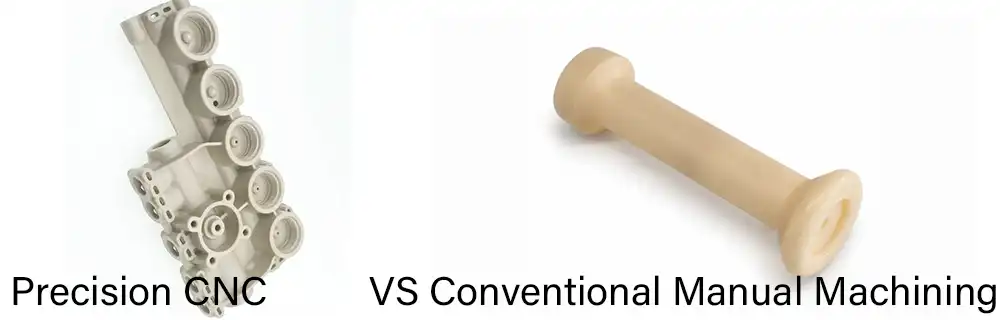
In traditional hand machining, the skill of the user determines where to place the cutting tools and how fast they move, which causes variations in the parts and limits the level of complexity. Setup times for manual processes can be longer than the real time it takes to machine something, which makes it hard to afford to make small batches. Precision CNC Machining gets rid of these problems by changing tools automatically, programming cutting settings, and running the machine without being there. Manual machining might work for one-off special fixes or parts that are too big for a CNC machine to handle, but it can't provide the repeatability and paperwork needed for industries that are controlled. The point where costs start to diverge is usually between 10 and 20 units. After that, CNC performance becomes more important than programming expense.
CNC Machining Versus Additive Manufacturing
3D printing methods, such as selective laser sintering (SLS) and fused deposition modeling (FDM), let you change the shape of the parts in ways that aren't possible with subtractive methods. This makes them good for making organic forms and internal grid structures. However, additive methods usually lead to a rougher surface finish, lower mechanical strength (because layers don't stick together as well), and measurements that are off by at least 0.1 mm. The qualities of the material are very different from cast or extruded stock. Printed parts often have anisotropic behavior, which means that their strength changes depending on how they are assembled. When function, surface quality, and tight tolerances are more important than physical complexity, CNC cutting is the best way to go. A balanced way to build products is to use a mix of 3D-printed samples for form validation and CNC-machined working prototypes.
High-Precision Versus Standard CNC Capabilities
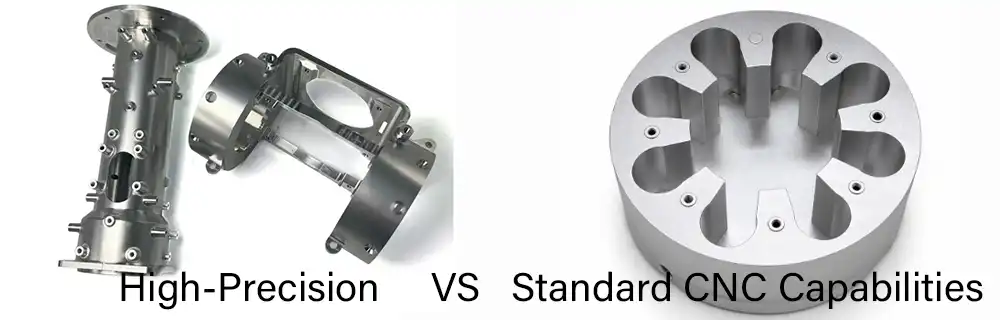
Not all CNC cutting is as precise as others. For general manufacturing work, standard CNC equipment keeps tolerances of about ±0.05mm, which is good for making structural frames and non-critical enclosures. High-precision machining centers have linear motor drives, glass scale feedback systems, and thermal adjustment routines that let them work with ±0.01mm tolerances all the way around. These features come at a higher cost, but they are necessary for parts like valve bodies, optical mounts, and sensor parts where accuracy in size affects function directly. Knowing your exact range needs will keep you from paying too much for accuracy that you don't need while still making sure that important features meet your requirements.
How to Select and Procure Precision CNC Machining Services
Essential Supplier Evaluation Criteria
Quality standards give people a basic level of trust in how processes are controlled and documented. Systematic quality management is shown by ISO 9001 approval, while AS9100 (aerospace) and ISO 13485 (medical devices) show agreement with specific industry standards. In addition to certificates, you should look into the seller's real equipment. For example, does the supplier mostly use 3-axis mills or 5-axis machining centers? What kinds of checking tools can be used for measurement verification? The ability to measure with a CMM, surface roughness testers, and hardness testers shows how sophisticated the measurement is. You can look at the surface finish, edge conditions, and measurement accuracy of parts from projects that are similar to yours by asking for samples. References from current customers in your industry can tell you a lot about how well you communicate, solve problems, and make sure your deliveries are on time.
Pricing Structure and RFQ Development
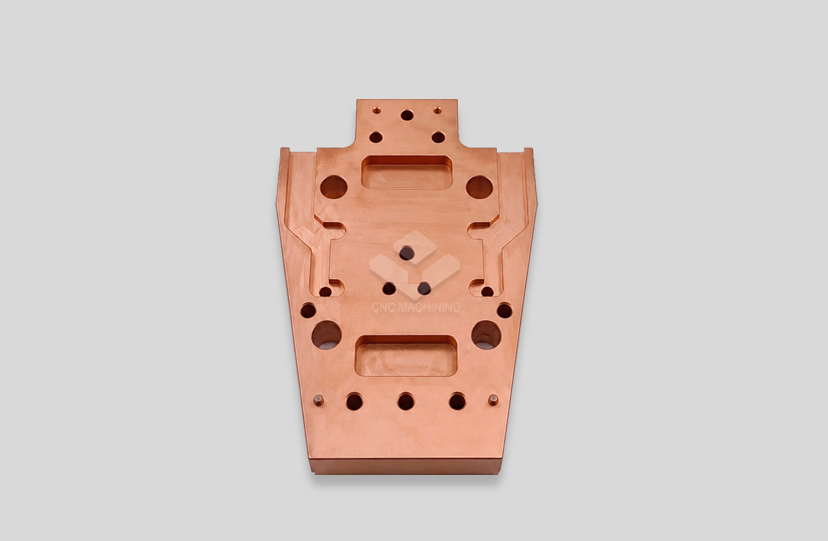
Material costs, processing time, machine runtime, tooling costs, and finishing processes are all part of CNC cutting costs. The prices of materials change with the markets for commodities. For example, metal costs less than titanium or specific plastics. Programming is a set cost that is spread out over the number of items that are made. Complex shapes that need multi-axis toolpaths make this investment bigger. Runtime is directly related to how complicated the part is and how close the tolerances need to be. Tighter tolerances require slower feed rates and more finishing passes. Treatments on the surface, such as anodizing, powder coating, or passivation, add separate costs to each working batch. For RFQs to be useful, they need to include 3D models, tolerance callouts, material specs, finish requirements, and goal amounts at different volume breaks. Because it is so thorough, quotes can be made accurately, and revision processes are kept to a minimum.
Supply Chain Process and Timeline Management
Vetting Global Manufacturing Partners
When choosing a geographic source, you have to think about cost, contact, and logistics. While domestic providers can align your time zones and make site trips easier, they usually charge more for their workers. Asian makers offer lower prices for large orders, but contact problems and longer lead times mean that they need to be carefully managed. When it comes to ultra-precision uses and rare materials, European suppliers often do a great job. No matter where you are, make sure that professional skills can be verified in English by having direct talks with engineers. Demand detailed process paperwork that shows the steps used to make something, where they should be inspected, and how they will make sure the quality is good. Set up clear rules for how to talk about things like changes to the plan, reports on progress, and taking problems to the next level. We have found that speed during the quoting phase is a good indicator of success during production. Suppliers who answer technical questions fully and quickly usually do a better job of completing projects.
Leading Precision CNC Machining Providers and Industry Evolution
Distinguishing Characteristics of Top Manufacturers
Elite precision machining companies are different from regular manufacturing shops in a number of ways. Depth in engineering allows for real design cooperation instead of just "quote and build" deals. Buying new tools shows that you want to improve your capabilities and stay ahead of the competition. Quality culture is shown by written rules, using statistical process control, and taking the initiative to fix problems before they get out of hand. Response time for customer service, as shown by how quickly quotes are given, how easy it is to get in touch with engineers, and how reliable deliveries are, provides relationship value that goes beyond price. The best makers act as extension engineering tools, giving advice on things like the best materials, how to make things more durable, and how to make them easier. This helps make products better while keeping costs low.
Emerging Technologies Reshaping Precision Machining
Connectivity and data analytics are added to production tools through Industry 4.0 integration. Modern CNC machines have sensors that check for tool wear, spindle tremor, and temperature drift in real time. These sensors set off automatic compensations that keep the accuracy of the machine during production runs. Predictive maintenance programs look at trends in how machines work to plan repairs before they break down, which cuts down on unplanned downtime. Digital twin models let you test machine programs virtually before they are used to cut metal. This way, mistakes can be found before they are used, saving time and material. Through automatic part loading, in-process checking, and adaptive control systems, lights-out production lets machines run all night without being watched. As a result of these technological improvements, wait times are shorter, consistency is better, and costs per unit are lower. This is because productivity rises without equal increases in labor.
When AI is used in toolpath optimization, it creates cutting techniques that cut down on cycle time and make tools last longer. Machine learning algorithms that have been trained on thousands of previous jobs can figure out the best cutting settings for new part shapes. This cuts down on programming time and increases the success rate of first articles. Automating routine tasks like part loading and deburring is done by collaborative robots. This frees up trained machinists to do more complicated setup and quality control work. All of these trends make precision machining more competitive with other manufacturing methods, and they also make it possible for more complicated parts to be made at a reasonable cost.
Conclusion
Precision CNC Machining has grown from a specialized way to make things to an important skill that helps companies all over the world make new products. Its unique mix of accurate measurements, a wide range of materials, and the ability to make a lot of them meets important needs that other ways can't. To be successful, you need to know what tolerances are needed, choose the right materials, and work with makers who offer real engineering teamwork instead of transactional fabrication services. More and more robotics and digital technologies are being developed. This means that precision machining will become easier to use for a wider range of projects, from trials for new businesses to established production programs.
FAQ
What tolerances can precision CNC machining realistically achieve?
We usually keep tolerances of ±0.02mm for most features, and ±0.01mm for important measurements like bearing bores and mating surfaces when asked. Tighter standards need special tools, climate-controlled spaces, and more time to machine, which makes the process much more expensive. Setting the right limits based on the real-world practical needs improves both quality and cost-effectiveness.
How quickly can prototypes be produced?
The normal time it takes to make a prototype is between 3 and 7 days, but this depends on how complicated the part is and how busy the production line is at the time. When capacity allows, simpler parts made from easily accessible materials like aluminum 6061 can be finished in three days. It could take up to two weeks for complex systems that need to be set up more than once, use rare materials, or have special finishing processes applied to them. Clear contact during the quote process sets reasonable deadlines for your unique needs.
Which industries benefit most from precision CNC machining?
The biggest application areas are aerospace, medical devices, cars, electronics, and industrial automation. This is because they have the strictest tolerance and material standards. But CNC is useful for making things that need accurate measurements every time, have complicated shapes, or are made in small to medium quantities. Support for rapid prototyping that shortens development cycles while keeping design freedom is especially valuable to research institutions and companies.
Partner with RYH for Your Precision Machining Needs
RYH has been in precision CNC Machining for 16 years and can handle your toughest jobs. Before production starts, our engineers talk directly with your team—no middlemen—to look over plans, make ideas better, and solve difficult problems with how they can be made. We are still ISO 9001 certified and offer full material approvals, dimensional inspection reports, and FDA-compliant choices for businesses that need to follow rules. Our modern 5-axis machining centers and strict quality control make sure that you always get the same results, whether you need trial samples in three days or large quantities with ±0.01mm tolerances. As a Precision CNC Machining maker with a lot of experience, we can work with both metal and non-metal parts and finish their surfaces in a variety of ways, such as by anodizing, passivating, or powder painting. Contact bill@bldmachining.com to discuss your project requirements and experience the responsive, engineering-focused partnership that transforms procurement from transactional necessity to strategic advantage.
References
1. Kalpakjian, S., & Schmid, S. R. (2014). Manufacturing Engineering and Technology (7th ed.). Pearson Education.
2. Stephenson, D. A., & Agapiou, J. S. (2016). Metal Cutting Theory and Practice (3rd ed.). CRC Press.
3. Society of Manufacturing Engineers. (2018). Fundamentals of Tool Design (6th ed.). SME Publishing.
4. Boothroyd, G., Dewhurst, P., & Knight, W. A. (2011). Product Design for Manufacture and Assembly (3rd ed.). CRC Press.
5. Machinery's Handbook (31st ed.). (2020). Industrial Press.
6. American Society of Mechanical Engineers. (2019). Dimensioning and Tolerancing: ASME Y14.5-2018. ASME Standards.