CNC Custom Machining in 2026: Innovations, Industry Impact
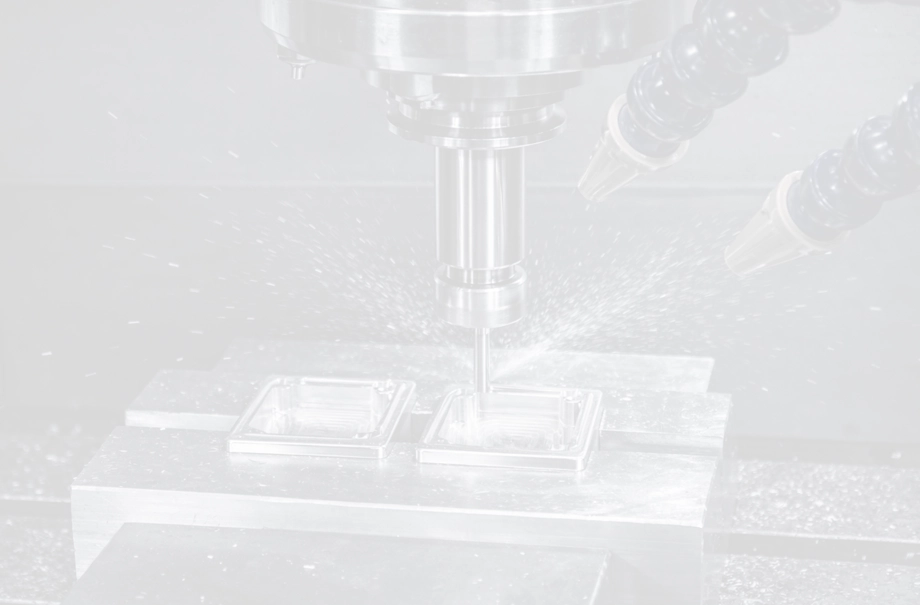
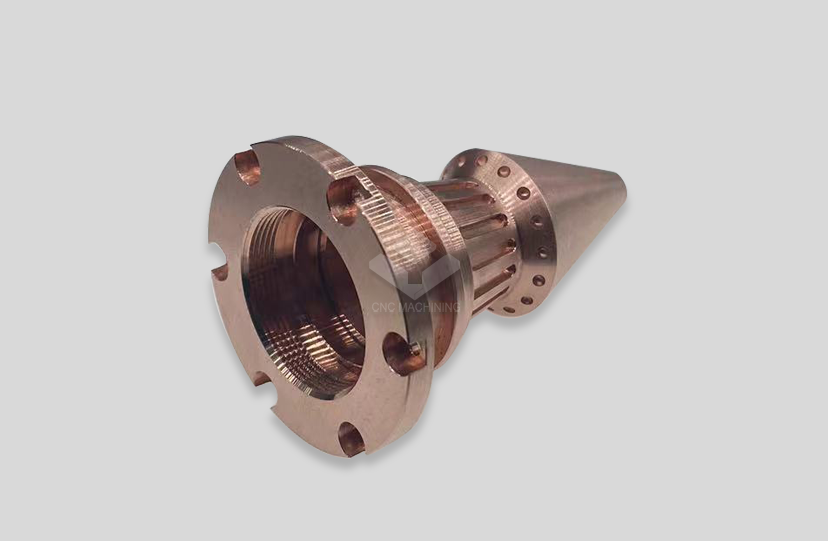
Custom CNC Machining is still the most important part of precision manufacturing in 2026. It lets engineers and purchasing managers turn complicated plans into working parts with amazing accuracy. The technology has grown beyond simple milling and turning tasks, becoming an advanced environment with multi-axis tools, AI-driven process optimization, and advanced material capabilities. This way of making things is essential for global supply lines because it can make geometrically complicated parts from both metals and plastics. This is because aircraft fasteners need tolerances of just a few microns, and medical device samples need materials that are FDA-approved.
Understanding Custom CNC Machining in 2026
The use of powerful computer-controlled machines that can do complex tasks on multiple angles at the same time has taken precision manufacturing to a whole new level. This way of making things is very useful because it can be used for many different things. For example, if you need a single sample for testing, or you need to make 500 units, the process stays the same and can be used again and again.
Multi-Axis Capabilities and Material Flexibility
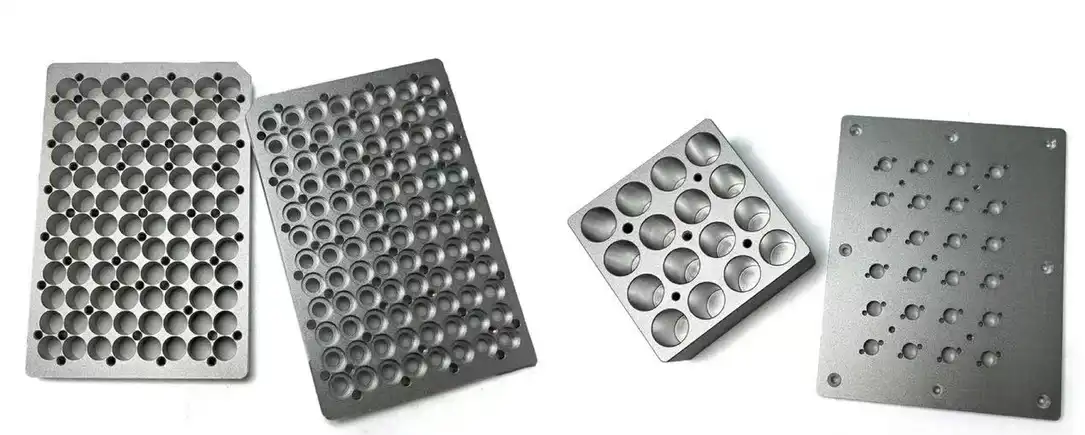
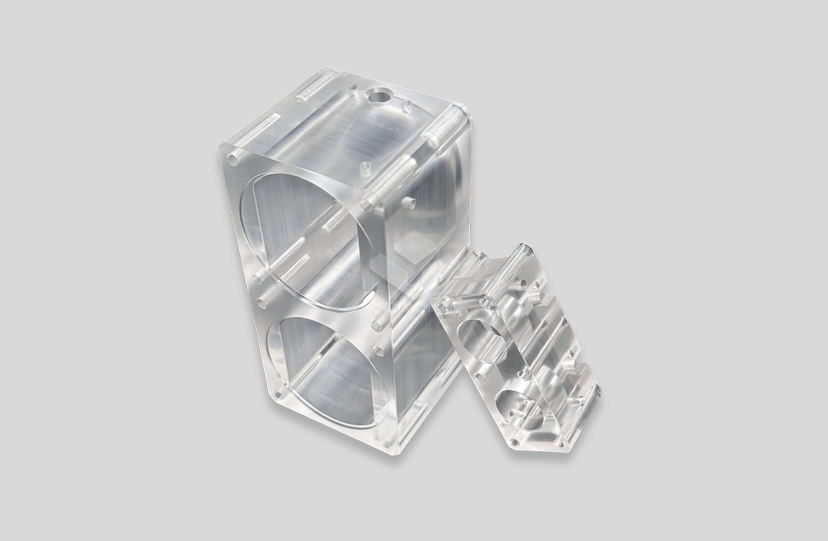
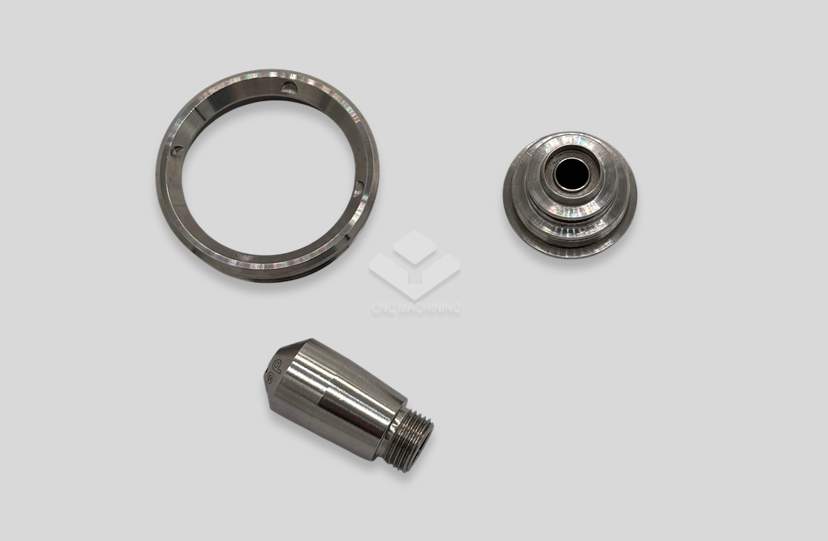
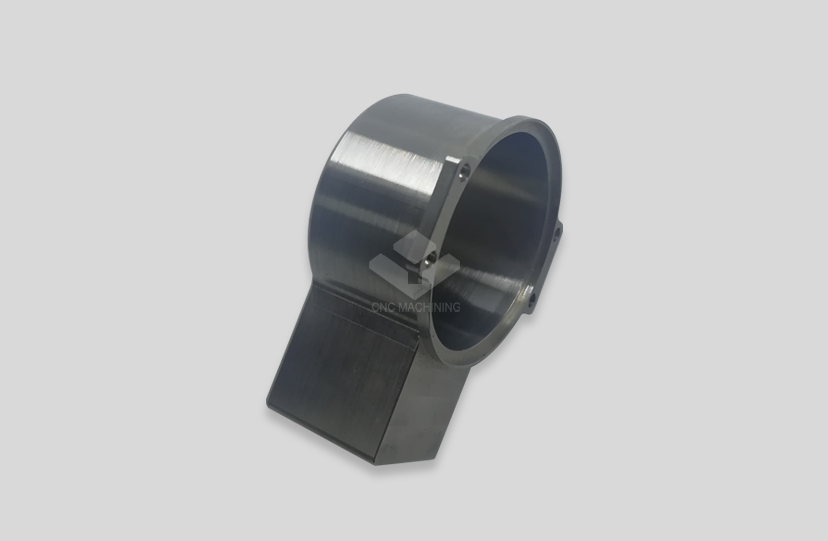
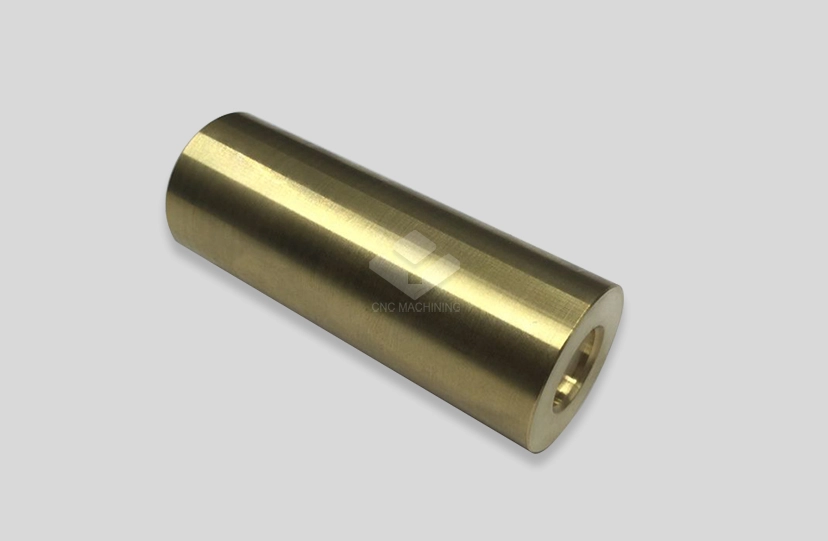
Modern machine centers with 5-axis technology and Custom CNC Machining can approach workpieces from almost any angle. This gets rid of the need for multiple sets, which used to cause differences in size. This feature is especially useful when making parts with undercuts, holes at an angle, or complex shapes. For structural uses, material suitability includes aluminum alloys like 6082, engineering plastics for lightweight structures, brass for electrical parts, and stainless steel for places where corrosion is a problem. Choosing the right material affects how easy it is to machine, how long the tools last, and the quality of the finish on the surface. This is why it's so important for your design team and factory engineers to talk to each other directly during the quotation process.
Design Flexibility and Scalability
Because CNC code is digital, changes can be made quickly without having to buy new tools. When your R&D team finds a better design after trying the first sample, those changes can be made right away by updating the CAD files and making new G-codes. This flexibility supports the prototype-to-production buying model that is popular among companies that make medical devices and automation equipment. In this model, small-batch trial orders are used to confirm the design intent before committing to larger production runs. Repeatability makes sure that part number 500 keeps the same level of accuracy in dimensions as part number one. This solves a major problem for quality assurance teams that have to deal with group consistency.
Innovations Driving Custom CNC Machining in 2026
The fast development of manufacturing technology is due to the coming together of AI, sensor networks, and process tracking systems, which change the way parts are made. These new ideas directly solve problems that mechanical engineers and purchasing managers have been having for a long time when they are trying to find fine parts.
AI-Driven Process Optimization
Machine learning systems now look at sensor data in real time while cutting. They change feed rates, spindle speeds, and tool paths automatically to account for tool wear or differences in the material. This intelligence lowers the amount of scrap and increases the life of tools, which means that your projects can be priced more competitively. In predictive maintenance systems, vibration patterns and thermal signs are tracked so that tool changes can be planned before they break, instead of after a broken insert destroys a partly finished piece of work. These features are especially helpful for projects with tight deadlines, since one broken machine could put at risk important goals.
Digital Twin Technology and Simulation
In Custom CNC Machining, before metal chips fly, virtual models check tool paths for errors and identify areas where they might collide or move inefficiently. Digital twin technology creates a virtual copy of the real machine environment, allowing process engineers to optimize cycle times and surface finish settings without consuming any material. During production, real-time modeling compares the actual machine performance against the digital model. Any deviations are instantly flagged, as they may indicate fixture issues or potential material defects. This proactive approach helps prevent out-of-tolerance measurements from being discovered during final inspection, a frustrating situation for project managers that can also lead to delivery delays.
Advanced Post-Processing and Surface Treatments
Finishing the surface of something is more than just deburring and shining. Automated electroplating systems cover CNC-machined parts evenly with nickel, chrome, or gold. This makes the parts more resistant to rust and better at conducting electricity without changing their size. Anodizing methods add protective oxide layers to metal parts. Type II gives parts decorative colors, and Type III makes them more resistant to wear in high-cycle uses. Testing with salt spray confirms that a coating will stick and not rust, producing written proof that meets quality assurance standards for outdoor and marine uses. These finishing options are very important for flight connectors, car sensors, and medical tools that need surfaces that are biocompatible.
Sustainable Manufacturing Practices
Industry Impact and Applications in 2026
The ability to do precise cutting directly leads to technological progress in many areas where Custom CNC Machining is used, since broken parts have bad results. Learning how these production skills are used in different industries helps buying teams predict how needs will change and what suppliers will need to be able to do.
Aerospace and Defense Applications
When it comes to temperature and pressure changes, aerospace parts need to be very stable in terms of their dimensions. Aluminum structural frames with weight-optimized shapes, titanium housings for avionics equipment, and stainless steel fittings for hydraulic systems all need to be made with very tight tolerances and full material tracking. Manufacturers of unmanned aerial vehicles (UAVs) really value fast testing tools because design changes happen a lot during platform development. Competent suppliers are different from great manufacturing partners because they can't make complicated shapes out of high-strength metals while keeping positional tolerances within 0.005mm. Material certificates that list the alloy's composition, history of heat treatment, and mechanical qualities are needed to meet AS9100 standards and get approval from customers.
Automotive and Electric Vehicle Components
Medical Device Manufacturing
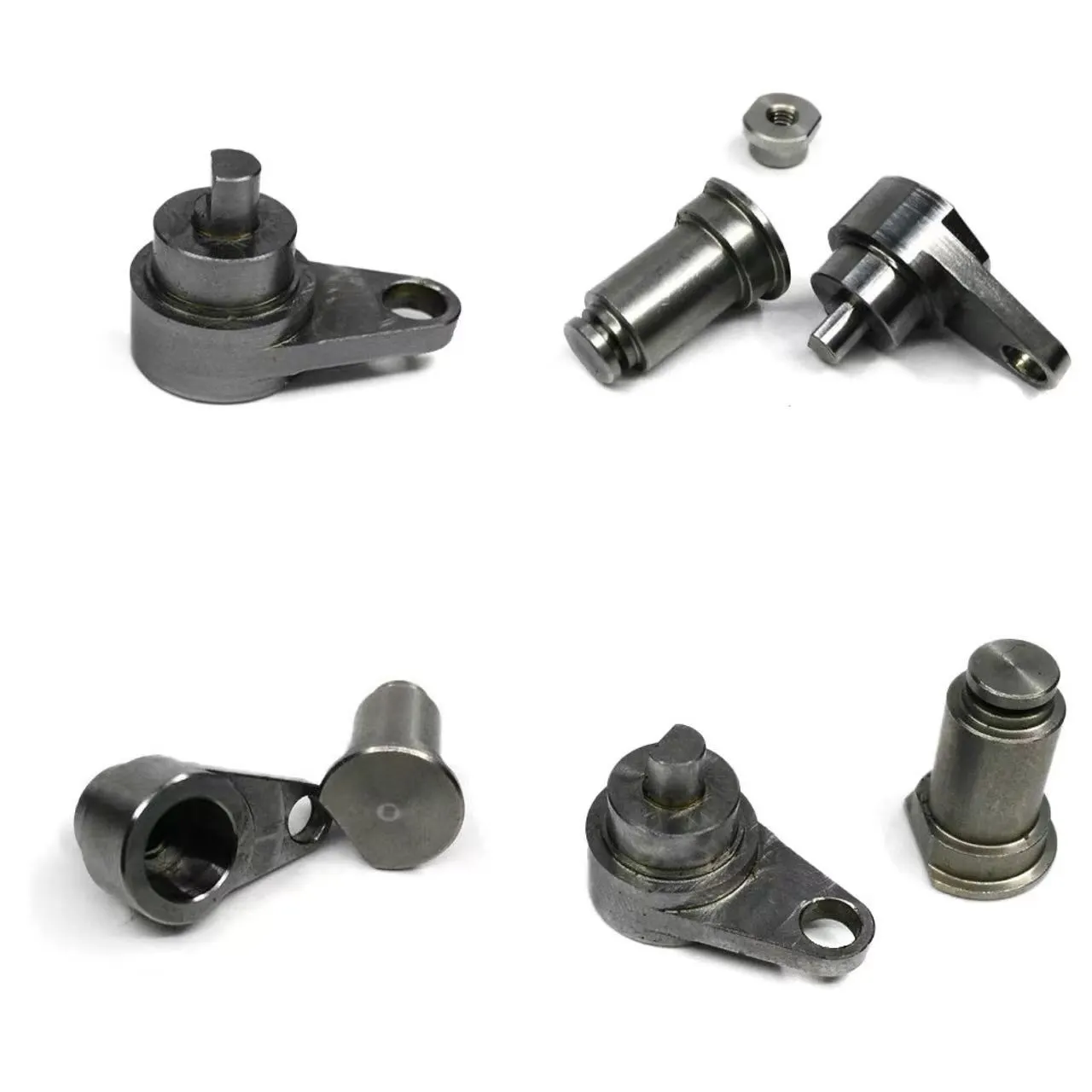
Custom CNC Machining for surgical tools, diagnostic equipment housings, and laboratory automation parts all work in places where there is a high risk of contamination and where strict standards for material and surface finish must be met. FDA-approved materials, such as medical-grade stainless steel and safe plastics, are the basis. Specifications for surface roughness make sure that the surface can be cleaned and keep germs from sticking to it. Dimensional precision has a direct effect on functioning. For example, a valve body with misaligned ports creates leaking routes that hurt the performance of the device. When you put together material approval, dimensional inspection records, and surface finish validation, you get the quality proof that regulatory applications need. Manufacturing partners who have experience with medical device standards know what kinds of paperwork are needed and set up their quality systems to meet those needs.
Electronics and Semiconductor Equipment
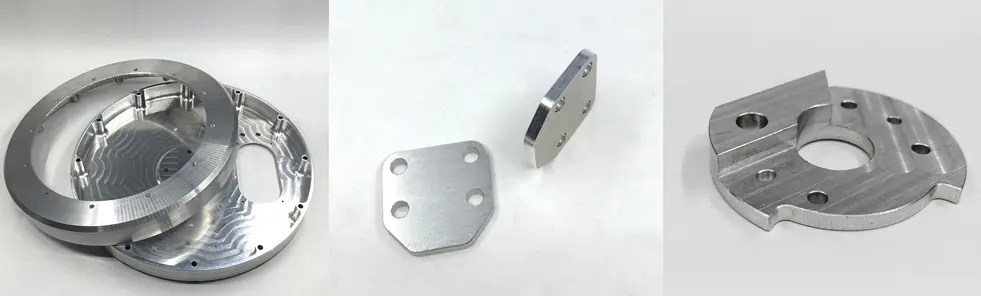
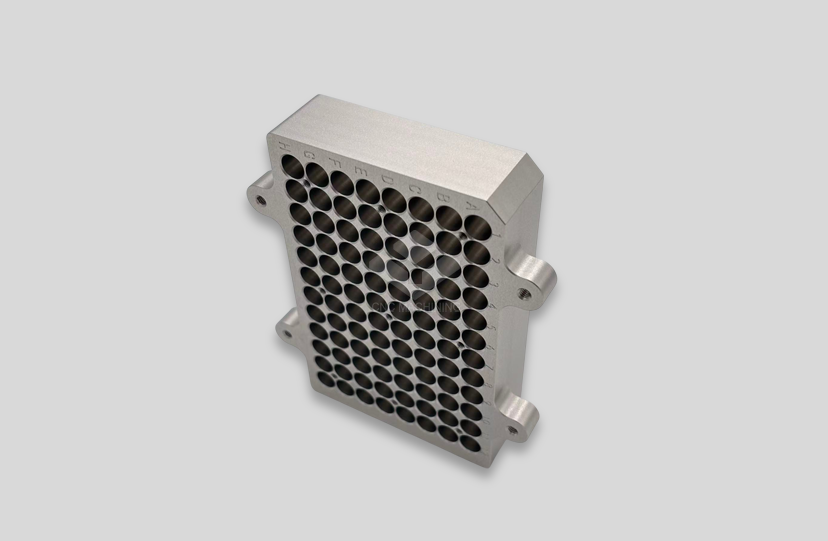
Heat sinks made from aluminum need the best fin shapes to get rid of heat as quickly as possible within their limited envelope dimensions. To keep output losses from happening, precision alignment supports for equipment that processes semiconductor wafers need to be able to hold their positions with micron-level accuracy. For electromagnetic separation to stay in place, EMI shielding boxes need walls that are all the same thickness and covers that fit tightly. It is getting harder to meet the tighter tolerances for dimensions as components get smaller, and the geometry is getting more complicated. Suppliers who have high-precision measuring tools and inspection rooms with temperature control can make sure that these strict requirements are met and provide written proof of compliance.
How to Choose the Right Custom CNC Machining Provider in 2026
When choosing a factory partner, you have to look at a lot of different things that affect the overall success of the project. The choice goes beyond just comparing prices and takes into account things like technical skill, how well communication works, and quality assurance methods.
Technical Capability Assessment
The collection of machine tools shows how much can be made and how precise it can be. Providers that use new machining centers with high-resolution encoders and heat compensation systems can keep standards tighter than those that use older equipment. It doesn't matter what kind of inspection tools you use—coordinate measuring machines (CMMs), optical comparators, and surface roughness testers can all do objective dimensional confirmation instead of subjective eye inspection. Material handling skills show if a seller can work with your chosen plastics and metals quickly and without causing damage or contamination. When working on complicated projects that need a lot of different processes, like milling, turning, drilling, tapping, and surface treatment, it's easier for sellers to offer combined services instead of having to coordinate a lot of different subcontractors.
Engineering Support and Communication
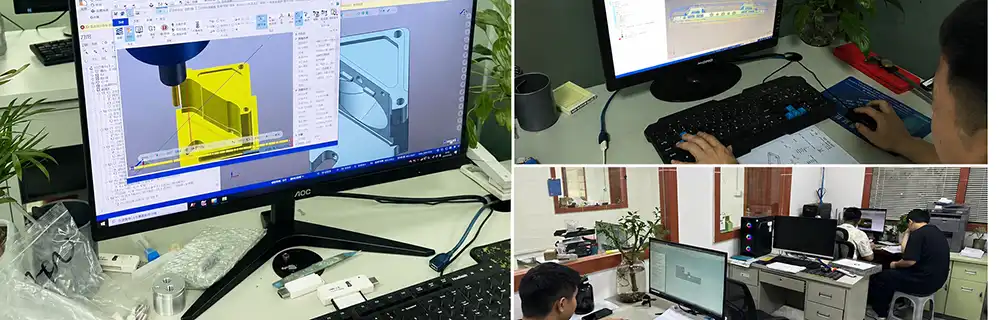
Misunderstandings don't happen when non-technical sales staff in Custom CNC Machining read models without knowing how they'll be used in production. Direct contact between engineers clears up these issues. Design for Manufacturability (DFM) research service providers look over submitted CAD files to find parts that make production harder or more expensive. Some suggestions could be to change the corner radii to fit standard tool sizes, the wall thickness to stop bending during machining, or to offer different materials that are easier to machine without lowering performance. This way of working together lowers project risk and speeds up the time it takes to get a product to market. This technical conversation is very helpful for mechanical design engineers and R&D managers because it helps them make sure that design choices are in line with the limitations of manufacturing in the real world.
Response Time and Project Coordination
Quickly sending out quotes shows that the company is efficient and puts the customer first. When suppliers give detailed quotes within 24 to 48 hours, buying managers can quickly weigh their choices and make decisions based on accurate information. Sample production times that range from three days for simple shapes to one week for complex parts make it possible to quickly test designs. To keep critical path activities going and avoid missing milestones, project managers who are in charge of handling product development plans need to be able to respond quickly. Communication routes are important. Having specific project contacts who understand your needs and keep you up to date on progress saves you the hassle of having to wait in long customer service lines to get information.
Quality Systems and Risk Mitigation
Future Trends and Strategic Recommendations for B2B Clients
Digitalization efforts and industry demands for more customization and response are speeding up the evolution of manufacturing technology. In markets that are always changing, procurement teams that set themselves up to take advantage of these trends will stay ahead of the competition.
Industry 4.0 Integration and Smart Manufacturing
When machining centers in Custom CNC Machining are connected and send output data to cloud-based analytics systems, it gives manufacturers a level of visibility that has never been seen before. Real-time dashboards show cycle progress, quality metrics, and machine usage, so problems can be fixed before they get worse. This openness helps operations managers keep an eye on batch production progress and project managers keep an eye on delivery dates. Communicating between machines automates tasks like moving materials, changing tools, and inspecting processes, which cuts down on human mistakes and work that needs to be done by hand. This leads to higher accuracy, faster throughput, and better resource usage, all of which lead to lower prices and more reliable delivery performance.
On-Demand Production and Supply Chain Flexibility
Problems with the global supply chain have shown how dangerous it can be to rely on a few suppliers and have long lead times. Distributed manufacturing networks bring production closer to where it will be used, which makes transportation easier and lowers the cost of keeping goods on hand. Being able to send CAD files digitally and start production at sites that are spread out physically lowers the risk of regional disruptions. Low-volume, high-mix production lets you customize products without having to spend a lot of money on tools like you used to have to for setup variants. This flexibility is especially helpful for R&D companies that are putting out new goods whose market acceptance is still uncertain and whose production numbers are hard to predict.
Data-Driven Decision Making
Manufacturers should give priority to providers who show they can be flexible and are always looking for ways to improve. Companies that invest in technology, work to improve processes, and offer training programs for their employees are showing that they are forward-thinking and ready to meet your changing needs. When you build partnerships instead of transactional relationships, you create places where people can work together and help each other succeed.
Conclusion
In conclusion, precision manufacturing in 2026 is a complex mix of high-tech machines, smart robotics, and engineering know-how that turns digital plans into working parts for many important industries, where Custom CNC Machining plays a central role. The change from simple machining to integrated production environments driven by AI, digital twins, and environmentally friendly methods solves long-standing problems with accuracy, speed, and ability to grow. To get around in this market, people who work in procurement need to look at suppliers as a whole, not just compare prices. They need to look at things like technical skills, how well they communicate, quality processes, and strategy alignment. The companies that do well in this market combine state-of-the-art tools with skilled engineering teams that can have the technical conversations and do DFM analyses that stop mistakes that cost a lot of money and shorten the time it takes to create new products. As Industry 4.0 technologies get better and more tailored are needed, partnerships with precise machining providers who can do the job well turn into strategic assets instead of just transactional vendor relationships.
FAQ
What materials work best for precision CNC operations?
Aluminum alloys like 6061 and 6082 are famous in aircraft and automotive applications because they are easy to machine, have high strength-to-weight ratios, and don't rust. Stainless steel types are better at resisting rust in medical and marine settings. Engineering plastics like PEEK, Delrin, and nylon are good for uses that need to keep electricity from getting through, fight chemicals, or lose weight. Brass is easy to work with and makes joints and parts electrically conductive. The material you choose will depend on the technical needs of your application, its exposure to the environment, government rules, and your budget.
How quickly can prototype samples be produced?
Lead times depend on how complicated the geometry is, how readily available the materials are, and how busy the factory is right now. Usually, simple parts made from standard materials are finished three to five days after the order is placed. Seven to ten days may be needed for complex shapes that need multi-axis machining, special tools, or longer inspection processes. When suppliers keep a stockpile of raw materials and offer fast services, they can sometimes meet urgent requests within 48 hours. Giving full CAD files, clear tolerances, and surface finish standards during the quote process speeds things up by getting rid of the need to clarify things.
What documentation should accompany my RFQ?
Detailed RFQs include CAD files in neutral formats (STEP or IGES), engineering drawings with dimensional tolerances and surface finish callouts, material specifications with grade designations, quantity needs for both prototype and production, and any other needs like certifications, inspection reports, or surface treatments. Marking important parts and useful sizes with notes helps factory engineers organize their efforts to keep tolerances within acceptable limits. When suppliers know about the working environment, mating components, and performance needs of an application, they can make better design suggestions.
Partner with RYH for Your Precision Manufacturing Needs
Finding a manufacturing partner with technical know-how, quick contact, and tried-and-true quality processes is important for getting precision parts. At RYH, our engineering team has an average of 15 years of experience in cutting. They do the DFM analysis and suggest materials that keep design changes and production delays from happening, which costs a lot of money and time. We make metal and plastic parts that are completely unique and based on your plans. We can help with projects from the first prototypes to mass production with uniform quality. Our multi-axis cutting can handle complicated shapes and close tolerances, and we offer a wide range of surface treatment choices, such as anodizing, electroplating, and FDA-compliant finishing, to meet the needs of a wide range of applications. As a Custom CNC Machining provider that values partnerships over deals, we offer quick quote turnaround and sample production within one week—often in just three days for simple parts. If you report a problem with the quality within a month, we will quickly remanufacture it and pay for faster shipping. This shows that we are responsible and committed to the success of your project. Email our team at bill@bldmachining.com to talk about how our precision manufacturing services can help you reach your development goals and meet your production needs.
References
1. Smith, J.R. & Chen, L. (2025). Advanced Manufacturing Technologies: CNC Machining in the Digital Age. Industrial Press, New York.
2. Anderson, M.K. (2025). "AI Integration in Precision Manufacturing: Performance Improvements and Implementation Strategies," Journal of Manufacturing Systems, Vol. 68, pp. 145-162.
3. European Aerospace Quality Organization (2024). AS9100 Rev D Implementation Guide for Precision Machining Operations. EAQO Publications, Brussels.
4. Williams, D.T. & Patel, S. (2026). Material Selection for CNC Applications: Engineering Properties and Machinability Factors. McGraw-Hill Education, Chicago.
5. International Medical Device Manufacturers Association (2025). ISO 13485 Compliance in Machined Component Production. IMDMA Technical Standards Committee, Geneva.
6. Thompson, R.L. (2025). "Digital Twin Applications in Subtractive Manufacturing: Process Optimization and Quality Control," Manufacturing Technology Review, Vol. 42, No. 3, pp. 78-94.