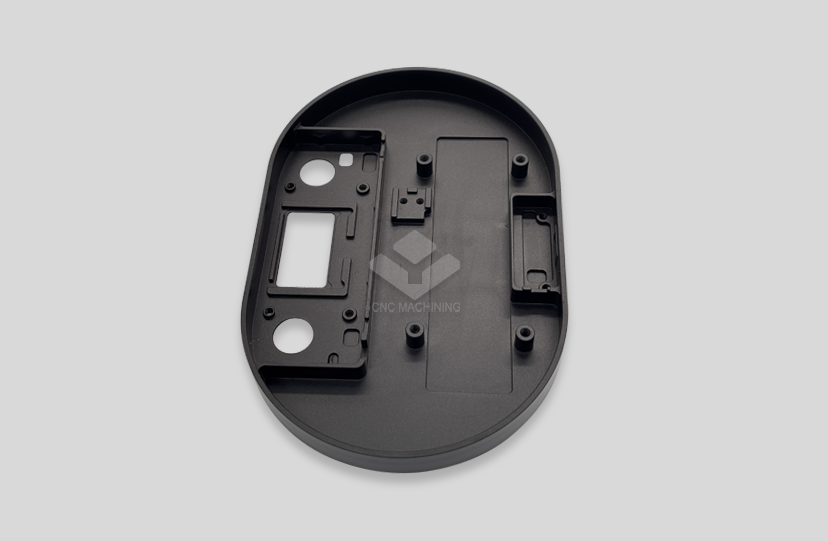
What is Precision Machining: Definition, Advantages & Applications
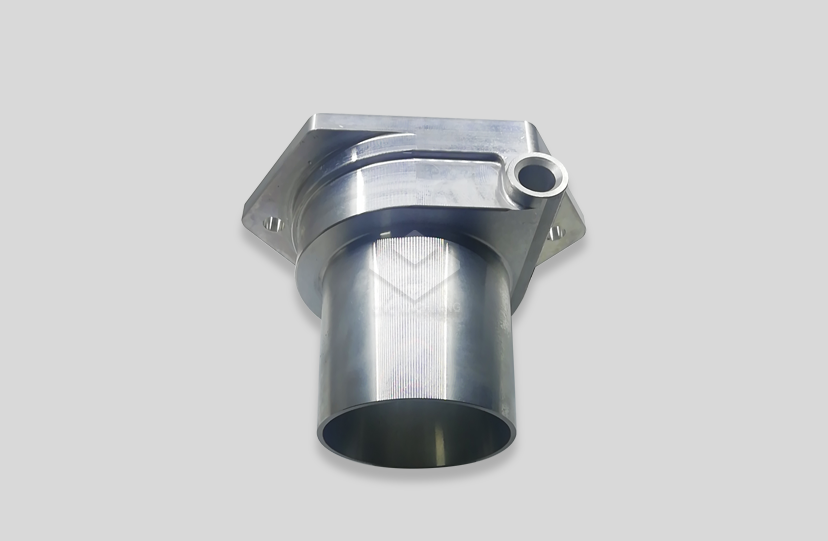
Precision cutting is a way of making things that make parts that are very accurate in terms of their dimensions and can be made over and over again. Computer Numerical Control (CNC) technology is at the heart of Precision CNC Machining. It automates complicated tasks and can achieve margins as small as ±0.005mm. High-performance manufacturing is different from traditional methods because it is so precise. This makes it necessary for businesses that need perfect usefulness. Aluminum metals, titanium, stainless steel, and engineered plastics are some of the raw materials that are turned into complex parts that meet strict requirements.
Understanding Precision Machining: Definition and Core Concepts
When we talk about precision cutting, we're talking about a unique way of making things that goes far beyond just removing material. For this process to work, every factor that affects the shape, finish, and strength of the finished part must be carefully managed.
The Role of CNC Technology in Modern Machining
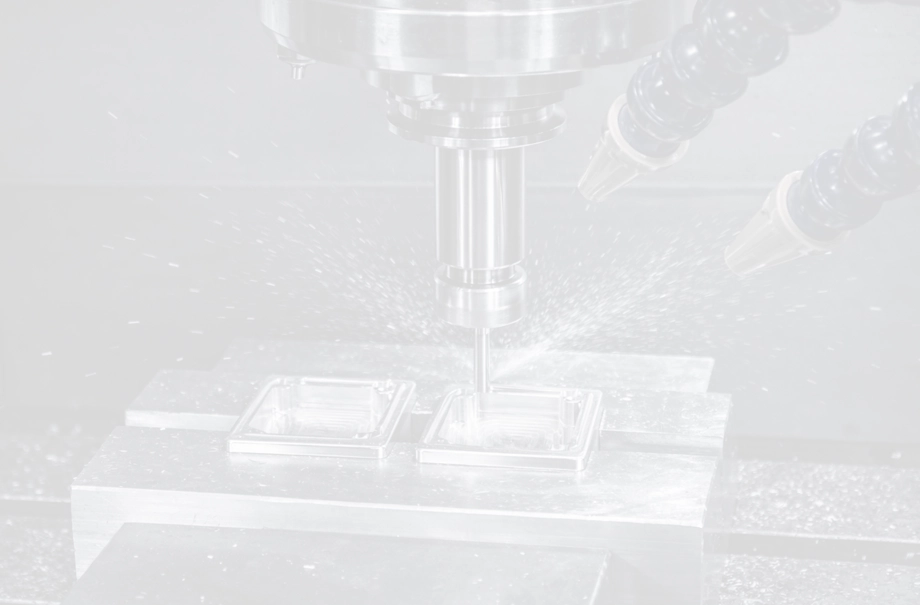
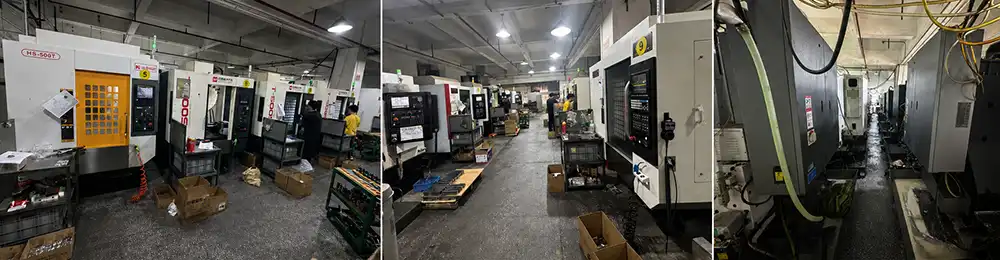
Computer Numerical Control has changed the way things are made by getting rid of mistakes that people make when doing the same thing over and over again. CNC systems read digital designs and carry out machining processes with incredibly fine detail, making sure that every part fits the blueprint perfectly. Multi-axis machining centers, which include everything from simple 3-axis mills to complicated 5-axis platforms, let makers make complex geometries in a single setup, which reduces the changes in size that come from moving the parts around. We've seen how this technology turns difficult projects into doable production runs. This is especially true when working with medical-grade PEEK plastics or aerospace-grade titanium, which need to be precise and use special tools.
Key Machine Types and Their Applications
In the world of precision manufacturing, each machine tool is used for a specific task. Horizontal mills are better for heavy-duty cuts on bigger pieces, while vertical milling centers are better at flat areas and pocketing. Turning centers make cylinder-shaped parts that are very closely centered, and Swiss-type lathes make small-diameter parts that have length-to-diameter ratios that can't be reached with other machines. Electrical Discharge Machining, or EDM, can work with hard materials and complicated internal spaces without putting any stress on the machine. Choosing the right tools depends on the complexity of the geometry, the hardness of the material, the tolerance standards, and the amount of production. These are all things that we talk about with purchase teams during the first engineering meetings.
Materials and Machinability Considerations
Choosing the right material has a huge effect on how things are machined and how precise they can be. Aluminum 6061-T6 is easy to make and has good strength-to-weight ratios and great anodizing properties. Although titanium Ti-6Al-4V is stronger than other metals, it creates a lot of heat when it is cut, so it needs special cooling strategies. Stainless steel 316 doesn't rust, but it does wear down tools quickly. Engineering plastics, such as Delrin and PEEK, are resistant to chemicals and don't conduct electricity. By knowing how these materials behave, we can suggest the best metals and production methods during design reviews. This keeps you from having to make expensive changes and makes sure that the production goes smoothly the first time.
Advantages of Precision CNC Machining for B2B Procurement
More and more, people who work in procurement see Precision CNC Machining as a strategic benefit, not just a way to make things. The benefits go beyond accurate measurements and include a reliable supply system, predictable costs, and the ability to change the design.
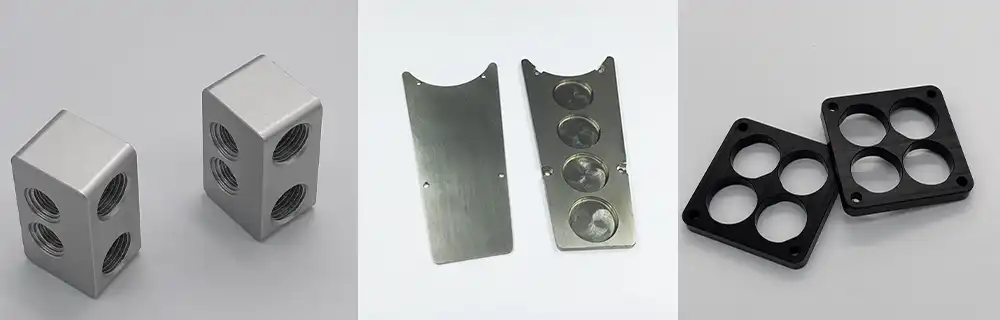
Automated CNC processes have huge benefits in a wide range of work situations. Unmatched dimensional accuracy makes sure that parts fit perfectly into systems. This saves time on installation by avoiding adjustments and lowers the number of guarantee claims from failures in the field. Instead of human processes that can be changed by the person doing them, quality control is based on scheduled operations that produce the same results on thousands of units. Cost effectiveness shows up across all batch sizes because CNC equipment can handle small prototype amounts cost-effectively and easily scales up to production numbers without the need for expensive retooling that is needed for molding or casting.
Complex math skills let designers make products that stand out in the market. Internal pathways for fluid distribution, compound angles for visual alignment, and thin-walled structures for weight reduction stop being just ideas and start being made. CNC cutting makes better surface finishes and tighter standards without the need for post-processing, compared to additive manufacturing. Precision cutting, unlike injection casting, doesn't need expensive tools, so it's possible to make small amounts of things at a low cost. This freedom is very helpful for R&D teams that are iterating on prototypes and for startups that want to see how the market reacts to their products before committing to building infrastructure for mass production.
Speed and Efficiency in Project Execution
Lead time has a direct effect on when products come out and how they compare to competitors. RFQs are answered within hours by modern CNC facilities, which give thorough quotes that take into account the cost of materials, the time needed for cutting, and the finishing needs. Usually, it takes three to seven days to make a prototype. This lets design feedback processes happen, which keep projects on schedule. Production runs start quickly because CNC programs made during development go straight to manufacturing, skipping the step of testing that comes with manual operations. When there are opportunities in the market or problems in the supply chain that affect other providers, this speed becomes very important.
Precision CNC Machining Applications Across Industries
Precision cutting is very useful because it can be used in many different areas, each with its own set of rules and performance standards.
Aerospace and Defense Applications
Precision CNC Machining is essential in aerospace manufacturing. Aerospace parts can't have any mistakes in their dimensions because they break in harsh conditions where they can't be replaced. To make turbine blades, complex airfoil shapes must be machined to micrometer-level accuracy, while wall thickness must be kept exact for heat management. To keep weight down while still withstanding huge loads, structural parts need to be made of high-strength aluminum alloys like 7075-T6 that have been cut with great care for grain direction and stress concentration points. Avionics housings protect sensitive electronics from interference by using carefully made shapes and conductive coatings to block electromagnetic fields. Our knowledge of AS9100-certified methods makes sure that traceability and compliance are maintained throughout production, meeting the paperwork needs of procurement teams.
Medical Device Manufacturing Requirements
Biocompatible materials, sterile production settings, and proof of regulatory compliance are all needed for medical uses. Precision CNC Machining is used in these processes. Surgical tools need to have mirror-finish surfaces that are easy to clean and don't let germs grow on them. Orthopedic implants must exactly match the shape of the bone and be made of titanium alloys that work with live tissue. Aluminum and plastic are used to make diagnostic equipment parts that are not magnetic and don't mess up image systems. Fluid handling manifolds with precise internal pathways that control chemical flow rates are built into lab equipment. We keep up our ISO 13485 certification and provide material certifications that show they are in line with FDA rules. This gives QA teams faith in the safety and accuracy of the parts they use.
Automotive and Electric Vehicle Components
Automotive engineering relies more and more on precise, lightweight parts that save fuel and increase the range of electric vehicles. Aluminum extrusions and CNC-machined end caps are used to make battery container designs that are strong in a crash and light. Thermal management systems use heat sinks with carefully made fin patterns that make the most of the surface area to get rid of heat. To make suspension parts that are both strong and light, they need high-strength metals and optimized shapes, which can be found using finite element analysis and made possible by precision machining. Through tight-tolerance fitting surfaces and threaded features, charging system housings keep out the weather and keep electricity from flowing. Our engineering help includes DFM analysis, which finds possible assembly problems early on so that expensive tooling changes don't have to be made during the ramp-up of production.
Choosing the Right Precision CNC Machining Service for Your Business
The choice of supplier has a big impact on the success of a project, changing quality, cost, schedule, and the stability of the supply chain in the long run. Procurement teams should look at more than just the price that was offered.
Certifications and Quality Control Protocols
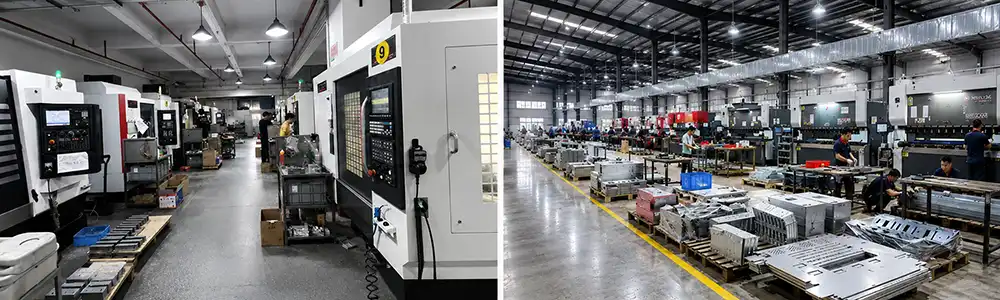
Manufacturers with a good reputation keep up with widely known certifications that show they control the manufacturing process and manage quality. ISO 9001 sets the bar for quality systems, and standards like AS9100 (aerospace) and ISO 13485 (medical) meet the needs of specific industries. Coordinate Measuring Machines check for accurate measurements, optical comparators check for shape geometries, and surface roughness testers measure the quality of the finish. Material certifications link the alloy's makeup to mill test results, meeting the standards for traceability. Testing with salt spray proves that the material won't rust in outdoor settings, and testing for hardness proves that heat treatment works. We keep track of these activities by writing detailed inspection reports that go with every package. This gives quality assurance teams proof that the goods are in line with expectations.
Engineering Support and Communication
When engineers talk directly to each other, there are no misunderstandings that happen on jobs in Precision CNC Machining that go through salespeople. During the review of quotes, technical talks often show ways to improve the design. For example, fillet radii can be changed to fit standard tools, wall thickness can be changed to make machining more stable, or cheaper materials with the same performance can be suggested. DFM analysis finds problems with manufacturability before production starts, which keeps plan delays from happening because of design changes. With this collaborative method, sellers become manufacturing partners who share their knowledge to improve the quality of the product while keeping costs low. Our team has an average of more than fifteen years of experience with machining. This means that they can bring real-world experience to design problems that academic analysis might miss.
Evaluating Lead Times and Capacity
Scheduling production has a direct effect on how long projects take and how much it costs to keep goods on hand. Understanding a supplier's capacity utilization helps predict delivery reliability—overcapacity may indicate financial instability, while full utilization suggests limited freedom for rush orders. For clear wait time quotes, it should be clear what the differences are between getting the materials, machining, finishing, and sending. For simple geometries, prototype plans usually last between three and seven days. However, complicated assemblies that need more than one process take longer. Production runs depend on the number of units ordered. For example, fifty units in a small batch might be finished in two weeks, but orders for 1,000 units need plans that last a month. We keep in touch with material sources to make sure we always have raw materials on hand, and our wide range of tools lets us balance workloads so we can stick to our schedules even during times of high demand.
Future Trends and Innovations in Precision CNC Machining
Manufacturing technology is still changing very quickly, which is good for companies that get on board early but hard for companies that stick to old ways of doing things. Keeping up with new technologies allows for strategy planning that keeps a competitive edge.
As companies try to meet environmental goals and comply with government regulations, sustainability factors are becoming more important in their purchasing decisions. Because extra material is removed as little as possible during near-net-shape production, precision machining naturally creates less trash than casting or forging. Coolant recycling devices cut down on the amount of fluid used and the cost of removal. Energy-efficient stepper drives and improved toolpaths make each component use less power. Material selection favors metals that can be recycled. For example, aluminum can be recycled over and over again without losing any of its properties, and bio-based resins are being used more and more in industrial plastics. We've put in place rules to reduce trash and get valuable chips back for recycling. This helps reach the goals of the cycle economy and lowers the cost of raw materials, which benefits customers by giving them lower prices.
Conclusion
Precision cutting is the key technology that makes it possible for new products to be made in the medical, automobile, electronics, and industrial equipment industries. When procurement workers know the differences between CNC skills, material properties, and quality control methods, they can choose suppliers who can meet the needs of the project. Dimensional accuracy, design freedom, scalable production, and fast prototyping are some of the benefits that help engineering teams make the next generation of goods. Industry 4.0 and efforts to be more environmentally friendly are changing the way things are made, but Precision CNC Machining keeps giving challenging users the dependability and performance they need.
FAQ
What tolerances can precision CNC machining realistically achieve?
Standard business limits are based on ISO 2768-m standards and offer accuracy of ±0.1mm, which is good for most uses. Using modern 5-axis tools and careful thermal management, high-precision processes can get to ±0.005mm on important features like bearing bores and mating surfaces. Tighter tolerances than functionally required raise costs without improving performance. That's why engineers should talk about which dimensions are truly important and need the highest level of accuracy while letting go of features that aren't necessary.
How does material selection affect machining lead time and cost?
Common metals, like aluminum 6061 and steel 1018, are easy to get from dealers, which lets projects get started quickly. Titanium, Inconel, and specialty plastics are examples of unusual materials that take longer to get and need special tools, which adds one to two weeks to the plan. Material hardness has a direct effect on cutting time. For example, soft aluminum can be machined five times faster than hardened stainless steel, which has a corresponding effect on suggested prices. When material choices are talked about during design meetings, often options with similar performance that are better in terms of time and money are found.
Can precision machining handle both prototype and production quantities economically?
CNC processes work well with a wide range of volume levels because the costs of programming are spread out over many volumes. Costs for prototypes include setup time and engineering help. Depending on how complicated the design is, costs can range from a few hundred dollars to a few thousand dollars. These set costs are spread out over many production runs, which lowers the price per unit by a large amount. For example, 100-unit batches might cost 30% less per piece than samples, and 1000-unit orders would be 50% less. Because it can be scaled up or down, CNC machining is cheaper for low to medium production rates because it doesn't need expensive equipment investments like molding or casting do.
Partner With RYH for Your Precision CNC Machining Needs
Choosing partners who understand both technology needs and business facts is important for manufacturing success. RYH has a wide range of Precision CNC Machining skills and has been working with engineers for nine years to help businesses around the world. Our team lets engineers talk directly to each other, without salespeople getting in the way of technical conversations. This lets us optimize designs in a way that makes them easier to make while keeping costs low. We work with metals and non-metals and have certifications for ISO quality standards, FDA compliance, and special surface processes like salt spray tests and anodizing.
Usually, prototype development takes one week, and simple shapes can be sent in three days, which speeds up the process of validating your product. We are very good at complicated machining processes and can meet unique needs that are hard for other providers to do. We can help with everything from small batches to large production runs. Global door-to-door operations make buying things from other countries easier, and our quality guarantee covers the cost of shipping and quick remanufacturing within one week if problems arise. As a Precision CNC Machining company with a lot of experience, we rely on long-term partnerships over short-term deals. Email us at bill@bldmachining.com to talk about how our skills fit with the needs of your project.
References
1. Kalpakjian, S., & Schmid, S. R. (2014). Manufacturing Engineering and Technology (7th ed.). Pearson Education Limited.
2. Groover, M. P. (2020). Fundamentals of Modern Manufacturing: Materials, Processes, and Systems (7th ed.). John Wiley & Sons.
3. American Society of Mechanical Engineers. (2018). ASME Y14.5-2018: Dimensioning and Tolerancing. ASME Standards.
4. International Organization for Standardization. (2019). ISO 2768-1:1989 General Tolerances - Part 1: Tolerances for Linear and Angular Dimensions Without Individual Tolerance Indications.
5. Society of Manufacturing Engineers. (2017). CNC Machining Technology: Fundamentals and Applications. SME Technical Publications.
6. Astakhov, V. P. (2018). Metal Cutting Mechanics, Finite Element Modelling. In Modern Machining Technology: A Practical Guide for Engineers and Manufacturers. Elsevier Science & Technology.