2026 CNC Machining Trends: 5 Key Shifts Defining Precision Manufacturing
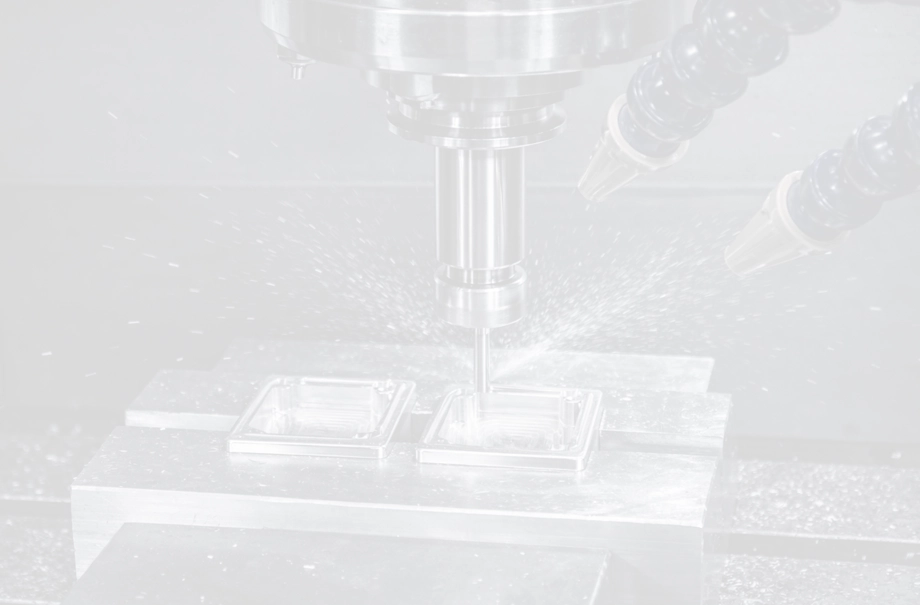
As we get closer to 2026, the world of precise production is changing quickly. New CNC Machining technologies are changing how parts are developed, made, and sent to different businesses. More and more customers want makers of everything from aircraft to medical devices to use tighter tolerances, faster response times, and more environmentally friendly ways to make their products. There are five major trends that are changing the limits of what can be done in subtractive production. These changes, which are caused by advances in artificial intelligence, material science, mixed production models, digital platforms, and concern for the environment, solve problems that buying teams and R&D engineers face every day. Figuring out these trends helps people make choices about which manufacturers can handle both present and future output issues.
Integration of AI and Machine Learning in CNC Machining
In precision production, artificial intelligence is no longer an idea for the future; it's already changing the way things are made. Machine learning systems look at tens of thousands of rounds of CNC Machining to find the best cutting parameters, tool paths, and spindle speeds right now. This feature solves a major problem: unpredictable tool wear and process variations cause parts to be thrown away and output to be held up.
Predictive Maintenance Reduces Downtime
Fixed times in traditional maintenance plans often cause parts to break down or need to be replaced before they should. Systems with AI look at patterns of shaking, changes in temperature, and sounds to figure out when a tool will break. Our engineering team has seen that clients who use predictive maintenance cut down on unexpected downtime by 30 to 40 percent. This has a direct effect on when prototypes and production runs are delivered. When a company that makes medical devices needed SS316 Swiss-machined parts with a surface finish of Ra ≤ 0.8 μm, predictive algorithms made sure that the business could keep running by planning tool changes for planned breaks instead of in the middle of production.
Adaptive Control Enhances Precision
Adaptive control systems change the cutting depth and feed rate based on data from sensors that are being read in real time. This technology is very useful when working with aluminum 6061 or other materials that expand when heated. Adaptive systems keep limits of ±0.02 mm throughout batch manufacturing by adjusting for changes in dimensions caused by temperature over long production runs. Aerospace companies that use this technology say that their first-pass yield and rework rates have gone down, which are important factors when making parts for UAV assemblies or satellite instruments.
When AI is added to machine processes, it changes how engineers do Design for Manufacturability (DFM). Instead of depending only on experience, machine learning models suggest changes to the design that make it easier to machine while still meeting the functional requirements. When our engineers work with companies that make automation equipment, they use AI-assisted DFM analysis during the quote phase to find problems with undercuts, thin walls, or hard-to-reach parts before production starts.
Advanced Materials and Machining Capabilities
Precision makers face both possibilities and obstacles as the number of engineering materials they can use grows. Many standard shops don't have the advanced tooling techniques and process knowledge needed to work with high-temperature alloys, composite structures, and specialized biomaterials. Multi-axis machining centers, especially those with 5 axes, can handle the complicated tool positions needed for these materials while keeping the surface's integrity.
Handling Difficult Materials Effectively
Titanium metals, Inconel, and hardened steels need to be cut under certain conditions so that the work doesn't get too hard and the tool doesn't break too soon. Our building has CNC Machining centers with high-pressure water systems and carbide tools that are made to work with these tough materials. When a company that makes car parts needed high-strength aluminum battery housing parts, our engineers adjusted the toolpaths to make the parts as cool as possible while still getting a Ra 1.6 surface roughness and keeping the dimensions stable over 500-unit production runs.
When it comes to delamination, fiber pullout, and matrix damage, composite materials are different from other materials. With precise feed rate control and specialized cutting tools with optimized shapes, damage to the base that could weaken the structure is stopped. Electronics companies that need to buy heat sinks or RF shielding parts benefit from cutting experts who know how the qualities of the material affect both the manufacturing process and the performance of the finished part.
Material Selection and Procurement Collaboration
When choosing the right material, you have to think about its cost, its practical qualities, and how well it will hold up in different environments. When choosing materials for new products, procurement managers often don't know what to ask for. This doubt can be solved by machining providers and design teams working together closely. We give you material certificates, choices that are FDA-approved for medical uses, and advice on cheaper alternatives that work just as well. When a business that makes lab instruments needed parts that met both mechanical strength and biocompatibility standards, our engineers suggested SS316 with an electroplated surface treatment. This gave them the corrosion protection they needed while also making the regulatory approval process easier.
Hybrid Manufacturing: CNC Machining Meets Additive and Laser Technologies
Hybrid production systems use both subtractive and additive methods on the same platform. This lets you make designs that aren't possible with either method alone. This convergence solves the usual dilemma between geometric complexity (which favors additive methods) and surface finish quality (which favors subtractive methods).
Optimizing Production Economics
Additive manufacturing is very good at making internal shapes, lattice structures, and conformal cooling channels that are too complicated to make in the usual way. To get the tight tolerances and smooth surfaces needed for fitting interfaces, sealing surfaces, and precision bearing fits, subtractive processes are used. By using both methods together, makers can make things that work better while using less material and taking less time to make.
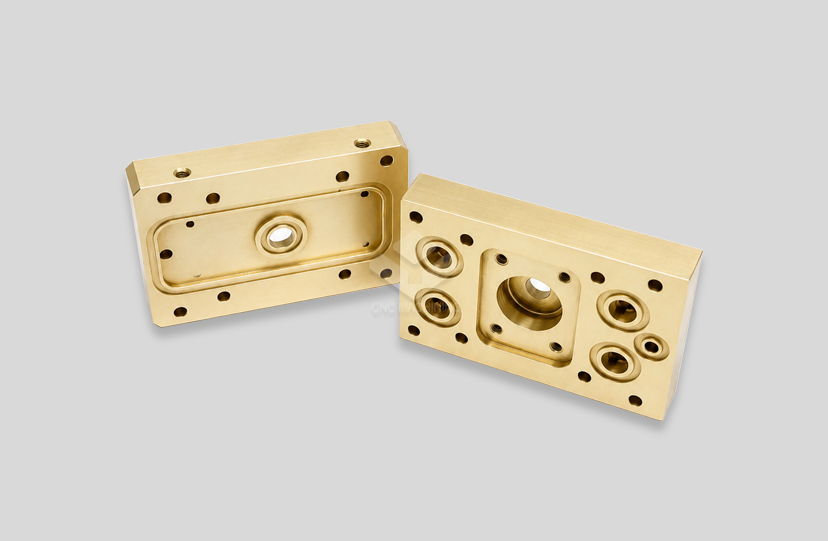
This benefit is clearly demonstrated in CNC Machining applications for industrial tools such as hydraulic valves. Additive manufacturing is used to create the mounting holes and internal flow channels, while critical surfaces are subsequently finished through CNC milling to achieve tolerances of ±0.01 mm and specified surface roughness requirements. Compared with traditional multi-operation manufacturing methods, this hybrid approach reduces lead time from 6 weeks to just 10 days.
Evaluating Supplier Capabilities
When looking for mixed manufacturing partners, procurement teams should look at more than just who owns the tools. It is necessary for operators to have technical knowledge in both the additive and subtractive fields. They need to know how the orientation of the build affects subsequent machining processes and how to create fixtures that can hold near-net-shape additive parts. During the quote process, our engineers look at CAD models to figure out which parts would be best made with straight machining versus additive creation. This helps them set up hybrid methods. This analysis helps with planning production and gives accurate lead times that take into account things like heat treatment, stress release, and surface finishes that need to be done after the product is made.
In mixed settings, quality assurance becomes more challenging. Inspection methods must verify both the integrity of the additive build and the accuracy of the features produced through CNC Machining. During the production process, we use CMM inspection, profile projectors, and surface roughness testers to ensure dimensional accuracy. This approach helps guarantee that parts manufactured through CNC Machining meet ISO 2768 standards or the specific drawing requirements provided by the customer.
Digitalization and Cloud-Enabled CNC Machining Services
Digital change includes more than just automating the shop floor. It also includes the whole process of buying things and making things. Cloud-enabled platforms let you see the progress of a project in real time, from the initial quote to the final shipment. This eliminates the communication problems that often happen in custom manufacturing relationships.
Enhancing Procurement Efficiency
The buying process goes a lot faster with online quoting tools that give quick DFM feedback. Instead of having to wait days for quotes to be reviewed by hand, procurement managers get rough price and lead time figures within hours. Our platform can read both 2D models (in PDF or DWG format) and 3D CAD files (STEP or IGS format). It instantly looks at things like hole depths, wall widths, and undercut shapes to find problems that might arise during manufacturing. Because of this quick feedback, design changes can be made before an official quote is approved, which shortens the overall project timeline.
Cloud-based project management tools keep track of everything, from the approval of raw materials to the final review. Industries that care about quality, like making medical devices and aircraft parts, need proof of process control and material history. Digital systems store certificates for materials, inspection reports, and process parameters. This makes compliance paperwork easy to find for customer reviews or regulatory checks. When a defense contractor needed to be able to fully track CNC-turned stainless steel 304 parts, our digital documentation system gave them approved material test results, data on dimensional inspections, and pictures showing the quality of the surface finish.
Remote Monitoring and Transparency
Production openness solves a common problem in procurement: not knowing how things are going with production. Our customers get pictures and videos of important production steps like the first item review, dimensional checks while the product is being made, and the final quality check before shipping. This level of visibility is especially helpful for foreign procurement teams that are in charge of handling global supply lines that span many time zones. Instead of depending on progress emails, project managers can get real-time reports through secure portals. This lets them plan ahead for things like customer deliveries or assembly operations that happen later.
Cloud-based CAM software supports collaborative design processes that make it easier for engineering teams and factory partners to talk to each other. Design changes are automatically shared, so people working on the shop floor can always look at the most recent version. Version control gets rid of the mistakes that cost a lot of money that happen when old plans are used in production, which happens a lot in settings where products are being developed quickly.
Sustainability and Energy Efficiency in CNC Machining
As companies try to meet their green goals and comply with regulations, environmental factors are becoming more and more important in their supplier selection choices. Machine tools that use less energy, strategies for reducing trash, and the use of recyclable materials are all signs that a maker is committed to using responsible production methods.
Implementing Sustainable Manufacturing Practices
Variable-speed drives, effective coolant systems, and rest mode automation all contribute to energy savings in modern CNC Machining machines. These changes lower running costs and lower the company's carbon footprint. Procurement teams that are thinking ahead know that these benefits are in line with long-term strategy goals. Our facility has improved toolpath techniques that cut down on the time needed for air-cutting and cycle times. This lowers the amount of energy used per component while increasing production capacity.
Cutting down on material waste is another area of focus for sustainability. Nesting algorithms make the best use of raw materials, which is especially important when working with expensive metals or special plastics. Coolant recycling systems, chip collection and recycling programs, and proper removal of cutting fluids are all examples of good environmental behavior that B2B clients who are under pressure from stakeholders to make their supply chains more sustainable will appreciate.
Meeting Compliance and Market Expectations
Environmental statements and sustainable buying methods are becoming more and more required by regulations. RoHS and REACH compliance rules are very strict in Europe. In North America, car providers must meet IATF 16949 environmental standards. Partnering with machining providers that have ISO 9001 certification and show they are committed to ongoing environmental improvement lowers the risk of not meeting regulations and improves the image of the brand.
In addition to meeting legal standards, environmental qualities are becoming more and more important for market differentiation. Electronics companies that sell goods with environmental claims need providers that can show that their entire supply chain uses sustainable production methods. When we anodize and sandblast aluminum 6061 parts, we use chemicals that are safe for the environment and create as little toxic waste as possible while still giving the parts a great finish and protecting them from rust. Companies that want to sell their goods to people who care about the environment can benefit from working with suppliers that can back up their claims of sustainability with proven manufacturing practices.
Why These Trends Matter for Your Production Strategy
When choosing factory partners, buying professionals, R&D engineers, and operations managers can make better choices if they know about these five trends. What competitive precision manufacturing looks like today is a mix of AI-driven optimization, improved material properties, hybrid production methods, digital communication tools, and environmentally friendly practices.
Companies that make industrial automation equipment, medical instruments, aerospace parts, or electronic assemblies all have to deal with the same problems: short development cycles, strict quality standards, complicated geometries, and different production volumes that can range from small prototypes to large batches. The best machining partners have professional know-how, good communication, flexible output capacity, and a dedication to always getting better.
Our team knows that tools alone aren't enough to make long-term relationships work. When technical standards are translated by salespeople, information is lost. Direct contact between engineers keeps that information from being lost. When an automotive supplier needed precision battery equipment parts, our engineers took part in design reviews, suggested cheaper materials that wouldn't hurt performance, and changed tolerances when manufacturing issues allowed. In the end, they delivered parts that worked as needed at 15% less cost than was estimated at first.
Conclusion
As technologies get better and market needs grow, the precision production industry continues to change quickly. CNC Machining is evolving alongside these changes, with the integration of AI, advanced material expertise, hybrid manufacturing methods, digital platforms, and sustainability initiatives becoming essential rather than optional. These trends directly address the challenges procurement teams frequently face, including communication barriers, quality uncertainty, unpredictable lead times, and difficulties scaling from prototypes to full production. By demonstrating expertise in these areas, manufacturers position themselves as true engineering partners capable of supporting product development from the initial concept stage through mass production.
FAQ
What tolerance levels can modern CNC machining achieve reliably?
For metal and steel parts, modern CNC Machining centers regularly keep tolerances of 0.02 mm, and for small-diameter precision parts, Swiss-type turning can reach 0.01 mm. Tolerance varies depending on the qualities of the material, the shape of the feature, and how stable the temperature is during cutting. Our inspection procedures, which use CMM equipment, make sure that the dimensions are correct before the goods are sent out. Inspection reports compare the real measurements to the drawing specs.
How quickly can prototypes be produced using current CNC technology?
It depends on how complicated the part is and how readily available the material is, but easy aluminum 6061 samples are usually done three to five days after the order is confirmed. It could take 7–10 days for more complicated shapes that need 5-axis cutting or for difficult materials like titanium. During the quote process, digital CNC technology systems give project managers accurate lead time estimates that help them make good plans for development schedules.
What surface finish options are available for machined components?
Depending on the tooling and settings used, CNC Machining can make as-machined finishes from Ra 1.6 to Ra 3.2. Secondary processes like anodizing, sanding, polishing, and electroplating improve the look, resistance to rust, or functionality of the product. Type II and Type III anodizing for aluminum, passivation for stainless steel, and different finishing choices for specific uses that need electrical conductivity or wear resistance are some of the surface treatments we can do.
Partner with RYH for Advanced CNC Machining Solutions
At RYH, we offer precise manufacturing services that help companies that make industrial equipment, medical devices, parts for cars, and electronics deal with the new problems they face. We have 3-axis, 4-axis, and 5-axis machining centers that can work with aluminum 6061 to stainless steel 316. They can keep tolerances of ±0.02 mm and finish surfaces as fine as Ra 0.8 μm. Every job is backed by over 15 years of engineering experience, and our team uses direct technical communication to avoid costly mistakes. We are great at working with complicated shapes, difficult materials, and a range of production numbers, from small samples to large batches. Our digital CNC Machining process gives you real-time updates on the project, records of inspections, and clear production information that boosts trust across your supply chain. Quality systems that are ISO 9001-certified, quick quotes, and samples that are ready in one week all help to meet tight development plans. If you need a reliable provider for ongoing production or a manufacturing partner for difficult prototype development, please contact our engineering team directly at bill@bldmachining.com to discuss your next project.
References
1. Anderson, T. (2025). Artificial Intelligence Applications in Precision Manufacturing: Predictive Maintenance and Adaptive Control Systems. Journal of Manufacturing Technology Research, 41(3), 127-145.
2. Chen, L., & Martinez, R. (2025). Advanced Materials Processing in Multi-Axis CNC Machining: Techniques for Composites and High-Temperature Alloys. International Journal of Production Engineering, 58(2), 89-104.
3. European Manufacturing Association. (2025). Hybrid Manufacturing Systems: Integrating Additive and Subtractive Technologies for Industrial Applications. Brussels: EMA Technical Publications.
4. Hoffman, K. (2026). Digital Transformation in Contract Manufacturing: Cloud Platforms and Supply Chain Visibility. Manufacturing Operations Quarterly, 19(1), 34-52.
5. National Institute of Standards and Technology. (2025). Sustainability Standards for Precision Machining Operations: Energy Efficiency and Waste Reduction Guidelines. NIST Special Publication 1500-12.
6. Williams, J., & Nakamura, H. (2025). CNC Machining Technology Roadmap 2025-2030: Emerging Trends in Precision Manufacturing. Tokyo: Asia-Pacific Manufacturing Research Institute.