What is Swiss Machining? The Ins and Outs of Swiss-Type Lathes
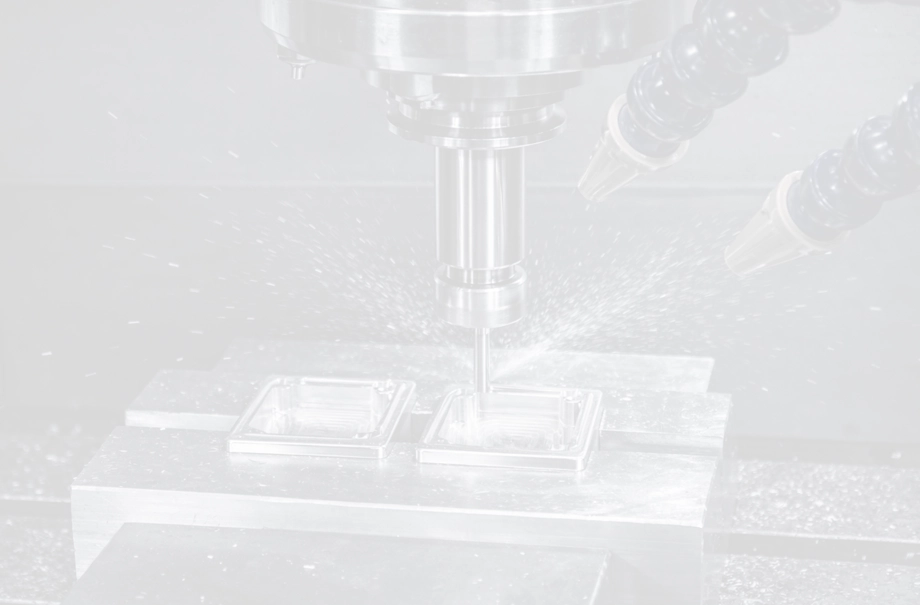
The term "Swiss Machining" refers to a specific method of turning things very precisely that comes from Switzerland's famous watchmaking industry. This method uses Swiss Machining with a moving headstock and a guide screw to hold the material in place while it is being cut. This lets makers make small parts with very accurate measurements and a smooth surface. This technology is very good at keeping tolerances as tight as ±0.01 mm while turning, cutting, and grinding parts that are usually up to 25 mm in diameter all at the same time. This method is used a lot to keep quality high in both prototype and high-volume production settings in industries that need micro-precision parts, like aircraft, electronics, medical devices, and instruments.
Understanding Swiss Machining: Definition and Core Process
Origins and Evolution
Swiss Machining has its roots in the Swiss watch industry of the 1800s, when skilled craftsmen had to make small, complicated parts with repeated accuracy. With older lathes, it was hard to make thin parts because material that wasn't supported would bend when cut, which made the accuracy worse. This problem was solved by Swiss engineers who made machines with guide bushings close to the cutting zone. These bushings kept the part stable during the process. Over many years, these machines have changed from simple machines that were built by hand to complicated CNC-controlled machines that can work with a wide range of materials and complex shapes.
Core Components and Mechanisms
Several important technical traits set Swiss Machining apart from other types. The moving headstock sends bar stock through a fixed guide bushing. This holds the material tightly near the cutting area so that it doesn't move or bend too much. Cutting tools can contact the workpiece just millimeters from the support point in this design, which makes it much more rigid. Several tool holders placed around the bushing allow multiple operations to be done at the same time. For example, one spindle can turn an outer circle while secondary tools drill cross holes or mill flats. This ability to do more than one thing at once cuts down on cycle time and gets rid of the need to move parts between machines, which keeps the dimensions the same.
Materials and Applications
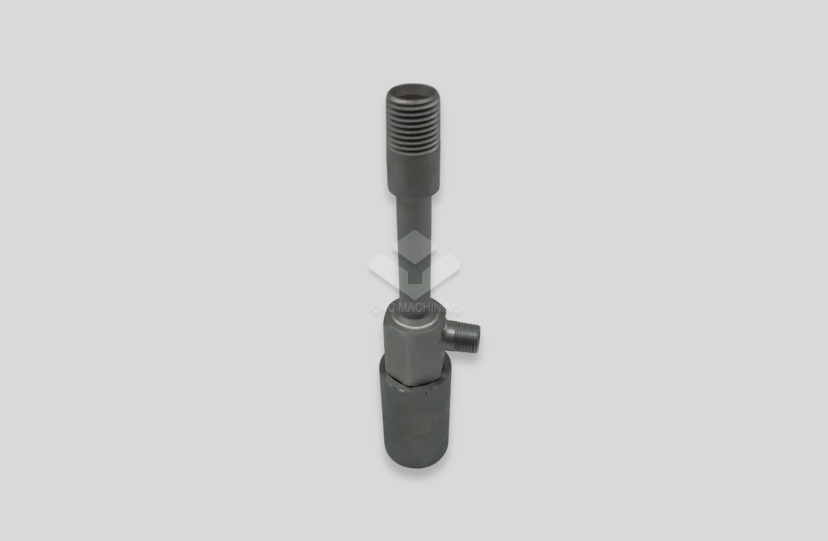
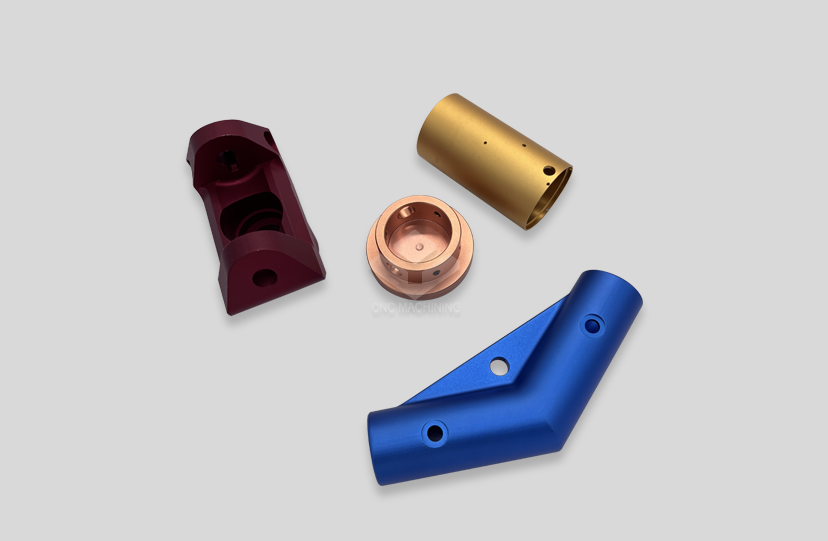
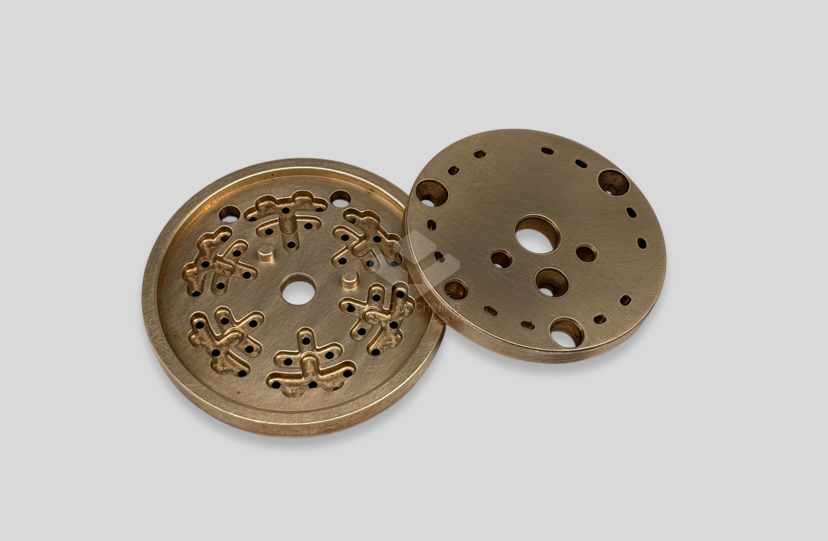
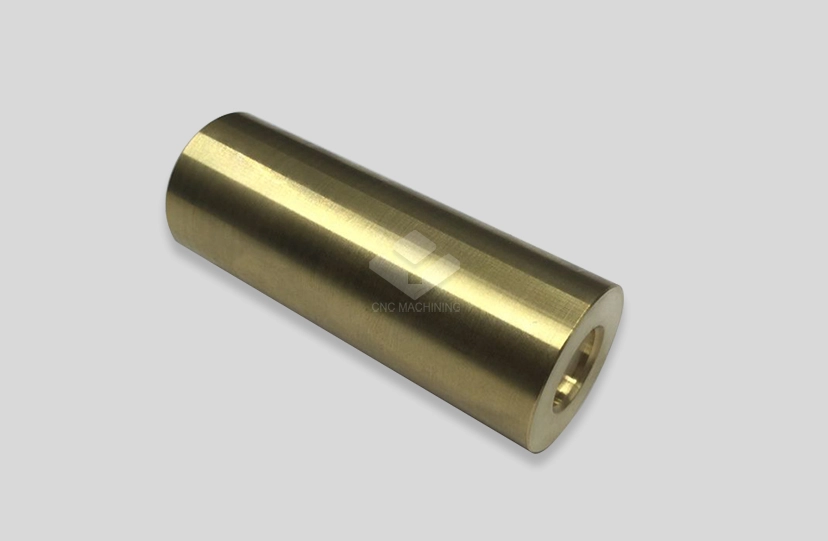
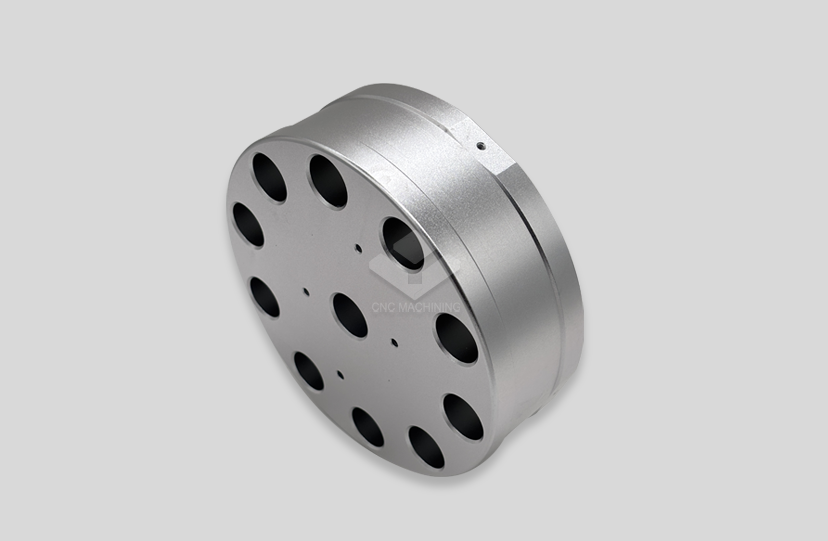
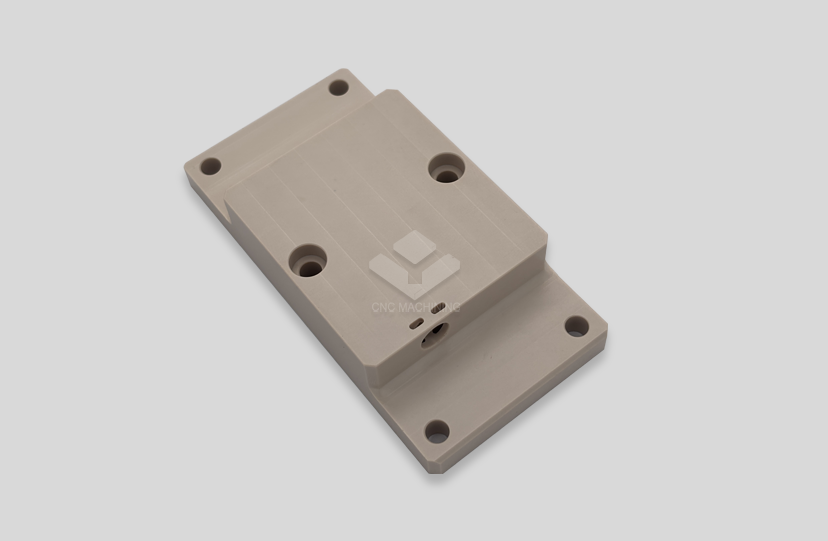
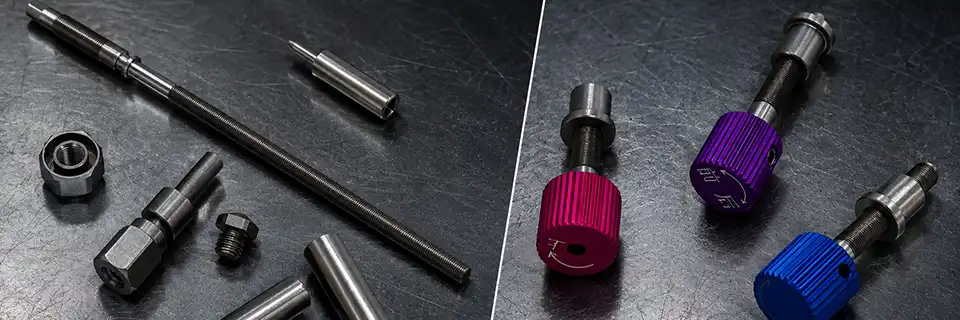
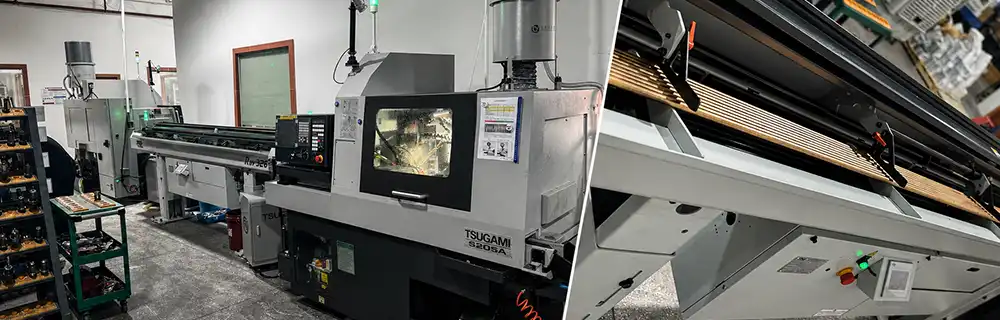
Swiss Machining can be used with a huge variety of materials that are important for modern production. Because they are biocompatible and don't rust, stainless steel types like SS316 are used most often to make medical devices. Aluminum alloys like 6061 are used in electronics and aircraft, where strength at a low weight is important. Brass is great for making a lot of connector pins and valve parts because it cuts easily and doesn't wear down tools very quickly. Aside from metals, industrial plastics like PEEK and Delrin are also used to make chemical-resistant and insulating parts. Our building has six Swiss Machining CNC lathes that are specifically designed to work with SS316 parts up to 25 mm in diameter. The surface roughness is kept at or below 0.8 μm by carefully controlling the cutting settings and choosing the right tools.
Swiss Machining vs Traditional and CNC Machining: Key Comparisons
Precision and Support Mechanics
In traditional turning centers, workpieces are held in a fixed chuck, and cutting forces are resisted by the stiffness of the material. This method works well for short, thick parts, but not when the length-to-diameter ratio is more than 3:1. The unsupported section bends, which leads to taper and measurement mistakes. Swiss Machining gets around this problem with constant guide bushing support, which keeps the dimensions accurate even on thin pins 50 mm long and 2 mm wide. Independent tests show that Swiss technology keeps tolerances within ±0.01 mm even when making more than 10,000 pieces, while older methods have trouble keeping tolerances within ±0.05 mm in the same situations.
Operational Efficiency
Usually, traditional cutting needs more than one setup. For example, a part might be turned, then moved to a milling machine for flats, and finally to a third machine for drills. Each handling causes mistakes in placement and adds time to the lead time. These tasks can be done by Swiss Machining in a single setup, thanks to synced tool movements set up in the CNC processor. Our engineering team has found that this method cuts cycle times by 40–60% compared to traditional multi-operation ways. This means that prototypes are delivered faster, and the cost per unit is lower for mass production. This speed helps procurement managers a lot, especially when they have to stick to tight project plans and budgets.
Material Waste and Economics
Swiss Machining has bar stock filling methods that make the best use of the material they use. Parts are made one after the other from a continuous bar stock. Parting tools remove finished parts so that the next piece can be processed. This method doesn't make much waste besides short-end scraps. Individual pieces have to be cut to length before they can be machined on traditional turning lathes. This process often wastes 15 to 20 percent of the material. This difference in trash has a big effect on the project's costs when it comes to expensive metals like titanium or medical-grade stainless steel. Also, because Swiss Machining can finish parts without doing any extra work, the staff costs that come with handling parts and making setting changes are eliminated.
Advantages and Capabilities of Swiss Machining for B2B Procurement
Repeatability is needed for precision production, and Swiss Machining always delivers. During production runs, our quality control methods check the accuracy of the dimensions. Micrometers and optical comparators are used for in-process readings to make sure that every part meets the requirements. We keep tolerances of ±0.01 mm when working with SS316 medical device parts across runs of 5,000 units. This is proven by the coordinate measuring machine (CMM) inspection results we give to customers. This regularity gets rid of the need for expensive rework and lowers the number of assembly failures that happen later on in projects that use less strict machining methods.
Because Swiss Machining can work with a wide range of materials, it can be used in many different industries. Automobile companies buy precise fuel injector parts that need to be resistant to rust and keep their shape even when the temperature changes. Aerospace suppliers need hydraulic systems to have light metal parts with a lot of complicated internal pathways. Electronics makers need metal connecting pins that meet strict requirements for electrical conductivity and positional accuracy. Our six Swiss Machining CNC lathes can handle all of these different needs thanks to the twelve years of experience we have gained in optimizing tools and controlling process parameters. During design review, engineers talk to customers directly and suggest changes to the geometry or materials that make the design easier to make without affecting its function.
Scalability from concept to production is one of the most important benefits of buying something. Usually, development projects start with 10 to 50 sample parts that are tested to make sure they work. After that, they move on to pilot runs of 500 to 1,000 units, and finally, they hit steady production levels of 10,000 or more pieces per month. This whole range can be handled by Swiss Machining without having to change any tools or pay a lot of money for retooling. Our team gives quotes within 24 hours and usually sends prototype models within three to seven days, which shortens the time it takes to build a product. If there are problems with the quality, we promise to remanufacture new parts within one week and pay for the shipping. This is a promise that is backed by ISO 9001 certification and shown in customer service records from hundreds of projects.
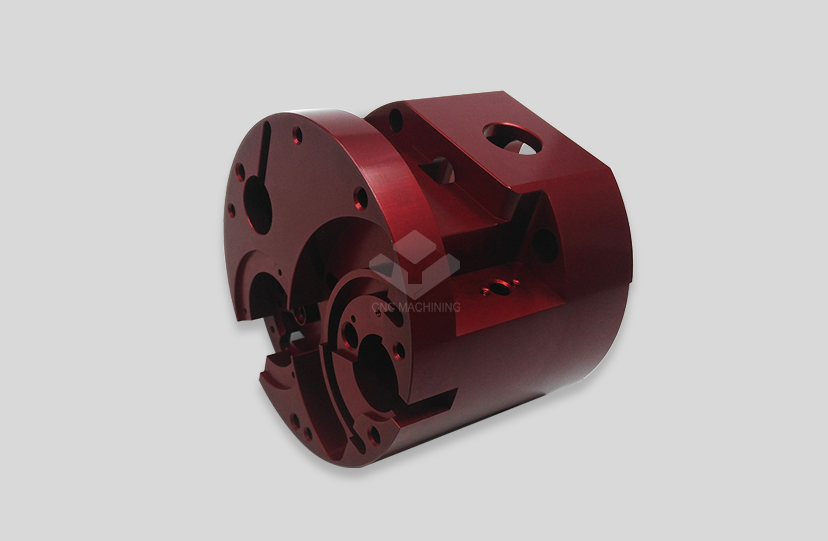
Swiss Machining technology makes it easy to work with complicated shapes that are hard to do with other methods. In a single setup, cross-drilled holes that cross over turned diameters, off-axis milling features, and threaded sections can all be made. Companies that make medical instruments get surgical tool parts that have coolant openings inside and sides that are precisely ground. Robotics engineers choose actuator shafts that have metric holes, keyways, and eccentric journals altogether. On regular machines, these parts would need four or five processes, which would add up to placement mistakes. Because the part never leaves the spindle until it's finished, Swiss Machining can keep geometric connections within microns while they work.
How to Choose the Right Swiss Machining Supplier: A Procurement Guide
Certifications and Quality Systems
If a seller has ISO 9001 certification, it means they have written quality management methods in place that cover everything from tracking materials to final inspection procedures. Manufacturers of medical devices should check that their sources have the right licenses to work with FDA-compliant materials that have the right certifications. Aerospace and defense companies often need AS9100 certification to show that they follow quality standards specific to their business. Get copies of the most recent certificates and audit reports, and then use the records of the certifying body to check the state of your registration. Third-party audits of our plant once a year make sure it meets ISO 9001 standards, and we send material certifications that can be tracked back to mill test results with every shipment of stainless steel.
Technical Communication Capabilities
Engineering help is what sets strategic manufacturing partners apart from skilled machine shops. During the quotation step, procurement pros should look at how sellers answer technical questions. Can you talk to machinists and engineers directly, or do you have to go through sales reps who don't know much about manufacturing? Our Swiss Machining method gives buyers direct access to experts who have, on average, more than fifteen years of experience with precision machining. During the design review, we find tolerance callouts that go beyond what is needed to meet functional standards. This lets us cut costs without sacrificing performance, and we offer geometric changes that make it easier to access tools or shorten cycle times. This joint method has solved hundreds of problems with making the product before it goes into production, which has kept costly delays from happening.
Process Transparency and Verification
Being able to see how the production is going builds trust in the supplier's ability and commitment to quality. Ask for views of the facility, either in person or through videoconferencing, to see how the equipment is maintained, how well the building is kept, and how inspections are done. Ask to see the written steps for inspecting the first item, measuring often while the product is being made, and doing the final quality checks. Customers can see pictures and movies of their exact parts being machined, which shows that the setup is accurate and that the process is being controlled. This openness also includes inspection data; every package comes with dimensional reports that show how the real measures match up with the drawing specifications. This makes it possible to track the goods and meet audit requirements.
Volume Flexibility and Lead Time
When the needs of a project change, providers must be able to adapt without stopping work. Check to see how possible partners handle changes in volume—can they go from 100 pieces to 5,000 pieces without adding extra time to the wait time or raising the price? Our Swiss Machining capacity can handle both low-volume custom runs and steady high-volume production. We can also accommodate rush orders when project deadlines are tight by being flexible with our schedule. Depending on how complicated the order is, prototype samples usually ship within a week. Lead times for orders of 1,000 to 10,000 pieces are two to three weeks. This responsiveness is especially helpful for companies and R&D teams that have to meet tight deadlines for development.
Future Trends and Innovations in Swiss Machining
Integration of automation keeps changing the settings of precision production. More and more modern Swiss Machining has robotic part handling systems that unload produced parts and add bar stock without any help from a human. This lets production run without interruptions during the second and third shifts. Industry 4.0 communication lets you see spindle loads, tool wear, and measurement trends in real time. Data analytics can also tell you when maintenance is needed before they happen. These features lower the cost per unit while increasing quality consistency. This makes Swiss Machining economically possible for even bigger part diameters that were traditionally the domain of traditional turning centers.
As the need for miniaturization grows, technology keeps getting better. Electronics companies need connector pins with a width of less than 1 mm and tolerances of less than 1 micron. Medical device companies, on the other hand, are making barely invasive tools that need unprecedented accuracy. As a response, Swiss Machining makers have improved the accuracy of the spindle, made it more stable at high temperatures, and made micro-machining tool holders that can place cutters with nanometer precision. These improvements in mechanics are backed up by advances in material science. For example, new coatings on cutting tools make them last longer when working with tough metals, and process tracking systems find tiny changes in dimensions before they become nonconforming parts.
Concerns about sustainability affect how many things are made in all kinds of businesses. Because Swiss Machining processes bar stock efficiently and finishes parts in a single setting, there is little waste. This fits with the company's efforts to reduce its environmental impact. Near-net-shape production gets rid of secondary tasks that use extra energy, and predictive maintenance that extends the life of equipment cuts down on the resources needed to replace machines. When buying teams try to balance performance needs with environmental responsibility standards, they give more weight to suppliers who use sustainable practices like properly getting rid of coolants and running their facilities in a way that uses less energy.
Conclusion
In conclusion, Swiss Machining is the most accurate and efficient way to make small parts for the medical, aircraft, automobile, and electronics industries. Knowing what this technology can do, like how it supports guide bushings and how it can do multiple operations at once, helps buyers match manufacturing methods with project needs. The process is great at keeping tight standards, working with a wide range of materials, and going from a pilot to mass production without lowering the quality. In a production environment that is becoming more competitive, choosing providers with the right certifications, direct technical contact, and clear process openness is key to project success and long-term relationship value.
FAQ
What size range is suitable for Swiss turning?
Swiss Machining works best with parts that are up to about 25 mm in diameter, but some more modern machines can handle bar stock up to 32 mm or 38 mm in diameter. The technology works especially well when the length-to-diameter ratio is greater than 3:1. This is when normal spinning fails because of displacement and inconsistent dimensions.
What advantages does Swiss turning offer over conventional methods?
Guide bushing support stops the item from bending while it's being cut, which lets you get better surface finishes and tighter measurements. With multi-operation capability, parts can be finished in a single setup, which cuts down on cycle time and gets rid of the need to move parts between machines and make mistakes with their placement. When bar stock is processed efficiently, less material is wasted.
How do you achieve high precision in Swiss turning?
Precision comes from a number of factors working together: guide bushing support keeps the material stable near the cutting zone; rigid machine construction reduces vibrations; CNC programming controls tool paths to within microns; and in-process measurement checks dimensions as the machine is being made. Long-term uniformity is kept up by facilities that control temperature and regular machine testing.
Why use aluminum for Swiss turning projects?
Aluminum is great for fast development and large production runs that need to be finished quickly because it can be cut at high speeds and has great surface finish properties. The material is lightweight, which makes it useful for electronics and aircraft. Anodizing gives it corrosion protection and a different look. The cost of materials is still low compared to stainless steel and other rare metals.
Why is brass suitable for Swiss turning operations?
Brass is easy to machine and doesn't wear down tools quickly, so it can be used for longer periods of time before it needs to be changed. The material naturally has smooth surfaces and stays stable in its dimensions. Brass is great for electrical components and connector pins because it conducts electricity well. It is also good for water tools and medical uses because it kills germs.
Partner with RYH for Expert Swiss Machining Solutions
Precision Swiss Machining is what RYH does best for parts made of stainless steel, aluminum, and brass that are used in medical devices, aircraft, cars, and electronics. Our six Swiss Machining CNC lathes can make parts up to 25 mm in diameter, with surface finishes that are Ra ≤ 0.8 μm and limits of ±0.01 mm. As an experienced Swiss Machining manufacturer that has been around since 2008, we offer direct engineer-to-engineer contact for design optimization, DFM analysis, and process planning. This cuts out the problems that come up when projects go through sales middlemen. Three to seven days are needed to deliver test models, and our team responds quickly to quotes, usually within 24 hours. Photos and movies of your parts being machined are part of production openness. This helps you trust our quality systems and process control. Our dedication to accurate measurements and material tracking is backed up by our ISO 9001 certification. Get in touch with bill@bldmachining.com to talk about your Swiss Machining needs and find out how our technical know-how and flexible capacity can help with projects from the first prototype to ongoing volume production.
References
1. Boothroyd, G., & Knight, W. A. (2006). Fundamentals of Machining and Machine Tools. CRC Press.
2. Stephenson, D. A., & Agapiou, J. S. (2016). Metal Cutting Theory and Practice. CRC Press.
3. Society of Manufacturing Engineers. (2015). Precision Machining Technology. Cengage Learning.
4. Astakhov, V. P. (2010). Geometry of Single-Point Turning Tools and Drills: Fundamentals and Practical Applications. Springer.
5. Krar, S. F., Gill, A. R., & Smid, P. (2019). Technology of Machine Tools. McGraw-Hill Education.
6. Groover, M. P. (2020). Fundamentals of Modern Manufacturing: Materials, Processes, and Systems. Wiley.