The Ultimate Guide To How CNC Milling Works: Process And Principles
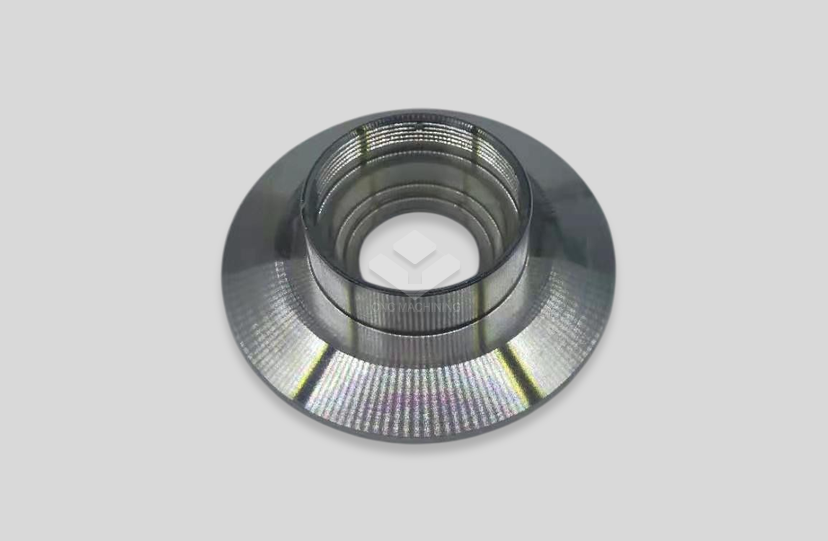
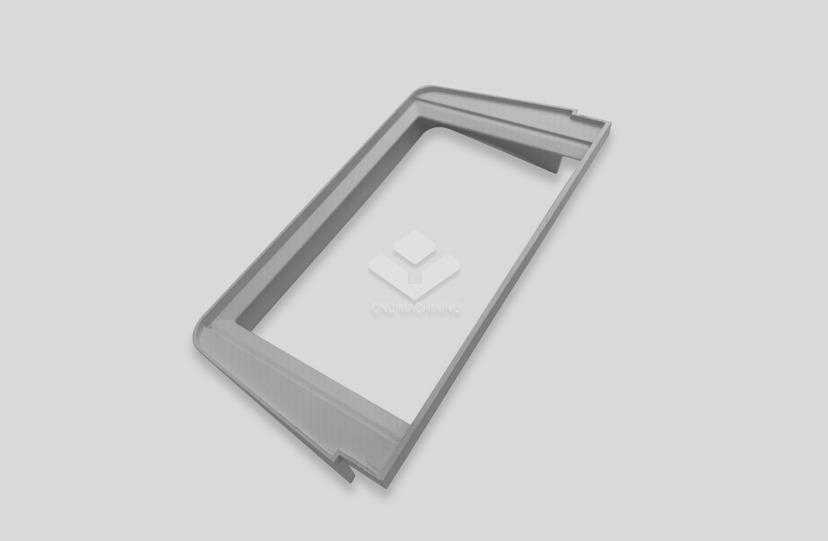
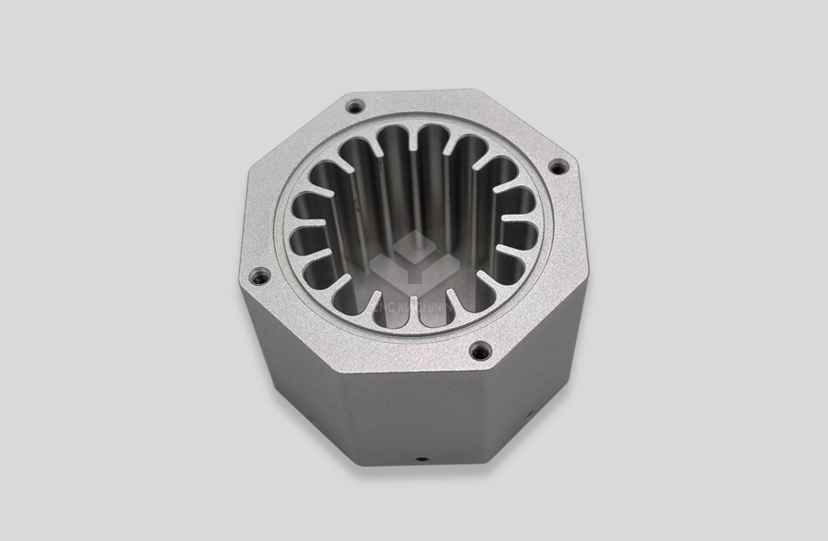
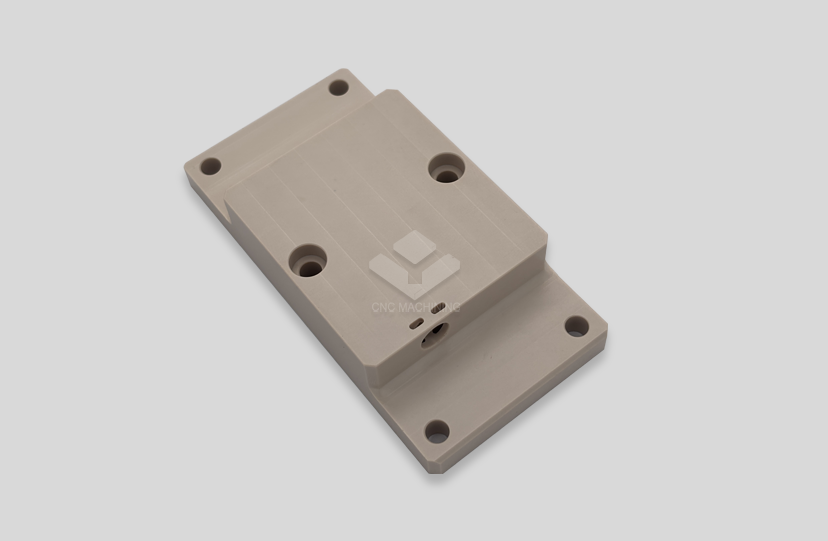
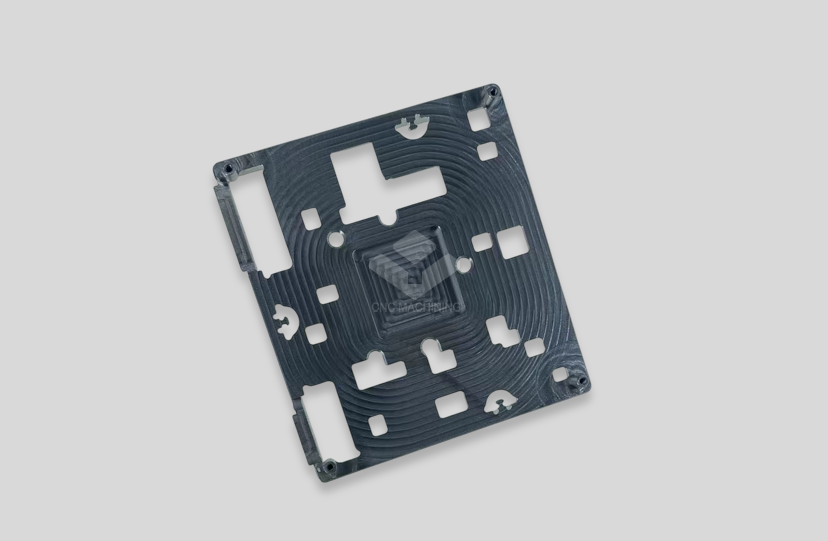
Precision cutting is an important part of modern industry, and learning how advanced subtractive processes work can change how much you can make. CNC Milling is a computer-controlled production technique in which rotating cutting tools are used to take material from a workpiece in an orderly manner, producing complicated shapes, flat surfaces, slots, and curves with a high degree of precision. Unlike human work, this automatic method can achieve tolerances of up to ±0.02 mm and surface finishes of Ra 0.8–1.6 μm. This makes it essential for businesses that need consistent, reliable results with aluminum, stainless steel, brass, copper, and engineering plastics like PEEK and PTFE.
Understanding CNC Milling: Fundamentals and Process
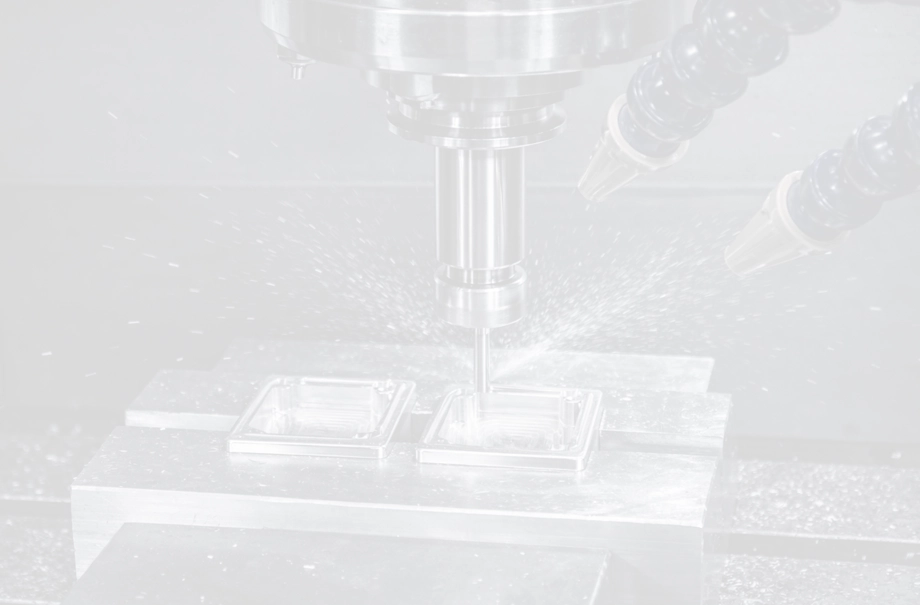
At its core, CNC Milling is a type of subtractive manufacturing. To make finished parts from raw materials, controlled machines make precise toolpath movements. Engineers start the process by turning CAD models into G-code instructions. These tell the machine's spindle and table how to move along multiple directions. End mills, face mills, or ball-nose cutters that rotate around the object at set speeds and feed rates remove material bit by bit until the desired shape is achieved.
How CNC Milling Differs from Related Manufacturing Methods
For cylinder-shaped parts, CNC turning turns the workpiece around a stable cutting tool. Milling, on the other hand, turns the tool around while the object stays on the table. When milling by hand, the depth, speed, and placement have to be changed all the time by an operator. This introduces human error and limits the level of complexity. These flaws are gone with automated milling, which can make thousands of coordinated moves with a level of accuracy that human work cannot match. Laser cutting is great for cutting thin sheets of material, but it cannot make three-dimensional shapes or parts that are structurally sound like machined parts can.
Operational Workflow: From Programming to Finished Part
Before production can start, full engineering plans must be sent in PDF, DWG, STEP, or IGS formats. Machinists look at these specifications to figure out the best ways to machine things, which includes choosing the right tools, figuring out spindle speeds, and planning the order of processes. Once set up, the machine will automatically perform:
• Face milling to create reference surfaces,
• Contour milling to define outer shapes,
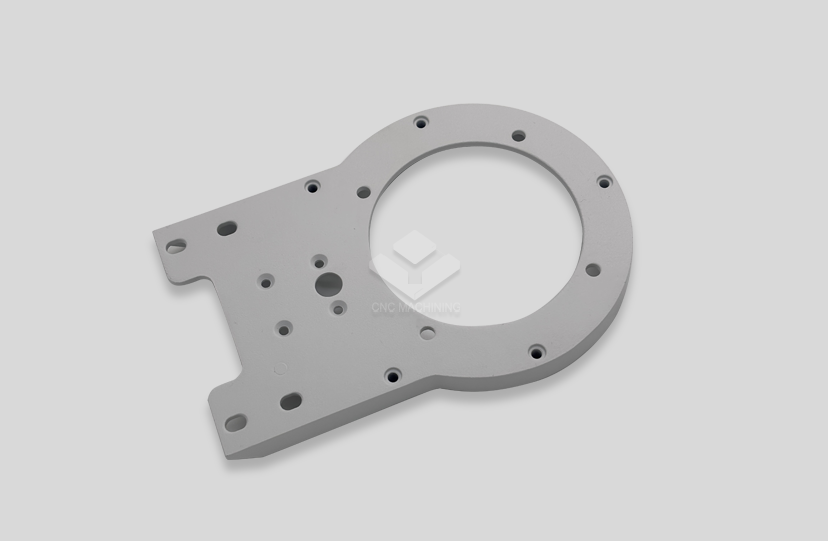
• Pocket milling to make features that are sunken,
• Drilling for holes.
Often, it will do more than one operation at the same time. Compared to older methods that needed multiple tools and manual moves, this integrated approach cuts down on repositioning mistakes and speeds up cycle times.
Machine Configurations and Their Industrial Applications
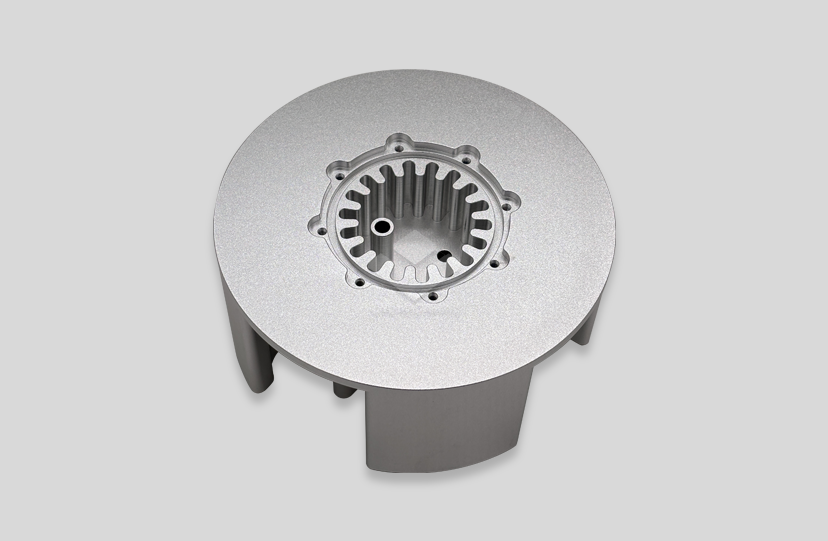
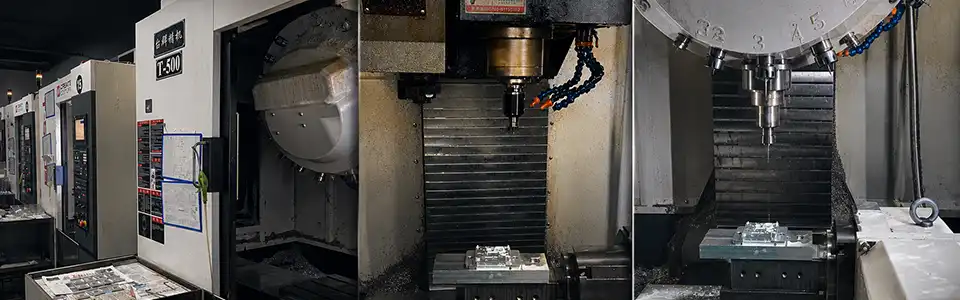
The spindle of a vertical machining center is elevated above the workpiece. This makes them perfect for flat parts and shallow features that are common in electronics cases and car brackets. In horizontal setups, the spindle is aligned to the floor, which makes it easier for chips to fall out during deep-pocket machining on heavy machinery. Three-axis machines can move tools along X, Y, and Z axes, which works well for simple shapes. Four-axis systems can rotate around one horizontal axis, which lets them machine circular features without having to move the machine. Five-axis equipment turns the workpiece along two more axes at the same time. This makes it possible to make complicated medical implants and aircraft parts with undercuts and compound angles that would be impossible to make with other equipment or would need multiple setups.
Material Compatibility Across Industries
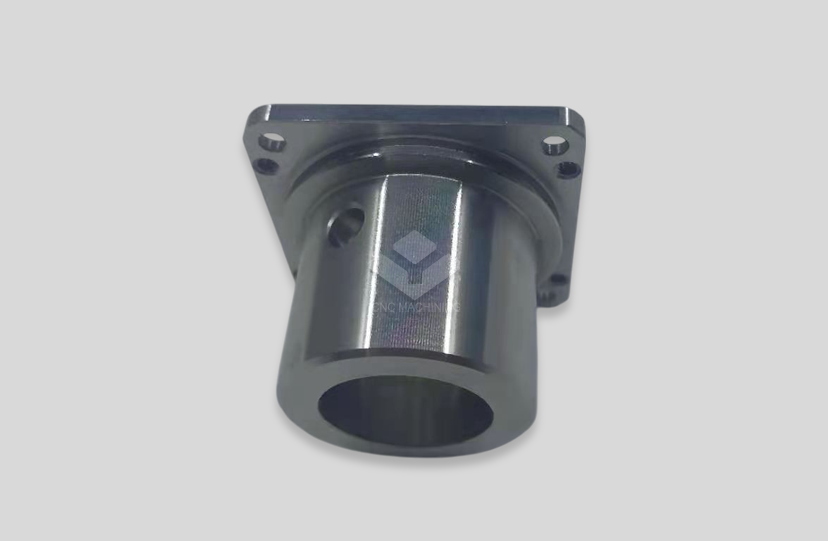
Due to their good machinability and thermal qualities, aluminum alloys like 6061 and 7075 are used in a wide range of applications that need lightweight strength. These include robot arms and EV battery housings. The grades 303, 304, and 316 of stainless steel are used in medical gadgets and food processing equipment that cannot have their corrosion protection lowered. Brass and copper are good for electrical parts that need to carry electricity well, while engineering plastics like POM, PTFE, and PEEK are good for lab tools and pharmaceutical production because they do not react chemically and keep their shape. Different types of materials need different cutting settings. For example, strong feeds can be used on softer metals, but abrasive plastics need sharp tools and careful speed control to keep them from melting.
Key Principles and Benefits of CNC Milling
CNC Milling is different from older ways of making things in three main ways. Automation gets rid of worker tiredness and mistakes in judgment, making sure that the thousandth part is the same size as the first. Closed-loop feedback systems have encoders that constantly check the positions of the axes and fix any errors that happen before they affect the quality of the part. Digital programming saves tried-and-true toolpaths, which lets makers do the same good work months or years later without having to redo any of the work.
How Programming Ensures Consistent Quality
Not only do G-code directions tell you how to move the tools, but they also tell you how to cut, feed, spindle speed, and turn on the coolant. When a software says that the pocket depth should be 5.00 mm ±0.02 mm, the machine checks the Z-axis position in real time and stops every cycle exactly in that range. Tool adjustment methods take into account how much the cutters have worn down, so the dimensions stay accurate even over long production runs. Inspection data from after machining is fed back into programs, which allows for ongoing improvement that makes tolerances tighter between runs.
Comparative Advantages Over Alternative Manufacturing Methods
For traditional milling to work, the user must be able to read dials, change handwheels, and stay focused for hours at a time. Even skilled machinists make mistakes when they are tired or when they are trying to figure out the dimensions of a plan. Automated systems do the same things over and over again, finishing overnight production runs without being watched. Laser cutting cannot make walls that go up and down or threads that go inside. Turning is great for making cylinders, but it is not so good for making rectangles or holes that are not in the middle. With multi-axis milling, you can make pockets, drill holes at an angle, and cut complex shapes, all with just one workholding setup. This cuts down on lead times and placement mistakes by a huge amount.
Safety Considerations in Modern Machining Environments
Enclosed work areas keep chip release from putting workers in danger, and when doors are opened, interlocking doors stop the spindle from turning. Coolant systems keep particles from flying through the air and keep heat from building up, which protects the health of machinists and keeps the dimensions stable. There are emergency stop buttons all over the area that can be used right away if a tool breaks or a piece of work moves. Proper training stresses lockout methods before maintenance, the right way to hold a part so it does not fly off, and PPE standards like safety glasses and hearing protection in places where several machines are running at the same time.
CNC Milling Machine Selection Guide for B2B Procurement
To choose the right equipment, you have to weigh the technical skills against the available funds and the expected output levels. Managers of procurement have to look at how the machine specifications match up with the complexity of the parts, the production rate, and the quality standards that their buyers want. CNC Milling equipment selection requires balancing performance with cost.
Critical Evaluation Factors for Equipment Procurement
• Precision requirements determine how stiff the structure is and how complex the control system is, requiring thermally stable castings and vibration-damping supports for tolerances of ±0.01 mm.
• Machine envelope limits the maximum part dimensions, while tool investments are affected by spindle taper compatibility, such as CAT40, BT40, or HSK.
• Axis configuration directly affects geometric powers, where simple brackets need three-axis machines while turbine blades need five-axis simultaneous contouring.
• Software compatibility ensures CAM programs and machine controls work together smoothly, avoiding translation mistakes that compromise accuracy.
Leading CNC Machine Manufacturers in 2024
North American job shops still like Haas Automation because of their low prices and large partner network, offering both vertical and horizontal formats. Mazak machines are popular with high-volume car suppliers because they are reliable and have fast speeds that cut down on run times. DMG Mori equipment is aimed at aircraft companies that need five-axis complexity and strict quality paperwork, though it costs a lot. Hurco controls make it easier to program for small-batch custom work, which is why medical device makers change part designs often. Okuma's thermal adjustment technology works well in high-precision electronics where changes in surrounding temperature could lead to dimensional shift.
Investment Analysis and Return Calculations
The price of a basic three-axis mill starts at $80,000 and goes up to $600,000 for more powerful five-axis units. Buyers need to think about the costs of tooling libraries ($15,000 to $50,000), CAM software licenses ($5,000 to $20,000 a year), and training. ROI estimates compare the hourly cost of cutting to the cost of outsourcing, taking into account shorter setup times, lower scrap rates, and the ability to handle rush orders that cost more. Many makers find that moving production in-house cuts lead times from weeks to days, paying for the equipment within 18 to 24 months.
Procuring CNC Milling Services: What B2B Buyers Should Know
By outsourcing machining, businesses can get access to new skills without having to spend a lot of money on equipment. To be great at procurement, you need to know how service providers set prices, keep quality high, and keep track of plans. Successful CNC Milling partnerships depend on clear technical requirements.
Sourcing Approaches for Different Production Needs
Suppliers that offer quick quotes and short lead times are good for prototyping because samples can usually be delivered within three to seven days for design validation. Custom manufacturing is best for making small amounts of specialized parts because the setup costs are spread out over a smaller number of items. For bulk production, suppliers need to have a lot of tools and be able to work shifts so they can handle extra orders without delaying other responsibilities. Detailed drawing packages with GD&T callouts, material specs, and surface finish standards make it possible to get accurate quotes and cut down on clarifications.
Understanding Pricing Structures and Quote Components
Job shops usually charge $75 to $200 an hour for machines multiplied by estimated run times, plus setup fees and material markups. Costs go up when shapes are complicated and need special tools or more time to program. Online platforms might let you get quick quotes automatically based on CAD uploads, but the accuracy depends on the algorithms. When you buy more than 100 pieces, volume discounts become significant because setup costs are spread out over a bigger order. Asking for detailed quotes shows where costs are concentrated, pointing out chances to lower costs by making designs simpler or adjusting tolerances in non-critical areas.
Quality Assurance and Delivery Management
Material approvals from reputable sources show alloy composition and performance in mill tests, which is very important for FDA-regulated medical devices and AS9100 aerospace uses. First-article inspection records show that accurate CMMs and micrometers were used to check dimensions, setting a baseline before production starts. In-process checks find problems early on, so whole batches do not go beyond what is acceptable. Lead time promises should take into account getting materials, machine availability, and finishing steps like passivation or anodizing. Setting up clear lines of communication helps answer technical questions quickly and avoids costly misunderstandings.
CNC Milling Training and Support Essentials
Skilled operators and preventative repair plans are needed to get the most out of your machine investments. Companies that do not train their workers end up with more scrap, broken tools, and machines that are not being used to their full potential. An effective CNC Milling operation requires both digital and mechanical skills.
Programming Languages and Software Platforms
G-code is still the most common machine language, but conversational computer tools make simple tasks easier for users who do not know a lot about coding. CAM software, such as Mastercam, Fusion 360, and Solidworks CAM, takes 3D models and turns them into toolpaths. Based on material databases, the software instantly figures out feeds, speeds, and tool contact angles. Simulation lets you virtually watch machine processes and find crashes or inefficient tool movements before the cutting starts. Post-processors turn generic toolpaths into code that works with a particular machine controller.
Maintenance Protocols and Troubleshooting
Coolant levels, chip evacuation systems, and lubrication tanks are checked every day to stop pollution that speeds up wear. Spindle taper cleaning, way wiper replacement, and ball screw greasing are all jobs that need to be done once a week. Laser interferometers or ball bars are used for monthly calibration to check axis alignment and mechanical wear before it affects quality. Chatter marks are a sign of bad feeds or worn-out tools, while dimensional drift suggests heat expansion or loose workholding. Preventive maintenance contracts with OEM techs provide diagnostic help and real replacement parts, cutting down on unplanned downtime.
Continuous Learning Resources
Community schools offer machining certificates that teach the basics of reading blueprints, choosing the right tools, and setting up CNC machines. Webinars on new tools and best practices are offered by industry groups like SME and NTMA. Tool makers with good reputations have YouTube feeds showing how to set up and fix problems. Apprenticeships put new operators with experienced machinists to learn about machine quirks and process optimizations. Putting money into developing employees lowers turnover, raises first-pass return, and makes employees better equipped to handle bigger and more difficult tasks.
Conclusion
CNC Milling technology has completely changed precision production by mixing computer control with the ability to work on multiple axes. This makes it possible to make parts that meet tight tolerances for a wide range of materials. Engineers and buyers can make choices that are best for both cost and performance when they understand the operating principles, machine configurations, and buying factors. Success depends on clear communication, reasonable requirements, and partnerships with knowledgeable makers who see projects as joint engineering challenges rather than transactional quotes. Modern milling keeps getting better thanks to new tools, better software, and combined quality systems that make it possible to achieve higher levels of accuracy while keeping production costs low.
FAQ
What materials work best with CNC milling processes?
For most uses, aluminum alloys are the best choice because they are easy to work with, strong for their weight, and inexpensive. Stainless steel types do not rust, which is important for medical and food-grade parts. Brass and copper are good for electrical uses that need to carry electricity well. Engineering plastics, such as POM, PTFE, and PEEK, can fight chemicals and keep heat in. CNC Milling material selection depends on function: weight-bearing parts need metals, while insulators use plastics.
How do 3-axis and 5-axis machines differ in capability?
Three-axis machines move tools along X, Y, and Z coordinates that are not parallel to each other. This is good for parts that only have traits that can be seen from one way. With five-axis equipment, two rotatable axes are added, so tools can approach workpieces from any point without having to move. This makes it possible to make undercuts, compound angles, and sculptured surfaces that are hard to make with three-axis setups. The extra complexity makes programming take longer and costs more, but it gets rid of the need for multiple setups.
What certifications verify a supplier's quality standards?
ISO 9001 approval shows you have well-thought-out quality management systems covering buying, checking designs, and process validation. AS9100 adds standards for aerospace-specific configuration management and verification. ISO 13485 sets tighter rules for handling materials and cleaning when making medical devices. Medical component sellers that sell to the U.S. market must be registered with the FDA. To prove compliance, ask for examples of inspection records that include dimensional proof and material certifications beyond paper certificates.
Partner with RYH for Expert CNC Milling Solutions
We know how hard it is for buying managers and design engineers to meet strict standards while still finishing projects on time. Our engineering-driven method puts your team in direct contact with experienced machinists who have an average of 15 years of technical knowledge. This gets rid of the communication problems that lead to mistakes that cost a lot of money. We can handle aluminum, stainless steel, brass, copper, and industrial plastics with constant quality on all three and five axes. This includes fast prototyping that is given in three days and high-volume production that keeps ±0.02 mm tolerances across thousands of parts. If you email bill@bldmachining.com directly, your questions will go straight to the people who make decisions. We have been a CNC Milling maker since 2008, and we offer material certifications, thorough inspection reports, and one-week remanufacturing guarantees to keep your project on track. Contact RYH today to discuss how our custom cutting services can help you build your products faster.
References
1. Kalpakjian, S. and Schmid, S. R. (2014). Manufacturing Engineering and Technology, 7th Edition. Pearson Education.
2. Machinery's Handbook, 31st Edition (2020). Industrial Press Inc.
3. Groover, M. P. (2020). Fundamentals of Modern Manufacturing: Materials, Processes, and Systems, 7th Edition. John Wiley & Sons.
4. Society of Manufacturing Engineers (2023). CNC Machining Handbook: Building, Programming, and Implementation.
5. Modern Machine Shop (2024). CNC Technology Advances and Best Practices Report.
6. American Society of Mechanical Engineers (2022). ASME B5.54 - Methods for Performance Evaluation of Computer Numerically Controlled Machining Centers.