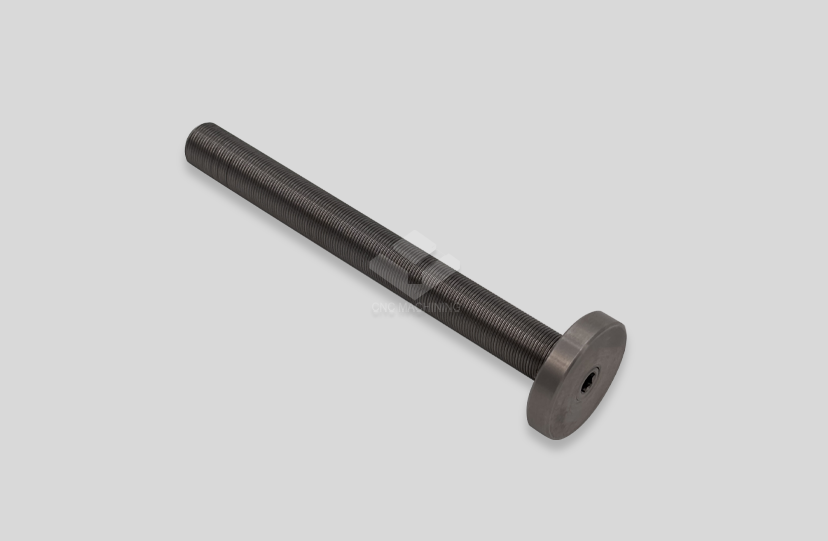
Global CNC Machining Supplier for OEM Metal Fabrication
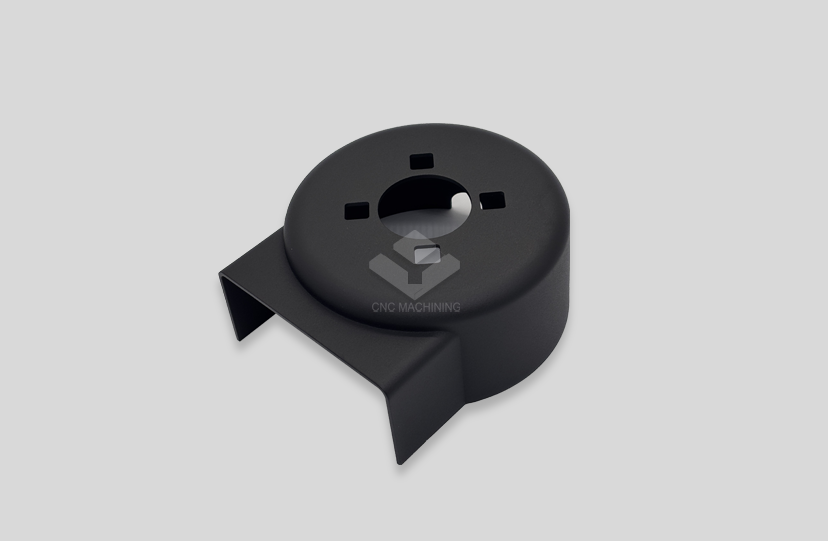
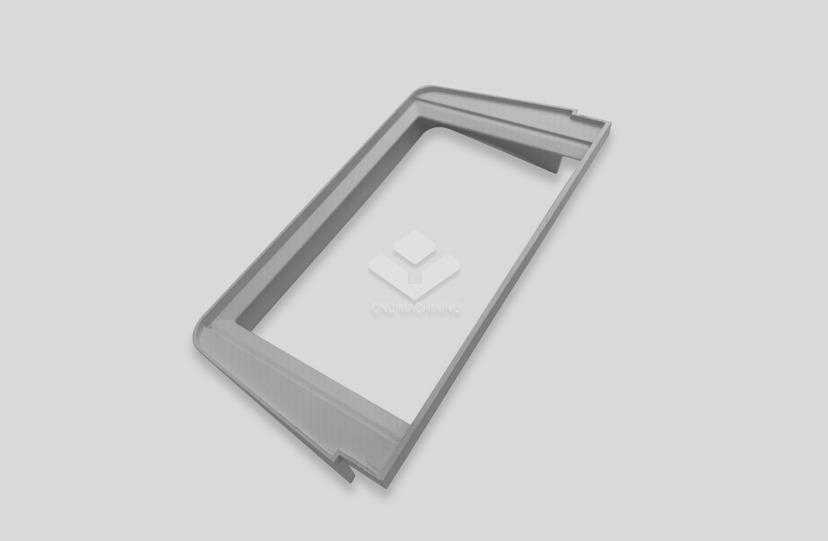
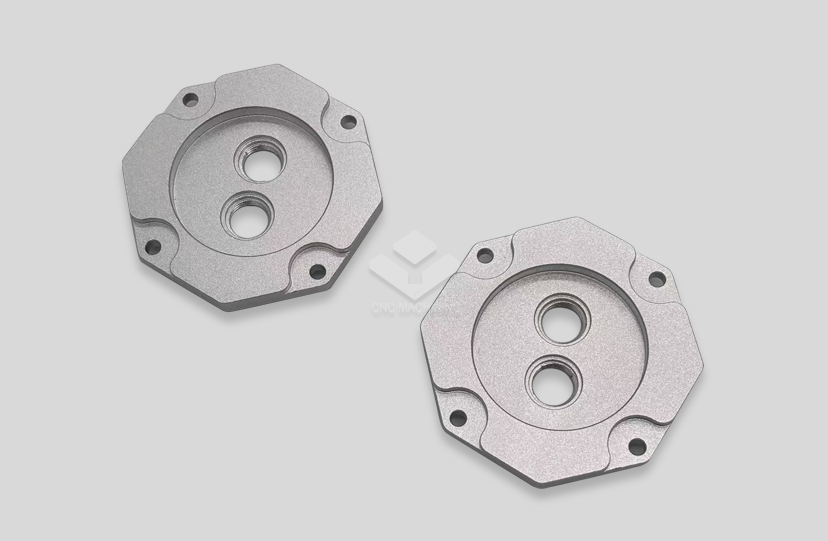
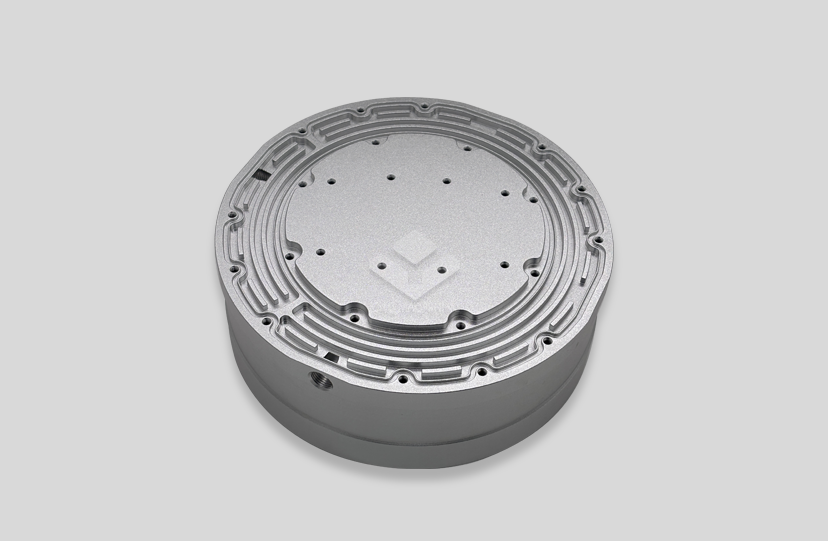
When looking for OEM metal parts, finding a global CNC Machining source with both technical know-how and solid execution can completely change how you make things. CNC Machining is still the most important way to make precise metal parts because it can handle tight tolerances, complicated geometries, and consistent quality in fields like aircraft, medical devices, automobiles, and industrial equipment. When you work with the right provider, you can use advanced multi-axis machining centers, talk to other engineers directly, and make production options that are flexible enough to support everything from quick testing to full-scale production. If you want to get cost-effective, high-quality results that meet international standards and speed up time-to-market for a new product or to improve a current supply chain, you need to know how to find and work with a skilled CNC Machining partner.
Understanding CNC Machining for OEM Metal Fabrication
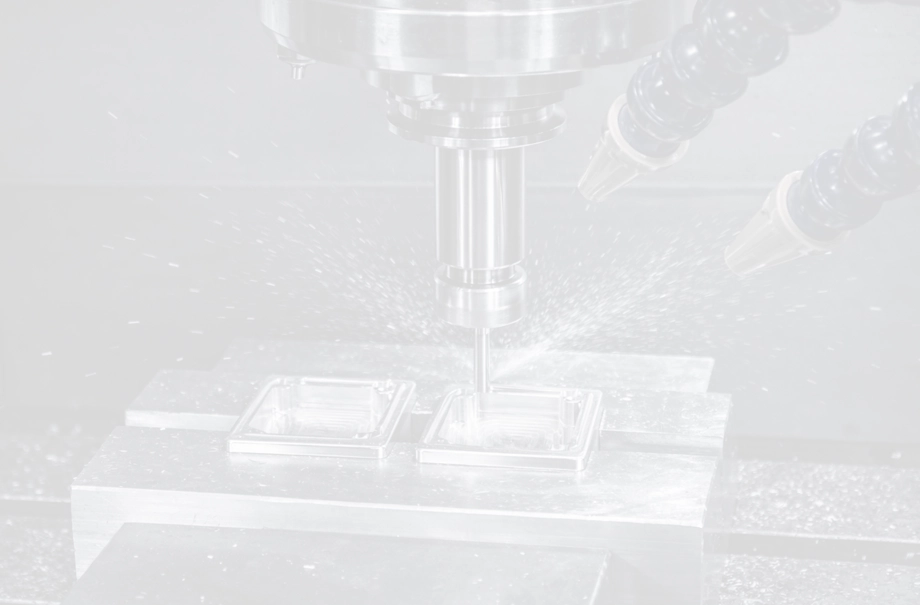
Through computer-controlled cutting, drilling, and grinding processes, CNC Machining converts raw metal stock into finished components. CNC Machining automation, on the other hand, guarantees accuracy and repeatability, which makes it perfect for OEM applications that need precise measurements.
Core Workflows and Process Steps
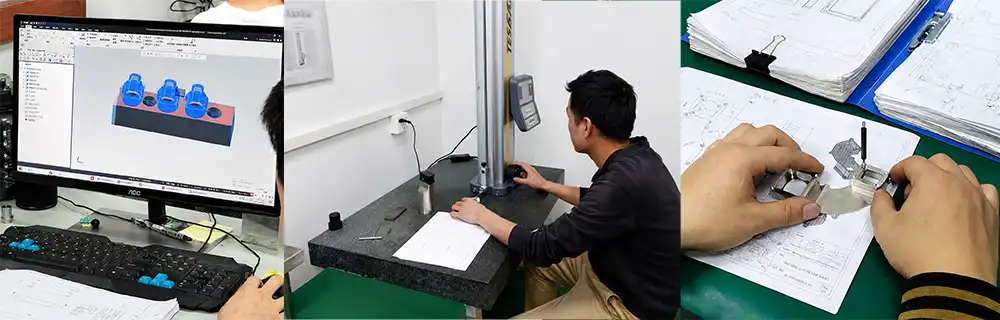
A normal CNC Machining process starts with sending in a CAD file and then moves on to Design for Manufacturability (DFM) analysis. Engineers look at models to find problems like thin walls, undercuts, or standards that can't be met. Once the project is approved, programmers use CAM software to create toolpaths that tell the machine how to cut. After that, the parts are cleaned, deburred, and given surface processes like grinding or anodizing. Coordinate measuring tools (CMM), calipers, and profile projectors are used in the final inspection to make sure that the measurements match the requirements.
CNC Machine Types and Their Applications
Multi-axis cutting centers are the most important part of current CNC Machining shops. Three-axis mills are good for simple rectangular parts, while four- and five-axis machines can handle complicated shapes and angles all at once. CNC Machining turning centers make cylinder-shaped parts like threaded screws, shafts, and bushings. Swiss-type lathes are great for making precise parts with a small diameter (less than 25 mm), which are often used in electronics and medicine. Based on the shape of the part and the amount of output, each type of machine meets different OEM needs.
Material Selection for Metal Fabrication
Aluminum 6061 is the most common metal for testing and moderate-strength uses because it is easy to machine, doesn't rust, and can be anodized. 304 and 316 stainless steel are good for medical and food-grade equipment that needs to be biocompatible and resistant to chemicals. For electrical connections, brass is a great thermal conductor, and titanium is used for aircraft parts that need to be strong and light. The choice of material affects the machining factors, the choice of tools, and the end cost. For best results, it is important to get early technical advice.
Why Partner with a Global CNC Machining Supplier for OEM Fabrication?
Global suppliers give you access to tech talent and specific tools that might not be available in your own country. This gives you more ways to make things while keeping quality high by following foreign standards.
Advanced Manufacturing Technologies and Scalability
Leading suppliers buy multi-axis cutting centers that can keep standards as tight as ±0.01mm. They can do both fast prototyping (samples can be sent within 3–7 days) and large-scale production runs with uniform quality. When you have 15 or more CNC Machining machines, you can work on multiple projects at the same time, which cuts down on wait times and lets you meet tight schedules. This scalability is very important when a new product needs to be changed quickly or when the market needs production to be flexible.
International Standards and Compliance
Systematic quality management is shown by ISO 9001 certification, and legal compliance is ensured by industry-specific standards such as AS9100 for aircraft or ISO 13485 for medical products. Global CNC Machining providers who know about materials that are FDA-compliant, RoHS guidelines, and REACH rules can help you navigate the complicated world markets. Shipments come with full traceability paperwork, inspection reports, and material certifications. This meets audit standards and lowers the risk of noncompliance for buyers.
Real-World Performance and Risk Mitigation
A reliable global partner works with your tech team like an extra set of hands. When design problems come up, talking to skilled machinists directly leads to useful ideas based on what can be done on the shop floor. Suppliers who give free remanufacturing within one week for broken parts show that they care about quality and customer happiness. Giving pictures and videos of the machining process during visual production openness builds trust and lets problems be found early. By using these methods, transactional relationships are turned into strategic partnerships that lead to better products and a more stable supply chain.
Comparing CNC Machining with Alternative Manufacturing Methods
To choose the right process, you need to know how CNC Machining compares to other technologies. Depending on the needs of the job, each way has its own benefits.
CNC Machining versus 3D Printing
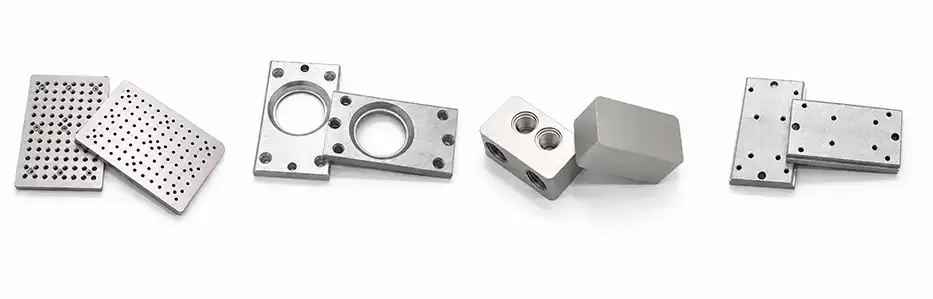
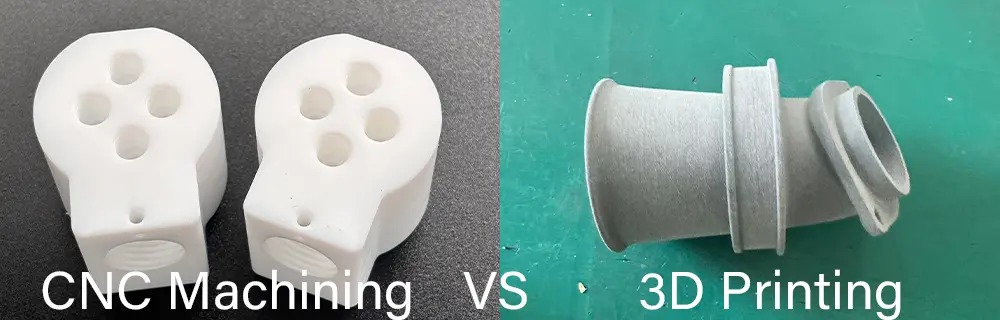
CNC Machining is great at making metal parts that work and have great mechanical qualities and surface finish. Rapid development of complex internal structures is possible with 3D printing. However, printed metal parts usually need to be heated and machined again to get the same level of strength and accuracy. CNC Machining has better surface roughness (Ra 1.6 vs. Ra 6–10) and tighter limits (±0.02mm vs. ±0.1mm for metal stamping). When making more than 50 to 100 units, CNC Machining becomes more cost-effective, even though it costs more to set up.
CNC Machining versus Injection Molding
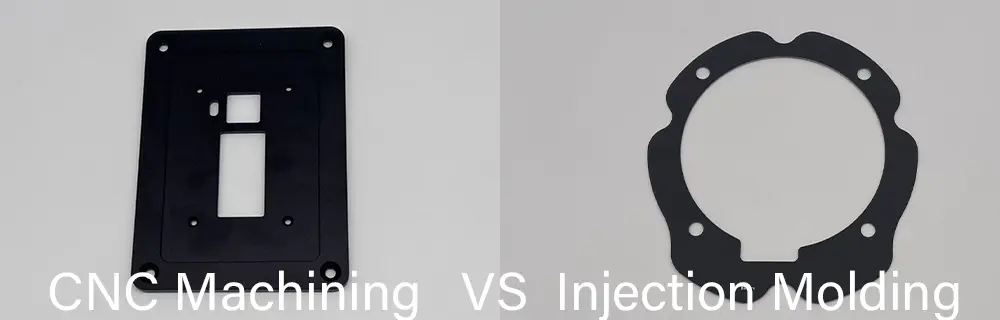
Injection molding is good for making a lot of plastic parts, and after the expensive mold material is paid for, the cost per unit drops by a huge amount. CNC Machining is the most flexible way to make small metal parts, change designs, and quickly switch materials without having to wait for tools to be made. Molding is best for projects that need more than 5,000 identical plastic parts. CNC Machining is better for metal samples, special fixtures, and production runs of less than 1,000 units. A lot of great goods start out as prototypes made with CNC Machining and then move on to molding once the designs are stable.
Decision Framework for Process Selection
Process selection is based on volume, complexity, material needs, and precision standards. CNC Machining machines are great for making parts with tight tolerances, made of metal, and made in modest amounts (10 to 5,000 units). Cost and effectiveness are best when used together, like when CNC Machining is used to make important interfaces on molded parts. Early involvement of experienced production engineers in the planning process helps avoid costly rework and ensures that the process matches the needs of the product.
How to Choose the Right CNC Machining Service Provider Globally
When looking at possible partners, you need to look at their professional skills, how they communicate, and their quality processes. Quick judgments based only on price often cause problems with quality and cause projects to be delayed.
Essential Technical Capabilities
Check the collection of machines and how the axes are set up. Different shapes can be handled by suppliers with three-, four-, and five-axis centers instead of outsourcing. The skill to do Swiss CNC Machining shows that you are good at making small, precise parts. Make sure that the highest part size, spindle speed, and tooling choices are all in line with your needs. Precision production is shown by facilities that have spectrometers for material testing, CMM inspection, and climate-controlled quality rooms.
Engineering Support and Communication
Having direct access to factory experts is what sets great suppliers apart from those who just take orders. When engineers look over sketches before giving quotes, they find problems with how the product can be made quickly, suggest changes that will save money, and give accurate lead times. Responding quickly to technical questions (within hours instead of days) speeds up project timelines. When suppliers offer DFM input, tolerance analysis, and material suggestions, they are not just passive sellers; they are also working partners.
Pricing Transparency and Value Assessment
Ask for thorough prices that break down the costs of materials, the time it takes to machine them, the steps needed for finishing, and the inspection process. Be wary of prices that seem too good to be true; they usually mean that quality control has been sped up or materials have been substituted. Don't just look at unit prices; compare the total landing costs that include shipping, taxes, and any possible rework. Volume savings should be based on the real economies of scale that happen when buying materials and paying for setup. When you combine competitive price with quality promises and free defect remanufacturing, you get real value compared to the cheapest initial quotes.
Industry Experience and Specialization
Optimizing Your OEM Metal Fabrication Process with CNC Machining
During the creation and production of a product, strategic design choices and working together with suppliers save a lot of time and money.
Design for Manufacturability Principles
Set the right tolerances. Cutting down on cutting time and cost can be done by tightening important measurements and loosening up non-functional features. Standard tool sizes keep the cost of making unique tools to a minimum. Large corner angles fit standard end mill sizes and keep tools from wearing out. Having the right draft angles and staying away from deep, narrow areas helps chips move out, and tools get to them more easily. Talking to machinists about the design purpose before finishing CAD models keeps redesigns from being too expensive and makes manufacturing more efficient.
Rapid Prototyping and Iterative Development
Samples are supplied in 3–7 days, and CNC Machining allows quick-turn prototyping. This lets you quickly confirm the idea, test its functionality, and get feedback from stakeholders before committing to making the tools for production. 5 to 25-piece small batch runs let you do trial production, check the assembly, and get early feedback from customers. Iterative revision using real parts instead of theoretical models lowers the risk of development and speeds up the launch of new products. Suppliers that let you change the amount you order without having a high minimum order size make growth more flexible.
Managing Production Scaling and Contract Manufacturing
When orders go from concept to production, it's easier to scale up when ties with suppliers are already in place. Suppliers who know your parts well can keep the quality uniform with process paperwork and special tools. Long-term relationships allow for ongoing improvement through value engineering and cost-cutting projects that are carried out together. Contract manufacturing agreements make it easier to plan your finances because they provide regular capacity, priority scheduling, and volume pricing. Even for small sales, international supply lines run smoothly thanks to reliable global logistics support that includes shipping from door to door and customs paperwork.
Conclusion
Finding the right global CNC Machining provider can turn OEM metal fabrication from a problem to a competitive benefit. You can find partners who can regularly give precision parts by looking at their technical skills, engineering help, quality systems, and experience in the field. Understanding CNC Machining methods, choosing the right materials, and the principles of design optimization make it easier for people to work together in a way that cuts costs and speeds up development. The right provider will work with you like an extension of your engineering team to solve problems and give results that go above and beyond what was asked for, whether you need quick prototypes, low-volume production, or scalable manufacturing capacity. Strategic relationships based on openness, timeliness, and a shared dedication to quality strengthen the supply chain and help businesses grow over the long run.
FAQ
What lead time should I expect for CNC machined prototypes?
Depending on how complicated the part is and how much space is available in the shop at the moment, CNC Machining sample lead times are usually between 3 and 7 days. It is possible to send simple turned parts or simple cut parts in three days. Complex multi-axis parts that need a lot of scripting and setting up more than once could take a whole week. If you tell providers how urgent your project is during the quotation process, they can put it at the top of their list of priorities and give you accurate delivery dates based on their current tasks.
How do I verify material quality from international suppliers?
Suppliers you can trust will give you material certifications and test records that show what the chemicals are and how they work. Before cutting starts, spectrometer tests are done to check the grade of the material. Ask for certificates of approval that list particular standards, such as ASTM, DIN, or JIS. If extra security is needed for important tasks, third-party inspection services can check out sites and make sure that quality systems are working.
Can CNC machining achieve the tolerances my automotive application requires?
Tolerances of 0.02mm are common in modern CNC Machining, and 0.01mm is possible for some specific tasks. For automotive parts, ISO 2768 middle or fine tolerance classes are common, which are well within the powers of CNC Machining machines. Critical measurements are checked 100% of the time with CMM tools. During the design review, talk about specific tolerance requirements to make sure that manufacturing processes match the requirements and that testing methods check that they are met.
What surface finishes are available for machined metal parts?
As-machined finishes usually have a surface roughness of Ra 1.6 to 3.2. Anodizing metal parts makes them resistant to rust and gives you color choices for decoration. Sandblasting makes smooth surfaces that are all the same. Polishing makes surfaces look like mirrors, which can be used for artistic purposes. Passivation keeps polished steel from rusting. Adding wear protection and electrical contact is what electroplating does. Talking about what you want the finish to do and how you want it to look can help you choose the right finishing methods that balance performance and cost.
Partner with RYH for Your CNC Machining Requirements
Precision CNC Machining is what RYH does best for OEM customers who need it for medical devices, aircraft parts, industrial equipment, and electronics. Our engineers, who have an average of 15 years of experience in manufacturing, work directly with your design team to make sure that parts are optimized for production, suggest materials, and find solutions to difficult cutting problems. We use high-tech multi-axis machining centers, Swiss-type lathes, and a wide range of checking tools to make sure that the parts we send you meet tolerances of ±0.01mm. Rapid development services can make models in as little as one week, and our production capacity is flexible enough to handle batches of anywhere from five to ten thousand items. Your projects will be successful thanks to ISO 9001 quality systems, full material tracking, and our promise to remanufacture any faulty parts within one week. Whether you're a well-known maker or a new business, we can help you with CNC Machining because we communicate well and know a lot about technology. Get in touch with bill@bldmachining.com right away to talk about your project needs and get a full quote that fits your needs.
References
1. Kalpakjian, S. and Schmid, S. R., Manufacturing Engineering and Technology in SI Units, Pearson Education Limited, 2016.
2. Boothroyd, G., Dewhurst, P., and Knight, W. A., Product Design for Manufacture and Assembly, CRC Press, 2010.
3. Machinery's Handbook Editorial Staff, Machinery's Handbook 31st Edition: A Reference Book for the Mechanical Engineer, Industrial Press, 2020.
4. Groover, M. P., Fundamentals of Modern Manufacturing: Materials, Processes, and Systems, John Wiley & Sons, 2020.
5. Curtis, M. A., Process Planning: The Design/Manufacturing Interface, Society of Manufacturing Engineers, 2008.
6. Ostwald, P. F. and Munoz, J., Manufacturing Processes and Systems, John Wiley & Sons, 1997.