How Precise Is CNC Machining Compared To Other Manufacturing Methods?
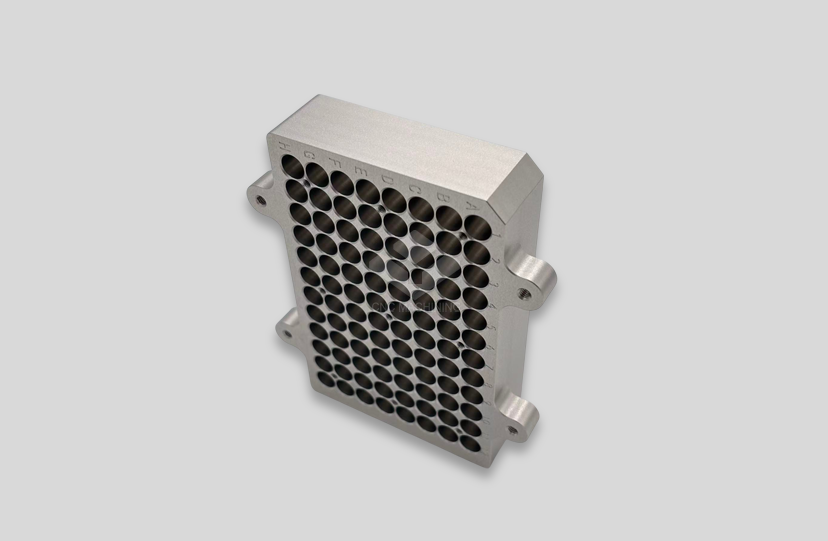
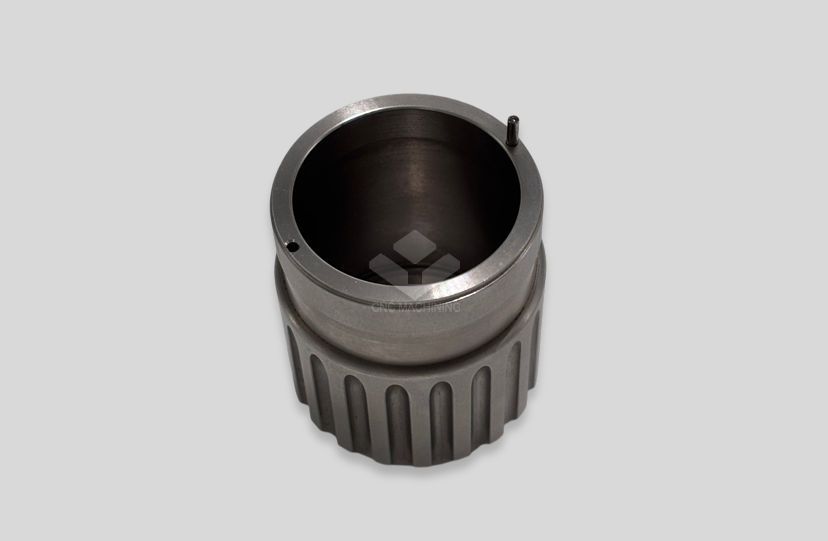
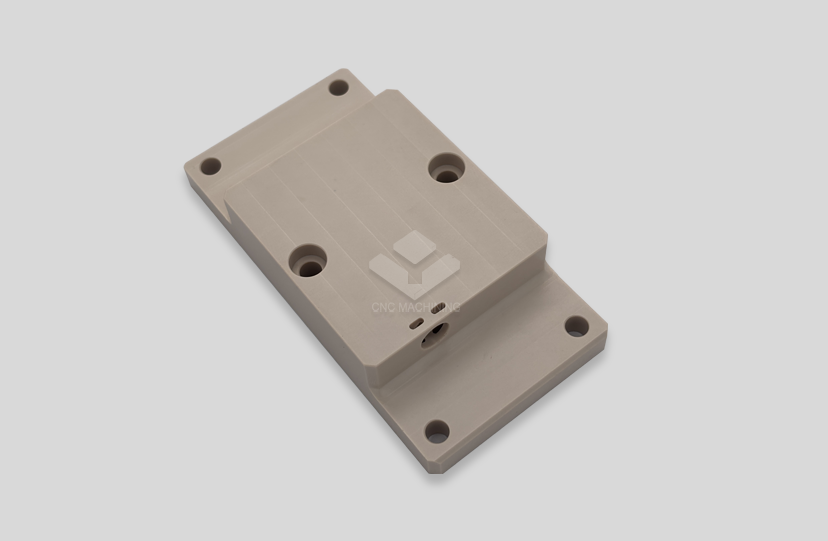
Precision CNC Machining can get tolerances as small as ±0.005mm (±0.0002 inches), which is much better than traditional ways of making things like casting or manual machining. By automating tool movements, this computer-controlled process eliminates human error and ensures consistent accuracy in dimensions across prototypes and production runs. In contrast to additive methods like 3D printing, which can achieve ±0.1mm tolerances, Precision CNC Machining removes material in a planned way, making parts with better surface finishes (Ra 0.4μm to 3.2μm) and structural integrity. Aerospace, medical devices, and the automotive industry depend on this technology because it constantly maintains dimensional stability and geometric dimensioning tolerances that are needed for high-performance applications.
Understanding Precision CNC Machining
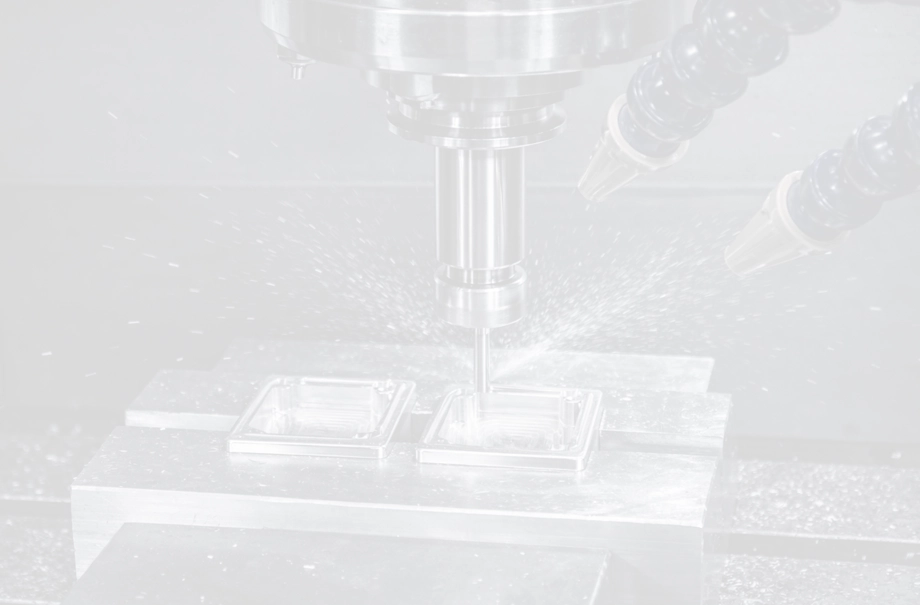
We've seen how Precision CNC Machining uses multi-axis milling and turning processes at our manufacturing site to turn digital designs into real parts. Engineers start the process by sending CAD files straight to CNC control systems. These systems then turn the geometry into exact instructions for the toolpath. In traditional machining, workers change the cutting settings by hand. But with CNC technology, closed-loop feedback systems constantly check the spindle position and tool wear to keep the accuracy at the micrometer level.
Core Technologies Behind Precision Machining
Modern Precision CNC Machining centers use a number of cutting-edge technologies that work well together. High-speed spindles that spin between 15,000 and 40,000 RPM can make fine details in metals and non-metals. Five-axis simultaneous cutting lets you make complex angular cuts without moving the workpieces. This lowers the chance of setup mistakes and raises the accuracy of the geometry. Our engineers use flood cooling systems to control thermal expansion while cutting. This is very important when working with thin-walled aluminum parts, since changes in temperature of just a few degrees can cause them to move out of shape.
Material Selection and Precision Outcomes
Tolerances and surface quality can be changed directly by the features of the material. We can keep most of our features within ±0.01mm tolerances because aluminum alloys like 6061-T6 are easy to machine, and chip formation is reliable. But aerospace-grade titanium needs special carbide tools and slower cutting speeds to keep it from work hardening, which can make it harder to keep the same dimensions. To keep them from melting at touch points, medical-grade plastics like PEEK need to be machined using very different methods, such as lower temperatures and sharp cutting edges. During design reviews, our technical team suggests materials and explains how choosing the right alloy affects both accuracy and cost-effectiveness based on real-world production constraints rather than theoretical requirements.
Precision CNC Machining vs. Other Manufacturing Methods
People in charge of manufacturing often have a hard time figuring out which method of production, such as Precision CNC Machining, best meets the needs for accuracy while also staying within the budget. To make these differences clearer, we've put together comparison data from thousands of projects in the automotive, medical device, and industrial equipment sectors.
Tolerance Comparison Across Fabrication Techniques
Standard CNC machining usually gets limits of ±0.05mm to ±0.1mm, which is fine for most mechanical systems but not good enough for surfaces that need to fit together without interference. Through temperature-controlled conditions and tool presetting systems, Precision CNC Machining reduces this range to ±0.005mm. Traditional manual machining can be used for one-time fixes, but it rarely stays consistent better than ±0.2mm because each user is different. Precision CNC Machining directly creates final dimensions, while investment casting creates nearly net forms but leaves 0.5mm to 1.5mm stock for later processes.
Material Compatibility and Surface Finish Quality
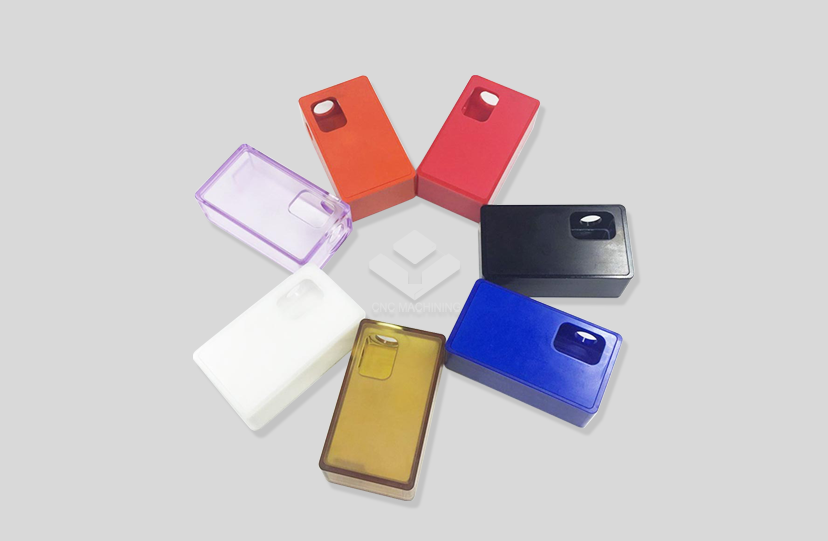
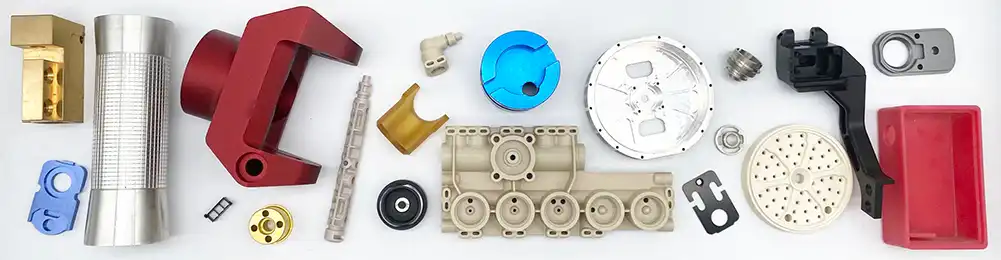
The materials that our plant works with range from soft plastics to tough tool steels, and each one needs a different way of being machined. This variety can be handled well by Precision CNC Machining methods because the cutting factors change automatically based on set instructions. High-strength alloys are hard to work with in casting and forging, and metal matrix compounds are hard to work with in 3D printing. Another important difference is the quality of the surface finish. Precision milling creates Ra 0.8μm surfaces that can be used for dynamic seals without any extra cleaning, but cast surfaces need a lot of work to get to the same level of smoothness.
Cost and Lead Time Implications
Precision CNC Machining prototypes usually take three to seven days at our plant, taking into account the time it takes to set up and machine the parts. It usually takes 72 hours to finish simple parts with standard tolerances, but it can take a week to finish complex systems that need strict checking processes. This time frame is in the middle of two types of development: rapid prototyping methods like FDM printing (24–48 hours, but less accurate) and tooling-dependent methods like injection molding (4–8 weeks for mold fabrication before first shots). The number of units made has a big effect on the unit costs. For example, Precision CNC Machining is still the most cost-effective way to make things for batches under 500 units. After that, molding or pressing becomes more cost-effective, even though they require more expensive tools.
Why Precision Matters: Benefits of Precision CNC Machining for B2B Clients
As we've worked with engineering teams in a variety of fields, including Precision CNC Machining, over the years, we've seen how accuracy directly affects how well a product works and how much it costs to make. Tight tolerances aren't just hypothetical requirements; they decide how well parts work when they're put under real-world stress.
Critical Tolerance Applications in Aerospace and Medical
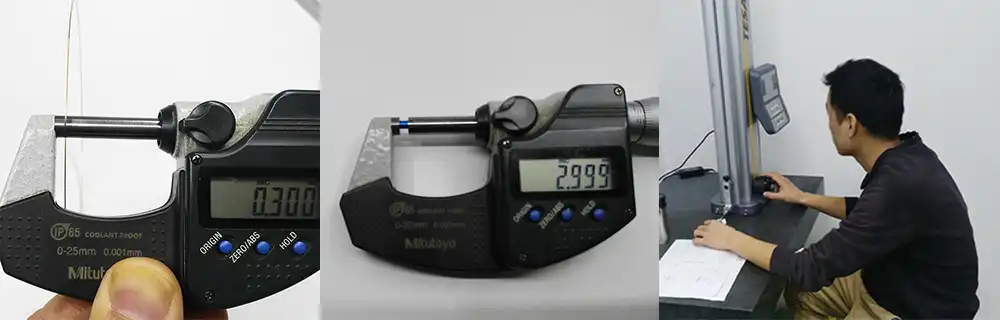
For aerospace parts, like engine housings, to be able to handle huge differences in pressure without breaking, the wall width must be precisely uniform. A difference of only 0.02mm in wall thickness can cause stress concentration spots that can cause the wall to fail catastrophically at high altitude. Medical surgery instruments need to be just as precise. Endoscopic tools with tolerance variations of ±0.01mm affect the clinician's tactile feedback during treatments, which could lead to worse results for patients. As part of our quality control procedures, we use a coordinate measuring machine (CMM) to check every important measurement, and full inspection records show that we're following GD&T.
Waste Reduction and Cost Efficiency
Precision CNC Machining cuts down on material waste by using efficient toolpaths that make less scrap. Our engineers program nesting techniques that get the most material out of metal plate stock when making battery enclosures for electric vehicles. This cuts the cost of raw materials by 15% to 20% compared to traditional machining methods. Another big benefit is less rework. Parts that are made to specification the first time don't need to be worked on again, which speeds up projects and lowers labor costs. This dependability is especially valuable in fields with tight product launch plans.
Choosing the Right Precision CNC Machining Service Provider
When looking for an industrial partner, you need to look at more than just their equipment lists. Our experience suggests procurement teams should value technical communication quality alongside machining accuracy, as design optimization during quotation stages stops costly changes later.
Essential Evaluation Criteria
Instead of just looking at equipment specs, a technical capability review should look at how well similar materials can be held to tolerances in real life. We keep capability studies that show how the process changes for typical material-tolerance pairs, like stainless steel 316L at ±0.01mm and aluminum 6061-T6 at ±0.008mm. This helps project planners set realistic goals. Industry certifications like ISO 9001 and AS9100 show that quality management systems are well-established. However, talking to an engineer directly often shows problem-solving skills that standards don't show. Our technical team has an average of more than 15 years of experience with Precision CNC Machining. This lets us give you feedback on design for manufacturability, which lowers the risks of production.
Understanding Quote Variables and Lead Times
Precision CNC Machining prices are affected by more than just the cost of the raw materials. Tightening a hole tolerance from ±0.05mm to ±0.01mm can double the time it takes to machine because cutting speeds have to be slowed down, and more checking has to be done. When compared to simple turned parts, parts with complex shapes that need five-axis processes cost more. Specifications for surface treatment, such as Type II anodizing or salt spray testing, add time to the processes and cost of material approval. We offer clear quotes that break down these factors into individual items. This helps purchasing managers understand what causes costs to go up or down and find ways to cut costs without affecting important requirements.
Future Outlook: The Evolution and Trends in Precision CNC Machining
Manufacturing technology keeps getting better and better. For example, Precision CNC Machining now uses digital connections and smart process control. These new developments look like they will make things more accurate and efficient, which will change how supply chains work in businesses that depend on engineering.
AI-Driven Process Optimization
New machine learning methods look at past machining data to figure out what the best cutting settings are for new geometries. This cuts down on programming time and makes the accuracy of the first piece better. Real-time tracking systems find patterns of tool wear that humans can't see. This causes automatic tool changes to happen before dimensional drift happens. Our company has started using predictive maintenance routines to service equipment based on the actual state of each part instead of set times. This cuts down on unexpected downtime that throws off project plans. These technologies work best in low-volume, high-mix production situations like those found in research and development companies that need to switch between products often.
Industry 4.0 Integration
Connected production platforms let procurement teams keep an eye on projects from afar using cloud-based tools that show the state of jobs compared to when they were supposed to be finished. Digital twin models check machining plans online before they are used to cut metal, finding risks of crashes or poor tolerance. As global supply lines need more openness, these kinds of tools give procurement managers a whole new view of how production works, which helps them communicate before problems happen and solve them before they get out of hand.
Conclusion
Precision CNC Machining has the best accuracy and consistency in size and shape compared to other ways of making things. This makes it essential in fields where the dependability of parts directly impacts how well a product works. This technology is the best for aircraft, medical, automotive, and industrial equipment because it can handle tolerances of up to ±0.005mm, produce better surface finishes, and work with a wide range of materials. Costs and wait times depend on how complicated and how many are being made, but for quality-focused engineering teams, the savings in time, money, and wasted materials often make the investment worth it. By choosing a production partner with a track record of technical knowledge and open communication, you can be sure that projects will meet strict requirements and stay on schedule.
FAQ
What tolerances can precision CNC machining realistically achieve?
When high-precision five-axis machining tools are used, Precision CNC Machining always keeps limits of ±0.005mm on important features like holes and mating surfaces. Standard features usually hold ±0.01mm to ±0.02mm, which is a good balance between accuracy and cost-effectiveness. Tighter tolerances can be reached with special sets and longer machining processes, but for non-critical measurements, we suggest ISO 2768-m standards to save money on production costs without sacrificing usefulness.
How does precision CNC machining compare cost-wise to 3D printing for prototypes?
Most of the time, Precision CNC Machining costs more per unit than 3D printing, but it is more accurate, and the materials are better. At first, simple prototypes may cost 20% to 40% more, but the consistent dimensions get rid of fitting problems that need more design changes. Machined parts made from real production materials allow for more accurate testing of performance, while printed parts made from substitute materials might not accurately predict how the final product will behave, which could lead to expensive redesigns during production scaling.
Which industries benefit most from precision CNC machining?
Precision CNC Machining is very important in the aerospace, medical device, electronic equipment, and automotive industries because of strict rules and performance requirements. Tight tolerance control is helpful for any task that involves pressure systems, dynamic seals, or precise parts. Research organizations and companies that make products use rapid prototyping to speed up the process of coming up with new ideas while keeping the accuracy in dimensions needed for functional validation testing.
Partner with RYH for Your Precision CNC Machining Needs
Precision CNC Machining solutions that meet the high standards of global makers and technical leaders have been RYH's specialty for 16 years. Our technical team, which has an average of more than 15 years of hands-on cutting experience, works directly with your engineers to look over sketches, improve designs, and give useful advice on choosing materials and setting tolerances. We know how hard it is for buying managers to meet quality standards while also staying within budget and meeting tight project deadlines.
Our building handles both metal and non-metal materials in full compliance with ISO 9001, AS9100, and FDA material approval standards. We can do fast prototyping in three to seven days or scalable production runs with ±0.005mm tolerances. We help with projects that need special surface processes like salt spray testing, chemical film finishing, and anodizing. As a Precision CNC Machining company that values open communication and flexible execution, we offer door-to-door foreign shipping options and quick remanufacturing support when quality issues appear.
Contact bill@bldmachining.com today to discuss your specific requirements with our engineering team. We'll provide detailed technical assessments and competitive quotations tailored to your industry's unique precision demands.
References
1. Stephenson, David A., and John S. Agapiou. Metal Cutting Theory and Practice. CRC Press, 2016.
2. Kalpakjian, Serope, and Steven R. Schmid. Manufacturing Engineering and Technology. Pearson Education, 2014.
3. Boothroyd, Geoffrey, and Winston A. Knight. Fundamentals of Machining and Machine Tools. CRC Press, 2006.
4. Groover, Mikell P. Fundamentals of Modern Manufacturing: Materials, Processes, and Systems. John Wiley & Sons, 2020.
5. Altintas, Yusuf. Manufacturing Automation: Metal Cutting Mechanics, Machine Tool Vibrations, and CNC Design. Cambridge University Press, 2012.
6. Shaw, Milton C. Metal Cutting Principles. Oxford University Press, 2005.