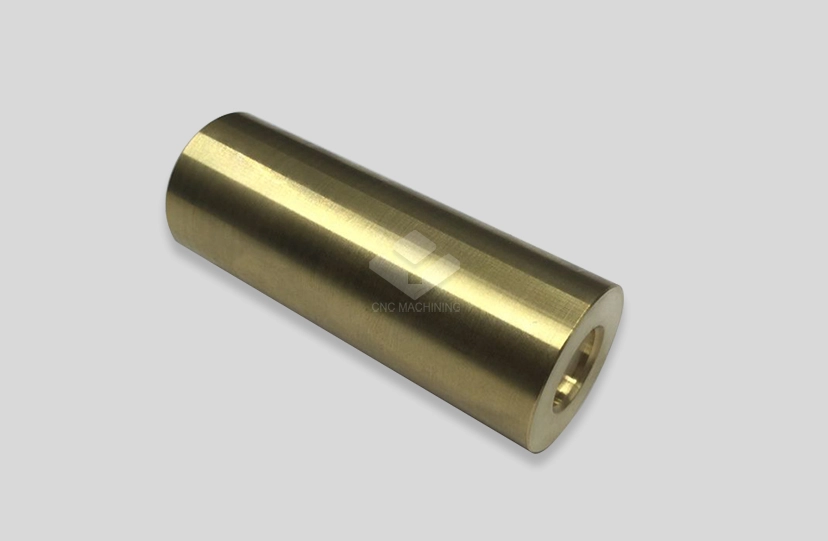
CNC Machining Means Precision and Efficiency
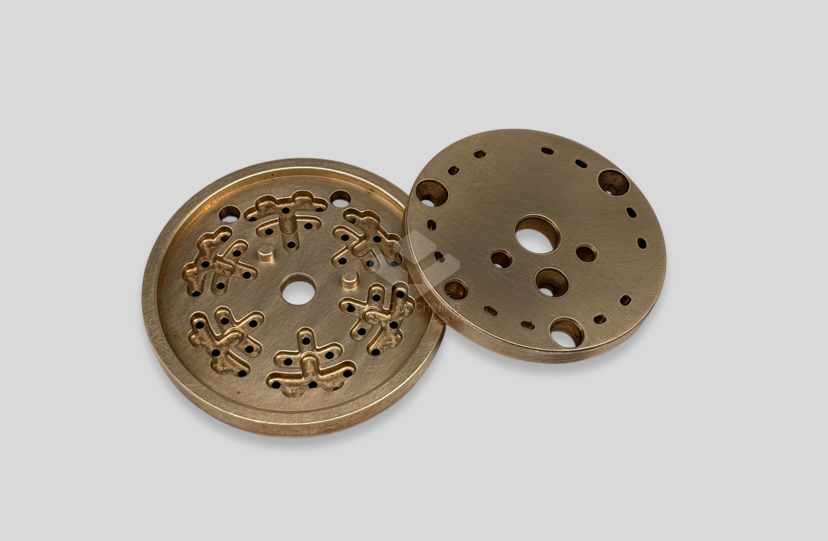
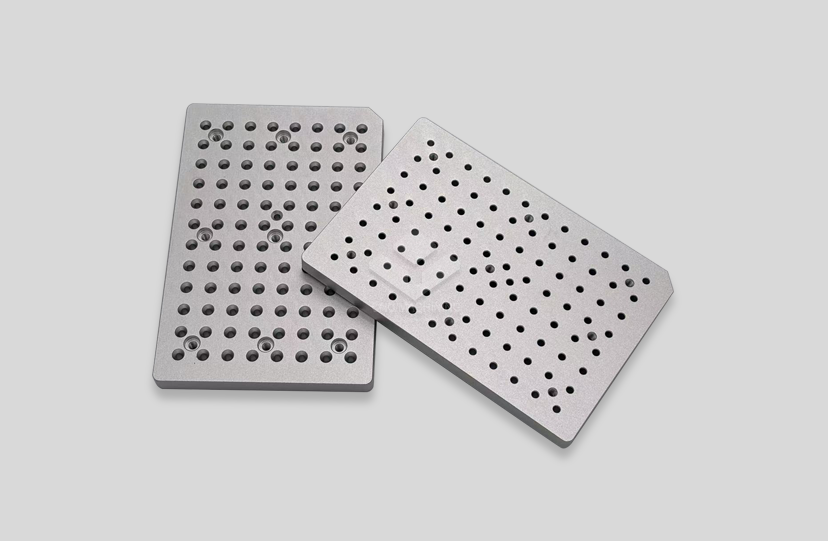
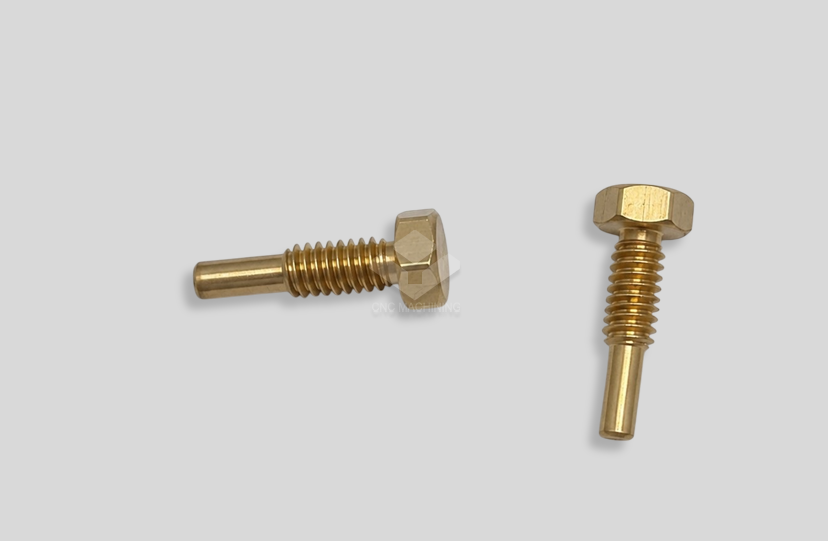
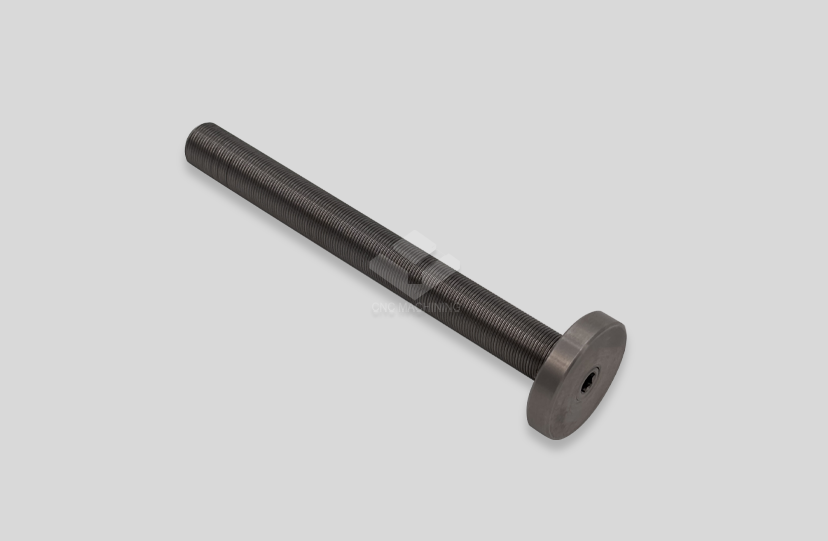
One thing stands out above all others when we talk about modern manufacturing: Precision CNC Machining turns raw materials into parts that move the most demanding industries forward. This cutting-edge manufacturing technology makes it possible to get measurements as accurate as a few microns, gets rid of the mistakes that come with doing things by hand, and lets companies go from trials to full production without lowering the quality. This technology is being used more and more by engineers, buying managers, and research and development teams because it solves important problems that traditional methods can't, like tight tolerances, complex shapes, and faster time-to-market. Precision CNC Machining has become essential in many fields, including aircraft, medical devices, automobiles, and industrial equipment, during the years I've worked in this field.
Understanding Precision CNC Machining: Definition and Core Processes
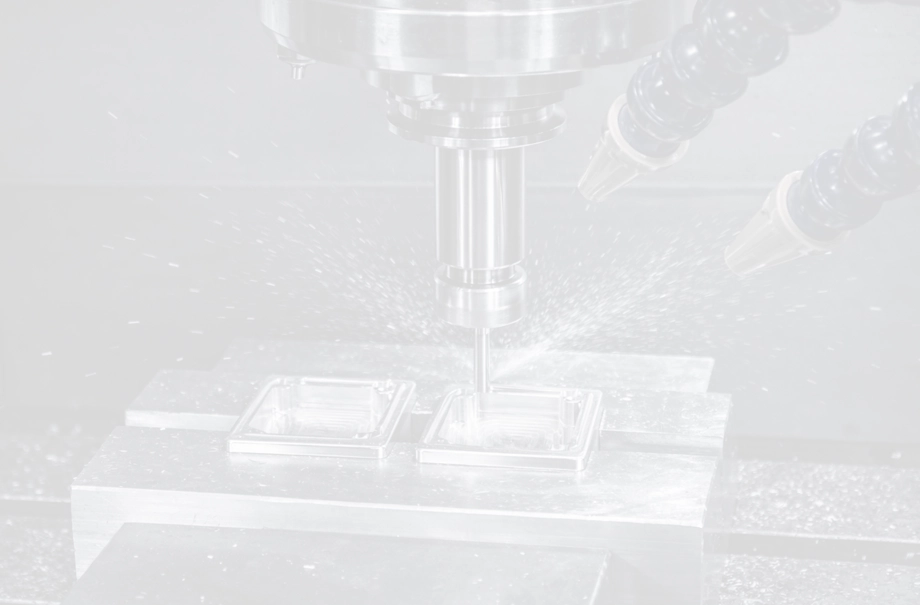
Precision CNC Machining is a unique way of making things that can achieve tolerances as small as ±0.005mm, which is much smaller than what standard machining can do. Unlike other ways, this one combines multi-axis machining centers (which can be set up in 3-axis, 4-axis, or 5-axis setups) with advanced CAM software that turns engineering drawings into tool paths that can be used. High-speed spindles, strong machine frames, and temperature compensation systems are what make this technology work. They keep the dimensions stable even during long production runs.
The Complete Workflow from Design to Finished Component
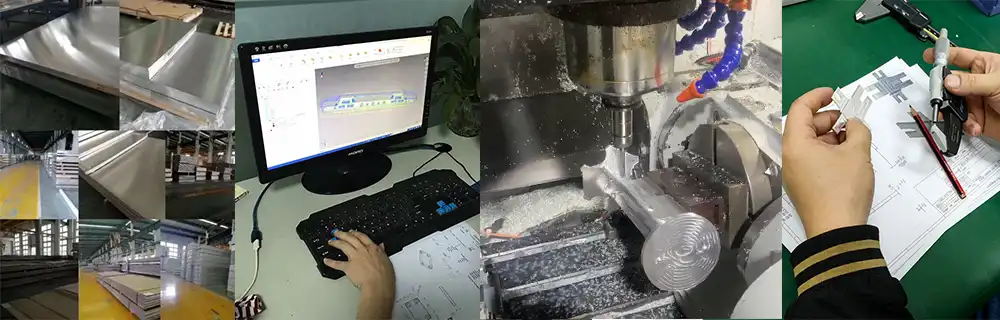
The process starts with choosing the material. Next, experts look at its mechanical properties, thermal properties, and compliance standards. Aluminum alloys like 6061-T6 are most often used in places where anodizing and strength are needed, while 7075-T6 is used for aircraft parts that need better structural performance. Once the materials come with certified mill test results, CNC programmers create tool paths that take into account how the material behaves, the cutting forces, and the material's thermal expansion. Flood cooling systems and optimal feed rates keep heat from building up during machining, which could affect precision. After machining, steps like deburring, surface treatments like anodizing or chemical film finishing, and a careful check with coordinate measuring machines (CMM) and optical comparators are all done.
Hardware and Software Integration Enabling Consistent Accuracy
Closed-loop feedback systems are built into modern CNC machining centers. These systems constantly check the position of the tools and fix any technical issues that happen in real time. High-tech processors follow G-code directions very quickly while keeping smooth acceleration profiles that stop mistakes caused by vibration. Tool presetting systems check the sizes of the cutting tools before they are used, so mistakes in setting them up by hand are avoided. Climate-controlled factory settings keep temperatures even more stable, making sure that parts stay the same size throughout production cycles. This integration makes a production environment where repeatability is promised instead of just hoping for it.
Key Benefits and Applications of Precision CNC Machining for B2B Clients
When manufacturers choose Precision CNC Machining, they get a number of strategic benefits that have a direct effect on the success of their products and their ability to compete in the market. The technology is great at making parts where the accuracy of the dimensions affects how well they work, not just how they look. Companies say that compared to subtractive methods like casting, there is a lot less material waste, and production cycles are sped up, which cuts down on time-to-market windows that are important for staying ahead of the competition.
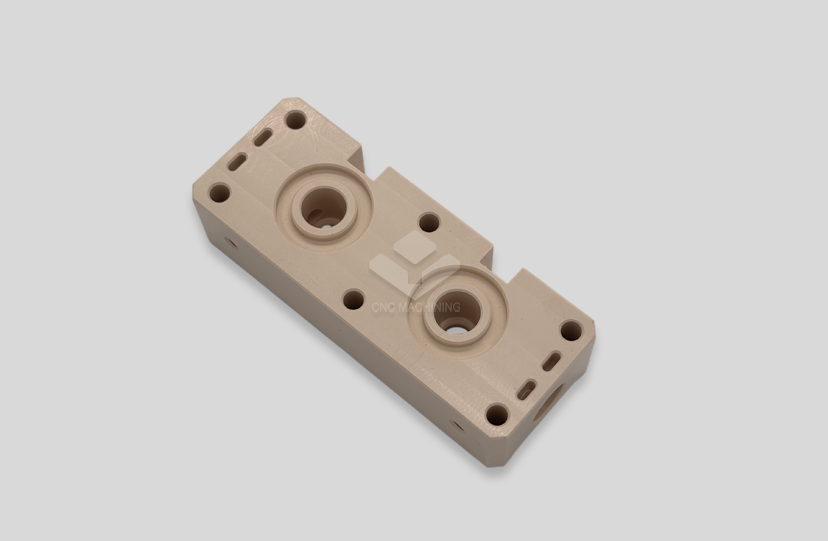
The following advantages set Precision CNC Machining apart from other ways of making things and explain why smart buying teams put this technology at the top of their list. Cost effectiveness comes from having less waste and not having to do as many extra operations. This is because after basic finishing, parts often leave the machine ready to be put together. Scalability lets you go from testing a prototype to mass output without having to retool or change the way the process works. Aluminum, titanium, and industrial plastics like PEEK and Ultem are just a few of the materials that can be used. This means that makers can choose the best materials without having to worry about how they will be made. Repeatability in the process makes sure that the thousandth part is the same as the first. This gets rid of the batch-to-batch difference that happens with other ways of making things. All of these benefits lower the total cost of ownership, speed up the creation of new products, and make the supply chain more reliable.
Industry Applications Where Precision Makes the Difference
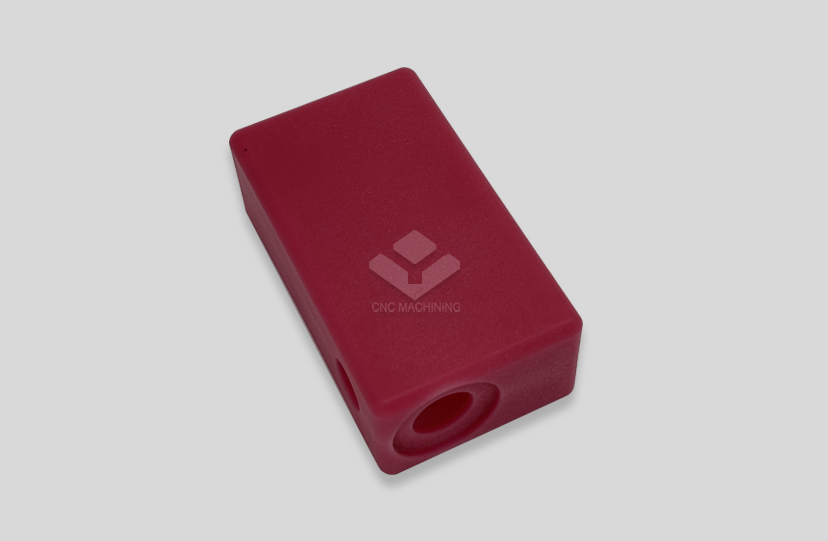
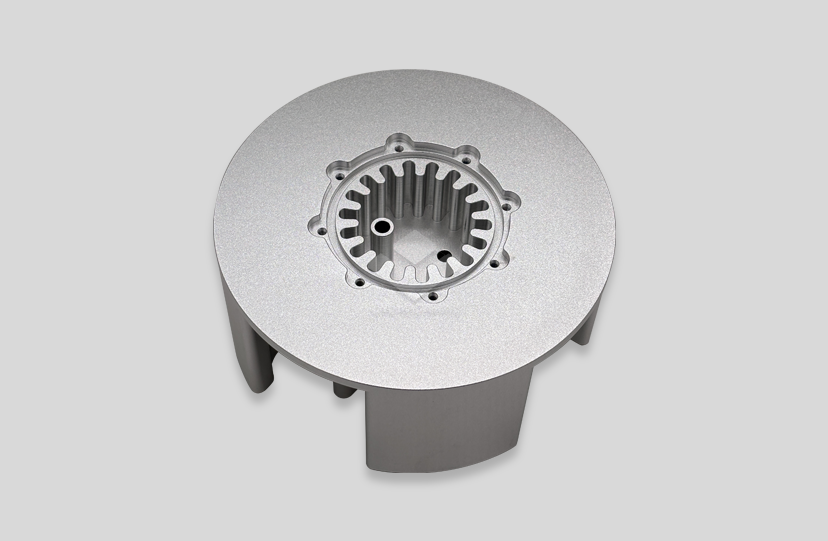
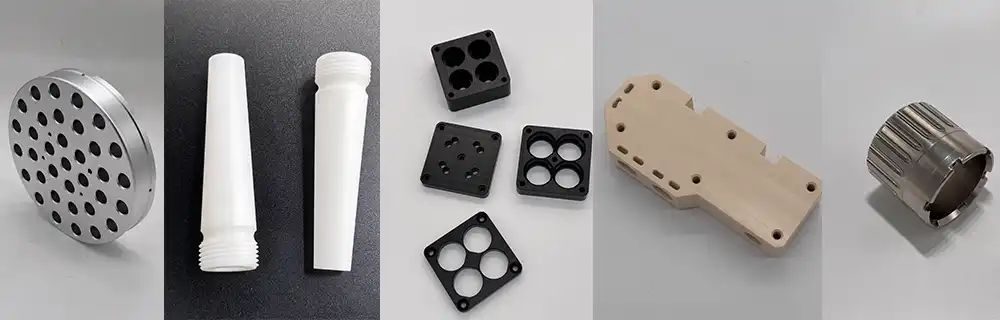
Precision CNC Machining is needed for structural aircraft parts, electronics housings, and fuel system pieces that need to be lightweight without sacrificing structural integrity. Medical device makers use this technology to make surgical tools, housings for testing equipment, and parts for automating labs that need materials and methods that are FDA-compliant. Automotive engineers ask for precision-machined parts for safety-critical suspension parts, battery casings for electric vehicles, and heat management systems. Dimensional accuracy has a direct effect on how well the vehicle works and how safe its passengers are. Precision parts are used in robots' joints, linear motion assemblies, and sensor housings in industrial automation systems. The dependability of these parts depends on how well they work with mechanical tolerances. Precision machining is important for semiconductor equipment makers because it keeps parts clean and prevents costly production delays in wafer handling systems and testing setups.
Material Selection Aligned with Application Demands
The aluminum 6061-T6 is very easy to machine, doesn't rust, and can be anodized, so it's good for general engineering uses and consumer gadgets. Aluminum 7075-T6 has a better strength-to-weight ratio, which is important for aircraft systems and high-performance parts that are loaded and unloaded quickly. Titanium metals are biocompatible and have a high level of corrosion resistance, which is important for medical devices and equipment used in chemical processes. Engineered plastics, like PEEK and Delrin, are used in situations where electrical protection, chemical resistance, or weight reduction are needed while the shape stays the same. Stainless steel grades are used to make food preparation equipment that is clean and won't rust in marine settings.
Comparing Precision CNC Machining with Alternative Manufacturing Methods
When procurement workers look at different manufacturing technologies, they need to know how Precision CNC Machining stacks up against others like standard CNC machining, 3D printing, injection casting, and hand machining. Each technology fits into a certain niche, and the best one to use depends on technical skills, economic factors, and production numbers.
When Precision CNC Machining Outperforms Alternatives
Standard CNC Machining usually gets limits of about ±0.1mm, which is fine for non-essential parts but not for mating surfaces, bearing bores, or sealing faces. Precision CNC Machining keeps limits of ±0.005mm on important measurements and ISO 2768-m standards on secondary features. This makes useful parts instead of rough parts that need a lot of hand finishing. Additive manufacturing is great at making complex internal geometries, but it's not so good at surface finish quality and dimensional accuracy. This means that it works well for samples but not so well for useful parts. When making more than a thousand units, injection molding only makes sense as an investment in expensive tools. Precision CNC Machining, on the other hand, stays cost-effective from single samples to mid-volume production runs. Manual machining brings variation in quality due to skill levels, which makes it unpredictable for parts that need to be the same size across production runs.
Technical Comparison Factors Influencing Procurement Decisions
How well a production method can handle dimensional tolerances determines whether it can make working parts or just visual prototypes. The quality of the surface finish affects both how it looks and how it works, including the closing surfaces, the areas where weight is carried, and how resistant it is to wear and tear. Project timelines are affected by how fast parts are made. For example, Precision CNC Machining can usually send sample parts in three to seven days. Cost structures are very different. For example, Precision CNC Machining doesn't have to pay for the tools needed for casting, so the piece prices are still competitive for low to medium-volume production. Material compatibility increases design choices because Precision CNC Machining can work with almost any material that can be machined without making any changes to the process.
How to Choose the Best Precision CNC Machining Service Provider
When looking for a Precision CNC Machining partner, you need to look at their professional skills, quality control systems, and operating responsiveness. These are all important factors that affect the success of the project as a whole. Companies that have ISO 9001 certification show that they are dedicated to quality management. Certifications that are specific to a field, like AS9100 for aircraft or ISO 13485 for medical devices, show that the company has specialized knowledge. More advanced equipment is better. For example, 5-axis machining centers can make complicated shapes that 3-axis machines can't, and new controls improve the quality of the surface finish and shorten cycle times.
Evaluation Criteria for Procurement Teams
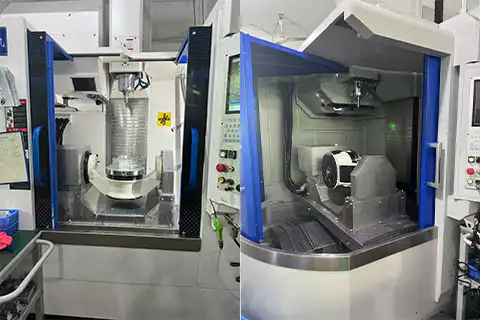
Manufacturing partners are different from simple machine shops because they can communicate technically. Suppliers that allow direct contact between engineers look over plans to make sure they can be manufactured, suggest design improvements, and help with choosing materials that lower costs without lowering performance. Quality management includes more than just inspection reports. It also includes written processes for dealing with nonconformances, putting corrective actions into action, and working toward ongoing growth. The level of sophistication of the machinery sets its limits. For example, high-speed rollers make it easier to machine aluminum, and rigid machine structures keep accuracy when working with tough materials like titanium or hardened steel. Responding quickly to customer requests for quotes, being open with schedules, and talking about possible delays before they affect delivery promises can all have an effect on project timelines.
Understanding Cost Structures and Lead Time Expectations
Quotes should list the prices of materials, machining time, setup fees, and finishing processes. This way, procurement teams can figure out what causes costs to go up or down and compare different options. Lead times rely on the supply of materials, the schedule of machines, and the finishing needs of the job. Prototype parts usually take three to seven days, while production runs can take up to four weeks, depending on the number of parts and how complicated they are. Suppliers who keep materials in stock and offer flexible timing can work with pressing projects without charging more, while those who need longer lead times may be experiencing capacity issues or business inefficiencies.
Since 2008, we've built our name on engineering-driven manufacturing that blends Precision CNC Machining with technical know-how and quick customer service. Our team, which has an average of more than 15 years of experience in the field, works directly with customers to look over sketches, improve designs, and come up with useful machining solutions that solve real production problems. This method cuts down on mistakes, shortens wait times, and makes things easier to make while keeping communication open throughout projects.
Optimizing Procurement: How to Request Quotes and Place Orders for Precision CNC Machining
For procurement to work well, there must be clear technical paperwork that removes any doubt and stops costly mistakes. Complete CAD drawings in STEP or IGES format, detailed tolerance callouts using GD&T notation, material specifications based on industry standards, surface finish requirements given as Ra values, and finishing specifications such as anodizing type, plating thickness, or coating standards are all things that are needed to get a quote approved.
Essential Information for Accurate Quotations
Interpretation mistakes that slow down projects and raise costs can be avoided by having complete engineering plans. Tolerance requirements tell suppliers the difference between general features that can accept standard tolerances and critical dimensions that need to be controlled precisely. This lets suppliers find the best ways to machine parts and cut costs that aren't necessary. Material certifications make sure that regulations are followed. For example, aircraft uses may need to be able to track materials, and medical devices need materials that are FDA-compliant and have been shown to be biocompatible. The type of surface finish affects both the way the machine is used and the time it takes to complete a cycle. For example, thinner finishes require more work, which increases wait time and costs. Quantity needs affect price because setup costs are spread out over higher production amounts, and buying power for materials increases with larger orders.
Managing Production Schedules and Ensuring Supply Chain Reliability
Before committing to bigger production runs, prototype-to-production partnerships start with sample orders to make sure that the manufacturing capability, accuracy of measurements, and quality of the finish are all good. Trial orders set basic quality standards and test how responsive and clear the supplier's contact is. When planning production, it's important to keep track of engineering release dates, wait times for getting materials, machining capacity, and shipping dates. Contract manufacturing agreements make quality standards, supply schedules, and price models official, so everyone knows what to expect. Flexible providers can handle changes in engineering, faster deliveries, and changing order numbers that reflect the real problems that come up during product development, not just the ideal ideas that are used for planning.
We help with projects from the first samples to full production runs, always keeping tight limits and high-quality standards in mind. We can handle complicated machining processes, special needs, and small-batch production that many providers avoid because they are hard to do. We offer fast, door-to-door delivery around the world for small sales, and if there are any quality problems within the same month, we guarantee quick remanufacturing—usually within one week, with shipping costs paid.
Conclusion
Precision CNC Machining gives modern manufacturing the exact measurements, a wide range of materials, and high output efficiency it needs. With this technology, engineers can build parts knowing that their performance won't be affected by how they're made, and procurement teams can make sure that there are reliable supply lines with no quality risks or long wait times. To find the best manufacturing partner, you need to look at their technical knowledge, quality control systems, and practical responsiveness. These are the three things that affect the overall success of the project. Precision CNC Machining gives companies a competitive edge by speeding up product creation, lowering production costs, and improving product performance, all of which have a direct effect on their market position.
FAQ
What tolerances can precision CNC machining realistically achieve on aluminum components?
When using 5-axis machining centers with the right tools and process control, Precision CNC Machining can regularly achieve ±0.005mm tolerances on important features like bores, joining surfaces, and sealing faces. To save money without sacrificing usefulness, non-critical features usually stay within the ISO 2768-m tolerances (±0.1mm for measurements under 30mm).
How do you prevent dimensional errors when machining thin-walled aluminum parts?
Thermal control is very important for thin-walled parts that can bend because of heat. We use flood cooling systems to keep the temperature stable, high-speed toolpaths to lower the cutting forces, and stress-relieving heat treatments between steps of machining when the wall thickness is less than 2 mm. Fixture design also spreads out clamping forces to keep parts from deflecting while they are being machined.
What material certifications do you provide for aerospace and medical applications?
All materials come with mill test results that list their chemical makeup and mechanical qualities. Documentation for material tracking is sent to aerospace projects that connect finished parts to batches of approved raw materials. Medical device parts are made from materials that are FDA-approved and have biocompatibility documents and surface processes that meet regulatory requirements such as RoHS and REACH compliance standards.
Partner with RYH for Your Precision CNC Machining Needs
Precision CNC Machining services from RYH are based on engineering and are backed by full expert help and quick project management. Our engineers talk to your team directly—no middlemen—reviewing plans, improving designs, and suggesting workable solutions that make things easier to make while cutting costs. We specialize in making fully customized parts from plans provided by clients. These parts can be made from metals or non-metals and are used in a wide range of industries, from aircraft to medical devices. Our business is based on quick reaction. Quotes are sent out quickly, and samples are made within a week, or often in three days, for easier parts. We can handle complex shapes, difficult materials, and special surface finishing needs that many Precision CNC Machining sources turn down. We can do everything from prototyping and testing to mass production. We have strict quality standards that we stick to, such as material certifications, measurement inspec tion reports, and following international standards. This makes sure that the parts always meet your needs. Contact bill@bldmachining.com to talk about your project needs and find out how working with an experienced Precision CNC Machining maker can speed up the development of your product while ensuring quality and on-time delivery.
References
1. Kalpakjian, S., & Schmid, S. R. (2014). Manufacturing Engineering and Technology (7th ed.). Pearson Education.
2. Stephenson, D. A., & Agapiou, J. S. (2016). Metal Cutting Theory and Practice (3rd ed.). CRC Press.
3. Society of Manufacturing Engineers. (2018). Fundamentals of CNC Machining. SME Technical Publications.
4. American Society of Mechanical Engineers. (2019). ASME Y14.5-2018: Dimensioning and Tolerancing. ASME Standards.
5. Boothroyd, G., & Knight, W. A. (2011). Fundamentals of Machining and Machine Tools (3rd ed.). CRC Press.
6. López de Lacalle, L. N., & Lamikiz, A. (2009). Machine Tools for High Performance Machining. Springer-Verlag London.