Custom CNC Machining Services: End-To-End Manufacturing Solutions From Design To Production
Custom CNC Machining uses computer-controlled manufacturing methods to make parts that are precisely designed and fit your exact needs. In contrast to mass production, this method uses advanced machining techniques along with technical knowledge to turn design ideas into working samples and parts that are ready for production. Our services include milling, turning, and multi-axis powers that let us work with complicated shapes made of metal and plastic. We help businesses ranging from aerospace to medical devices with these skills. We help B2B clients who need reliable, high-precision solutions bridge the gap between design purpose and manufacturing reality by letting engineers talk directly to each other and turning work around quickly (often within 3–7 days).
Understanding Custom CNC Machining: Processes, Benefits, and Applications
What Distinguishes Custom CNC Machining
The main difference is how well they can adjust. Standard machining sticks to set parameters, but Custom CNC Machining changes based on the needs of the job. We make parts that meet specific tolerances for size, material properties, and surface finish by working straight from your CAD files and technical models. Before production starts, our engineers look over every design to see what problems might come up with making it. They then suggest changes that keep the usefulness while making the manufacturing process more efficient.
Core Machining Processes We Use
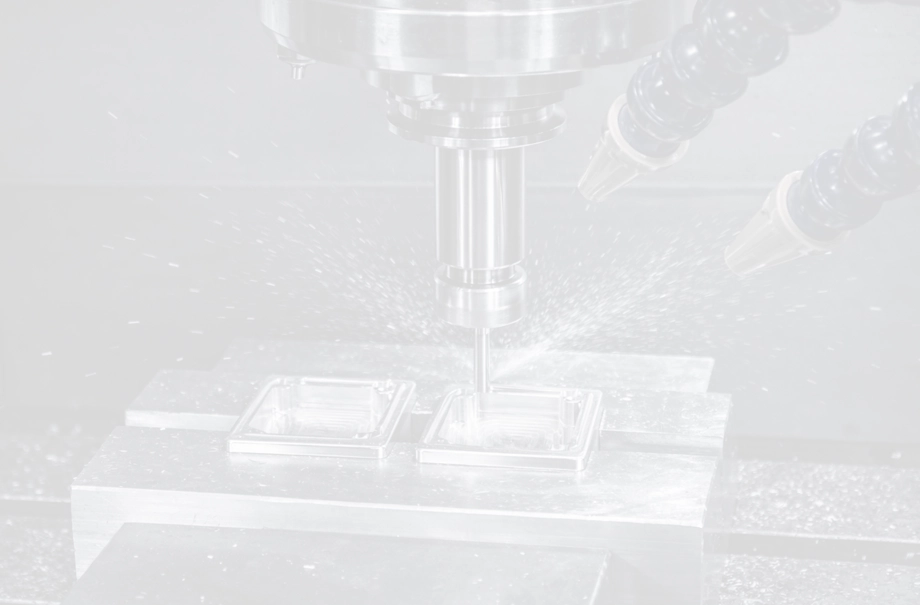
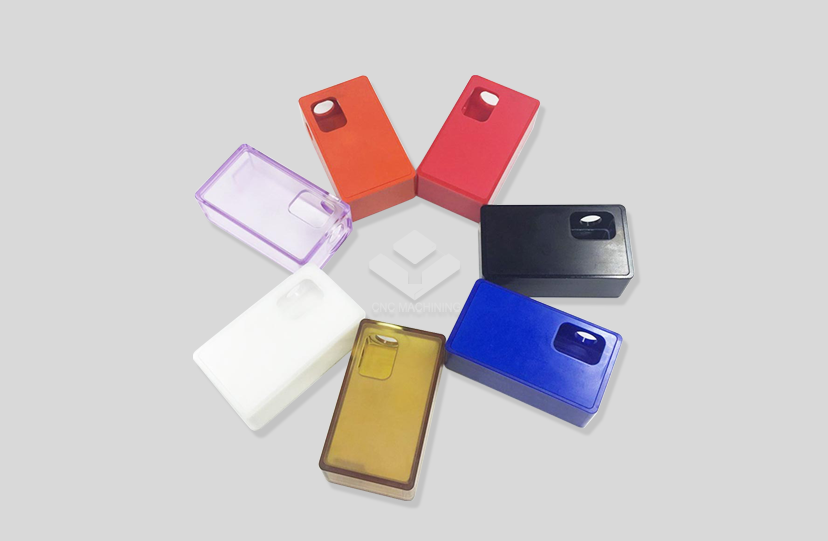
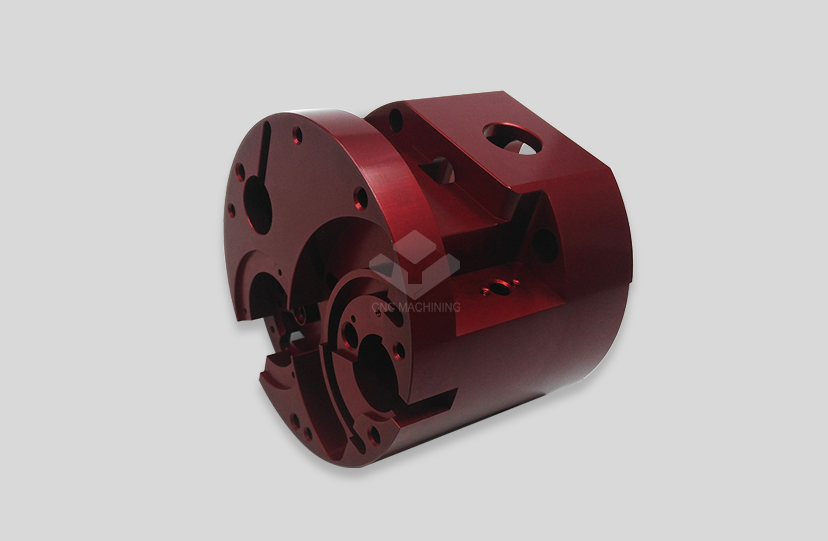
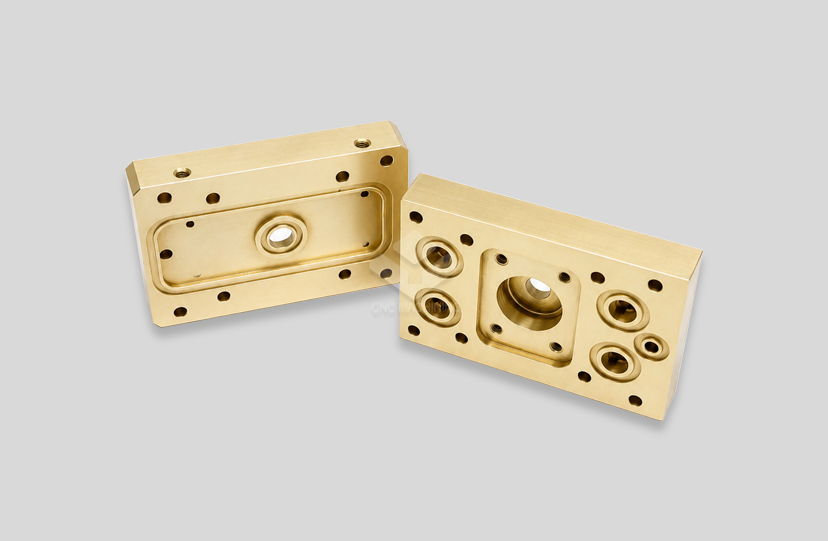
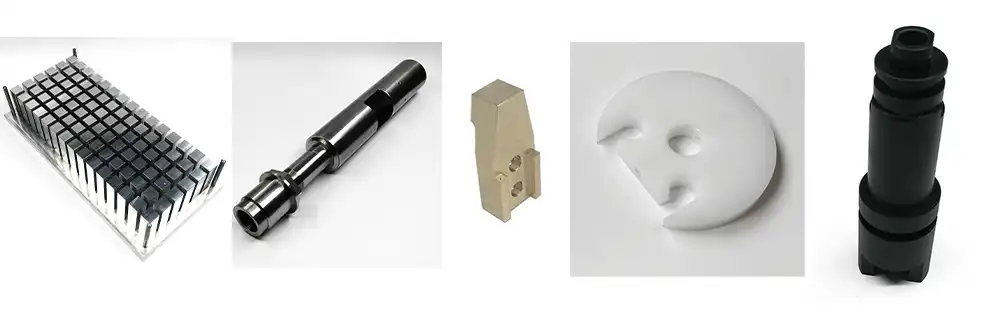
Several technologies are used in our cutting process to get the results we want. CNC milling uses spinning tools to remove material and make complicated shapes and outlines. Cylindrical parts with good surface quality and concentricity are made by turning. Multi-axis cutting is used for complicated shapes that need tools to move at the same time in more than one plane. Which process to use relies on the shape of the part, the tolerances that need to be met, and the properties of the material. We make metals like stainless steel, brass, titanium, and aluminum alloys like 6082, which are known for having high strength-to-weight ratios and being resistant to rust. Our unique plastic Custom CNC Machining parts are made from engineering-grade polymers like PEEK, Delrin, and Nylon, which are used in places where chemical protection or electrical insulation is needed.
Achievable Tolerances and Quality Standards
Dimensional consistency has a direct effect on how well a product works. For standard jobs, we always keep tolerances of ±0.005", but we can get as close as ±0.001" if the requirements call for it. Surface finishes range from "as machined" to Ra 0.8µm, depending on the need for functionality or personal taste. Every package comes with a material certification that lists the chemicals used and their mechanical qualities. As part of our quality control, we inspect the first piece, check the progress while it's being made, and use calibrated CMM tools for final measurement reports. When clients need FDA-compliant materials for medical devices or aerospace-grade certifications for flying parts, this paperwork is very important.
Industry Applications That Benefit Most
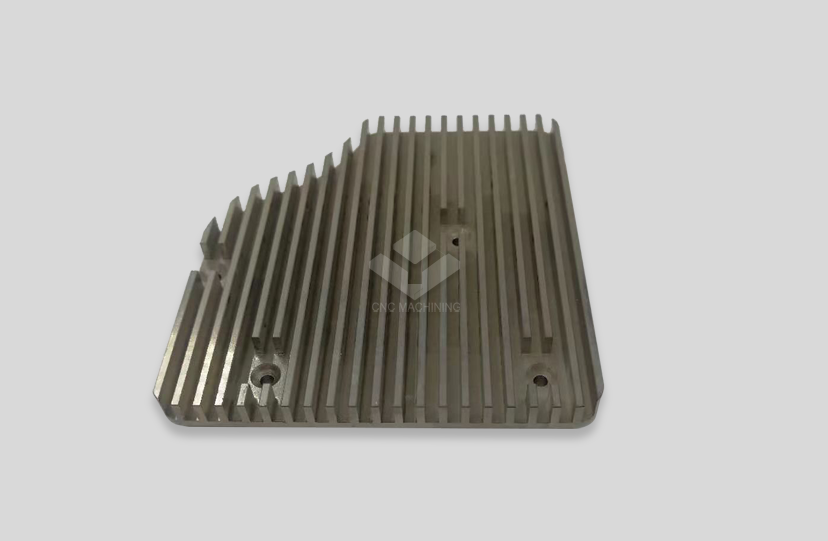
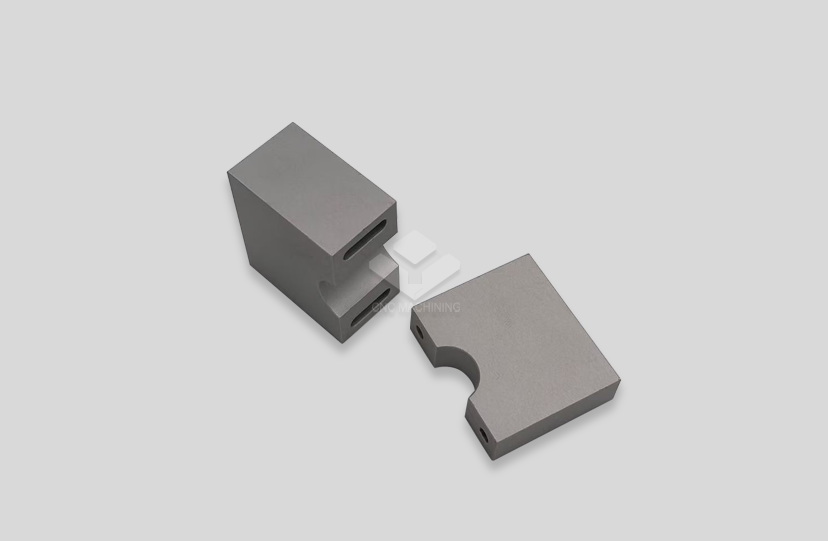
Mechanical experts who are making industrial automation equipment depend on our custom clamps, mounting plates, and motion control parts that fit perfectly into existing systems. Automotive makers get parts for EV charging systems and battery housings that need to be manufactured with tight tolerances and good heat control. The companies that make medical devices count on us to provide surgical tool parts and laboratory equipment parts that are biocompatible. Electronics companies use our fast prototyping services to make sure that their enclosure designs and heat sink setups work before they spend money on making tools. Startups and research teams like how flexible we are when it comes to low-volume production runs that help test products without having to meet strict minimum order requirements that put a strain on budgets.
Comparing Custom CNC Machining with Alternative Manufacturing Methods
Material Compatibility and Process Selection
In different situations, different production methods work best. Additive manufacturing creates parts layer by layer, giving you more control over the shape but not as much control over the material's strength and surface quality as made parts. For samples or sales of less than 1,000 units, injection molding is not a good option because it costs a lot and takes a long time to make the tools. While manual cutting is flexible, it doesn't offer the consistency and accuracy that computer-controlled equipment does.
These factors are well balanced by Custom CNC Machining. We work with both metals and plastics without having to buy special tools. This means that the dimensions stay the same whether we're making prototypes or full-scale production runs. We don't add to the solid stock, melt and reform plastics, or build up layers, so the qualities of the material stay the same. This is very important when parts need to be able to handle mechanical stress, changing temperatures, or chemical contact.
Lead Time and Cost Considerations
Project deadlines have a big effect on the choice of manufacturing method. We can get Custom CNC Machining samples to you in one week, or sometimes in three days for simple shapes. For injection casting, just making the tools takes 4 to 8 weeks before the first parts come. 3D printing can match our speed for simple shapes, but it gets much slower as the forms get more complicated and more work needs to be done afterward.
Cost arrangements are very different. When you use Custom CNC Machining to make parts, the costs are pretty much the same whether you make 5 or 500. With injection molding, on the other hand, the high costs of the tools are spread out over a lot of parts. Depending on how complicated the part is, the break-even point is usually between 1,000 and 5,000 units. Below that point, made parts usually cost less when you add up all the costs of the project, like tools, iteration cycles, and delays caused by quality issues.
Evaluating Potential Manufacturing Partners
When choosing providers, procurement managers should look at a number of skills. The boundaries of cutting complexity depend on the technology infrastructure—do they only use 3-axis mills, or can they do 5-axis simultaneous machining? When working with difficult metals or new polymers, having experience with those materials is important. Certifications like ISO 9001 show that quality systems are well-established, while badges specific to an industry, like AS9100 or ISO 13485, show that the company knows a lot about medical devices or aerospace.
Response time shows how efficient a company is. In how little time do they respond to RFQs? Can engineers talk about technology issues directly with each other without going through salespeople? We've found that clear technical conversation cuts down on mistakes that lead to expensive extra work. Turnaround times tell the difference between good providers and great ones. For example, our average sample delivery time of 5 days shows how efficient our manufacturing is and how we prioritize your projects so they don't interfere with your development plans.
Procurement Insights: Ordering Custom CNC Machined Parts Efficiently
Factors Influencing Machining Costs
The choice of materials has a big effect on the price. Aluminum can be machined more quickly than stainless steel, which saves money on work. Titanium and Inconel are examples of rare metals that need special tools and slower cutting speeds. Most of the time, it's cheaper to make plastic than metal, but you need to use different fixturing methods and tool shapes.
Programming time and machining time are both affected by how complicated the part is. Simple prismatic forms with standard traits are easy to machine. Cycle times are longer when there are organic shapes, thin walls, deep gaps, and small internal circles. Costs are also affected by the tolerances that are needed. For example, keeping ±0.001" tolerances requires more setup checks, slower feeds, and more inspections than ±0.010" tolerances.
Setting up depreciation changes the price per unit based on the quantity. Programming, setting up fixtures, and inspecting the first piece are all fixed costs that are spread out over the number of orders. Surface finishing adds costs that change depending on the type of treatment used. For example, electropolishing costs more than bead blasting, which costs more than anodizing.
Preparing Effective RFQs and Technical Documentation
Clear communication speeds up the quote process and cuts down on mistakes. Give full 3D CAD files in common forms like STEP, IGES, or Parasolid, along with 2D models that show important measurements, tolerances, and surface finish callouts. Make it clear what type of material it is—"aluminum" isn't precise enough, but "6082-T6 aluminum per ASTM B211" is.
Figure out which dimensions are functionally important and which are just reference measurements. Write down any assembly standards, like thread or press-fit limits. Include the amount needed for both the sample and the amount that will be made. This lets providers suggest ways to improve the Custom CNC Machining process that might lower costs when more are bought.
Managing Lead Times and Production Scheduling
Standard lead times depend on how complicated the job is and how busy the shop is. Most development schedules can work with our standard 7-day delivery for samples. Orders for 100 or more parts usually take two to three weeks, but this depends on how hard the material is to find and how complicated the cutting is. We offer faster services when the necessity of the job supports the higher price, and when it's technically possible, we can deliver within 72 hours.
Minimum order amounts affect how willing suppliers are to work with you and how prices are set. We can take orders for prototypes as small as one piece and as large as 10,000 or more units. No matter the number, we keep the same quality standards and tech support. This adaptability helps the prototype-to-production purchasing model that many of our clients use. In this model, initial samples are used to confirm the design before bigger promises are made.
Partnering with Top Custom CNC Machining Suppliers: What B2B Clients Should Know
Evaluating Manufacturing Capabilities and Infrastructure
How possible a project is depends on how deep the technology is. Advanced shops use multi-axis Custom CNC Machining centers to make complicated shapes in just one setting. This cuts down on tolerance stack-up and improves accuracy. Live tools and the ability to combine tasks that would normally need more than one machine. EDM machines can work with hard materials and complicated shapes that milling machines can't reach. Anodizing, powder coating, and heat treating are all surface treatment methods that can be done in-house. This cuts down on time and improves quality control.
Quality Assurance and Risk Management Strategies
The terms of the contract should make it clear what level of quality is expected. List the things that need to be inspected, the sampling plans that are allowed, and the formats for giving dimensions. Talk about the steps for not meeting standards. How quickly will new parts be sent, and who will pay for the shipping? As part of our pledge to customer happiness, we promise to remanufacture within one week for any quality problems found within 30 days. We will also pay for the return shipping.
Material approvals and proof of compliance keep supply chain threats at bay. Medical gadget projects need plastics that are FDA-compliant and can track materials. Certified material test results are needed for aerospace parts. RoHS compliance or UL-recognized products may be needed for electronic uses. Make sure that any possible suppliers know about these rules, and make sure that you keep the records that you need to meet your legal responsibilities.
Building Strategic Manufacturing Partnerships
Transactional relationships are all about getting things done for one person, while strategic partnerships help both parties understand each other better, which leads to better results over time. Our engineers learn about the types of designs you like, the tolerances you need, and the locations where they will be used. This knowledge speeds up future projects because we can predict what needs to be done and deal with possible issues before they become problems.
A company that makes medical devices came to us with a complicated surgery tool housing that needed to be perfectly centered between several bored parts. During the study of the design, our engineers found that the stated tolerance stack would make assembly difficult. We suggested a way to make things using a single-setup 4-axis process that would keep important connections while loosening up dimensions that weren't as important. This cut the time it took to machine parts by 30% and raised the success rate of assembly. This kind of group problem-solving comes from partnerships, not one-way transactions.
Design Tips and Best Practices for Custom CNC Machining Success
Design for Manufacturability Considerations
Machinability in Custom CNC Machining is based on how easy it is to get to a feature. Because the tool radius makes small cuts, internal corners can't be perfectly sharp. Costs are reduced when corner radii are designed to match common tool sizes (0.015", 0.030", and 0.060"). When pockets are both deep and wide, they increase the risk of tool deflection and chatter. Chip removal and surface finish quality improve when draft angles are added.
Wall thickness affects both how easy it is to machine and how well the part works. If the walls are too thin, usually less than 0.030" for metals or 0.060" for plastics, they could bend during cutting and lose their shape afterward. It is more reliable to machine thicker pieces, but they cost more and take longer to make. To balance these factors, you need to know both what the useful requirements are and how the product will be made.
The thread specs affect how well the product is made. Taps and sewing tools that work with standard threads (UNC, UNF, and metric) are easy to find. Special tools are needed to make custom thread forms, which adds to the cost and wait time. As a general rule, the minimum length of a thread contact should be 1.5 times the major diameter for steel and 2 times for aluminum.
Common Design Mistakes and How to Fix Them
Costs go up needlessly when every measure has to be tightly controlled. Precision standards should only be used where they are needed, like on surfaces that mate, fit bearings, or close. In other places, normal Custom CNC Machining limits (±0.010" for most features) should be used. This way of doing things cuts down on review time and production complexity without affecting performance.
When choosing materials, qualities that aren't always important for the purpose are sometimes given more weight. An electrical enclosure that is supposed to be made of titanium to prevent corrosion could be made of 6082 aluminum, which is one-third the cost and can be anodized to protect the environment. Talking to expert machinists about different types of materials often turns up ways to save money without sacrificing function.
Not figuring out how much surface finish is needed leads to confusion. People have different ideas about what "smooth finish" means. It is clear what the surface roughness is when you give a number (Ra values) or refer to finish standards. We help our customers figure out which finishes are really needed for their projects and which ones are just for looks but don't add any usefulness.
Leveraging CAD/CAM Integration
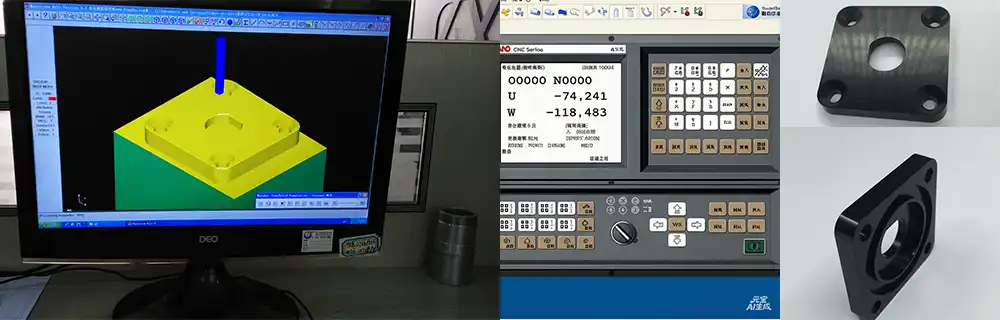
Digital data sharing is important for modern industry. We put your 3D models right into CAM software, which makes toolpaths, runs operations, and makes sure there are no collisions before cutting starts. This gets rid of mistakes made by hand while writing and lets changes to the plan be made quickly.
Parametric CAD models make it easier to talk about how to improve designs. When our engineers suggest changes, new models quickly show how those changes will affect parts that fit together or the order in which they are put together. This way of working together cuts down on development time and increases the number of first-time successes. Sharing files and keeping track of versions in the cloud keeps teams working on different projects in touch.
Conclusion
Custom CNC Machining projects need more than just good tools to be successful. They also need engineering knowledge, good communication, and a manufacturing relationship. With more than 15 years of professional experience, we can solve problems in a way that combines what the designer wanted with what can be made. We've set up systems that allow for quick quotes, flexible order numbers ranging from single prototypes to large production runs, and efficient global logistics that bring small orders door-to-door. Material approvals, detailed inspection records, and remanufacturing guarantees all help lower the risk of buying while meeting your quality standards. Our end-to-end help turns technical drawings into precise parts that meet specifications and deadlines, whether you're making industrial equipment, building medical devices, or validating auto parts.
FAQ
What factors most significantly affect custom CNC machining project costs?
The main things that affect costs are the choice of material, the complexity of the part, the accuracy standards, and the size of the order. Aluminum can be machined more quickly than stainless steel, which saves money on work. Tight tolerances and complicated shapes need more programming, slower machining speeds, and more time for checking. Processes that change the surface, like anodizing, cost more in both material and labor. Setting up costs are spread out over more parts when you buy more, which lowers the price per unit.
How can I verify a CNC machining supplier's quality standards before placing orders?
How can I make sure that a Custom CNC Machining provider meets quality standards before I place an order? Ask for sample parts that are close to what you need and compare the dimensions to the plans to make sure they are correct. Ask for certificates of the material that list its chemical makeup and mechanical qualities. Check to see if they can do inspections. For example, do they use accurate CMM equipment? Check to see if they have the right certifications, such as ISO 9001 or standards specific to your business (AS9100 for aircraft, ISO 13485 for medical devices). References from clients in the same industry can tell you a lot about how reliable and quick someone is.
What lead times should I expect for CNC machined prototypes and production parts?
Lead times for prototypes are usually between 3 and 7 days for simple shapes and materials that are easy to get. For complicated parts with many axes or rare metals, it may take 10 to 14 days. Print orders usually take two to three weeks, but it depends on how many and how complicated they are. When the job needs to be done quickly, expedited services can shorten these timelines for an extra fee. Sometimes, the supply of materials causes wait times to be longer than planned. Checking stock levels before making plans helps avoid surprises.
Partner with RYH for Precision Custom CNC Machining Solutions
Since 2008, RYH has provided engineering-driven precision manufacturing to help procurement managers and design engineers in the automobile, medical device, aircraft, and industrial equipment industries. Our technical team, which has an average of 15+ years of experience in machinery, works directly with your engineers to improve plans, suggest materials, and solve problems with making things without going through salespeople. We make metal and plastic parts exactly to your specifications, with tolerances of ±0.001" and full material certifications, FDA-compliant materials, and surface treatments like anodizing and salt spray testing. Whether you need prototypes in 72 hours or production volumes with flexible batch sizes, we offer quick quotes and reliable delivery through efficient global logistics. Contact bill@bldmachining.com today to talk about your project with experienced engineers at a trusted Custom CNC Machining supplier, and find out how our technical capabilities and manufacturing partnership approach can speed up the development of your product.
References
1. Kalpakjian, S., & Schmid, S.R. (2014). Manufacturing Engineering and Technology (7th ed.). Pearson Education.
2. Boothroyd, G., Dewhurst, P., & Knight, W.A. (2011). Product Design for Manufacture and Assembly (3rd ed.). CRC Press.
3. Groover, M.P. (2015). Fundamentals of Modern Manufacturing: Materials, Processes, and Systems (6th ed.). John Wiley & Sons.
4. Smid, P. (2008). CNC Programming Handbook: A Comprehensive Guide to Practical CNC Programming (3rd ed.). Industrial Press.
5. Lynch, M. (2018). CNC Programming Techniques: A Practical Guide for Machinists and Programmers. Society of Manufacturing Engineers.
6. Stephenson, D.A., & Agapiou, J.S. (2016). Metal Cutting Theory and Practice (3rd ed.). CRC Press.