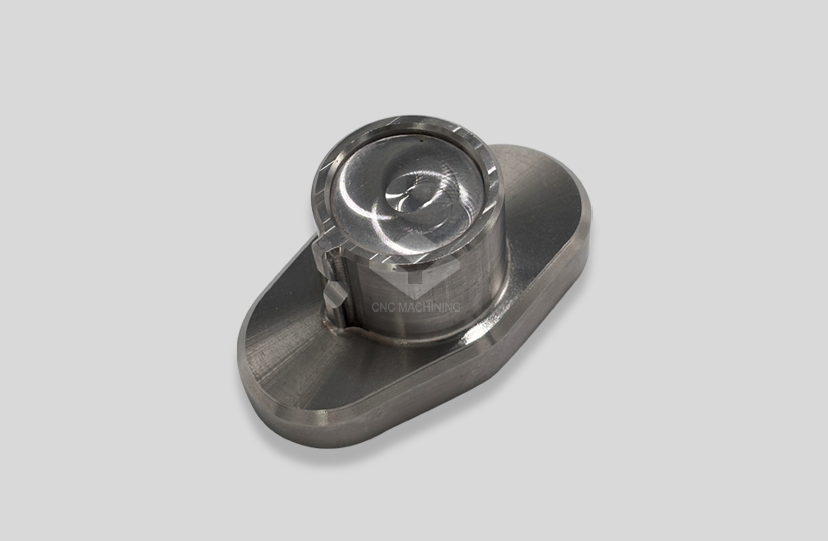
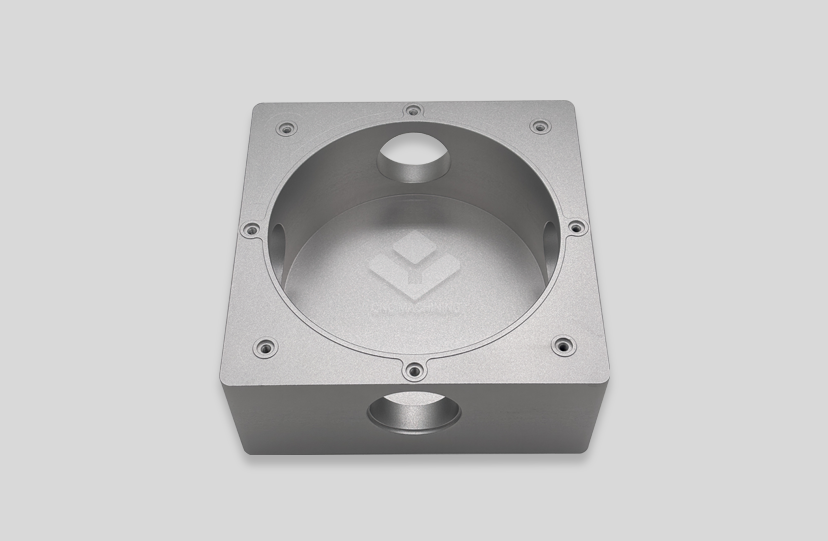
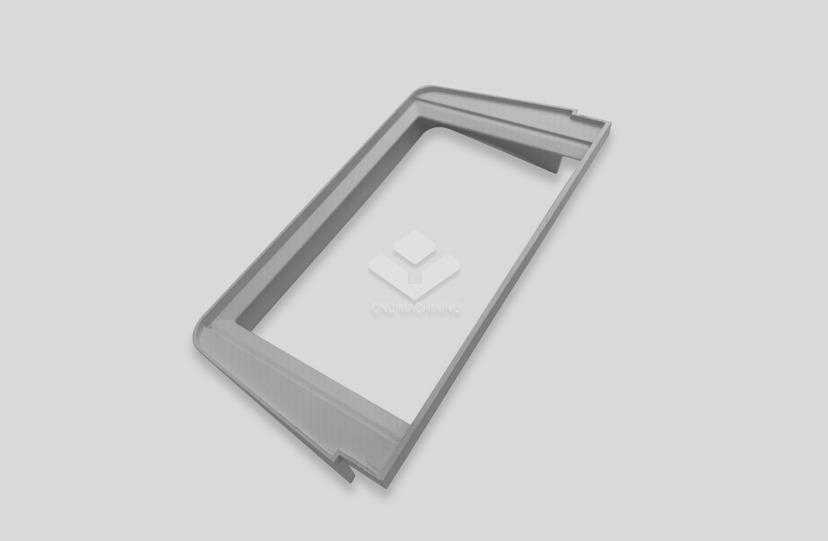
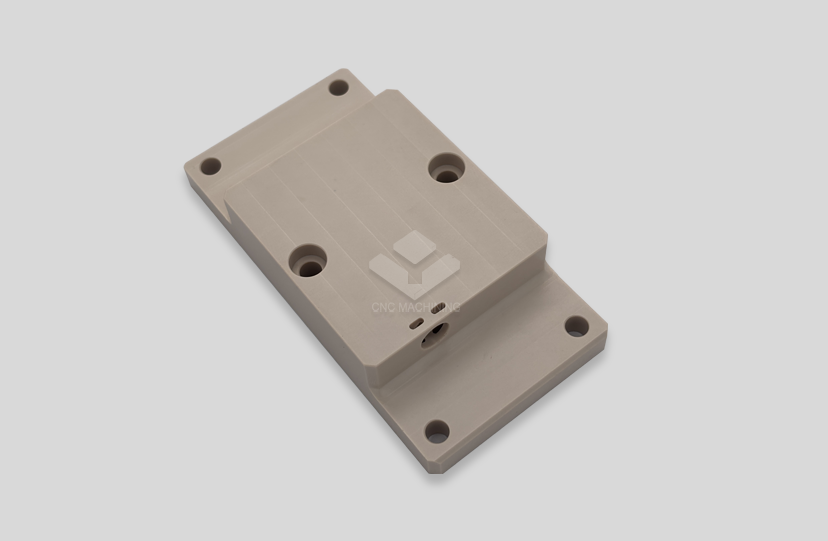
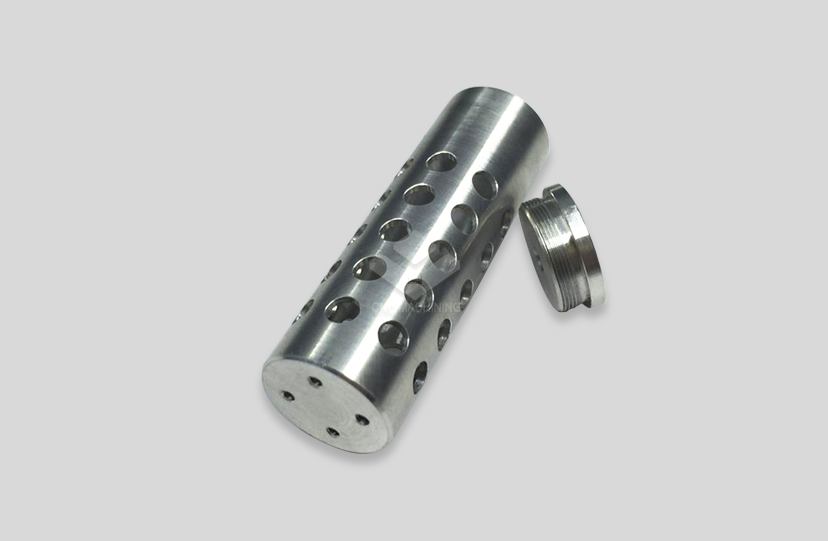
CNC Machining in Complex Part Production
When businesses need parts with complicated shapes and tight tolerances, CNC Machining is the industrial backbone that delivers. By carefully removing material based on digital directions, this computer-controlled subtractive method turns raw metal and plastic stock into precisely sized parts. CNC Machining technology makes sure that every part fits the original CAD design with micron-level accuracy, while hand methods can be inconsistent because people are human. The end result is quality that can be repeated in both small batches and large production runs. When procurement managers and design engineers have to deal with the challenges of making complex parts, they need to know how modern machining centers handle very specific requirements in order to keep costs low and projects on track.
Understanding CNC Machining in Complex Part Production
Modern production relies on equipment that is precisely controlled to make parts that can't be made by hand. CNC Machining technology makes it possible for digital design files to be turned into real parts by moving tools automatically based on directions that have already been programmed.
The Core Principles Behind Precision Machining
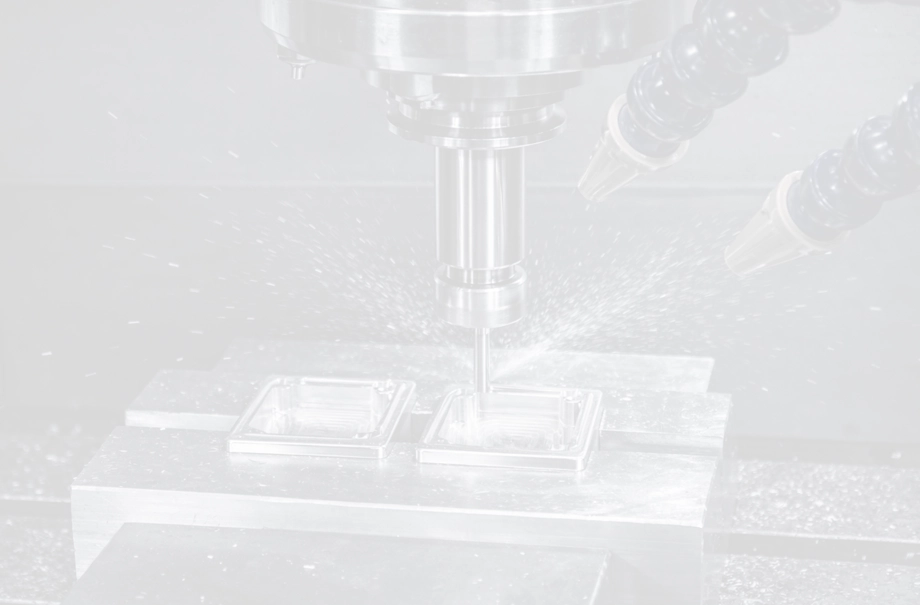
Engineers start the process by turning product ideas into code that computers can read. G-code and M-code directions tell the machine exactly how fast to move, how fast to feed, and how to move the tools. Multi-axis machining centers, which can be as simple as 3-axis mills or as complex as 5-axis systems, can carry out these instructions while keeping positioning accuracy at or below ±0.02 mm. Our building has high-tech 3-axis, 4-axis, and 5-axis machining tools that can work with engineering-grade plastics as well as metal parts made of Aluminum 6061 and Stainless Steel 304/316. Before they are inspected, secondary operations like deburring, surface finishing, and cleaning make sure that the parts meet the final functional requirements.
Material Versatility Meets Complex Geometry Requirements
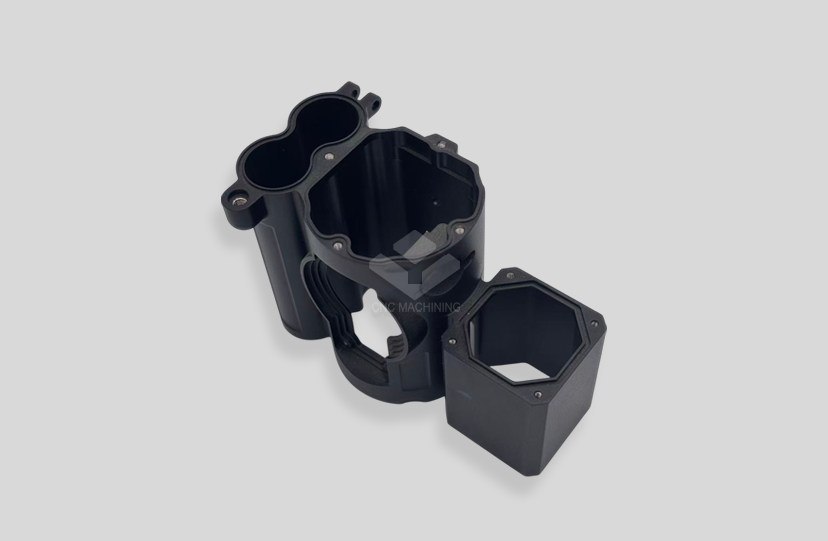
Parts that are very complicated often have undercuts, internal spaces, thin walls, and complex angles that make them hard to make in the usual way. Cutting tools with multi-axis capabilities can approach workpieces from different angles without having to be repositioned. This cuts down on setup time and ensures that all features are precisely aligned. For aerospace housings and car heat sinks, aluminum alloys are very easy to machine. Medical tools and food processing equipment, on the other hand, need stainless steel types that don't rust. Engineering plastics, such as PEEK and Delrin, are used in places where electrical protection or smooth surfaces are needed. The choice of material has a direct effect on the machining factors, the choice of tool, and, in the end, the cost and wait time of production.
Turning Operations for Cylindrical Precision Components
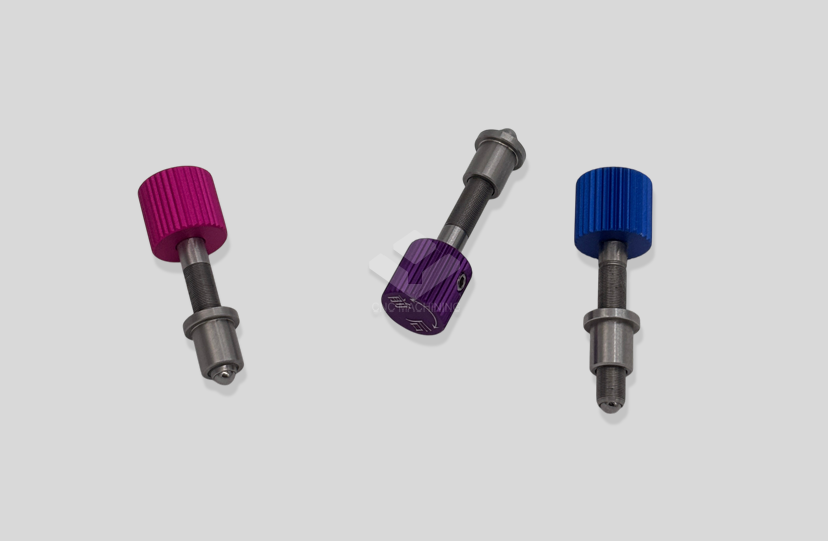
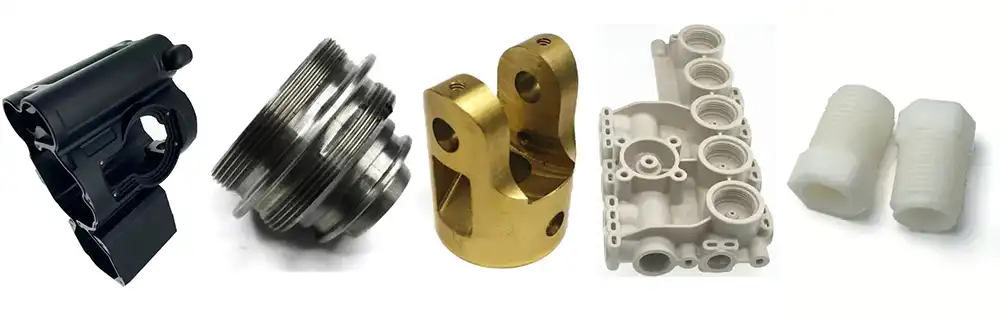
Not all complicated parts need to be milled. Swiss-type turning is great for making small parts with length-to-diameter ratios that are hard for regular lathes to handle. We have 6 Swiss CNC Machining lathes that are very good at making precise SS316 parts up to 25 mm in diameter, with tolerances of ±0.01 mm and surface roughness values below Ra 0.8 μm. Threading, knurling, and radial drilling are all done in the same setting, which cuts down on handling and keeps all features concentrically aligned. Medical device and instrument makers use Swiss machining to make probe tips, sensor housings, and fluid control parts. Stable dimensions are very important for these parts because they affect how well the medical device or instrument works.
Quality Control Integration Throughout Production
Comparing CNC Machining with Alternative Manufacturing Methods
To choose the best way to make something, you need to know how the different technologies deal with issues like complexity, volume, and material limitations. Depending on the needs of the job, each method has its own benefits.
Additive Manufacturing Versus Subtractive Processes
3D printing uses powders or fibers to build things one layer at a time. It lets designers use organic forms and internal lattice structures. But most additive methods make surfaces that are much rougher than machined surfaces—between Ra 6.3 and Ra 25 µm—and need a lot of work to make them useful. The strength of printed metals often changes depending on the direction of the build. This is called anisotropy. Machining takes away material from solid stock while keeping the mechanical qualities of the base material the same throughout the part. When surface quality, dimensional accuracy, and material approval are more important than geometric complexity, subtractive methods are still the best way to make useful parts.
Injection Molding Economics and Design Constraints
CNC Machining makes plastic parts straight from engineering-grade stock, so you don't have to buy any tools. This means that you can get your first products in days instead of months. For the early stages of product development, small-scale production, and designs that are changed a lot, machined samples and pilot-run parts offer more options than casting. High-volume plastic production often justifies injection molding's substantial tooling investment. Once molds are manufactured, per-part costs drop dramatically at quantities exceeding 10,000 units. Yet mold lead times stretch 8-16 weeks, and design changes require expensive mold modifications. Geometry is limited by draft angles, uniform wall thickness, and ejection considerations.
Manual Machining Limitations in Modern Production
Skilled hand machinists used to be the most precise people in the industry. Variability is always caused by human factors. For example, an operator's feel determines where to put the tool, each person's method affects measurements, and tiredness changes the consistency between production runs. These factors are taken away by computer control. No matter if the first part or the thousandth is being machined, the programs run the same way. Instead of making control choices every minute, operators focus on setting up, managing tools, and checking the quality of the work. This change from craft skill to process management makes things much more repeatable and cuts down on the time needed to train skilled workers.
Procuring CNC Machining Services for Complex Parts — What B2B Clients Need to Know
When looking for trusted CNC Machining partners, you need to look at more than just basic equipment lists. When you find the right partner, they become an extension of your tech team.
Supplier Qualification Criteria That Actually Matter
ISO 9001 approval shows that quality management is orderly, but a closer look shows how capable the company really is. Find out when the machines are scheduled for repair. Preventative maintenance stops problems before they happen, which keeps deliveries on time. Check the calibration records for testing tools to make sure the measurements are correct. To make sure that traceability methods are being followed, ask for item certifications and records of earlier inspections. Our team takes care of accurate CMMs, height gauges, and other precision measuring tools that are regularly certified by a third party. Suppliers who genuinely offer quality are different from those who just say they do by being open about these operating details.
Engineering Communication Reduces Costly Errors
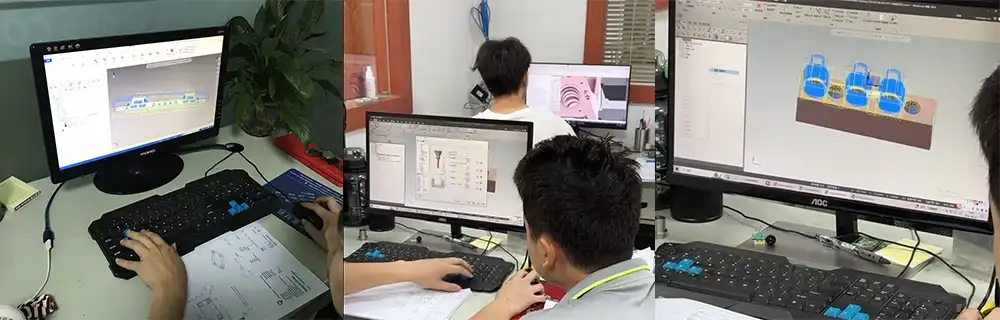
A lot of foreign providers send technical questions to sales reps who don't know much about manufacturing. This lack of communication leads to misunderstandings about the drawings, wrong material choices, and process choices that hurt the performance of the part. Direct communication between engineers lets them clarify the design purpose, get feedback on how feasible it is to make, and solve problems before the chips are even made. Our engineering team looks over customer sketches to find possible problems with machining, suggests changes to the tolerances that keep the function while making it easier to make, and suggests surface finish standards that are right for the application. This way of working together found problems that would have caused things to be thrown away and projects to be late.
Understanding Lead Time Components and Production Transparency
Quoted wait times should be based on the shop's actual ability, not on overly optimistic claims. For most parts, our normal trial production takes 3–7 days to finish, but for simpler shapes, it can sometimes be done in 48 hours. This time frame includes getting the materials, programming, setting up, cutting, finishing, inspecting, and so on. Customers are kept up to date on the progress of their orders and can request photos or videos of their parts being machined if they wish to see them. Visual proof gives you peace of mind that the work is going as planned and lets you spot any problems early on so they can be talked about. Batch production wait times change based on the amount and complexity of the work, and the schedule is clear and takes into account how busy the shop is at the moment.
Protecting Intellectual Property in Manufacturing Relationships
Sharing secret ideas with outside makers makes sense to worry about copying without permission or information getting out. Reliable providers use confidentiality agreements, make sure that only people who are directly involved in production can see the drawings, and keep their data storage systems safe. We store customer files in systems that require a password and keep track of who has access. Physical models are kept in restricted areas. Trust is also important for long-term business relationships, since using customer designs without permission can hurt your image and future chances. Based on our track record since 2008, both new and old businesses can trust us with their most sensitive designs.
Overcoming Challenges in CNC Machining of Complex Parts
When you try to push the limits of what CNC Machining can do, you run into problems, even with high-tech tools and skilled workers. Being aware of common failure types lets you come up with ways to stop them.
Tool Deflection and Chatter in Thin-Wall Machining
Taking away material from thin features makes shaking and bending difficult. Tight standards can't be kept because cutting forces bend thin walls and ribs away from the coming tools. High-speed cutting with a shallower cut depth reduces pressure while keeping metal removal rates at a good level. When you use climb milling, the cutting forces go into the workpiece instead of pulling features away from the fixtures. During rough machining, support structures that are strategically placed and then taken away during the final steps provide brief stiffness. For a medical diagnostic device, these methods helped us make metal enclosures with 0.8 mm wall sections that stayed flat over 150 mm spans with an accuracy of ±0.03 mm.
Thermal Management During Extended Machining Cycles
Both workpieces and machine parts get bigger when they are cut by heat. When a part is hot, it measures one way, but when it cools to room temperature, it measures another way. Temperature-controlled shops, flood cooling systems, and planning the order of operations during cutting all help to lessen the effects of heat. Rough cuts get rid of extra material and let it cool down before finishing cuts set the final sizes. For very important parts, we use through-spindle coolant delivery, which sends high-pressure fluid straight to the cutting edge. This cools the tool and flushes chips out of the cut area at the same time. This method was very helpful when cutting SS316 Swiss parts with a surface roughness standard of Ra 0.8 µm. It was important to keep the cutting conditions the same throughout the production runs.
Material Selection Impact on Manufacturing Outcomes
When engineers write specs, they often list materials based on what they will be used for, without thinking about how easy they are to machine. Free-machining metals, such as 6061 aluminum, are easy to cut and give great surface finishes when using normal tools. Tougher materials, like titanium alloys or precipitation-hardened stainless steels, need special cutting tools, slower speeds, and more tool changes, which all add to the cost and time of production. Early teamwork between design engineers and manufacturing partners finds chances to choose different alloys that meet functional needs and make the product easier to make. When aerospace-grade qualities are really needed, we change the way we use tools and the conditions for machining to match, but for most uses, regular materials work just fine.
Fixturing Solutions for Non-Prismatic Geometries
Accuracy in machining relies on being able to firmly place workpieces while they are being cut. Vises can easily clamp down on simple rectangular blocks, but it can be hard to find a place for complicated castings, forgings, or parts that have already been made. Custom soft teeth that are made to fit the shape of the part provide a solid grip without damaging the delicate parts. When clamp pressure would cause thin, flat parts to warp, vacuum fittings are the best choice. Multi-part fittings can machine more than one part at the same time, which makes it more efficient for large orders. Fixture design takes a lot of technical work for complicated parts, but the investment pays off in shorter cycle times and more consistent quality across all production amounts.
Future Trends and Innovations in CNC Machining for Complex Parts
Industry 4.0 connection, artificial intelligence, and the need to be environmentally friendly are all speeding up the development of CNC Machining technology. Forward-thinking buying teams keep an eye on these changes to stay ahead of the competition.
Artificial Intelligence Optimization of Tool Paths and Parameters
Traditional CAM software makes tool paths based on methods and feeds/speeds that are set by the coder. In real time, AI systems look at cutting force sensors, spindle power draw, and vibration signs. They then change settings automatically to get the best metal removal rates while keeping tools from breaking. Machine learning systems that have been taught on thousands of previous jobs can figure out the best way to do things for new part geometries. These methods cut down on the time needed to program, make tools last longer, and make the surface finish more consistent. Early users say that cycle times for difficult aerospace parts have been cut by 15 to 30 percent. As this technology improves and gets easier to use, it will completely change how cutting jobs are planned and carried out.
Hybrid Manufacturing Combining Additive and Subtractive Processes
Along with standard cutting blades, some machines now have metal deposition heads built in. This mixed method creates nearly-net forms using either directed energy deposition or powder bed fusion, and then it machines important areas to their final sizes in a single setup. The mixture cuts down on the waste of material when parts are made from forgings or thick plate stock that are too big. In the past, aerospace brackets needed 90% of the raw material to be machined away. Now, they can be built closer to their final form using additive manufacturing, with only the useful areas needing to be carefully cut. Hybrid manufacturing works best for low-volume, high-value parts where the cost of materials is a big part of the project budget.
Sustainability Through Intelligent Resource Management
Environmental laws and companies' promises to be environmentally friendly make production more efficient. Minimum quantity lubrication systems use 95% less coolant than flood cooling while keeping tool life high by delivering just the right amount of oil at the right time. Spindle motors with high efficiency and regenerative drive systems get energy back when the machine slows down. Instead of paying to get rid of scrap metal and steel, recycling programs make money from them. By taking these steps, businesses can meet stricter environmental standards while also cutting costs. OEMs that track Scope 3 pollution throughout supply chains give more weight to suppliers that can show real changes in sustainability.
Collaborative Partnerships Replace Transactional Supplier Relationships
When suppliers are constantly bidding against each other based on price, it makes it harder for them to work together technically, which is needed to make complex parts. Instead, top makers build long-term relationships with skilled machine shops by sharing production forecasts, including suppliers in design reviews, and agreeing to volume contracts that last for more than one year. Because of this security, suppliers can spend money on unique tools, training for employees, and process changes that meet the needs of specific customers. People who buy things get consistent capacity and improvements all the time, and people who sell things get a stable income that helps businesses invest. This relationship philosophy shows in the fact that we are willing to help new businesses by communicating with them quickly and giving them expert advice.
Conclusion
CNC Machining is a way to make complex parts that strikes a balance between professional skill, quality systems, and teamwork in engineering support. When advanced multi-axis equipment, strict inspection standards, and direct technical contact all come together, they form manufacturing relationships that speed up product development while keeping costs low. As technology advances toward AI optimization and mixed processes, the basic ideas of accurate measurements, knowing a lot about materials, and clear communication stay the same. When procurement professionals and design engineers understand these factors, they can choose suppliers that meet both the goals of the current project and the company's long-term competitive position.
FAQ
What materials work best for complex CNC-machined components?
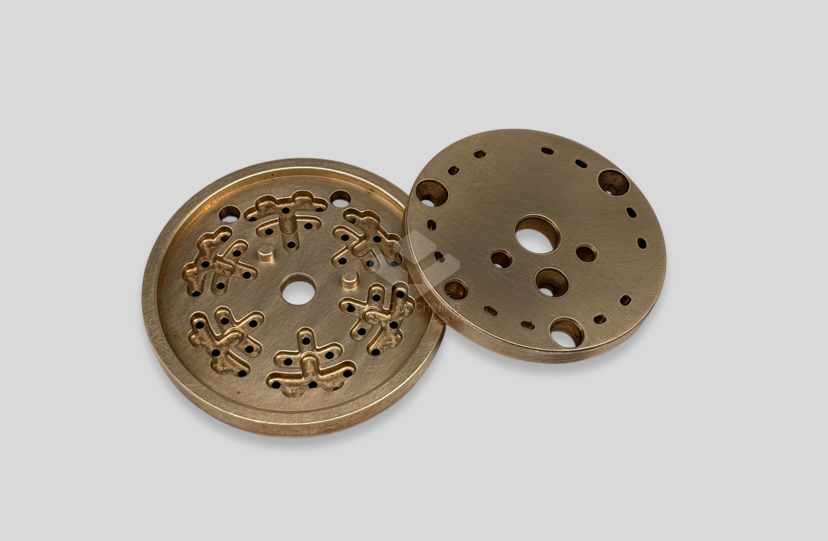
Aluminum alloys, especially 6061 and 7075, are great for aerospace, automobile, and electronics uses because they are easy to machine, have high strength-to-weight ratios, and don't rust. Grades 304 and 316 stainless steel are better at keeping medical devices and food items from rusting. Brass is easy to work with and can be used for both artistic and electrical purposes. Engineering plastics like PEEK, Delrin, and PTFE are used to keep electricity from flowing and keep things from slipping. Choosing the right material relies on its mechanical qualities, how it will be used, how much it costs, and how easy it is to machine.
How do machining tolerances affect both quality and project costs?
Tolerances that are closer together need more machining processes, tool changes more often, and more time for checking. Features that need to be accurate to ±0.02 mm cost a lot less than those that need to be accurate to ±0.005 mm because the latter can be made using normal production methods without any extra steps. Work with your production partners to make sure that tight tolerances are only used where they are technically necessary, like for bearing fits, sealing surfaces, and assembly interfaces. For features that aren't as important, loosen the specs. This method keeps the performance of the product high while keeping production costs low.
What factors determine reliable CNC machining supplier selection?
Check to see if the tools can handle the complexity of your part by looking at its axis count and work area size. Check for quality certifications like ISO 9001 and ask for inspection records from the past that show the ability to measure. Instead of having salespeople lead conversations, use direct technical contact to evaluate engineering help. Look into how transparent the production process is. Suppliers who offer process shots and reports on progress show that they are sure of their operations. Look at customer examples from businesses in the same or a similar industry that are having similar technical problems. Compare these factors with the prices and lead times given to find partners who are truly valuable and not just the cheapest CNC Machining supplier.
Partner with RYH for Your Complex Precision Machining Needs
To reach your production goals, you need more than just a CNC Machining provider. You need a manufacturing partner who cares about your success. RYH brings more than 15 years of specialized engineering experience to every project, from making the first prototype to making large-scale production runs. We have a team that looks over your plans and finds ways to make them easier to make without changing the original design. We can work with complex shapes made of materials like engineering-grade plastics, aluminum, and stainless steel, thanks to our modern 3-axis to 5-axis machine centers and Swiss turning tools. Quality systems that are ISO 9001 approved and thorough inspection processes make sure that measurements are correct and that the surface finish is always the same. Usually, sample production is finished in one week, but for easier parts, it can be done faster in three days. We give real-time reports on the project and, if asked, make the machining process clear through photos and videos. If there are any quality issues, we promise quick remanufacturing at no extra cost. Contact our engineering team at bill@bldmachining.com to talk about your unique needs and find out how RYH's precision machining maker services can help you speed up the development of your product while still meeting the highest quality standards.
References
1. Kalpakjian, S., & Schmid, S. R. (2014). Manufacturing Engineering and Technology (7th ed.). Pearson Education.
2. Stephenson, D. A., & Agapiou, J. S. (2016). Metal Cutting Theory and Practice (3rd ed.). CRC Press.
3. Boothroyd, G., & Knight, W. A. (2011). Fundamentals of Machining and Machine Tools (3rd ed.). CRC Press.
4. Society of Manufacturing Engineers. (2018). Fundamentals of Tool Design (6th ed.). SME.
5. López de Lacalle, L. N., & Lamikiz, A. (2009). Machine Tools for High Performance Machining. Springer-Verlag London Limited.
6. Tlusty, J. (2000). Manufacturing Processes and Equipment. Prentice Hall.