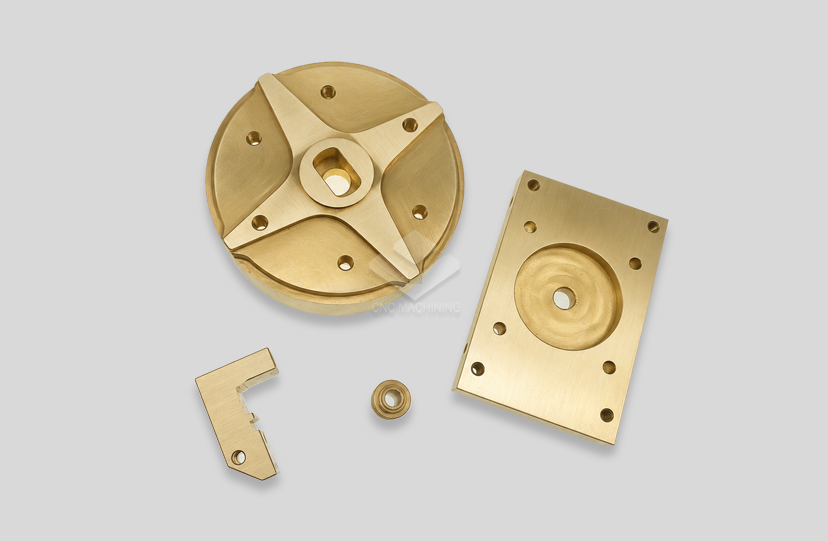
CNC Turning for the Production of the Future
CNC Turning for the Production of the Future is a revolutionary way to make precise products that combines advanced automation, real-time tracking, and smart process control with traditional lathe operations. To achieve sub-micron tolerances and predictable quality at production speeds, modern CNC Turning makes use of multiple axes, adaptive toolpath optimization, and direct engineer-to-machine contact. CNC Turning has changed from a simple subtractive process to a strategic manufacturing solution that supports everything from quick development to scalable mass production as industries demand more precise specs, faster turnaround times, and greater material flexibility. This technology solves important problems like consistent dimensions, tracking materials, and working with complicated shapes in a single setting. This makes it essential for many fields, from aircraft to medical devices.
Understanding CNC Turning: Foundations and Advantages
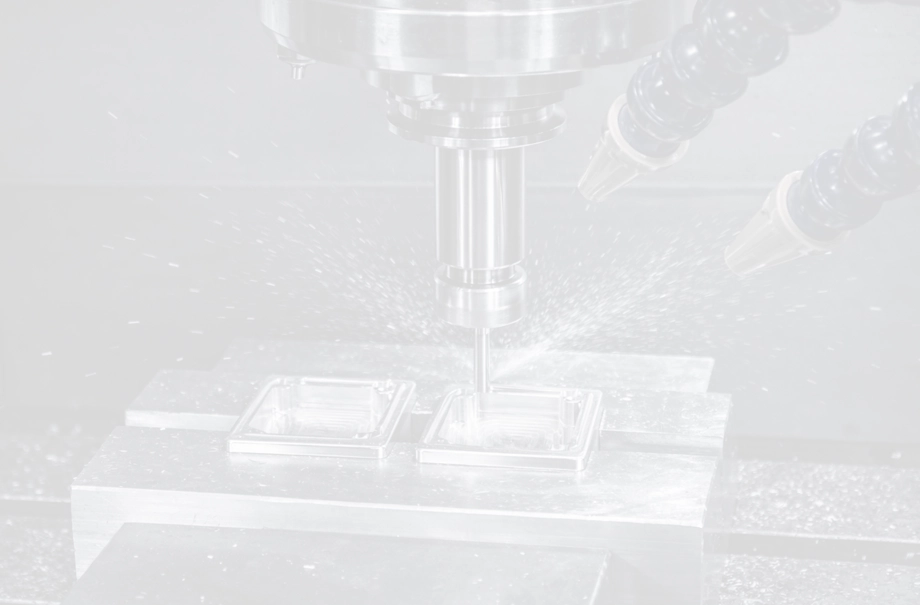
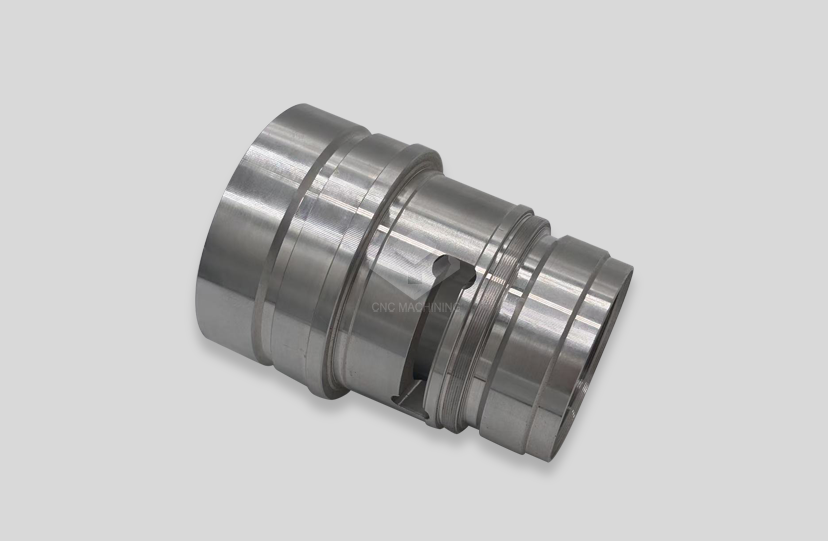
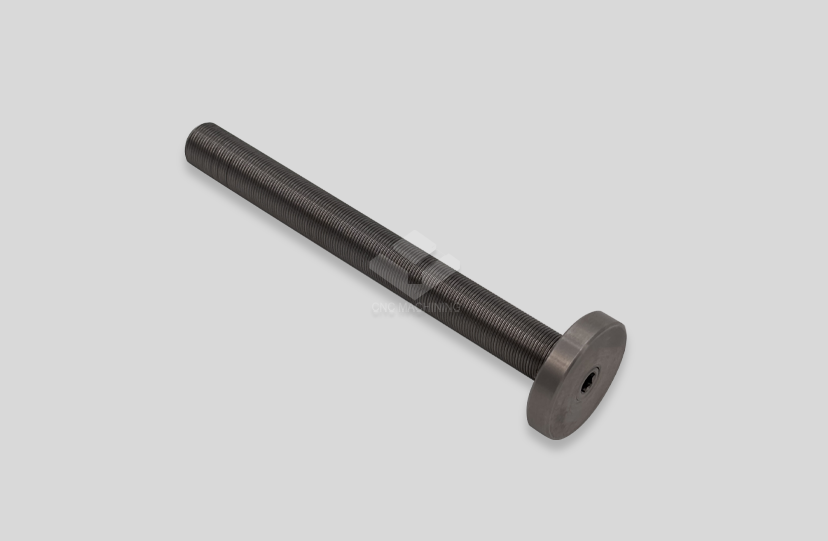
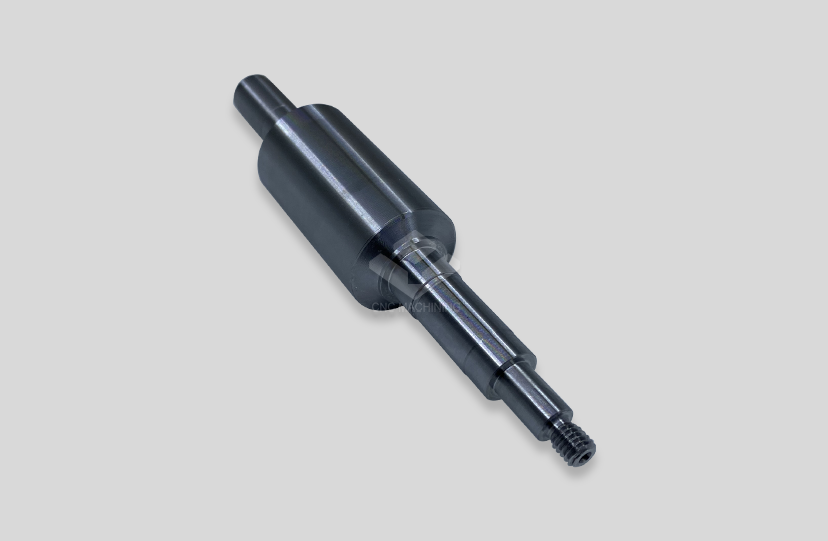
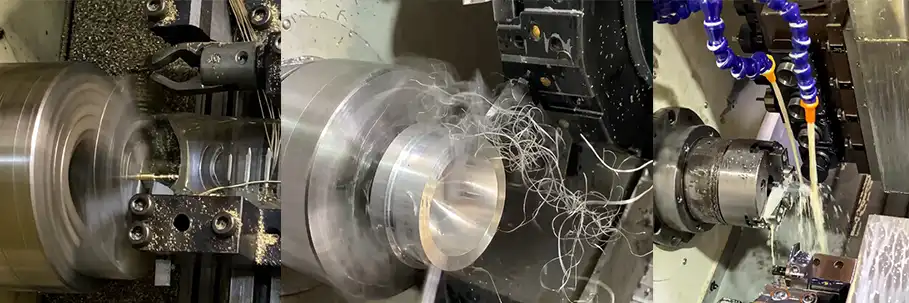
With the help of computerized directions that convert design files into exact machine movements, CNC Turning automatically rotates raw materials against fixed cutting tools. The process starts with raw stock, which is usually a round bar or tube, being held in a chuck and spun at high spinning speeds. Carbide or ceramic cutting tools are then used to remove material until the desired cylindrical shape is reached. We have 2-axis, 3-axis, and multi-axis turning centers with live tools at our plant. This lets us do operations like external turning, internal boring, threading, knurling, and grooving without having to do them by hand.
The Workflow from Raw Material to Finished Component
Material that comes in is inspected with a spectrometer to make sure that it meets the requirements for material approval and chemical makeup. Once accepted, the stock is put into the CNC lathe, and the designed toolpath makes roughing passes to get rid of the bulk of the material. This is followed by finishing passes that make the surface roughness the way the customer wants it, which is usually Ra 1.6 for machined finishes. Real-time tracking systems keep an eye on spindle load, tool wear, and dimensional drift. They set off automatic adjustments to keep limits of ±0.02 mm or better. After being machined, parts go through secondary processes like finishing, passivation, or anodizing, based on their function and appearance needs. Coordinate measuring tools, surface testers, and precise gauges are used in the final inspection to make sure that the product meets ISO 2768 standards or customer-specific plans before it is shipped.
Key Advantages Over Traditional Machining Methods
The repeatability of precision lathe technology is unmatched; it can make thousands of similar parts with very little change. CAM software improves toolpaths to cut down on waste and make tools last longer. Automated tool changers and built-in inspection probes cut down on cycle time and remove human mistakes. Automated lathes can increase throughput by 300 to 500% compared to human turning. This is especially true for high-mix, low-volume jobs that need to be set up quickly. Materials suitable for CNC Turning include industrial plastics like PEEK and Delrin, stainless steel 304 and 316, brass, bronze, and titanium. Different types of machines are available, from small benchtop models good for testing to heavy-duty industrial lathes with swing widths over 800 mm made by companies like Haas, FANUC, Mazak, and Doosan.
The Evolution and Future Trends of CNC Turning in Production
For older hand lathes to work, skilled machinists had to read plans, set up tools, and change feeds and speeds in real time, which was a slow and variable process. As products got more complicated and tolerance gaps got smaller, it became clear that human methods had their limits. As an answer, CNC Turning appeared, integrating process knowledge into software and allowing operators to run multiple machines at once. Today, the next wave of innovation is being driven by the combination of AI and devices connected to the Internet of Things.
Automation, AI, and IoT Integration
Adaptive control algorithms in modern turning centers change the cutting parameters based on data from force sensors and sound leaks that happen in real time. Machine learning models look at past output data to guess when tools will wear out, suggest preventative maintenance, and find the best cutting speeds for new materials. IoT connectivity lets workers fix problems from anywhere, which cuts down on downtime and allows for remote tracking and analysis. Cloud-based factory execution systems connect data from lathes to business resource planning platforms. This lets purchasing managers see how production is going, how much inventory they have, and when deliveries are due. These improvements cut wait times from weeks to days, raise first-pass yield rates, and help with "just-in-time" production.
Strategic Guidance for OEMs and Procurement Leaders
To use lathe technology that will work in the future, you need to look at more than just the machine itself. You also need to look at the software, tools, and professional help that go with it. Leaders in procurement should give preference to sellers that allow direct contact between engineers, design for manufacturability analysis, and quick quotes (usually within 24 hours). Product development processes are flexible if they can handle prototype numbers as low as one unit and then production runs that can go up to thousands of units. For businesses that are regulated, it is important that materials are certified, that choices are FDA-compliant, and that they meet international standards like RoHS and REACH. Working with a CNC Turning provider that is more of a manufacturing partner than a transactional seller can cut down on the time it takes to get a product to market and the overall cost of ownership.
How to Choose the Right CNC Turning Solution for Your Business
Choosing the best lathe option starts with figuring out what the output needs are. The volume of the part determines whether a single-spindle or multi-spindle machine is best, and the complexity of the part determines whether live tools and sub-spindle features are needed. The need for precision affects the choice of the control system. For example, FANUC, Siemens, and Mitsubishi processors have various diagnosis and programming interfaces. Expectations for turnaround times must be in line with what suppliers can do and how easy it is to get to them, especially when prototypes need to be made within three to seven days.
Framework for Evaluating Machine Capabilities and Service Providers
Cost Comparisons and ROI Considerations
Because it removes material more quickly and requires fewer tools, CNC Turning usually has lower per-part costs than cutting for cylinder shapes. Grinding might give you a better surface finish, but it costs a lot more and takes a lot longer. Desktop computers are good for testing and low-volume production because they require less money up front, but can only handle a limited amount of work. Industrial lathes cost more to buy, but they provide the volume and dependability that are needed in industrial settings. Instead of just looking at the purchase price, procurement managers should figure out the total cost of ownership, which includes the cost of tools, how often they need to be maintained, and how many of them are scrapped.
Implementing CNC Turning in Your Manufacturing Workflow
It takes careful planning and organization to add precision lathe tasks to current processes. CAM software is used to turn CAD models into CNC code, which is then used for modeling to find possible crashes or inefficient toolpaths. Setting up the machine means putting in workholding supports, cutting tools, and work offsets. Roughing, semi-finishing, and finishing passes are made during machining, and key measurements are checked while the work is being done. After the process is done, steps like deburring, cleaning, and surface treatment get the parts ready to be put together or shipped.
Best Practices and Quality Control Protocols
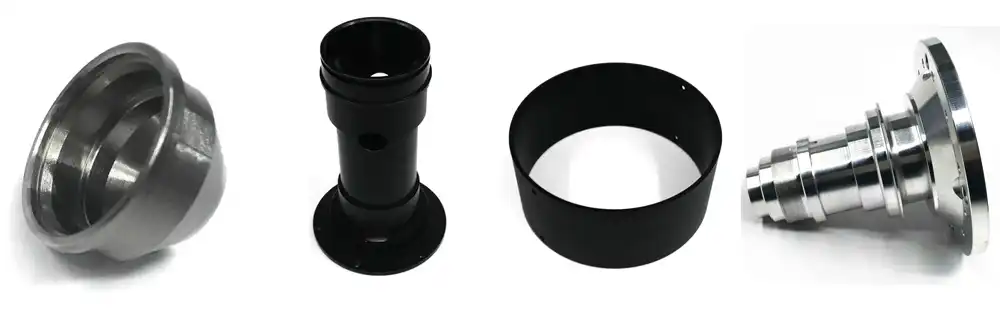
To keep standards tight, process control has to be very strict. Spectrometry and hardness tests are used during the inspection of incoming materials to check their chemical makeup and mechanical qualities. In-process checks are done at 25, 50, and 100 percent finish times to catch dimensional drift before it affects whole runs. CMMs, optical comparators, and surface roughness testers are used in final checking to make sure that the product matches the print. Statistical process control charts keep track of important factors over time, which allows changes to be made before they happen. Our ISO 9001-certified quality management system keeps track of every step, from receiving the materials to shipping them out. This makes sure that everything can be tracked and that everyone is responsible.
Case Studies and Subcontractor Partnerships
Top CNC Turning Machines and Brands of 2024: What You Need to Know
Knowing how the other lathe makers stack up against each other helps procurement pros make smart choices. Haas Automation rules the North American market with cheap tools made in the United States that have easy-to-use controls and large dealer networks. Doosan has a wide range of turning centers, from entry-level models to high-performance ones. All of them are built to last and are priced competitively. Mazak's INTEGREX line has a single platform that can do both turning and multi-axis milling. This makes it perfect for making complicated parts that need more than one setting. Mitsubishi is great at high-speed, high-precision tasks, while FANUC's ROBODRILL and lathe lines focus on dependability and computer integration.
Prototyping shops and new businesses like desktop models like the Tormach 15L and Haas TL-1, which are typically in the entry-level price range for CNC machines. Heavy equipment like the Doosan Puma 2600LY and the Mazak QTN 350 start in the mid to high six-figure range and go up from there, depending on how they are set up. Performance factors like spindle speed, maximum power, tool station count, and axis movement show how well a machine works in different situations. Expert reviews say that FANUC controls are easy to program, Haas controls are reliable, and Mazak controls are flexible. In user reviews, uptime percentages, trustworthiness, and how quickly the maker responds during warranty times are given a lot of weight.
Best practices for procurement include getting thorough quotes with line-item breakdowns, negotiating warranties that cover parts and labor for 12 to 24 months, and setting up services for installation and training. When choosing a vendor, you should put local service access, spare parts inventory, and how quickly expert help responds at the top of your list. Long-term value comes from the total cost of ownership analysis, which takes into account things like tooling, increased output, and less waste.
Conclusion
With its ability to offer accuracy, speed, and scalability that traditional methods cannot match, CNC Turning has become a crucial technology for modern production. As robotics, AI, and the Internet of Things (IoT) change the way things are made, procurement managers and engineers need to find machine solutions that meet current needs and plan for future growth. The best return on investment (ROI) and operating resilience are achieved by evaluating machine skills, supplier dependability, and service provider knowledge. Businesses can speed up product development, cut down on time to market, and stay ahead of the competition in global markets by working with experienced manufacturers that offer direct technical contact, fast prototyping, and flexible production capacity.
FAQ
What tolerances can CNC turning achieve?
With the help of precise tooling, temperature-controlled environments, and in-process gauging, CNC Turning regularly keeps tolerances of 0.02 mm on diameters and lengths and can go as low as 0.005 mm on important dimensions. How precise something can be depends on the material used, how hard the machine is, and how good the programmer is.
How does CNC turning compare to milling for complex parts?
Turning is great for making a lot of shafts and joints in a cylinder shape or with features that allow them to rotate. Milling is better at working with prismatic forms, pockets, and outlines that don't rotate. Many modern shops mix live casting with multi-axis turning centers to do both tasks at once, which cuts down on setup time and improves accuracy.
What should I consider when outsourcing CNC turning services?
Check the quality licenses, inspection skills, and ability to track materials of the provider. Confirm lead time promises and plans for what to do if there are quality problems. Ask for dimensional data and example parts. Direct conversations between engineers are a good way to test how well people can communicate and how knowledgeable they are about technology. Check the capacity for both the sample and the final run.
Partner with RYH for Advanced CNC Turning Solutions
RYH focuses on making precise lathes and custom parts for customers around the world in the medical, electronics, aircraft, industrial equipment, and automobile industries. Each of our engineers has more than 15 years of hands-on experience. They work directly with your technical staff to look over sketches, make designs better, and suggest materials that are a good mix of cost and performance. We have 15 CNC Turning and Turning-Milling tools that can work with industrial plastics, aluminum, brass, titanium, and stainless steel 304 and 316 with tolerances of up to 0.02 mm and surface finishes of up to Ra 1.6. Quick answer times—quotes in 24 hours and samples in three to seven days—speed up the process of making new products. We are a reliable CNC Turning supplier that supports processes from prototype to production. We also keep our ISO 9001 certification up to date and offer door-to-door foreign shipping. Get in touch with bill@bldmachining.com to talk about your project needs and experience engineering-driven production that provides quality, speed, and dependability.
References
1. Boothroyd, G., Knight, W. A., & Dewhurst, P. (2011). Product Design for Manufacture and Assembly. CRC Press.
2. Groover, M. P. (2020). Fundamentals of Modern Manufacturing: Materials, Processes, and Systems. Wiley.
3. Kalpakjian, S., & Schmid, S. R. (2014). Manufacturing Engineering and Technology. Pearson.
4. Stephenson, D. A., & Agapiou, J. S. (2016). Metal Cutting Theory and Practice. CRC Press.
5. Tlusty, J. (2000). Manufacturing Processes and Equipment. Prentice Hall.
6. Youssef, H. A., & El-Hofy, H. (2008). Machining Technology: Machine Tools and Operations. CRC Press.