CNC machined parts: What you need to know
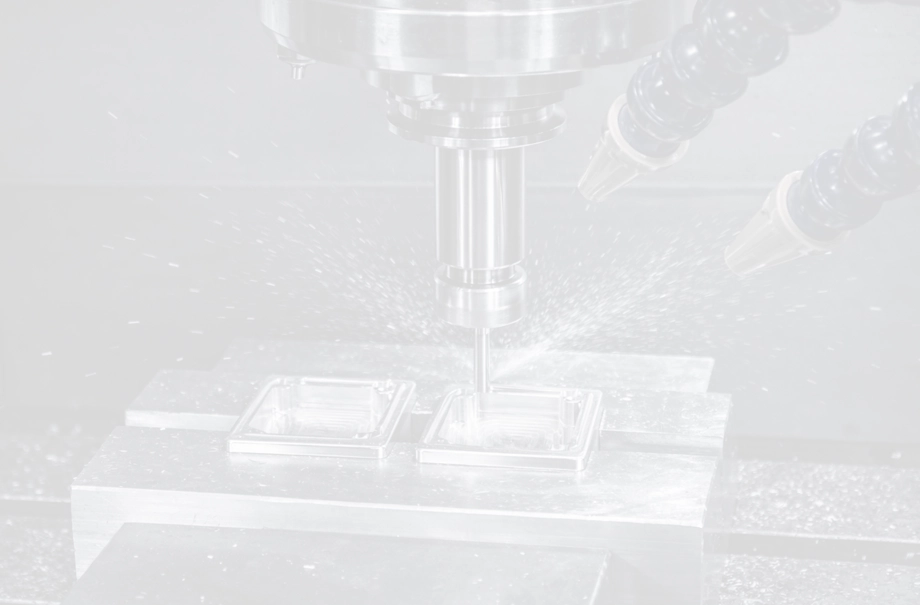
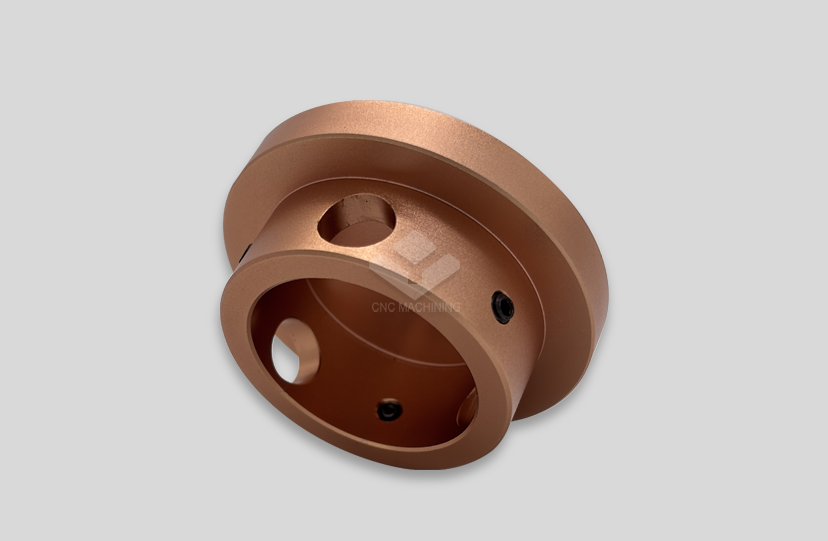
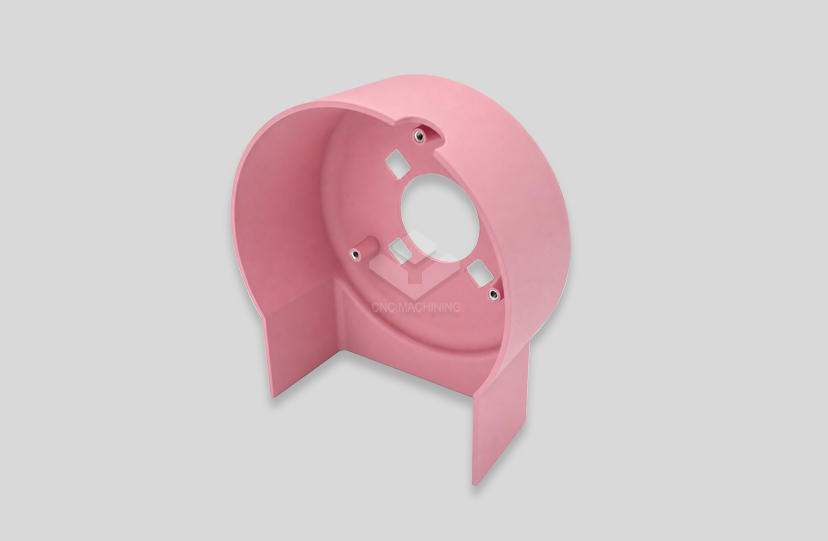
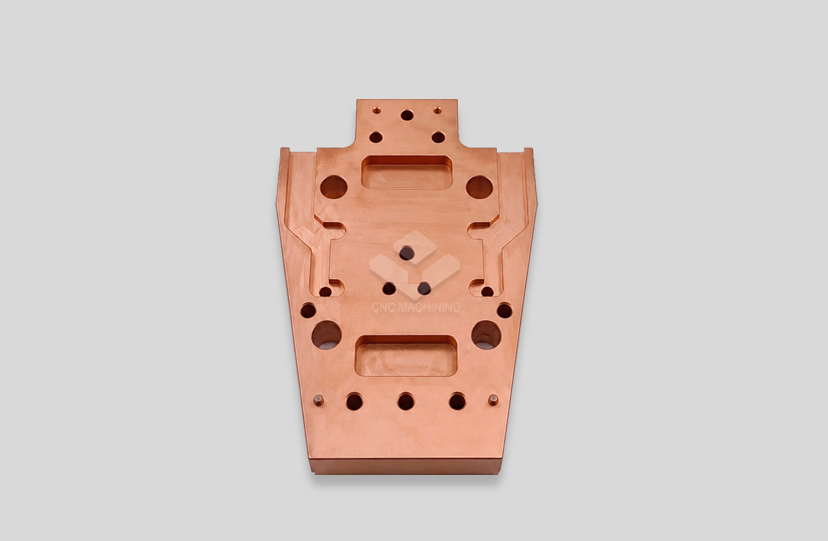
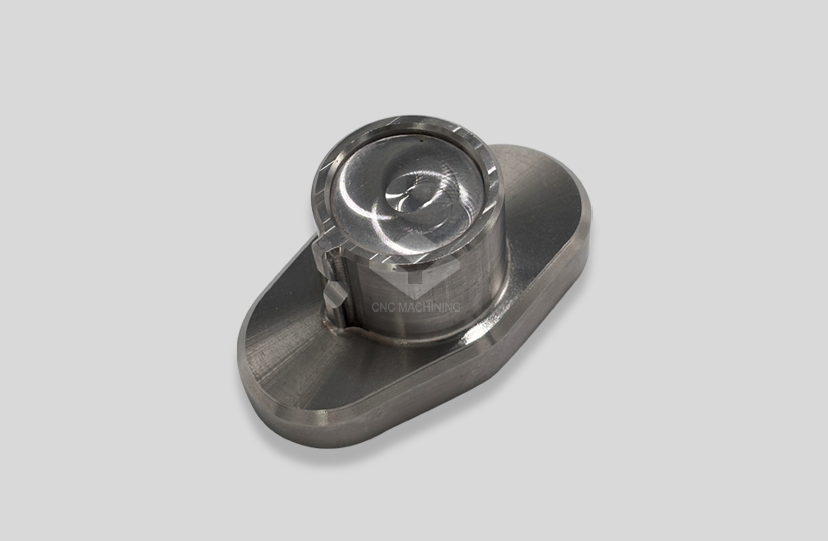
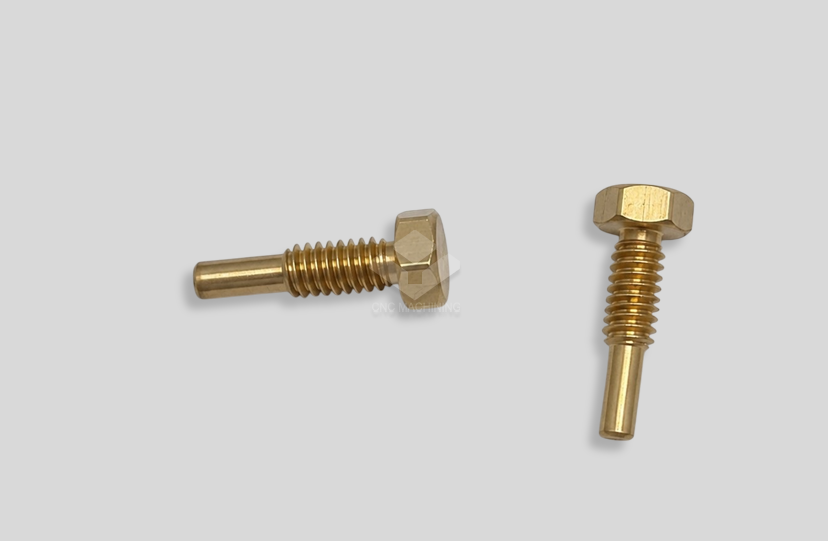
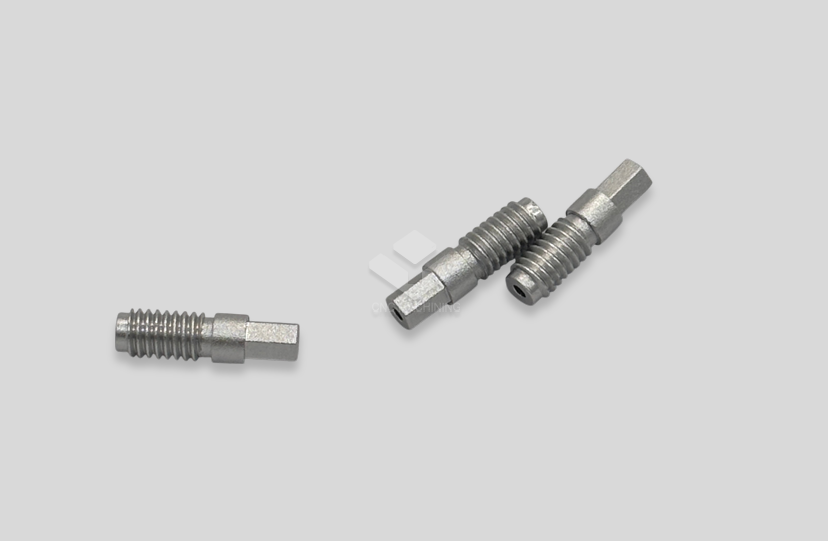
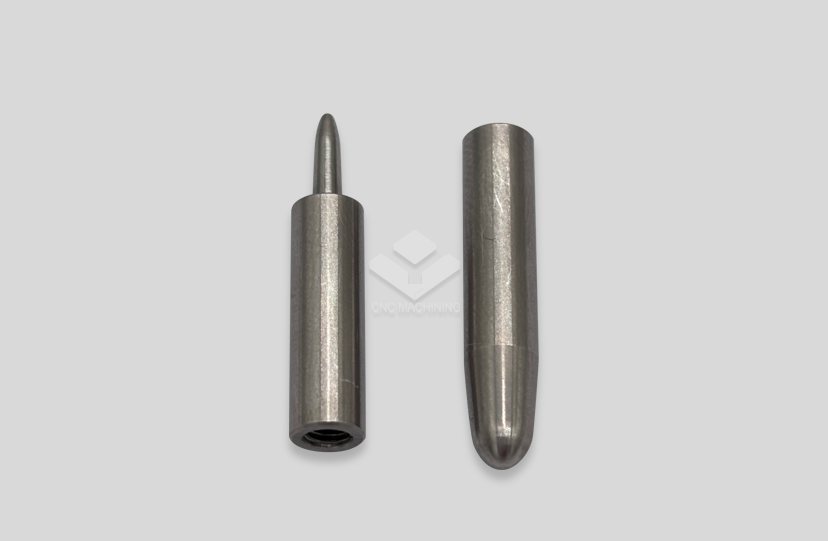
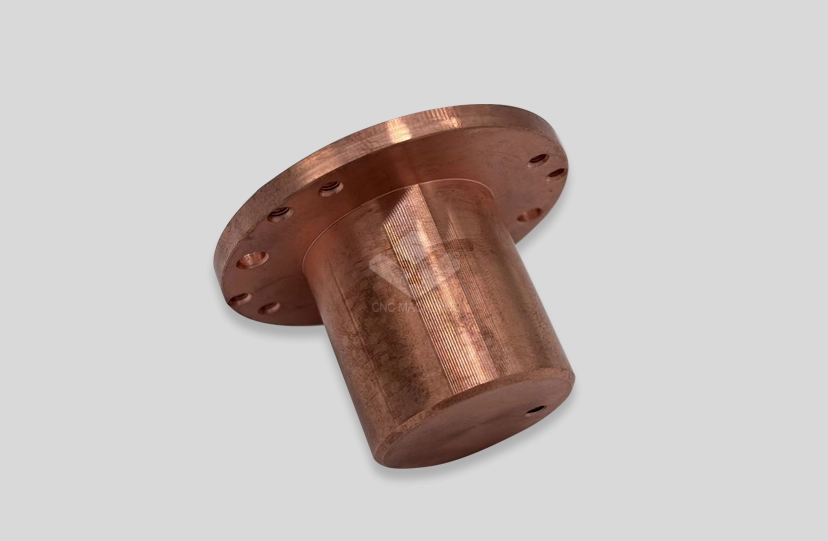
Understanding CNC Machined Parts is important for the success of your project when you're looking for parts for important uses. Using subtractive Computer Numerical Control techniques like CNC Milling, CNC Turning, drilling, and grinding, these precision-engineered parts are made by taking material away from solid stock to make exact shapes. CNC Machining, on the other hand, offers the most accurate measurements, the best surface finishes, and the versatility to make anything from single samples to medium-volume production runs. Whether you're making parts for spacecraft, medical devices, or cars, CNC Machined Parts can handle tight tolerances, complicated shapes, and a wide range of materials, which are problems that traditional methods have a hard time with.
Understanding CNC Machined Parts – Fundamentals and Manufacturing Process
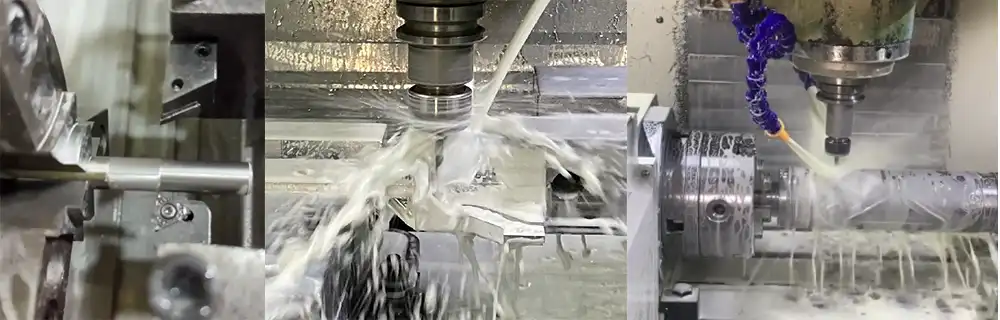
When it comes to accuracy, CNC Machining is where digital technology and hand-made workmanship meet. The process starts with CAD (Computer-Aided Design) models. These models turn your engineering plans into CAM (Computer-Aided Manufacturing) software directions that machines can read. Multi-axis machining centers, such as 3-axis mills for simple tasks and 5-axis systems for complex shapes, can follow these steps to precisely shape raw materials down to the micron-level.
Core Manufacturing Operations
Material Selection Considerations
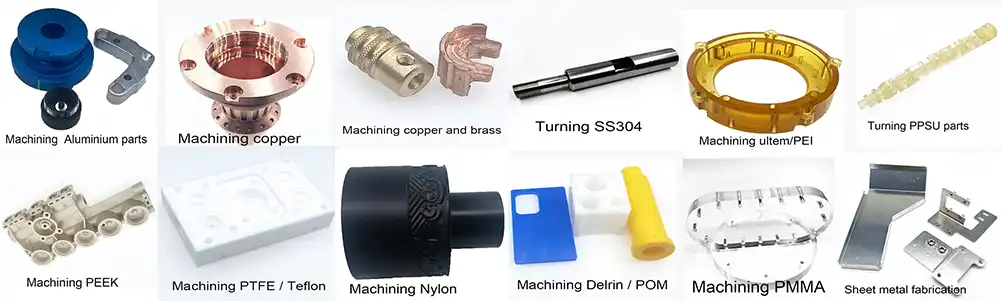
Material choice has a direct effect on how well a part works, how much it costs, and how it is machined. Many industries, like aircraft and electronics, use aluminum alloys like 6061-T6 and 7075-T6 because they are strong, light, and good at transferring heat. Grades of stainless steel like 304 and 316 don't rust, which is important for medical tools and food processing equipment. Engineering plastics like ABS, Nylon (PA6/PA66), and PEEK are used in places where it's important to reduce weight, prevent chemicals, or keep electricity from flowing. Knowing the qualities of a material helps you choose the right stock for your needs and the situations where it will be used.
Scalability and Production Flexibility
Comparing CNC Machining with Alternative Manufacturing Methods
In order to pick the best way to make something, you need to know when CNC Machining is the best option and when other methods are better for the job.
CNC Machining vs. Injection Molding
Once you've bought the mold tools, injection molding works great for making a lot of things. Above 10,000 units, it usually starts to save you money. Tooling prices, on the other hand, range from $5,000 to $100,000, which makes it impossible for low-volume needs. For prototypes to mid-volume production, CNC Machining saves money because it doesn't require the purchase of expensive tools. You also keep the design flexible, since changes to the engineering only need to be made to the new CAD files, not the expensive mold itself.
CNC Machining vs. Casting
Casting methods like sand casting and investment casting are good for making big, complicated forms that don't need to be very precise. However, casting has a hard time with tight tolerances, and it often takes extra cutting to get the measurements that are needed. CNC Machined Parts produced through CNC machining can make parts with tolerances as small as ±0.005mm in a single setup, so they don't have the holes and other problems that are common in cast parts. When your requirements are for structural stability and exact measurements, grinding is the most reliable method.
CNC Machining vs. 3D Printing
Additive manufacturing is better for fast development and can make shapes that can't be made with subtractive methods. However, 3D printed parts often have anisotropic mechanical qualities, which means that their strength changes depending on how they were built, and finishing the surfaces needs a lot of work after the fact. CNC Machined Parts can achieve surface finishes as fine as Ra 0.4µm right off the machine and still keep their isotropic properties and uniform strength in all directions. When you need mechanical performance and consistency in dimensions that are good enough for production, grinding is the only way to go.
Standard vs. High-Precision Machining
Standard CNC Machining keeps limits of about ±0.1mm, which is good for most mechanical systems. Tolerances smaller than ±0.01mm can be reached with high-precision machining, which is necessary for aircraft parts, medical implants, and electronic equipment. Costs go up by 30 to 60 percent because high-precision work needs places with controlled temperatures, high-quality tools, and strict checking processes. Knowing the difference between these two terms helps you set the right tolerance levels, which keeps costs low while making sure parts meet functional standards.
How to Choose the Right CNC Machining Service for Your Business
How you choose a machine partner affects the standard of your products, how quickly they are delivered, and your long-term success as a manufacturer. Before you agree to a provider relationship, you should carefully consider a number of important factors.
Quality Certifications and Standards
Certifications are a reliable way to see how well a seller manages the quality of CNC Machined Parts. An ISO 9001 certification shows basic quality control procedures, while an AS9100 certification covers aircraft standards like risk management and traceability. Medical device makers should look for partners that are certified by ISO 13485. This will make sure that they follow FDA rules and handle medical-grade materials properly. By asking for certification documents during the seller approval process, you can avoid expensive quality problems later on.
Machinery Capabilities and Technology
What the provider can make is directly related to the tools they have. Modern 3-axis mills are good at making simple parts, but 4-axis and 5-axis machines can make complicated shapes in a single setup, which lowers tolerance stack-up and raises accuracy. Swiss-type lathes are great for making precise cylinders with small diameters. During facility audits or virtual walks, look at how old the machines are, how often they are serviced, and how much space is being used. Shops that are overloaded with work and older machines often have trouble keeping wait times consistent.
Engineering Support and Communication
When sales reps handle technical conversations, mistakes in language and design interpretation happen. Direct contact between engineers gets rid of these problems. We've found that providers who include DFM (Design for Manufacturability) analysis in their quotes find early on any possible machining problems, like thin walls that are likely to bend or features that need special tools. This lets the design be improved before production starts. This proactive method cuts down on manufacturing flaws and speeds up project timelines.
Response Speed and Lead Time Management
Scalability from Prototypes to Production
During the whole lifetime of your product, your production partner should be there for you. Suppliers that only do prototypes might not have the process controls needed for production runs that are constant. On the other hand, high-volume shops might think that small sample orders aren't profitable enough, which would cause the schedule to become less important. Look for partners who can handle different order sizes. Companies that have helped clients go from 5-piece samples to 500-piece production runs know how to meet the changing needs at each stage.
Design and Quality Considerations for Optimal CNC Machined Parts
Design choices made in CAD modeling have a big effect on how easy it is to make, how much it costs, and how well it works. When you use DFM concepts early on in the development process, you can avoid costly redesigns and delays in production to get the best CNC Machined Parts.
Design for Manufacturability Principles
Consistency in wall thickness stops warping and tool movement while cutting. Keeping minimum wall thicknesses—usually 0.5 mm for plastics and 0.8 mm for metals—ensures that the structure stays strong without causing too much shaking. When you choose radii like 3mm, 6mm, or 12mm that match normal end mill diameters, you don't have to make special tools because the available cutter sizes match the radii. If the depth of a pocket is more than three times its width, you should avoid it because tools become less rigid as they get longer, which can affect accuracy and surface finish.
Tolerance Specification Strategy
Over-tolerating costs more without making things better. Tight tolerances should only be used for important mating measurements and useful areas. Standard machining tolerances should be used for everything else. A bearing bore that needs to be accurate to within ±0.01mm should be inspected and machined to the highest standards, but external measurements that aren't important can work just fine at ±0.1mm. Using GD&T (Geometric Dimensioning and Tolerancing) callouts to make it clear which features are most important helps machinists use their time and resources wisely and stops rejects that aren't necessary.
Surface Finish Requirements
Roughness on the surface affects both how it looks and how it works. For internal structure parts, rough polished finishes around Ra 3.2µm work well. For sealing and bearing surfaces, fine finishes near Ra 0.8µm are needed to stop leaks and lower friction. On commercial goods with cosmetic surfaces, Ra 0.4µm or better is often required. This can be achieved by fine CNC Milling or secondary polishing. Each step up in surface finish adds time to the processing. Knowing what the function is will keep you from selecting finishes that are too fine and add to the cost.
Quality Control and Inspection
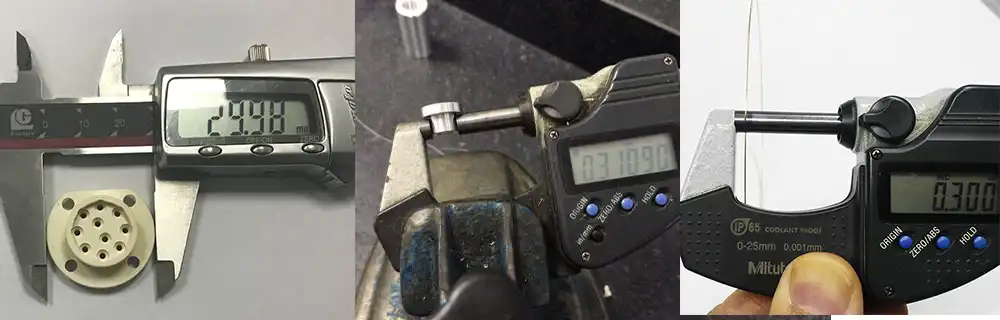
Comprehensive checking processes make sure that the parts that are made meet the requirements. Coordinate Measuring Machines (CMM) measure things accurately in three dimensions, even when the shapes aren't simple. They also make inspection reports that list all the important dimensions. Optical comparators are good for checking a lot of profile traits at once. Suppliers you can trust give you First Article Inspection Reports (FAIR) for new parts, which include material certifications that show how the raw materials were tested at the mill. When quality problems happen, providers with strong corrective action methods look into what went wrong and take steps to stop them from happening again instead of just replacing the broken parts.
Procurement Best Practices: Ordering, Pricing, and Delivery
Technical Specification Development
Unclear pictures keep people from misinterpreting them, which saves time and effort. Include all important measurements with the right ranges of error, be very specific about the material grades (6061-T6 aluminum, not just "aluminum"), and write down the surface finish needs using standard Ra values. CAD models go along with 2D drawings because they show how the design is supposed to look. However, measurements should be shown on drawings because they are legally binding. Giving machinists STEP or IGES files along with PDFs lets them program straight from solid models, which makes the work more accurate.
Pricing Structure Understanding
CNC Machining prices for CNC Machined Parts usually include material costs, setup time, cycle time, tooling, and finishing processes. Setup costs are spread out over the total number of parts that are made; bigger orders have much lower setup costs per part. The choice of material has a big effect on price. For example, titanium costs 10–15 times more than aluminum, and unusual plastics like PEEK cost more than regular industrial plastics by the same amount. By asking for detailed quotes, you can see what factors affect costs. This lets you make smart choices about design changes that might lower costs without affecting functionality.
Minimum Order Quantities and Volume Planning
To make sure that projects cover their overhead costs, many providers set minimum order values or amounts. Some prototype shops will take orders for a single piece, but sites that focus on mass production need at least 25 to 100 units. To balance the costs of keeping supplies with price cuts on individual items, you need to properly predict demand. Blanket purchase orders with planned releases help sellers plan their capacity while letting you keep track of your inventory levels. This is good for both parties because it leads to better pricing and scheduling.
Industry-Specific Compliance Requirements
Industries that are regulated have strict rules about what materials and processes can be used. Medical gadget parts have to be made from materials that are FDA-approved and can be fully tracked. They also have to go through biocompatibility testing. Material approvals, special process controls, and AS9100 requirements are all needed for aerospace parts. FDA-approved materials and special surface finishes that stop germ growth are needed for food processing equipment. When choosing a supplier, make sure that candidates understand the rules that apply to your business and keep up with their certifications. It is much more expensive to add compliance later than to do it at the beginning of the supplier approval process.
Global Logistics and Delivery Management
International sourcing gives you more sourcing choices, but it makes transportation more difficult. Look at providers that offer door-to-door delivery services and take care of the paperwork, customs clearing, and last-mile delivery. A clear Incoterms deal spells out where duty shifts and costs are split. Express shipping choices are worth the extra cost for prototype orders and projects that need to be done quickly, since delays could affect start dates. Suppliers who have worked with foreign transport know how to handle legal requirements without any problems, which makes your job easier.
Conclusion
Knowing about CNC Machined Parts gives you the power to make smart sourcing choices that improve quality, cost, and delivery throughout the creation and production processes of your product. You can make sure your projects are successful by figuring out when machining is better than other options, carefully reviewing sources, following design for manufacturability rules, and using good buying practices. CNC Machining is still needed in many fields that demand greatness because it offers accuracy, freedom, and a wide range of materials. Manufacturing can be turned from a transactional relationship to a strategic advantage that speeds up creativity and improves a company's place in the market by forming partnerships with capable, responsive providers who offer technical support.
FAQ
What materials work best for high-precision CNC machining?
Aluminum alloys, especially 6061-T6 and 7075-T6, are very easy to machine and keep their shape, making them perfect for electronics and aircraft uses that need to be precise. 304 and 316 stainless steel don't rust, so they can be used in hospital and marine settings. Engineering plastics, such as PEEK and Nylon, are resistant to chemicals and light. The material you choose will rely on the mechanical, thermal, and environmental needs of your product, as well as the cost of machining.
How does CNC machining compare to 3D printing for prototypes?
CNC Machining makes prototypes with tighter tolerances and production-equivalent material qualities than additive manufacturing. This means that functional testing is more accurate when using prototypes made with CNC Machining. Conceptual models and complicated shapes can be printed with 3D printing, but machined samples are better for testing fit, durability, and performance in real-world settings. This lowers the risks when moving to production.
What certifications should I require from CNC machining suppliers?
ISO 9001 gives basic assurances about quality control. For aircraft parts, AS9100 approval is necessary, and ISO 13485 covers the needs of medical devices. Ask for material certifications that show the chain of custody from raw materials to mill test reports and inspection reports that show the accuracy of the dimensions. Certifications show dedication to quality systems that stop errors and make sure rules are followed.
Partner with RYH for Precision CNC Machined Parts
Since 2008, we've been a precision CNC Machined Parts supplier for companies across North America that make aircraft, automobiles, medical devices, and industrial equipment. Our engineering team has an average of more than 15 years of technical experience. They can review your plans, make ideas easier to make, and suggest materials that are both effective and affordable. We can make samples of standard-complexity parts in 3–7 days and have strict quality standards that include FDA compliance, material approvals, and surface treatments like anodizing and salt spray tests.
Our manufacturing options are open enough to support your project from the idea stage all the way through full-scale production. This is true whether you need a single sample or thousands of units. We know how hard it is for engineering teams to buy things when they have to meet tight deadlines, deal with changing requirements, and need quick expert help. That's why we've built our business on getting rid of obstacles to contact and giving dependable results that go above and beyond what's expected.
Talk about your next project with bill@bldmachining.com right now. By sending us your drawings and specs, you'll get a thorough quote along with useful tips for making the product easier to make. Feel the difference in your supply chain when direct technical teamwork and proven precision machining skills are used together. When you use RYH, finding parts stops being a pain and starts being a smart relationship.
References
1. Kalpakjian, S. & Schmid, S.R. (2014). Manufacturing Engineering and Technology (7th ed.). Upper Saddle River: Pearson Education.
2. Groover, M.P. (2020). Fundamentals of Modern Manufacturing: Materials, Processes, and Systems (7th ed.). Hoboken: John Wiley & Sons.
3. Boothroyd, G., Dewhurst, P., & Knight, W.A. (2011). Product Design for Manufacture and Assembly (3rd ed.). Boca Raton: CRC Press.
4. Schey, J.A. (2018). Introduction to Manufacturing Processes (3rd ed.). New York: McGraw-Hill Education.
5. ASM International Handbook Committee. (2016). ASM Handbook Volume 16: Machining. Materials Park: ASM International.
6. Society of Manufacturing Engineers. (2019). Fundamentals of Tool Design (6th ed.). Dearborn: Society of Manufacturing Engineers.