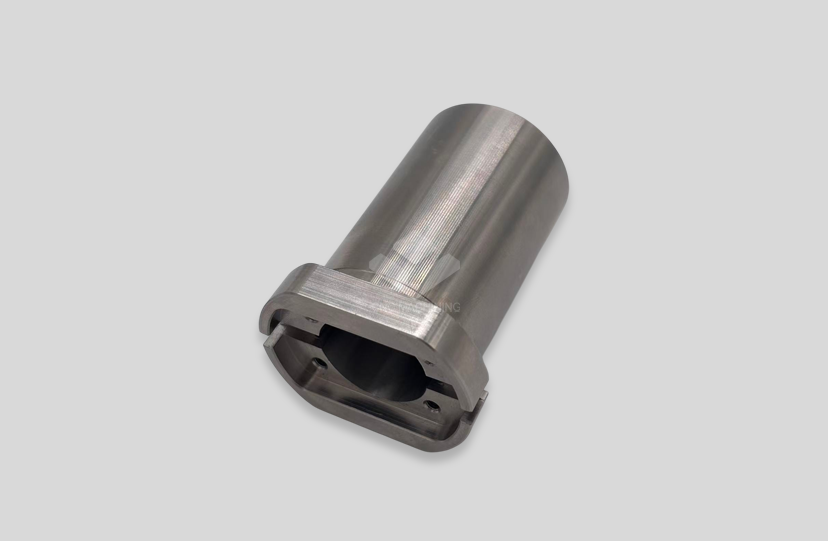
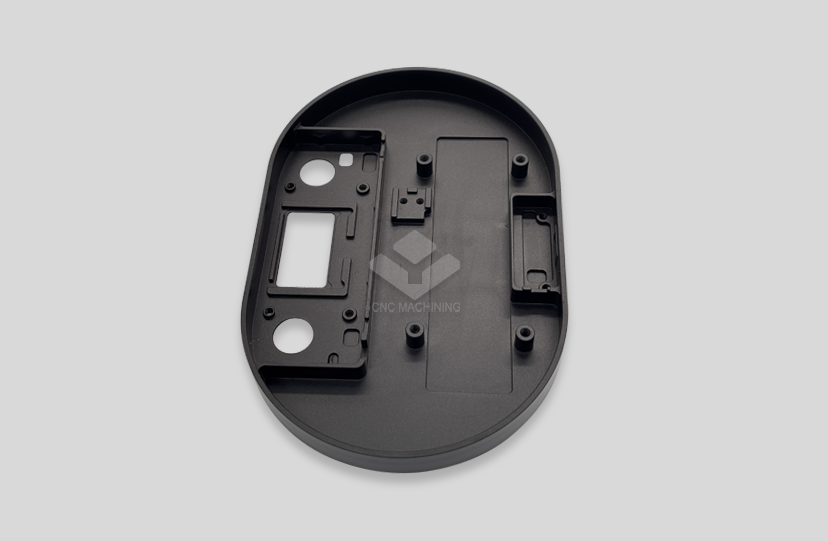
Sharp Corners on CNC Machined Parts: The Impossible Feature That's Killing Your Timeline
When CNC Machined Parts have sharp edges, they can slow down production in big ways that many engineers don't notice until it's too late in the product development cycle. The main problem comes from the fact that cutting tools are cylindrical, which means that spinning endmills can't make perfectly sharp interior corners. When designs include sharp interior edges, it takes longer to machine the parts, the tools wear out faster, and the sizes might not be right. This mistake in the design process often turns simple projects into time-consuming nightmares, adding 30 to 50 percent to the expected delivery times and making the costs go up during the prototyping and production phases.
Understanding the Problem with Sharp Corners in CNC Machining
There are fundamental problems with cutting tool geometry that make it impossible to get really sharp internal corners when machining. Each endmill has a unique corner radius that is based on how it was made and what it will be used for. When a cutting tool meets a sharp corner that was meant to be sharp, it can only copy its own radius, leaving a small, rounded edge instead of the sharp edge that was meant to be there.
The Physics Behind Tool Limitations
Shear forces are used to remove material from cylindrical cutting tools as they spin quickly during the production of CNC Machined Parts. The smallest internal radius that can be used is the radius of the tool, which is usually between 0.5mm and 3mm for most applications. To achieve smaller angles, manufacturers need to use increasingly smaller tools, making the machining process more difficult and fragile. During cutting operations, smaller diameter end mills are more prone to bending, resulting in dimensional deviations and frequent tool breakage that can interrupt production.
Material Behavior Under Stress
When sharp corners are machined, they create stress concentrations that affect different engineering materials in their own way. Because they are more flexible and require less cutting force, Aluminum alloys can usually handle tighter radii better. Some types of stainless steel, especially austenitic grades like 316, harden quickly when they come in contact with sharp edges. This makes the cutting edges dull and creates too much heat. When using engineering plastics like PEEK or Nylon, you need to be very careful. For example, aggressive sharp corner machining can cause localized melting or stress fractures that weaken the part.
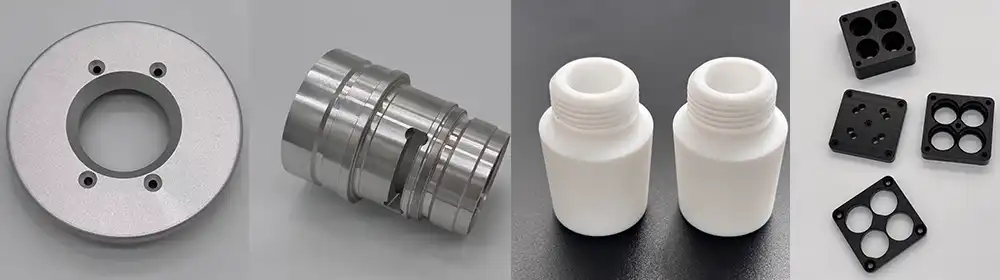
Consequences for Production Quality
Machinists have to make tough decisions when technical drawings still have sharp corners. Some people try to make the feature with tools that are too small, which can break or cause the dimensions to change. Others use slightly bigger circles without official permission, which could cause problems with assembly interruption further down the line. When buying teams use these methods, the quality of the products changes in ways that are hard to control across multiple production runs.
Why Sharp Corners Kill Your CNC Machining Timeline
When sharp corner requirements come up during production, production schedules that were based on standard assumptions about machining fall apart. Standard toolpath strategies use bigger, stiffer cutting tools with standard corner radii to get the best results in terms of efficiency. When there are sharp corners, these optimized sequences have to be broken.
Secondary Operations and Process Disruption
CNC milling alone is often not enough to finish CNC Machined Parts with sharp internal corners. To achieve the required geometry, manufacturers often need to use additional processes such as Wire Electrical Discharge Machining (EDM) or precision cutting. EDM operations usually add 5–10 business days to the completion time and require specialized tools and skilled operators. These extra process steps can lead to coordination delays, additional quality checkpoints, and increased handling risks, all of which place greater pressure on the production schedule.
Real-World Timeline Impacts
We've seen designs for aircraft brackets where sharp interior corners made of 7075 Aluminum made production take 75% longer, from 4 days to 7 days per batch. Medical device housings made of stainless steel that had sharp corners often needed EDM finishing. This made prototype delivery take longer than our usual 5–7 days, to 14–18 days. These delays affect the whole project plan, changing when things are put together, tested to make sure they work, and finally, when the products go on sale.
Tool Wear Acceleration
When you try to cut sharp corners with endmills that are too small, they wear out much faster. A regular 6mm endmill could make 40–50 parts before it needs to be replaced, but a 1mm tool that is trying to make tight radii might only make 5–8 parts before it needs to be replaced. This 8–10x rise in tool consumption means that machines have to stop often to change tools. This breaks up the flow of work and adds direct costs that procurement teams don't usually plan for when they budget.
Material and Process Selection to Minimize Timeline Risks
When designs have tight corner radii, the material properties have a big impact on how fast and easily it can be machined. Delays can be avoided by carefully choosing materials that meet the needs of the geometry.
Aluminum vs. Stainless Steel Considerations
Aluminum alloys like 6061-T6 and 7075-T6 can be machined well for CNC Machined Parts with low cutting forces, so they can handle tighter radii and still maintain good tool life. Some types of stainless steel, like 316 and 17-4PH, produce more cutting force and heat, so tools need to be selected and managed with more care. If sharp corners cannot be avoided in stainless steel designs, we suggest checking whether aluminum options can provide sufficient strength. This material change usually reduces cutting time by 40% to 60% while also improving surface finish quality.
Advanced Multi-Axis Machining Capabilities
Five-axis CNC machining centers have more tooling access angles that can help with some problems that come up with sharp corners. Five-axis equipment makes toolpaths and tool interaction better by letting you approach features from different directions. But this technology can't get around basic tool radius limits; it can only make the approach strategy better. No matter what axis is available, parts that need really sharp corners still need extra EDM processes.
Early-Stage Engineering Collaboration
Including manufacturing partners in the design process helps keep costs down during production. Within hours of receiving them, our engineering team looks over technical models, finding problems with the layout and suggesting useful changes. This kind of proactive consultation usually happens before buy orders are sent out. This lets design teams change standards without affecting the plan. Mechanical engineers like direct technical conversations that make it clear what limitations there are in manufacturing without having to go through vendors who might change the meaning of the conversation.
Certified sellers with a wide range of process skills offer extra safety for CNC Machined Parts deadlines. When a manufacturer puts CNC machining, EDM, grinding, and finishing all under one roof, they don't have to wait for different vendors to coordinate. When secondary operations are needed for sharp corners, consolidated processing usually saves three to five days compared to sending EDM work to a third party.
Cost and Quality Implications of Sharp Corners in CNC Machining
Specifications for sharp corners have real financial effects that go beyond adding more time to the project. When purchasing managers look at bids from suppliers, they need to know what factors affect costs and how they differ between bids.
Direct Cost Increases
The most obvious cost increase in CNC Machined Parts is the use of more tools. For tight radii, you need undersized endmills, which cost $15 to $40 each and can only make 5 to 10 parts before they need to be replaced. Standard tools, on the other hand, cost $25 to $60 each and can make 50 to 80 parts. The cost of each part goes up directly because the tool life is reduced by 8–10 times. Also, the longer machine usage time caused by slower feed rates required for small tools increases hourly load rates. Additional EDM processes cost $150 to $500 per part, depending on the complexity of the features and the material hardness.
Quality and Reliability Concerns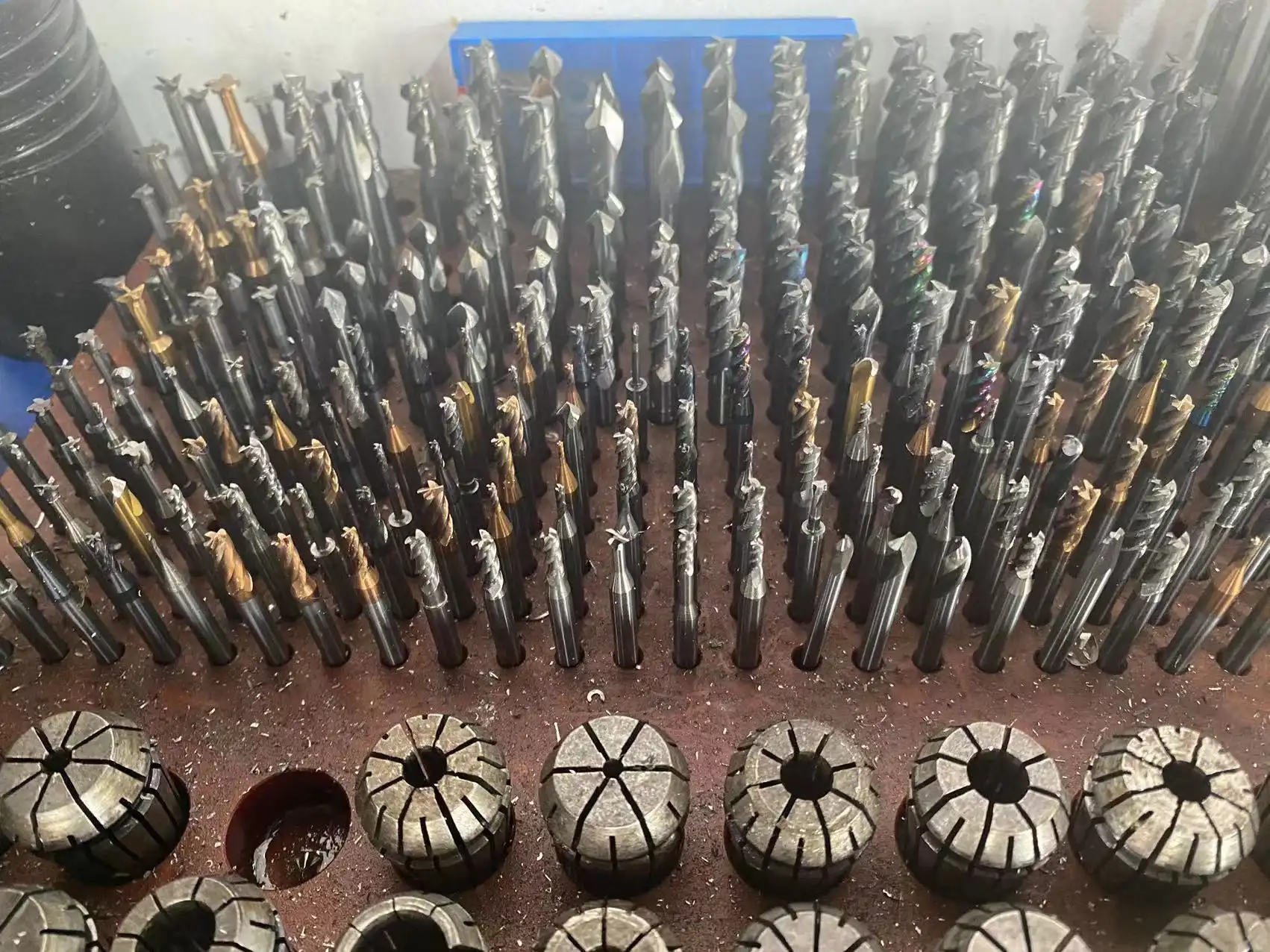
When you load and unload something, sharp corners create weak spots in the structure that allow cracks to spread. A finite element study shows that sharp internal corners have stress concentration factors that are 4 to 6 times higher than radiused features. We've seen robotics parts fail in the field because sharp corners caused fatigue cracks after 50,000 cycles, which is a lot less than what was expected by the designers. On the other hand, identical parts with corner radii of 2 mm went through more than 500,000 cycles without breaking. This data on reliability shows that designs that are easy to make work better in the field.
Strategic Procurement Approaches
Procurement teams with a lot of experience look at more than just the price that a seller quotes for CNC Machined Parts. Offering upfront DFM analysis shows a level of technical detail that avoids problems in the middle of a project. When sharp corners are needed, asking for suggestions on different shapes shows that the supplier knows what they're doing and is willing to work with you to get the best results. When negotiating prices, you should take the complexity of the design into account. For example, parts with optimized curves should have lower prices because they are easier to make.
When features have sharp corners, quality assurance rules become even more important. When suppliers give thorough inspection reports with CMM data for important dimensions, it ensures that the manufacturing is the same from one batch of production to the next. When we look at quotes and find problems with sharp corners, we write down suggested options along with how much they would cost. This way, buying managers have clear decision criteria before they commit to production.
Conclusion
CNC Machined Parts with sharp edges cause problems that can be avoided and cause delays, higher costs, and lower quality. Manufacturers have to use expensive solutions or extra steps that get in the way of normal processes because cylindrical cutting tools don't work well with sharp internal geometry. When engineers know about these limitations during the design process, they can specify features that can be manufactured while still meeting the requirements for functionality and maximizing production efficiency. When you choose the right materials, set the right corner radii, and work with your suppliers early on, you can avoid potential timeline disasters and still finish projects on time.
FAQ
Can CNC machines produce perfectly sharp internal corners?
Because rotating cutting tools are cylinder-shaped, CNC milling can't make internal corners that are perfectly sharp. The radius of the cutting tool is the smallest internal radius that can be made. Because the tool comes from the outside of the material, external corners can be machined sharply, but internal corners will always have some roundness to them. Because it can make corners much sharper (down to 0.1 to 0.3 mm radius), wire EDM is the best backup operation when the design needs absolutely sharp features.
What minimum corner radius should I specify in my designs?
For most uses, we suggest that the minimum internal corner radius be between 1 and 2 mm. For bigger structural parts, 3 mm is better. These measurements work with standard tooling sizes that strike a good balance between how well they cut and how rigid they are. Smaller angles, even down to 0.5 mm, are still possible, but they make production more difficult and cost more. When you specify corner radii that are equal to or greater than the thickness of the wall next to them, the stress is spread out evenly, and the material is easy to machine.
How much do sharp corners increase manufacturing costs?
When compared to designs with standard radii, parts with sharp internal corners usually cost 25 to 60 percent more. Several things have led to this increase: smaller tools that don't last as long, slower cutting speeds to keep tools from breaking, more time needed for setup, and the possibility of doing more EDM operations. If you need to do special work on sharp corners, a prototype batch that costs $800 with the right radii could cost $1,200 to $1,400. Timeline extensions add to these direct costs by making the job take longer to finish.
Partner With RYH for Manufacturing-Optimized Precision Components
In order to meet output deadlines, manufacturers need suppliers who can provide both professional know-how and efficient production. Our engineering team at RYH has an average of more than 15 years of hands-on experience with machining. This lets us find problems with designs during the initial quote reviews, rather than after production starts. We let engineers talk directly to each other—no salespeople in between—so your technical needs are carefully considered and practical ways to improve them are suggested. Our DFM analysis shows problems with sharp corners and suggests ways to make things that keep the functional intent while speeding up delivery. As an experienced maker of CNC Machined Parts, we can finish most prototype orders in 5 to 7 days, and simple designs can be sent to you in as little as 3 days. We have a wide range of skills in Aluminum, stainless steel, engineering plastics like PEEK and Nylon, and speciality alloys. All of our materials are fully certified and come with inspection reports. If you have concerns about the quality, our same-month remanufacturing guarantee makes sure that the problem is fixed quickly—usually within a week—and that the shipping costs are covered. Get in touch with our engineering team at bill@bldmachining.com to talk about your project needs and find out how manufacturing-focused design teamwork can help you avoid delays and get the best results in terms of cost and quality.
References
1. Kalpakjian, S., & Schmid, S. R. (2014). Manufacturing Engineering and Technology (7th ed.). Pearson Education.
2. Groover, M. P. (2020). Fundamentals of Modern Manufacturing: Materials, Processes, and Systems (7th ed.). John Wiley & Sons.
3. Stephenson, D. A., & Agapiou, J. S. (2016). Metal Cutting Theory and Practice (3rd ed.). CRC Press.
4. Society of Manufacturing Engineers. (2018). Tool and Manufacturing Engineers Handbook: Machining (Vol. 1, 5th ed.). SME.
5. Tlusty, J., & Smith, S. (1997). Current Trends in High-Speed Machining. Journal of Manufacturing Science and Engineering, 119(4B), 664-666.
6. Budak, E., Altintas, Y., & Armarego, E. J. A. (1996). Prediction of Milling Force Coefficients From Orthogonal Cutting Data. Journal of Manufacturing Science and Engineering, 118(2), 216-224.
 CNC machined parts.webp)