Custom CNC Machining: How It Can Transform Your Projects
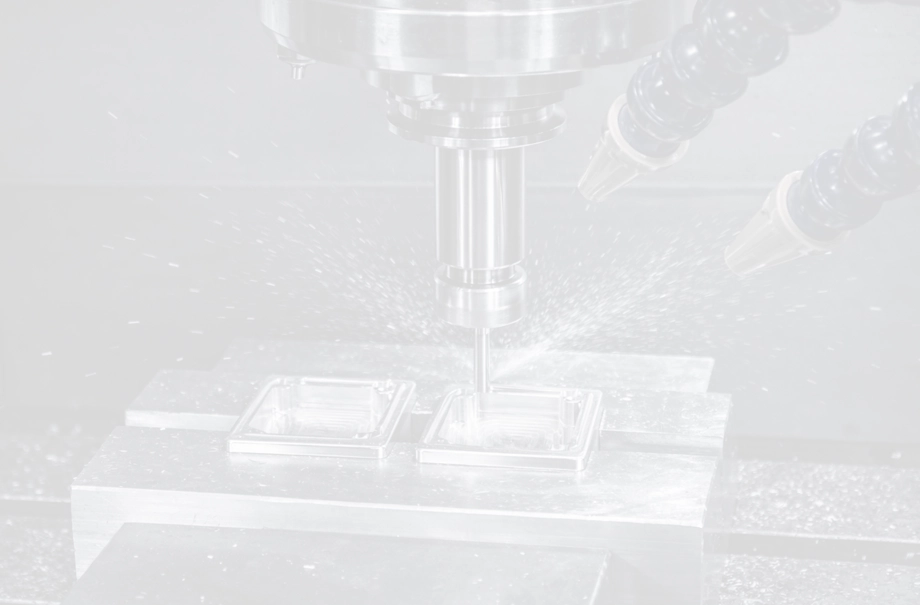
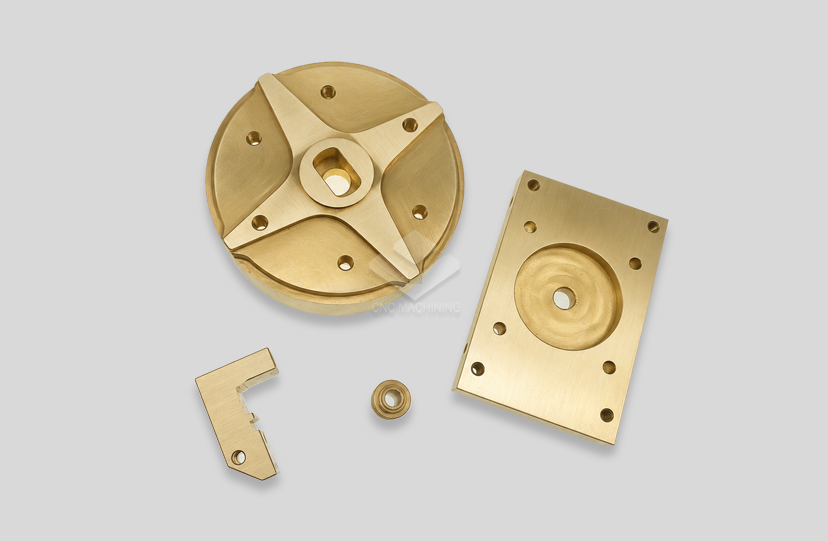
Custom CNC Machining is a revolutionary way to make precise things that go far beyond normal production methods. Unlike ready-made solutions, it lets engineers and procurement teams make complicated plans come to life very quickly, accurately, and with a lot of freedom. This customized manufacturing process can be changed to fit your exact needs, whether you need a single sample or a customized production run. This makes it an important technology for fields that need to work with tight standards, a wide range of materials, and quick turnaround times.
Understanding Custom CNC Machining: Definitions and Core Concepts
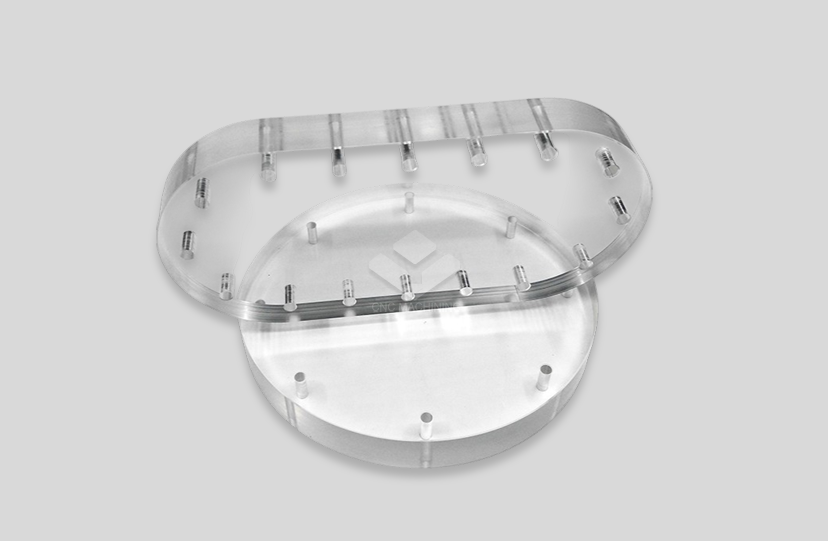
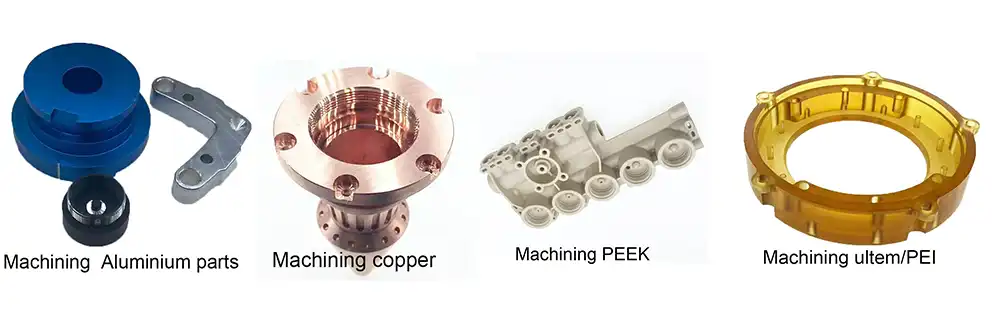
Custom CNC Machining is very different from traditional making because it lets you choose any style and material. Standard processes use routines that have already been set and only a few types of materials. Custom CNC Machining, on the other hand, makes each action fit your specific needs. This method works with a wide range of materials, including aerospace-grade aluminum alloys like 6082, industrial plastics, stainless steel, brass, and even medical materials that are FDA-approved.
The Sequential Workflow: From Design to Delivery
When you send in your technical plans or 3D CAD files, the process starts. Our engineering team looks over these specs with you directly—no middlemen—to find any problems that might come up with manufacturing before they start. This group's Design for Manufacturability (DFM) study can stop mistakes that cost a lot of money and cut lead times by a large amount. After the design is optimized, the process moves on to programming, making the toolpath, Custom CNC Machining, quality control, and finishing the surface. Every step is watched to make sure the measurements are correct, and the surface is intact.
Core Technologies Enabling Precision
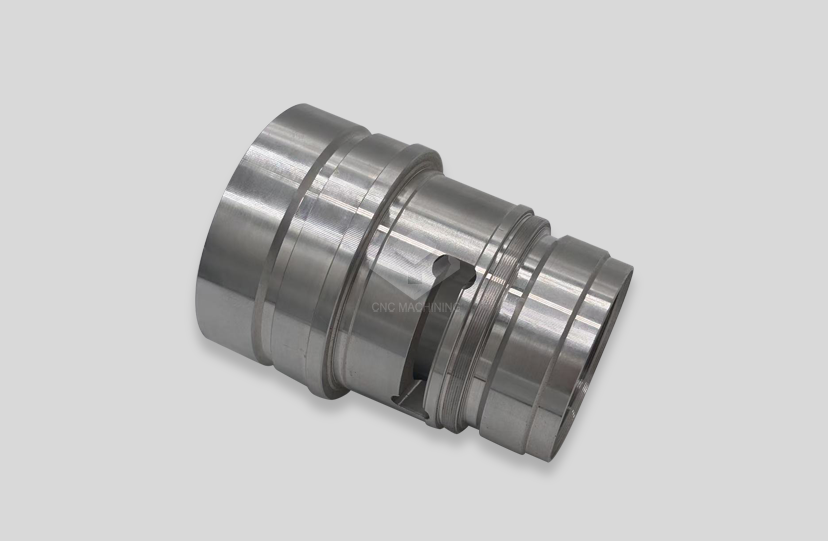
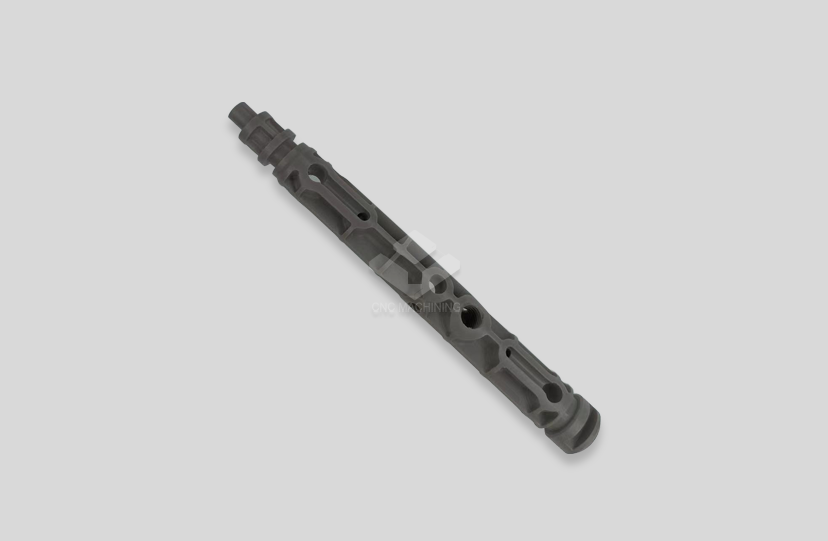
Custom CNC machining, milling, turning, and multi-axis cutting are the main types of special work that can be done. Milling uses rotating cutters to remove material and make complicated shapes, while turning uses spinning workpieces to shape parts that are shaped like cylinders. Multi-axis machining, especially 4-axis and 5-axis designs, lets you cut from more than one point at the same time. This cuts down on setup time and improves the accuracy of complicated parts. Together, these technologies make it possible to get tolerances as small as ±0.005 mm, which meets the very strict needs of the chip, medical device, and aircraft industries.
M achining Methods: From 3-Axis to Advanced Configurations
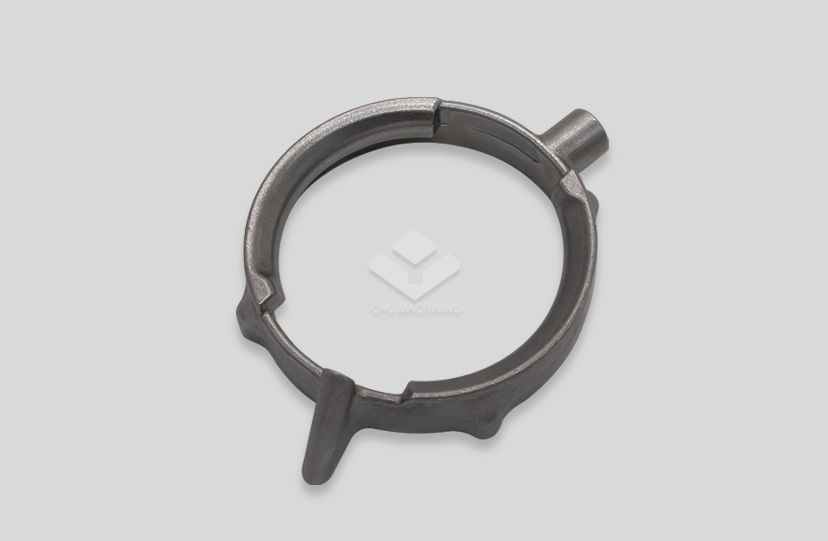
It is easy and cheap to use three-axis machining for simple shapes, which makes it a good choice for many manufacturing parts. Five-axis machining makes it possible to make undercuts, complex curves, and organic forms all in one setup. This cuts down on production time by a huge amount and makes sure that all the parts are the same size. Specialty techniques, such as wire EDM and precise grinding, can be used with these to work with harder materials or make surfaces that look like mirrors. Knowing these differences helps buying workers match the needs of a project with the most efficient way to make it.
The Benefits of Custom CNC Machining for Your Projects
Extraordinary Precision with Industry-Leading Tolerances
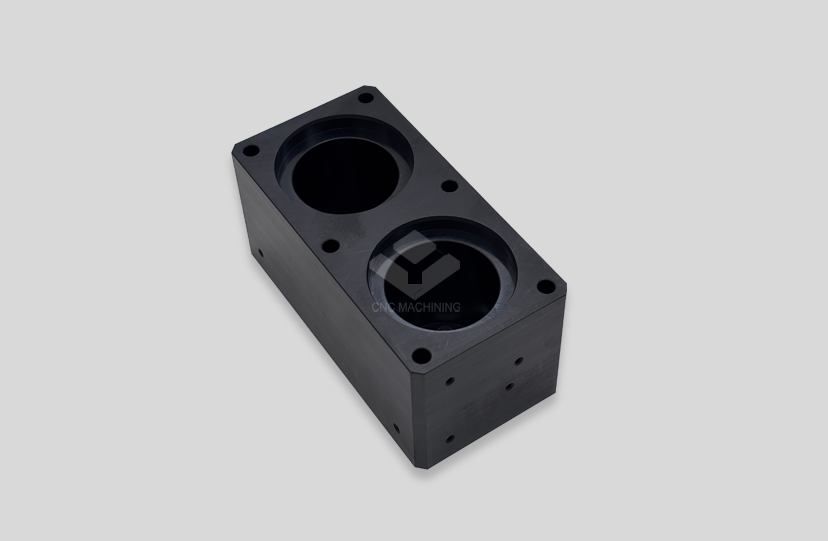
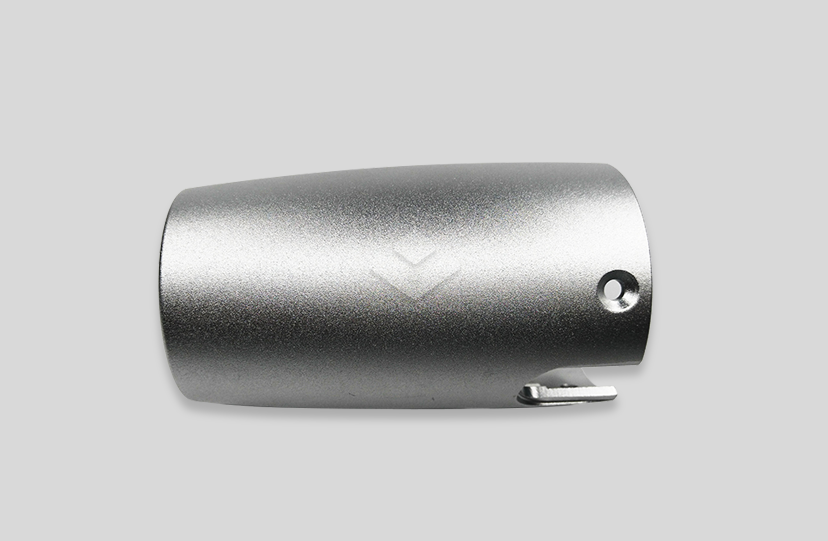
It's not just a technical requirement to get tolerances of ±0.01 mm or better; it's also the basis of practical dependability. For example, exact fit tolerances are needed for Custom CNC Machining plastic parts for electronics housings so that they can be put together correctly and protect against electromagnetic fields. In the same way, 6082 aluminum Custom CNC Machining parts used in car suspension systems must stay the same size even when they are subjected to dynamic loads of more than 50 kN. This level of accuracy gets rid of problems with assembly, lowers the number of guarantee claims, and increases the service life of parts.
Rapid Prototyping and Flexible Production Volumes
Across all businesses, development processes have shortened by a huge amount. Getting a working version in three to seven days instead of weeks speeds up the process of validating the design and entering the market. We've helped R&D teams that only needed five prototypes to test, and then we helped them smoothly switch to production runs of 500 pieces without having to retool or lower the quality. Because of this, there is no need for multiple sources, and the design stays the same from the idea stage to mass production.
Material Versatility for Diverse Engineering Requirements
For different uses, materials need to have different qualities. Biocompatible plastics that are FDA-compliant and don't break down when sterilized are often needed for parts of medical devices. 6082 aluminum has a high strength-to-weight ratio and doesn't rust in harsh settings, which makes it useful for industrial control equipment. Custom CNC Machining electroplated parts combine the ability to be machined of base metals with the surface qualities of useful or decorative coatings, which can provide resistance to wear, conductivity, or good looks. This material's flexibility lets engineers improve performance without changing the way the design works.
Comparing Custom CNC Machining with Other Manufacturing Options
To choose the best way to make something, you need to know how the different methods compare to the needs of your individual job. Different approaches have different pros and cons that affect time, cost, and quality.
Precision, Surface Finish, and Scalability Analysis
3D printing is great for making quick idea models and complex internal shapes, but the surface roughness is usually between 6 and 12 μm, which is too rough for precise assemblies. When making more than 10,000 pieces, injection molding has great unit economics. However, the cost of the tools can be as high as $50,000, and it takes 8 to 12 weeks before the first item is produced. Custom CNC Machining is the perfect middle ground because it can produce surfaces with finishes as smooth as Ra 0.4 μm, handle orders of one to several thousand pieces, and begin production in days instead of months. Because of these factors, it is perfect for developing new products, making small batches, and making specialty goods.
When Custom CNC Provides Superior Value
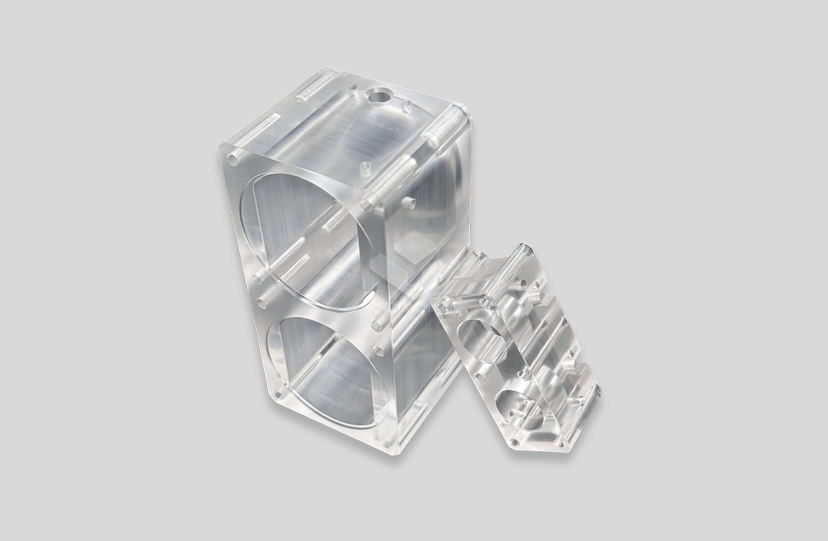
Custom CNC Machining is best for making parts with complicated shapes and close tolerances, like manifold blocks with fluid lines that cross each other or multi-cavity molds that need precise draft angles. The process is flexible, which is good for projects that need to use more than one material or special techniques. When you need to react quickly to design changes or work with limited production windows, being able to change CAD files and start production again within 48 hours gives you strategic benefits that processes that depend on tools can't match.
Outsourcing Versus In-House Considerations
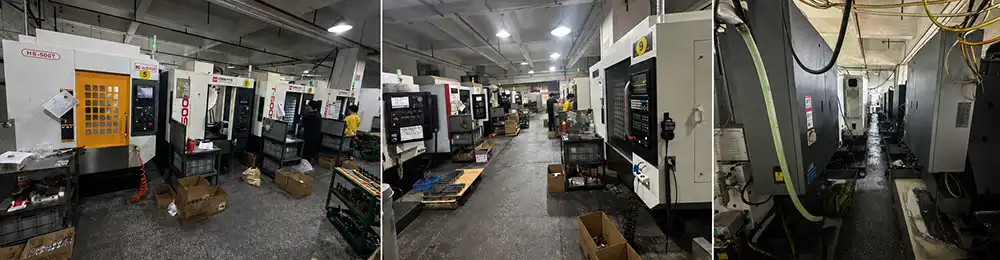
To keep internal machining skills up to date, a lot of money needs to be spent on tools, equipment, skilled workers, and quality control systems. If you hire specialized, precise Custom CNC Machining makers, you can get access to advanced features like 5-axis machining, knowledge of working with rare materials, and approved inspection equipment, all without having to pay for set overhead costs. Reliable partners provide constant quality, handle changes in capacity, and offer technical help that works with your engineering team instead of getting in the way of communication.
How to Choose the Right Custom CNC Machining Provider
Because choosing a supplier has a direct effect on the results of a project, the evaluation factors are just as important as the technical specs. The right manufacturing partner is more than just a provider; they become an extension of your tech team.
Essential Evaluation Criteria
ISO 9001 certification sets the standard for quality management systems, but knowledge in your business is just as important. A service provider with experience in flight knows how to meet AS9100 standards and accepts PPAP paperwork standards. Medical device makers need providers who know how to follow the FDA's standards for material validation and tracking. Check their technological skills as well as their licenses. Can they work with the materials, standards, and surface finishes that your application needs? Do they make sure that the testing tools they use are always set to NIST standards?
Pricing Models, Lead Times, and Order Flexibility
Clear price, without any secret setup fees or minimum order requirements, lets you make a good budget for developing prototypes. We usually give quotes within 24 hours, and we can handle orders for anything from a single sample to over 1,000 units of production. Predictable lead times are important, especially when development plans are tight. Sample production can be finished in one week, and less complicated parts can be rushed in three days without having to pay extra. This keeps projects on track without having to pay extra.
Verifying Supplier Reliability and Technical Support
Industry-Specific Applications of Custom CNC Machining
Precision production is the basis for new ideas in many fields where safety, efficiency, and dependability are essential. Figuring out how custom powers help with problems unique to a certain business shows the strategic value that goes beyond making generic parts.
Automotive and New Energy Systems
For battery enclosures in electric vehicles, the designs need to be both light and strong so that they can handle impact loads and keep heat control paths open. Custom CNC Machining aluminum parts made from 6082 metal have the right strength-to-weight ratio, won't rust in hard conditions, and stay the same size at temperatures ranging from -40°C to 120°C. Custom CNC Machining and electroplating are good ways to make parts for charging systems. The base material gives the parts strength, and the surface processes make them carry electricity and resist corrosion. Tolerances of ±0.02 mm make sure that high-voltage systems, where safety is the most important thing, are properly sealed and aligned.
Medical Device Manufacturing
Surgical tools, diagnostic equipment housings, and lab machinery parts need to be precise, and the materials must also be biocompatible and able to be tracked. We offer full material certifications that include mill test results, FDA-compliant material paperwork, and the ability to track a particular lot. In sterile settings, surface finishes that meet Ra 0.8 μm standards keep germs from sticking to them. As performance requirements are revealed through clinical testing, design changes are often needed for medical device prototype development. Our fast turnaround times support this iterative process without affecting validation timeframes.
Aerospace and Electronics Applications
Suppliers of aerospace parts have to follow strict rules about dimensional limits, material needs, and paperwork. Five-axis machining can help with complicated shapes like turbine housings or structural braces by cutting down on the number of parts needed and getting rid of mechanical joints that can fail. Precision parts are needed by companies that make electronics and semiconductors for test fixtures, wafer handling systems, and heat management assemblies. This is because output rates are directly affected by the regularity of the dimensions. Custom CNC Machining plastic parts made from materials like PEEK or Ultem offer better electrical insulation, thermal stability, and dimensional accuracy than injection-molded options for prototypes or small batches.
Conclusion
Custom CNC Machining changes projects by giving them the accuracy, adaptability, and speed that today's product development needs. This way of making things can be changed to fit your exact needs, whether you're making medical devices that need to be FDA-compliant, auto parts that need to have tight standards, or industrial equipment with complicated shapes. Working directly with experienced engineers, making prototypes quickly, and going from samples to production without any problems removes the usual hurdles between design idea and made reality. When you choose a precision machining partner that has a track record of success, clear communication, and quality assurance methods, your projects are more likely to succeed in competitive markets where performance and time-to-market are key factors.
FAQ
What lead times should I expect for custom CNC machined parts?
Sample production usually takes one week, but smaller shapes can be made in three days. Production runs rely on the number of pieces and how complicated they are. Usually, lots of 100 to 500 pieces take two to three weeks. You can use rush services if you need to get something quickly for a project deadline. Lead times start once the DFM review confirms that the product can be manufactured.
Can electroplating be applied after CNC machining?
Of course. As a surface treatment after Custom CNC machining, milling, turning, or drilling, electroplating is often used on parts. When handled correctly, the process produces thin layers of metal (3–25 microns) without changing the accuracy of the measurements. This combines the structural accuracy of machining with the surface qualities of plating, such as resistance to rust, conductivity, or a nice finish.
What materials are compatible with custom CNC machining services?
We can make a wide range of materials, such as tool steels, brass, copper, titanium, aluminum alloys (6061, 6082, 7075), and stainless steels (303, 304, 316). Materials that are FDA-compliant, ABS, Delrin, PEEK, Ultem, and polycarbonate are all examples of engineering plastics. The choice of material is based on mechanical needs, exposure to the climate, and standards that are specific to the purpose. During the quotation process, our tech team makes suggestions.
Partner with RYH for Precision Custom CNC Machining Excellence
RYH offers full Custom CNC Machining services and is ISO certified. Their engineering teams have an average of 15 years of professional experience. Our engineers talk to your team directly—no middlemen—to improve plans, suggest materials, and make sure they can be made before production starts. We offer stable quality for both metal and non-metal parts, whether you need fast development with a three-day turnaround time or scalable production with ±0.005 mm tolerances. We help clients all over the world with door-to-door shipping and can remanufacture items within a week if there are quality problems. We've helped automation equipment companies, medical device companies, and tech startups turn ideas into goods that are ready for the market as a trusted Custom CNC Machining maker. Get in touch with bill@bldmachining.com to talk about your project needs and get a full quote within 24 hours.
References
1. Kalpakjian, S., & Schmid, S. R. (2014). Manufacturing Engineering and Technology (7th ed.). Pearson Education.
2. Groover, M. P. (2020). Fundamentals of Modern Manufacturing: Materials, Processes, and Systems (7th ed.). Wiley.
3. Boothroyd, G., Dewhurst, P., & Knight, W. A. (2011). Product Design for Manufacture and Assembly (3rd ed.). CRC Press.
4. ASM International. (2016). Machining: ASM Handbook Volume 16. ASM International.
5. Stephenson, D. A., & Agapiou, J. S. (2018). Metal Cutting Theory and Practice (3rd ed.). CRC Press.
6. Society of Manufacturing Engineers. (2019). CNC Machining Handbook: Building, Programming, and Implementation. SME Publications.