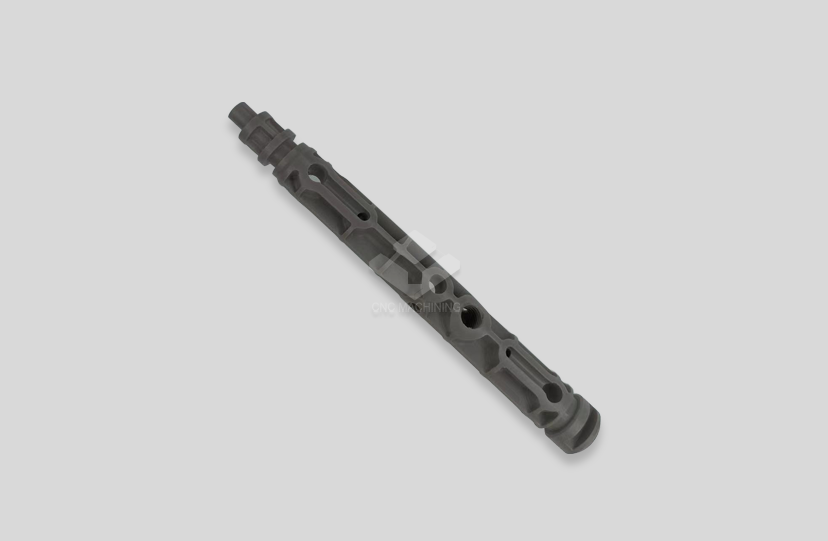
Why Choose CNC Machining for Custom Metal Manufacturing?
CNC Machining is the best way to make sure that metal parts are machined precisely and always fit correctly. With tolerances as small as ±0.01 mm, this computer-controlled manufacturing method turns raw metal into exact copies of your digital plans. CNC technology, on the other hand, gets rid of human error and keeps the standard of every part the same, whether you're making one sample or thousands of units for mass production. CNC Machining gives engineers and procurement teams the accuracy, freedom, and speed that modern industry needs, even when they have to meet tight deadlines and strict standards.
Understanding CNC Machining and Its Core Benefits
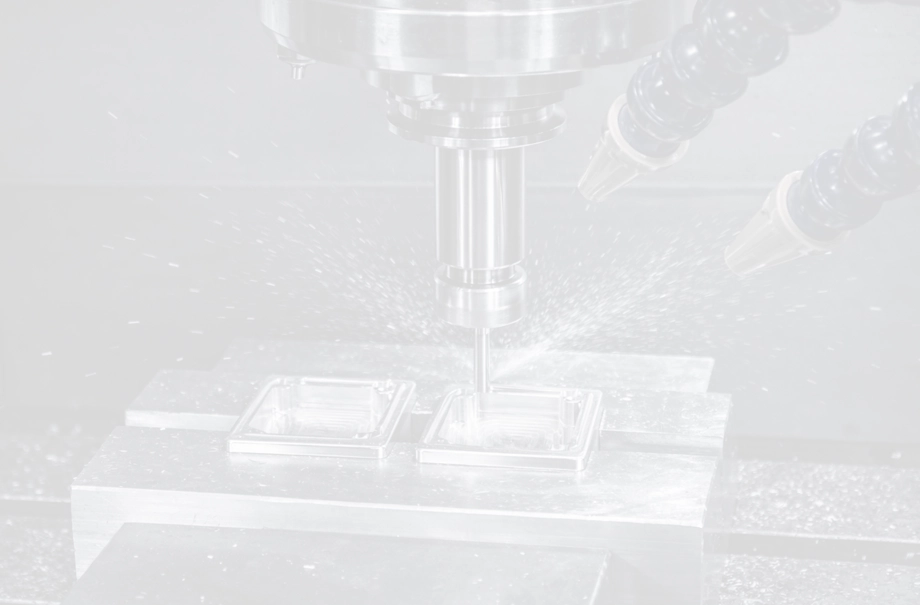
CNC Machining uses computer-programmed directions to control cutting tools that make exact parts out of metal. The process starts with CAD files that turn your design into machine orders that very precisely guide multi-axis tools through complicated cutting paths.
How Computer-Controlled Manufacturing Works
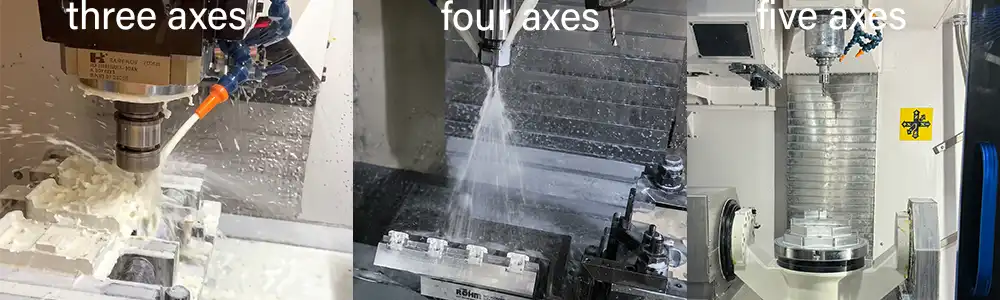
Modern CNC centers have three, four, or five axes, which let tools approach workpieces from different directions at the same time. With this feature, we can make complicated geometries like internal channels, undercuts, and complex contours all in one setting. The technology cuts down on the time needed for handling and keeps the dimensions stable throughout production.
These machining centers are used 24 hours a day, seven days a week at our plant. They have real-time tracking systems that find problems before they become defects. When a cutting tool starts to wear down, sensors let workers know right away. This makes sure that every part meets the limits you set.
Key Advantages for Product Development Teams
Because CNC methods are flexible, they can solve a number of problems that come up in custom making. Tooling prices stay low compared to molding or casting, which speeds up the development of prototypes. You can try more than one design version in days instead of weeks, which cuts down on the time it takes to start your product.
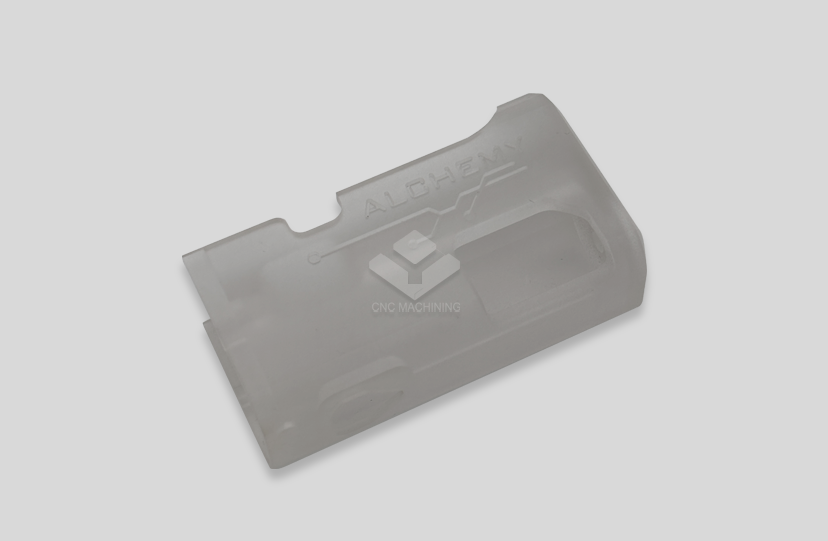
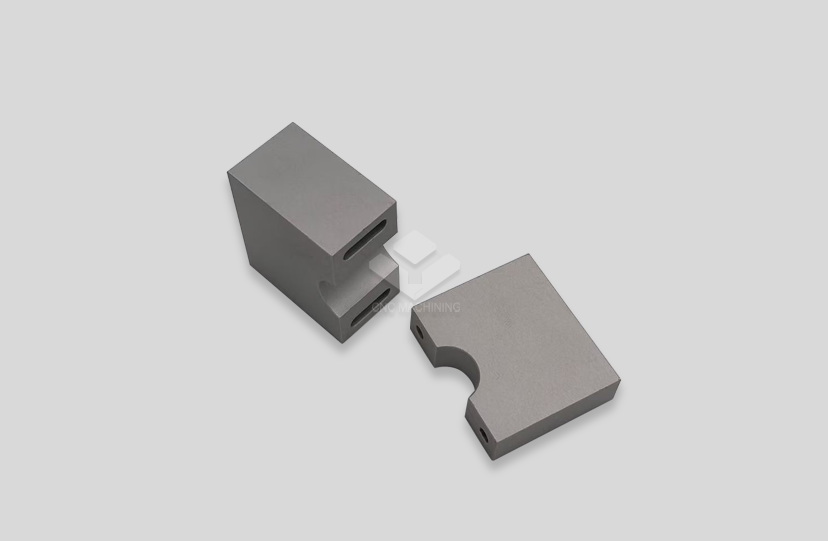
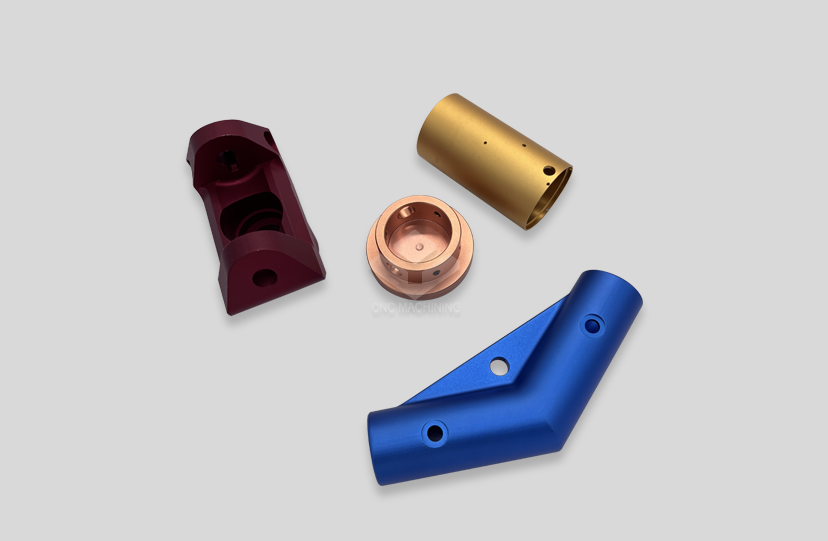
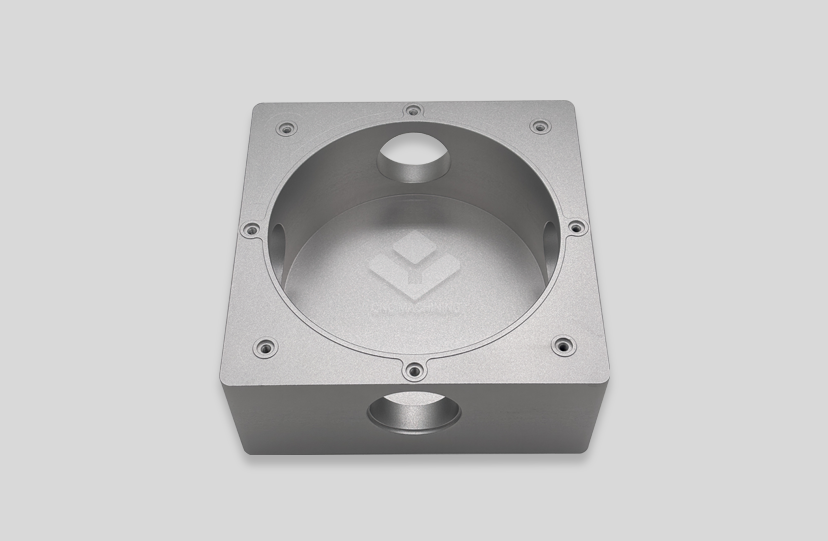
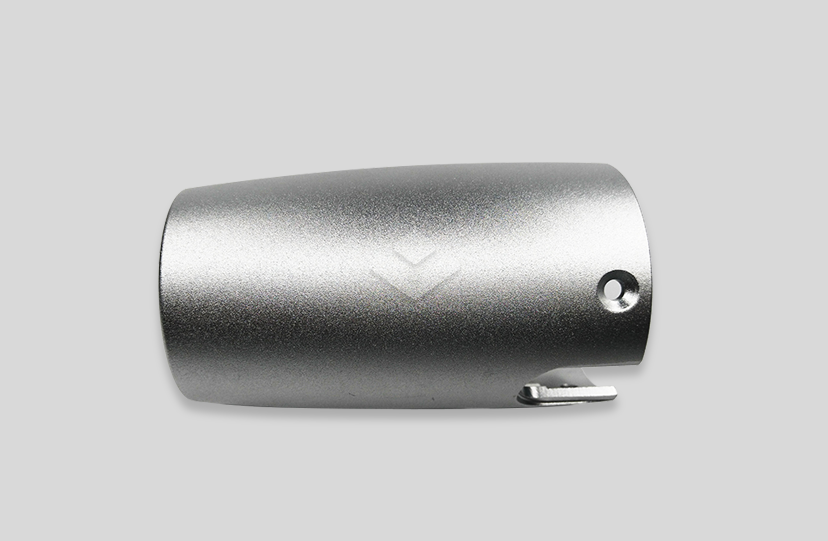
Another big benefit is that the material can be used in many different ways. Whether you need aluminum 6061 for its strength and light weight, stainless steel 304 for its resistance to rust, or SS316 for its medical-grade biocompatibility, CNC equipment can work with a wide range of metals without having to change the way it does things. Different types of surface finishes, such as machine-finished, anodized, or electroplated, can be used and look good at the same time.
Repeatability makes sure that the same things are made in each run. Once the code is checked, machines will keep making the same parts over and over, so the standard will stay the same whether you order ten or ten thousand. With this scalability, you can go from testing a prototype to pilot production to full-scale production without having to switch sources or methods.
Comparing CNC Machining with Alternative Manufacturing Methods
To pick the right manufacturing technology, you need to know how the different methods fit the goals of your project. Each way has its own pros and cons that affect cost, lead time, and how well the part works.
CNC Versus Manual Machining
For manual machining to work, skilled people must use hand wheels and switches to move the machinery. Even though artists do good work, human factors make it different. Measurements can be interpreted in different ways, and accuracy is lost during long production runs due to tiredness. Digital control in CNC gets rid of these flaws, allowing for better tolerances and faster run times. CNC Machining cuts down on setup time and improves measurement accuracy across all features of complicated parts that need to be made in more than one step.
CNC Compared to Additive Manufacturing
Layer-by-layer building is possible with 3D printing, which lets you make things with natural shapes. Post-machining is often needed for metal additive processes, though, to get the useful standards and surface finishes that are needed. It's possible that the strength of the material won't match the strength of cast or polished metal, and making bigger parts takes a lot longer. For structural uses and high-stress situations, CNC Machining creates fully dense parts with better mechanical qualities.
Advantages Over Molding and Casting
Injection molding and die casting are great for making a lot of things, but they need expensive tools that keep plans from changing. Changes take longer and cost more because they need new molds. CNC Machining doesn't need any hard tools because design changes are made through software changes that can be put into action within hours. This adaptability is very helpful during the development stages, when requirements change based on feedback from tests. When making less than 10,000 units a year, CNC methods often have better costs than tooled processes.
The comparison shows that CNC Machining works best for parts with a medium level of complexity that need to be made with tight tolerances in low to medium numbers, with the possibility of design changes occurring during the product's lifecycle. Most uses for custom parts in industrial tools, medical devices, and precise instruments fall under these categories.
The CNC Machining Process in Custom Metal Manufacturing
Knowing how CNC manufacturing works can help you make better plans and talk to providers more clearly. From the computer file to the finished part, the process is organized into steps.
Design Preparation and CAM Programming
Before cutting starts, engineers look over your CAD files to find problems that might come up during production. This Design for Manufacturability (DFM) study finds problems like parts that are too small to reach, standards that are too tight, or walls that are too thin and easily bend. We give straight feedback from engineer to engineer, offering changes that lower costs and make things more reliable without affecting how they work. Our team has an average of more than fifteen years of technical experience, so our suggestions are based on real-world machine experience rather than theoretical limits.
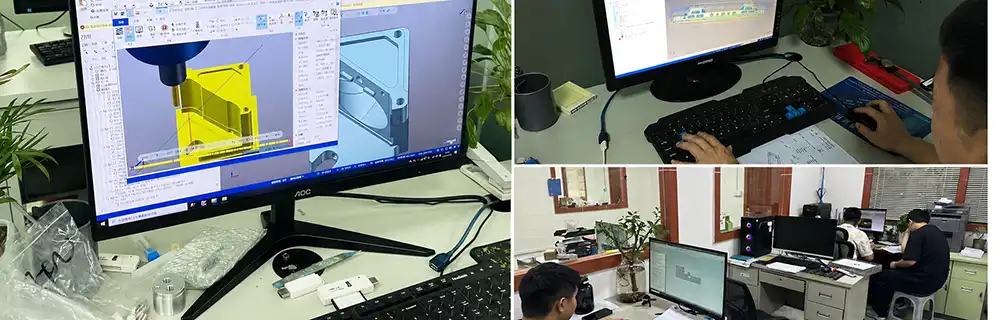
Then, CAM software makes toolpaths, which tell the machine how to move. Based on the qualities of the material and the finish that is wanted, programmers choose the right cutting tools, speeds, and feed rates. Before any metal cutting starts, simulation software checks programs online to make sure they won't cause any collisions.
Material Selection and Setup
The alloy 6061 aluminum is easy to work with, strong, and light. It also reacts well to anodizing, which protects against rust. Stainless steel 304 is better at resisting rust and can be used in food machines and buildings. Adding molybdenum to SS316 makes it more resistant to chemicals, which makes it perfect for marine settings and medical equipment that need to be biocompatible.
Spectrometers are used to check the alloy makeup of raw materials when they come in to make sure they meet standards. This quality gate keeps parts from getting mixed up, which could affect how well they work. Then, machinists put the pieces of work in supports that keep them from moving around and still let cutting tools get to them.
Machining Operations and Quality Control
CNC centers follow pre-programmed toolpaths to remove material by cutting, turning, or boring. Multi-axis powers let you make a whole part in a single setup, keeping the geometric relationships between features tight. For parts that need to be both turned and milled, we use turning-milling centers, which can do both without having to be re-fixed.
Calipers, micrometers, and profile projectors are used for in-process checking at key points. Before moving on to the next task, operators make sure that the measurements match the limits. This delayed proof keeps parts from being thrown away too late in the production process, when they can't be fixed.
After initial machining, secondary steps are done. Deburring gets rid of sharp edges so they are safer to handle and fit together correctly. Anodizing and other surface processes make metal parts more resistant to corrosion and give you more color choices. Passivation is a chemical process that cleans stainless steel by getting rid of free iron and adding an oxide layer that keeps the steel from rusting.
Final Inspection and Documentation
In CNC Machining, Coordinate Measuring Machines (CMMs) are used for complicated geometries to perform a full check of the dimensions of finished parts. CMMs measure many spots on a surface and compare the results to CAD models with accuracy down to the micron level. Surface roughness testers make sure that the quality of the finish meets certain Ra values.
Shipments come with paperwork, like dimensional reports, material certificates, and traceability records (if needed for controlled sectors). As long as we have ISO 9001 certification, our quality control systems will keep track of every step of the production process, from receiving the materials to delivering the finished product.
Advancements in CNC Machining Technology and Their Impact
CNC Machining machines today have a lot of new features that make them much more useful and efficient than machines from even five years ago. Customers gain from these big steps forward in technology because they mean better products and shorter lead times.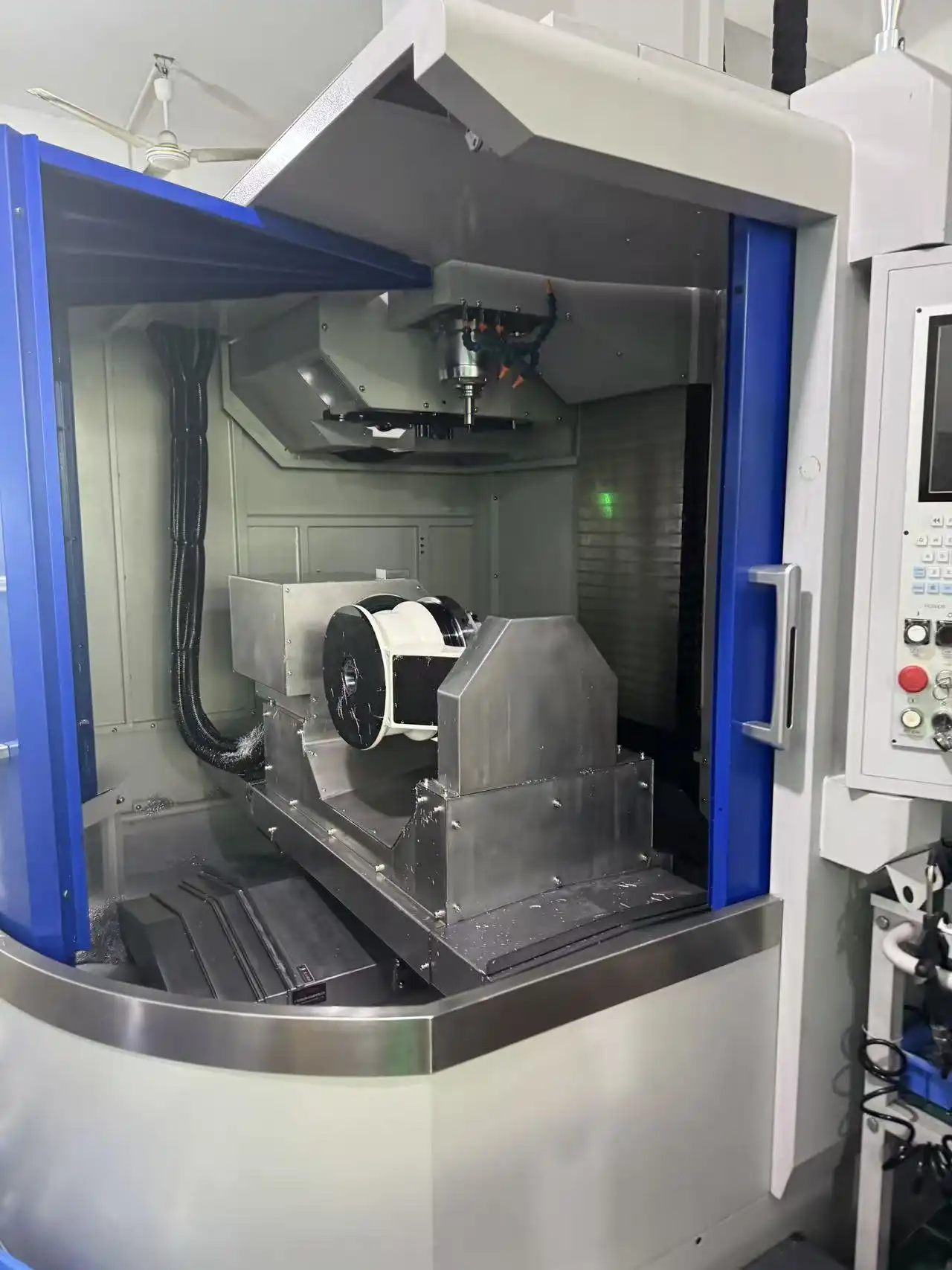
Multi-Axis Machining Capabilities
Five-axis machining centers can turn and spin workpieces while they are being cut, so they can reach angles that aren't straight on. This feature cuts down on setup times, keeps standards tighter, and lets you do undercuts that you couldn't do with three-axis equipment. Swiss-type lathes are great for making precise parts with small diameters (up to 25 mm), which makes them perfect for medical tools and electronic connections. Our six Swiss CNC lathes make parts with surface roughness below 0.8 μm and tolerances of ±0.01 mm.
Automation and Smart Manufacturing
Robotic filling systems can work without lights, so they can be left alone at night and on the weekends. Automated tool changes keep magazines full of dozens of cutting tools and quickly switch them out when the program tells them to. This automation makes better use of machines while cutting down on worker costs, which we pass on to our customers through low prices.
IoT connection connects tools to business systems, which lets them be watched over in real time during production. Managers keep an eye on the progress of jobs from afar and find problems before they cause packages to be late. Predictive maintenance algorithms look at patterns of sound and tool wear to schedule maintenance for planned breaks instead of after something goes wrong without warning.
Advanced Software Simulation
Simulation software has changed from just finding collisions to fully optimizing whole processes. Now, programs figure out cutting forces, guess how much the tool will bend, and suggest changes to the parameters that will improve the finish and make the tool last longer. Thermal modeling predicts that the sizes of workpieces will change as they heat up during cutting, and it changes the toolpaths automatically to keep the limits.
These improvements in technology will help your projects in real ways. Complex parts that used to need more than one setting can now be machined all at once. Automation speeds up production, which cuts down on lead times. Smart systems catch problems before they make bad parts, which raises the quality.
Selecting the Right CNC Machining Partner for Your Business
In addition to price quotes, you need to look at a number of other important factors to find a provider that meets your professional and business needs. The right partner becomes an extension of your engineering team, adding knowledge that makes ideas better and speeds up development.
Technical Capability Assessment
Check the equipment's skills against the needs of your components. Does the seller have the right kinds of machines, like mills, lathes, and Swiss machines, with the right number of axes? See if the size limits fit the sizes of the parts you need. Make sure the materials you can get have the grades your purpose needs. Find out if extra tasks are done in-house or by someone else. Being in charge of the whole workflow makes the plan more reliable.
Certificates show that quality methods have been in place in CNC Machining for a while. ISO 9001 shows how to use written rules to make sure that processes are always the same. Standards that are specific to an industry, like AS9100 for aircraft or FDA registration for medical products, show that you know how to follow the rules.
Engineering Support and Communication
Direct contact between engineers gets rid of the language mistakes that happen on projects that are run by sales reps who don't know much about the technical side of things. Our production engineers have an average of over twelve years of experience in machining, and they can talk to clients directly about specs, tolerances, and how to make the process run more smoothly. This means that you can get useful ideas based on a real understanding of manufacturing instead of general advice.
DFM feedback during bidding finds cost drivers before a promise is made. Making simple changes, like expanding fillet radii, loosening non-critical standards, or reorienting features, can cut cutting time by a large amount without changing how the part works. Suppliers who offer this helpful method show that they are serious about building partnerships, not just taking orders.
Prototyping Speed and Production Flexibility
Short development processes are sped up by making prototypes quickly. Samples are usually ready in a week, and easier parts are ready in three days. Because it is flexible, you can make changes to designs quickly and test ideas before finishing the specs. Production flexibility helps your business grow because you can go from validating a prototype to full production without switching providers or going through the approval process again.
Quality Assurance and Risk Management
Full testing skills make sure that parts meet requirements. Look for more than just normal measuring tools. You should also look for CMM capacity, surface roughness tests, and equipment for verifying materials. Ask how often the inspections happen (100% checking vs. sampling) and what paperwork comes with the packages.
Support after the sale shows that you really want your customers to succeed. We stand behind our work and will remanufacture broken parts for free within one week if problems happen within the same month. There are also shipping costs for substitutes that are our duty. This promise shows that you trust the quality systems and takes away the financial risk of starting a relationship with a new provider.
During important projects, visual production openness helps build trust. If you ask, we can send you photos and videos of your parts being machined so you can check the quality and progress before they are shipped. This willingness to be open is especially helpful when making new goods, since seeing is believing.
Global Logistics and Delivery
International shipping is important for buyers from other countries. With door-to-door delivery service, you don't have to worry about borders or coordinating freight transfer. Depending on how quickly you need it, flexible shipping choices weigh speed against cost. When you combine small orders, you can save money on freight costs for sample amounts. Logistics that work well finish the value chain and make sure that parts reach on time, no matter how far away they are.
It's better for procurement managers to work with suppliers who know everything about the project, including the technical needs, time limits, price constraints, and quality expectations. By judging partners on these factors, you can find makers who can help your business succeed in more ways than just making parts.
Conclusion
CNC Machining is the most accurate, flexible, and reliable way to make unique metal products in any industry. Modern product development can't happen without this technology, which can make complex shapes with very tight specs, work with a wide range of materials, and go from samples to mass production. Smart manufacturing, automation, and multi-axis tools are all making progress that keeps increasing capabilities while lowering costs and wait times. If you choose the right machining partner—one that offers technical knowledge, quality systems, and quick communication—manufacturing goes from being a necessary evil to a strategic benefit that speeds up innovation and market success.
FAQ
What tolerances can CNC machining achieve for metal parts?
Standard CNC Machining keeps limits of ±0.02 mm for most jobs, which is what ISO 2768 says should happen. For small parts that need to be very accurate, Swiss-type CNC turning can achieve even higher accuracy to ±0.01 mm. The actual ability depends on the shape of the part, the properties of the material, and how well the process is controlled. However, modern equipment always achieves micron-level accuracy, which is good for difficult fields like medical devices and military parts.
How quickly can I receive prototype parts after submitting drawings?
After the picture is approved and the order is confirmed, most prototypes are made within a week. Geometries that are simpler and need fewer processes usually ship in three days. Lead time relies on the current production plan, the complexity of the part, the availability of materials, and any extra steps that need to be taken, such as surface treatments. It is still possible to respond quickly to good code, flexible scheduling, and managing the queue in a way that gives priority to important development projects.
Can CNC machining handle both metal and plastic materials?
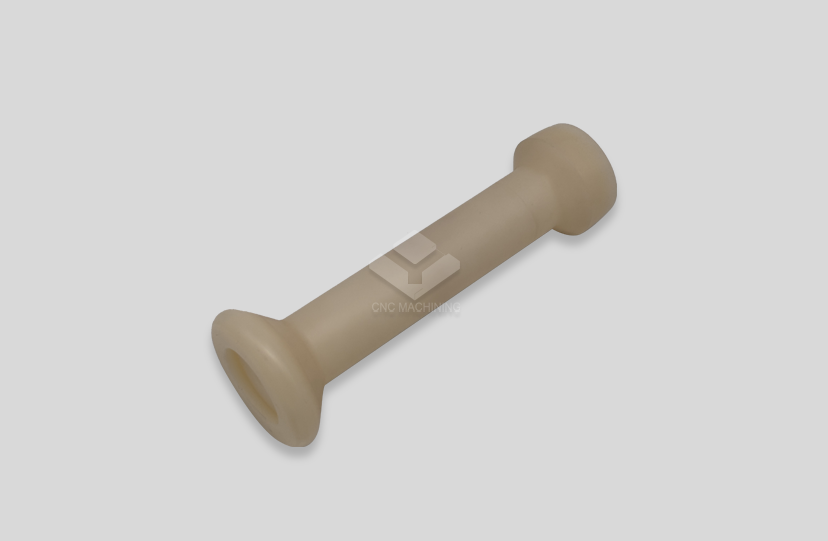
Yes, CNC Machining machines can work well with both metal and non-metal materials. Aluminum alloys, stainless steel grades, brass, and titanium are all common metals. When the right cutting conditions are used, engineering plastics like PEEK, Delrin, and nylon can be machined in the same way that metals are. The type of material used is determined by its strength, weight, resistance to rust, temperature range, and compliance with regulations such as FDA food-safe approval.
What makes CNC machining cost-effective compared to other methods?
CNC Machining cuts down on the cost of expensive tools needed for molding or casting, which makes it a good choice for small to medium production runs. Instead of changing the tools themselves, design changes are made through software updates, which lowers the cost of engineering changes. Automation boosts productivity while keeping quality, lowering the costs of waste and mistakes. When you look at setup costs and the cost of keeping inventory, CNC Machining usually has a better total cost than tooled methods for amounts less than a few thousand units per year.
RYH: Your Trusted CNC Machining Manufacturer for Custom Metal Components
Picking the right precision CNC Machining partner affects how well your product does in the future. RYH blends advanced manufacturing with engineering-driven customer service to make custom metal and plastic parts that meet strict standards in a wide range of businesses.
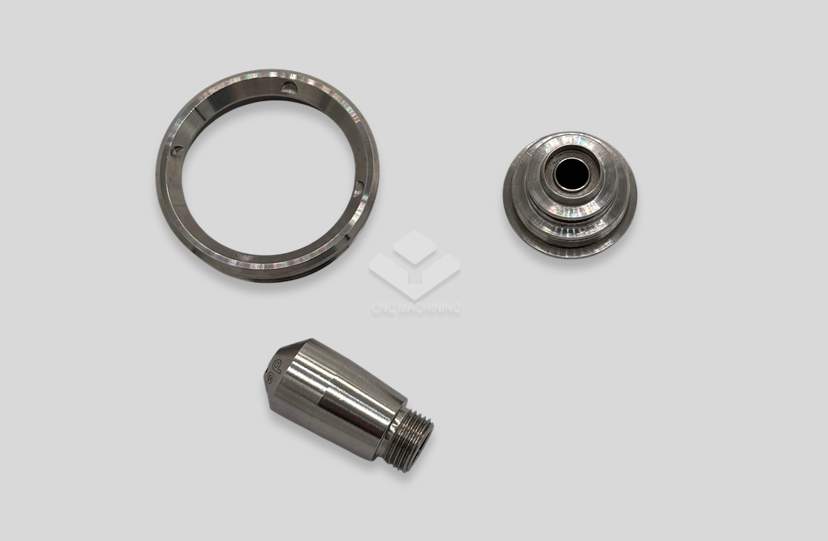
Since 2008, we've been specializing in fully customized mechanical processing based on customer drawings. We work with aerospace companies, medical device companies, medical equipment makers, and car suppliers all over the world. Our 3-axis, 4-axis, and 5-axis CNC Machining centers can work with aluminum 6061 and stainless steel 304 to SS316. They can achieve tolerances of up to ±0.02 mm, or even better, up to ±0.01 mm for precise small parts using Swiss CNC Machining.
What makes RYH unique is that it allows direct technical contact without middlemen. Our engineers, who have an average of fifteen years of hands-on machine experience, look over your designs, provide DFM optimization, and suggest useful ways to choose materials, change structures, and treat surfaces. From the first price to the final delivery, this collaborative method cuts down on mistakes, shortens lead times, and makes it easier to make.
We answer questions quickly and keep project management open during production. Usually, samples are ready in one week, and easier parts are ready in three days. Our ISO 9001-certified quality system makes sure that the results are the same whether you buy a few samples or a lot of them. Before shipping, every measurement is checked thoroughly with a CMM, height gauges, calipers, and profile projectors.
Production openness helps build trust during important projects; if you ask, we can send you photos and videos of parts being machined. If there are problems with the quality within the same month, we will remanufacture replacements within one week and ship them to you for free. This promise takes away the chance of working with new suppliers.
RYH is a reputable seller of CNC Machining and provides a full range of surface finishing services, such as anodizing, sanding, passivation, and electroplating. Our door-to-door foreign logistics take care of customs and freight handling, bringing parts to your building no matter where it is.
Email bill@bldmachining.com right now to talk about your needs for unique metal making. Send us your drawings and specs so we can give them a thorough professional look and give you a reasonable quote. Our engineering team can show you how precision CNC Machining can help you make new products faster while still keeping the quality that your users need.
References
1. Kalpakjian, S., & Schmid, S. R. (2014). Manufacturing Engineering and Technology (7th ed.). Pearson Education.
2. Groover, M. P. (2020). Fundamentals of Modern Manufacturing: Materials, Processes, and Systems (7th ed.). Wiley.
3. Boothroyd, G., Dewhurst, P., & Knight, W. A. (2011). Product Design for Manufacture and Assembly (3rd ed.). CRC Press.
4. Stephenson, D. A., & Agapiou, J. S. (2016). Metal Cutting Theory and Practice (3rd ed.). CRC Press.
5. Mattson, C. A., & Sorensen, C. D. (2020). Product Development: Principles and Tools for Creating Desirable and Transferable Designs. Springer.
6. Lynch, M. (2017). CNC Programming Handbook: A Comprehensive Guide to Practical CNC Programming (3rd ed.). Industrial Press.