Swiss Machining vs. Conventional Machining: When to Use Each?
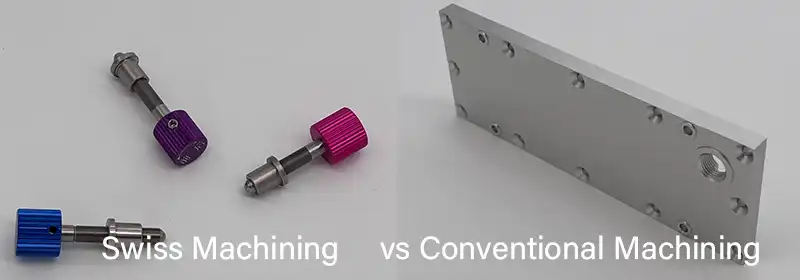
Ultimately, the choice between Swiss Machining and conventional machining comes down to the needs of the part and the goals of the production. Swiss Machining is great at making small, precise parts with tight tolerances (usually less than ±0.01 mm), which makes it ideal for parts with complicated shapes and that are long and thin. CNC milling and turning are examples of conventional machining. It is more flexible for larger parts and parts with different geometries. Knowing when to use each tool can have a big effect on how much it costs, how long it takes, and how good it is generally.
Understanding Swiss Machining and Conventional Machining
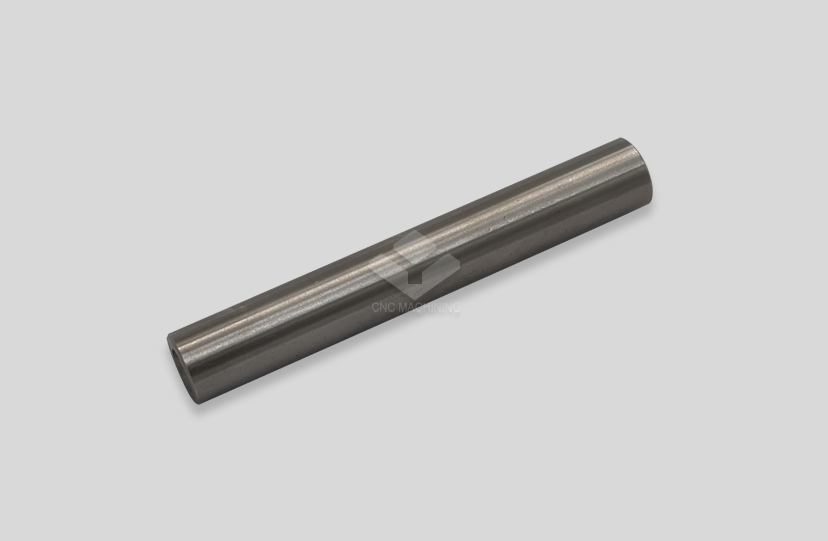
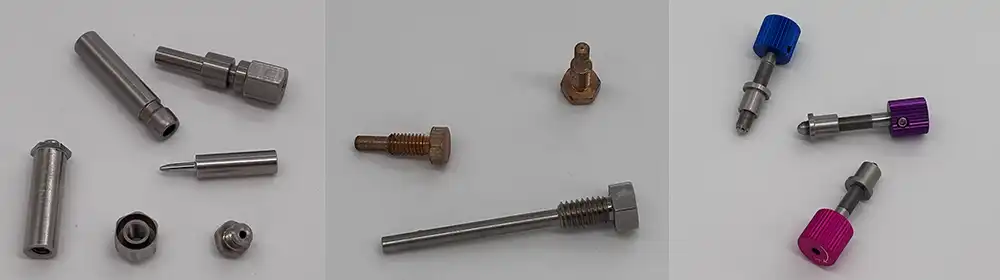
Swiss Machining got its start in the watchmaking business in Switzerland, where makers needed a reliable way to make very small, complicated parts with great accuracy. A moving headstock device and a guide nut that holds the workpiece close to the cutting tool are what make it unique. This setup reduces deflection and vibration to a minimum, which makes it possible to make parts with high length-to-diameter ratios that stay true to their original dimensions. This method is often used to machine materials like stainless steel SS316, brass, titanium, and different aluminum alloys.
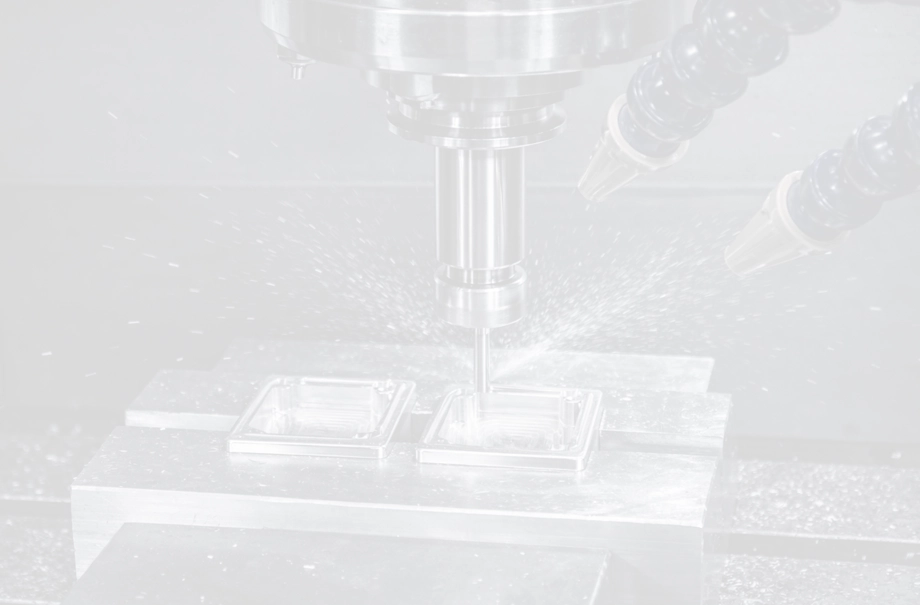
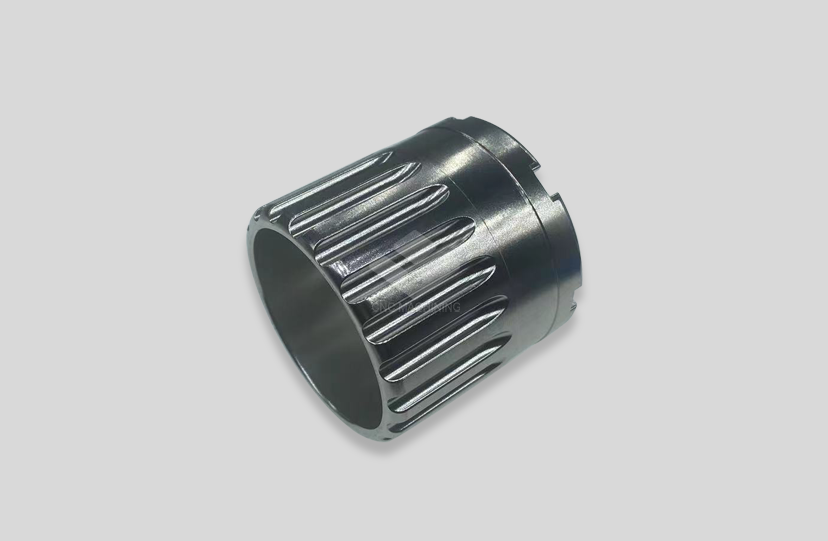
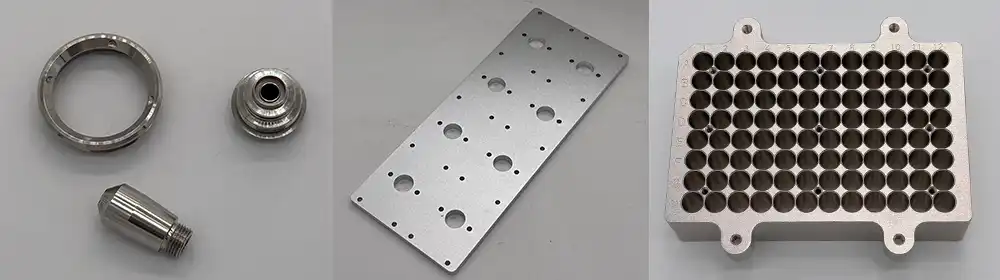
A wider range of operations is included in conventional machining, such as CNC milling, turning, drilling, and grinding. In these ways, the workpiece stays still or spins on a fixed spindle while cutting tools move along lines that have been programmed. This method works well for a lot of different materials and part sizes, from making prototypes to making a lot of them at once. For instance, standard CNC machining centers with three, four, or even five axes are often used to make aluminum 6061 parts with complex cut features.
When procurement workers look at these technologies, they need to think about how well they work with other materials, how complicated the parts are, how much they can make, and their budgets. When it comes to small parts, Swiss Machining is the most precise method available. On the other hand, conventional machining is more flexible and cost-effective for medium to large parts with less strict tolerance requirements.
Key Differences Between Swiss Machining and Conventional Machining
Process Mechanics and Equipment Configuration
Swiss Machining uses a sliding headstock design. Bar stock moves through a guide bushing that is close to the cutting area. This arrangement gives great support, keeping materials from bending even on thin parts. Multiple cutting tools can work at the same time, which lets complex shapes be machined in a single cycle. Our building has six Swiss CNC lathes that are made to work with stainless steel parts up to 25 mm in diameter. This makes sure that stable production of high-precision parts is possible.
In conventional machining, the piece to be worked on is clamped in a chuck or device on a fixed-spindle machine or machining center. Tools come at the part from different directions and do tasks like facing, turning, grinding, and drilling in order. This setup can handle bigger pieces of work and gives you more control over the shape of the parts, but it can be hard to get very tight tolerances on long, thin parts without special fixtures.
Precision Capabilities and Tolerance Control
Swiss Machining always gets tolerances of ±0.01 mm or better, and the surface roughness is often Ra ≤ 0.8 μm. Because the guide bushing is close to the cutting tool, there is little tool deflection, which is important for keeping the dimensions of small features accurate. Material inspection before production, measurement during production with gauges and optical projectors, and final inspection with CMM tools make sure that all parts meet the requirements. All processes are done according to ISO 9001 rules, which ensure quality for use in electronics, medical devices, and spacecraft.
For accurate work, conventional machining usually keeps tolerances of ±0.02 mm, which meets most industry needs. Tighter tolerances can be reached on some features with advanced machining centers that are built to last and have complex control systems. However, it takes careful process control to keep things the same during large-scale production runs. Before shipping, conformance to drawing specifications is checked using profile projectors, CMM systems, and surface testers for dimensional inspection.
Material Suitability and Part Geometry
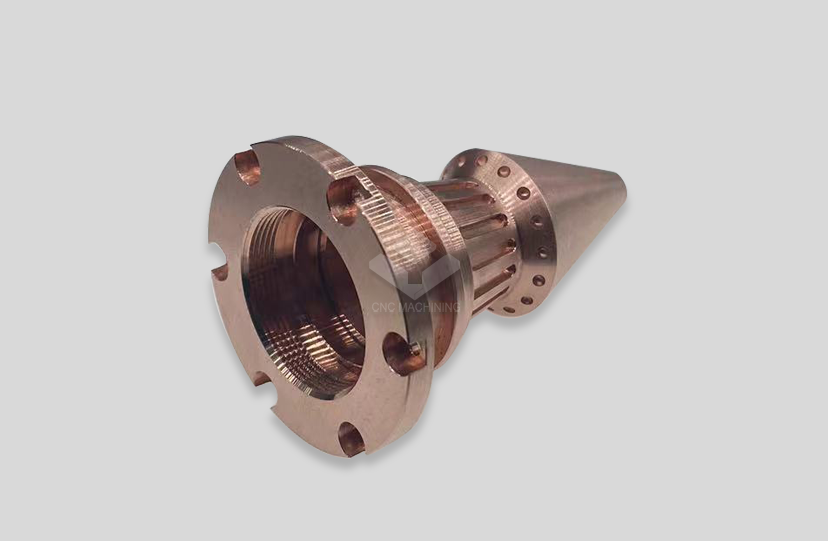
Swiss Machining works with a wide range of materials, from brass that can be machined freely to difficult materials like titanium alloys and stainless steels. When making cylinder-shaped parts with cross-drilled holes, fine threads, and complexly turned features, this method really shines. The process's ability to do more than one thing at once without moving works well in medical instruments, technology links, and precision fasteners.
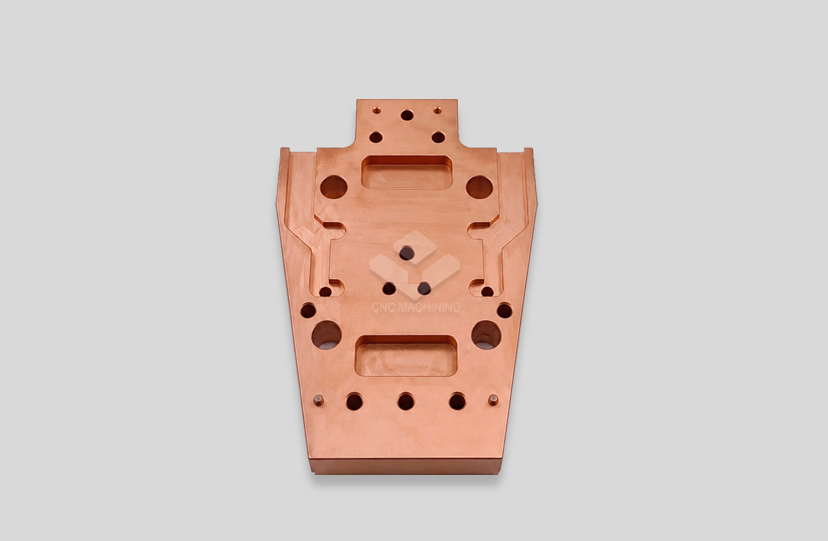
Conventional machining can work with an even wider range of materials, such as engineering plastics, exotic alloys, carbon steels, and aluminum alloys. Conventional ways work best for parts with prismatic shapes, big surface areas, or a lot of stock to remove. CNC milling is often used to make aluminum 6061 parts that need to have anodizing or sandblasting done to their surfaces. Before they are finished, secondary operations like deburring and cleaning are done.
When to Use Swiss Machining vs. Conventional Machining
Part Size and Complexity Considerations
Swiss Machining is the best option when your parts have sizes smaller than 25 mm and complex features like fine threads, undercuts, or more than one polished surface. Connector pins for aircraft use, surgical tool parts for medical device makers, and precision sensor housings for electronics companies are all great examples of how well this technology works. Cycle times are cut down during production runs because multiple tools work at the same time to finish complicated parts in one setup.
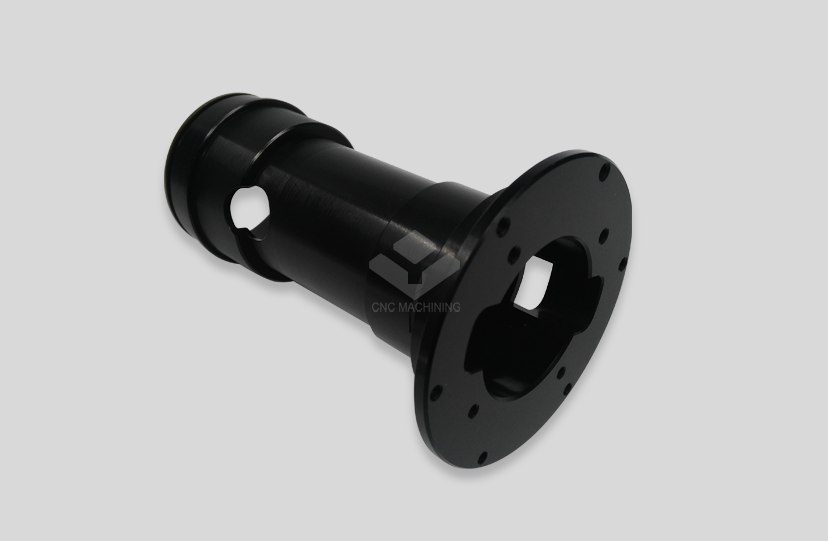
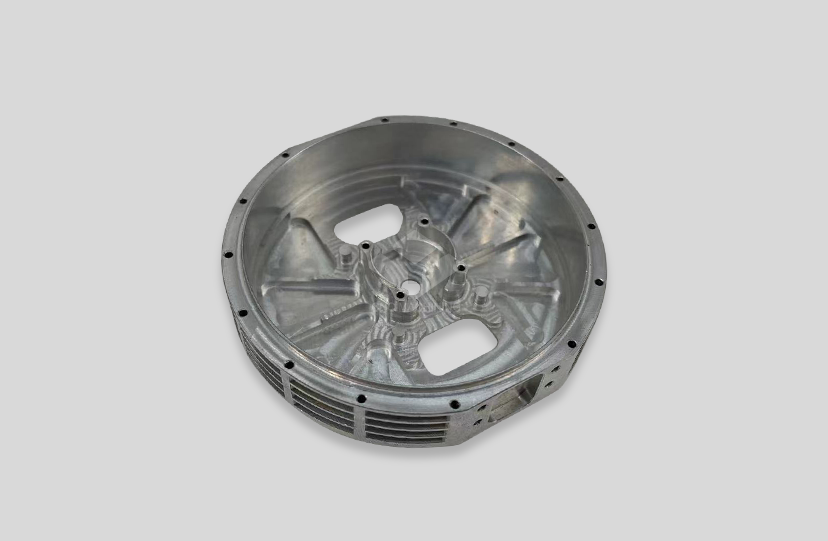
Conventional machining is best for parts that are too big for a Swiss machine, or that need a lot of milling work on shapes that aren't cylindrical. Conventional CNC methods are often asked for when making battery equipment parts for electric vehicle (EV) makers, automation system housings for industrial equipment makers, and testing instrument enclosures for semiconductor providers. Because it can work with a wide range of part sizes and shapes, conventional machining is perfect for making prototypes and small batches of products where the cost of the tools needs to be kept low.
Tolerance Requirements and Quality Standards
Swiss Machining should be chosen for projects that need small-diameter features with specs smaller than ±0.02 mm. Swiss Machining is used to make implantable parts and surgical tools by companies that make medical devices that require materials that are FDA-approved and keep very close measurements. Because the process is naturally stable, the results are the same from batch to batch, which cuts down on review time and waste.
Conventional machining is good for most industrial uses because it meets the tolerance requirements and is cheaper for bigger parts. When the tolerances are ±0.02 mm or wider, as required by ISO 2768 standards, conventional methods give enough accuracy at lower costs per part. Quality control includes checking the dimensions of materials as they come in, while they are being made, and again before they are shipped. All of these steps are supported by ISO 9001-certified quality systems.
Production Volume and Cost Analysis
Swiss Machining is most useful for medium- to high-volume output where setup time savings and shorter cycle times more than cover the cost of the tools. Shortening production processes by being able to make multiple features at once lowers the cost of labor per part. Since the bar stock feeds directly through the guide bushing, there isn't much material waste. At the end of the cycle, only small pieces are thrown away.
For low-volume production, pilot runs, and prototype development, where setup flexibility is more important than cycle time optimization, conventional machining is a cheaper option than Swiss Machining. Our engineering team gives direct technical support by looking over drawings to find problems that might come up during production and suggesting changes to the design that make it easier to machine. This way of working together cuts down on the time it takes to create new ideas and helps startups and companies that make new products get them to market faster.
How to Procure Swiss and Conventional Machining Services
Evaluating Supplier Capabilities and Certifications
When looking for a precision machining partner, you need to look at their technical skills, the quality of their equipment, and their quality management systems. Look for suppliers who keep their ISO 9001 certification, which shows that they are dedicated to controlling processes and making them better all the time. Our six Swiss CNC lathes and several conventional machining centers give us production freedom and capacity redundancy, so we can stick to our plan even when equipment is being serviced.
Technical knowledge is what sets good manufacturing partners apart from competent suppliers. Our engineers have an average of more than 15 years of experience and talk to clients directly about specs, limits, and how to make the process run more smoothly. This gets rid of the communication problems that come up with projects that are managed by salespeople, which cuts down on mistakes and speeds up the process of fixing problems.
Lead Time and Delivery Considerations
Swiss Machining usually needs more time to set up than other methods, but it can save time on cycle times when producing in medium to large quantities. Usually, making a sample takes a week, and making the easier parts only takes three days. As part of our rapid response strategy, we provide quick quotes and aggressive project reports that keep procurement managers up to date throughout the production cycle.
For prototypes and small batches, conventional machining has shorter setup times, which makes it perfect when time is of the essence and a quick turnaround is needed. We offer fast, global door-to-door delivery for small orders, which makes it easier for companies with multiple suppliers to coordinate logistics. Just-in-time inventory strategies are popular in the electronics and car industries, and they can work with flexible shipping plans.
Quote Evaluation and Risk Mitigation
Total cost of ownership must be taken into account when comparing quotes, not just unit price. Swiss Machining may be more cost-effective in high-volume production where cycle times are cut, and scrap rates are low, even though each part costs more in low volumes. When it comes to bigger parts, where setup speed is less important than material removal rate, conventional machining is cheaper.
Quality guarantees protect the money you spend on buying things. We have good service after the sale, and if there are quality problems within a week, we'll remanufacture broken parts for free. Traceability rules are supported in regulated businesses by material approvals, dimensional inspection records, and process paperwork. People who care about quality assurance like this build long-term relationships that manufacturing managers value.
Conclusion
Both Swiss Machining and conventional machining are important in modern precision manufacturing, but based on the part specifications and output needs, each has its own benefits. For small parts with tight tolerances, Swiss Machining is the most precise method available. On the other hand, conventional methods are more flexible for larger parts with complex geometries. To make good procurement decisions, you need to weigh technical needs against costs and choose the process that improves quality, delivery, and the overall value of the project. Projects are sure to meet high standards when they work with skilled manufacturers who offer direct engineering support, production transparency, and quality assurance.
FAQ
What tolerances can Swiss machining achieve compared to conventional methods?
Swiss Machining always keeps small-diameter parts within ±0.01 mm of tolerance or better, and the surface roughness is Ra ≤ 0.8 μm. The support for the guide bushings close to the cutting zone reduces deformation to a level that is impossible with conventional fixed-spindle lathes on the same shapes. Most of the time, conventional machining can achieve tolerances of ±0.02 mm, which works well for parts where slightly wider tolerances are needed because of their size.
When should I choose conventional machining over Swiss turning?
Conventional machining works well for parts with a diameter of more than 25 mm, parts that need a lot of milling, or projects where prismatic geometries are more important than cylindrical ones. Setting up conventional methods is more flexible, and you don't have to spend as much on tools for prototype development and low-volume production. Conventional CNC processes are usually needed for making aluminum housings, structural brackets, and large assemblies.
How do material costs compare between the two processes?
Bar stock that passes through the guide nut is used by Swiss Machining. This reduces material waste to small end pieces. When heavy stock is being removed, conventional machining may produce more scrap, but efficient nesting and fixturing techniques lower the amount of material used. Overall material costs rely more on the shape of the part and how well the design is optimized than on the choice of machining method.
Partner with RYH for Superior Precision Machining Solutions
At RYH, we know that finding the right Swiss Machining supplier isn't just about finding the best price. You also need a manufacturing partner that is dedicated to engineering excellence and on-time delivery. Our team has an average of over 15 years of technical experience. They communicate directly with each other as engineers, which avoids costly misunderstandings and speeds up the project completion. We are experts at Swiss Machining SS316 stainless steel and CNC machining of aluminum. Throughout production runs, we keep tight control over tolerances and the quality of the surface finish. We stand out because of how openly we produce. Clients get pictures and vids of parts being machined, which builds trust in our methods and quality standards. We offer flexible customization from drawing-based manufacturing, whether you're a new company that needs to make quick prototypes or an established one that wants to make stable batches. Get in touch with our engineering team at bill@bldmachining.com to talk about your precision machining needs and see what it's like to work with a Swiss Machining manufacturer who is dedicated to your success.
References
1. Krar, S. F., & Gill, A. R. (2019). Technology of Machine Tools and Manufacturing Processes. Industrial Press Inc.
2. Stephenson, D. A., & Agapiou, J. S. (2018). Metal Cutting Theory and Practice. CRC Press, Taylor & Francis Group.
3. Lopez de Lacalle, L. N., & Lamikiz, A. (2020). Precision CNC Machining: Techniques and Applications. Springer International Publishing.
4. Boothroyd, G., & Knight, W. A. (2021). Fundamentals of Metal Machining and Machine Tools. CRC Press.
5. Groover, M. P. (2020). Fundamentals of Modern Manufacturing: Materials, Processes, and Systems. John Wiley & Sons.
6. Trent, E. M., & Wright, P. K. (2019). Metal Cutting Principles for Precision Machining. Butterworth-Heinemann Publishing.