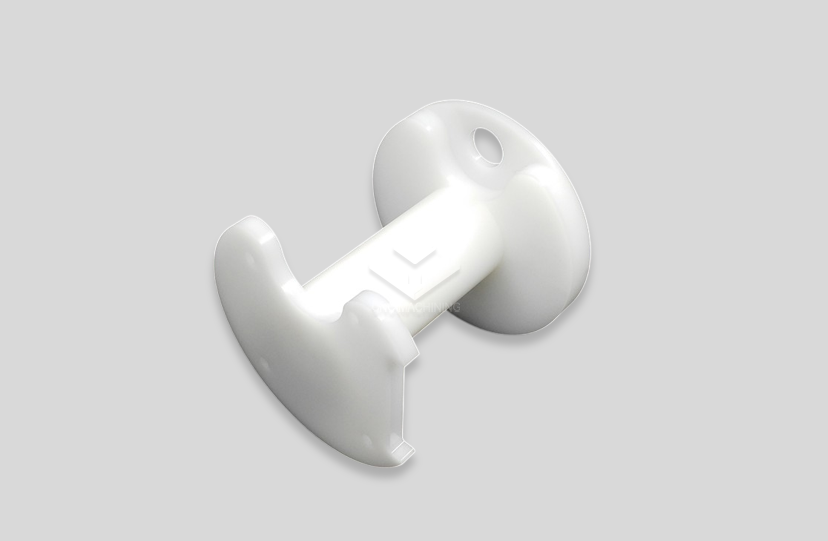
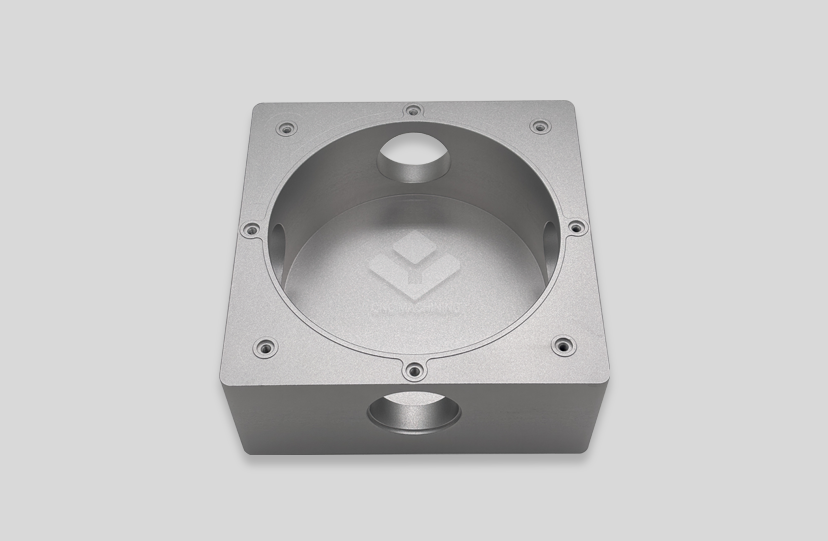
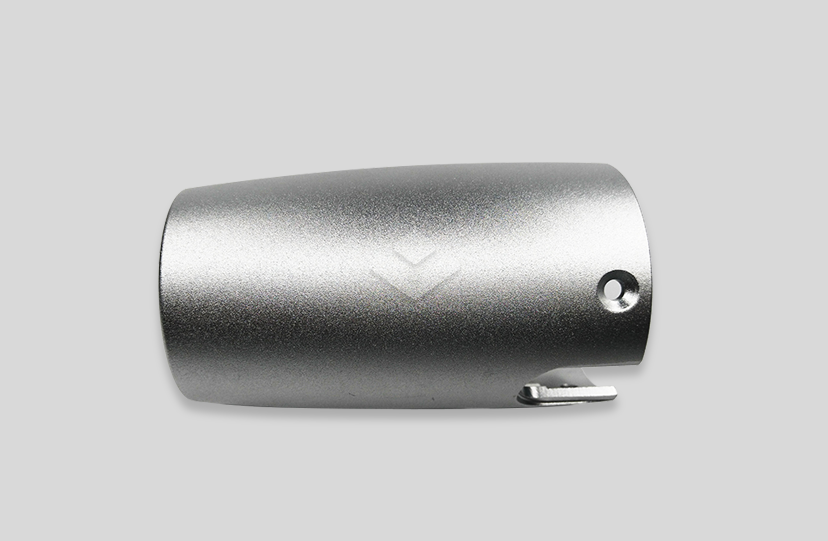
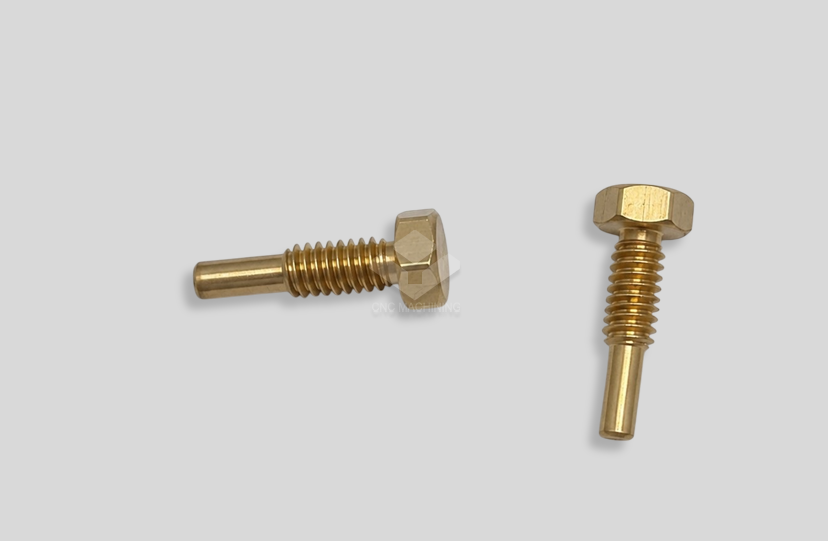
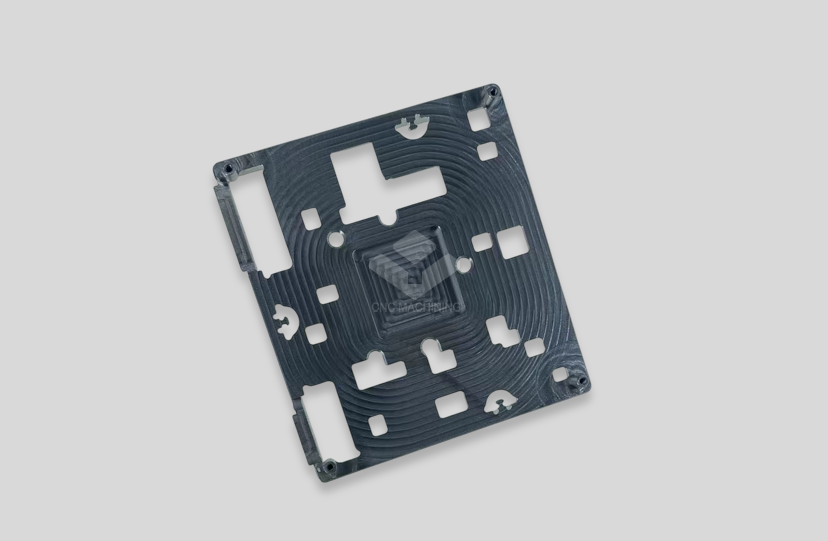
Custom Precision Machined Components Manufacturers
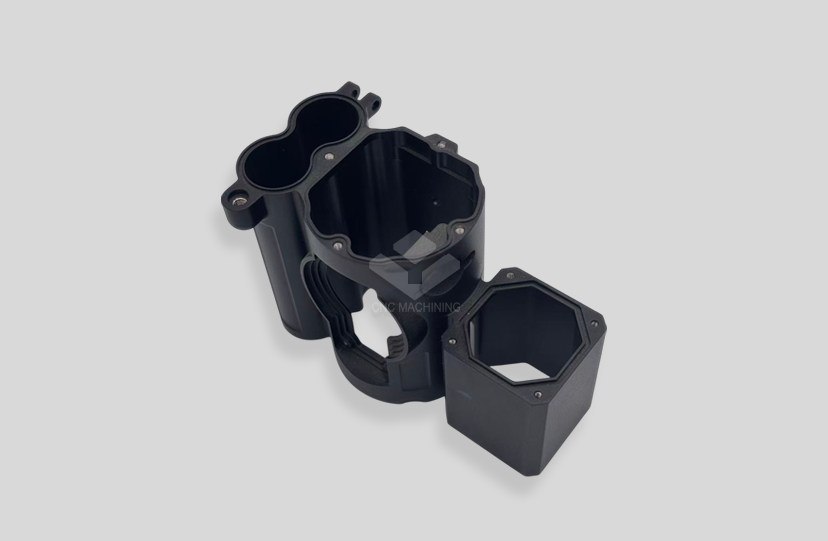
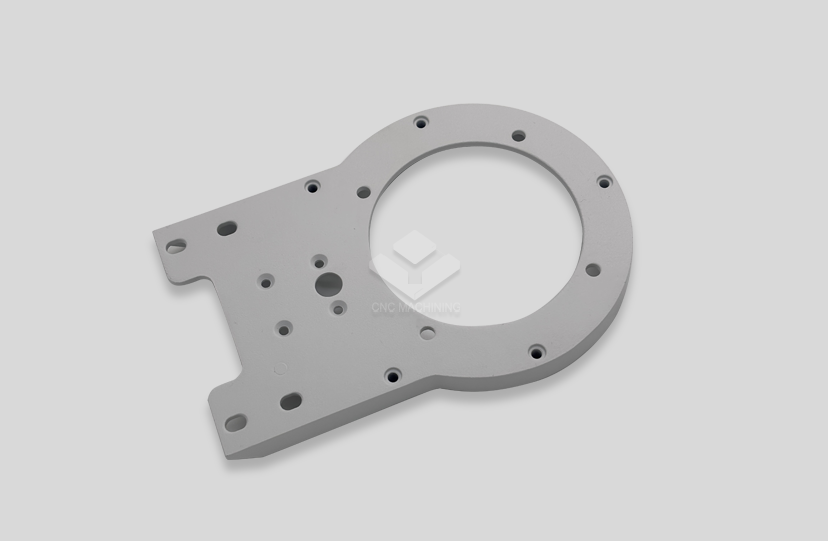
Businesses need partners who can provide more than just parts when they need to buy important parts for industrial uses. They need makers who understand technical problems and can provide solutions that work. Custom Precision Machined Components Manufacturers make high-precision parts using cutting-edge CNC technology. They work with businesses that need products that are accurate in size, made of good materials, and can be made over and over again. These companies make it possible for design ideas to become a useful reality by turning technical drawings into real parts that meet strict requirements. We've spent more than ten years improving how we do custom machining at RYH. We focus on direct contact between engineers and fast prototyping to help companies speed up product development while keeping quality standards high.
Understanding Custom Precision Machined Components
What Defines Precision Machining
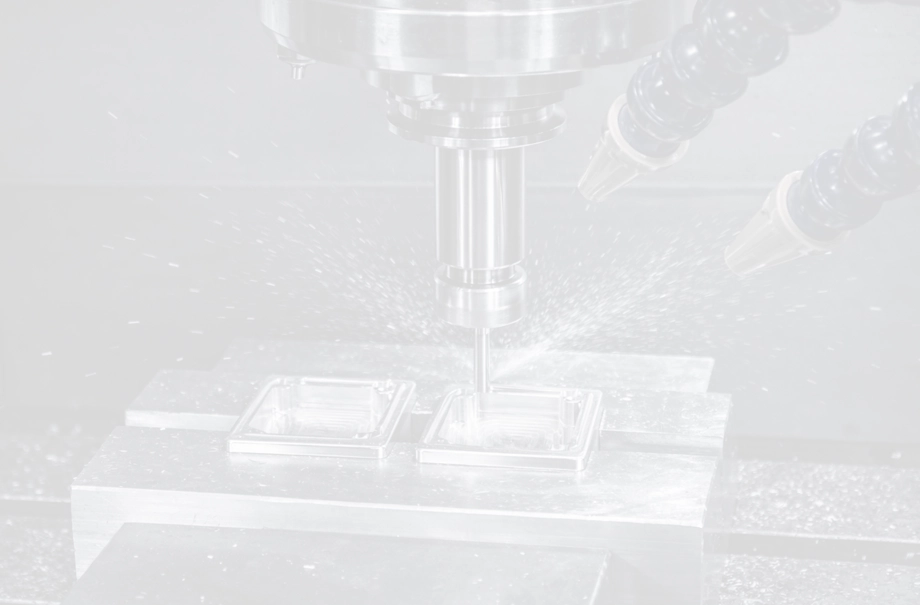
Precision machining is different from other types of manufacturing because it focuses on accuracy down to the micron level and geometric consistency. Precision work requires specifications to be followed to within ±0.005mm, while general machining can handle wider ranges of errors. This amount of control is necessary when parts need to fit together with other parts, keep their shape under stress, or work regularly in places where failure is not an option. We use multi-axis CNC milling and turning centers that are programmed to get rid of human error, so every part is an exact copy of the original design.
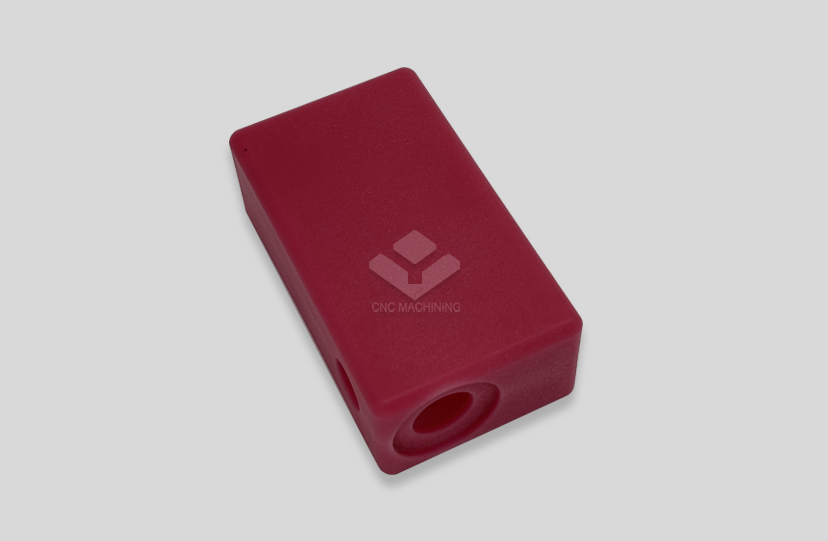
We work with a wide range of materials, from medical-grade stainless steel (304/316) and aerospace-grade aluminium alloys 6061 and 7075 to high-performance plastics like PEEK that are resistant to chemicals and titanium for applications that need to be strong but light. For best surface finishes, usually between 0.8 and 3.2 microns, each material has its own machining properties that need to be met with specific equipment techniques and cutting parameters.
Core Manufacturing Processes
CNC milling is the main way we make things. It uses rotating cutters to cut away material from solid blocks and make shapes with complicated shapes. Our 5-axis machines can work on multiple surfaces at once, which cuts down on repositioning mistakes and lets them do complex internal tasks that 3-axis machines can't do. When working with cylinder-shaped parts like shafts and bushings, rotating symmetry makes it possible to remove material quickly while keeping the shape of the part centred.
Specialised treatments take surface finishing beyond simple machining. Hard-coat anodising makes aluminium parts that are worn down by friction last longer, and chemical passivation keeps stainless steel safe from environments that are likely to rust. In medical settings, electropolishing smooths surfaces to make them less likely for bacteria to stick to them, and PVD coating adds hard layers that make tools last longer in tough conditions.
Comparing Manufacturing Methods: Precision Machining vs Alternatives
When Machining Outperforms Other Processes
Casting is a cost-effective way to produce large quantities of parts, but it has limitations when meeting strict standards and manufacturing complex internal geometries. The cooling process involved in casting can result in material inconsistencies, making it unsuitable for applications requiring Precision Machined Components with high accuracy and reliability. While injection moulding is ideal for producing plastic parts that require minimal post-processing, the high tooling costs make it less economical for low-volume production or frequent design changes during the product development phase.
3D printing, or additive manufacturing, can make complex shapes with little waste, which makes it useful for making quick prototypes. However, machined parts often don't have the best surface finish or the strongest materials. This is especially true for metal parts that need to be able to hold weight. Combining methods—prototyping with additive techniques first, then CNC cutting for production—improves both the speed of development and the quality of the end part.
When it comes to design, custom components give you more freedom than off-the-shelf options. Standard parts force designers to make trade-offs in their designs because they have to build assemblies around the parts that are available instead of optimising for performance. This connection is turned around by custom machining, which lets form follow function while keeping the material's qualities and dimensions accurate throughout production runs.
Cost and Timeline Considerations
How materials are used varies a lot between ways. During machining, material is removed to get to the end shape. This creates trash, which raises the cost of raw materials. On the other hand, this subtractive method lets you use all kinds of engineering materials without having to make special moulds or follow complicated setup steps like other methods do. Lead times are different. For example, making new tools for casting takes weeks, but we can make prototypes for machines in three to seven days, which speeds up the design validation process.
Each method faces different problems when it comes to scalability. When you use machining, the quality stays the same whether you're making ten prototype units or batches of several thousand parts. Businesses can use this flexibility to deal with unclear demand or to manage product lifecycles where numbers change as markets grow. We've set up our business so that we can handle both small-batch customisation and larger production runs. We don't force customers to make volume commitments that make it hard for them to manage their cash flow or inventory.
How to Choose the Right Custom Precision Machined Components Manufacturer
Technical Capabilities Assessment
Manufacturing skills go beyond lists of tools and include the ability to solve problems. Check with providers to see if they can do Design for Manufacturing (DFM) analysis, which means looking at models to find problems that might come up with machining before production starts. We work with customers during the planning process and suggest changes that make the product easier to make without affecting its usefulness. This could mean changing the wall width to stop vibrations while cutting, adding chamfers to make it easier to get to tools, or offering material swaps that keep performance the same but cost less.
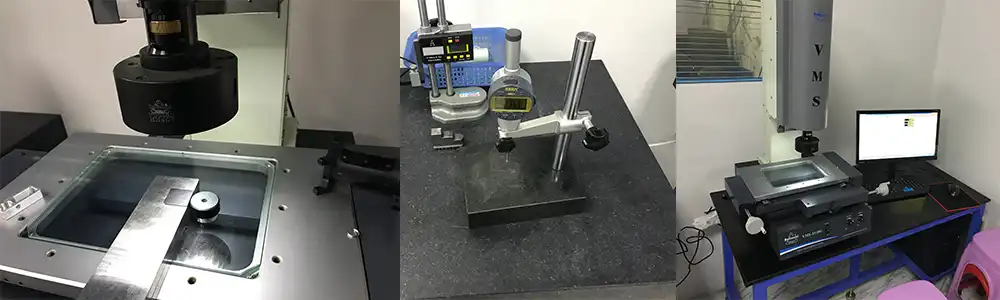
Inspection capabilities determine the quality verification depth of Precision Machined Components. Coordinate Measuring Machines (CMMs) measure complex geometries without touching them, and Statistical Process Control (SPC) data, such as CPK and PPK values, show that the process stays stable over time. Profilometers are used to measure surface finish and ensure that texture specifications meet practical requirements, whether for sealing surfaces that require smooth finishes or areas with textures designed to provide specific friction characteristics.
Response Speed and Communication
Because development timelines are always getting shorter, how quickly a provider is a key competitive factor. Getting quotes quickly—ideally within 24 hours for simple projects—keeps the design process moving forward. We encourage direct communication between customer engineers and our manufacturing team. This way, there are no middlemen to cause misunderstandings or delays. Instead of long email chains that last days, technical discussions happen in real time, clearing up any confusion right away.
The speed of sample production shows that the supplier can do what they say they can do in real life. Our standard one-week turnaround time for prototype parts (shortened to three days for simpler geometries) shows how efficient our manufacturing process is and how committed we are to meeting customer deadlines. This fast iteration feature comes in handy during the design approval phase, when parts need to be improved many times before they are put into bigger production runs.
Value-Added Services
Contract manufacturing partnerships are more than just supplying parts; they also involve working together on long-term goals. Long-term ties let manufacturers keep materials on hand in case of repeat orders. This cuts down on wait times and saves customers money by not having to carry as much inventory. When quality problems happen, we offer remanufacturing help, usually finishing the necessary production within a week and paying the shipping costs. This shows accountability, which builds trust.
Global logistics coordination makes it easier to source goods from other countries. When small items are delivered door-to-door, customer operations teams don't have to worry about customs clearing or goods forwarding. Flexible shipping solutions adjust to the urgency of the project, balancing cost and time needs while keeping everyone informed about the status of the shipment as it travels.
Streamlining Procurement of Custom Precision Machined Components
Best Practices for Requesting Quotations
Complete RFQ documentation speeds up the accuracy of quotes. Give full technical models with clear tolerances, material callouts, and standards for the surface finish. When requirements aren't clear, providers have to be conservative when they quote, which means prices go up to cover the risks of interpretation. Include expected yearly volume and preferred delivery schedules. This will help makers suggest production methods that meet deadlines and save the most money per unit.
Make inspection requirements clear from the start. Standard dimensional verification may be enough for many uses, but for important features, it may be necessary to inspect the whole thing or do extra tests like Non-Destructive Testing (NDT) to find internal flaws. If these needs are made clear during the quotation process, disputes about the scope won't happen later, and the quality of the documentation will meet the needs of the application.
Managing Lead Times Efficiently
Scheduling production for Precision Machined Components takes into account the needs of many customers at the same time. Giving producers insight into forecasts, even if they are just estimates, helps them plan their capacity and secure supplies in advance. When providers understand the expected demand volume, they can reserve production capacity to handle rush orders. We stay flexible by integrating our resources with those of our partners. This allows us to expand capacity during periods of high demand without requiring customers to manage multiple relationships with different suppliers.
Early participation in manufacturing helps with the shift from prototype to production. Parts that weren't designed with machining in mind often need changes that delay the start of production. We suggest getting involved during the CAD development stages, when changes to the design can be made quickly without having to go through change orders or equipment updates that take time and cost money once production starts.
Future Trends and Innovations in Precision Machining
Automation and Industry 4.0 Integration
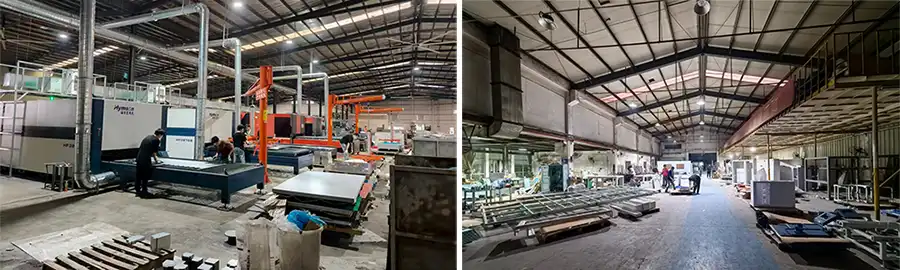
As manufacturing technology improves, it moves toward systems that are linked and where tools can share real-time process data. Automatic tool changers and pallet systems cut down on the time needed to set up between production runs. This makes better use of machines while keeping quality standards high. We're adding sensors that keep an eye on cutting forces and tool wear so that we can figure out what repairs need to be done before they happen, and lower the quality of the part or slow down production.
AI-powered quality tracking looks at inspection data to find process drift before limits go beyond what is allowed. Machine learning algorithms can spot trends that mean a tool is wearing out or a fixturing problem, and they can take corrective action instantly instead of waiting for regular checks to be done by hand. These features improve quality control while lowering the number of people needed for inspections. This saves money and lets customers benefit from lower prices.
Conclusion
To find the best Custom Precision Machined Components Manufacturer for your project, you need to look at their professional skills, quality systems, and ways of communicating. Precision machining has benefits that other ways of making things can't match in fields that need tight tolerances, a wide range of materials, and design freedom. As technology improves through automation and environmentally friendly methods, manufacturers who invest in both equipment and engineering know-how will continue to be the most useful to procurement teams, making tough decisions about where to get things. To be successful at buying precision parts, you need to form partnerships based on expert cooperation, open communication, and a shared dedication to quality that goes beyond single deals and into long-term strategic relationships.
FAQ
What tolerances can precision CNC machining achieve?
For most geometries, high-end facilities can regularly achieve tolerances of ±0.005mm. When needed, specialised processes like grinding or EDM can reach even tighter standards. Tolerance ability relies on the shape of the part, the qualities of the material, and the checking tools that are used to make sure. We suggest talking about specific tolerance requirements during the quotation process to make sure that the production capability meets the needs of the application without setting limits that are too tight and adding to the cost without adding to the functionality.
How do you verify material authenticity?
Material suppliers send Material Test Reports with every production batch that list the chemicals used and the mechanical properties of the materials. We use handheld spectrometers for Positive Material Identification testing, which checks the composition of the alloy before any work is done. This keeps materials from getting mixed up, which could affect how well the part works. This documentation accompanies finished parts, providing the traceability required for regulated industries.
What industries benefit most from custom precision machining?
Precision Machined Components are mostly needed in aerospace, medical devices, semiconductor equipment, automotive systems, and industrial automation. Tight tolerances, material certifications, design customisation, and quality documentation that standard parts can't provide are all things that these industries need. When it comes to applications that need complex geometries, small production volumes, or frequent design changes, machining is more flexible than moulding or casting.
Partner with RYH for Reliable Precision Machined Components
We stand out in the precision milling business because we focus on tech. Direct communication between your design team and our experienced machinists, who have an average of over 15 years of technical experience, cuts down on misunderstandings and speeds up project timelines. From the prototype stage to production, we can fully customise both metal and plastic parts for businesses that need to meet FDA standards, flight standards, or medical-grade quality. Our service model is based on quick responses. Quotes are usually sent within 24 hours, and sample production is finished in three to seven days. If there are problems with the quality, we offer remanufacturing within one week at our own cost. This shows responsibility and helps build long-lasting relationships. Get in touch with bill@bldmachining.com to talk about your precision machining needs with a company that is dedicated to technical quality and on-time delivery.
References
1. Kalpakjian, S. and Schmid, S. R. (2014). Manufacturing Engineering and Technology, 7th Edition. Pearson Education.
2. American Society of Mechanical Engineers. (2018). ASME Y14.5-2018: Dimensioning and Tolerancing. ASME Standards.
3. Stephenson, D. A. and Agapiou, J. S. (2016). Metal Cutting Theory and Practice, 3rd Edition. CRC Press.
4. International Organization for Standardization. (2015). ISO 9001:2015 Quality Management Systems — Requirements. ISO Standards.
5. Society of Manufacturing Engineers. (2020). Fundamentals of CNC Machining. SME Technical Publications.
6. Aerospace Industries Association. (2016). AS9100D Quality Management Systems — Requirements for Aviation, Space, and Defense Organizations. SAE International.