What Is Custom Machined Parts and When Do You Need It?
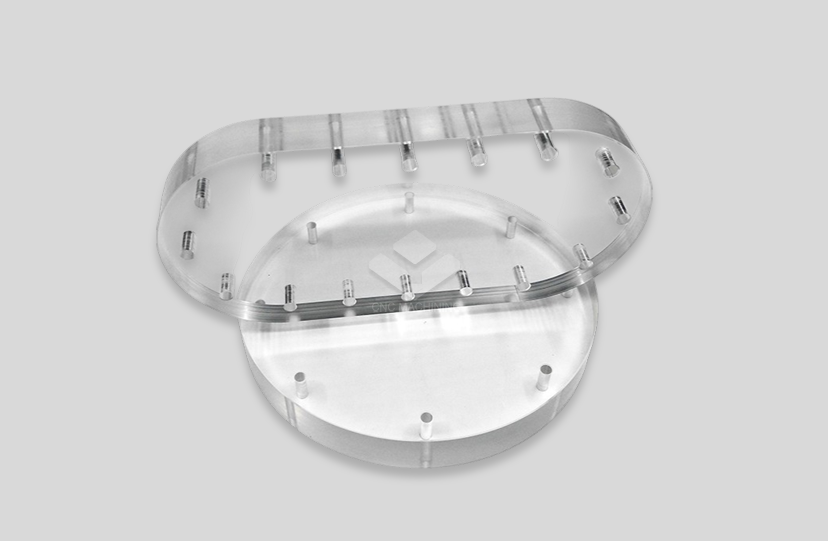
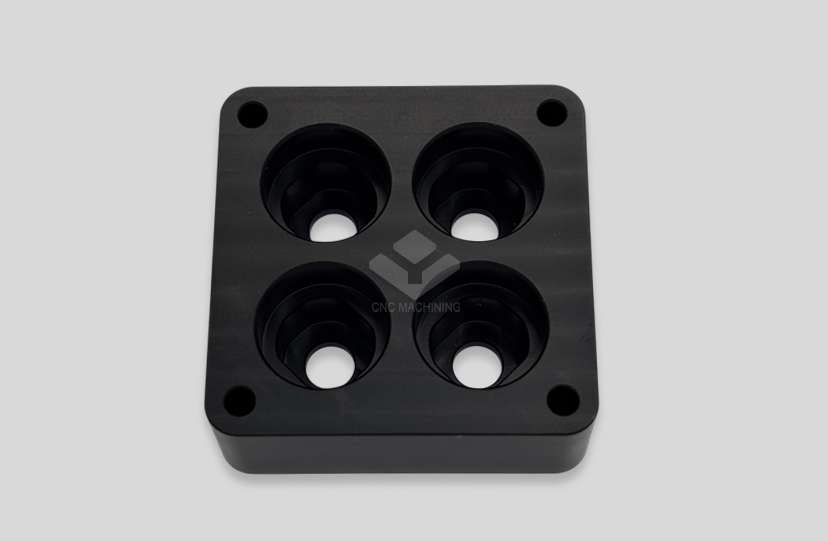
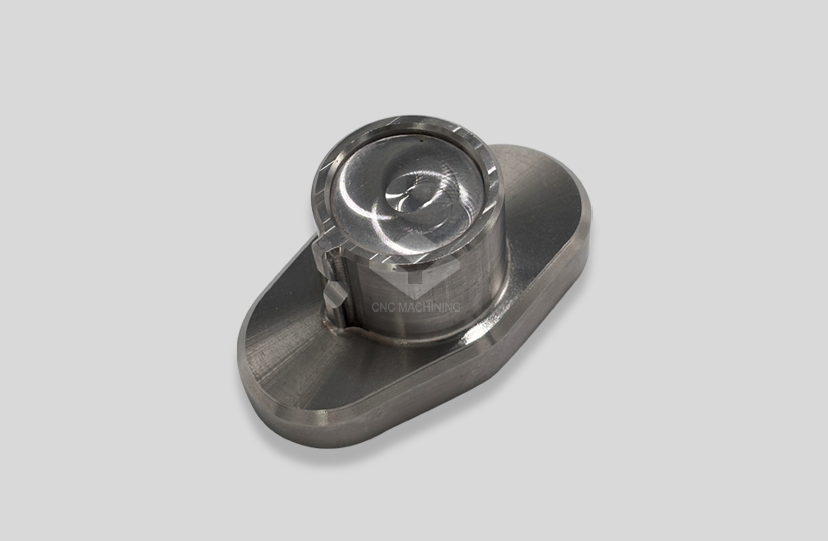
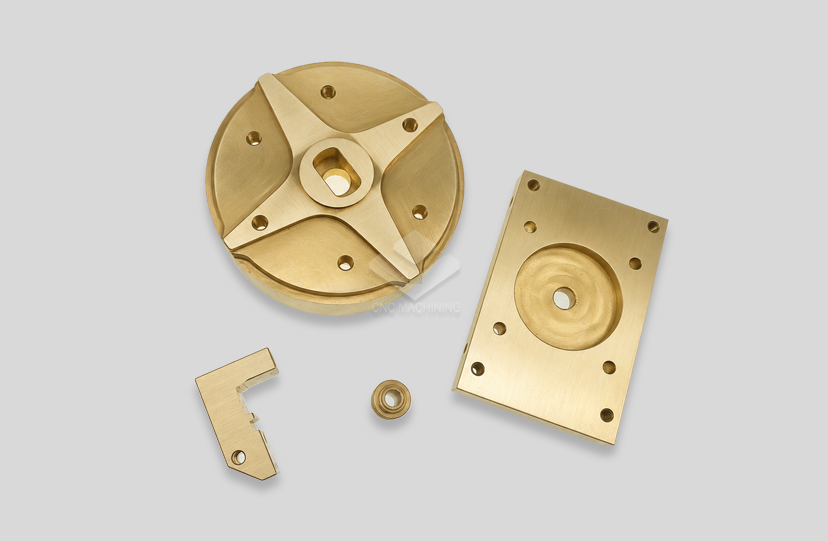
Custom Machined Parts are precisely made parts that are made using subtractive CNC processes like milling, turning, drilling, and EDM. CAD files tell automated cutting tools how to make parts that are exactly what the customer wants. In contrast to off-the-shelf parts, these meet special geometric, material, and tolerance requirements that normal goods can't meet. Custom cutting is the best way to make things when you need precise measurements (up to ±0.005mm), materials that work well together, or complicated shapes that keep assembly mistakes from happening. These parts are used in many fields, from aerospace to medical devices, to keep structures strong and operations running smoothly.
Introduction
Today's manufacturing needs answers that can't be found in standard catalogues. More and more, engineering teams are under pressure to make parts that fit perfectly, work efficiently, and fit into complicated systems without any problems. Custom Machined Parts have become the backbone of innovation in many fields where accuracy and usability are key to the success of a product.
When purchasing managers look at suppliers, mechanical engineers test prototypes, and research and development teams speed up product launches, knowing what these parts do and when your project needs them can make a huge difference in how well it turns out. This piece talks about the technical basics, real-world uses, and buying strategies that help B2B clients make smart choices about manufacturing.
Understanding Custom Machined Parts
Defining Core Component Categories
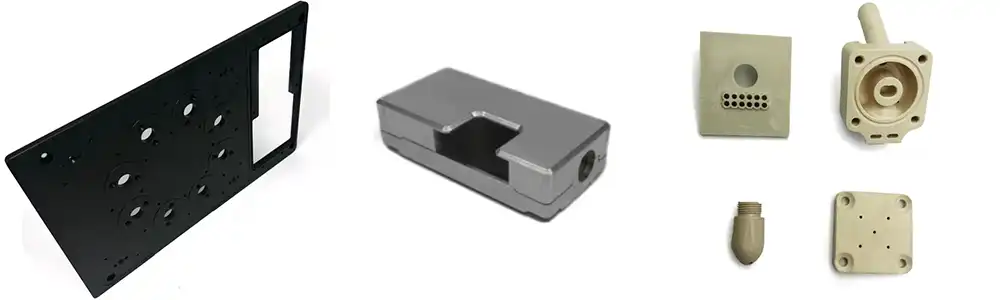
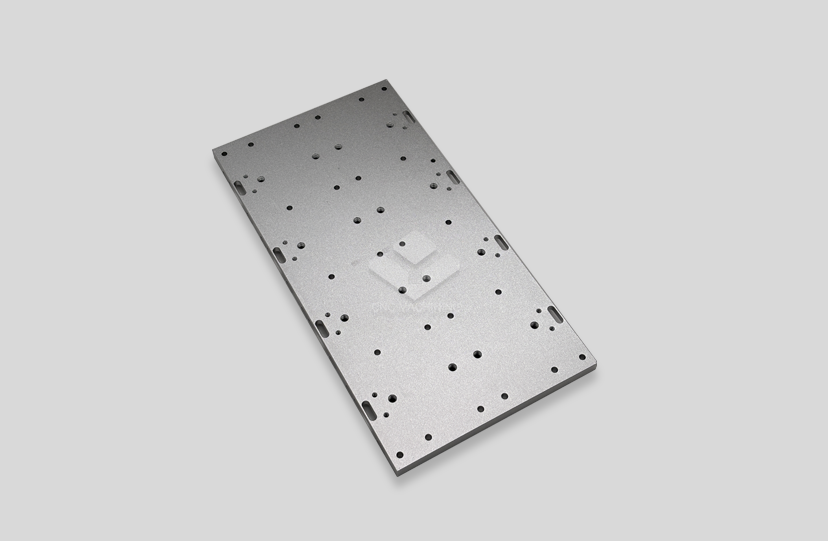
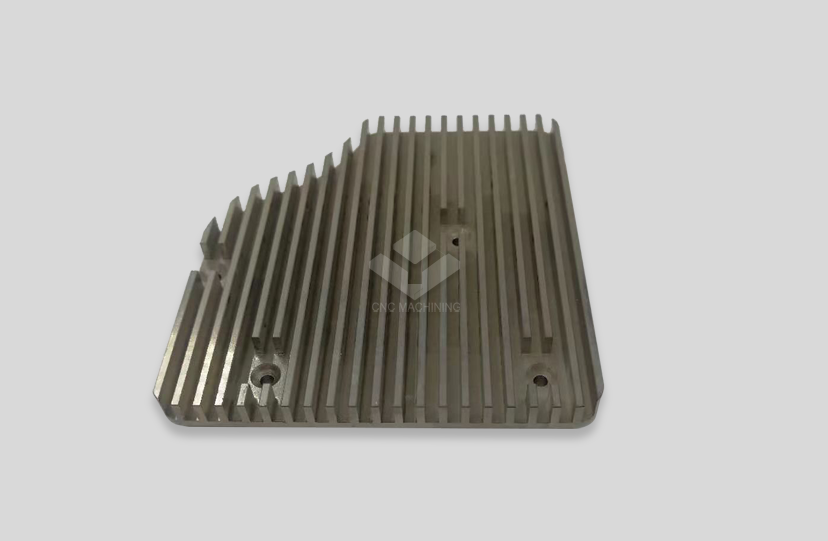
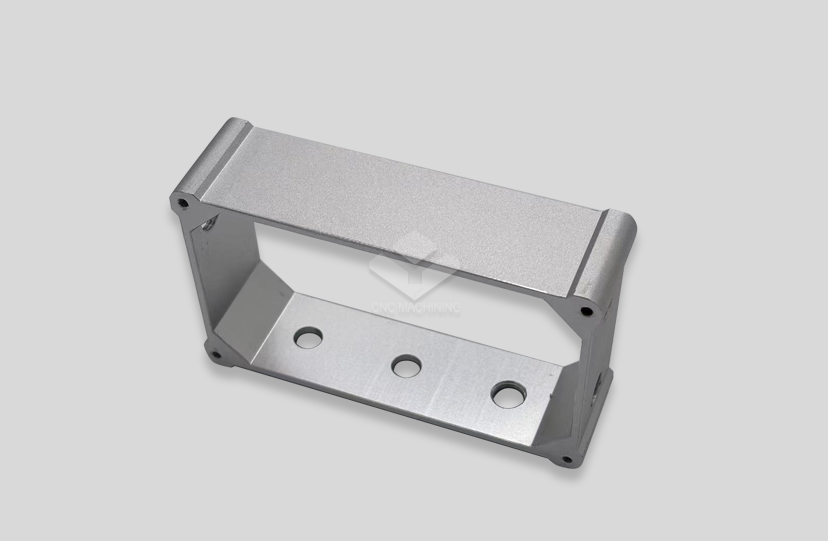
When it comes to custom CNC machining, there are different types of parts that each do different engineering tasks. Parts that are turned are cylinders that are made on lathes and are perfect for shafts, pins, and threaded screws. Multi-axis cutting is used to make milled parts with flat surfaces, pockets, and complex shapes like those found in housings and brackets. Precision parts, which are often found in medical instruments and semiconductor equipment, need to have tight tolerances and high-quality surface finishes. Prototypes are working examples of design ideas that are checked before they are turned into production tools.
Engineers can quickly make changes to plans because CNC technology makes production more flexible. A part that might need more than one setup on regular machines can often be made in just one CNC operation, which cuts down on lead times and handling mistakes that affect the accuracy of measurements.
Material Selection and Its Impact
The choice of material has a big effect on both how well the part works and how much it costs to make. Aluminium metals like 6061 and 7075 are commonly used in industrial equipment and UAV structures because they are easy to machine, don't rust, and are strong for their weight. Grades of stainless steel, like 303, 316, and 17-4PH, are strong in corrosive environments, which is important for medical devices and marine uses. Titanium Grade 5 is biocompatible and very strong, but it needs special tooling techniques because it hardens when it's worked on.
Engineering plastics like PEEK, Delrin, and Ultem are used for projects that need to keep electricity from getting through, resist chemicals, or lose weight. Because it doesn't change much at high temperatures, PEEK is good for parts under the hood of cars. On the other hand, FDA-compliant materials are safe for use in food processing and pharmaceutical equipment.
Procurement teams can better meet technical needs while staying within budgets when they know how the qualities of a material affect machine parameters, heat treatment options, and surface finishing options. When a mechanical engineer suggests a material, they usually weigh the performance requirements against how easy it is to make and how much it costs.
CNC Machining Processes Explained
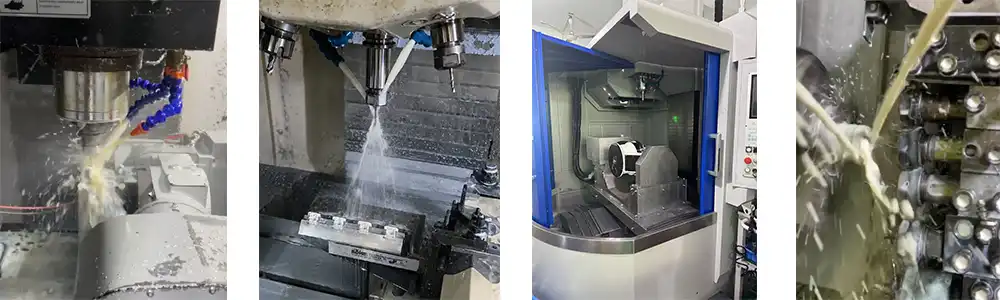
Computer Numerical Control (CNC) technology uses precise tool movements to turn digital designs into real parts. Three-axis milling tools can work with simple shapes, while four- and five-axis systems can make complicated angles and undercuts all at once. Because of this, there are fewer changes to the fixtures, and the standards stay tighter across complex features.
During turning operations, workpieces are rotated against cutting tools that stay in one place. This makes it easy to make threaded connections and circular shapes. Swiss-type lathes are great at making small parts with great length-to-diameter ratios, which is important for medical device parts and precision instruments.
Electrical discharge (EDM) is a way to work with hard materials and complex internal spaces that regular cutting tools can't reach. When using high-temperature metals like Inconel to make injection mould cores or aircraft parts, this feature comes in handy for producing Custom Machined Parts with exceptional precision. When these processes are put together, they let manufacturers work with shapes that seemed impossible before. This gives engineering teams more design options.
When and Why You Need Custom Machined Parts
Industry Applications Driving Demand
Parts used in aerospace projects need to be able to handle big changes in temperature, stress, and air pressure. When made from aluminium 7075-T6 or titanium, actuator housings stay strong even after thousands of flight cycles. Many of the time, these parts have ways to save weight that standard parts can't, like optimised wall thicknesses and internal ribbing.
The electrification of cars has made a huge demand for precise thermal management solutions. Battery cooling manifolds with complicated internal channels must stay together and not leak while quickly getting rid of heat. To make sure that high-voltage circuits use the right electrical contacts, high-conductivity copper busbars need to be precisely measured. As more cars use electric powertrains, tolerance standards have become stricter, since even small changes in dimensions can cause problems with assembly or lower performance.
Biocompatible materials and ultra-smooth surface finishes are used by medical device makers to keep bacteria from sticking to their products. To make sure they fit properly, orthopaedic implants made from titanium Grade 5 must meet very strict physical accuracy standards. Only custom machining can give surgical instruments the ergonomic shapes and corrosion-resistance they need at the quality levels that are needed. Following FDA material standards and keeping track of paperwork adds a level of complexity that experienced providers are used to handling.
Benefits That Solve Engineering Challenges
Custom machining gets rid of the trade-offs that come with adapting standard parts. Design engineers are given the freedom to find the best part geometry for certain loading conditions, fluid dynamics, or assembly sequences. Because of this, design flexibility often leads to simpler systems, fewer parts, and better product stability overall.
For low to medium production volumes, like 10 to 10,000 pieces, custom machining is cheaper than processes that need a lot of tools, like injection moulding or die casting. Startups making new goods can find out if there is a desire for them in the market before spending a lot of money on expensive tools. Research and development (R&D) engineering firms like being able to test many design versions quickly, which shortens the time it takes to get a product on the market.
CNC processes make it possible to repeat measurements, which ensures that the fit is the same from one production run to the next. When a mechanical assembly needs precise gaps, or interference fits, machined parts provide the stability in dimensions that snap-fit plastic parts or metal assemblies made from metal can't.
Key Design Considerations
The first step in any successful custom machining job is to do a Design for Manufacturability study. Expert suppliers look over CAD models to find parts that could lead to problems with tool access, long cycle times, or unstable dimensions. For example, sharp internal corners need radius relief to fit the shape of the cutter. For deep holes, draft angles may be needed to help chips escape and keep the tool from breaking.
Instead of focusing on arbitrary precision, tolerance specifications should be based on functional needs. Tolerances that are too specific add to costs and lead times without improving performance. A skilled provider works with design engineers to make sure that tighter tolerances are only used where they are needed, like on bearing surfaces, sealing faces, or mating interfaces, and that non-critical dimensions are loosened up.
Surface finish standards also have an effect on the prices and methods of making. A medical device part that needs Ra 0.4µm needs more finishing steps than an industrial clamp that can handle Ra 3.2µm. Choosing the right finishes based on how they look, how they interact with other surfaces, or how well they stick to coatings improves both quality and efficiency.
How to Procure Custom Machined Parts Efficiently
Selecting Qualified Manufacturing Partners
Suppliers you can trust show proof that they meet quality standards. ISO 9001 certification means that quality management systems and practices for continuous improvement have been written down. Aerospace manufacturers need to be certified to AS9100, which covers configuration control and traceability, which are very important in flight. Medical device makers look for partners with ISO 13485 certification to make sure they follow the rules for medical devices.
In addition to certificates, facility tours or capability statements are other ways to check a supplier's technical skills. The fact that they have multi-axis CNC tools, a CMM inspection capacity, and instruments for checking materials shows that they are ready to take on big projects. Suppliers who have been in business for a long time and have experience in the field give us trust in their ability to handle technical issues and keep quality high for return orders.
Miscommunication between engineers that leads to design mistakes and project delays can be avoided by talking directly to other engineers. During the quotation stage, suppliers who offer DFM analysis work together to find potential manufacturing problems before production starts. This proactive approach shortens the time it takes to make changes and completes projects faster.
Streamlining the Order Process
Complete RFQ documentation is the first step to efficient procurement. Giving detailed CAD files in neutral formats like STEP or IGES makes sure that the dimensions are correct and cuts down on mistakes in interpretation. On engineering drawings, you should include critical dimensions, tolerance callouts, and surface finish specifications. Name the grade of the material, how it needs to be heated, and list any documents that are needed, such as material test results or certificates of conformance.
Clear price models separate the costs of prototypes from the costs of mass production. Quotes for prototypes include setup time, programming, and tooling that is spread out over larger orders. Process optimisation, less frequent setup, and lower material costs all help with volume production. Procurement managers can bargain better and make better budget plans when they know about these cost causes.
Managing Delivery and Logistics
Small-batch sales are hard to coordinate with global transportation. Reliable suppliers offer door-to-door shipping services and take care of all the paperwork for customs and freight forwarding. This service takes away the stress that comes with making foreign shipping plans for the buying team.
Packaging rules keep fine parts safe while they're being shipped. Damage that could affect the accuracy of measurements or the finish on the surface is avoided by anti-corrosion treatments, individual part wrapping, and foam-cushioned containers. Inspection paperwork, like dimensional reports and material certificates, should be sent with shipments so that they can be inspected upon arrival and quality checked.
Building Trust with Your Custom Machined Parts Supplier
Quality Standards and Compliance
Following international standards sets a basic level of supplier reliability. Material approvals check the chemical make-up and mechanical qualities of parts, which are very important when they are used in safety-critical situations. Dimensional inspection reports show how accurate the shapes are, giving proof that the requirements were met.
FDA-approved materials need proof that can be used to track where the raw materials came from and how they were processed and inspected at the end. Suppliers who work with companies that make medical devices follow procedures that keep materials separate so that FDA-approved and general-purpose stocks don't get contaminated with each other. By paying close attention to regulatory requirements, clients are protected from breaking the rules and having to deal with product recalls.
Surface treatment certificates, like measures of anodising thickness, salt spray test results, and hardness, show that protection coatings meet certain performance standards. These quality assurance steps show that the supplier is dedicated to providing parts that work reliably throughout their service life.
Collaborative Communication Throughout Production
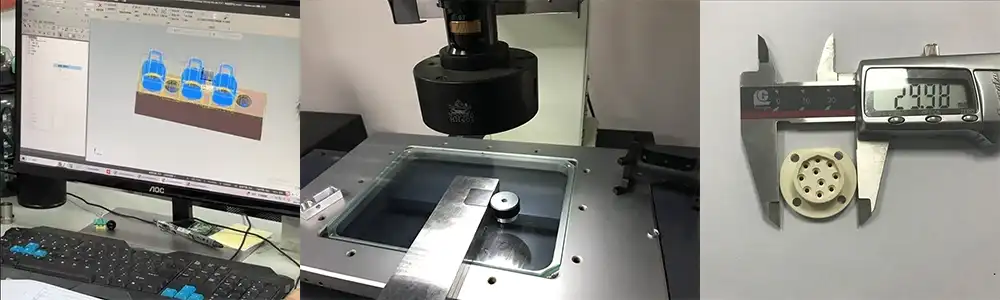
Suppliers who are proactive send clients information on production at key points, letting them know about any changes to the plan before they affect project timelines. Before full production starts, engineering teams can check important features using photos or measurements from first-article inspections.
When there are worries about quality, responsive providers look into what went wrong and take quick steps to fix it. Remanufacturing promises, which are usually kept within a week and shipped at the supplier's cost, show responsibility and service that is focused on the customer. This timeliness makes it easier to trust a dealer for a long time.
Providing technical support that goes beyond just fulfilling orders is valuable throughout the lifecycle of a product. Suppliers who offer design optimisation suggestions help customers make products easier to make, lower costs, or improve performance. With this consultative method, providers become manufacturing partners who care about the success of their clients.
Conclusion
Custom Machined Parts are perfect for engineering problems that standard parts can't fix. They offer accuracy, material flexibility, and design freedom in fields where performance is important. When engineering teams know when their projects need custom solutions and how to get them quickly, they can speed up development cycles while still meeting quality standards. Choosing qualified manufacturing partners that offer technical collaboration, open processes, and reliable delivery sets the stage for successful product launches and long-term operational excellence. The right machining partnership can turn design ideas into real parts that give you a competitive edge, whether you're prototyping new ideas or increasing production volumes.
FAQ
What lead times should I expect for custom machined prototypes?
Lead times for prototypes are usually three to seven days for simple shapes and ten to fifteen business days for complicated parts that need to be machined more than once and need special surface treatments. When a project needs to be done quickly, expedited services can cut down on the time it takes to finish.
Can you accommodate tight tolerances on challenging materials?
Precision machining can be done on tough materials like Inconel, Hastelloy, and titanium metals by using special carbide tools and the best cutting settings. Tolerances of up to ±0.005mm are possible in temperature-controlled machining settings and with the help of modern metrology tools like CMM inspection.
How do I ensure my part matches the original CAD model?
Digital comparison software is used in first-article inspection methods to put CMM measurement data on top of the original CAD shape. This check makes sure that all the geometric requirements are met before the production quantities are started. This stops mistakes that cost a lot of money and makes sure that the measurements are correct.
What surface treatment options enhance aluminum component performance?
Type II anodising protects against wear, Type III hard anodising makes parts last a very long time, Alodine chemical film keeps electrical conductivity, and bead blasting makes parts look uniform. The choice of treatment depends on the function needed and the environment.
Partner with RYH for Precision Custom Machined Parts
To get through the complicated process of precision manufacturing, you need a Custom Machined Parts supplier with both technical know-how and quick customer service. At RYH, our engineering team—which has an average of more than 15 years of experience in the field—works directly with your design engineers to make sure that the parts are easy to make, that the right materials are used, and that they meet all of your exact requirements. We keep all of our quality standards up to date and can help with projects from fast prototyping to mass production. Usually, we can finish samples in one week.
Our dedication goes beyond making things. We offer global door-to-door shipping options that are tailored to your project schedule, as well as material certifications and dimensional inspection reports. If you have concerns about the quality, our remanufacturing promise guarantees a quick answer, usually within one week, with free shipping.
RYH has the technical help and production skills your project needs, whether it's biocompatible titanium surgery tools, high-precision aerospace brackets, or heat management parts for electric cars. Get in touch with bill@bldmachining.com right away to talk about your custom-machined parts needs with our technical team and see how direct engineering collaboration can speed up the development of your product.
References
1. Kalpakjian, S., & Schmid, S. R. (2014). Manufacturing Engineering and Technology (7th ed.). Pearson Education.
2. Groover, M. P. (2015). Fundamentals of Modern Manufacturing: Materials, Processes, and Systems (6th ed.). Wiley.
3. American Society of Mechanical Engineers. (2018). ASME Y14.5-2018: Dimensioning and Tolerancing. ASME Standards.
4. Society of Manufacturing Engineers. (2016). Tool and Manufacturing Engineers Handbook: Machining (4th ed.). SME.
5. International Organization for Standardization. (2020). ISO 2768-1:1989 General Tolerances — Part 1: Tolerances for Linear and Angular Dimensions. ISO Standards.
6. Boyer, R., Welsch, G., & Collings, E. W. (1994). Materials Properties Handbook: Titanium Alloys. ASM International.
 CNC machined parts.webp)