What Is CNC Machining Parts? Process Guide
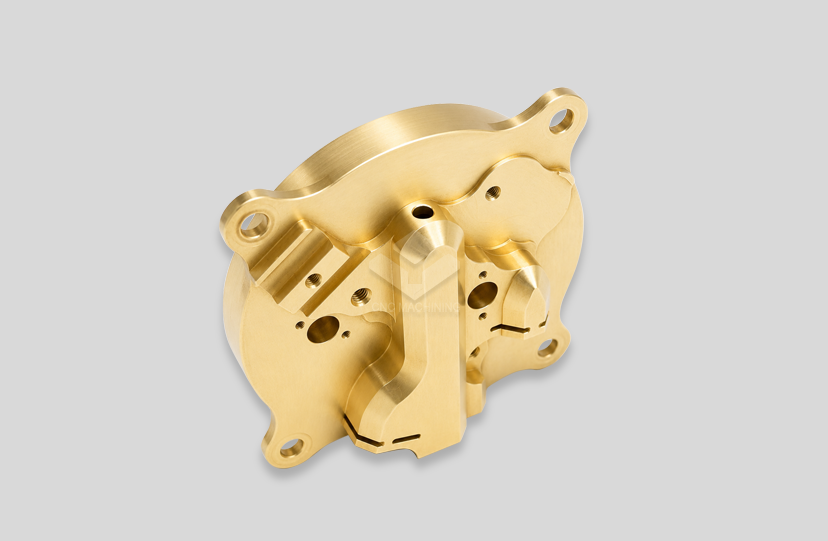
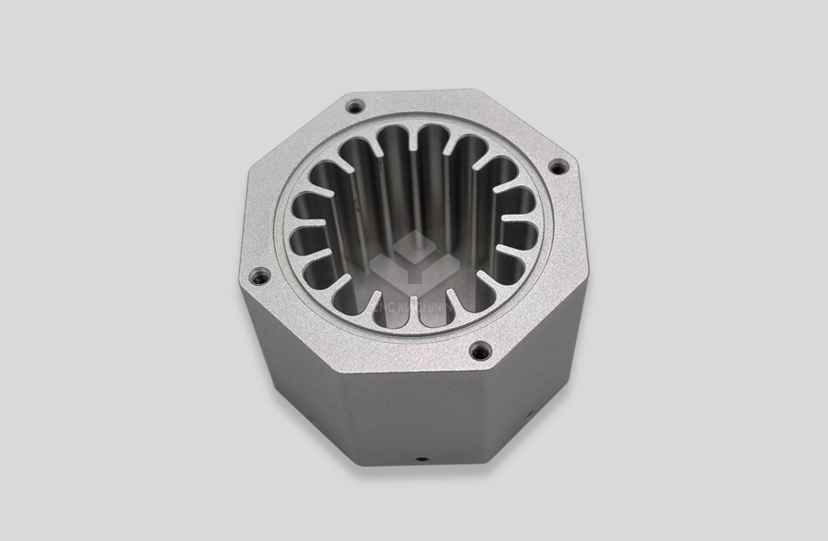
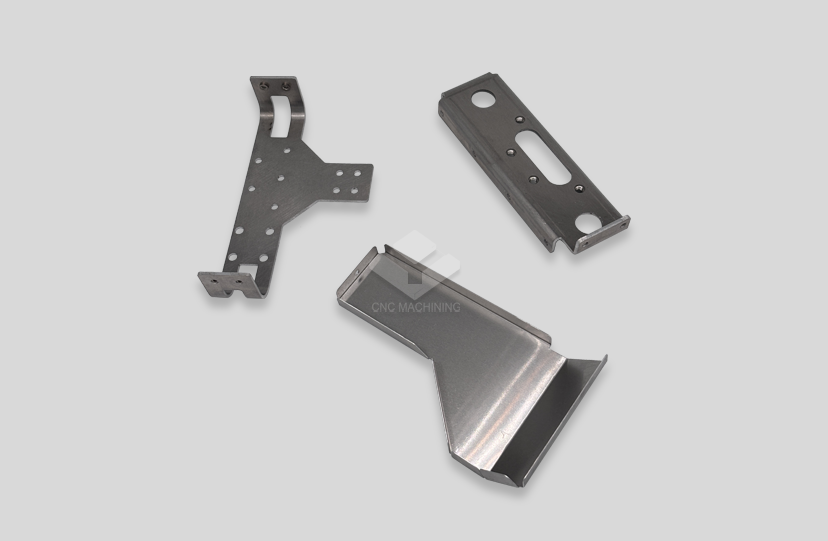
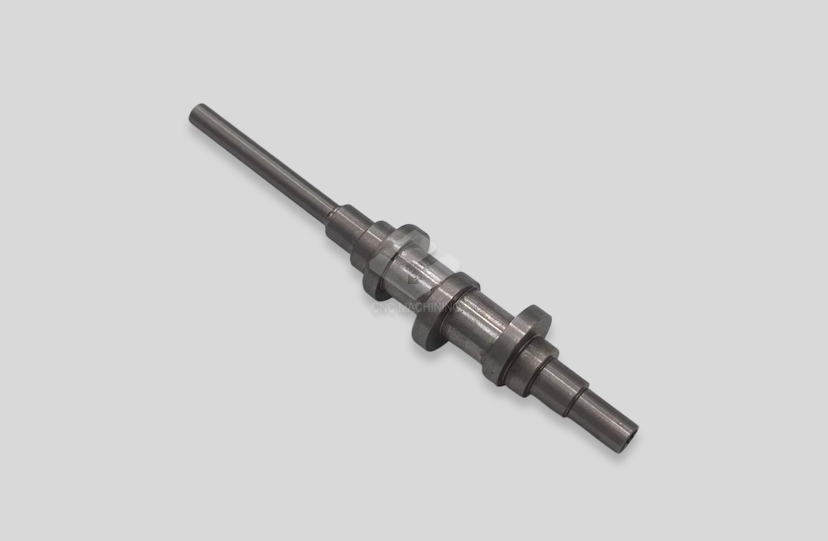
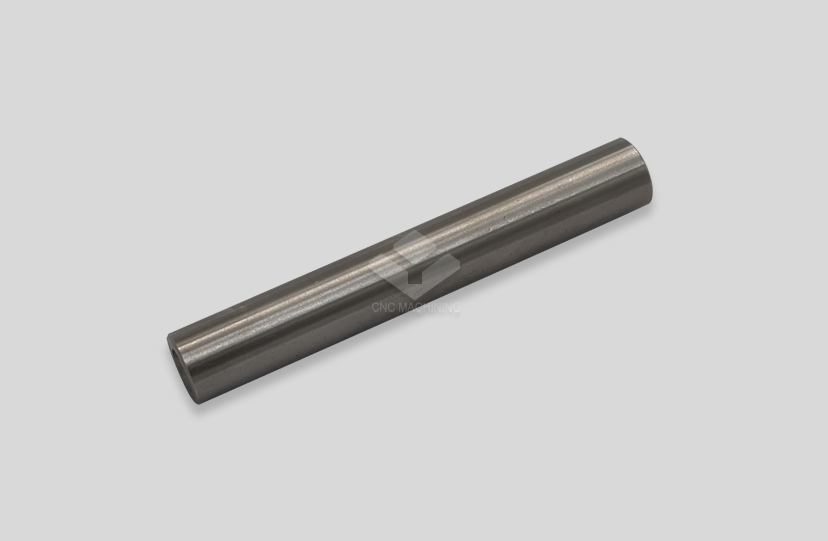
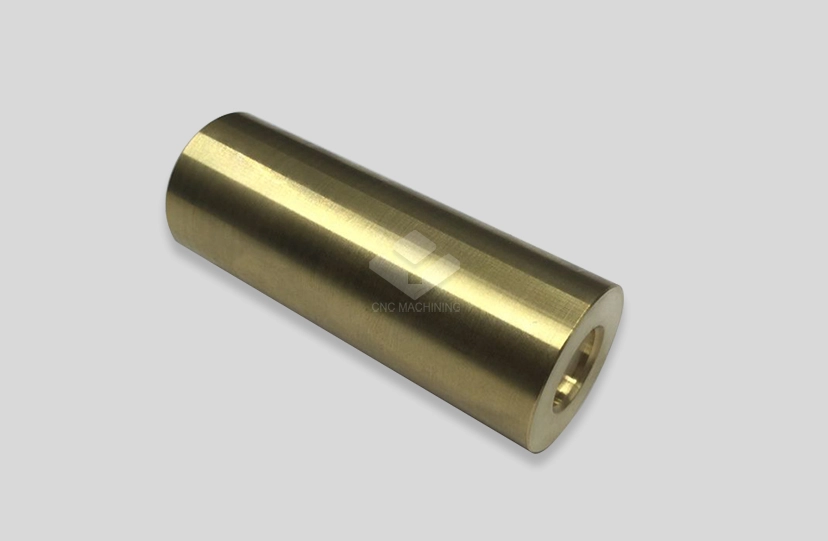
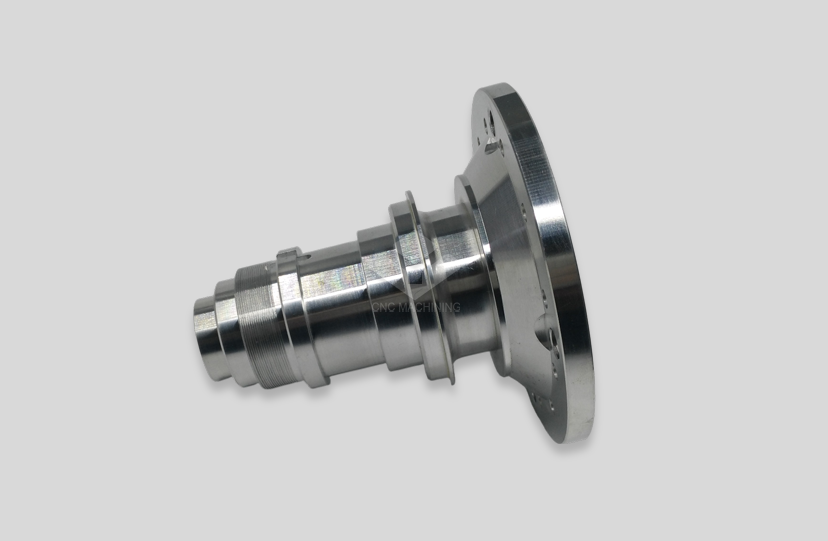
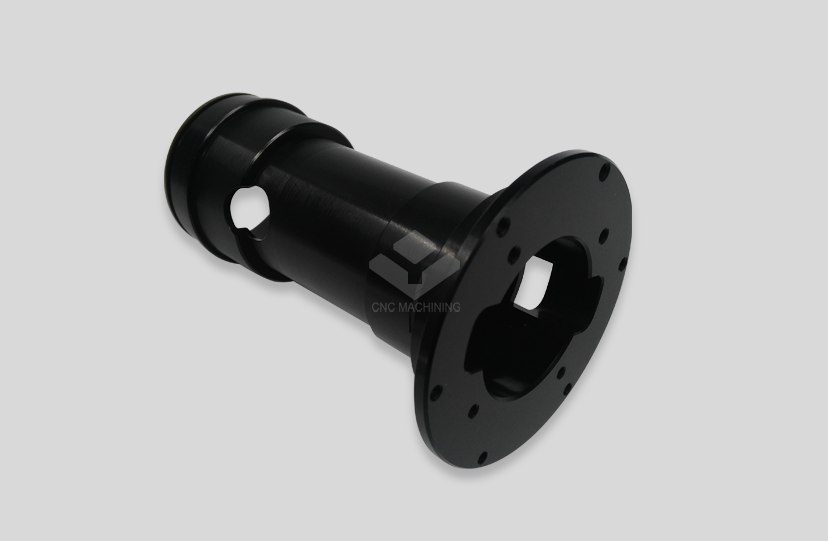
CNC Machined Parts are precisely designed parts that are made using computer-controlled subtractive production. In these processes, material is removed from solid stock using multi-axis milling, turning, and drilling to create exact shapes. Unlike additive or manual manufacturing, computer numerical control technology makes sure that metals like aluminum and stainless steel, as well as engineering-grade plastics like PEEK, nylon, and ABS, are always the same size and shape to the micron level. When purchasing teams are in charge of projects in aerospace, medical devices, or robotics, they need to know how CNC machining works, from interpreting digital CAD files to doing the final inspection. This is so they can cut down on lead times, keep costs low, and make sure that tight tolerances and material certifications are met.
Understanding CNC Machining Parts: Process and Materials
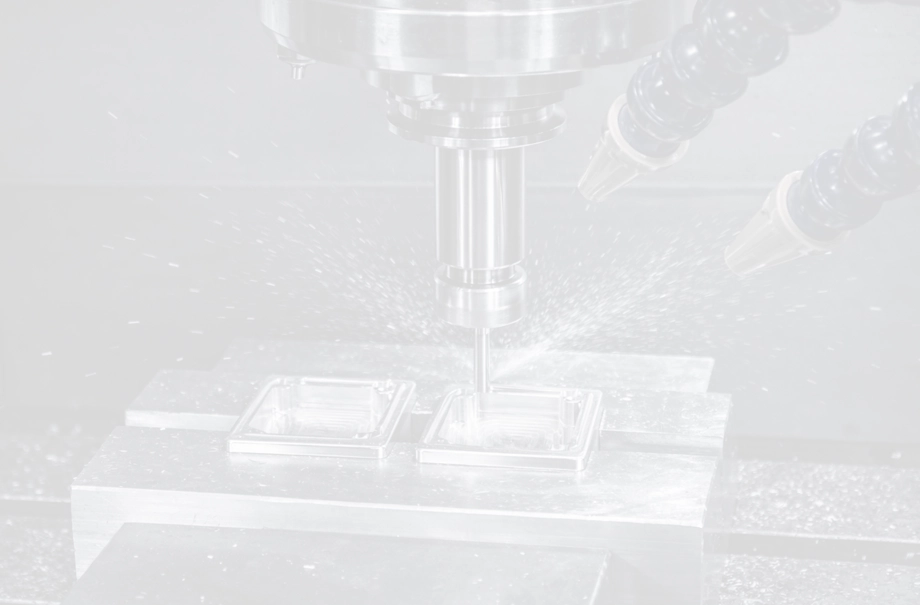
When a digital blueprint gets to the shop floor, the process of turning a design into a finished part starts. Computer numerical control systems can read CAD or CAM files and turn them into exact lines for tools. During milling, spinning cutters remove layers of material, forming the outside shapes and creating holes inside them. The workpiece is spun by turning processes, while circular shapes are made by fixed cutting tools. Extra steps like drilling, tapping, and grinding improve details and meet requirements for surface finish.
Materials Commonly Used in Precision Machining
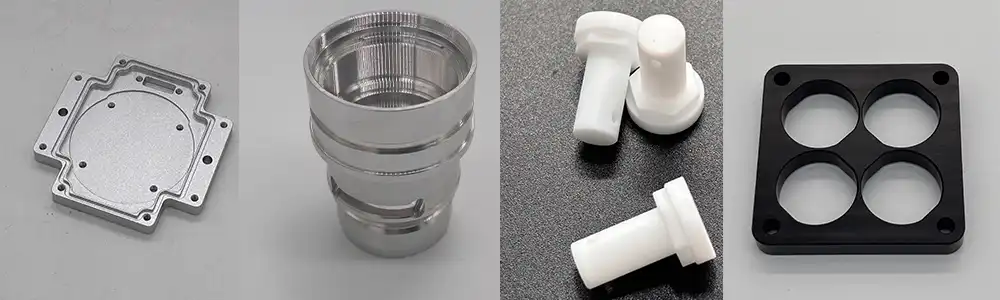
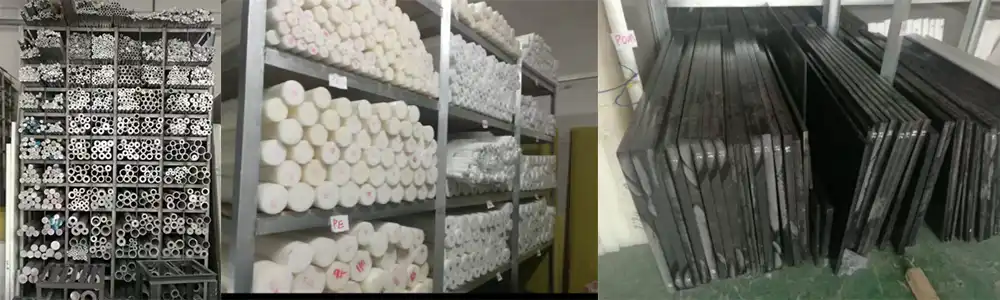
The choice of material has a direct effect on how easy it is to machine, how well the end part works, and how much it costs. Aluminum alloys are used a lot in aircraft and electronics because they are strong for their weight and good at conducting heat. Stainless steel types are better at keeping medical instruments and food processing equipment from rusting. Even though titanium is hard to work with, it is very biocompatible and stable at high temperatures. When weight reduction and electrical insulation are important, engineering plastics like PEEK and nylon are used instead of metals because they are resistant to chemicals and don't need to be oiled. To avoid tool wear and get accurate measurements, cutting factors must be adjusted to each material.
The Role of Tolerances and Surface Finishes in Meeting Industrial Standards
Allowable differences in size are called tolerances, and limits for precision parts are often as tight as ±0.005mm. Ra values show how good a surface finish is and how it affects sealing, friction, and appearance. To meet FDA biocompatibility standards, medical device makers need smooth finishes. Automotive suppliers, on the other hand, put a lot of emphasis on surface treatments like anodizing and passivation to make metals more resistant to corrosion. Understanding these requirements during the design phase keeps you from having to do expensive rework and speeds up the time it takes to get qualified.
Advantages and Applications of CNC Machined Parts for Industrial Use
Injection molding and additive production can't fill in important holes that precision machining can. CNC Machined Parts are the best way to balance quality, flexibility, and cost when prototyping needs materials that are suitable for production or when order quantities range from ten to several thousand units.
Unparalleled Precision and Design Flexibility
Cost-Effective Production for Low to Medium Volume Runs
When you use CNC machining instead of injection molding, you don't have to pay for expensive molds up front. Projects go from validating the prototype to trial production without any pauses for retooling. This adaptability works well for startups and R&D teams that change designs often, as well as for well-known companies that have to manage product lifecycles with changing demand.
Comparative Analysis: CNC Machining vs. Alternative Manufacturing Methods
When it comes to low quantities, tooling costs and lead times make injection molding less useful than other methods. Additive manufacturing lets you make prototypes quickly, but it costs in terms of strength and surface quality. Manual machining isn't reliable and has trouble with complicated shapes. These holes can be filled by CNC machining, which gives you design freedom and the ability to make parts that are bigger or smaller. When procurement managers compare methods, they should look at the total cost of ownership, which includes the rates of repair, material waste, and equipment amortization.
How to Design Parts for CNC Machining: Best Practices for B2B Buyers
Design experts and machine partners can work together well, even before the cutting tools touch the raw material. Improving how easy it is to make something during the CAD process cuts down on wait times, scrap, and costs.
Essential Design Guidelines to Optimize Manufacturability
When wall thicknesses are less than 0.5 mm, tools are more likely to break or bend, and when pockets are too deep, cycle times go up. Sharp internal corners cause stress to build up and make it hard to reach tools. To improve efficiency, selecting curves that match standard end mill sizes is recommended. Don't set dimensional limits that are too tight; defining ±0.01mm on features that aren't important raises costs without adding any functionality. Making specific inspection plans ahead of time ensures everyone knows what is expected of them and stops arguments during acceptance testing.
Material Selection Advice for Engineering Requirements
The success of a project depends on how well mechanical properties and machinability are balanced when selecting materials for CNC Machined Parts. Glass-filled nylon is stiff and resistant to wear, but it wears down tools faster than unfilled grades. Stainless steel 316 is very resistant to rust, but it takes longer to work with than aluminum 6061. PEEK is resistant to chemicals and works well at high temperatures, but it needs special tools and feed rates that are slower. By involving suppliers early on, engineers can compare different material choices, figure out how long lead times will affect things, and make sure that requirements match up with what's available.
Clear Communication with Suppliers: CAD Files and Specification Sharing
Sending STEP or IGES files along with detailed drawings clears up any confusion. On the prints, write down the important measurements, surface finish requirements, and evaluation standards. Include information about the materials' certifications, how they should be heated, and any extra finishing steps like anodizing or bead blasting. Asking for Design for Manufacturability (DFM) reviews before quoting can help you find problems like undercuts that need special tools, tolerances that can only be reached through secondary grinding, or shapes that work better with other processes.
Requesting Prototypes for Quality Validation Before Large Orders
Trial runs show problems that were not expected, which cannot be seen in drawings. Prototype samples let you test how well something works, make sure it fits with other parts, and make sure that surface treatments are correct. Simple samples can be made by experienced providers in three to seven days, which allows for quick iteration. Once confirmed, moving to batch production can be done with confidence, which lowers risk and keeps expensive rework from having to be done.
Selecting the Right CNC Machining Service Provider
Comparing unit prices is only one part of choosing a manufacturing partner. To see if projects meet deadlines and requirements, you have to look at their technical skills, quality processes, and how well they communicate.
Prototyping Versus Full-Scale Production Capabilities
Some providers are great at making fast prototypes, but don't have the right equipment to make a lot of them. Others give big orders more attention and set high minimum order amounts. The best partner can handle a range of order sizes and can help with product development without making you commit to large inventories too soon. Being flexible cuts down on the need for operating capital and speeds up the time it takes to get a product to market.
Local and International Sourcing Strategies
While domestic providers may have shorter lead times and make contact easier, they usually charge more per unit. When you buy CNC machined parts from overseas, especially from well-known Asian manufacturers, you can get better prices and access advanced five-axis machining tools. Look at the total landed cost, which includes shipping costs, duties, and inventory holding expenses. International providers with extensive experience can help manage door-to-door logistics, handle customs paperwork, and keep project planning running smoothly across different time zones.
Our reputation is based on direct collaboration between engineers, which gets rid of misunderstandings that cause delays. Before giving a quote, our team looks over the sketches, suggests ways to improve the design, and gives useful cutting solutions. We can support tight development schedules because we can make samples in as little as one week, or even three days for simpler parts. We focus on long-term partnerships instead of business relationships, as shown by our detailed material certifications, measurement inspection reports, and promise to remanufacture broken parts within one week.
Lead Times, Pricing, and Delivery Logistics for CNC Machined Parts
Procurement teams can negotiate better and plan their inventory strategies when they know what costs affect prices and when things need to be done.
Production Lead Times: Prototyping vs. Mass Production
Prototype lead times rely on how complicated the part is, how much material is available, and how busy the shop is. Simple aluminum frames can be sent out in three days, but five-axis titanium systems that are very complicated take two weeks. Scheduling for mass production brings about savings of scale, but it also needs planning for wait times for getting materials and capacity. Suppliers who have established networks of other suppliers and integrate the sourcing of materials reduce delays.
Pricing Drivers: Material Choice and Required Tolerances
Because the prices of raw materials change with the trade markets, aluminum and nylon are cheaper than titanium or PEEK. Complexity directly affects machining time—tight standards, multiple axes of motion, and materials that are hard to machine all make cycle times longer. Additional steps like anodizing, heat treatment, and checking raise the cost but provide important performance benefits. Setup costs are spread out over larger batches, so volume discounts apply. To get the best prices, negotiate annual agreements or blanket purchase orders.
Global Shipping Options and After-Sales Services
When sending things internationally, you need to be very careful with the packaging to keep fragile parts safe from damage and the environment. Damage is avoided during transport with vacuum-sealed bags, foam inserts, and rigid containers. Options for fast shipping strike a mix between cost and need. Full support after the sale includes paperwork for quality assurance, warranties for remanufacturing, and quick expert help. Suppliers who care about their customers' success deal with problems before they happen, so production schedules aren't thrown off too much.
Conclusion
CNC Machined Parts are where digital manufacturing, precision engineering, and material science all come together. When purchasing managers know about machining processes, choosing materials, and how to evaluate suppliers, they can make smart decisions about where to buy things that lower costs, speed up development, and make sure that strict quality standards are met. Working with skilled CNC machinists is becoming more valuable as industries need tighter tolerances, lighter parts, and faster innovation processes. Spending time on improving designs, testing prototypes, and building relationships with suppliers pays off in terms of how well products work and how resilient the supply chain is.
FAQ
What accuracy levels can CNC machining achieve?
Tolerances of ±0.01mm are common for key dimensions on modern CNC machines. For certain processes, tolerances of ±0.005mm or less are possible. These limits can only be met with proper machine calibration, well-maintained tools, stable materials, and external controls like temperature control. Setting reasonable tolerances based on functional needs keeps costs from going up for no reason.
Can CNC machines handle complex geometries and mixed materials?
Five-axis machining centers can make complex shapes with undercuts, angles, and compound curves all at the same time. For mixed-material assemblies, each part usually needs to be machined separately before it can be put together, but some suppliers offer finishing and assembly services that are combined. Talking about the design purpose early on makes it clear what can be done.
What information is needed to obtain accurate quotes?
Suppliers need CAD files, precise sketches with tolerances and surface finish callouts, as well as information about the materials to be used, any certificates that are needed, and the number of items to be ordered. Engineers can offer improvements if you tell them about the planned use and the most important performance standards. Clear communication cuts down on back and forth and speeds up the quoting process.
Partner with RYH for Precision CNC Machined Parts Manufacturing
RYH is the go-to CNC Machined Parts provider for projects that need precision and dependability because we work together with engineers, turn around jobs quickly, and have strict quality control. Our engineers work directly with your team to look over plans, make designs better, and suggest useful solutions that cut down on mistakes and speed up the production process. We can meet tight development plans without sacrificing quality because sample production is finished in just one week, and often in just three days for easier parts. Our wide range of material certifications, FDA-compliant options, and surface finishing skills meet the high standards of the electronics, medical device, aerospace, and automotive industries. Our flexible MOQ policies and efficient global transportation make sure that you get the parts you need when you need them, whether you need fast prototyping or scalable batch production. Feel the difference when you work with a business partner who wants you to succeed. Get a personalized quote and talk about your project by emailing bill@bldmachining.com right now.
References
1. Kalpakjian, S., & Schmid, S. R. (2014). Manufacturing Engineering and Technology (7th ed.). Pearson Education.
2. Groover, M. P. (2015). Fundamentals of Modern Manufacturing: Materials, Processes, and Systems (6th ed.). John Wiley & Sons.
3. Todd, R. H., Allen, D. K., & Alting, L. (1994). Manufacturing Processes Reference Guide. Industrial Press Inc.
4. Boothroyd, G., Dewhurst, P., & Knight, W. A. (2010). Product Design for Manufacture and Assembly (3rd ed.). CRC Press.
5. Lynch, M. (2018). CNC Programming Handbook: A Comprehensive Guide to Practical CNC Programming (3rd ed.). Industrial Press Inc.
6. Rao, P. N. (2017). Manufacturing Technology: Foundry, Forming and Welding (4th ed.). McGraw-Hill Education.