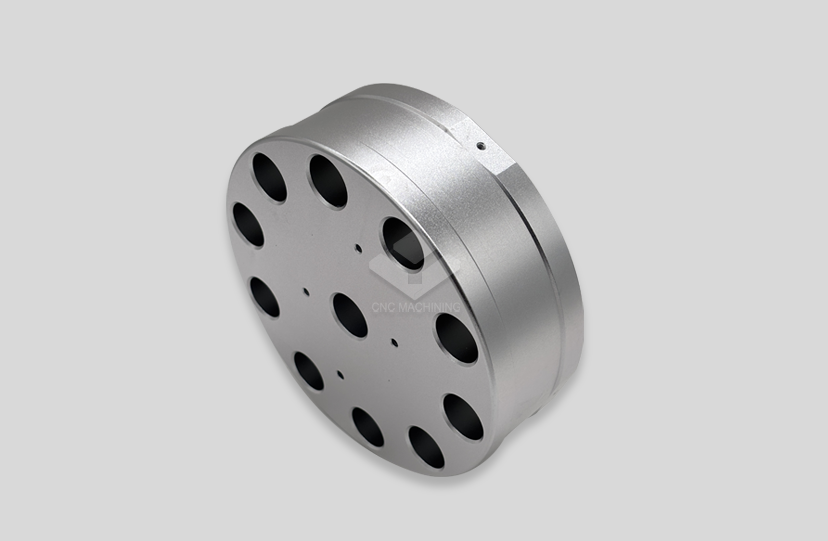
Why Are Precision Machined Parts Essential for Manufacturing?
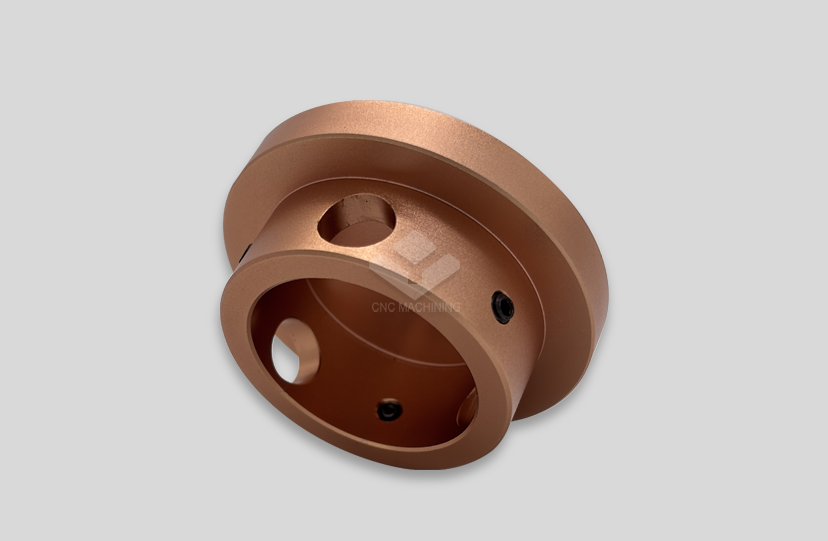
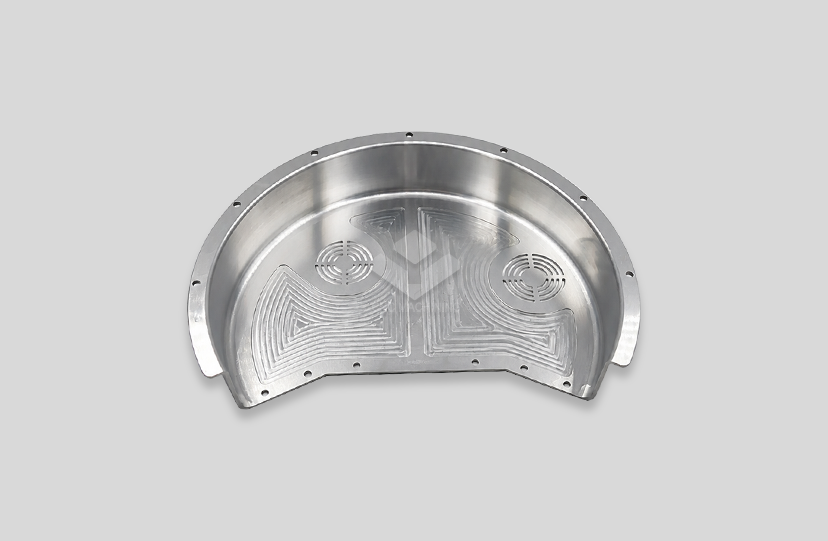
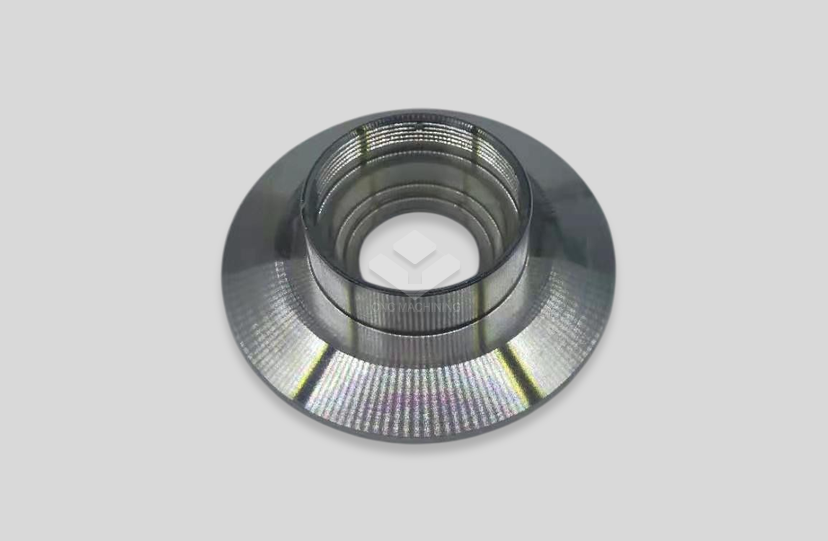
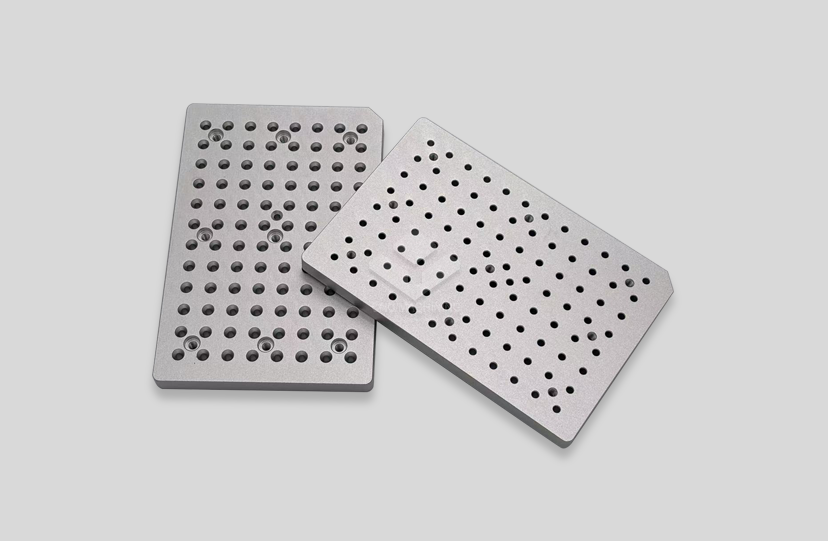
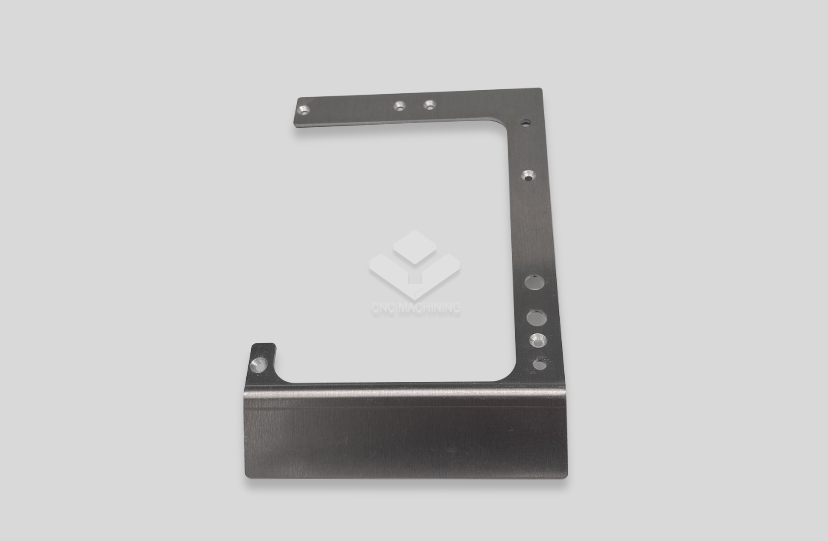
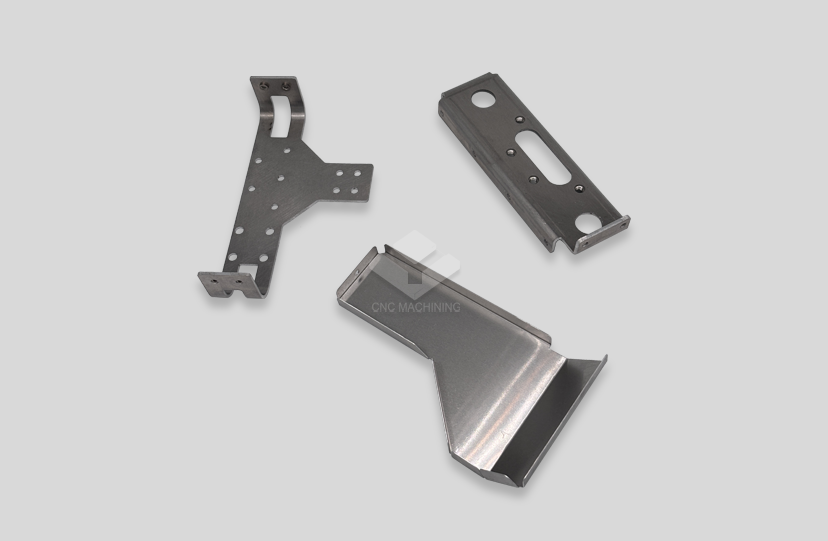
Parts that are made with Computer Numerical Control (CNC) technology can have limits as small as ±0.005mm. These are called Precision Machined Components. These parts are very important for manufacturing because they make it possible to repeat things very accurately, make complicated shapes, and make sure that important assemblies are put together correctly every time. Industries like electronics, medical devices, cars, and planes need Precision Machined Components to make sure their products are complete, work properly, and meet strict quality standards. Without them, makers have to deal with more mistakes, more costly rework, and less safety in uses that are very important to the business.
Introduction
Making things is great when each part is of high quality and fits together correctly. Precision Machined Components are now needed in all kinds of areas to make units that work well and are effective. They make sure that everything, from medical implants to systems on aeroplanes, works perfectly even when things get rough. Getting the right parts is important for engineers, procurement managers, and people who work in the supply chain. It affects the quality of the product, how long it takes to get to market, and how well the business runs overall.
Firms need to find a way to cut costs without lowering quality as competition grows around the world. Precision Machined Components have been used for a long time and have been shown to work well with the high standards of modern production. It can be used for everything from making quick samples to mass production that can be expanded. You should know what Precision Machined Components are used for, whether you're an R&D engineer trying out a new design or a purchasing manager looking for a steady supplier. This article talks about why these parts are important, how they help make things work better, and what you should look for in a supplier partner.
Understanding Precision Machined Parts: Definition and Manufacturing Process
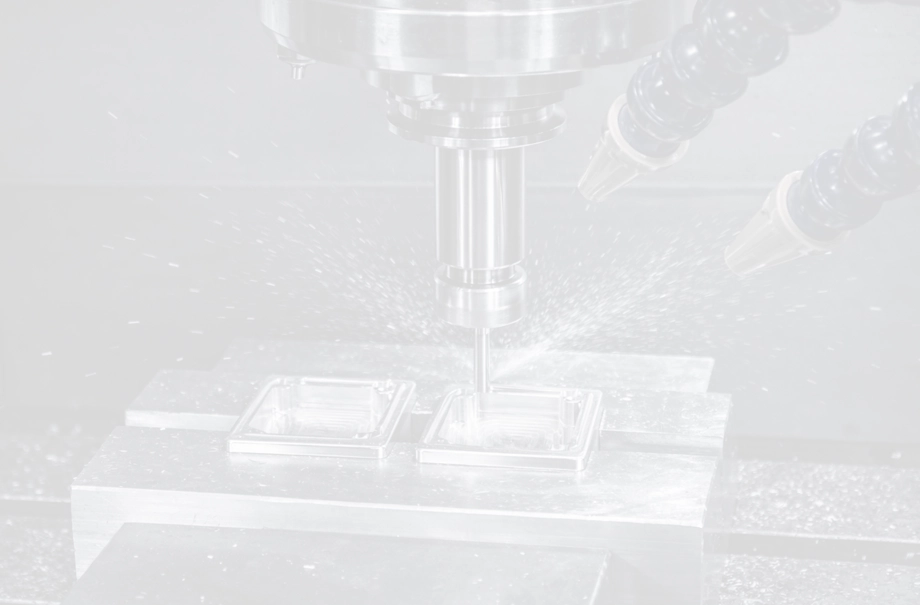
With subtractive production, material is taken away from a workpiece to make it exactly what is needed. This is how Precision Machined Components are made. But for precision work, you need to be able to keep the measurements very close to each other, finish the surfaces perfectly, and be able to do the same thing over and over again for each production run. CNC technology, which controls machines with a level of accuracy of just a few microns, makes this level of accuracy possible.
Key Manufacturing Processes
There are several major steps in CNC cutting. You can use multi-axis cutting to make complicated forms that you can't make by hand. It comes in three, four, and five-axis modes. Through turning, parts that are cylindrical and have a smooth, centred surface are made. Grinders make parts smoother and more accurate in size and shape, and they often get them to their final tolerances. Electric discharge machining (EDM) and other specialised methods help manufacturers work with tough materials and inside parts that are hard for regular cutting tools to reach.
Materials and Quality Control
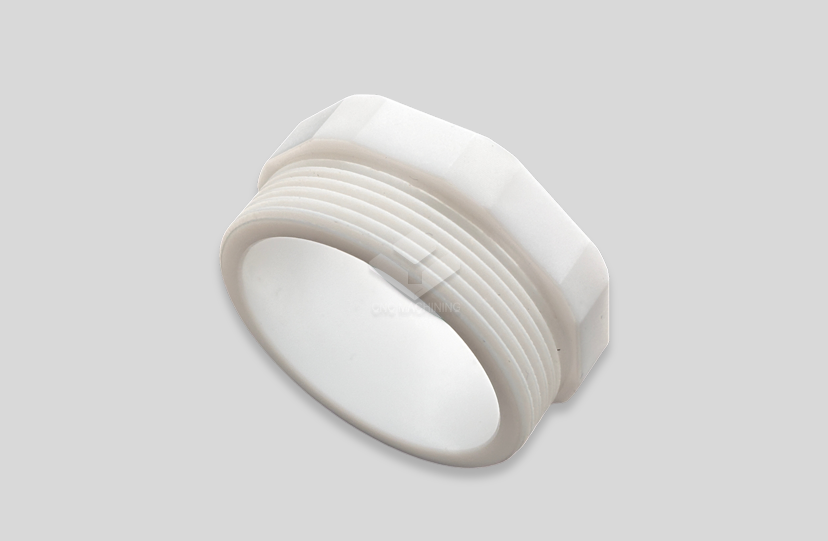
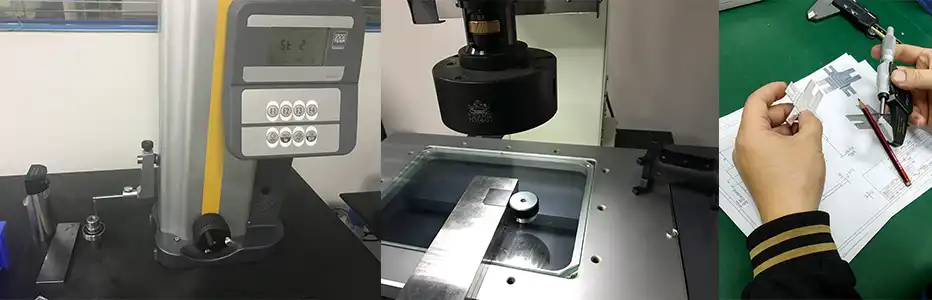
A lot of different materials can be cut precisely, including aerospace-grade aluminium alloys (6061 and 7075), titanium, stainless steel (304 and 316), and high-performance plastics like PEEK. The material is picked based on what it needs to do, like having a high strength-to-weight ratio, not rusting, and staying stable at high temperatures. We carefully check each group of parts using Coordinate Measuring Machines (CMM), profilometers to check the surface finish, and Geometrical Dimensioning and Tolerancing (GD&T) audits to make sure they are in line with the rules. Each group of parts comes with a Material Test Report (MTR).
Industry Applications
Parts made with CNC machines are used in a lot of different areas. In aerospace, important engine parts and landing gear assemblies need to have a high fatigue strength. To make surgery tools and hip implants that work with the body and are perfect to the micron level, Precision Machined Components are used. Precise parts are used in vacuum rooms, heat sinks, and testing tools in the semiconductor and electronics industries. It is very important to keep the structure clean and the temperature under control. These parts are used in robots, battery systems, and high-performance units in the car and smart factory automation fields.
Why Precision-Machined Parts Are Crucial for Manufacturing Efficiency and Quality
What makes a product work well is the quality of the parts that go into it. The number of flaws is lower in Precision Machined Components because they make sure that every piece meets all the requirements. This means there is no need for extra work or expensive delays in production. It saves time, cuts down on waste, and boosts total output for manufacturers when parts fit together perfectly from the start. Some places make a lot of things, so this level of dependability is very important. This is because small changes can cause big quality issues.
High Accuracy and Surface Finish
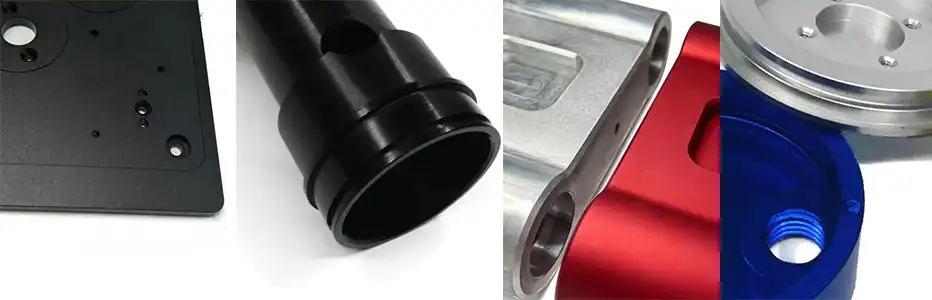
When you have tight specs and high-quality surface finishes, your product will work better. Surface roughness (Ra) values between 0.8 and 3.2 microns make parts less likely to wear out and reduce friction. This means that goods last longer and need less maintenance. High physical accuracy makes sure that the parts fit together correctly. This lowers the chance of mistakes during assembly and makes the system more reliable. It's very important to be accurate in areas like medical equipment, where patients' safety and following the rules depend on it.
Comparison with Alternative Methods
All of these methods are useful, but sometimes precision cutting is better than casting, injection moulding, or additive production (3D printing). While casting is a cheap way to make many things, they often need to be made again to get them to the right size. To make a lot of plastic parts, injection moulding is great. But when it comes to materials, it's not as flexible or accurate as CNC cutting. When compared to machined metal parts, additive manufacturing has issues with the strength of the material and the quality of the finish on the outside. It is good at making quick samples and parts with complicated shapes, though. With precision machining, you can choose from a wide range of materials and get the highest level of accuracy.
Overcoming Manufacturing Challenges
There are some issues with precision cutting, like the fact that it can only be used on certain materials and that it costs more to make the first set of tools. To make these issues less of a problem, you should work with skilled suppliers who offer Design for Manufacturing (DFM) research. DFM feedback cuts down on setup time, material waste, and the need for expensive but high-quality machining cycles. This makes designs easier to make. You can turn problems that could be problems into chances to save money and come up with new ideas when you have skilled engineers on hand.
Selecting the Right Precision Machined Components Supplier for Your Business
Choosing the right seller is one of the most important parts of procurement. Your provider works with your engineering and manufacturing team like an extension of it. This affects the quality of your products, how quickly you finish projects, and how competitive your business is as a whole. You can count on a seller to be reliable for a long time if you look at a lot of different things about them.
Certifications and Quality Standards
Engineering Support and Technical Communication
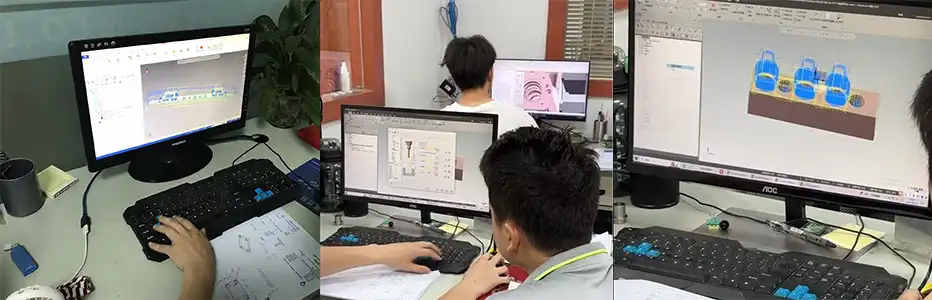
Sometimes things don't get made because the people who are supposed to talk to each other don't talk enough. It's easier for engineers to understand each other and make decisions when suppliers let them talk to each other directly. Most of the people who work in tech support at RYH have more than 15 years of experience with cutting. This lets us look at the plans, suggest materials, and suggest changes to the design that will make it easier to make. Together, we can finish projects faster and make sure that samples and final parts are just what was asked for.
Response Speed and Lead Time Management
We work on projects very quickly these days, and how quickly we respond can make or break them. The process of making a new product moves faster when suppliers offer quotes and samples quickly (within 3 to 7 days). For most jobs, we've always been able to make samples in a week. For smaller parts, it takes as little as three days. Having this much freedom helps with rapid design validation, which lets engineering teams try things out, make changes, and go straight to production without having to wait for costly delays.
Customization, Flexibility, and Production Scalability
You should be able to do both small-scale experiments and large-scale mass output. Before making a lot of something, a lot of projects start with small-batch test orders to make sure the designs work. When suppliers are good at combining their resources and making their factories adaptable, they can handle more or fewer orders without affecting quality or delivery times. There is a partner out there that can meet your needs, no matter how many copies you need.
Logistics and Global Delivery
Guaranteed worldwide shipping helps things get where they need to go on time, no matter how big the order is or where it's going. It's easier to buy things from other countries when there are many shipping options, efficient customs clearance, and door-to-door delivery options. We can handle small orders in a way that works for you, so even the most important projects get the attention they need.
Maximizing ROI with Precision-Machined Parts in Manufacturing Operations
You get a better product, lower running costs, and a stronger position in the market when you invest in Precision Machined Components. Knowing about these perks can help you defend your procurement choices and get support from the people who matter.
Enhanced Product Quality and Durability
How reliable a product is is directly linked to how precise its parts are. Tougher standards make sure that things fit and work better, and they also lower noise, wear, and failure before their time. This means making things that are better, last longer, and meet strict government standards for use in aircraft and cars. Health care companies can benefit from parts that don't change size during sterilisation processes or in harsh clinical settings.
Reduced Maintenance and Lifecycle Costs
Because well-made parts need to be changed and fixed up less often, the total cost of ownership goes down. Parts with better surface finishes wear less easily and last longer between services, so they need less downtime. This is very useful in robotics and industrial automation, where maintenance that isn't planned can throw off production schedules and cost the company money.
Innovation Through Complex Design
Thanks to precision cutting, you can make things in new ways that you couldn't before. Engineers can use multi-axis CNC to make tricky shapes, undercuts, and internal details that make things work better and be easier to put together. This design freedom helps people come up with new ideas and gives companies the chance to make their products stand out and take advantage of new market opportunities.
Compliance and Industry Standards
It is important to follow the rules in fields like electronics, medical devices, and aerospace. When parts are carefully machined, they have to meet strict standards for quality paperwork, tracking of materials, and correct measures. If suppliers know how to meet these standards, they are less likely to fail to do so. This speeds up the approval process, which means that goods get to the market faster.
Future Trends and Strategic Value
Because of robotics, new materials, and the addition of Industry 4.0, precision cutting is changing. The process can be watched in real time, and maintenance can be planned ahead of time. This makes the quality and efficiency even better. You can use them in more ways now that there are new materials like high-strength composites and advanced alloys. It's becoming more important for producers to find service providers that can handle shorter wait times and more complicated orders. Now that companies have spent money on precision cutting, they can use these trends to stay ahead of the competition.
Conclusion
Precision Machined Components aren't just parts; they're necessary for making reliable products, producing high-quality goods, and standing out from the competition. These parts make sure that difficult assemblies work properly in harsh situations. They are used in electronics, cars, medical devices, avionics, and more. It's very important to find a supplier partner that can offer technical knowledge, quick answers, a lot of ways to customise products, and strict quality control. Even though manufacturing changes, precise cutting stays at the top. This leads to new ideas and a clear return on investment (ROI) in every area.
FAQ
What tolerance ranges are standard for precision CNC-machined components?
High-end precision cutting centers can usually get tolerances of ±0.005mm (0.0002 inches). Specialised methods, such as grinding or EDM, can sometimes be used to meet even higher standards. Tolerances are set by the part's shape, the way it needs to work, and the way the material is made. When giving quotes, experienced providers look at the plans and make suggestions on what can be tolerated while still meeting budget and performance goals.
How do precision-machined parts compare to cast components in quality and cost?
Find out how the quality and cost of Precision Machined Components and cast parts are alike and different. Precision Machined Components are more accurate in terms of size, surface finish, and material characteristics than cast parts. A lot of things can be made cheaply by casting them, but they usually need to be machined again to make sure they fit together perfectly. Made-to-order parts are more reliable and stronger, so they're great for situations where performance and dependability are very important. It's possible that precision cutting will cost less in the long run than other methods, even if it costs more per unit for simple shapes. This is due to fewer mistakes, fixes, and extra work.
Can suppliers accommodate small order quantities for prototyping?
Providers of precision cutting you can trust can handle orders of any size, from a single sample to a big group of goods. When engineers are making new products, small-batch manufacturing is very helpful because it lets them try ideas before committing to large production orders. Here at RYH, we know how to handle test projects and small-scale production with the same level of quality control and speed of delivery as larger orders. This makes sure that the move from testing to full production goes without a hitch.
Partner with RYH—Your Trusted Precision Machined Components Manufacturer
To make precise things that work well, you need more than just the right tools. It also needs people who are good at engineering, talking to each other, and caring about quality. As of 2008, RYH has been making custom metal and plastic parts for companies all over the world that make things for the medical, aircraft, and industrial equipment businesses. Our engineers have more than 15 years of experience in their field. They work directly with your design and purchasing teams to make sure that every part meets all of your exact needs and that production times are kept as short as possible. Our prices are quick, and we can make samples for you within a week. Our solutions can be changed to fit any need, from making prototypes to mass production. There are full material certifications, FDA compliance, and quality warranties for every part we make. If there are any problems, we will quickly remanufacture them. Talk about your project with bill@bldmachining.com and find out how RYH, as your seller of Precision Machined Components, can make your supply chain run more easily and make your goods better.
References
1. Society of Manufacturing Engineers. (2021). Fundamentals of Modern Manufacturing: Materials, Processes, and Systems. Hoboken: Wiley.
2. American Society of Mechanical Engineers. (2020). Dimensioning and Tolerancing: Engineering Standards for Design and Manufacturing. New York: ASME Press.
3. Kalpakjian, S., & Schmid, S. R. (2019). Manufacturing Engineering and Technology. London: Pearson Education.
4. National Institute of Standards and Technology. (2022). Precision Engineering and Metrology in Advanced Manufacturing. Gaithersburg: NIST Publications.
5. International Organization for Standardization. (2021). ISO 9001:2015 Quality Management Systems—Requirements for Manufacturing Industries. Geneva: ISO.
6. Groover, M. P. (2020). Automation, Production Systems, and Computer-Integrated Manufacturing. London: Pearson.