Complete Guide to Anodizing CNC Machined Aluminum Parts Why Anodizing Is the Preferred Surface Finish for Precision Aluminum Components?
When designing precision aluminum components, engineers usually focus on machining tolerance, dimensional accuracy, and material selection. However, an equally important decision is choosing the right surface finish.
Among all available surface treatments, anodizing has become the preferred solution for most CNC machined aluminum parts because it improves corrosion resistance, increases surface durability, enhances appearance, and maintains the lightweight characteristics of aluminum.
Whether the component is used in a coffee machine, a robotic system, medical equipment, or industrial automation, anodizing is often the final manufacturing step before assembly.
Which Aluminum Alloys Can Be Anodized?
One of the most common questions from engineers is whether all aluminum alloys can be anodized. The short answer is yes—almost all wrought aluminum alloys can undergo anodizing. However, the quality of the anodized finish varies considerably depending on the alloy composition, manufacturing process, and intended application.
In CNC machining, not every aluminum alloy produces the same appearance after anodizing. Alloying elements such as silicon (Si), copper (Cu), zinc (Zn), and magnesium (Mg) influence the growth of the oxide layer, resulting in differences in color consistency, brightness, and overall surface quality.
Among the commercially available aluminum alloys, the 6000 series, particularly 6061 and 6063, are generally considered the best choices for decorative anodizing. They offer excellent machinability, good corrosion resistance, and produce a uniform anodized finish, making them widely used in robotics, coffee machines, automation equipment, consumer electronics, and precision mechanical assemblies.
The 5000 series, including 5052 and 5083, can also be anodized successfully. These alloys are widely used for sheet metal enclosures and structural components because of their excellent corrosion resistance and formability. After anodizing, they typically provide a consistent matte appearance, especially when combined with bead blasting before the anodizing process.
High-strength 7000 series alloys such as 7075 are also suitable for anodizing, particularly for hard anodizing applications where wear resistance is more important than decorative appearance. However, due to their higher zinc content, the final color may appear slightly darker or less uniform than 6061.
The 2000 series, represented by 2024, can also be anodized, but it is generally not recommended for applications where appearance is critical. Because of its relatively high copper content, anodized surfaces may show yellowish or uneven color tones. For this reason, 2024 is more commonly selected for structural performance than decorative applications.
Although most aluminum alloys can be anodized, selecting the right alloy should always consider the product's functional requirements, appearance expectations, machining characteristics, and cost. For precision CNC machined parts, choosing the appropriate aluminum alloy is often the first step toward achieving a high-quality anodized finish.
|
Alloy |
Anodizing |
Typical Applications |
|
6061/6061-T6 |
⭐⭐⭐⭐⭐ |
CNC Precision Parts |
|
6063 |
⭐⭐⭐⭐⭐ |
Decorative Components |
|
5052 |
⭐⭐⭐⭐☆ |
Sheet Metal Enclosures |
|
5083 |
⭐⭐⭐⭐☆ |
Marine & Structural Parts |
|
7075 |
⭐⭐⭐⭐☆ |
Aerospace & High-Strength Parts |
|
2024 |
⭐⭐☆☆☆ |
Structural Components |
Although most aluminum alloys can be anodized, selecting the correct anodizing process is equally important. In the next Knowledge article, we will explain the differences between Type II and Type III anodizing and how to choose the right specification for CNC machined aluminum parts.
The Anodizing Process for CNC Machined Aluminum Parts
After precision CNC machining is completed, aluminum parts usually undergo several preparation steps before anodizing. Although anodizing is performed by a specialized surface finishing facility, the final appearance and quality of the anodized part are largely determined by the machining quality and surface condition established beforehand.
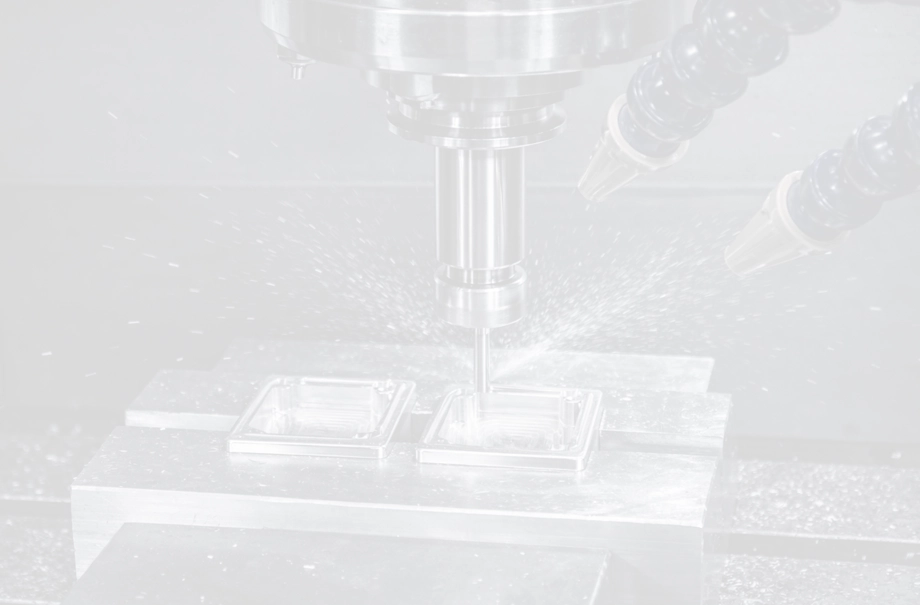
The manufacturing process typically begins with precision CNC milling, turning, or multi-axis machining to achieve the required dimensions and geometric accuracy. Once machining is finished, burrs, sharp edges, and machining residues are carefully removed to prevent surface defects during anodizing.
Depending on the product requirements, the machined parts may then receive additional surface preparation such as polishing, brushing, or bead blasting,sandblasting. These pretreatments help remove visible tool marks and create a more uniform surface texture before anodizing. For decorative aluminum components, bead blasting and sandblasting is one of the most commonly used preparation methods because it produces a consistent matte finish and improves the visual appearance after anodizing.We will explore this topic in detail in our upcoming technical article: "Why Bead Blasting / Sandblasting Before Anodizing CNC Aluminum Parts?"
After surface preparation, the aluminum parts are cleaned thoroughly to remove cutting oil, dust, fingerprints, and other contaminants. Clean surfaces are essential because even small amounts of contamination may affect the uniformity of the anodized coating.
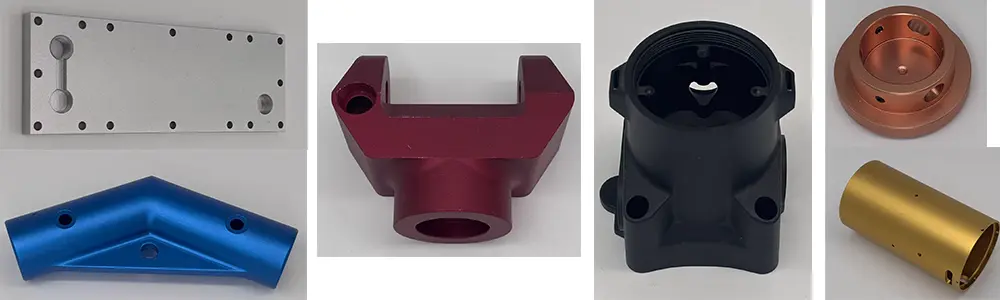
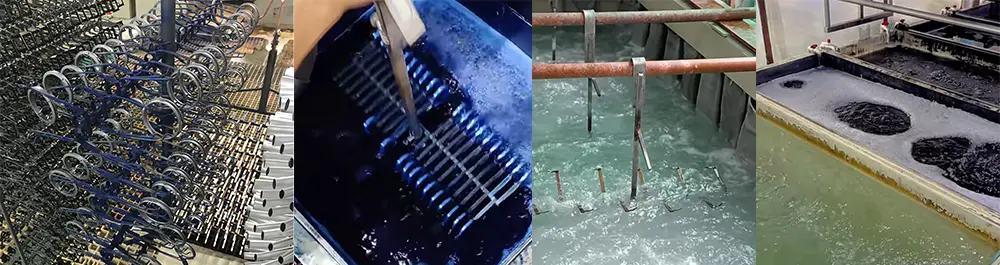
The cleaned parts are then transferred to the anodizing line, where an electrochemical process converts the outer layer of aluminum into a durable aluminum oxide film. Depending on the product specifications, the anodized layer may remain in its natural color or be dyed black, gold, blue, red, or other colors before sealing.
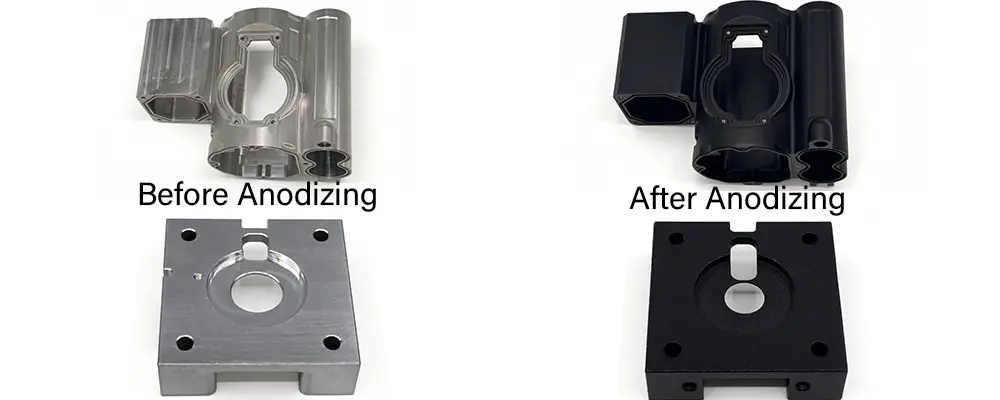
After anodizing, every part should be inspected for coating appearance, color consistency, and overall surface quality. For precision CNC machined components, critical dimensions may also require verification to ensure that the anodized coating does not affect assembly or functional requirements.
At RYH Machining, anodizing is considered the final stage of the manufacturing process rather than an independent operation. From material selection and precision machining to surface preparation and final inspection, every step contributes to achieving a high-quality anodized aluminum component.
Raw Material → CNC Machining → Deburring → Surface Preparation (Bead Blasting /sandblasting / Brushing / Polishing) → Cleaning → Anodizing → Sealing → Final Inspection → Assembly or Shipment
Common Anodizing Colors for CNC Machined Aluminum Parts
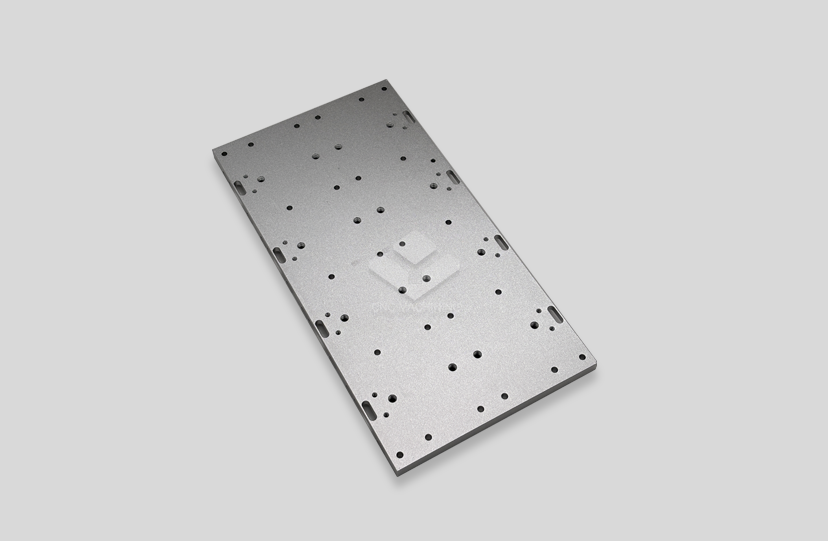
The most common anodizing colors include Natural (Clear), Black, Gold, Blue, Red, Silver, and Champagne. Among them, black anodizing is by far the most popular choice for precision CNC machined components because it provides a modern appearance while effectively hiding minor machining marks and fingerprints. Black anodized aluminum parts are widely used in robotics, coffee machines, medical devices, electronic enclosures, and industrial equipment.
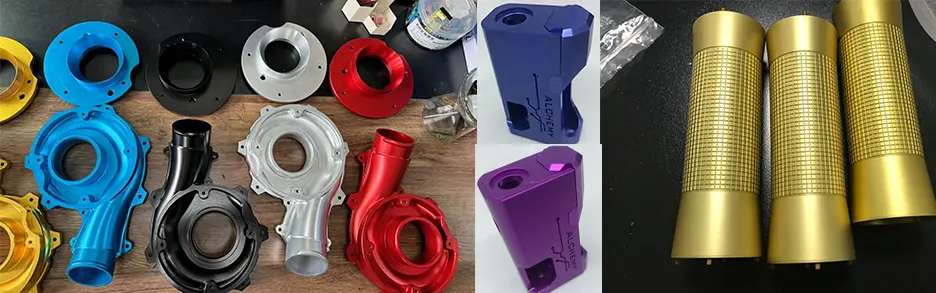
Natural anodizing preserves the metallic appearance of aluminum while improving corrosion resistance, making it suitable for components that require a clean and technical look. Gold and champagne finishes are often selected for premium consumer products, while blue and red anodizing are commonly used for decorative or identification purposes.
It is important to understand that the final anodized color is influenced by several factors, including the aluminum alloy, surface preparation, anodizing process, and dyeing method. Therefore, slight color variations may occur between different materials or production batches.
For projects requiring high appearance consistency, engineers should select appropriate aluminum alloys and define color expectations during the product design stage.It is worth noting that when machining aluminum colored anodes, such as red, blue, and gold, if quality control is not taken into account, there may be slight differences in color between each batch. These color differences are mostly caused by the different proportions of various chemical elements contained in the aluminum alloy raw materials. We are still working hard to find a solution.