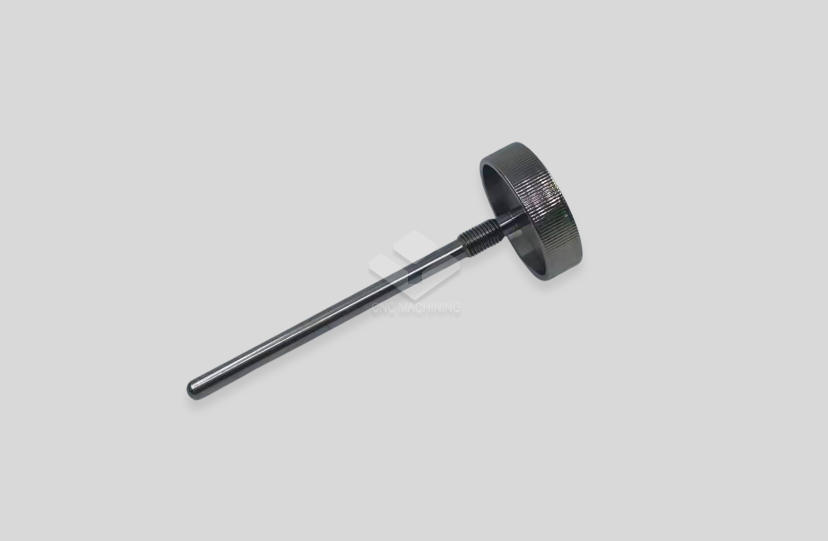
Why You Need Aluminum CNC Machining
When a business needs precise metal parts that are also light and strong, they need to have Aluminum CNC Machining. Tight tolerances, quick development, and the ability to go from making one prototype to making a lot of them are all possible with this way of making things. This solves important problems in buying. Selecting Aluminum CNC Machining is a smart move for procurement managers, engineers, and supply chain leaders because it speeds up development, reduces waste, and makes sure that quality is maintained throughout production runs. In the end, this helps products work better and get to market faster.
Introduction
Purchasing managers, mechanical engineers, marketers, and original equipment makers (OEMs) who buy things for other businesses will find this guide very helpful. It goes into great detail about precision Aluminum CNC Machining. CNC cutting of brass metals is a very accurate way to make things that are needed in many fields to meet strict standards for quality, performance, and time. When buying, teams know the basics, benefits, and selection criteria for suppliers, and they can make smart decisions that increase the reliability and cost-effectiveness of the products they buy. It doesn't matter if you need prototypes for medical devices, structural parts for automation equipment, or key assemblies for electric vehicles. This guide will help you understand how hard it can be to machine aluminum and find reliable suppliers who are more like manufacturing partners than just machine shops.
Understanding Aluminum CNC Machining
What is CNC Machining of Aluminum Alloys?
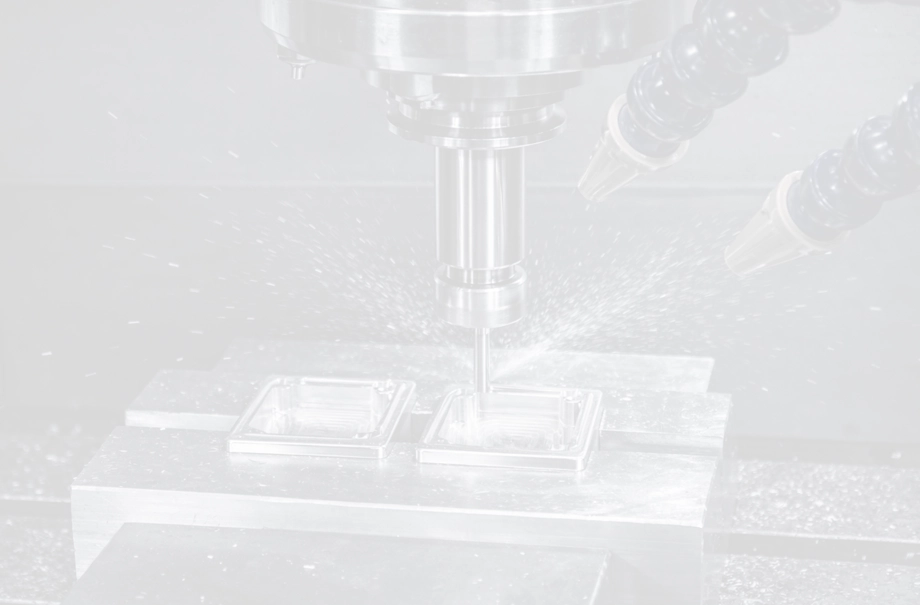
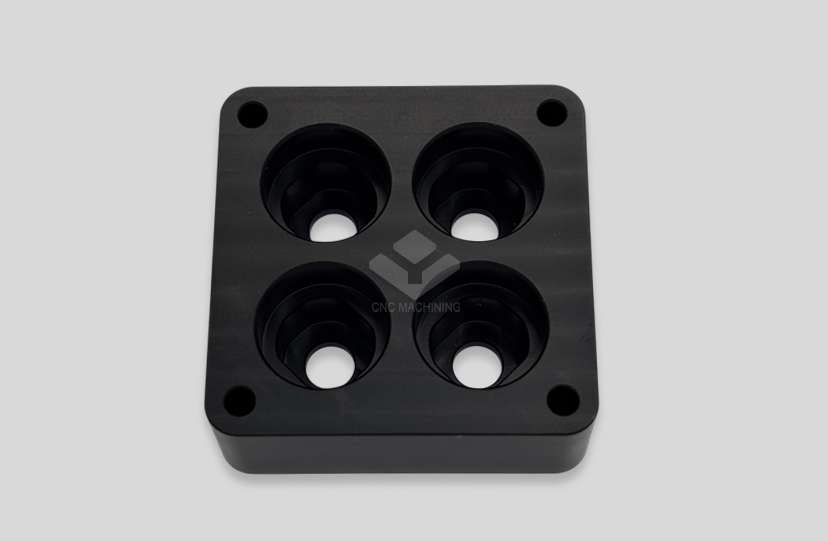
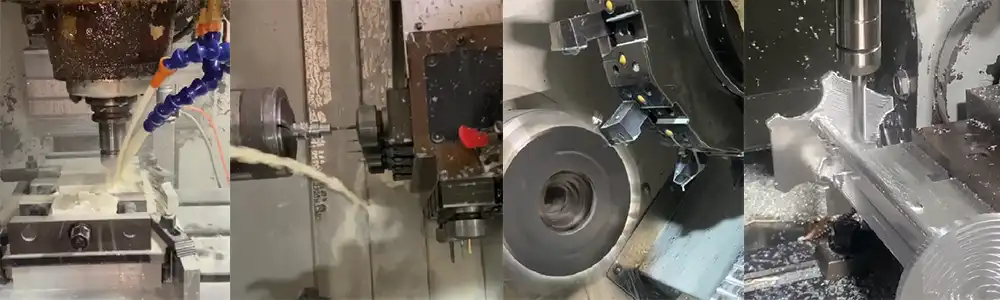
When you grind and turn metal with computer control, machines use computer-controlled tools to cut aluminum alloys. This gives you very exact and consistent results every time. Aluminum CNC Machining methods, on the other hand, make things fast even when they have complicated forms and tight tolerances. CAD models or technical images are often used as digital design files at the start of the process. The next steps are grinding, drilling, and finishing. During these steps, special cutting tools and coolants are used to make the material work better.
Key Aluminum Alloys in CNC Manufacturing
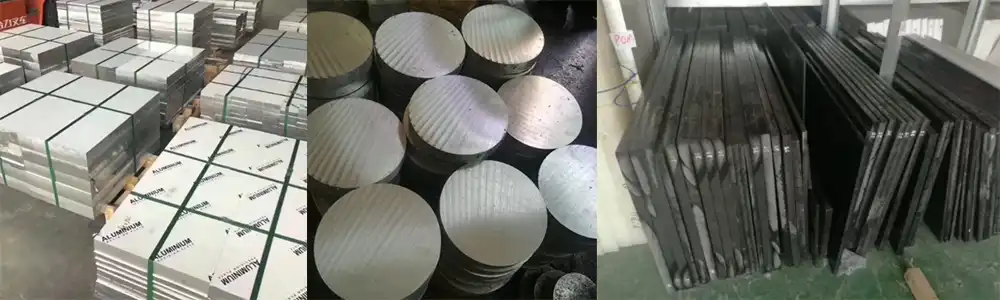
How easy it is to work with, how strong it is, and how well it fights rust depend on the aluminum alloy that you choose. Because it is easy to machine and doesn't have a lot of strength, alloy 6061-T6 is great for general structural uses and parts that need to be anodized. 7075-T6, on the other hand, is better for aeroplanes and high-stress uses because it has a higher tensile strength, but it is harder to make. In European markets, the 6082 metal is well-known. It is better at resisting corrosion and has a tensile strength that is 10-15% higher than 6061. Because of this, it is best for high-load structural uses. This information is important for professionals who buy things so they can pick parts that meet their exact needs in terms of function and performance while also keeping prices in mind.
Process Workflow and Precision Capabilities
These days, multi-axis machining centers come in three, four, and five-axis models. Tolerances of up to ±0.005mm let them make complicated forms with important parts. When cutting, high-speed spindles keep the heat from moving around too much. This stops thermal distortion, which can make it hard to get the sizes of thin-walled parts right. Tools last longer, and the surface finish is better with flood cooling systems and specific toolpaths. This directly impacts how quickly parts are made and how much they cost.
Why Choose Aluminum CNC Machining Over Other Methods?
Comparing Manufacturing Processes
Both Aluminum CNC Machining and metal fabrication have their pros and cons. Aluminum CNC Machining is better at accuracy, repeatability, and speed of turn-around than casting, which has longer lead times and less design freedom. For traditional casting, you need to buy pricey tools and deal with strict rules. On the other hand, computer-controlled cutting makes sure that every run is the same size and shape. Adding to the complexity of the part's internal geometry is possible with additive manufacturing. However, Aluminum CNC Machining gives useful parts that are subject to dynamic loads a better surface finish and better mechanical properties. Making things out of sheet metal is good for making big, easy panels, but multi-axis cutting can make things that are more complicated in three dimensions.
Material Performance Advantages
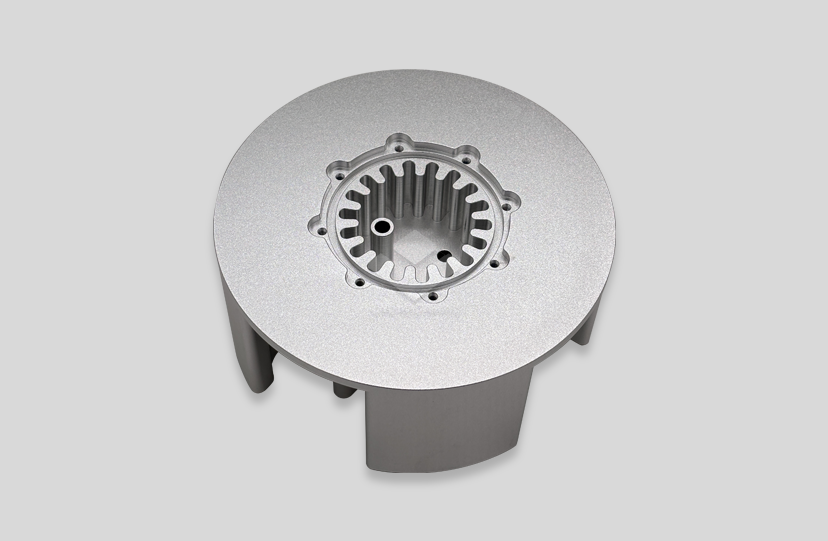
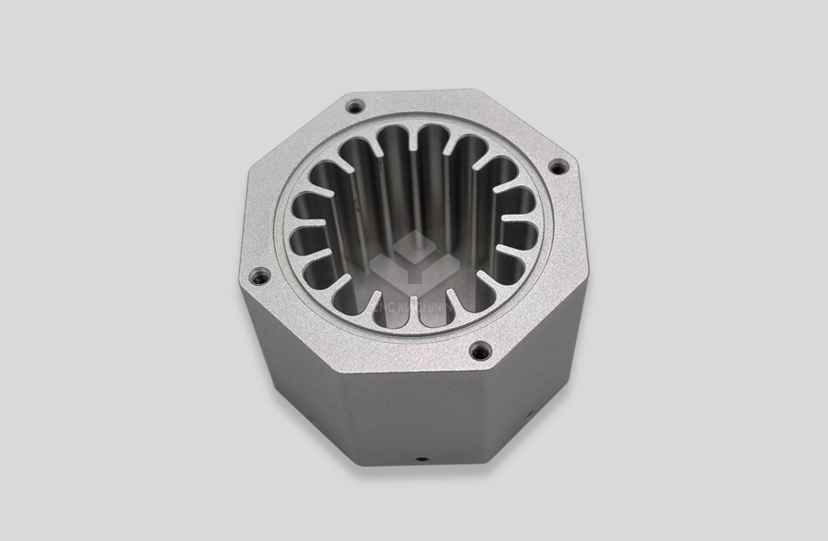
Aluminum is a good alternative to steel because it is lighter and doesn't rust. Because of this, it can be used in areas like cars, aeroplanes, and boat equipment. Being able to compare strength to weight is very useful for robotic systems, UAV parts, and portable medical devices, where reducing weight directly improves performance. Another good thing about aluminum is that it moves heat around better than many industrial plastics. This means that machined aluminum heat sinks and electronic cases are better at getting rid of heat.
Economic Considerations
Business-to-business buyers can pick the best process for their project based on things like cost, speed, material needs, and how well it works in the end. Because it doesn't need expensive moulds or dies, Aluminum CNC Machining is a cheap way to make prototypes and small batches. When making more, costs stay low because of competitive hourly rates and good use of materials.
Benefits of Aluminum CNC Machining for B2B Procurement
Quality, Consistency, and Repeatability
Making things out of precision metal ensures that the quality is always the same, which is important for meeting strict industry standards. There is no room for error because computer-controlled processes make sure that every part meets the requirements, no matter how many you order. This consistency is very important for people who make medical devices that need materials that are FDA-approved and tight control over sizes. It's also very important for car dealers who keep quality processes with no mistakes.
Accelerated Product Development
It takes less time to get a product to market if prototypes can be quickly turned into full production. This makes it easy to use rapid development methods. For simple forms, samples can be made in as little as three days and as little as one week with fast prototyping. Before going on to mass production tools, this lets engineering teams make sure that ideas work, check to see if they fit, and test how they work. This method of iterations cuts down on design mistakes that cost a lot of money and speeds up the launch of a product. This is great for companies and R&D teams that are under a lot of pressure from rivals.
Cost Efficiency and ROI
Cost savings are made possible by competitive processing rates and volume discounts. This gives a strong return on investment over time. Machining doesn't lose as much material as some other ways of making things, and since it doesn't need tools, it saves money right away on special parts. Without minimum order amounts that make it hard for smaller engineering firms to get cash, volume pricing systems reward orders that are bigger.
How to Select the Right Aluminum CNC Machining Supplier
Quality Certifications and Standards
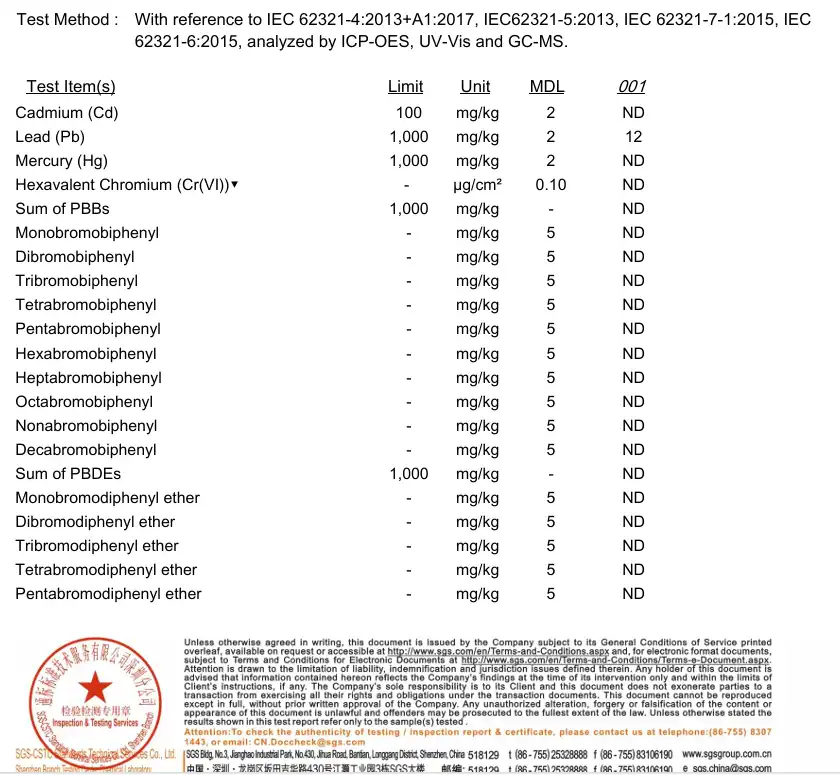
Some things you should look for in a good provider are quality certifications like ISO 9001, manufacturing skills, the ability to make things, and wait times. Following foreign standards like ASTM B221 and EN 755 makes sure that products can be tracked and that performance is uniform. Certifications show that you are committed to quality management systems. Medical device makers should get inspection reports, material certifications, and other paperwork from their suppliers that show they follow FDA rules and are biocompatible.
Technical Expertise and Engineering Support
To find the best custom Aluminum CNC Machining service, you should check how knowledgeable the staff is, how fast they can respond, and how well they can handle difficult orders while still maintaining high quality. There are no middlemen at the best providers, so engineers can talk to each other directly. This keeps designs from getting messed up and projects from being finished on time. Before a part is made, a design for manufacturability study helps make it better and cheaper to make. Giving advice on how to pick the right materials, make the structure better, set tolerances, and finish the surface shows the professional detail that is needed for a team to work well together.
Production Flexibility and Scalability
When looking for a factory partner, it's important to be able to control exact tolerances, get orders done quickly, and have access to services for shipping around the world. It's easier to manage the supply chain and keep the design's secrets safe when you don't have to go to different sources for small amounts for samples and large amounts for production. Trial runs and low-volume production are easy to do with small-batch manufacturing. This is popular in projects that need to use special tools or come up with new ideas.
Response Speed and Communication
The engineers at RYH have an average of 15 years of technical experience, and the company has modern multi-axis tools. The service is customer-focused, and the main goal is to solve procurement problems. Our promise is to always deliver high-quality parts on time. To do this, we offer quick quotes and clear communication throughout the job. When we talk to expert people one-on-one, we clear up any confusion and make decisions faster. Our fast global door-to-door delivery services make foreign logistics easier for small and medium-sized businesses.
Designing for Aluminum CNC Machining: Best Practices
Optimizing Geometry for Manufacturability
If you want to get the most out of Aluminum CNC Machining and keep costs as low as possible, you need to design things well. Some of the best ways to make things are to keep the wall thickness at the right level to avoid deflection during cutting, avoid overly complicated geometries that make tool paths and cycle time longer, place holes correctly to make standard tools easier to use, and stick to realistic tolerances that balance functional needs with production costs. For non-critical features, standard ISO 2768-m tolerances are fine. Tougher standards should only be used for useful contacts and areas that connect to other parts.
Surface Finishing Options
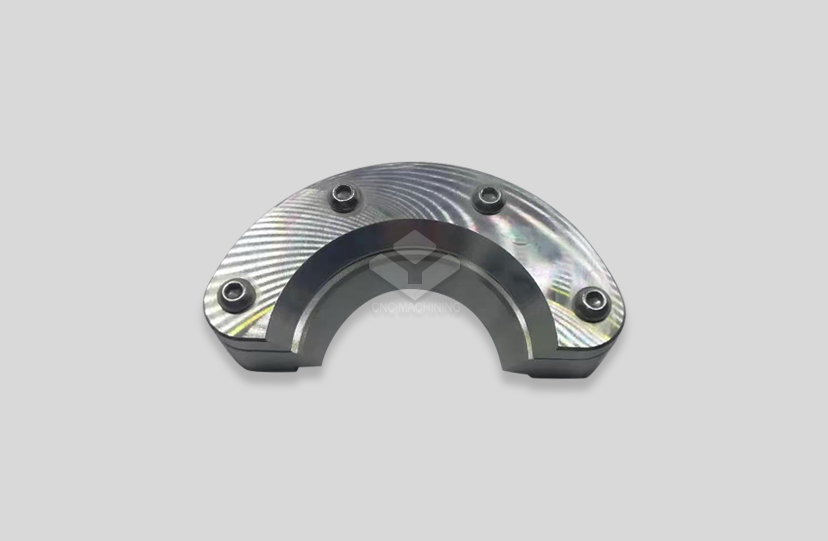
Polishing, bead blasting, or anodizing the surface of something not only makes it look better, but it also makes it less likely to rust and wear down. With clear anodizing, you can protect something from rust without changing how it looks much. With colour anodizing, you can decorate parts that people will see in a way that you choose. For tasks that need to be resistant to wear, hard-coat anodizing makes the surface harder. Chemical film processes get surfaces ready to paint or temporarily protect them from rust. It's important to talk to the supplier early on because each step in the finishing process changes the sizes and tolerances a bit.
Avoiding Common Design Mistakes
Most problems can be avoided if you know about them. For example, walls that are too thin and shake while they're being machined; sharp internal corners that need small-diameter tools and slow feeds; or deep pockets with high aspect ratios. When it is possible, internal curves should match standard tool sizes. When features are placed, they should be thought about in terms of how the tool will be held and how it can be reached. Machine shops and procurement teams can work together during the planning phase to make sure that the parts can be made and are of good quality. This way, budget and function goals can be met without having to spend a lot of money on redesigns.
Conclusion
Precision Aluminum CNC Machining gives you the speed, accuracy, and flexibility you need for business-to-business buying today. When it comes to making things, this technology solves some big problems, like how to make sure engineers can talk to each other better, how to meet tight standards, and how to make sure orders happen on time. When you pick the right supplier—one that gives you direct technical support, a lot of different services, and high-quality systems that have been shown to work—procurement changes from a one-time deal to a long-term partnership that encourages new ideas and gives you an edge over your competitors. CPOs who want to make sure their goods are of high quality and the supply chain runs smoothly still need to know how to use CNC machines to cut aluminum. This is because businesses still want parts with complicated shapes that are light, don't rust, and don't break easily.
FAQ
What is the standard lead time for precision aluminum components?
Depending on how hard the design is and how smooth the final product needs to be, prototyping can take anywhere from three to seven days. Most runs take between two and four weeks, but shapes that are easier to make and have standard finishes may ship faster. Sometimes, you can get faster treatment for things that need to be done quickly, but the cost may change.
Can suppliers achieve ±0.005mm tolerances on all features?
Modern 5-axis machines can make sure that important holes and surfaces that fit together are accurate to within 0.005mm. Making all features meet such strict standards, on the other hand, costs more than it needs to. For most traits that aren't very important, ISO 2768-m tolerances work. However, real standards need better control. During the design review process, talking to your provider about tolerance needs will improve both quality and cost-efficiency.
Which aluminum alloy works best for parts requiring strength and anodizing?
Aluminum 6061-T6 is a great alloy because it is easy to work with, not too strong, and anodizes well, giving even colour results. Because it has copper in it, metal 7075-T6 has a higher tensile strength for tough uses. However, when it is anodized for decoration, the colour may change a little. 6082-T6 is a great middle ground between European standards and uses that need both high strength and good anodizing response.
Partner with RYH for Your Aluminum CNC Machining Needs
If you have very specific needs, RYH is ready to meet them with precision, aluminum CNC Machining made just the way you want it. Professionals with a lot of knowledge in both making things and making ideas work better will be talking to you when you work with us. From prototypes to large production runs, we are very good at working with shapes that are hard to sculpt, materials that don't work well with others, and very high standards of accuracy. It's like having an extra engineer on staff because we can get samples to you in as little as three days and provide full support, including DFM analysis, material permits, and ways to ship goods internationally. Find out why RYH is trusted by the biggest names in aircraft, medical devices, industrial equipment, and cars to do their CNC Milling on aluminum. Contact bill@bldmachining.com right away to talk about your project and get a thorough quote that takes your budget, schedule, and technical needs into account.
References
1. Kalpakjian, S. and Schmid, S.R. (2014). Manufacturing Engineering and Technology, 7th Edition. Pearson Education Limited.
2. Groover, M.P. (2020). Fundamentals of Modern Manufacturing: Materials, Processes, and Systems, 7th Edition. John Wiley & Sons.
3. American Society for Metals International. (2018). ASM Handbook Volume 2: Properties and Selection of Aluminum Alloys. ASM International.
4. Society of Manufacturing Engineers. (2019). CNC Machining Handbook: Building, Programming, and Implementation. Society of Manufacturing Engineers Press.
5. European Aluminum Association. (2017). The Aluminum Automotive Manual: Applications – Car Body – Design – Sustainability. European Aluminum Association Publications.
6. Davis, J.R. (2001). Alloying: Understanding the Basics. ASM International Handbook Committee.