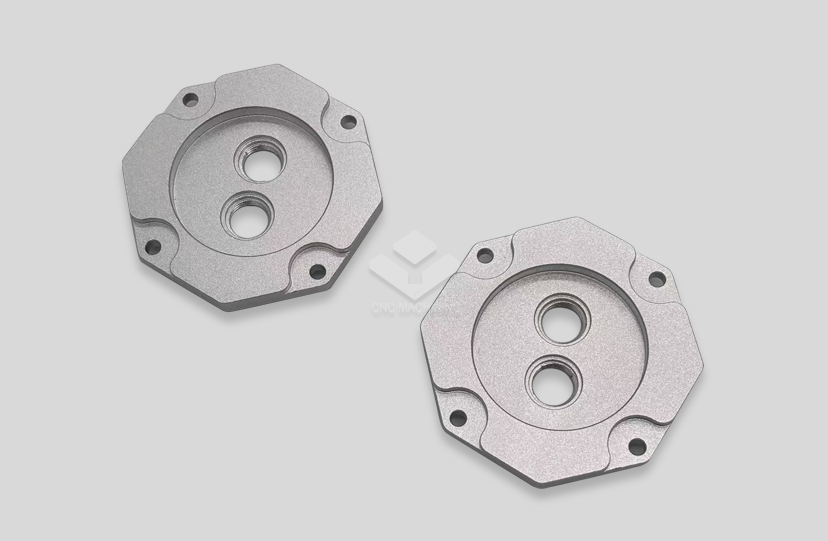
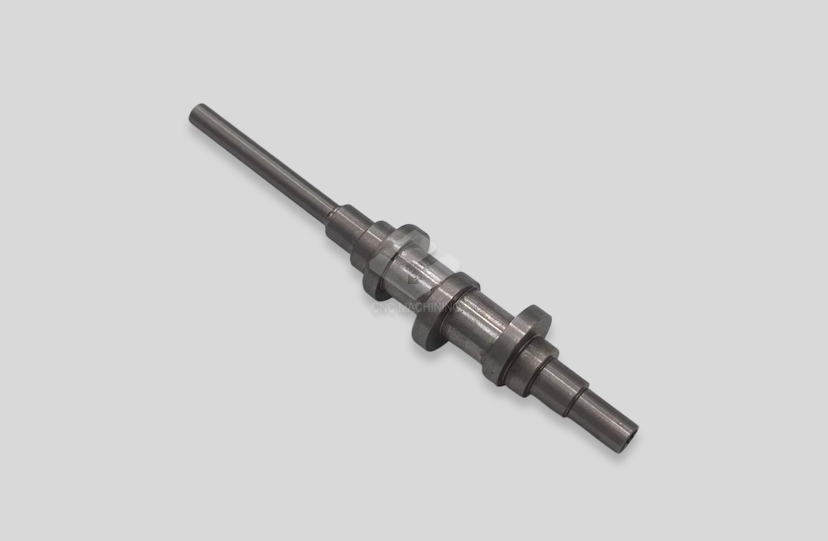
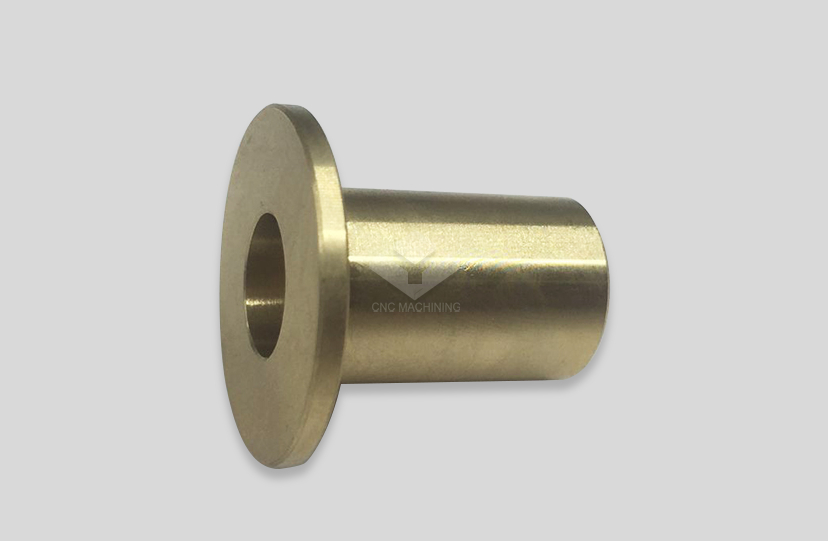
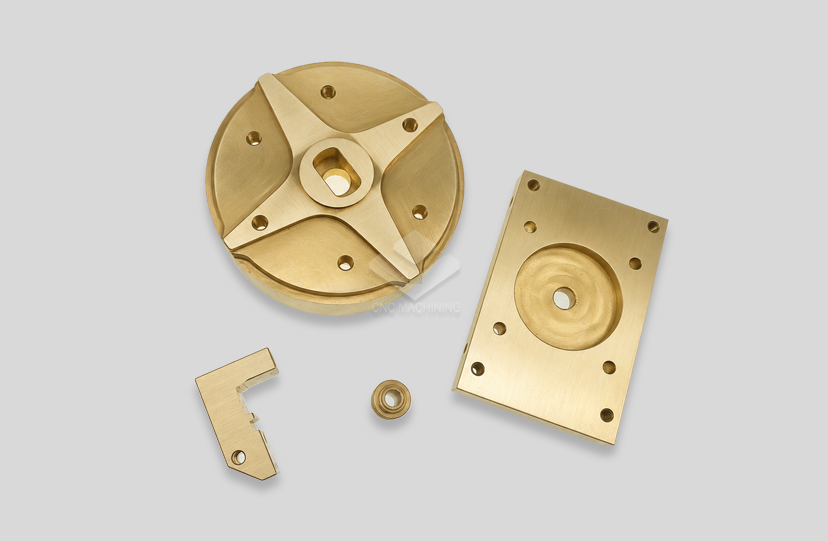
Swiss Machining & Its Role in Modern Manufacturing
Swiss Machining is a specialised method for precise turning that has changed the way makers work with small, complicated parts in many important industries. This method comes from Switzerland's history of making watches. It uses sliding headstock lathes with guide bushing support to make parts up to 25 mm in diameter with tolerances as tight as ±0.01 mm. Unlike traditional lathes, where deflection of the workpiece lowers accuracy, Swiss turning keeps the material close to the cutting point at all times. This makes it essential for medical implants, aerospace connectors, and automotive sensors, where safety and performance are directly affected by accurate measurements.
Understanding Swiss Machining: Definition and Process
The Core Mechanism Behind Precision
In Swiss-type turning, the main difference is that the workpiece moves instead of staying still. Bar stock moves through a guide bushing that is very close to the cutting tool, often just millimetres away. This closeness reduces misalignment and shaking, which can be problems when cutting long, thin parts. While the headstock moves along the Z-axis, material is fed through the bushing while the cutting tools stay in place. This backwards method solves a long-standing issue: keeping tight tolerances on parts with large length-to-diameter ratios.
Material Versatility and Tolerance Capabilities
Medical device makers often ask us to machine stainless steel SS316 parts for them because they need biocompatible materials with surface roughness values of Ra ≤ 0.8 μm. Our six Swiss CNC lathes can work with metal for connectors in electronics, titanium for use in spacecraft, and different types of plastic for sensor housings. Complex features like variable-pitch threads, undercuts, and cross-holes can be made easily with this method, and they can all be done in a single setup. Because it can do more than one thing, it cuts down on secondary operations. This shortens lead times from weeks to days while keeping the same dimensions across production runs.
Industry Applications Driving Demand
Medical device companies depend on this technology for orthopaedic bone screws, where the accuracy of the threads affects how well the patient does. Electronics companies use it for tiny connector pins that need to fit perfectly inside tight housing systems. For EV battery management systems, automotive providers are asking for Swiss-turned sensor housings more and more. In these systems, thermal expansion tolerances are recorded in microns. Each application has the same needs: it needs to be small, have complicated geometry, and not be able to handle any differences in size.
Swiss Machining vs Traditional Machining Methods: Making the Right Choice
Precision Comparison in Real-World Scenarios
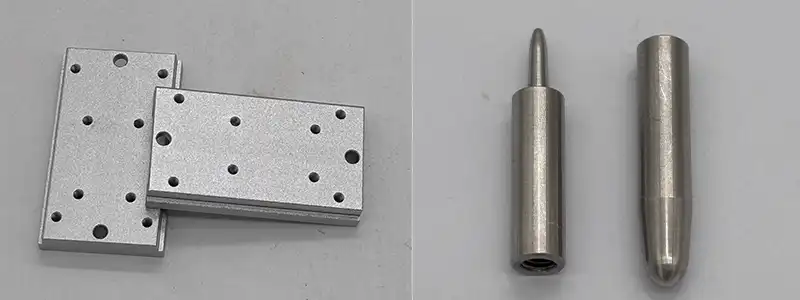
Traditional CNC lathes are great at making parts with a width of more than 25 mm, but they have trouble with thin parts because the tool pressure causes them to bend. A normal turning center could grip a 3 mm shaft that is 50 mm long with ±0.05 mm of error. Because the guide bushing stops almost all movement, Swiss technology can get ±0.01 mm on the same part. This difference is very important in fields like making semiconductor equipment, where even a misalignment of 0.02 mm can lead to production failures that cost a million dollars.
Cost Structure and Lead Time Factors
The hidden cost advantage of Swiss Machining is the time it takes to set up. Usually, conventional cutting needs more than one setup to finish complicated features, and each repositioning can cause mistakes. When you use a Swiss lathe, you can do most of the work in just one step, which saves both time and tolerances over time. For prototype batches of 50 to 100 parts, we usually quote turnaround times of 3 to 5 days, compared to 10 to 14 days for regular multi-setup processes. When making more than 1,000 units, the single-setup edge has a big effect on unit cost, making labour economy stand out even more.
When to Choose Swiss Technology
Parts with a diameter of less than 25 mm and a length-to-diameter ratio greater than 4:1 are obvious choices. Swiss machines with live tools and sub-spindles are good for parts that need extra operations like thread whirling, cross-drilling, or polygon milling. Simple parts with a diameter of more than 32 mm, on the other hand, often cost less on older machines. During the quote phase, we help customers make this choice and sometimes suggest different methods when they better meet the technical and financial goals of the project.
Key Benefits of Swiss Machining for Modern Manufacturing
This special way of turning has benefits that go beyond just measuring precision; they directly address problems that purchasing managers and design engineers have every day. Knowing about these benefits helps make the cost of finding good Swiss Machining partners more manageable.
Material efficiency stands out right away. Since bar stock keeps going through the collet, the only thing that is left over is the small piece at the end of each bar, which is usually less than 50 mm. When parts are switched out, traditional chucking operations waste a lot more material. This economy can cut the cost of expensive materials like titanium or Inconel by 15 to 20 percent over the course of a production run.
With Swiss technology, operations can be done at the same time, which cuts down on cycle time. The main spindle cuts the main diameter, and live tools can mill flats, drill cross-holes, or cut slots without having to move the workpiece. While the main spindle starts the next piece, sub-spindles pick up finished parts for work on the backside. When compared to standard equipment that works in a straight line, this parallel processing can cut run times in half.
Because Swiss Machining eliminates the uncertainties that come with using different machine setups, quality consistency improves significantly. The cutting forces, support conditions, and tool paths remain consistent for each part. We maintain Cpk values above 1.67 for critical dimensions of SS316 medical components, ensuring that in production runs of 10,000 or more pieces, almost no parts fall outside the specified tolerance range.
These benefits directly address the issues our customers bring up during the initial engineering discussions: shortening the time it takes to make a prototype, making sure that each batch is the same so that we can follow the rules, and lowering the total cost per part by increasing yields and reducing the need for secondary operations.
Selecting the Right Swiss Machining Partner: What B2B Buyers Should Know
Manufacturing Capability Assessment
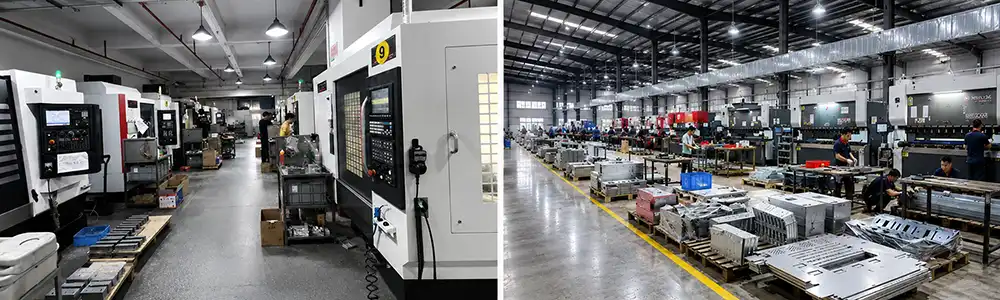
Being able to do more than just means having Swiss tools. We have six Swiss-type CNC lathes, but what's more important is that our operators have worked with this technology for an average of 12 years. It takes years of experience handling production problems to learn how to program guide bushing clearances, set tool paths for complex shapes, and find the best feed rates for different materials. When looking at possible partners, it's important to ask for examples of parts that are similar to your needs in terms of complexity, not just size or material.
Quality Systems and Certification Requirements
While ISO 9001 certification is a good starting point for security, industry-specific standards are more important in controlled areas. Manufacturers of medical devices need providers who know about the FDA's standards for material tracking and can provide material approvals, dimensional inspection reports, and process validation paperwork. For the first item inspection, we use CMM tools; for in-process tracking, we use micrometres and optical projectors; and for the final inspection, we follow standards that are set by the customer. Ask potential partners how they keep track of and share high-quality data; this will show how well they can meet the needs of picky customers.
Communication and Technical Support
Direct communication between engineers gets rid of the translation mistakes that happen on many complex projects. Customers can talk about tolerance allocation, material selection trade-offs, and surface finish needs directly with the people who program machines and keep an eye on production. This makes projects go more quickly and with fewer misunderstandings. Through photos and videos of parts being machined, we provide visual production transparency. This gives customers confidence that their specifications are being followed correctly. Response time is also important. We usually give quotes within 24 hours and can make examples in 3–7 days, which lets us develop products quickly.
Building Long-Term Manufacturing Partnerships
The best ties with suppliers are more like friendships than just business deals. We actively help new businesses get started by letting them choose the size of their orders and giving them technical support while their products are being developed through Swiss Machining. If there are problems with the dimensions, we remanufacture the parts for free within one week and pay for the shipping. This commitment to fixing problems builds trust that goes beyond just one purchase order. Look for suppliers who see your success as an important part of their own. They will show this by being quick to respond to your questions and ready to work with you to improve the design.
Emerging Trends and Future Outlook of Swiss Machining
Automation and Process Integration
Modern Swiss lathes are getting more and more automated so that they can be used for manufacturing without lights. Bar feeders let machines run for 8 to 12 hours without a person being there, and automatic part handling systems let multiple shifts keep working without stopping. This trend toward automation helps U.S. manufacturing operations compete on cost while also making it easier to find workers. In-process measurement systems are also being used more and more. These systems check important dimensions while machining and automatically move tools to keep tolerances the same throughout production runs.
Multi-Axis Capabilities and Hybrid Processing
It's getting harder to tell the difference between Swiss turning and mill-turn technology. Machines can now move up to 9 directions at the same time, so they can turn, mill, drill, and grind all at the same time. With this increase in capabilities, Swiss technology can now be used for geometries that are getting more complicated and used to need multiple dedicated machines. Parts that used to need three separate steps—Swiss turning, CNC milling, and cylindrical grinding—can now be finished in one cycle.
Sustainability Through Efficiency
People are interested in Swiss Machining's natural effectiveness because it is good for the environment. Less waste of materials, less energy use per part due to faster cycle times, and the lack of extra processes all help to lower carbon footprints. Medical device companies with ESG goals are increasingly looking for suppliers who can show measurable improvements in efficiency. This means that Swiss technology's ability to reduce waste is more than just a cost advantage.
Conclusion
Switzerland's Swiss Machining technology is still very important for companies that need to make small parts accurately, consistently, and quickly. Its unique way of supporting workpieces allows for tolerances and surface finishes that aren't possible with other methods. This makes it an essential tool in the medical, aerospace, electronics, and automotive industries. As products get more complicated and people expect higher quality, this technology will continue to be useful thanks to automation, multi-axis integration, and digital tracking. If procurement professionals and design engineers know about these features, they can make decisions that improve both technical performance and project costs. This leads to better goods being delivered to customers faster and more reliably.
FAQ
What materials work best with Swiss machining processes?
It is best to use grades of stainless steel like SS316 and SS304 because they are easy to machine and can be used in many industrial and medical settings. Aluminium and brass are easy to work with and have great surface finishes. Titanium and high-temperature metals are harder to work with, but they can be done with the right tools and knowledge. When choosing a material, you should think about where it will be used, what technical qualities it needs, and any rules or regulations it has to follow, like FDA rules for medical devices.
How does Swiss machining achieve such tight tolerances compared to traditional turning?
When placed close to the cutting tool, the guide bushing provides rigid support exactly where cutting forces are applied, which virtually eliminates deflection of the workpiece. This mechanical benefit, along with the design of the sliding headstock that moves material through a set cutting zone, ensures that the cutting conditions are the same along the whole length of the part. Parts can bend between the chuck and tailstock on traditional lathes because they only hold them at those two points. This is especially true for long, thin shapes.
What factors influence lead times for Swiss machined components?
Programming and setup time are affected by how complicated the part is. Components with multiple features need more careful tool path planning. If exotic alloys need to be ordered, it can take extra days to get the materials. Production volume affects scheduling. 10–50 prototypes usually ship within 3–5 days, but production runs that need specific machine time may take 2–3 weeks, based on how busy the machines are right now. Timelines are longer for secondary operations like custom anodising or specialised testing. Setting realistic expectations is easier when you're clear about the schedule priorities during the quotation.
Partner with RYH for Precision Swiss Machining Excellence
RYH is a reliable Swiss Machining supplier that has a track record of providing high-precision SS316 parts for tough applications. Our six Swiss-type CNC lathes can make parts with tolerances of ±0.01 mm on a width of up to 25 mm. We also offer a full range of secondary services, such as deburring, cleaning, and passivation. We offer direct technical communication that makes your designs easier to make and shorter lead times. Our engineers have more than 15 years of experience and are ISO 9001 certified. Contact bill@bldmachining.com right away to talk about your project needs and see what a difference it makes to work with a manufacturing partner who is dedicated to your success through open communication and on-time delivery.
References
1. Swiss Machining Technology Institute, "Precision Turning Methods for Small Diameter Components," Manufacturing Technology Review, 2023.
2. Groover, M.P., "Fundamentals of Modern Manufacturing: Materials, Processes, and Systems," 7th Edition, Wiley Publishing, 2020.
3. Society of Manufacturing Engineers, "Guide Bushing Applications in Swiss-Type Automatic Lathes," Technical Paper Series, 2022.
4. American Machinist, "Comparative Analysis of CNC Turning Technologies for Medical Device Manufacturing," Industry Report, 2023.
5. Kalpakjian, S. and Schmid, S.R., "Manufacturing Engineering and Technology," 8th Edition, Pearson Education, 2021.
6. Precision Machining Technology Association, "Quality Standards for Swiss Machined Components in Regulated Industries," Best Practices Guide, 2023.