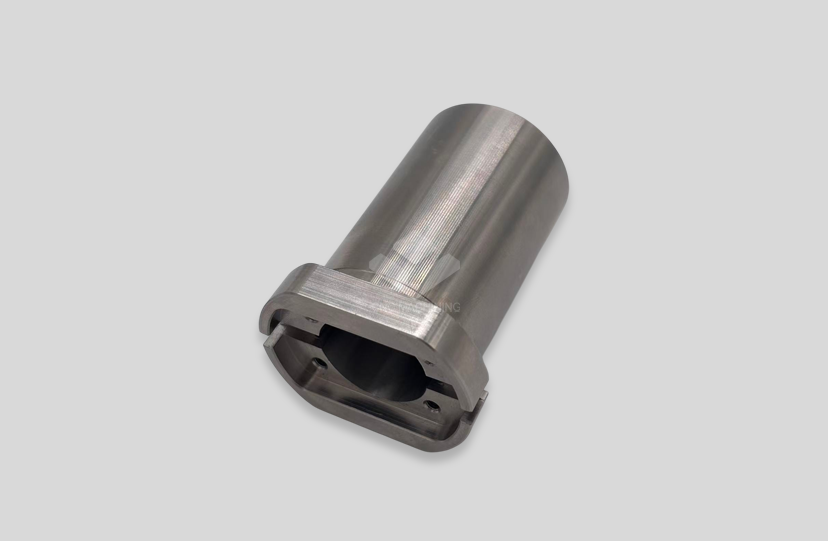
The Essential Guide to Understanding CNC Turning Services
When your engineering team has to make precision cylindrical parts quickly, CNC Turning Services are the best way to reach both the design goals and the production realities. Through rotational cutting, this computer-controlled machining process turns raw material bars into very precise parts, meeting the needs of current business-to-business buying for consistency and speed. If you want to find samples for a new medical device or increase production for automotive parts, you need to know how CNC turning works and how to choose the right partner. This will have a direct effect on your project timeline, budget, and product quality.
What Is CNC Turning and How Does It Work?
The Core Process Behind Rotational Machining
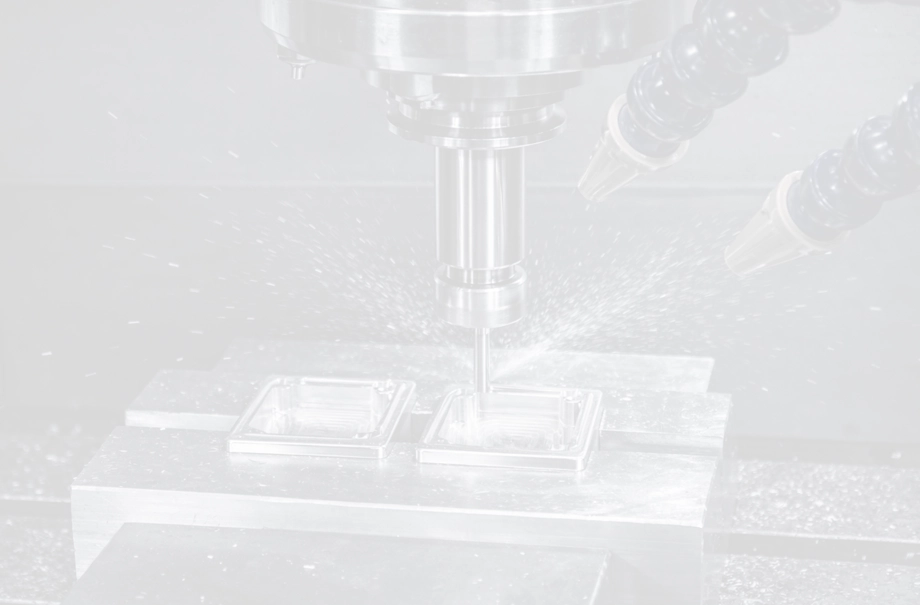
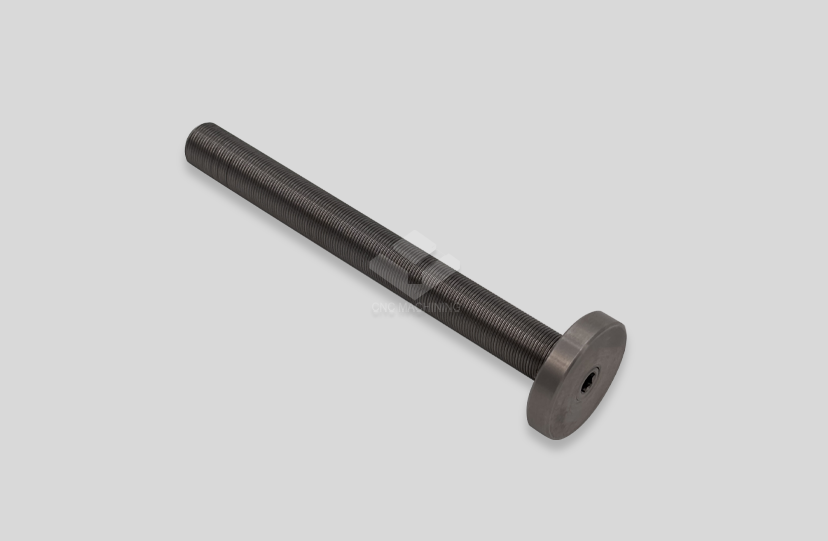
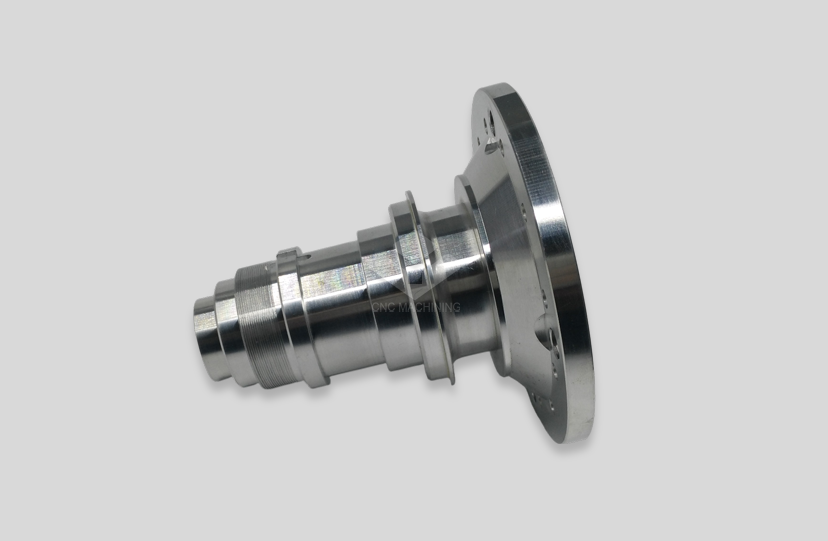
The idea behind CNC Turning Services is surprisingly simple: the item spins at a controlled speed while cutting tools that stay in one place remove material to make cylindrical shapes. Computer Numerical Control systems follow preset tool paths with micron-level accuracy, while workers adjust each cut on manual lathes. Because of this automation, there is no room for human error. This means that manufacturers can make thousands of units of the same part while keeping tolerances as tight as ±0.0005 inches.
Engineers start the process by turning CAD models into G-code instructions that the CNC controller can understand. As the spindle holds and turns the material—be it aluminum bar stock or engineering plastic rod—indexed tool turrets place carbide inserts exactly where the material needs to be removed. Multi-axis turning centers can do a lot of different jobs at once. They can make external sizes, internal bores, threads, and grooves without having to move the part.
Material Selection and Machining Considerations
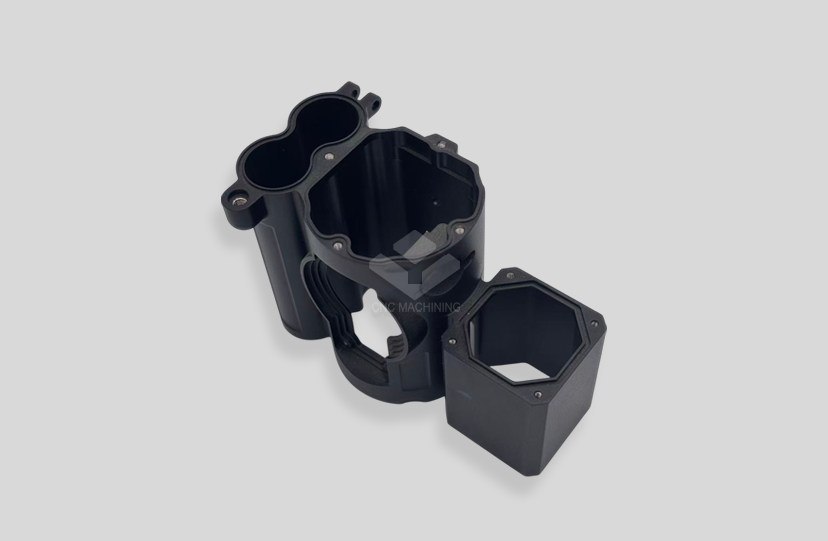
The choice of material has a big impact on both the way the part is machined and how well it works. Aluminum alloys like 6061-T6 are great for making aircraft brackets and electronics housings because they are easy to machine and do not rust. 316L grade stainless steel is better for medical devices and food processing equipment because it is stronger and does not react with chemicals as easily. However, it needs to be cut more slowly and with specialized tools.
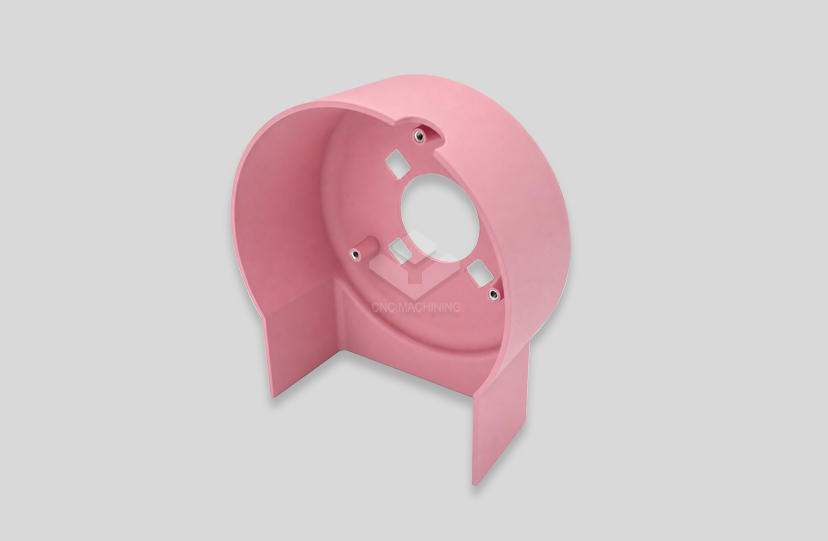
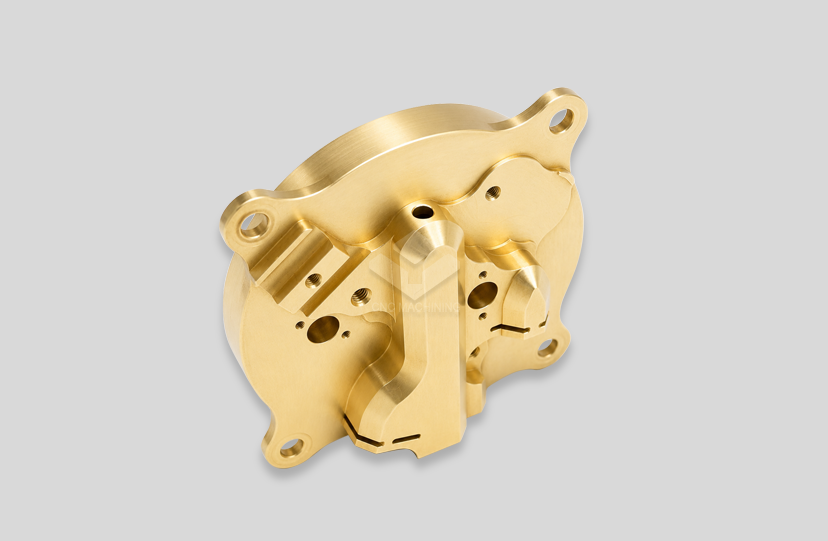
Because it is so easy to machine, brass stands out when it comes to making turned parts. Precision fitting, smooth cutting, and high production efficiency are all possible with Custom CNC Brass Turning Parts. This is especially helpful when you need fluid power valve stems or RF connections that must have good electrical conductivity. Engineering plastics like PEEK and Delrin are used to insulate against electricity or reduce weight, but their thermal properties mean that they need to be carefully managed when they are being cut.
Achieving Precision Through Controlled Parameters
The level of accuracy in measuring dimensions is what sets standard CNC turned parts apart from precision CNC turned parts. Tighter standards, a better surface finish, and tighter control of concentricity and roundness are what precision turning is all about. Normal turning might be able to hold tolerances of ±0.005" for non-critical parts, but precision work can reach tolerances of ±0.0005" or even smaller, which is necessary when making fuel injection nozzles or medical tool shafts where tiny errors can stop them from working.
The level of the surface finish is also important. Medical device makers need smooth surfaces with Ra values below 32 microinches for internal parts, while rougher finishes are fine for structural brackets. Milling can be done on turning centers with live tooling, which makes it possible to make flat surfaces, cross-holes, and keyways without having to do any extra work. This cuts down on lead times and handling risks.
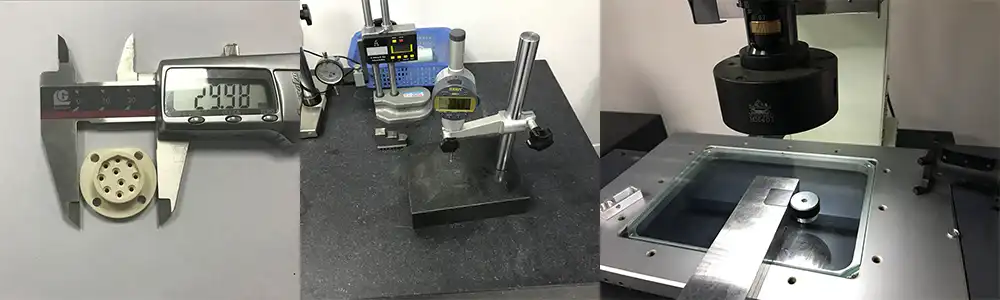
Benefits of CNC Turning Services for B2B Procurement
Speed and Accuracy Advantages Over Traditional Methods
By orders of magnitude, automated CNC Turning Services are much faster than manual machining. When skilled machinists finish ten parts per shift, the quality of those parts can vary. CNC systems, on the other hand, make hundreds of parts that all meet the same standards. This consistency is very important when your quality assurance team inspects new batches—rejected batches mess up assembly schedules and raise costs by requiring quick reorders.
Because CNC processes can be programmed, design changes can be made quickly. When your R&D engineers change the prototype's dimensions based on feedback from tests, it usually only takes 3–7 days to update the G-code and make new samples. This flexibility speeds up the development of new products, putting you ahead of rivals who are still stuck in slow, old-fashioned manufacturing processes.
Industry Applications Across Critical Sectors
In tough manufacturing settings, CNC Turned Parts show how useful they are. In aerospace applications, hydraulic fittings and fuel nozzles need to be able to handle high pressure and changes in temperature without breaking down due to fatigue. Precise turning meets these needs by controlling the material properties and making sure the dimensions are correct. Turned parts are used to make medical devices like orthopedic implants and surgical tool handles. These parts need to be finished in a way that does not harm the body and have very precise threading so they can be put together in clean areas.
High-speed rotational balance and wear resistance are necessary for engine shafts, sensor housings, and gearbox valves, which are all part of automotive engineering. Custom CNC Brass Turning Parts are used in HVAC and fluid power systems as high-pressure valve stems, pipes, and compression fittings. Their resistance to dezincification makes them last longer in damp places. Electronics companies get RF connectors and terminal pins made of brass because it conducts electricity better and blocks electromagnetic interference (EMI).
Flexibility for Prototyping and Production Scaling
The same CNC machine that makes five prototypes for your feasibility study can also make 5,000 production parts once you have a final design. Because of this, you don't have to qualify separate prototype and production suppliers. This makes the supply chain simpler and keeps the process knowledge you gained during sampling.
Many procurement managers have to deal with low turnover and high mix, and small-batch production can help. You don't have to commit to minimum order quantities (MOQs) that are higher than what is expected to be needed in six months. Instead, you can only order what your current projects need. This inventory optimization boosts cash flow and lowers the risk of items becoming obsolete when designs change.
Comparing CNC Turning Services: How to Choose the Right Provider?
Quality Certifications and Equipment Capabilities
Systematic quality management is shown by ISO 9001 certification, but credentials specific to the field are more important. Medical device providers should have ISO 13485 approval, which shows they follow FDA quality system rules. Aerospace suppliers need to be certified by AS9100 to show that they know how to meet the requirements for critical characteristic control and traceability.
Brands of machinery show how much they can do. Haas, DMG Mori, and Okuma make turning centers that are hard and stable at high temperatures, which is what precise CNC Turning Services need. Swiss-type lathes are great for making parts with a small diameter and a high length-to-width ratio, like sensor shafts and connecting pins. When looking at possible suppliers, you should find out what kinds of machines they use and how often they do preventative maintenance. Machines that aren't well taken care of can't consistently hold tight tolerances.
Cost Structures and Pricing Transparency
Watch out for quotes that seem incredibly low. When you underbid competition, there are often secret costs that come up after you've made a commitment. These could be setup fees, expedite fees, or inspection report extra. Reliable providers give detailed quotes that include the costs of materials, time spent on the job, tools, and finishing steps.
Discounts for buying in bulk are a real sign of economies of scale. Setting up takes the same amount of time whether you're making ten or a thousand parts, so as the number of parts you make goes up, so do the costs per unit. Minimum order quantities (MOQs) keep sellers from taking on small jobs that won't make them any money, but they can also make you carry too much inventory. Look for partners who can be flexible with prototype numbers and have clear price tiers that change as volume goes up.
Engineering Support and Communication Quality
Technical communication is what sets real manufacturing partners apart from job shops that take orders. When you send in plans, does an engineer look them over to make sure they can be made before giving you a quote? Do they offer suggestions for changes to the design that lower costs or make it work better? This conversation between engineers finds problems before they become chips. This keeps projects from having to go through the expensive fix cycles that happen when Design for Manufacturability (DFM) analysis isn't done up front.
Direct contact between engineers gets rid of the errors that come up when there are middlemen. Specifications are more likely to be met when your mechanical designer can talk directly with the machinist programming the job about tolerance stackups, material replacements, or surface treatment choices. This partnership cuts down on revision cycles and helps both sides understand each other better, which is important for long-term supply ties.
Streamlining Procurement: Ordering and Managing CNC Turning Services
Effective RFQ Submission Practices
Full expert paperwork speeds up the quote process and lowers the risk of mistakes. Send in both 2D and 3D CAD models. Solid models let suppliers directly program CNC Turning Services operations, while drawings make sure that important measurements and limits are understood. Give full details about the types of materials, such as how to heat aluminum or anneal stainless steel. Costs go up because providers have to quote carefully when the requirements aren't clear.
In the initial RFQ, you should include requirements for surface finish, plating, and inspection. Finding out in the middle of a project that your assemblies need to be anodized adds time and money. If your quality system needs them, ask for material certifications and inspection reports up front. Some sellers charge extra for paperwork that others include for free.
Lead Time Management Strategies
Lead times for turned parts are usually between two and four weeks, but can be longer or shorter based on the difficulty and quantity. This can be cut down to 3–7 days with prototyping rushes, but there are fees for this. When you know what affects wait time, you can make more realistic plans. Getting materials takes several days if suppliers don't have the alloy you need in stock. Setting up complicated sets that need special tools or fixtures takes more time to get ready.
Adding a buffer to project schedules keeps people from feeling desperate and having to accept delivery terms that aren't the best. Release production orders as soon as possible while prototypes are being tested, but only after the design has been confirmed. Testing should be ready to start as soon as the design has been approved. This overlapping cuts down on the critical path duration without making a commitment too soon.
Establishing Long-Term Supply Partnerships
When you shop around for the best deal every time, you give up important consistency in transactional interactions, and for CNC Turning Services, suppliers who know your tolerances, surface finish preferences, and inspection requirements can produce better parts more efficiently, while long-term contracts with agreed-upon pricing structures simplify budgeting and secure capacity during demand spikes. When suppliers know your tolerances, surface finish preferences, and testing needs, they can make better parts more quickly. Long-term contracts with agreed-upon pricing structures make budgeting easier and make sure that capacity is used when demand goes up.
If your predictions come true, volume agreements can help you get better prices. Instead of legally binding contracts, you might want to think about framework deals that set price levels and lead time guarantees for certain yearly volumes. Make sure there are options for changing the design and being flexible for prototype batches that don't fit normal guidelines. The goal is mutual commitment that works for everyone: suppliers see more revenue, and you get flexible capacity.
Future Trends and Innovations in CNC Turning Services

Automation and Smart Manufacturing Integration
Robotic systems for loading and removing parts allow CNC Turning Services lathes to work all night without any help from a person. This is called "lights-out machining." This technology greatly raises output without raising the cost of labor in the same way. Investing in handling systems pays off in high-volume output by making things more efficient and cutting down on wait times.
IoT-enabled machine tracking lets you see how production is going in real time. Spindle load, sound patterns, and tool wear are all tracked by sensors, which start preventative maintenance before problems happen. This method of planning ahead cuts down on unplanned downtime that causes delivery plans to be thrown off. Some suppliers now have customer portals where you can see live production dashboards that show the status of your order and when it's expected to be finished.
Emerging Material and Process Capabilities
When you combine additive production, you can make mixed processes that use both 3D printing and CNC turning. Complex internal geometries are printed, and then the surfaces are turned to get the accuracy and finish that comes from traditional methods. This mix opens up more design options, especially for medical and aircraft uses where reducing weight and personalization are important.
Pressures to be more environmentally friendly lead to new ideas in cooling systems and chip recovery. Minimum quantity lubrication keeps tool life up while lowering the amount of fluid used. Advanced chip conveyors and centrifuges sort swarf by the type of material it is made of. This makes recycling possible, which returns the value of raw materials and lowers the cost of getting rid of trash.
Strategic Recommendations for Procurement Teams
Competitive benefits come from proactive supplier growth. Instead of waiting until a production crisis forces you to make quick choices, take the time to find and qualify backup sources for important turned parts. Diversification lowers the risk when main sellers have problems with quality or capacity.
When manufacturing partners are involved in the early stages of product development, the products are easier to make. When providers are involved in the early stages of the design process, they look for ways to simplify the design that save money without sacrificing usefulness. With this partnership approach, suppliers go from being just vendors to being strategic assets.
Conclusion
To use CNC Turning Services well, you need to find a balance between professional accuracy and practicality when buying things. When you need precision turning, you need machining skills, material knowledge, and quality systems that work with your project timeline, budget, and long-term supply chain strategy. Instead of just looking for the lowest prices, you should focus on the quality of technical support, the depth of production capability, and quick communication. This will help you build supply relationships that shorten development processes and guarantee consistent component quality. Manufacturers who do well see turning services as partnerships where they can talk about technology and work together to build value that goes beyond what business relationships can offer.
FAQ
What tolerances can CNC turning achieve?
Standard CNC turning keeps margins of ±0.005 inches for most parts, which is good for tasks that aren't very important. Precision turning can get as accurate as ±0.0005 inches or better by using controlled tools, managing heat, and making sure the process is thoroughly tested. Ultra-fine tolerances are often needed for medical and aircraft parts where differences in size could affect safety or usefulness.
How does CNC turning differ from CNC milling?
When you turn, the workpiece spins while the tools stay still. This is great for making circular parts like shafts and bearings. When milling, cutting tools are turned against workpieces that stay still. This makes prismatic parts with flat surfaces and complex pockets. Many precise parts need both processes—body shapes that are turned cylindrical and milled flats or cross-holes.
What makes brass suitable for CNC turning applications?
Brass is very easy to work with, so it can be cut smoothly, threaded precisely, and produced quickly. Its ability to carry electricity is useful in electronics, and its ability to avoid corrosion is useful in fluid systems. The material doesn't harden during processing, so it stays the same size during cutting, which is very important when keeping tight standards on thin-walled parts.
Partner with RYH for Expert CNC Turning Services
Every turned part job that RYH works on is backed by 16 years of experience in precise cutting. Our engineering team talks to your designers directly, looks over the plans, and makes DFM suggestions that make the product easier to make. This way of working together gets rid of the mistakes that slow down projects and make costs go up. We can help you with everything from testing to production numbers, making sure that you have consistent control over dimensions and surface finish, whether you need five samples or five thousand production parts. Our multi-axis turning centers can work with difficult materials and complex shapes, and they can also do a full range of inspections to make sure they're meeting your needs. If you need a CNC turning service provider that responds within hours instead of days and sends samples within a week, email bill@bldmachining.com to talk about how our services can meet your needs.
References
1. Kalpakjian, S., & Schmid, S. R. (2014). Manufacturing Engineering and Technology (7th ed.). Pearson Education.
2. Stephenson, D. A., & Agapiou, J. S. (2016). Metal Cutting Theory and Practice (3rd ed.). CRC Press.
3. Machinery's Handbook (31st ed.). (2020). Industrial Press.
4. Hoffman, P., & Hopewell, E. (2018). Precision Machining Technology (2nd ed.). Cengage Learning.
5. SAE International. (2019). Aerospace Material Specifications for CNC Machining. Society of Automotive Engineers.
6. ISO 2768-1:1989. General Tolerances — Part 1: Tolerances for Linear and Angular Dimensions Without Individual Tolerance Indications. International Organization for Standardization.