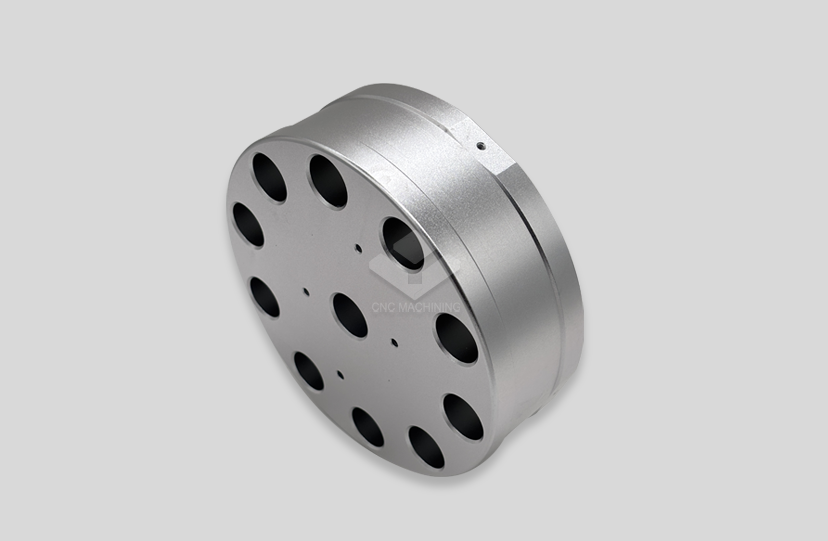
Stainless Steel CNC Machining: Types & Applications
Stainless Steel CNC Machining represents a cornerstone of modern precision manufacturing, utilizing computer numerical control technology to transform raw stainless steel into high-performance components across critical industries. This advanced subtractive manufacturing process delivers exceptional dimensional accuracy, consistent quality, and the ability to produce complex geometries that manual machining simply cannot achieve. The combination of stainless steel's inherent corrosion resistance, mechanical strength, and aesthetic appeal with CNC's precision capabilities makes this process indispensable for engineering teams facing demanding specifications. Whether you're developing medical devices, aerospace components, or industrial equipment, understanding the nuances of this technology directly impacts your project success, cost efficiency, and time-to-market.
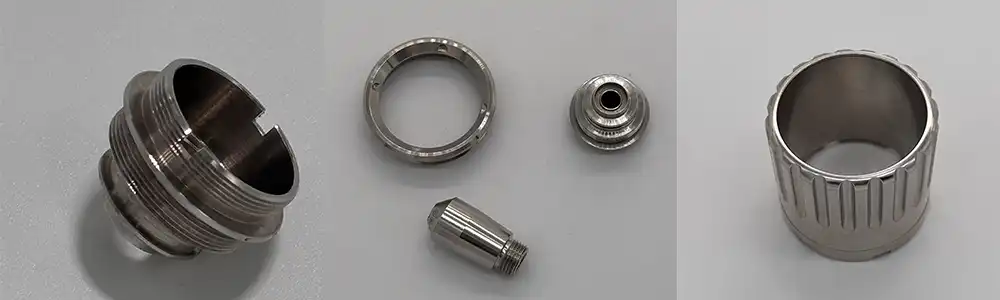
Understanding Stainless Steel CNC Machining
Programming machine tools to remove material in a planned way until the desired part geometry appears is what precision metal cutting with computer-controlled equipment is all about. Stainless Steel CNC Machining technology, on the other hand, reads digital design files and follows cutting tracks that are repeatable to the level of microns. The process starts when your engineering team sends CAD drawings to the machining partner. The machining partner then turns these designs into CAM programming, which controls the movement of all axes, the speed of the spindle, and the engagement of the tools.
How Material Selection Influences Machining Outcomes?
Picking the correct type of stainless steel is very important for both the performance of the machine and the usefulness of the final product. 304 stainless steel is one of the most common materials used in everything from food processing equipment to building parts because it is very resistant to rust, lasts a long time, and can be used in many different ways. Its well-balanced chromium-nickel makeup makes it stable in a wide range of conditions while still being easy to machine.
If you need a metal that is more resistant to chemicals, 316 stainless steel is the best choice. It also works better in harsh environments like chemical or marine settings. Adding molybdenum to it makes it very resistant to chloride corrosion and high-temperature oxidation. This makes it the best choice for medical devices, pharmacy equipment, and sites near the coast.
For designing things with complicated shapes and features, 303 stainless steel is very easy to machine. This makes it perfect for making complicated parts and very precise machines. This free-machining grade has sulphur added to it, which makes it better at breaking chips. This means that tools last longer and cycle times are faster. Engineers often choose 303 for large production runs where the cost of the job is directly affected by how efficiently the parts are made.
The Engineering Workflow Behind Precision Components
From computer concept to finished part, there is a structured process that makes sure the dimensions and surface quality are correct. When our engineering team gets your technical plans, they do a full Design for Manufacturability study to find any problems that might come up with the manufacturing process. This is done before production starts. This proactive approach lowers the chance of having to pay a lot of money for redesigns and speeds up the project schedule.
Then, programming experts make toolpaths that get rid of the most material quickly while keeping tolerances tight. These programs are run by multi-axis machining centers, which can precisely position cutting tools in ways that can't be done by hand. During production, in-process inspection checks that the dimensions are correct, and final quality checks use a coordinate measuring machine to confirm the dimensions and look at the surface roughness. Every shipment comes with material approvals that make it possible to track and meet quality assurance standards in regulated businesses.
Types of Stainless Steel CNC Machining & Fabrication Methods
Depending on the shape of the part, the amount being made, and the tolerance standards, each machining method has its own benefits. Knowing about these features helps buying teams choose the most cost-effective way to make something for a given use.
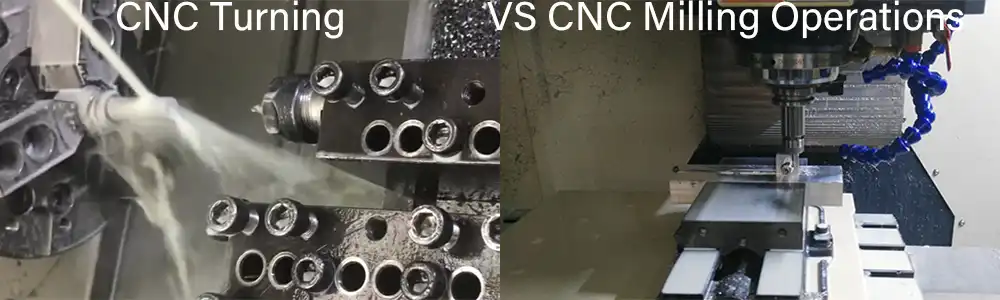
CNC Turning Versus CNC Milling Operations
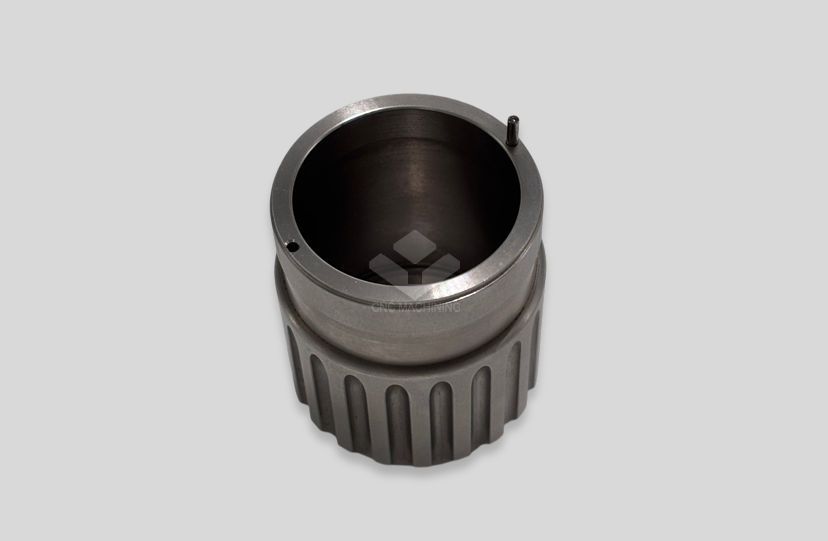
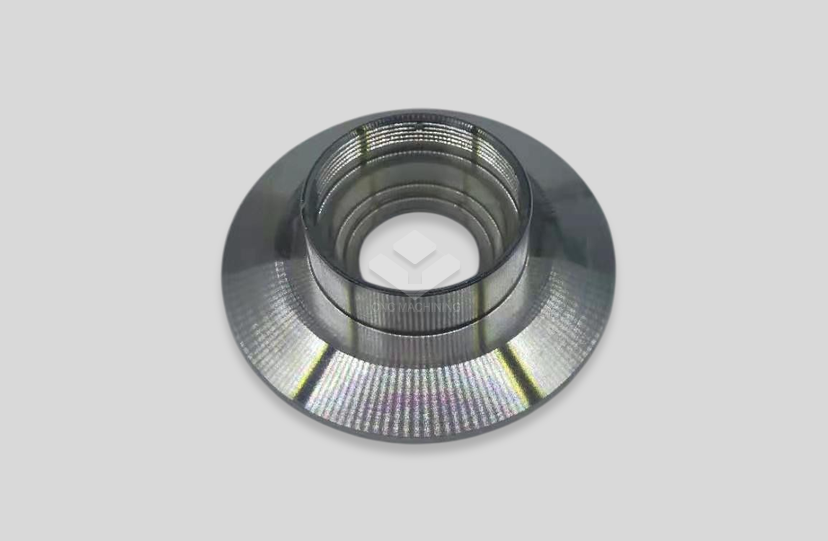
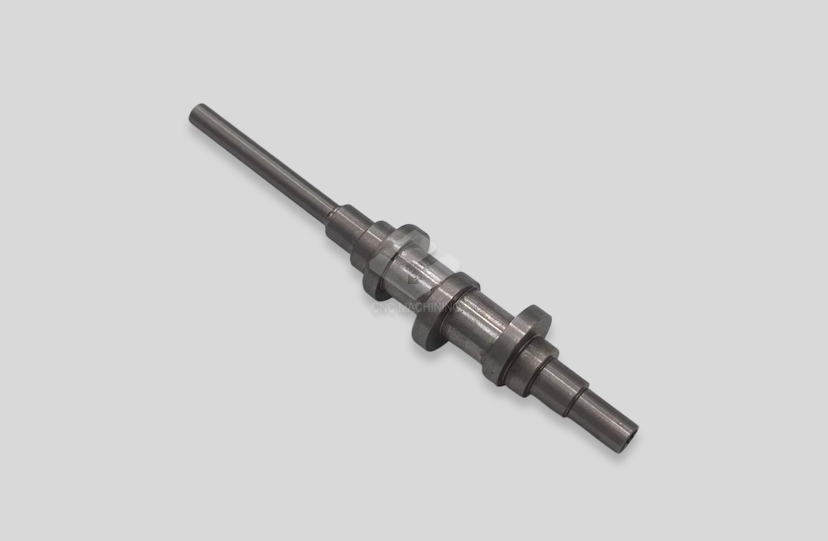
Stainless Steel CNC Machining in turning is a precise subtractive manufacturing method in which a CNC lathe spins cylinder-shaped pieces of stainless steel at high speeds while fixed cutting tools remove material to make the shape that is needed. This process is designed to fix major problems in the industry, namely the fact that stainless steel alloys have high work-hardening rates and poor thermal conductivity. Manufacturers can get rid of common problems like tool chatter, rapid insert wear, and long-stringy chip formation by using advanced Stainless Steel CNC Machining programming, high-pressure coolant systems, and special carbide or ceramic tooling. This lets them make parts that are more stable in terms of size and shape and have a smoother surface.
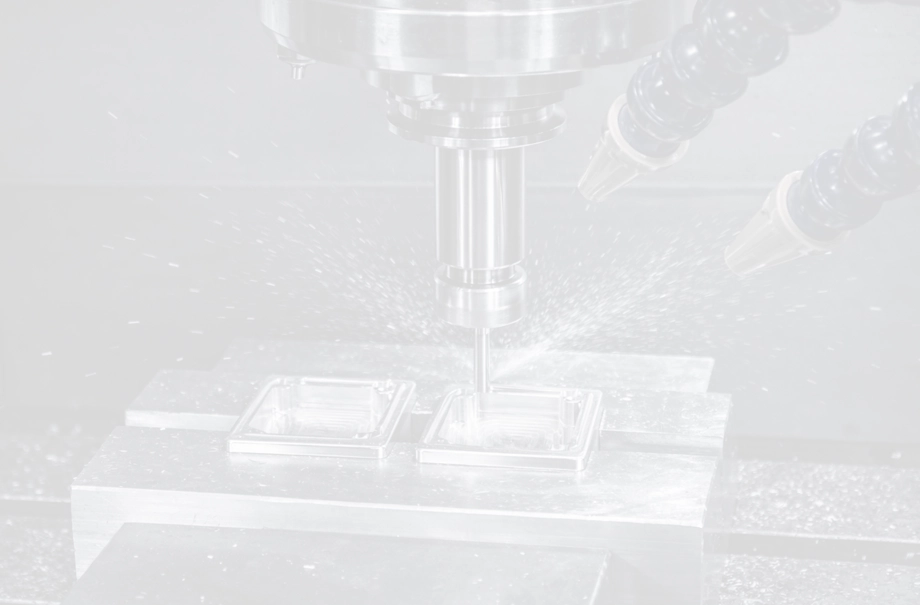
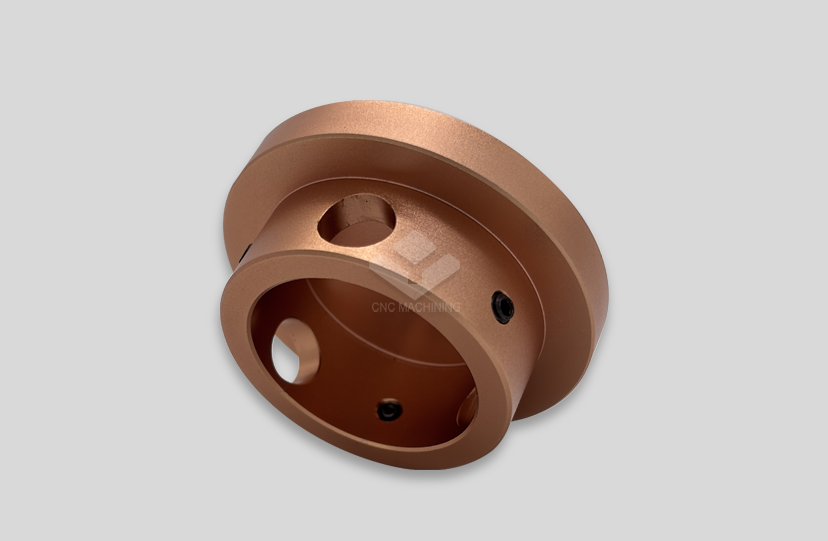
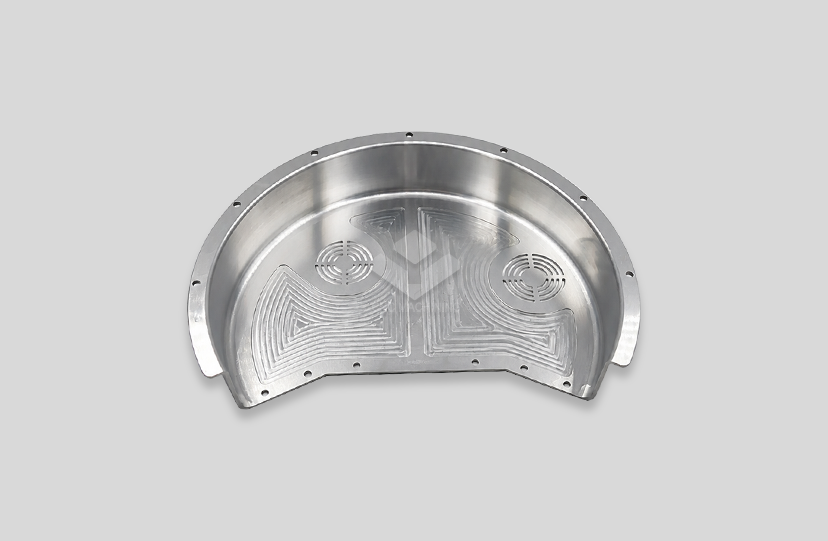
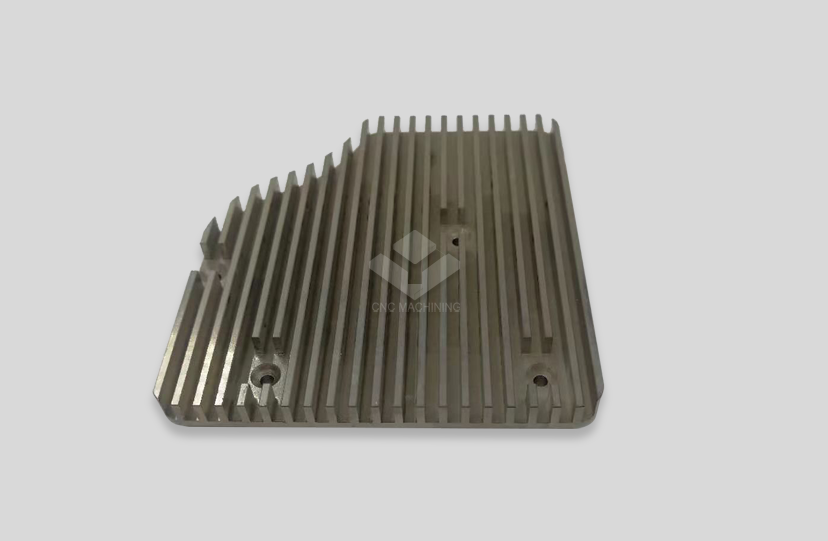
When milling, fixed workpieces are cut by spinning cutting tools that move across them to make features like pockets, slots, and curved surfaces. Multi-axis milling centers can make complex shapes that would need to be set up more than once with regular tools. This cuts down on the time needed for handling and improves the consistency of the shapes. This feature is especially useful for making precise Stainless Steel CNC Machined industrial parts that have both turned and cut features in the same setting.
Surface Finishing Options That Enhance Performance
In addition to accuracy in dimensions, surface features have a big effect on how well and how long a component works. Brushed finishes make directional grain patterns that hide small scratches and offer a moderate level of reflectivity that is good for architectural uses. Polished surfaces have a mirror-like finish that is needed for clean equipment and decorative parts, but they need to be handled carefully during assembly to keep them from getting dirty.
Bead blasting creates smooth, matte surfaces that cut down on glare and make it easy for paint to stick to coated parts. Electropolishing gets rid of tiny surface flaws, making surfaces more resistant to corrosion and giving them very smooth finishes that are needed for pharmaceutical processing equipment. Different finishing methods have different wait times and costs that buying managers have to weigh against the needs of the business.
Making Smart Procurement Decisions for Stainless Steel CNC Machining
Choosing a supplier has long-term effects that go beyond the price of the initial purchase, and for Stainless Steel CNC Machining, you need to evaluate the supplier's technical expertise, quality systems, and communication channels—all of which directly affect project success, including part accuracy, surface finish, delivery reliability, and the ability to handle complex geometries and tight tolerances over the long term. When looking at possible industrial partners, you need to look at their professional skills, quality systems, and communication systems, all of which affect the success of the project as a whole.
Matching Material Grades to Application Requirements
When choosing between 303, 304, and 316 stainless steel, you have to weigh the cost against the steel's ability to be machined, its resistance to corrosion, and its mechanical properties. When design changes need to be made often and the part has a lot of complicated features, 303's better machinability cuts down on cycle time and tooling costs. Even though it costs more and is harder to machine, 316 is better at resisting rust and is useful for projects that will be exposed to salt or need to meet FDA standards.
During the quote phase, our engineering team looks at your application environment, mechanical loads, and regulatory requirements to find the most cost-effective grade of material. This consultative method stops over-specification, which raises costs without adding any usefulness, and makes sure that important applications have enough performance margins.
Evaluating Supplier Qualifications and Capabilities
Quality management certifications, such as ISO 9001, show that there are systematic controls in place to make sure that the output is the same from one production batch to the next. Aerospace producers should check that the company has AS9100 certification, and medical device makers need proof that the company has FDA-compliant systems for getting materials and keeping track of them. These certificates are more than just paperwork; they show that production partners have a culture of quality and are always looking for ways to improve. This is what sets them apart from simple machine shops.
The ability to communicate technically has a big impact on how well a project turns out. During the pre-production phase, direct communication between engineers can find problems with how the product can be made before they become expensive ones. We keep technical contact one-on-one, so we can give professional advice on choosing materials, building structures, standards, and finishing the outside of products while they are being developed. This way of working together speeds up the process of fixing problems and builds the trust that long-term relationships need.
Cost Analysis Beyond Unit Price
A full cost analysis takes into account things like setup fees, tooling amortisation, and shipping processes, all of which have an effect on the total final cost. Small-batch manufacturing doesn't need to buy expensive tools like casting or pressing does, so it can be used for unique parts and low-volume production. We are very good at handling complicated machining processes, meeting unique needs, and supporting small-batch manufacturing. This gives us flexibility that manufacturers who make a lot of products can't match.
Global logistics coordination makes sure that parts get to where they need to go on time for production. We offer fast, door-to-door delivery services around the world for small orders. We handle customs paperwork and work with freight partners to make sure that travel times are reliable. This unified method gets rid of the need for procurement teams to coordinate with multiple machining and logistics providers.
Conclusion
To find the right precision metal parts, you need to know about the qualities of the materials, the ways they are made, and the skills of the suppliers, and for Stainless Steel CNC Machining, all of these factors—including grade selection, machining strategies, tolerance capabilities, and surface finishing—affect overall project success, making it increasingly valuable to work with experienced manufacturers who provide engineering support, design-for-manufacturability input, and quality assurance that goes beyond the initial delivery. All of these things affect the success of the project as a whole. We've talked about a lot of technical factors that affect procurement decisions. These include grade choice, machining methods, tolerances, and surface finishing. As industries need tighter tolerances, faster turnaround times, and more complex geometries, it becomes more valuable to work with experienced manufacturers who can offer engineering support in addition to machining. The difference between transactional vendors and collaborative manufacturing partners is whether they are willing to be involved in the design phase, make sure the product is easy to make, and guarantee quality results that go beyond the initial delivery.
FAQ
What level of precision can be achieved in stainless steel machining?
Usually, we get within ±0.02 mm, but for important features, it can go up to ±0.01 mm based on the form of the part and the material used. Dimensional capabilities depend on the size of the workpiece, the complexity of the features, and the grade of stainless steel that is being machined. Some features may be able to have tighter tolerances by going through secondary grinding or lapping operations, but only if the function calls for it.
Why choose 316 stainless steel for CNC machining?
316 stainless steel is better at resisting rust, especially in harsh situations like chemical or marine settings. Because it has a lot of molybdenum, it is very resistant to chloride attack and pitting rust. This makes it necessary for parts that are exposed to saltwater, acids, or pharmaceutical chemicals. Because it is biocompatible and can be sterilised, 316 is often used by medical device makers for implanted parts.
Why choose 303 stainless steel for CNC machining?
303 stainless steel is very easy to machine, which makes it perfect for making complicated parts and very precise Stainless Steel CNC Machining. The sulphur added to this grade makes it better at breaking chips, which lowers cutting forces and increases tool life. This means that complex shapes and high-volume production runs can be made faster and for less money.
Why is 304 stainless steel widely used in CNC machining?
304 stainless steel is one of the most common materials because it doesn't rust, lasts a long time, and can be used in many ways. Its well-balanced makeup makes it stable in a wide range of situations while still being easy to machine and affordable. Because of these factors, it is usually the best choice for uses that don't need specific rust protection or machinability traits.
Partner with RYH for Your Stainless Steel CNC Machining Needs
RYH brings more than 15 years of engineering experience to every project. They combine advanced Stainless Steel CNC Machining skills with direct technical contact to speed up the time it takes to make your product. As a well-known Stainless Steel CNC Machining supplier, we focus on fully customised manufacturing from prototypes to large-scale production. We help companies in the aerospace, medical, automotive, and industrial equipment industries make precise parts that meet strict quality standards. Our team has an average of more than 15 years of professional experience. They offer Design for Manufacturability analysis, material suggestions, and tolerance optimisation that lower costs and make assembly faster and easier. Sample production usually takes one week, but for simpler geometries and when project deadlines require quick response, it can be done in just three days. As your manufacturing partner rather than a transactional vendor, we take care of your complicated machining needs, special material requirements, and international shipping coordination. Email bill@bldmachining.com to talk about the needs of your project, get a full quote, or set up a meeting with our engineering team for a technical review. We are ready to help you with your next task with a precision component by giving your project the quality, speed, and technical know-how it needs.
References
1. Kalpakjian, S., & Schmid, S. R. (2014). Manufacturing Engineering and Technology (7th ed.). Pearson Education.
2. Groover, M. P. (2020). Fundamentals of Modern Manufacturing: Materials, Processes, and Systems (7th ed.). Wiley.
3. ASM International Handbook Committee. (2016). ASM Handbook Volume 16: Machining. ASM International.
4. Davis, J. R. (Ed.). (1994). Stainless Steels: ASM Specialty Handbook. ASM International.
5. Tlusty, J., & Smith, S. (1993). Current Trends in High-Speed Machining. Journal of Manufacturing Science and Engineering, 115(4), 320-327.
6. Stephenson, D. A., & Agapiou, J. S. (2016). Metal Cutting Theory and Practice (3rd ed.). CRC Press.