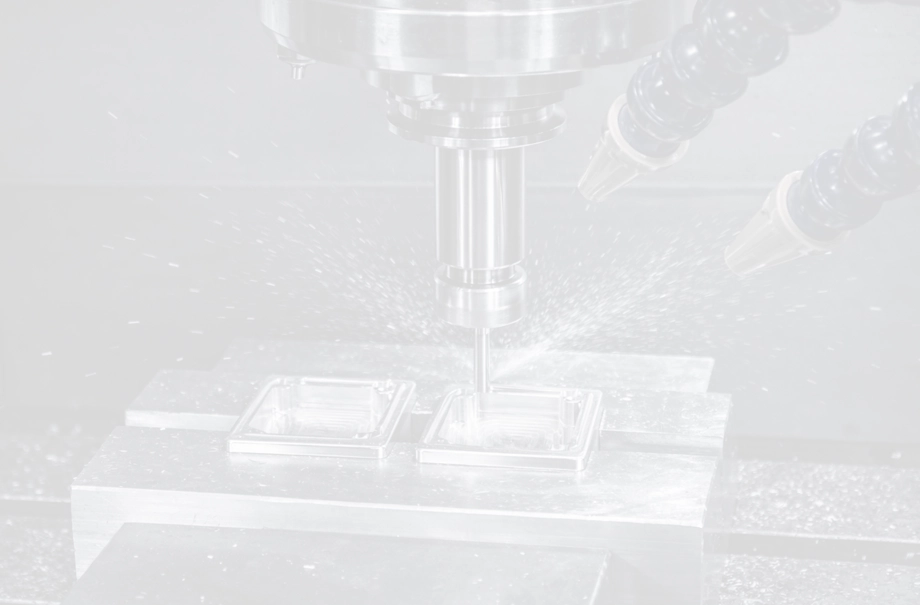
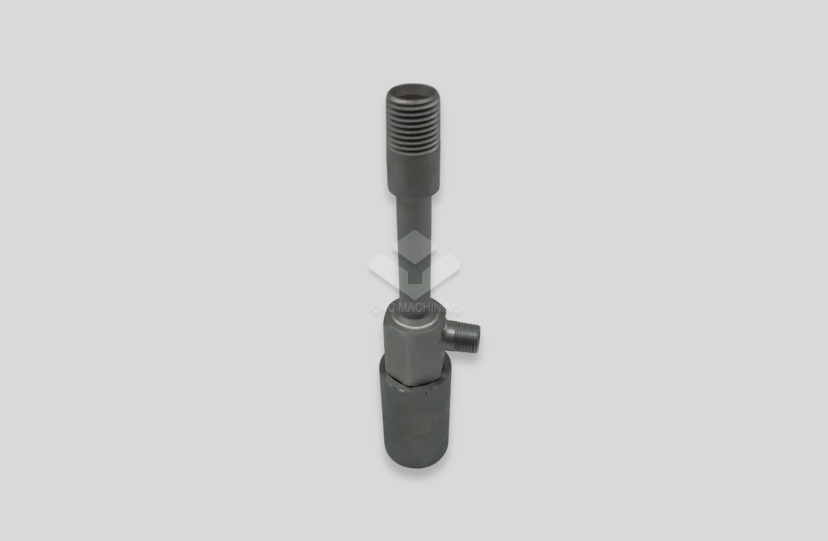
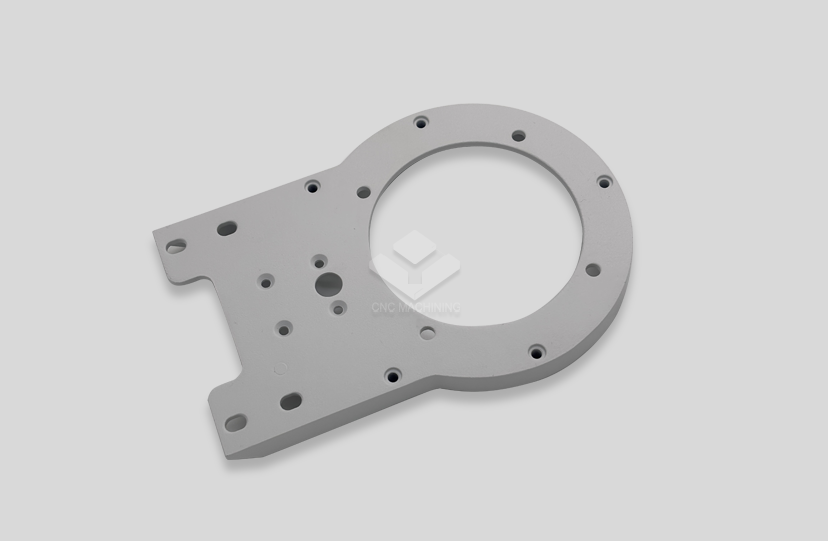
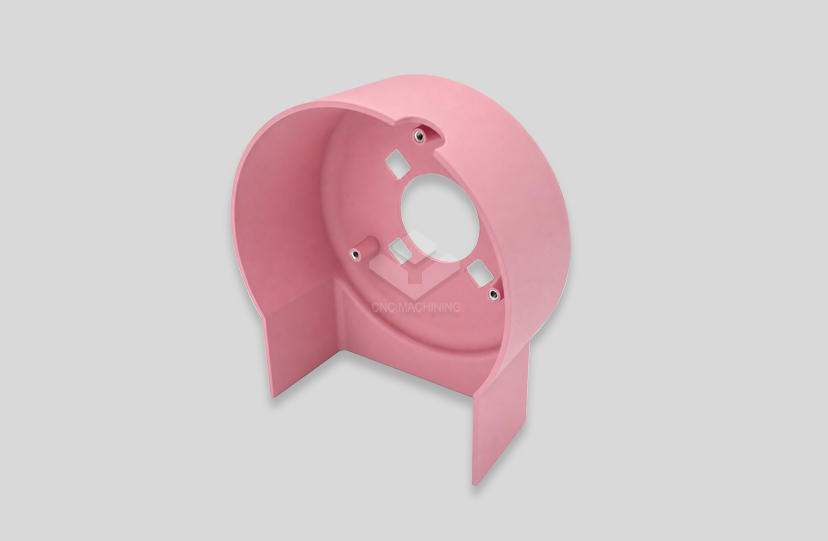
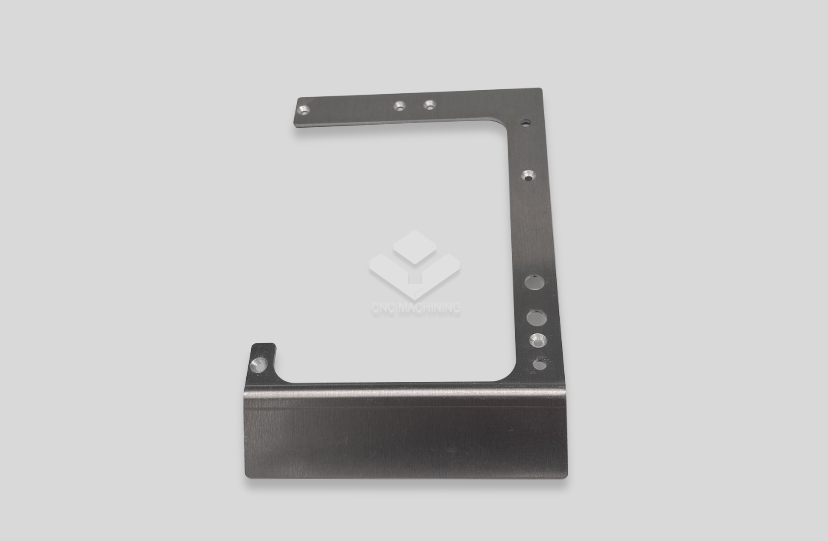
CNC Turning Services: Extreme Precision for Diverse Parts and Materials
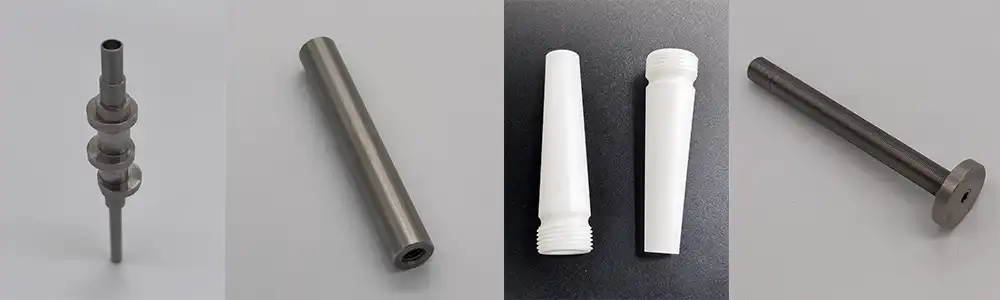
When it comes to making circular parts that need to be very accurate, CNC Turning Services are the best choice for fields where accuracy isn't just nice to have; it's necessary. We've spent more than ten years getting better at computerized turning at our plant so that we can make parts out of metals and plastics that are within sub-micron tolerances. Precision turning turns raw materials into working parts that always do their job under pressure, whether you're making a prototype for a new medical device or a lot of them for automotive assemblies. Every spindle rotation is backed by engineering knowledge that makes the difference between good and great.
Understanding CNC Turning Services: Process, Machines, and Materials
What Makes CNC Turning Distinct from Other Machining Methods
CNC Turning is very different from cutting in how it works. In milling, the workpiece stays still while the cutters move around it. In turning, the workpiece moves around against cutting tools that stay still. With concentricity that manual lathes just can't match, this spin makes cylindrical shapes like shafts, bushings, fittings, and joints. The computer numerical control system takes away the chance of making mistakes when adjusting the cutting depth, feed rates, and tool placement. We digitally program each step, making sure that the 500th part is an exact copy of the first one in terms of size.
Types of Turning Equipment and Their Capabilities
Modern turning centers include simple two-axis lathes that can do simple shaft work and complicated multi-axis machines that can do a lot of different tasks at once. We have machines in our building that can do simultaneous five-axis interpolation. This lets us make complex internal bores, external threads, and tapered surfaces without having to move the object. This feature cuts setup time by a huge amount and gets rid of the placement mistakes that happen over time in multi-setup processes. Live tools integration lets milling operations happen during the turning cycle. This makes it possible to make flats, cross-holes, and keyways, which used to need extra cutting.
Materials Processed Through Precision Turning
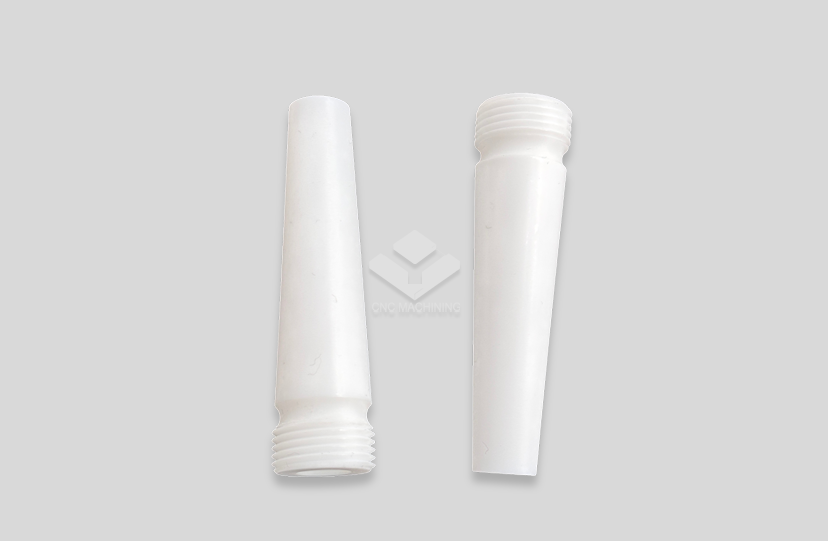
The choice of material has a direct effect on how easy it is to machine, how long the tools last, and how well the final part performs when using CNC Turning Services. Brass can be easily machined, which means it can be cut smoothly, threaded precisely, and produced efficiently. This makes it ideal for fluid control components and electrical connectors. Aluminum alloys are strong and lightweight enough for aerospace applications, while stainless steel grades are essential for medical and food processing equipment because of their corrosion resistance. For aerospace projects that require high strength-to-weight ratios, we often machine titanium. For applications that require chemical resistance and dimensional stability across temperature variations, we machine advanced plastics such as PEEK. Our experts solve the machining challenges associated with each material by selecting the optimal tools and adjusting cutting parameters.
From CAD File to Finished Component
When you send plans, the work process starts. Before programming starts, our tech team checks the specs to make sure they can be made. We put CAD models into CAM software, which then makes tool paths that are best for the rate of material removal and the quality of the finish. The strength of the material and the shape of the tool are used to figure out the cutting speed, feed rate, and depth of cut. In-process inspection finds mistakes during production before they end up as scrap. Coordinate measuring machines are used to check the final part's dimensions and make sure they are within the print tolerances.
Benefits and Applications of Precision Turning for B2B Procurement
Strategic Advantages for Global Supply Chains
Precision Turning makes things repeatable in a way that human methods can't. Once they are set up, our tools make the same parts over and over again, even if the production run lasts for months or years. This level of consistency is very important when parts have to fit together perfectly in assemblies made on different continents. When compared to traditional cutting, lead times are much shorter. Usually, we can make samples in one week, and simple shapes can be made in three days. Computer-controlled toolpaths make the best use of stock, which cuts down on material loss and lowers the cost of raw materials, especially for expensive metals.
With computer-controlled manufacturing, you can make anything from a single prototype to a lot of them at once without having to pay a lot of money for expensive tool changes. We don't have to rebuild equipment when your product changes; we just change the program. This flexibility is very helpful during the product development cycle, when design changes happen quickly.
How to Select the Right CNC Turning Service Provider
Evaluating Technical Capabilities and Quality Systems
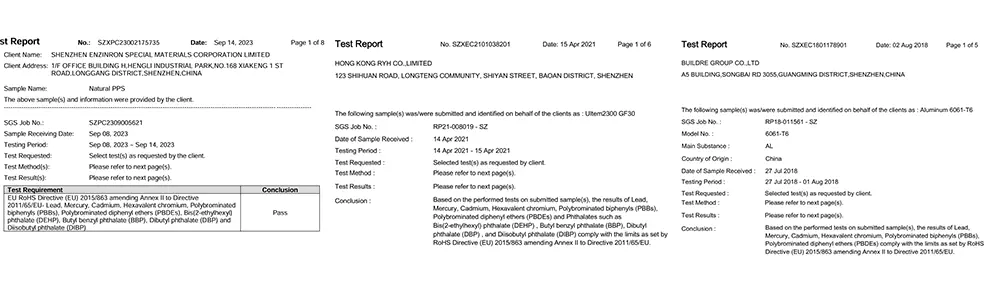
When choosing CNC Turning Services, you need to look at more than just the prices offered by a supplier. Certifications such as ISO 9001 demonstrate that quality management systems are well-established, while AS9100 certification shows that process control meets aerospace industry standards. When evaluating CNC Turning Services providers, ask potential suppliers about their inspection capabilities, machining equipment, and quality assurance procedures. Facilities equipped with CMM tools can accurately verify and document dimensional compliance. Material certifications are especially important in regulated industries. We maintain mill certificates for every batch of raw materials used in CNC Turning Services to ensure complete traceability from raw material sourcing to finished components. This commitment to precision machining, quality control, and reliable production processes helps deliver consistent results for demanding applications.
As part of evaluating technical skills, you should look at past projects that were similar to yours in terms of material and complexity. Our engineers have worked with machines for an average of 15 years, which gives them useful experience that keeps costly design mistakes from happening. We talk to your mechanical engineers directly, without going through anyone else, about tolerances that are possible, different materials, and design improvements that make the product easier to make.
Balancing Cost Against Reliability
Cost cuts are always being pushed on procurement managers, but the cheapest quote often comes with hidden costs. If a supplier's prices are very low, they might not do as thorough a check, use cheap tools that give uneven surface finishes, or not have any backup equipment in case a machine breaks down. These shortcuts show up as differences in size, late shipping, and quality problems that throw off your production plan.
Costs are broken down by setup time, cycle time, material, and finishing processes in models that are clear. This helps you figure out what costs what and find ways to change the design in a way that lowers the cost of production without affecting how it works. It's more important to make realistic lead time plans than overly hopeful ones. We give you schedules that you can stick to based on how busy the shop is right now and what materials are available.
Local Versus Global Sourcing Considerations
Domestic suppliers make it easier to communicate and turn around prototypes quickly, which speeds up the development of new products. Aligning time zones and speaking the same language makes technical conversations easier during the design phase. We offer quick door-to-door delivery options for small orders, which takes away the hassle of international shipping. When problems happen with quality, they are fixed right away, and remanufacturing is usually done within a week.
Offshore providers may be cheaper for large-scale production, but they also bring risks to the supply chain, such as longer wait times, trouble communicating, and problems with quality consistency. Our business is based on quick technical support and adaptable execution, which is hard for bigger offshore facilities to match, especially for customized low-volume production.
Common Challenges and Solutions in CNC Turning Operations
Addressing Defects and Dimensional Variation
Poor surface finishes are often caused by cutting speeds that are too slow, old tools, or not enough water flow. We stick to strict plans for replacing tools and keep an eye on surface roughness during production runs. Dimensional errors can happen because of thermal expansion as parts heat up during machining, clamping forces that cause workholding to warp, or machine backlash. Our process engineers change the cutting settings based on readings taken in real time. This way, they can account for expected changes before they make parts that aren't within tolerance in CNC Turning operations.
It's especially hard to work with thin-walled parts and long, thin blades that are prone to bending under cutting forces. To keep things rigid during machining, we use special tools, lower cutting depths, and tailstock support. If parts still distort after being machined, stress relief through heat treatment can fix the problem.
Design for Manufacturability Collaboration
Design decisions that are made without manufacturing input are the cause of many machining problems, especially when using CNC Turning Services. To produce sharp internal corners, specialized tools with small diameters may be required, which can break easily and slow down production. Excessively tight tolerances on non-essential features can increase inspection time and costs without improving product performance. We encourage early collaboration, during which our engineers review preliminary designs and suggest modifications that improve manufacturability while still meeting required performance standards. This partnership approach reduces production costs and accelerates time to market.
A mechanical design engineer recently sent us drawings for an aluminum housing with an internal bore that was 0.0002" out of round. After talking about the use, we decided that 0.001" of roundness would work just as well for a third of the cost of making it. In these kinds of talks, you need to be technically credible and genuinely interested in the success of your customers, rather than just repeating whatever comes to mind.
Quality Assurance Throughout Production
With in-process checking, deviations are found during production, instead of after a whole lot has been made. After roughing and again after finishing passes, our machinists measure the important dimensions. Before running production quantities, a CMM check of the first articles makes sure that the program is correct. We take pictures of the setups and keep records of the process so that when orders come up again months later, they will be the same.
We work with approved suppliers and finishing vendors to get products that are FDA-compliant, have special surface treatments like anodizing, and pass tests with salt spray. This resource integration makes it easier to buy things and makes sure that everything in the supply chain works together.
Leading CNC Turning Service Providers and Market Trends
Evaluating Supplier Innovation and Technology Adoption
The best CNC Turning Service providers are always investing in new tools and better ways to do things. Multi-axis turning centers with live tooling make processes possible that used to need multiple machines. This cuts down on wait time and handling errors that happen when machines are moved around. Bar feeders and robotic part handling make it possible to work longer hours without a person being present, which speeds up delivery without lowering quality. We put these technologies together to help customers who need flexible small-batch production and fast development.
Industry 4.0 ideas include real-time quality monitoring, where measurements are checked during the cutting cycle by probing inside the machine, and tool offsets are automatically changed to keep tolerances. This closed-loop process control cuts down on waste and makes sure that the same dimensions are used for all production runs. Smart manufacturing systems keep track of how long tools last, guess when they will need repair, and work out the best schedules to get the most work done.
Sustainability and Environmental Responsibility
As companies set sustainable goals, environmental concerns become more important when selecting suppliers for CNC Turning Services. Responsible material processing practices include recycling metal chips, using biodegradable cutting fluids, and optimizing machining programs to reduce material waste. In the production of precision components through CNC Turning Services, energy-efficient equipment and LED lighting systems help reduce carbon emissions without affecting manufacturing performance. We view environmental protection as both a responsibility and a competitive advantage, as more procurement policies favor suppliers that can demonstrate measurable sustainability improvements. By combining CNC Turning Services with waste reduction strategies, efficient resource management, and environmentally conscious manufacturing methods, suppliers can provide high-quality parts while supporting long-term sustainability goals.
Hybrid Machining and Future Capabilities
New hybrid machines combine turning with additive manufacturing, which makes it possible to make parts with complex internal geometries that would not be possible with traditional subtractive methods alone. These technologies are still very specialized, but they show how creators will be able to use geometry in a way that has never been possible before. Real-time quality monitoring with machine vision and process optimization with the help of AI will cut down on variation even more and speed up production cycles. Procurement workers can stay ahead of the competition by working with providers to keep up with these changes and investing in skills that give them a competitive edge.
Conclusion
It's not enough to just compare quotes when choosing a CNC Turning Services partner. You also need to look at their technical skills, quality systems, and engineering support, which is what makes them different from simple machine shops. Over the past nine years, we've built our reputation by providing high-quality parts that meet strict requirements while also keeping communication open and allowing for flexible execution. The right turning service provider acts as an extension of your engineering team, adding industrial knowledge that improves designs and speeds up time-to-market. This is true whether you're making new goods or increasing the volume of production that you already have. Long-term partnerships with suppliers are built on quality, accuracy, and dependability.
FAQ
What tolerances can precision CNC turning achieve?
Tighter standards, a better surface finish, and tighter control of concentricity and roundness are what precision spinning is all about. Standard production tolerances are usually between ±0.002" and ±0.005", but for critical dimensions, specialized precision work can get as close as ±0.0002". Tolerances depend on the properties of the material, the shape of the part, and the machine's capabilities. Longer parts need looser tolerances because they bend more, while rigid short parts allow for tighter control. Surface finish usually reaches 32 micro-inch Ra, but for sealing surfaces and bearing journals, specialized finishing operations can make mirror-quality surfaces under 8 micro-inch Ra.
How quickly can you produce prototype turned parts?
We usually make samples within a week of getting approved drawings and purchase orders. Simple geometries machined from standard materials can be turned around in three days if the shop isn't too busy. However, complex multi-axis parts that need specialized tooling or exotic materials may take ten business days. Rush service is available for tight deadlines when available tooling and materials allow it. Accurate lead times depend on getting full specifications upfront, including material grade, finish requirements, and inspection criteria, rather than finding out about missing details during production.
What documentation accompanies finished turned components?
Standard deliveries come with dimensional inspection reports that show parts meet the requirements for printing. Material certifications link raw materials to mill heat numbers, which is important for aerospace and medical applications that need to be able to fully track materials. We also provide certificates of conformance that say parts meet the requirements for drawing. For orders that include these requirements, extra paperwork like FDA compliance statements, PPAP packages, or first article inspection reports is sent along with the order. For repeat orders, photos of the setup configurations and process parameters are kept on file to make sure consistent results across production runs.
Partner with RYH: Your Trusted CNC Turning Service Manufacturer
RYH brings together precision equipment, seasoned engineering talent, and customer-focused execution to solve your most demanding turning challenges. Our engineers communicate directly with your team, reviewing drawings and optimizing designs for manufacturability before production begins. We handle everything from initial prototypes through volume production, maintaining the tight tolerances and quality consistency your applications demand. With rapid quotation turnaround and sample production typically completed within one week, we compress your development timeline without sacrificing quality. Our comprehensive capabilities span metals and plastics, supported by material certifications, FDA compliance, and surface finishing coordination. Quality concerns receive immediate attention with remanufacturing completed promptly and shipping costs covered. Contact bill@bldmachining.com to discuss your project requirements with our engineering team and discover how partnering with an experienced CNC Turning Services supplier accelerates your product success.
References
1. Anderson, M. (2021). Advanced CNC Machining: Techniques and Applications for Precision Manufacturing. Industrial Press.
2. Chen, Y., & Thompson, R. (2022). Modern Turning Technology: Multi-Axis Machining Strategies for Complex Components. Manufacturing Engineering Society.
3. Global Industry Analysts. (2023). CNC Machine Tools: Global Market Trajectory and Analytics Report. Research and Markets.
4. Johnson, P. (2020). Quality Assurance in Precision Machining: Inspection Methods and Statistical Process Control. ASM International.
5. National Institute of Standards and Technology. (2022). Dimensional Metrology Standards for Manufacturing: Calibration and Uncertainty Analysis. U.S. Department of Commerce.
6. Wilson, K., & Martinez, D. (2023). Supply Chain Strategies for Precision Component Procurement: Risk Mitigation and Supplier Development. Journal of Manufacturing Systems, 68, 234-247.