Can Custom CNC Machining Revolutionize Manufacturing Precision?
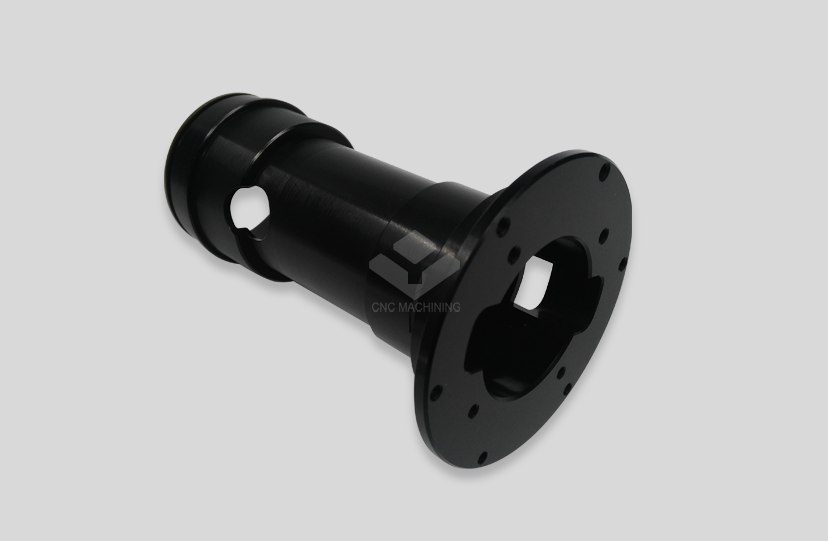
The way we approach precision manufacturing has undergone radical change thanks to Custom CNC Machining. This advanced process meets the exact requirements of today's complex engineering projects by using computer numerical control technology to carry out highly accurate, repeatable operations on a wide range of materials. Custom CNC Machining solutions are different from other ways of making things because they can be made to meet particular design needs, tight tolerances, and problems that are specific to the material. This revolution in manufacturing accuracy isn't just about making machines better; it's also about giving engineers, purchasing managers, and product creators the tools they need to do things that were either impossible or too expensive to do before.
Understanding Custom CNC Machining and Its Role in Precision Manufacturing
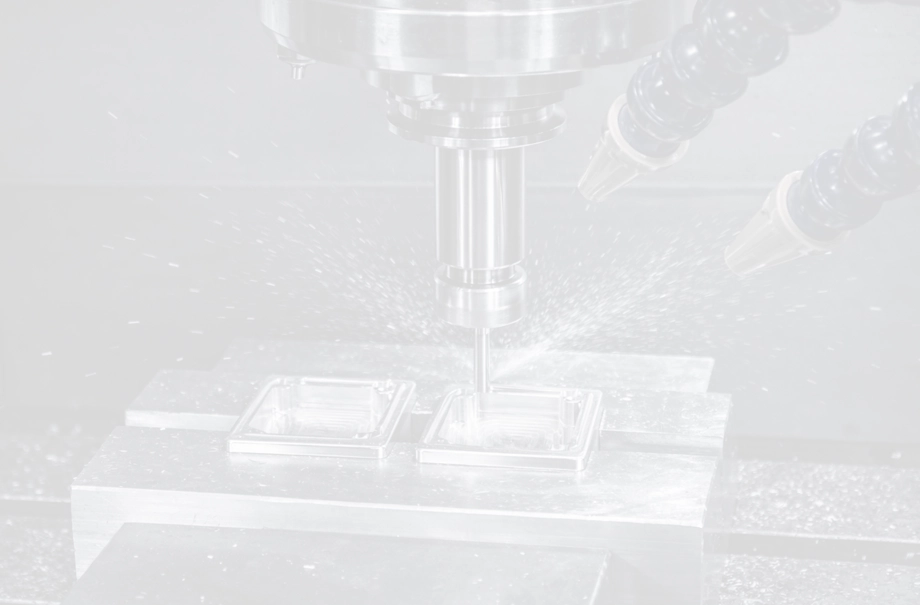
Digital design and physical production are brought together in a sophisticated way by Custom CNC Machining. At its core, the process turns CAD models into instructions that machines can read. These instructions tell cutting tools exactly where to go on metal and plastic substrates, down to the micron level.
How CNC Technology Enables Precision Manufacturing
When engineers send in technical models in standard forms like STEP or IGES, the work process starts. At RYH, our team looks over these specs with clients directly—no middlemen—to find any problems that might come up with production before it starts. This way of working together has kept many projects from having to be redone at high cost. The CNC controller reads the G-code writing and moves the cutting tools along multiple directions, making sure that important features stay in the exact same place within ±0.005mm. This amount of control makes sure that each part is an exact match for the digital model.
Material Selection and Its Impact on Dimensional Accuracy
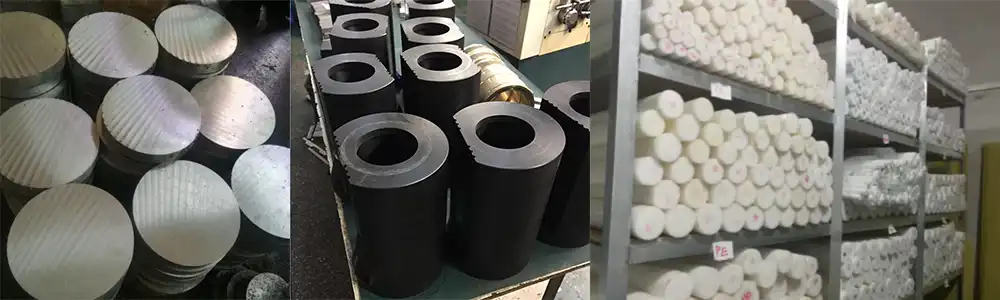
The properties of the material directly affect how well it machines. Aluminum alloys like 6061-T6 are great for making aerospace brackets and electronics enclosures because they are easy to machine and keep their shape. Harder materials, like stainless steel 316, need special tools to work with, but they are better at keeping medical equipment from rusting. Engineering plastics, such as PEEK, are biocompatible and resistant to chemicals in ways that metals can't. We help people choose the right materials for their projects by looking at the environment, the mechanical loads, and the rules that need to be followed. For example, for lab equipment that needs to be FDA-compliant, we might suggest high-strength titanium.
Why Customization Matters for Modern Supply Chains
Of course, off-the-shelf parts don't always meet the exact needs of prototype development programs or factory automation systems. Custom CNC Machining gets rid of compromises by making parts that are exactly what is needed for a certain assembly, performance, or integration. We've helped robotics manufacturers who needed complicated shapes with intersecting bores that couldn't be made with standard methods, and we've also helped EV battery housing suppliers who needed precise thermal management features. This adaptability speeds up the process of coming up with new ideas and lowers the overall cost of ownership over the whole span of a product.
Comparing Custom CNC Machining with Traditional and Emerging Manufacturing Methods
When procurement teams know the pros and cons of each production technology, they can make decisions that are in line with project goals and budget limits.
Tolerance Capabilities Across Manufacturing Processes
Tolerances of ±0.01mm to ±0.05mm are common for precision CNC milling and turning, but they depend on the shape of the feature and the material. Injection molding, on the other hand, can only hold ±0.1mm for simple shapes but has trouble with complicated internal pathways. Additive manufacturing is great at making organic forms, but it usually needs extra work to get useful tolerances closer to ±0.2mm. CNC machining is still the best option for companies that make semiconductor equipment that need mounting plates that are flat within 0.02 mm over 300 mm.
Cost and Lead Time Considerations
Using traditional cutting methods requires a lot of setup and user help, which can take weeks and cost a lot of money in labor. Our CNC operations make this process faster. Usually, we can send prototype samples within three to seven days, and simpler geometries can be ready in as little as 72 hours. Even though 3D printing promises quick results, the materials don't always have the right mechanical properties for testing how they work in real-world situations. Due to the cost of the tools, injection molding is only cost-effective when the number of units made is more than a few thousand. Custom CNC Machining is great for testing prototypes and making small to medium-sized batches of products because it uses production-grade materials and is very accurate without the extra costs of hard tools.
Application Suitability for Complex Components
CNC methods are always best for parts that need to be contoured along multiple axes, have features that need to be perfectly centered, or have better surface finishing. We've made parts for surgical instruments with mirror-smooth surfaces (Ra 0.4μm) and housings for automotive sensors with complicated cooling channels that could not be molded. When you can work directly from engineering drawings, you don't have to make new tools when you change the design. This is a huge benefit during the product development phase, when changes are made all the time.
Key Technical Specifications that Influence Manufacturing Precision
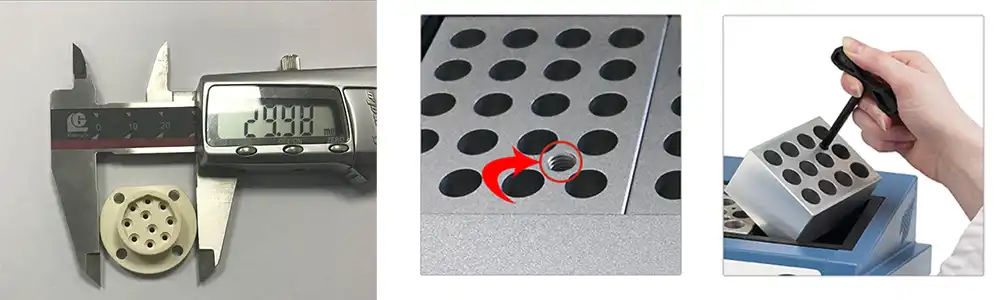
To get precise measurements, you have to pay close attention to the rules that say how parts should work in their intended uses. Knowing these parameters helps engineers and people who work in procurement set realistic goals and avoid needless rework that costs a lot of money.
Achievable Tolerance Ranges and Their Functional Impact
Standard CNC machining has general limits of ±0.1mm, which is good for measurements that aren't very important. When parts of an assembly need to fit perfectly, like bearing seats or sealing surfaces, we can usually get within ±0.02mm by using controlled tools, managing heat, and checking the work as it's being done. Tolerances that are very close to ±0.005mm need special tools and take longer to work, so we suggest only using them when they are functionally necessary. Our engineers figure out which parts really need tight control and which ones can get by with standard tolerances during design reviews. This saves money and time.
Material Properties and Machinability Factors
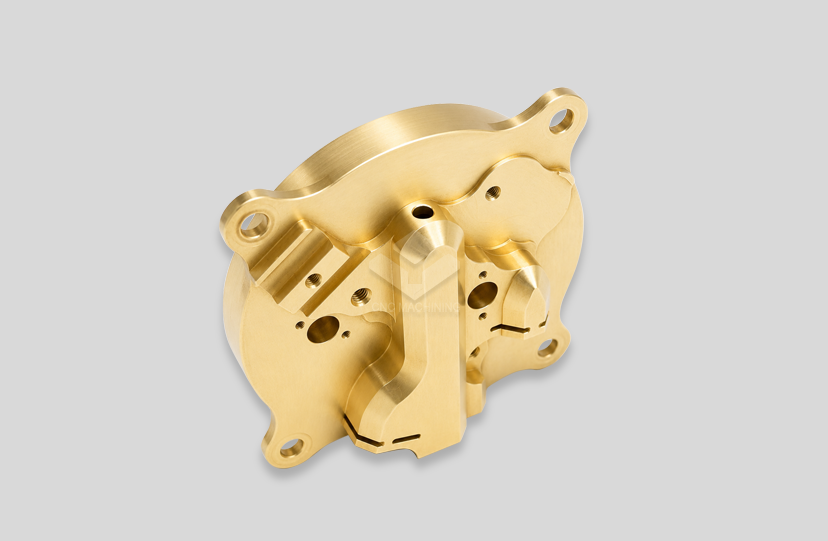
Ratings of machinability help you guess how materials will react to being cut. Aluminum and brass are easy to work with and have smooth surfaces with little tool wear. When cutting, stainless steels and titanium metals produce a lot of heat, so speeds, feeds, and cooling techniques need to be fine-tuned to avoid work hardening or dimensional drift. Engineering plastics like Delrin and PTFE are hard to work with because they tend to expand when heated up during machining. To keep the dimensions accurate, we use sharp tools and conservative parameters. By understanding how these materials behave, we can give you accurate prices and reasonable arrival times.
Design Considerations for Optimal Manufacturability
Some design traits make cutting harder and cost more than they need to. It's harder to make things when there are deep pockets that are hard to get to with tools, sharp internal corners that need to be finished with EDM, and walls that are very thin and easily bend. Design for Manufacturing (DFM) feedback is given during the quotation phase. This includes suggestions for changes such as adding corner radii, adjusting wall thicknesses, or reorienting features to make them easier to access with a tool. These talks, which happen directly between your engineers and ours, have saved many projects from falling behind schedule and going over budget while staying true to the design purpose.
Choosing the Right Custom CNC Machining Partner for Your Procurement Needs
There's more to choosing a factory partner than just comparing prices per piece. If you have the right connection for Custom CNC Machining, you can get technical help, quality assurance, and a reliable supply chain, all of which will directly affect how well your product does in the market.
Evaluating Technical Capability and Industry Experience
Systematic quality management is shown by certifications like ISO 9001 and AS9100, but knowledge in your field is more important. On average, each member of our team has more than 15 years of technical experience in medical devices, industrial automation, and aerospace. Because we know so much, we can guess what application-specific needs will be, like material traceability for medical parts or salt spray protection for sea gear, without having to go back and forth a lot. When looking at different suppliers, make sure they have case studies that show projects with similar levels of difficulty, combinations of materials, and tolerance needs.
Rapid Prototyping Capability and Order Flexibility
Timelines are getting shorter and shorter during product development processes. When suppliers can't send concept samples within a week, it slows down validation testing and the launch of the product on the market. Our business is built around quick responses, from getting quotes back in less than 24 hours to making samples in just a few days. Flexibility in order quantities is just as important. A lot of companies have minimum order values that make sense for mass production but hurt early-stage growth. We can handle orders for small amounts and smoothly increase output numbers, keeping quality high throughout the process.
Quality Systems and Risk Mitigation
Material approvals, dimensional inspection records, and evidence of surface treatment aren't things that you can do without; they're necessary for compliance and tracking. We give mill certificates for raw materials, inspect first articles and write detailed reports, and keep track of lots throughout production. When anodizing or electroplating is needed to treat the surface, we work with trained finishers who meet ASTM and MIL-SPEC standards. If there are any quality problems, which will happen very rarely, we promise to remanufacture within one week at our own cost, which includes shipping. This guarantee shows that we trust the process control and eliminates the risk of procurement.
Real-World Applications and Future Outlook of Custom CNC Machining in Manufacturing
Precision machining is now necessary in many fields where the accuracy of parts affects how well a product works, how safe it is, and how it stands out from the competition.
Aerospace and Defense Component Manufacturing
Medical Device and Laboratory Instrument Production
When medical device makers try to combine precise engineering with following the rules, they face special problems. Surgical tool parts must be able to go through multiple sterilization processes without losing their shape or surface. We machine these parts from FDA-approved materials like 316L stainless steel and PEEK, making sure the surfaces are smooth enough to keep tissues from sticking to them while keeping the important dimensions for their function. For optical lines and fluid handling, laboratory automation equipment needs to be precisely aligned—tolerances of around ±0.01mm are needed to make sure that the equipment works reliably over thousands of test runs. Material certificates and lot tracking provide the proof needed for regulatory applications.
Automotive Electronics and EV Component Innovation
Because more cars are becoming electric, there is a need for precision-machined thermal management parts, sensor housings, and structural battery elements. EV battery system makers need special aluminum cooling plates with complicated channels inside them that keep the cells in the arrays at the same temperature. These parts are made with complex CNC milling and special surface treatments that keep them from rusting in harsh under-hood conditions. For ADAS systems, sensor housings need precise fitting connections so that they stay calibrated even when they are vibrating or changing temperatures. As the electronics in cars get smarter, the accuracy and dependability of machined parts become more and more important to how well the system works.
Electronics and Semiconductor Equipment Support
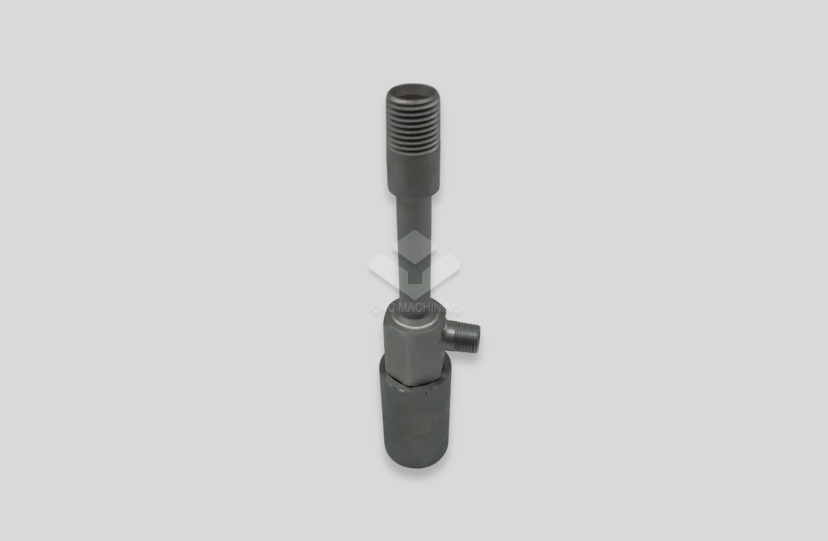
Tolerances in semiconductor production tools are measured in nanometers, so support parts need to stay in place even when they are exposed to chemicals, vacuums, and high temperatures. We've made precise alignment pins out of materials that don't expand much, like Invar, so they stay the same size at different temperatures. For high-frequency uses, electronic cases need precise grounding features and EMI protection. This is usually done by Custom CNC Machining and then nickel or tin electroplating. Manufacturers of testing instruments depend on custom CNC-machined parts for probe placement systems. The accuracy of measurements is directly affected by how repeatable and resistant to shaking the parts are.
Emerging Technologies Shaping Precision Manufacturing
As machine tool technology, cutting tool materials, and process tracking keep getting better, the limits of accuracy keep being pushed. By keeping the part in the same position, multi-axis simultaneous cutting cuts down on setup time and improves geometric accuracy. Real-time tracking systems for tool wear change the cutting settings on the fly, so the dimensions stay the same from one production run to the next. AI algorithms find the best paths for tools so that cycle times are cut down without affecting the surface finish. These new ideas lead to faster delivery, better quality, and lower costs, all of which help you meet your product development deadlines and budget needs.
Conclusion
The use of Custom CNC Machining for precision manufacturing has really changed how complicated parts are developed, prototyped, and made in many important industries. The main problems that procurement managers, design engineers, and product development teams face can be solved by using accurate measurements, a wide range of materials, and flexible production methods. Even though production technologies are always changing, the main benefits of computer-controlled accuracy, the ability to make quick prototypes, and engineering teams working together are still necessary for making competitive products. Strategic relationships with skilled machining providers provide more than just parts. They also provide full production solutions that speed up innovation and keep the supply chain strong.
FAQ
What tolerances can custom CNC machining realistically achieve?
Tolerances of ±0.1mm are kept by standard CNC processes without any special needs. Tolerances of ±0.02mm to ±0.01mm can usually be reached for important features with controlled methods, fixturing, and verification. Extremely tight specifications, like ±0.005mm, need special tools and more time to process, so we suggest only using them when they are functionally necessary. During our engineering reviews, we help you figure out which features really need tight control and which ones can get by with normal tolerances. This helps you get the best deal on both cost and time.
How quickly can prototype samples be produced?
Depending on how complicated the part is, how quickly we can get the materials we need, and how you want the surface to be treated, our sample wait time is usually between three and seven days. Usually, simpler shapes can be made in common materials like aluminum 6061 in just 72 hours. Complex parts with multiple axes or parts that need special heat treatment naturally make delivery times longer. During the quote process, we give you accurate delivery figures, and we keep you informed throughout production, so your project stays on schedule.
What makes custom CNC machining better than 3D printing for functional prototypes?
Custom CNC Machining makes parts from production-grade materials that have the same mechanical qualities as the finished parts, which is important for checking their functionality correctly. 3D printing is great for making complicated organic shapes, but the materials it uses are usually not as strong, don't hold up well to heat, or aren't as accurate in terms of size as materials that are machined. CNC cutting is more reliable than additive processes when samples need to stay together in real-world situations or fit perfectly with existing parts.
Partner with RYH: Your Custom CNC Machining Supplier for Engineering Excellence
RYH can help you with your engineering problems because they have been making precision products for almost twenty years. Our team doesn't just carry out your ideas; we work with you as professional partners, looking over drawings, making sure they are easy to make, and suggesting materials that meet both functional needs and price constraints. We've become the go-to Custom CNC Machining supplier for medical device innovators, aerospace component developers, and industrial automation leaders across North America because we can usually get samples to them in one week and let engineers talk directly to each other, which avoids costly misunderstandings. We can do precision milling, turning, multi-axis machining, and coordinated surface finishing for both metal and plastic parts. This means we can help you with either prototyping and testing or large-scale production. Get in touch with bill@bldmachining.com right away to talk about how our partnership in manufacturing can speed up your next project with quality you can track and delivery dates you can trust.
References
1. Kalpakjian, S., & Schmid, S. R. (2014). Manufacturing Engineering and Technology (7th ed.). Pearson Education.
2. Stephenson, D. A., & Agapiou, J. S. (2016). Metal Cutting Theory and Practice (3rd ed.). CRC Press.
3. Society of Manufacturing Engineers. (2018). Fundamentals of Tool Design (6th ed.). SME Publishing.
4. Boothroyd, G., Dewhurst, P., & Knight, W. A. (2011). Product Design for Manufacture and Assembly (3rd ed.). CRC Press.
5. Machinery's Handbook (31st ed.). (2020). Industrial Press Inc.
6. ASME Y14.5-2018: Dimensioning and Tolerancing. American Society of Mechanical Engineers Standards Committee.