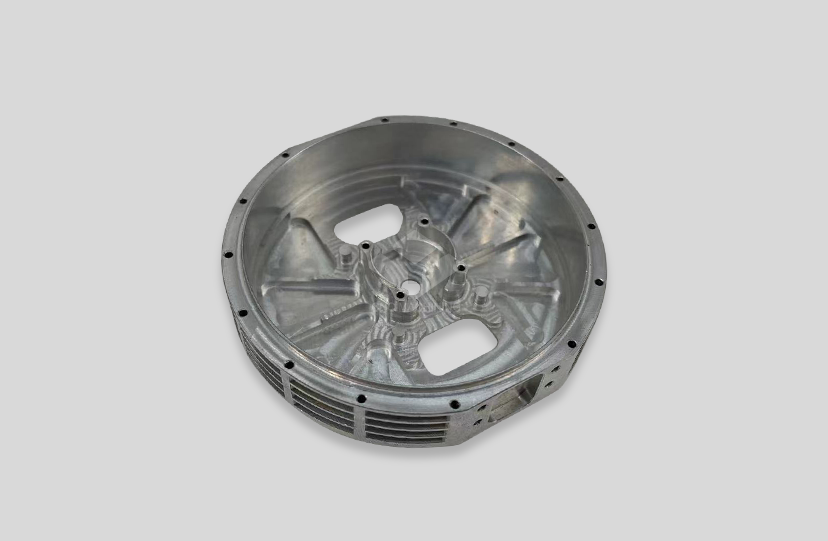
What Can You Make with a Swiss Lathe Machine?
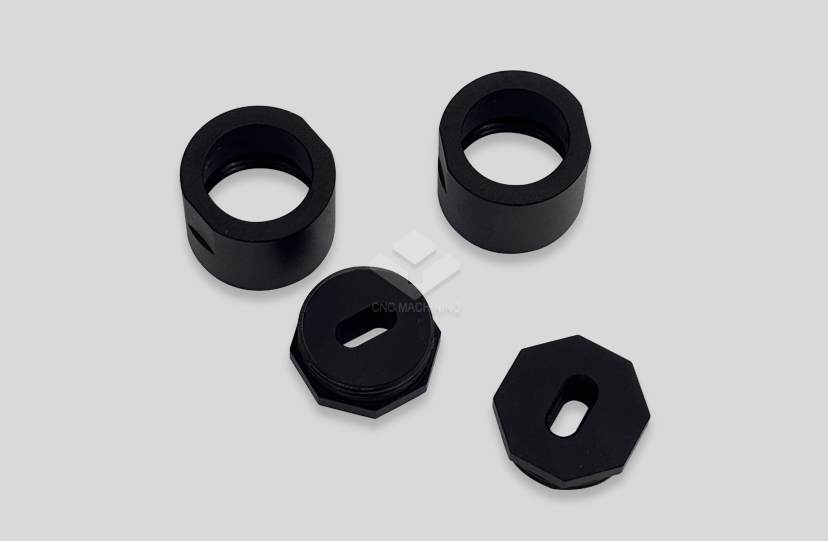
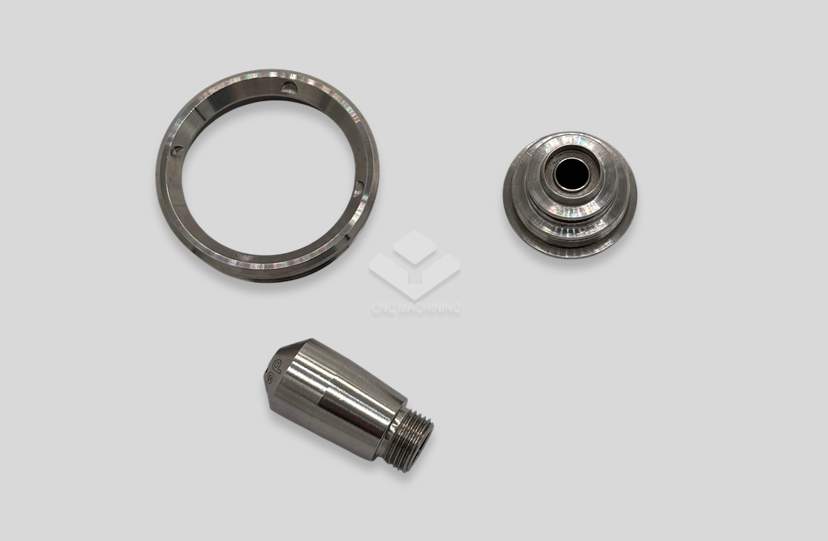
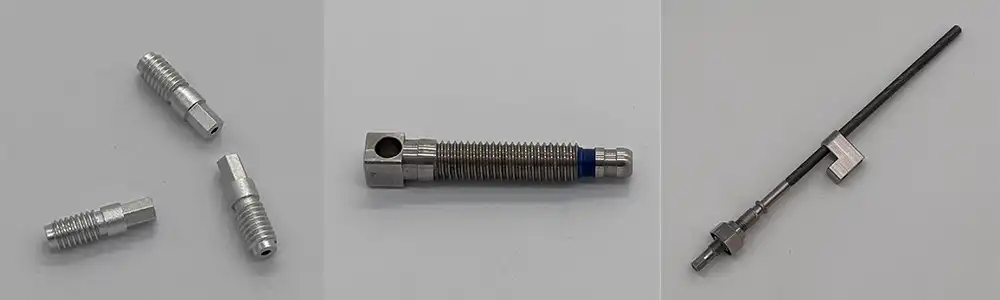
For engineers and purchasing managers, the question of what they can make with a Swiss lathe machine opens up a world of high-precision options. Swiss Machining makes it possible to make very accurate small parts with a small diameter, like surgery pins, connection shafts, micro screws, and complex sensor housings. A guide bushing keeps the workpiece steady near the cutting tool in this special kind of turning. Tolerances can be as low as ±0.01 mm, and surface finishes can reach Ra ≤ 0.8 μm. Many different types of industries, from medical devices to aerospace, use this technology to make parts that need to be consistent in size and shape.
Understanding Swiss Lathe Machining and Its Capabilities
Swiss Machining is a specialized form of turning that is very different from regular CNC tasks. The guide nut, which holds bar stock material close to the cutting zone, is what makes it unique. This design reduces deformation during cutting, which is especially important when working with thin parts whose length-to-diameter ratio is more than 3:1. The piece of work moves through the guide bushing while multiple tools engage at the same time. This allows for multi-axis operations that can finish complicated features in a single setup.
How the Guide Bushing Changes Everything
The guide bushing is placed just millimetres away from the cutting tool and acts as a rigid support system. Cutting forces are taken near the point of contact instead of being passed along the whole length of the part as it moves through. Because of this mechanical edge, Swiss lathes can keep micron-level accuracy on parts that are 50 mm long and 0.5 mm wide, which would cause normal lathes to bend and vibrate.
Material Versatility Meets Precision Demands
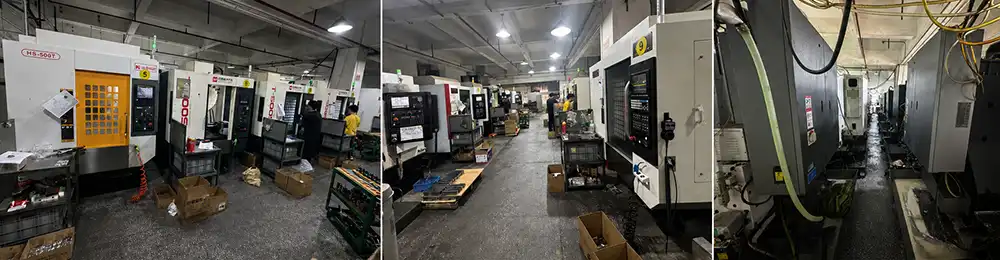
Swiss turning can work with a wide range of materials, which is important for making precise products. Because it doesn't rust, stainless steel SS316 is often used to make medical implants and parts for boats. Aluminium 6061 is used to make housings for electronics where weight reduction is important. For aerospace uses that need high strength-to-weight ratios, speciality alloys like titanium Grade 5 are used. Brass and bronze alloys are used for electrical conductivity needs. Our facility has six Swiss CNC lathes that are set up to make parts out of stainless steel up to 25 mm in diameter. When medical device projects need it, they can also use materials that are FDA-compliant.
Multi-Axis Coordination Enables Complex Geometries
Modern Swiss machines have many tool settings that work together in a coordinated way. The main spindle turns the piece of work, and a sub-spindle can grab the back end to help with secondary tasks like cross-drilling or back-side milling. This coordination gets rid of the need to move parts around, keeping tolerances consistent across many features. Parts with threaded sections, hexagonal flats, grooves, and radial holes are naturally made by the process, which does not stop.
Swiss Machining vs. Conventional Machining: Making the Right Choice
Choosing between Swiss Machining and traditional CNC operations should be based on the characteristics of the part and the needs of the production process. Knowing these differences helps engineers choose the most cost-effective way to make something.
When Swiss Machining Becomes Essential
When it comes to parts with large length-to-diameter ratios, Swiss turning has no equal. Guide bushing support is helpful for parts that are longer than three times their width, since regular chucking methods cause movement that makes it harder to control the tolerances. Swiss processes can safely meet surface finish standards below Ra 1.6 μm because they have less vibration and more stable cutting conditions. Swiss multi-axis skills make projects that need to do a lot of secondary operations, like threading, cross-drilling, and milling flats, more efficient by getting rid of the need to move the workpieces by hand.
Where Conventional Methods Remain Competitive
Standard CNC milling or turning works best for parts with a diameter of more than 32 mm, so guide bushings are not needed. Simple shapes without complicated features might not be worth the money spent on a Swiss setup. When making prototypes in small quantities (fewer than 50 pieces), conventional machining may be better because it takes less time to program. However, this calculation changes when tight tolerances are required.
Cost Considerations That Influence Selection
For the Swiss Machining setup, coordinating the tools is more complicated, and it usually takes 4 to 8 hours to program a new part and make sure the tools are in the right place. This investment is spread out over a large number of pieces, so Swiss turning is cost-effective for orders over 500. When it comes to complex parts, Swiss machines save time because they can finish operations in one setup instead of multiple conventional setups that need help from an operator.
Material waste is very different between methods. Swiss turning uses 15-20% more raw material than traditional blank cutting because it leaves behind bar stock pieces. This difference is usually balanced out by the fact that extra processes aren't needed, and there is less waste from tolerance failures. During the quotation process, our team does a design-for-manufacturability analysis to help buyers understand how much the whole thing will cost, taking into account things like material, setup, cycle time, and quality risk factors.
Procuring Swiss Machining Services: What B2B Buyers Should Know
To choose a good Swiss Machining provider, you need to do more than just compare prices. Long-term partnership success depends on things like quality assurance systems, the ability to communicate technically, and the ability to change how things are made.
Critical Supplier Qualifications
Getting ISO 9001 certification shows that you follow documented quality management methods that are important for supply chains in the aircraft and medical device industries. We follow all the rules by inspecting arriving materials, measuring in-process with micrometres and optical projectors, and then doing a final CMM check before sending the goods out. Ask possible suppliers when they calibrate their measuring tools. Our tools go through regular third-party certification to make sure they can be tracked.
How reliable lead times are is directly related to how much can be made. Our six Swiss CNC lathes are all set up to work with stainless steel, so we can work on multiple jobs at the same time without any schedule problems. When backup equipment breaks down, it's important to have it available; we keep spare spindles and important tools on hand to minimise downtime.
Preparing Effective RFQ Documentation
Full technical details speed up the process of getting accurate quotes. Along with 3D models in STEP or IGS format, you should send 2D plans in PDF or DWG format. Make sure to be clear about the tolerance requirements using ISO 2768 standards or custom callouts, the surface finish requirements with Ra values, and any special certifications for the materials that are needed. Expected production volumes help suppliers make the best decisions about what tools to use. For example, trial runs of less than 100 pieces may need different tool materials than mass production runs of more than 10,000 pieces.
Callouts for grades and any legal requirements should be included in material specifications. Medical device parts often need material certifications that are FDA-compliant and include full proof of how the materials were made. Include information on how the surface will be treated, such as passivation for stainless steel, anodising for aluminium, or special coatings when they apply.
Communication and Project Management
Misunderstandings that slow down projects can be avoided by talking directly between engineers. Before investing in tools, our expert staff goes over drawings with buyers to find problems that might make it hard to make the product. We give DFM feedback on how to rationalise tolerances—sometimes a ±0.02 mm tolerance is enough to do the job, while a ±0.01 mm requirement makes machining take twice as long without improving performance.
Being open about how things are made builds trust in the quality of the results. We offer picture and video recording during machining operations so that customers can check the accuracy of the setup and the control of the process. This visibility helps new businesses build their supply lines by giving them peace of mind that their designs will work properly when turned into real parts.
Conclusion
Swiss Machining is the most precise way to make small parts, where accuracy in dimensions, quality of the finish, and complicated geometries all come together. Through guide bushing support, multi-axis coordination, and material versatility, the technology helps with important uses in the medical, aerospace, electronics, and automobile industries. If you want to choose between Swiss and standard machining, you need to look at the part's length-to-diameter ratio, accuracy requirements, and feature complexity. To do a good job of buying, you need to look at the skills of the suppliers, such as their ISO certification, output capacity, and technical support. Working with an experienced manufacturer guarantees consistent quality, technical cooperation, and a reliable supply chain from the prototype stage to mass production.
FAQ
What is the maximum part diameter suitable for Swiss machining?
Swiss lathes can usually work with parts that are 0.3 mm to 38 mm in diameter, but they work best when the diameter is less than 25 mm. Our factory specialises in making stainless steel parts with a width of up to 25 mm, where guide bushing support gives the most accuracy.
Can the Swiss machining process challenge materials like titanium and Inconel?
Yes, Swiss Machining can work with special metals like titanium Grade 5, Inconel 625, and hardened stainless steels. Because of our more than 12 years of experience in machining, we know exactly which cutting tools to use on these materials and how to get the best feed rates. For medical and aerospace uses, you can get material certifications and traceability documentation.
How does Swiss machining reduce manufacturing costs?
There are several ways that precision Swiss turning keeps prices low. Single-setup operations get rid of the need to reposition, which adds to the work and causes tolerance stack-up. Tight quality control lowers the amount of scrap that comes from failures due to size. When the surface finish is good, it's often not necessary to do any extra cleaning. Even though the cycle time per piece may be longer than with traditional turning, the total cost of making complex small parts is usually lower because there are fewer setups and rework is done less often.
Partner with RYH for Precision Swiss Machining Solutions
Looking for a reliable Swiss Machining partner for prototypes, small batches, or high-volume production? RYH brings over 12 years of precision machining experience, supporting customers in the medical, aerospace, electronics, automotive, and industrial equipment industries.
With ISO 9001-certified quality systems, advanced Swiss machining capabilities, engineering support, and strict inspection processes, we help ensure consistent quality, optimized manufacturability, and efficient production from design to delivery.
Whether you need complex components, material selection guidance, tolerance optimization, or secondary finishing services, RYH provides a complete solution tailored to your requirements. Contact us today at bill@bldmachining.com to discuss your Swiss Machining project and discover how our expertise can support your next production challenge.
References
1. Boothroyd, G., Knight, W.A. (2011). Fundamentals of Machining and Machine Tools, Third Edition. CRC Press.
2. Hoffman, P. (2018). Precision Swiss Machining: Technology and Applications for Small-Diameter Parts. Industrial Press.
3. Kalpakjian, S., Schmid, S.R. (2014). Manufacturing Engineering and Technology, Seventh Edition. Pearson Education.
4. Machinery's Handbook, 31st Edition (2020). Industrial Press.
5. Society of Manufacturing Engineers (2019). Swiss-Type Machining: Best Practices for Precision Component Manufacturing. SME Technical Report.
6. Stephenson, D.A., Agapiou, J.S. (2016). Metal Cutting Theory and Practice, Third Edition. CRC Press.
 CNC machined parts.webp)