CNC Turning Explained: Process, Operations and Advantages
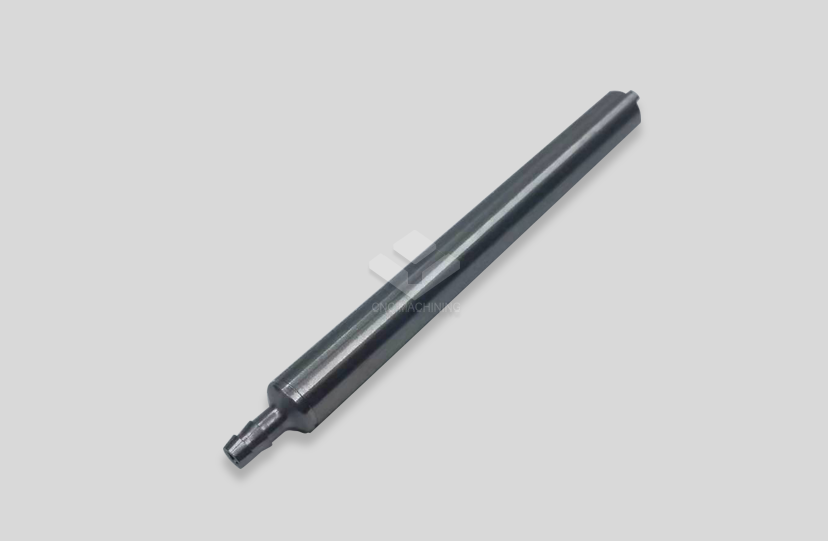
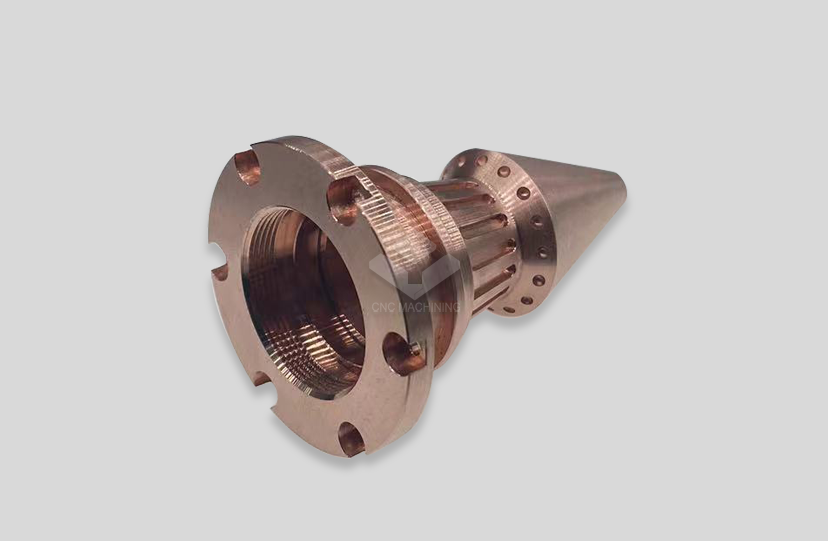
CNC turning is a computer-controlled way to make things where cutting tools that follow exact paths that have been set shape spinning workpieces. Modern CNC Turning Services let companies make cylindrical parts with tolerances as close as ±0.005 mm. These parts are used in important ways in the aerospace, medical device, and automotive industries. With this method of machining, raw material rods are turned into finished parts by carefully removing material. This lets engineers make parts with complex shapes like threads, tapers, and contours in just one setup. CNC turning centers are different from traditional manual lathes because they can repeat the same process over and over again during production runs. They also reduce human mistakes and cycle times by a large amount.
Understanding CNC Turning: Process and Operations
CNC turning works on a basic idea: a cylinder-shaped workpiece spins quickly while fixed cutting tools move generally inward to remove layers of material. The computer numerical control system reads G-code instructions from CAD and turns design specifications into exact tool movements that can be measured in micrometres. This digital connection between the spindle's movement and the path of the tool lets makers make complex features like holes, grooves, and outside profiles without having to do anything by hand.
How the CNC Turning Process Works
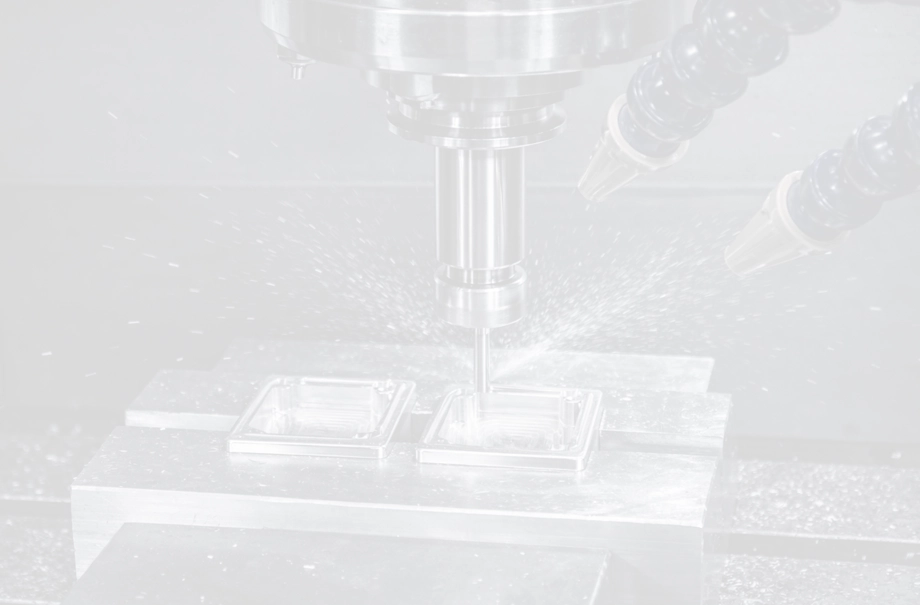
The cutting cycle starts when bar stock made of brass, aluminium, or steel is clamped into a three-jaw chuck or collet device. Once the piece is in place, the CNC controller starts the spindle's spinning, which usually ranges from 500 to 5,000 RPM based on the cutting tool and the material's hardness. Turrets with carbide or high-speed steel cutting tools move along pre-programmed paths toward the rotating workpiece, cutting away material to make it the right size and shape. Coolant systems flood the cutting zone to get rid of heat and chips, which stops chips from expanding too much, which could affect the accuracy of the measurements. Live tools devices on multi-axis turning centers let you mill, drill, and cross-hole parts without having to move them. This cuts setup time by 40–60% compared to the old way of doing things.
Types of CNC Turning Machines
Horizontal turning centers are most common in production settings where bar feeds provide a continuous material supply for CNC Turning Services used to manufacture large quantities of shafts and bushings. The beds on these machines can be up to 3 meters long, allowing them to handle components with length-to-diameter ratios greater than 10:1. Swiss-type lathes are ideal for producing small, precise parts such as medical pins and connecting components because they position guide bushings close to the cutting zone to reduce deflection. Large-diameter flywheels and brake rotors are machined on vertical turning centers, which use gravity to maintain stability for heavy castings during facing operations. Our facility includes both three-axis and five-axis turning centers that support CNC Turning Services for parts ranging from 3 mm to 500 mm in diameter. This advanced machining capability allows us to provide rapid prototypes, custom components, and production runs exceeding 10,000 units while maintaining high precision, repeatability, and quality control.
CNC Turning vs. CNC Milling: When to Choose Turning
CNC turning is good for jobs where the main shape is cylindrical or symmetrical about a central axis. For example, valve stems, threaded fasteners, and bearing journals are all good examples of this. Milling is better for making prismatic shapes like housings for enclosures or mounting brackets that need flat surfaces and features that are perpendicular to each other. When turning a cylinder, the surface finish is better, and secondary grinding operations are often not needed. When working with aluminium alloys, turning can remove material at speeds of up to 500 cm³ per minute, which is faster than milling for axial geometries. Multi-axis milling is needed for items that need complicated pocketing or features that aren't symmetrical around the axes.
Material Considerations for CNC Turning
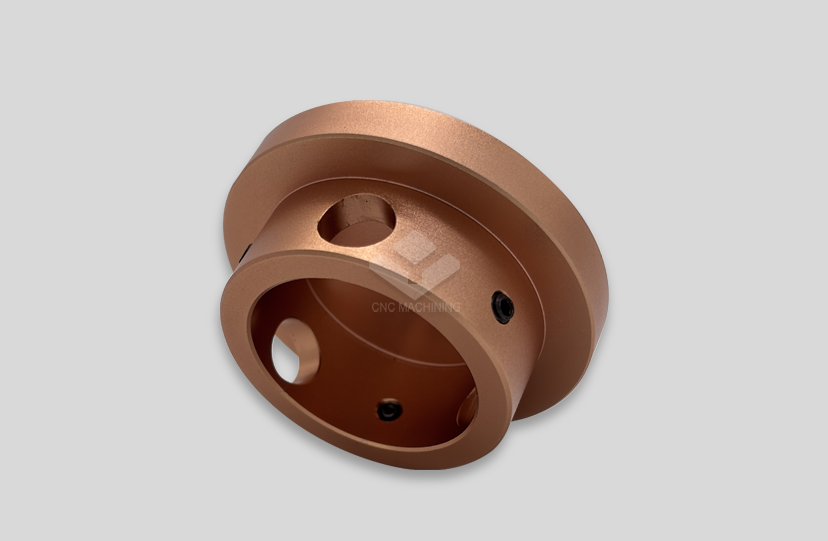
Brass is very easy to work with, so it can be cut smoothly, threaded precisely, and produced quickly. Custom CNC brass turning parts are used a lot in fluid power systems that need parts that don't rust and conduct electricity well. Aluminium is simple to work with, which lets you cut it at high speeds, get a smooth surface, and make precision turned parts quickly. Grades of stainless steel, like 316 and 304, need rigid setups and controlled feed rates to keep work-hardening under control. They have great strength-to-weight ratios for medical implants and food processing equipment, though. Engineering plastics, like PEEK and Delrin, can be machined smoothly without leaving burrs. They are used in electronics where good electrical protection is important. When we choose materials, we don't just look at how easy they are to machine. We also look at things like anodising compatibility, FDA compliance for biomedical applications, and thermal expansion coefficients that affect how stable the dimensions are across a range of operating temperatures.

Advantages of CNC Turning for Industrial Applications
CNC turning improves performance in ways that can be measured and directly helps mechanical engineers and supply chain managers with problems they have with buying things. Because of the technology's natural strengths, it can make product development faster, lower the cost of each part at scale, and make sure that quality is consistent across production runs.
Precision and Repeatability
Tighter standards, a better surface finish, and tighter control of concentricity and roundness are what precision spinning is all about. With the right measurements and tool adjustments, CNC processes can often reach tolerances of ±0.01 mm, while hand turning might only be able to reach ±0.05 mm. When making parts that fit together, like hydraulic cylinder rods and pistons, this level of control over dimensions is very important because interference fits need tolerance bands of less than 0.02 mm. Our facility's statistical process control data shows capability indices (Cpk values) higher than 1.67 for turned diameters on aluminium shafts, which means there are fewer than 0.6 defects for every million chances. This kind of repeatability gets rid of the dimensional drift that happens when work is done by hand, where tool pressure changes and workers get tired, causing variations.
Automation and Efficiency Gains
Lights-out manufacturing enables CNC lathes used for CNC Turning Services to operate automatically overnight and on weekends through the integration of automated bar feeders and robotic part catchers. This 24-hour production process reduces labour costs per component and maximizes equipment utilization. Tool life monitoring systems for CNC Turning Services automatically compensate for tool wear, increasing the number of parts produced by a cutting insert from 200 to 800 before replacement is required. When changing between different product families, quick-change tooling systems reduce setup times from 45 minutes to less than 10 minutes. This supports low-volume, high-mix manufacturing methods commonly used in prototype development, custom machining, and test production. The efficiency improvements continue to accumulate throughout a project lifecycle. Parts that previously required three weeks of manual machining can now be completed within five to seven days through advanced CNC programming, automated production workflows, and multi-operation machining strategies.
How to Choose the Right CNC Turning Service Provider
When looking for a manufacturing partner, you need to look at both their technical skills and the operational factors that affect project timelines and total landed costs. When making smart procurement choices, you should think about price, quality assurance methods, and how quickly you can communicate.
Evaluating Certifications and Capabilities
If a provider offers CNC Turning Services with ISO 9001:2015 certification, it means they have well-documented quality management systems that include process control, corrective actions, and continuous improvement procedures. For precision parts used in medical devices and aerospace applications, AS9100 or ISO 13485 certifications are often required rather than optional, demonstrating that the supplier's CNC Turning Services meet strict industry regulations and quality standards. In addition to certifications, you should also evaluate the supplier's actual machining capabilities and equipment. For example, do they operate advanced turning centers with live tooling, sub-spindle functions, and automated production features? Can they provide inspection records generated by coordinate measuring machines (CMMs) with traceable calibration histories? Our engineers have an average of 15 years of industry experience, allowing direct technical communication during design reviews, tolerance analysis, machining optimization, and process improvement discussions to ensure reliable CNC Turning Services and high-quality precision components.
Lead Time and Logistics Considerations
Both shipping times and communication speeds are affected by how close two places are to each other. Suppliers in the continental United States usually send prototype samples within 7–10 business days. Shipments to other countries, including clearing customs, may take 14–21 days. But production capacity and managing workload often matter more than distance. For example, an overseas supplier with free machine time may be able to deliver faster than a local shop that is already full. We offer global door-to-door delivery services for small orders and handle all the paperwork and freight forwarding to make the process of buying easier. Usually, sample production takes one week, but for simpler shapes, it only takes three days if you ask for a faster schedule.
Cost Structures and Pricing Models
As the number of parts ordered goes up, the price per part goes down a lot because the cost of setting up the parts is spread out over more parts. A prototype run of 10 aluminium bushings might cost $45 each, plus $300 for setup. On the other hand, as fixed costs are spread out over a production order of 1,000 units, each piece might cost only $8. Choosing the right material has a huge effect on the price. For example, brass bar stock costs about $12 per kilogram, while 316 stainless steel costs $35 per kilogram. Complex shapes that need five-axis simultaneous machining fetch higher prices because they require specialised tools and longer cycle times. Transparent suppliers give detailed quotes that break down the costs of materials, machine time, tooling, and finishing operations. This lets procurement managers find ways to cut costs by improving designs or switching out materials.
Procurement Insights: Ordering CNC Turning Services Efficiently
Successful projects and on-time deliveries are directly affected by how well the RFQ is prepared and how well the supplier is communicated with. Results are significantly better when you know how to organise technical specifications and oversee the flow of orders from prototype to production.
Preparing Clear RFQs and Technical Specifications
Complete 2D drawings with GD&T callouts make it clear what the most important measurements and practical needs are. Give exact information about the material grade—"aluminium" is not as clear as "6061-T6 aluminium per ASTM B211." List the surface finish requirements using Ra values instead of vague words like "smooth." List the inspection requirements, such as dimensional reports, material certifications, or compliance testing like salt spray exposure per ASTM B117. Include annual volume estimates and expected order frequency so that suppliers can suggest the right investments in tools and strategies for managing inventory. Our technical team looks over the sketches that are sent in to give DFM feedback. They point out any problems that might come up during the manufacturing process and suggest design changes that lower costs without affecting usefulness.
Managing Prototypes and Low-Volume Orders
When working on prototypes with CNC Turning Services, speed and technical feedback are often more important than simply cutting costs. Before approving production quantities, you should request first-article inspection reports that compare actual measured dimensions with drawing specifications. Using CNC Turning Services for prototype machining allows you to test material selection, surface treatment adhesion, and component fit with other assemblies before full-scale production. In low-volume manufacturing, it is often more practical to use manual inspection methods instead of dedicated fixtures and accept slightly longer delivery times to avoid spreading tooling costs across limited orders. We specialize in complex machining processes, precision turning operations, and customized requirements for small-batch production, helping product development teams achieve tight launch schedules while maintaining accuracy, quality control, and manufacturing reliability.
Scaling to Production Volumes
Planning for the change from the prototype to the production version should start with the first reviews of the design. Talk about tooling strategies that find a balance between lowering unit costs and spending money up front. Dedicated fixtures and custom cutting tools shorten cycle times by 20–40%, but they need to be ordered in advance so that the investment is worth it. Before production starts, make quality agreements that spell out inspection sampling plans, accepted quality levels, and how to handle nonconformances. When it makes sense, let vendors handle your inventory so they can keep safety stock and respond to call-offs within 48 hours. Strong communication and adaptable execution allow us to regularly go above and beyond what our clients expect during the volume ramp phases. We keep the same dimensions as production goes from 100 to 10,000+ units.
Trusted CNC Turning Service Providers and Industry Leaders

In industrial relationships, reliability is more than just technical skills. It also includes open communication, quick problem-solving, and consistent quality performance across multiple projects and product generations.
Building Long-Term Vendor Relationships
Suppliers build strong relationships with customers when they take the time to understand their needs instead of just giving quotes on prints. Regular reviews by engineers find ways to lower costs by switching out materials or improving the way things are done. Reviewing the business every three months keeps track of on-time delivery rates, quality metrics, and responsiveness indicators. This makes everyone responsible and encourages continuous improvement. Suppliers who are ready to carry specialised tools and keep expected inventory levels show that their dedication goes beyond just doing business with you. If there are quality problems within the same month, we guarantee quick remanufacturing (usually within a week) and cover the shipping costs. This shows that we focus on partnerships rather than single deals.
Certifications That Build Trust
Besides ISO quality systems, certifications that are specific to a field show that the holder has specialised knowledge. Registered with ITAR, sellers can handle defense-related parts using the right safety measures. Registration with the FDA and following the quality rules in 21 CFR Part 820 for medical devices shows that you can work in areas with a lot of rules. RoHS and REACH compliance certifications are important for products that want to sell in Europe, where there are strict rules about what can be used. So that procurement teams can be sure that suppliers know the rules and keep the paperwork needed for tracking and auditing, these credentials are important.
Conclusion
CNC Turning Services are an important manufacturing solution that makes it possible to produce precise parts for industries such as aerospace, medical equipment, automotive, and industrial machinery. This process provides higher dimensional accuracy, flexible production scalability, and compatibility with a wide range of materials compared with traditional manual machining methods. A successful procurement process for CNC Turning Services involves evaluating more than just supplier price quotes. It is important to consider engineering support quality, communication response speed, production capabilities, machining expertise, and the strength of quality management systems. Understanding the technical fundamentals of CNC turning, material selection considerations, machining tolerances, and production capabilities enables mechanical engineers and supply chain professionals to make informed purchasing decisions. Partnering with experienced CNC Turning Services providers helps companies maintain competitive advantages and meet strict quality standards as product complexity and time-to-market requirements continue to increase.
FAQ
What factors influence CNC turning costs?
Costs are mostly affected by the type of material used, the complexity of the part, the tolerance requirements, and the size of the order. For cutting exotic metals like Inconel, you need special tools and slower speeds, which drives up machine time charges. When limits are less than ±0.01 mm, more inspections and process controls need to be done. When you buy more than 10 units, the price of each piece goes down a lot because the setup costs are spread out over a larger number of units. Depending on how complicated the process is and how much handling is needed, secondary operations like heat treatment, soldering, or special surface finishes add extra costs.
How does precision CNC turning differ from standard turning?
Tighter standards, a better surface finish, and tighter control of concentricity and roundness are what precision spinning is all about. Standard turning operations usually keep tolerances of ±0.05 mm, which is fine for non-critical features. Precision work, on the other hand, gets tolerances of ±0.005 mm or better by controlling the process very carefully. Surface finish needs are very different. Standard turning provides finishes of Ra 3.2 μm, but precision applications need finishes of Ra 0.8 μm or finer, which often means that grinding is not needed afterward. Differences in equipment include machine structures with higher rigidity, thermal compensation systems, and the ability to measure while machining to confirm dimensions.
Can CNC turning handle prototype and low-volume production efficiently?
Modern CNC turning centers are great for making prototypes because they can change tools quickly and have flexible CAM code. Unlike special transfer lines, which need a lot of money to set up, CNC lathes can adapt to new part shapes by changing their software instead of their hardware. We usually finish making samples within a week, which allows for quick design feedback processes. Low-volume production can still be cost-effective as long as setup times are kept to a minimum and inspections are done by hand. This way, investments in fixtures are avoided that are only worthwhile at higher volumes.
Partner with RYH for Reliable CNC Turning Services
RYH approaches every CNC turning project with engineering-driven precision. They have 9 years of manufacturing experience and technical knowledge that averages over 15 years per team member. We are experts at making totally customised metal and non-metal parts from drawings provided by our clients. We strictly follow international material certifications, FDA rules, and surface treatment standards that include anodising and salt spray tests. Our one-on-one technical communication method gets rid of middlemen so that engineers can work directly with each other on choosing materials, improving tolerances, and making sure that designs are possible. Sample production can be finished in 3–7 days, which helps meet tight deadlines for product development. Our global logistics support and flexible manufacturing capabilities ensure consistent quality and quick service, whether you need to test a prototype or increase the number of items being made. Contact bill@bldmachining.com to talk about your precision turning needs with a CNC Turning Services provider with a track record of excellence in industrial partnerships.
References
1. Kalpakjian, S., & Schmid, S. R. (2014). Manufacturing Engineering and Technology (7th ed.). Pearson Education.
2. Stephenson, D. A., & Agapiou, J. S. (2016). Metal Cutting Theory and Practice (3rd ed.). CRC Press.
3. Boothroyd, G., & Knight, W. A. (2006). Fundamentals of Machining and Machine Tools (3rd ed.). CRC Press.
4. Lopez de Lacalle, L. N., & Lamikiz, A. (2009). Machine Tools for High Performance Machining. Springer-Verlag London.
5. Astakhov, V. P. (2010). Geometry of Single-Point Turning Tools and Drills: Fundamentals and Practical Applications. Springer-Verlag London.
6. Trent, E. M., & Wright, P. K. (2000). Metal Cutting (4th ed.). Butterworth-Heinemann.
 CNC machined parts.webp)