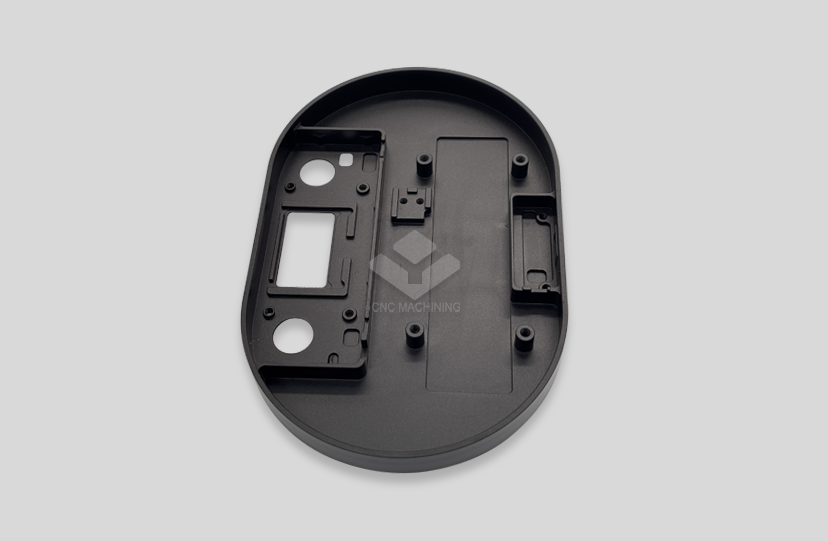
5-Axis CNC Machining: Unleashing Material Versatility and Precision
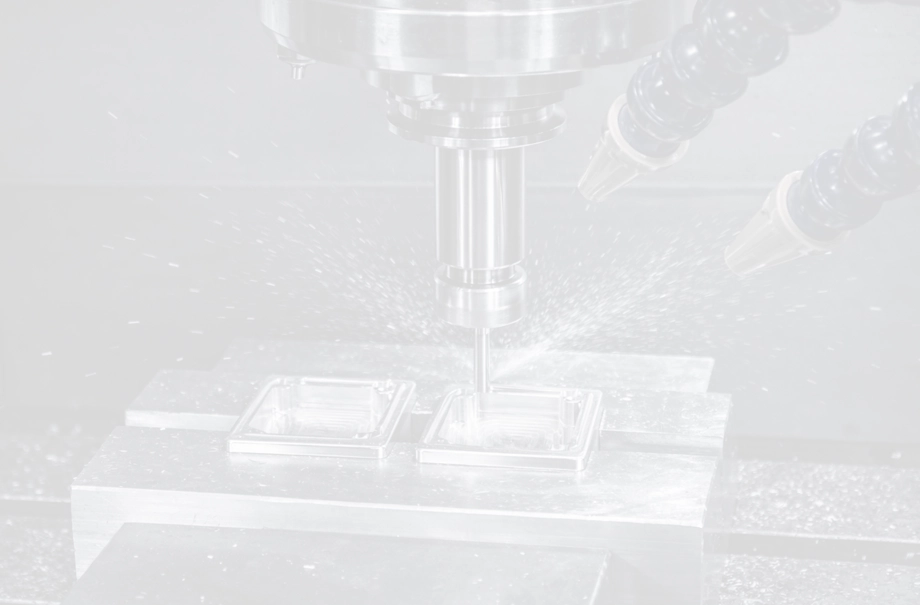
When engineering teams need to make complicated shapes with very tight standards, 5-Axis CNC Machining is the best way to do it. With this advanced manufacturing technology, we can control the toolpath at the same time on five different axes. This lets us make complex parts from almost any angle without having to move them. Compared to regular three-axis systems, multi-axis machining provides very accurate measurements while cutting down on setup time and human mistakes by a large amount. The process works with a huge variety of materials, from high-performance industrial plastics to aerospace-grade titanium and medical-grade stainless steel. This makes it essential for fields where product success depends on accuracy and material flexibility.
Understanding 5-Axis CNC Machining Technology
Five-axis technology's main benefit is that it can control both rotation and linear movement at the same time. This gives manufacturers more geometric freedom than ever before.
How Multi-Axis Coordination Works
The cutting tools on traditional three-axis machines move in straight lines along X, Y, and Z. Five-axis systems have two extra axes of rotation, usually called A and B, that can tilt either the cutting head or the workpiece table. This simultaneous five-direction movement lets cutting tools approach workpieces from almost any angle. This gets rid of the need for multiple setups that lead to positioning mistakes that add up over time. We've seen this feature shorten production times, especially when making aerospace brackets with complex angles or medical implants that need to be accurate to the nearest micron.
Machine Configuration Types
When the table tilts, the item can be rotated while the wheel stays still. This makes it very stable for heavy parts. Head-tilting designs move the cutting tool instead, which makes it easier to get to big parts that can't be moved around easily. Trunnion-style machines use both methods, giving manufacturers the most options for meeting complicated production needs. Understanding the differences between the configurations helps procurement teams match the skills of the tools to the needs of the project.
Material Compatibility Across Industries
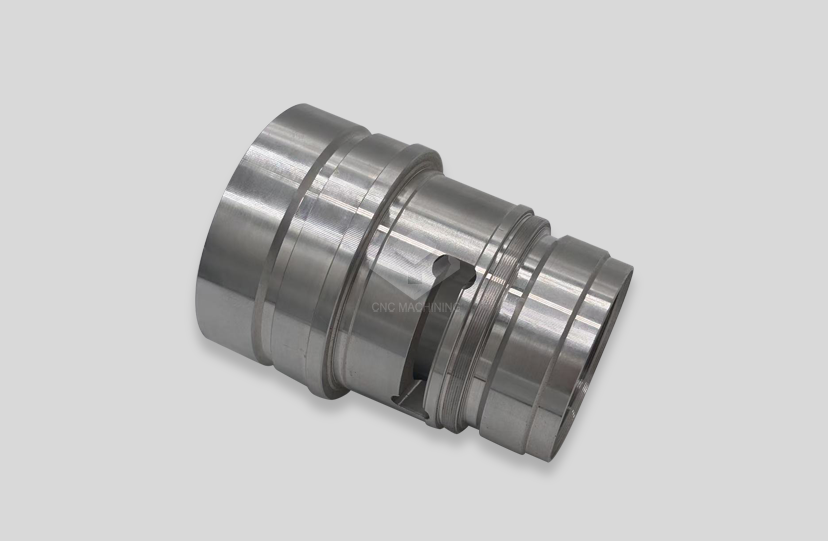
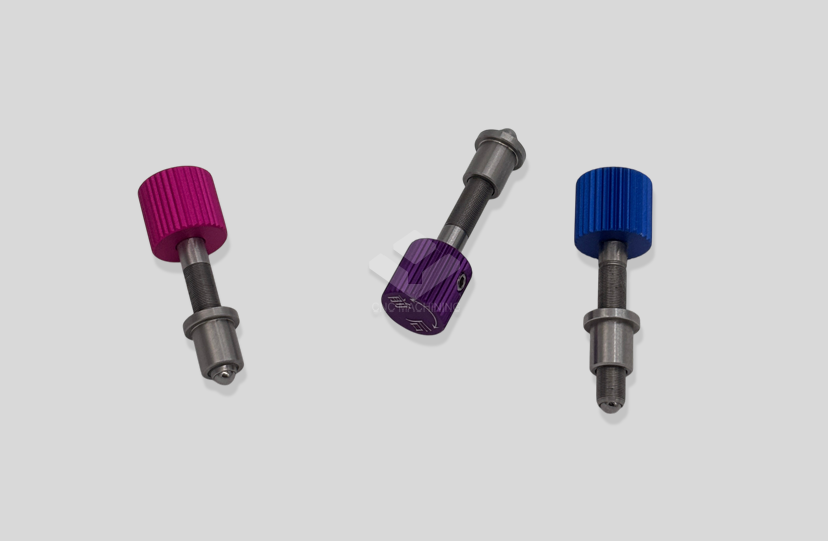
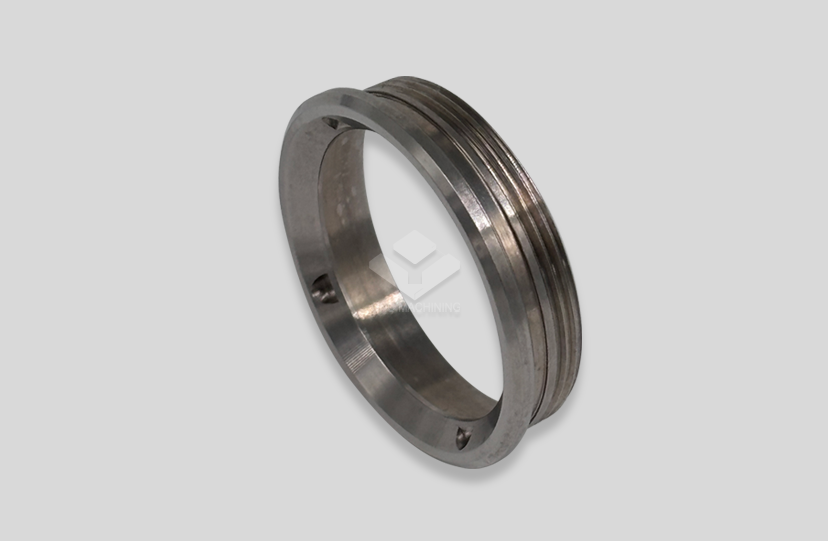
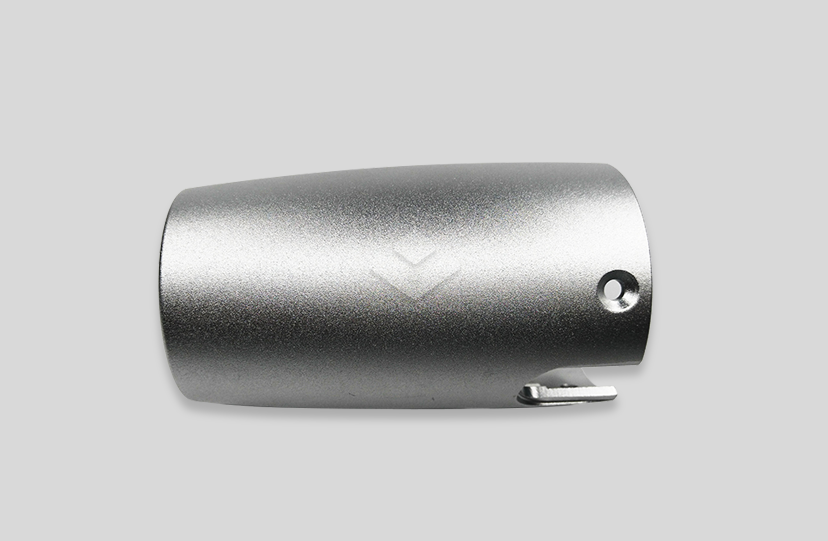
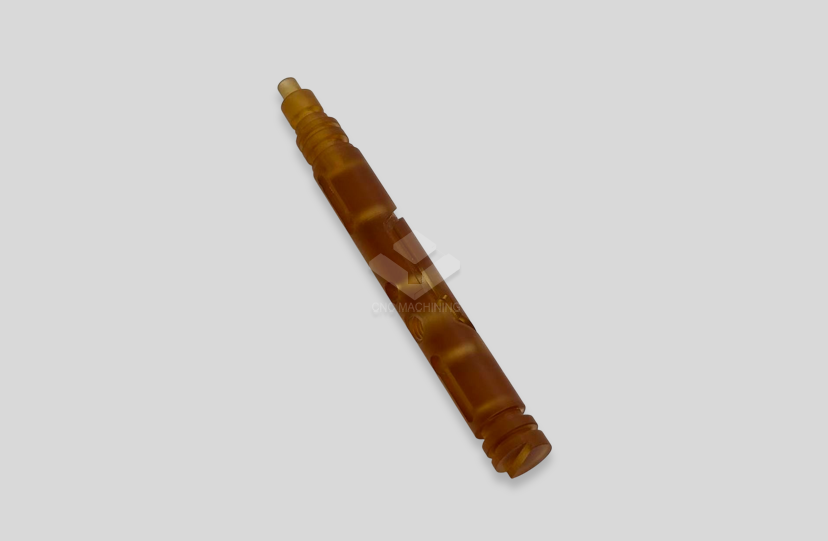
The process works with a wide range of materials. Aluminium alloys are great for making electronics enclosures and prototypes for cars because they are easy to machine and have great surface finishes. Grades of stainless steel, such as 304, 316, and 17-4 PH, meet strict standards for medical devices and food processing equipment when it comes to corrosion protection. Titanium alloys, such as Ti-6Al-4V, are used in aerospace where high strength-to-weight ratios are needed. Engineering plastics like PEEK, Ultem, and Delrin make lab instruments biocompatible and resistant to chemicals. Because of this, you don't have to find different suppliers for each material. This streamlines supply chains and makes sure that quality standards are maintained across a wide range of component portfolios.
Benefits of 5-Axis CNC Machining for B2B Manufacturing
When manufacturing leaders look at the total project costs instead of just per-part prices, they always find a number of competitive advantages that make the technology investment worthwhile.
Enhanced Precision Through Single-Setup Machining
During standard cutting, every time we move a piece of work, we risk making alignment mistakes that get worse over time. 5-Axis CNC Machining systems can access more than one part surface in a single fixturing cycle, so they don't need as many backup setups. When we made a robotics joint housing that needed perpendicular mounting holes with positional tolerances within ±0.0005 inches, this feature came in very handy. The single-setup method kept the features perfectly aligned, which is hard to achieve with traditional methods that require multiple orientations.
Operational Efficiency and Time Savings
Lessening the number of setups saves time across all production cycles. Because shorter cutting tools can be used, tool changes are less frequent. This is because we can approach from better angles, which means we don't have to use long, thin tools that tend to bend and chatter. We've seen cycle times drop by thirty to fifty percent compared to three-axis options for parts that are more complicated. These efficiency gains directly lead to faster prototype iterations for R&D teams and shorter lead times for procurement managers who have to meet tight launch dates for new products.
Long-Term Cost Optimization
The initial cost of the equipment is higher than for regular machines, but the operational savings add up quickly. Returns on investment are strong when labour hours are cut, parts are rejected less often, and secondary operations are kept to a minimum. 5-Axis CNC machining is often cheaper than standard methods for parts that are more complicated than simple prismatic shapes when we look at the total cost of production, which includes setup labour, review time, and rework costs. For low to medium volume production runs, where setup time makes up a big chunk of total manufacturing hours, this cost structure works especially well.
5-Axis vs 3-Axis CNC Machining: Key Comparisons for Procurement Decisions
The purchasing and engineering teams can save money and time by knowing when to use new cutting tools and when to use more traditional methods.
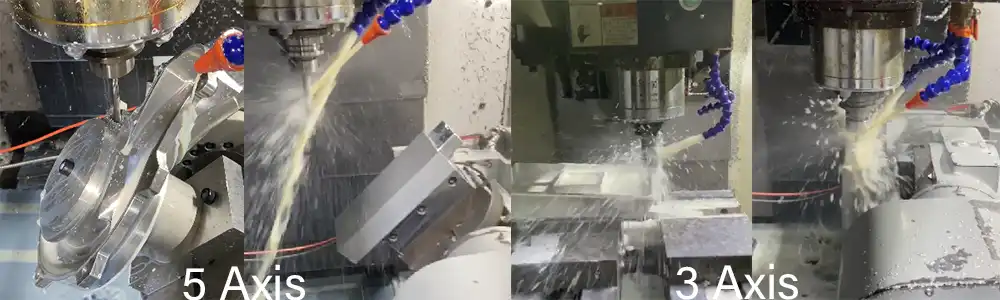
Geometric Capability Differences
Three-axis machines are great at making parts with features that can be reached from only one way, like flat plates, simple braces, and simple enclosures. When your design has undercuts, holes at an angle, or complexly curved surfaces, you need to be able to work on more than one axis. We recently helped a client in the automotive industry whose EV battery housing needed cooling channels at multiple angles. For three-axis processing, custom fixtures and multiple setups would have been needed, and each would have added tolerance stack-up risks. The five-axis method finished the part in one step and made sure that all of its parts were perfectly lined up.
Investment and Application Analysis
Cost factors include more than just the price of buying tools. Three-axis machines need less programming knowledge and easier CAM software, which means that less money needs to be spent on training. But complicated parts need a lot of engineering for fixtures and take longer to make, which eats away at these initial savings. We help our customers with this analysis by looking at the usual complexity of their parts, the number of parts they need to make, and the tolerances they need. Companies that make complicated surgical tools usually see quick payback times. On the other hand, companies that make simple sheet metal brackets may find three-axis solutions more useful.
Lead Time and Supply Chain Impact
Cutting down on setup time has a direct effect on project timelines. Product development teams gain a competitive edge in markets that change quickly when prototype development cycles are cut from weeks to days. By getting rid of extra operations and outside finishing processes, we've helped companies that make semiconductor equipment cut the time it takes to make a sample from 14 days to 5 through 5-Axis CNC Machining capabilities. This ability to adapt is especially useful during the design validation stages, when quick iteration determines when to enter the market.
Conclusion
Using advanced 5-Axis CNC Machining technology changes the way engineering teams make complex parts in a fundamental way. The combined five-axis control gives you geometric options, high levels of accuracy, and a wide range of materials that you can't get with other methods. We've seen this technology shorten production times for clients in the medical, automotive, aerospace, and industrial equipment industries. Single-setup accuracy, shorter cycle times, and broad material compatibility make this approach a great choice for projects ranging from prototype development to medium-volume production. When production partners combine high-tech machining capabilities with in-depth technical knowledge and responsive project management, the results consistently go beyond what can be achieved with traditional machining methods.
FAQ
What materials work best with five-axis processing?
The technology can work with almost any material that can be machined. With fast cycle times and great surface finishes, aluminium alloys do a great job. Grades of stainless steel like 304, 316, and 17-4 PH are used in medical and food-grade settings. Titanium alloys are strong enough for use in spacecraft. Chemical protection and biocompatibility are two things that engineering plastics like PEEK, Ultem, Delrin, and PTFE offer. Depending on the needs of the project, we can also work with brass, copper, tool steels, and rare alloys. The right material for the job depends on its mechanical properties, its ability to withstand harsh conditions, its cost, and any regulations that need to be followed.
How does multi-axis machining improve production efficiency?
Gains in efficiency come from a number of different places. Single-setup processing gets rid of the time and mistakes that come with repositioning. By letting shorter, stiffer cutting tools work with the right approach angles, more material can be removed faster, and the surface finish is better. Fewer tool changes mean less time spent not cutting. Complicated programming lets machines run by themselves during complicated multi-hour processes. When compared to traditional methods on complex geometries, these factors cut total production time by thirty to fifty percent. This has a direct effect on your project timelines and manufacturing costs.
Partner with RYH for Expert 5 Axis CNC Machining Solutions
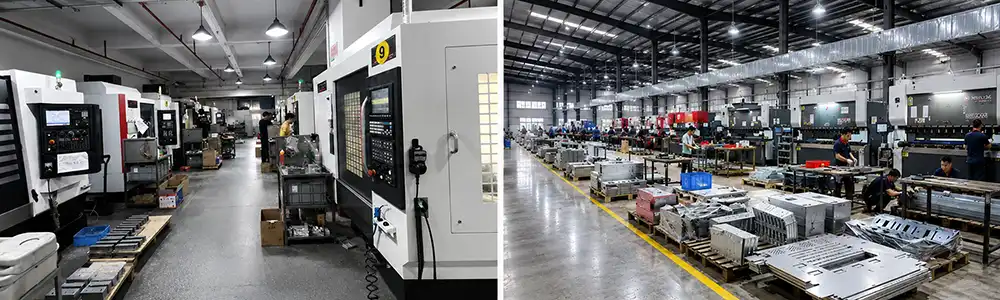
When there are technical problems, you need manufacturing partners who have both high-tech tools and real engineering knowledge. We at RYH have spent years building skills that are just right for making complicated, precise parts out of metal and plastic. Our engineering team has an average of fifteen years of experience with machining. They can give you Design for Manufacturability ideas that help you make your plans better before they go into production. We have standards for quick responses: quotes are given within hours, and samples are usually made within a week, but sometimes they can be made in as little as three days for simpler shapes. We are a dependable 5-Axis CNC Machining provider that knows how to deal with tight tolerances, complicated geometries, and tight delivery schedules. We always give consistent results backed by detailed quality documentation. Email our team at bill@bldmachining.com to talk about your project needs and find out how our precision manufacturing services can help you get your product to market faster while still meeting the quality standards your applications require.
References
1. Suh, S.H., Kang, S.K., Chung, D.H., and Stroud, I. (2008). Theory and Design of CNC Systems. Springer-Verlag London Limited.
2. Boothroyd, G., and Knight, W.A. (2006). Fundamentals of Machining and Machine Tools, Third Edition. CRC Press, Taylor & Francis Group.
3. Tlusty, J. (2000). Manufacturing Processes and Equipment. Prentice Hall, Upper Saddle River, New Jersey.
4. Kalpakjian, S., and Schmid, S.R. (2014). Manufacturing Engineering and Technology, Seventh Edition. Pearson Education, Inc.
5. Stephenson, D.A., and Agapiou, J.S. (2016). Metal Cutting Theory and Practice, Third Edition. CRC Press, Taylor & Francis Group.
6. Astakhov, V.P. (2006). Tribology of Metal Cutting. Elsevier Ltd., Oxford, United Kingdom.