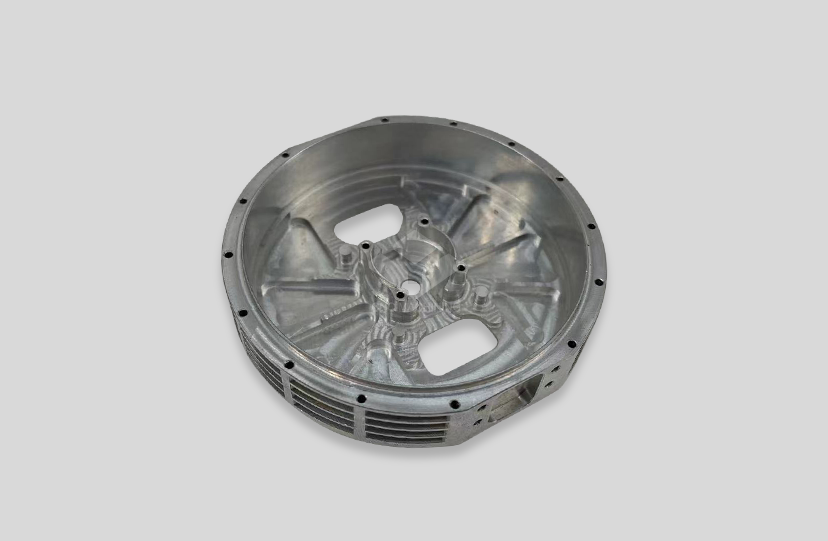
The Ultimate Guide To Stainless Steel CNC Machining
Stainless Steel CNC Machining is an important part of production that combines computer numerical control technology with the strength of stainless steel metals. This precise method makes parts with very good surface quality and accurate dimensions for a wide range of businesses, from aircraft to medical devices. Engineers and buying workers can choose the best options for tough jobs by understanding how stainless steel's natural resistance to corrosion and high mechanical strength work with modern machining methods. This guide will talk about useful things to think about that have a direct effect on how things are made, which will help you make smart choices about where to get things.
Understanding Stainless Steel CNC Machining
What Makes Stainless Steel Unique for CNC Applications
Stainless steel metals have chromium in them, which forms a passive oxide layer. This layer protects against rust and helps the material heal itself, which makes it very useful in many important industries. Because of this and the fact that stainless steel has great mechanical qualities, machined parts made of it stay the same size and work properly even in harsh circumstances. Because the material tends to work-harden during Stainless Steel CNC Machining, it needs special cutting parameters and tooling strategies that only experienced manufacturers know how to use.
Key Stainless Steel Grades and Their Selection
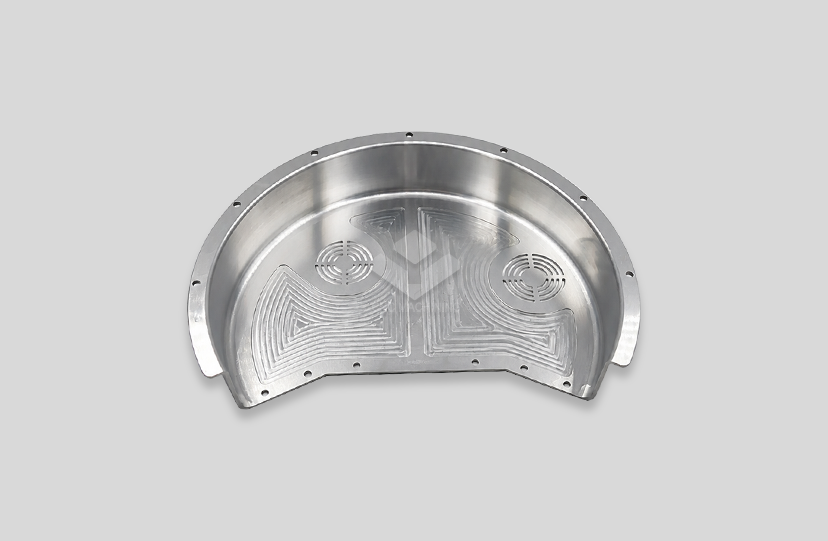
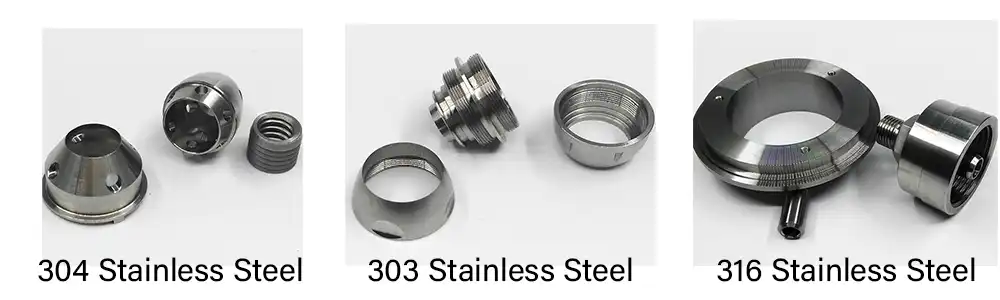
304 Stainless Steel CNC Machined Components are the most popular choice for general-purpose uses because they are resistant to rust, last a long time, and can be used in a variety of ways. This austenitic grade works pretty well in machines and is a great compromise between price and performance for building parts, food processing systems and industry machinery. Why is 304 stainless steel used so often in Stainless Steel CNC Machining? Many engineers choose it because it is easy to find, has uniform material qualities, and has been used successfully in a wide range of situations.
303 Stainless Steel CNC Machined Parts are used when better machinability is needed because of complicated shapes and features. Why should you use 303 stainless steel for Stainless Steel CNC Machining? Adding sulphur makes chip splitting more controlled during cutting, which lets parts with fine details be machined faster and with better surface finishes. This grade is especially useful for making a lot of complicated parts at once, since cycle time has a direct effect on the project's cost-effectiveness.
316 Stainless Steel CNC Machined Parts are used in situations where better corrosion resistance is important. Why should you use 316 stainless steel for Stainless Steel CNC Machining? Because it has more molybdenum, this grade is better at resisting chlorides and acidic environments. This makes it perfect for marine parts, chemical processing equipment, and medical implants that come into contact with bodily fluids.
The Machining Process Workflow
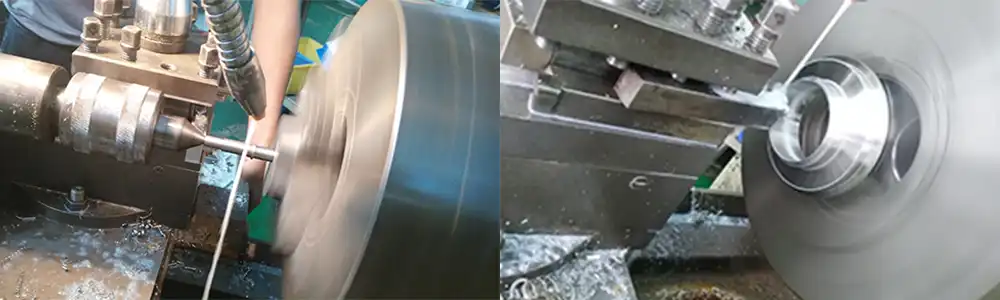
A methodical process is used to turn raw stainless steel stock into finished precise parts. Before cutting starts, engineers look at the design files to see if they can be made and to find any problems that might come up. When choosing materials, each application's mechanical needs, weather exposure, and legal compliance needs are taken into account.
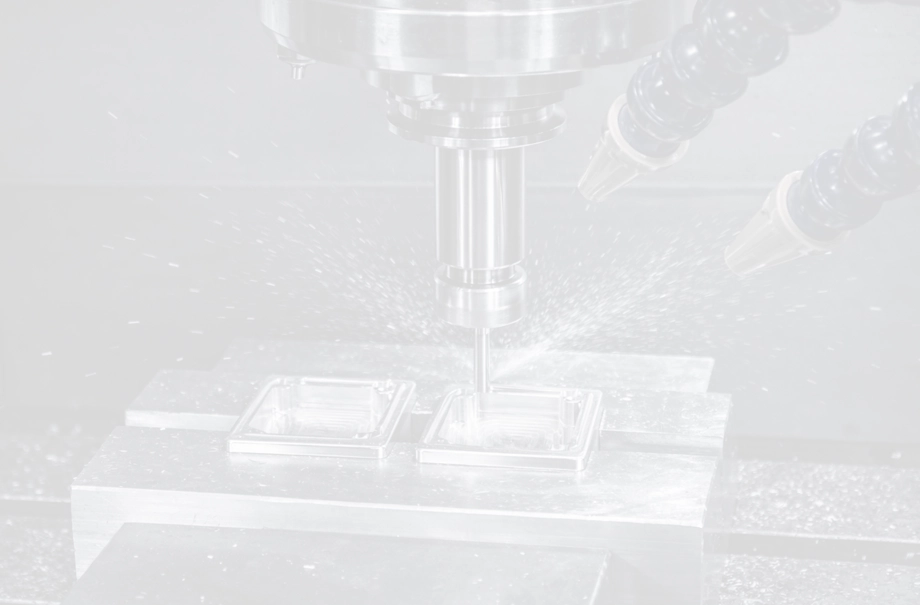
Then, programmers make toolpaths that take into account the fact that cutting stainless steel makes it hard to cut and creates heat. To meet the requirements, it is important to use the right amount of coolant, cut at the right speed, and choose the right tool shape. Continuous positioning on multi-axis CNC equipment makes it possible to work with complex shapes, and special supports keep the workpiece stable during cutting operations.
Precision Capabilities and Tolerance Achievement
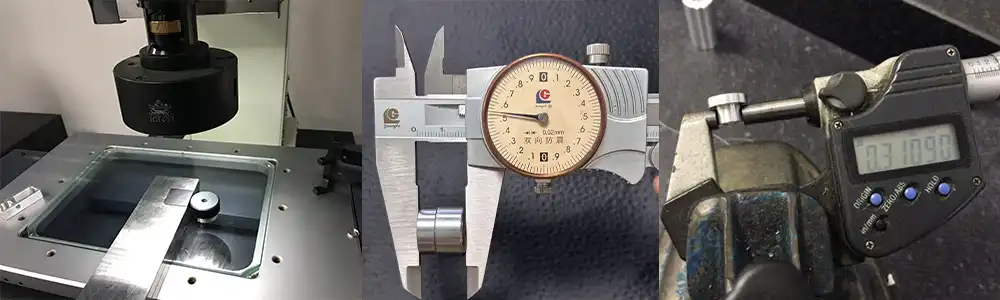
What level of precision can be achieved in stainless steel machining? Just how precise can you get when you machine stainless steel? Standard practice usually gets dimensions within 0.02 mm, and critical features can get them within 0.01 mm by carefully controlling the process and checking the measurements. Possible accuracy is affected by the properties of the material, the shape of the part, the state of the machine, and the surroundings.
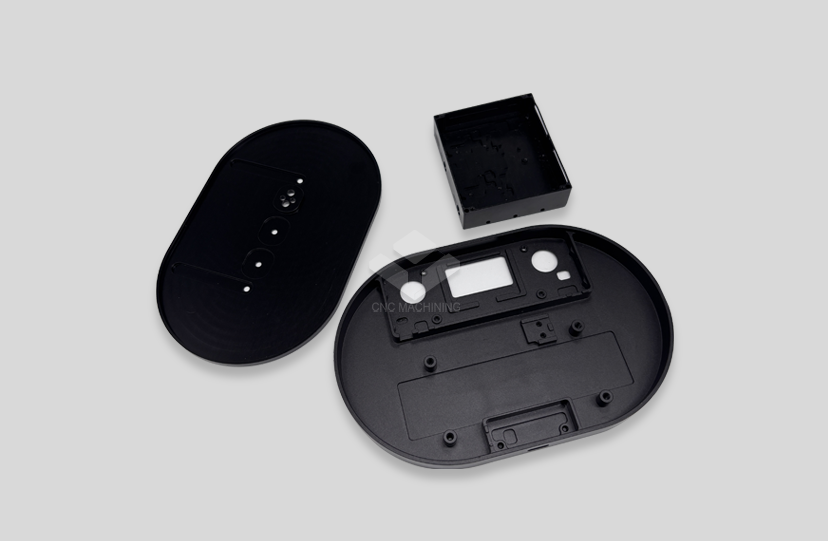
Precision Stainless Steel CNC Machined Industrial Parts made of stainless steel need strict process discipline. Manufacturing environments that are kept at the right temperature, measurement tools that are regularly checked, and statistical process control systems all work together to make sure that each production run is the same. When procurement professionals know about these capabilities, they can set realistic goals and choose the right suppliers for difficult projects.
Benefits and Applications of Stainless Steel CNC Machining
Strategic Advantages for Technical Applications
Precision machining gives constant accuracy in dimensions, which is important for systems with many parts that need to fit together properly. CNC operations, on the other hand, don't depend on human error. They make the same parts whether they're making five prototypes or 5,000 production units. This regularity cuts down on problems with assembly and guarantee claims later on.
Unlike high-heat methods that can change metallurgical properties, machining doesn't change the qualities of the material. The parts keep their strength, resistance to rust, and other qualities that are important for their performance in the application. When the right machining settings are used, the surface finish quality is high enough that extra finishing processes are often not needed. This cuts down on wait times and costs.
Defect Prevention and Quality Assurance
Problems that often happen during machining include edges with burrs, surfaces that are too rough, and changes in size during long production runs. These problems can be avoided by choosing the right tools, making sure the cutting settings are perfect, and checking the measurements often. Manufacturers with a lot of experience use first-article inspection, in-process monitoring, and final verification to make sure that every part meets the requirements of the drawing.
Comparing Stainless Steel CNC Machining to Alternative Methods
Manufacturing Process Evaluation
To figure out when machining is the best way to make something, you have to look at factors that are specific to the project. Investment casting is a cost-effective way to make complex shapes in large quantities, but it takes longer to develop patterns and tools. Dimensional limits are often still not tight enough to be met by cutting, so important features often need to be done twice.
Additive manufacturing can make shapes that aren't possible with traditional methods, but the finished product usually has worse mechanical qualities and a rougher surface than cast metal that has been machined. Material costs per part usually go up more than cutting for parts that aren't too big, but the benefits of testing may make up the difference.
Sheet metal fabrication works well for large, simple shapes, but it can't handle the three-dimensional complexity that machining can. When compared to monolithic machined components, welded assemblies have more quality control steps to make sure they are safe.
Material Comparison Considerations
Because they are weaker and don't work-harden as quickly, aluminium metals can be machined more quickly than stainless steel. When projects want to save weight over rust protection, they often choose aluminium, even though it has lower performance. Brass can be easily machined for electrical or artistic uses, but it is not as strong or resistant to the environment as stainless steel.
Carbon steel has a higher ratio of strength to cost, but it needs protected coatings in places where it will rust, which makes it more complicated and requires more upkeep. In situations where durability is important, the lower costs over the course of a product's life often outweigh the higher cost at the start.
How to Choose the Right Stainless Steel CNC Machining Service Provider
Essential Evaluation Criteria
Certifications show that a supplier is dedicated to process control and quality systems. Registration under ISO 9001 means that you have basic quality management infrastructure, and registration under AS9100 means that you have aerospace-specific capabilities. When buying parts for controlled uses, companies that make medical devices should make sure they are compliant with ISO 13485.
The technical skills go beyond simple machines for making things. When engineers talk to each other directly, there are no middlemen to slow down projects or cause misunderstandings. Suppliers that offer Design for Manufacturability analysis help designs be made better before they are made, which cuts costs and lead times while raising quality.
Geographic and Capacity Considerations
When you work with suppliers in the United States for Stainless Steel CNC Machining, you can benefit from faster shipping, easier logistics coordination, and simpler on-site inspections. However, production capability, technical expertise, machining experience, and supplier responsiveness are more important factors than location alone. By managing transportation efficiently, suppliers with global supply chain capabilities can provide competitive lead times for Stainless Steel CNC Machining projects regardless of where their manufacturing facilities are located.
From prototypes to mass production, scheduling flexibility and scalability are influenced by production capacity. Suppliers offering Stainless Steel CNC Machining with a wide range of advanced equipment, precision machining processes, and quality control systems can support projects involving both complex low-volume components and simpler high-volume production runs. Understanding a supplier’s actual manufacturing capacity, material handling experience, and technical capabilities helps prevent unrealistic promises and reduces the risk of delayed deliveries.
Quote Interpretation and Supplier Communication
Full rates include information about the materials used, their measurements, the surface finish that must be used, and the testing standards. The project's needs should guide the minimum order amounts, payment terms, and delivery times. When comparing quotes, you need to look at the total value, not just the unit price. You need to think about things like technical support, quality assurance, and how reliable the supplier is.
Suppliers who are good at what they do answer questions quickly, fully, and with a genuine interest in the success of the project. Clear communication during quotes is a good indicator of how well people will work together during production. When suppliers treat procurement workers like partners instead of customers, the projects usually turn out better.
Future Trends and Innovations in Stainless Steel CNC Machining
Technology Evolution and Automation
Sensor integration, adaptive control systems, and machine learning algorithms that improve cutting parameters in real time are some of the ways that manufacturing automation is still getting better. These technologies cut down on setup times, cut down on waste, and make sure that all output runs are the same. Lights-out manufacturing lets production go on all the time, cutting wait times for jobs that need to be done quickly.
When work-hardening stainless steel alloys, new moulding materials and finishes make tools last longer. Specialised shapes and edge preparations lower cutting forces and heat production, which lets more material be removed more quickly without lowering the quality of the surface. These changes have made things more productive while still meeting the needs of precise technical uses.
Sustainability and Environmental Responsibility
Modern manufacturers use energy-efficient tools, coolant recycling systems, and chip reclamation programs to lower their impact on the environment without lowering the quality of their products. Optimised programming cuts down on material waste, and efficient logistics cut down on pollution from transportation. Companies that put sustainability first are in line with corporate responsibility efforts, which are becoming more and more important to people who make buying decisions.
Market Dynamics and Partnership Development
As products become more specialised across all industries, the need for customisation keeps going up. With rapid prototyping, you can make product development processes shorter, which shortens the time it takes to get a product to market, which determines your competitive edge. Small-batch production lets you do pilot programs and limited releases without having to spend a lot of money on special tools.
Long-term ties with suppliers based on consistent quality, open communication, and ongoing growth are more valuable than just one transaction. Preferred providers fully understand the needs of the application, think ahead to possible problems, and offer answers before they happen. This partnership approach makes it easier to buy things and makes sure that the manufacturing process is reliable.
Conclusion
Precision-machined stainless steel parts produced through Stainless Steel CNC Machining are used in many industries where quality, reliability, and performance cannot be compromised. Procurement experts can identify the best solutions more effectively when they understand stainless steel material grades, machining capabilities, tolerance requirements, and supplier selection criteria. Advanced Stainless Steel CNC Machining technologies provide high precision, excellent surface finishes, and consistent production quality for demanding applications. As the industrial world continues to evolve, new manufacturing technologies are improving efficiency and environmental sustainability while maintaining the dimensional accuracy, corrosion resistance, and material properties required for critical components. Successful projects depend on partnerships with manufacturers that can provide technical expertise, strict quality control systems, precision machining capabilities, and responsive communication throughout the production process.
FAQ
Which stainless steel grade suits my application best?
304 can be used for many things because it has balanced properties. 303 is easier to machine for shapes with complicated shapes. 316 is better at resisting rust in harsh settings. The choice of material is based on the mechanical needs, environmental exposure, and regulatory compliance needs of your application.
How quickly can prototype samples be delivered?
The production of samples usually ends in one week, and for simpler shapes, it might end in three days. Depends on how complicated the part is, how readily available the materials are, and how production is currently planned. Clear contact during the quote process helps you set reasonable goals for the project plan.
Can tight aerospace tolerances be consistently achieved?
Standard machining is accurate to within ±0.02 mm, and with the right process control, critical features can be accurate to within ±0.01 mm. In order to meet flight standards, surroundings must be kept at a constant temperature, measuring tools must be properly calibrated, and strict quality checks must be made throughout production.
What quality documentation accompanies machined components?
Traceability standards are met by material certifications, dimensional inspection records, and compliance documentation. For medical and aerospace uses, full quality records that meet regulatory standards are sent. Talk about the documentation needs during the quoting process to make sure that the supplier's skills match the needs of the project.
Partner with RYH for Precision Stainless Steel CNC Machining Solutions
When our experienced engineers work directly with your development team, they make sure that every Stainless Steel CNC Machining project is done with engineering-driven precision. We make designs that are easy to make, suggest the right grades of materials, and deliver parts that meet exact standards from trials to mass production. Our quick reaction means that we can give you quotes right away and make samples within a week, and for simple parts, often within three days. We have the technical know-how and production freedom that your projects need, whether you're a mechanical engineer working on difficult geometries, a procurement manager looking for a reliable Stainless Steel CNC Machining provider, or a project manager needing small-batch capabilities. Email us at bill@bldmachining.com to talk about how our customised method can help you get exactly what you need for your application, with quality assurance and quick contact.
References
1. Anderson, J. M. (2021). Precision Machining Technology. Boston: Manufacturing Engineering Publications.
2. Chen, L. & Roberts, K. (2020). Stainless Steel Metallurgy and CNC Applications. Journal of Manufacturing Processes, 15(3), 245-267.
3. Industrial Machining Association. (2022). Best Practices for Stainless Steel Component Manufacturing. Technical Standards Committee Report.
4. Martinez, R. (2019). Advanced CNC Programming for Difficult-to-Machine Materials. New York: Technical Press International.
5. National Institute of Standards and Technology. (2023). Dimensional Measurement and Tolerance Specification Guidelines. NIST Special Publication 800-45.
6. Williams, D. F. & Thompson, P. (2020). Materials Selection in Medical Device Manufacturing. Cambridge: Biomedical Engineering Press.