CNC Milling Services vs. Conventional Machining
The main difference between CNC Milling Services and traditional milling is how precise and automated it is. CNC milling uses computer-controlled systems to make complicated toolpath movements very accurately, down to the micron level. Traditional machining, on the other hand, depends on skilled operators and mechanical adjustments. Modern CNC technology makes it possible to make the same product over and over again, works with complicated shapes that manual methods can't, and greatly reduces mistakes made by humans. This automated method solves important manufacturing problems, especially in fields that need very tight tolerances (below ±0.01mm), quick prototyping cycles, and production that can go from one prototype to thousands of units.
Understanding CNC Milling Services and Conventional Machining
Both processes remove material to make finished parts, but they are very different in how they work, what they can do, and what they produce. Procurement managers and design engineers can choose the right manufacturing partner if they know about these differences regarding CNC Milling Services.
What Defines CNC Milling?
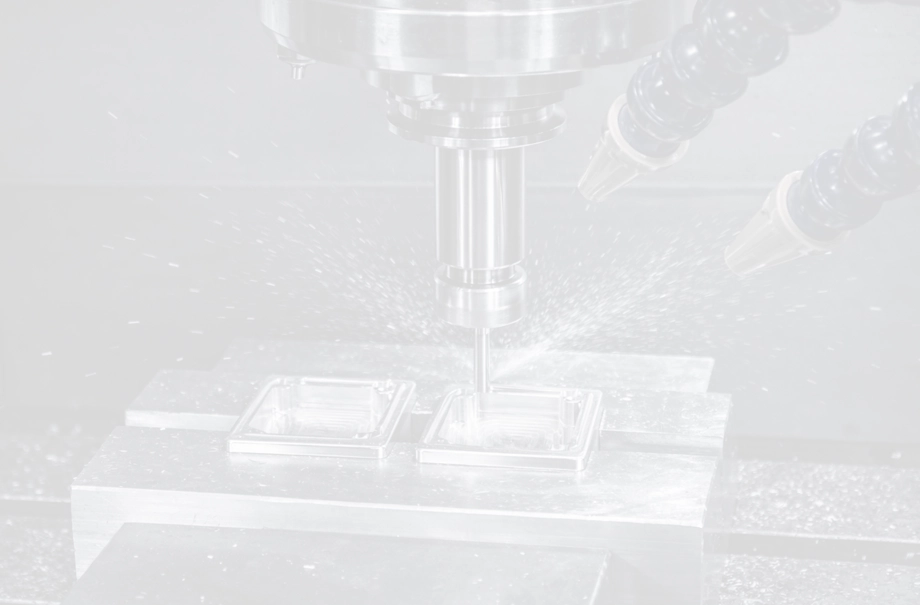
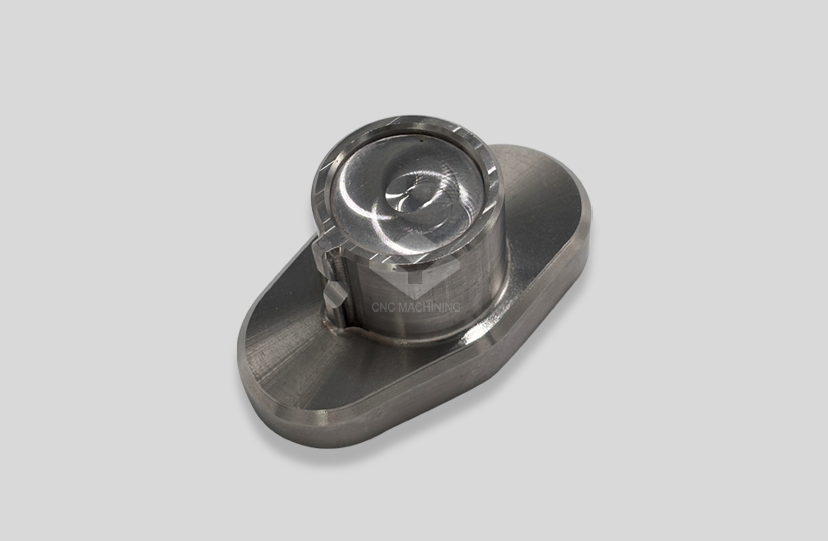
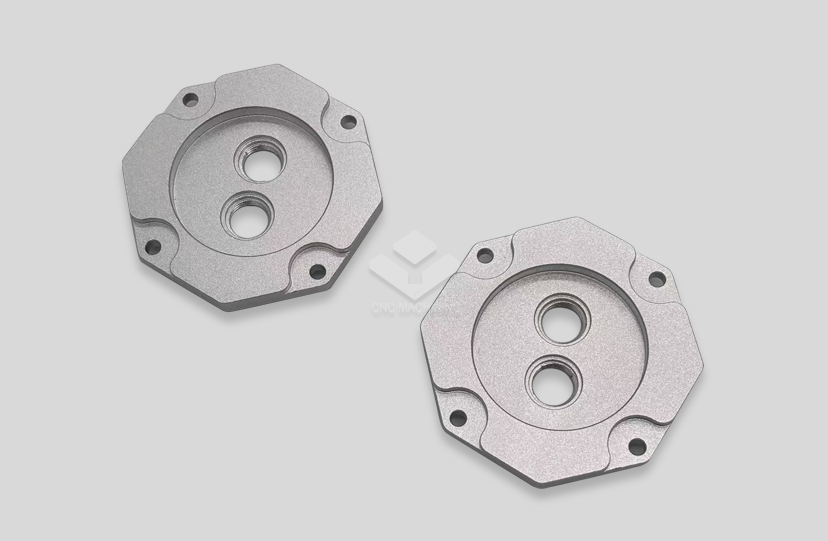
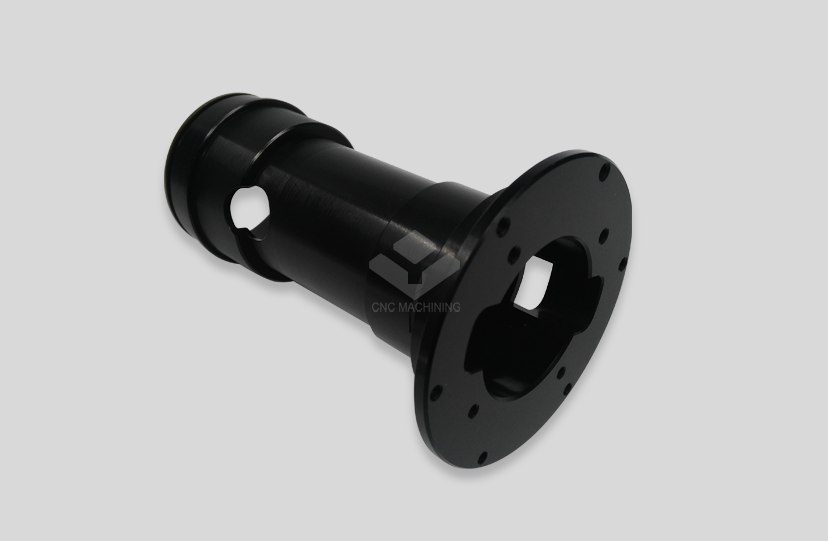
With Computer Numerical Control milling, automated multi-axis machines take digital CAD files and turn them into exact physical parts. To make pieces very accurately, these systems use cutting tools that rotate and move along pre-programmed tracks. Basic shapes can be worked with by three-axis machines, while undercuts, compound angles, and complicated surface patterns can be made by four- and five-axis systems. This technology is great for making aerospace brackets with thin walls, medical device housings that need materials that are FDA-approved, and designs for cars that need to be changed quickly. Because it is programmed, every piece is exactly the way it was meant to be, with no changes made between runs.
Conventional Machining Characteristics
Setting speeds, adjusting feeds, and controlling tool movements on manual milling machines and lathes is completely up to the person operating them. Machinists who are good at their jobs read engineering plans and turn handwheels to place cutting tools on the item. This method works for simple shapes and low-volume jobs, but it adds variation because each operator uses slightly different methods. Setting up takes a lot of time, and as production quantities rise, dimensional consistency falls. Because of these problems, traditional methods aren't as good for projects with lots of moving parts or that need to keep track of quality.
Operational Differences That Impact Your Projects
The main difference is that automation sticks out. Normal machines need to be watched over all the time, but CNC systems can do thousands of perfectly coordinated movements while no one is there. Another important factor is repeatability. CNC milling makes the same parts whether you order five or five hundred, but manual machining has measurable differences between batches. With CNC technology, lead times are cut down by a huge amount because long hand setups are replaced by code. For procurement teams that have to work with tight project schedules and tolerance requirements, these operational benefits directly mean lower costs and better quality.
Key Benefits of CNC Milling Over Conventional Machining
Computer-controlled manufacturing has real benefits that affect your bottom line, the quality of your products, and the time it takes to get them to market. These benefits stand out even more in fields where accuracy is key to product safety and performance for CNC Milling Services.
Superior Precision and Tolerance Control
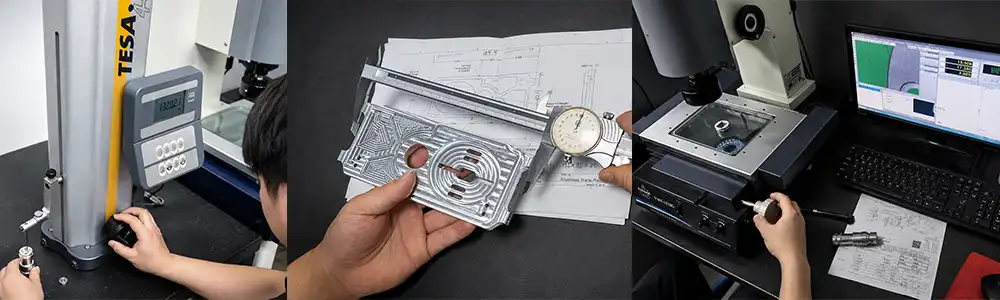
When CNC milling, linear errors of ±0.005mm to ±0.05mm are common, based on the material and shape. After finishing, surface roughness values (Ra) range from 0.8μm to 3.2μm. This precision level meets the standards for turbine parts in aerospace, parts that can be implanted in medical devices, and chamber parts for semiconductor equipment. Our team keeps these tight standards for industrial plastics like PEEK and POM, Aluminum alloys, and grades of Stainless Steel and Titanium. Normal machining, on the other hand, can only hold tolerances of ±0.1mm because measurements and adjustments have to be done by hand. When your design calls for connected parts, surfaces that fit together, or systems that are put together, CNC precision gets rid of fit problems and lowers the number of parts that are rejected.
Enhanced Efficiency and Cost Effectiveness
When compared to manual methods, computer-controlled operations cut production cycles by 40–60%. This is especially clear when developing prototypes. Sample parts are usually sent out within three to seven days, and simpler shapes can be finished in as little as seventy-two hours. This speed comes from changing tools automatically, making the cutting lines better, and getting rid of mistakes made by hand during setup. A lot less material is wasted because designed toolpaths use the best cutting techniques to keep scrap to a minimum. Even though the initial programming costs money, the costs per part drop by a huge amount when you make a lot of them, whether you need fifteen samples for medical devices or three hundred housings for car sensors. The extra efficiency is particularly helpful for startups and R&D teams that have to work with tight funds and short development plans.
Material Versatility and Design Flexibility
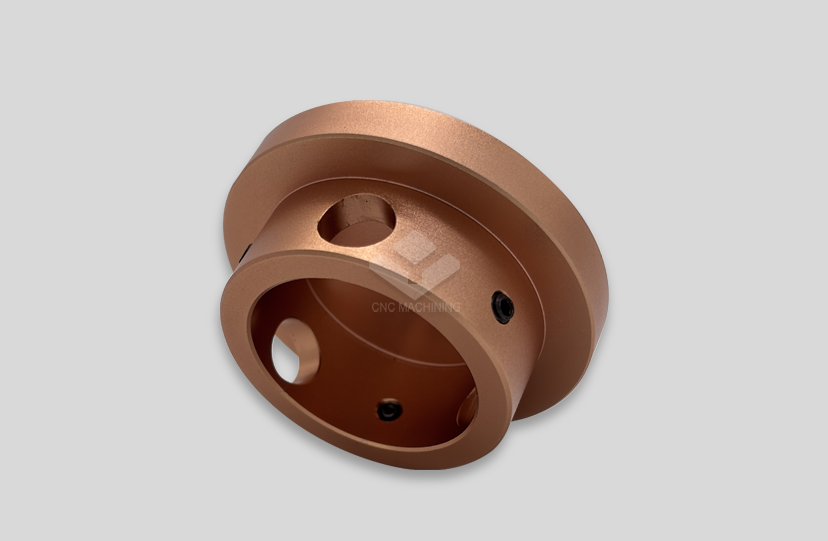
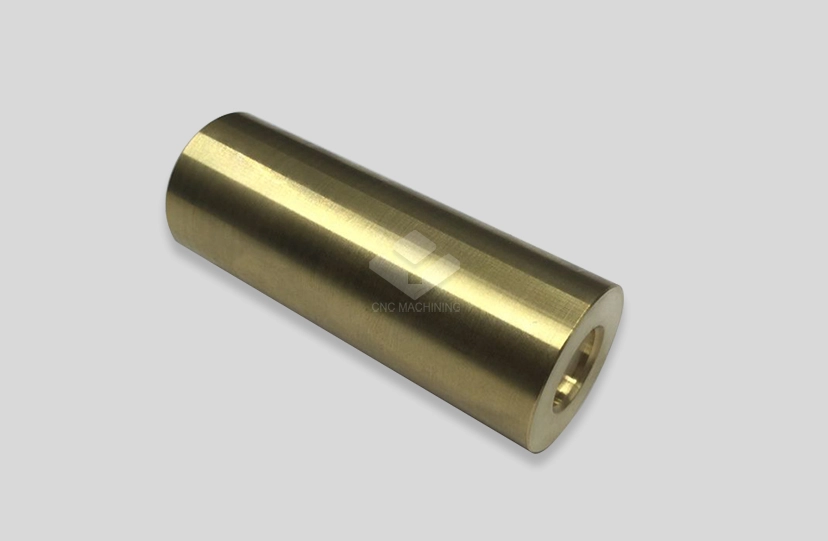
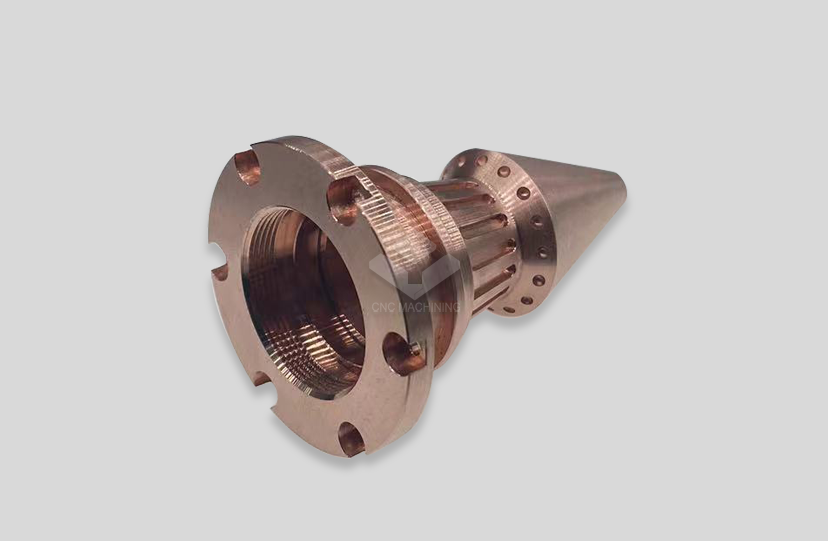
These days, CNC systems can work with a wide range of materials, from soft Aluminum alloys to tough ones like Inconel, Titanium, and strong tool steels. High-performance plastics like PEEK are used in medical equipment, Delrin is used in precise gears, and FDA-approved materials are used in food processing equipment. With multi-axis CNC milling, it's easy to make shapes that are too complicated for other ways to handle, like internal curves, multiple angled surfaces, and thin-wall pockets. Some great examples are C11000 copper components, which are notoriously hard to machine by hand because of their "gummy" nature and high ductility. CNC technology makes it possible for copper parts used in electrical bus bars, heat exchangers, and electronic enclosures to have smooth, burr-free edges and better surface finishes than would be possible with manual machining. This design freedom lets engineers make sure that parts work as well as possible without affecting how easily they can be made.

Choosing Between CNC Milling Services and Conventional Machining for Your Business
The production partner you choose should fit the needs of your project, meet quality standards, and help your business reach its goals. Different situations call for different methods, but CNC Milling Services technology is becoming more and more popular across all fields.
Critical Selection Criteria
The main thing that determines the decision is the amount of production. When setup programming time is longer than actual machining time, standard methods may be the best way to go for single custom parts or very small quantities. Once the number of pieces is even ten to twenty, though, CNC speed takes over. Part complexity is another important factor—anything more complicated than a simple cylinder or rectangle needs to be controlled by a computer. Because of lead times, manual options are often not available at all. This is because programming and automated production can cut down on schedules in ways that traditional methods can't. For medical devices, aerospace parts, and food processing equipment, industry certifications are very important. We keep a lot of paperwork, like material certificates, dimensional inspection records, and proof that we follow the rules for ISO 2768 general tolerances, AS9100 aerospace standards, and ISO 13485 medical device requirements. When making by hand, these certificates are hard to keep up because the process is always changing.
Market Comparison Insights
Custom CNC milling companies offer a wide range of services and capabilities. There are shops that are great at making prototypes and small batches of one to five hundred items, while others are great at making large batches of more than 10,000 items. That's where we fit in. We help with product development processes from the first idea to full-scale production, including test production. This flexibility is very helpful for businesses that are releasing new products or handling several projects at the same time. Location also plays a role in choices; for example, nearby suppliers may offer face-to-face meetings, but they often don't have the right tools or the right level of technical knowledge. Online precision machining providers give people from anywhere access to advanced tools and technical knowledge. Our engineering team talks to customers directly to go over drawings, give comments on Design for Manufacturability, and improve part designs before production starts. This way, there is no misunderstanding, which can lead to delays and quality problems.
Real-World Transition Examples
A company that makes automation equipment came to us because they were having trouble with their traditional machining supplier's inconsistent quality. Their robot arm joint parts had to be able to accurately position themselves within ±0.02mm in twelve important dimensions. When parts were made by hand, they worked on their own but didn't work when put together because of flaws that built up over time. We set up a five-axis CNC process that made all of their parts interchangeable, which cut the number of rejected assemblies from 18% to less than 2%. A new medical device company needed to make quick changes to prototypes of surgical instruments. During development, design changes had to be made every week. With conventional cutting, each step took three weeks because of the time it took to set up and find an operator. Our CNC method cut this down to five days, which included programming changes. This cut their FDA filing time by four months. These results show that current technology in manufacturing can solve issues that can't be fixed by hand.
Optimizing Your CNC Milling Projects: Design and Process Tips
Making smart design choices early on in the development process keeps costs down and avoids problems during production. When design experts and factory partners work together, the best results are achieved for CNC Milling Services.
Design for Manufacturability Principles
A number of design techniques make CNC cutting much more efficient and improve the quality of the parts it makes. To cut down on inspection time and machining costs, don't set unnecessary tight tolerances on non-critical measurements. Instead, accept standard ±0.05mm where functional needs call for it. Instead of specifying sharp corners that need EDM or other work, internal corner radii should match the sizes of tools that are available. If the wall thickness is less than 0.5 mm, it could bend or break during cutting. Keeping it at least 1 mm protects the structure and keeps the cutting stable. When pocket sizes are more than three times the tool's width, it's hard to get chips out and the surface finish is bad. Before production, our engineering team looks over customer sketches to find these problems and suggests changes that keep the design's original purpose while making it easier to make and lowering costs.
Strategic Material Selection
Choice of material has a big impact on machining time, tool wear, and the cost of the finished part. For general industrial uses, Aluminum 6061-T6 is a moderately priced metal that is easy to machine, has a good strength-to-weight ratio, and doesn't rust. Stainless Steel 316 is better at resisting corrosion in naval and food processing settings, but it takes longer to machine and wears tools out faster. For electrical distribution and heat transfer applications, C11000 copper has a very high electrical conductivity of ≥101% IACS and a very high thermal conductivity of about 391 W/m·K. However, because it is ductile, it needs to be cut in a certain way to avoid burring. Grade 5 Titanium is very strong and biocompatible, making it ideal for use in aircraft and medical implants. However, it is hard to work with and needs special tools to be made. Engineering plastics like PEEK can be used in high-temperature situations up to 260°C and are safe for use with chemicals and the FDA. We keep a large inventory of materials and offer technical advice on how to match the properties of materials to the needs of an application and the budget available.
Tolerance Setting and Quality Assurance
A realistic range standard strikes a balance between the needs of function and the cost of production. General ISO 2768 medium-grade tolerances work well for most uses and don't cost a lot extra. Tightening certain dimensions to ±0.01mm takes longer to inspect and might need to be done in a temperature-controlled area. We check the sizes of the parts as they are being made and include thorough inspection records with the finished goods. For complicated shapes, critical parts are checked with a CMM. Surface treatments improve performance. For example, anodising Aluminum makes it more resistant to rust and wear, passivation protects Stainless Steel, and different platings give things electrical conductivity or nice looks. As part of turnkey project management, we organise these extra tasks to make sure that the quality is the same at every stage of the producing process.
How to Engage with CNC Milling Service Providers: A B2B Procurement Perspective
Clear communication and a full assessment of manufacturing skills are the first steps to building strong relationships with suppliers. With the right questions and evaluation criteria, you can tell the difference between good vendors and truly exceptional CNC Milling Services partners.
Requesting Detailed Quotes and Technical Information
For accurate quotes, full technical specifications are needed. Give CAD files in STEP or IGES format along with sized PDF models that show limits, required surface finishes, and material details. Please list the production quantities for both the initial samples and the expected production volumes. The pricing structures for prototypes and production runs are very different. List the certificates that are needed, like material test results, dimensional inspection records, or needs for regulatory compliance. Expected lead times should take into account both making samples and possibly making a lot of them. We give thorough breakdowns of machining operations, material prices, and finishing processes within twenty-four hours of receiving quote requests for simple jobs. This openness helps procurement managers figure out what costs what and find ways to make things better.
Evaluating Supplier Credentials and Manufacturing Capabilities
Standardized quality management systems are required for ISO certification, but approval by itself does not guarantee excellent manufacturing performance for CNC Milling Services. Evaluating the capabilities of a supplier requires checking equipment specifications, machining technology, and production experience. Three-axis mills can handle simple operations, while five-axis machining systems used in CNC Milling Services can produce more complex geometries with improved accuracy and efficiency. Inspection equipment demonstrates the strength of quality control processes, and coordinate measuring machines (CMMs) and optical comparators ensure precise dimensional verification. Having direct access to experienced manufacturing engineers during product development is highly valuable because it prevents design issues, improves manufacturability, and accelerates problem resolution. We've been in business for nine years, and our engineers have an average of fifteen years of technical experience, allowing us to perform advanced DFM analysis and provide practical manufacturing recommendations. This extensive expertise in CNC Milling Services, precision machining, material selection, and tolerance optimization is especially valuable when working with difficult materials, complex geometries, and strict quality requirements.
Managing Prototypes and Low-Volume Production
Product creation needs suppliers that can be flexible and respond quickly, which most traditional sellers can't do. We are experts at making small batches, from a single prototype to several hundred units. This helps with iterative design processes that are common in R&D settings. Sample production usually takes one week, but three-day turnaround is possible for jobs that need to be done quickly. The technical care and quality control are the same for small production runs of twenty to five hundred pieces as they are for bigger runs. We offer efficient international logistics, such as door-to-door delivery for small orders, which takes away the hassles of customs and coordinating goods. If you have any concerns about the quality, we offer fast remanufacturing within one week and cover the shipping costs. This shows that we care about customer satisfaction and quality security.
Conclusion
CNC Milling Services technology is fundamentally better than traditional machining for business-to-business uses that need accuracy, consistency, and fast production. Computer-controlled machinery can be very accurate down to the micron level, handle complicated shapes, and work quickly, which are all things that human methods can't do. These benefits are very important in fields like aerospace, medical devices, automotive, industrial equipment, and electronics, where the quality of parts has a direct effect on how well and safely a product works. From the pilot to production, the project will be a success as long as the suppliers are carefully chosen based on their technical support, manufacturing skills, and ability to communicate quickly. Today's ways of buying things require manufacturing partners who are more than just production vendors and also work with you on technical issues.
FAQ
What tolerances can CNC milling achieve compared to conventional machining?
In CNC Milling Services, linear errors are usually kept between ±0.005mm and ±0.05mm, but this depends on the material, the shape, and the machine's capabilities. Surface finishes range from Ra 0.8μm to 3.2μm. Because measurements and adjustments have to be made by hand, conventional cutting usually only holds ±0.1mm. Tighter CNC tolerances are necessary for parts that need to fit together, connected parts, and systems that need precise control over dimensions.
Can passivation be applied after CNC milling stainless steel parts?
Yes, chemical passivation is often used on Stainless Steel passivated CNC milling parts after they have been machined to make them more resistant to corrosion. This method cleans the surface of free iron and encourages the formation of a chromium oxide layer without changing the accuracy of the measurements. This makes it perfect for use in medical devices, food processing equipment, and marine settings.
Why use CNC milling for copper parts like C11000?
CNC milling makes it possible for copper parts to have complicated forms, flat surfaces, and fine details, even though copper is hard to bend. With manual methods, the "gummy" nature of C11000 copper leads to burring and a poor surface finish. However, programmed CNC toolpaths provide clean edges and better surface quality, which is necessary for electrical bus bars, heat exchanges, and electronic housings that need to carry electricity well.
Partner with RYH for Expert CNC Milling Services
As a specialist in CNC Milling Services, RYH can make any kind of precision machined part based on your engineering plans. Our direct contact between engineers clears up any confusion and speeds up the project timeline. On average, our technical team has over fifteen years of experience in manufacturing. We work with both metal and non-metal parts and have full material certifications, FDA compliance, and worldwide quality standards. Samples are made in three to seven days, which meets your needs for fast development. We offer dependable solutions backed by quality guarantees, whether you need complicated five-axis machining, tough material processing, or the ability to produce in small quantities. Get in touch with bill@bldmachining.com right away to talk about your project needs and experience a responsive, engineering-driven manufacturing partnership.
References
1. Kalpakjian, S., & Schmid, S. R. (2014). Manufacturing Engineering and Technology (7th ed.). Pearson Education.
2. Groover, M. P. (2020). Fundamentals of Modern Manufacturing: Materials, Processes, and Systems (7th ed.). John Wiley & Sons.
3. Society of Manufacturing Engineers. (2018). Precision Machining Technology Handbook (2nd ed.). SME Publications.
4. American Society for Testing and Materials. (2021). ASTM B152 - Standard Specification for Copper Sheet, Strip, Plate, and Rolled Bar.
5. International Organization for Standardization. (2020). ISO 2768-1: General Tolerances for Linear and Angular Dimensions without Individual Tolerance Indications.
6. Lynch, M., & Smith, P. (2019). CNC Machining Technology: Advanced Manufacturing and Precision Engineering. Industrial Press Inc.