The Importance of Precision Components in Manufacturing
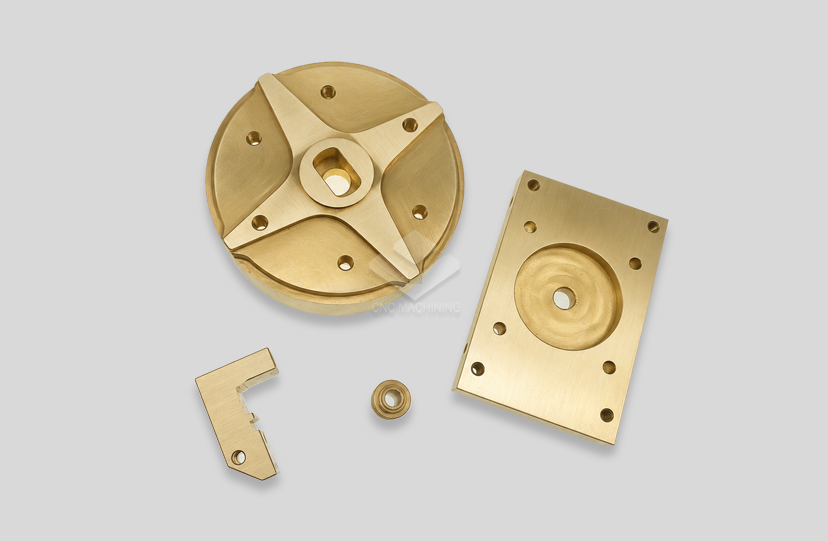
Precision Machined Components are the building blocks of solid, high-performance product creation in today's competitive business world. These parts solve basic problems in many fields, like making sure that complex assemblies fit perfectly and keeping their functionality in harsh conditions. When companies spend money on precision machining, they can get parts that are made with tolerances as tight as ±0.005mm, which gives them a level of stability that can't be matched by human methods. Precision parts are more valuable than just being accurate in size; they cut down on assembly mistakes, warranty claims, and the time it takes to get important products to market in the aerospace, medical, automotive, and electronics industries.
What Are Precision Machined Components and Why Are They Essential?
Defining High-Precision Engineering
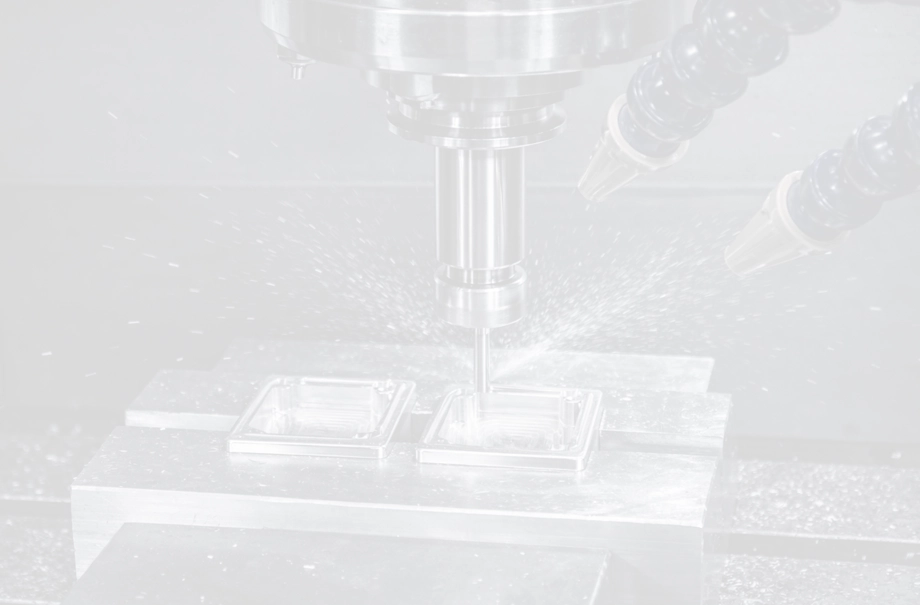
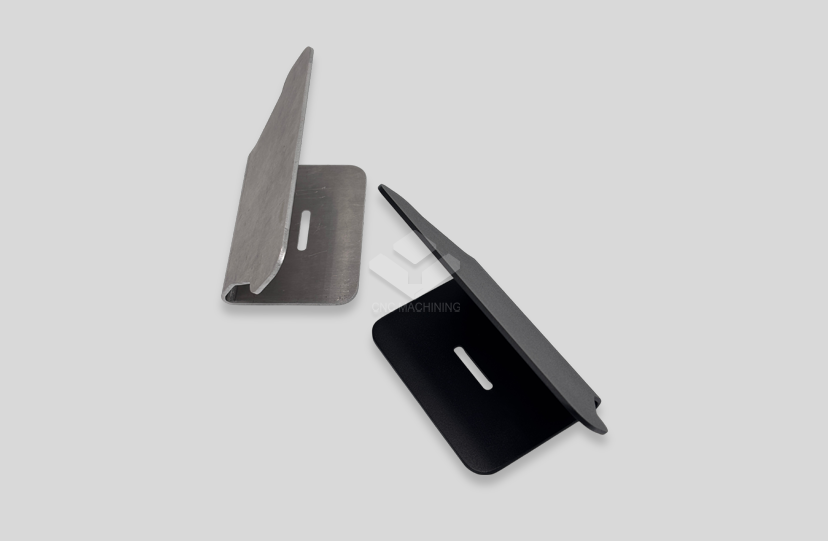
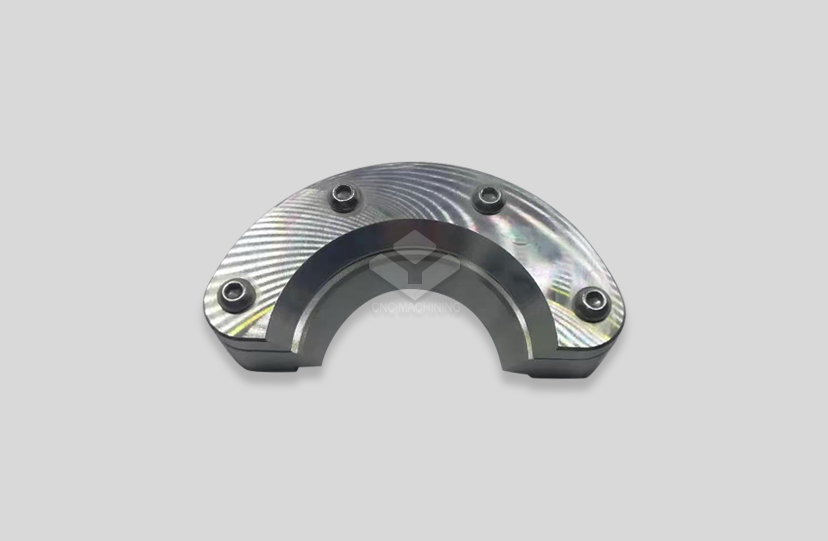
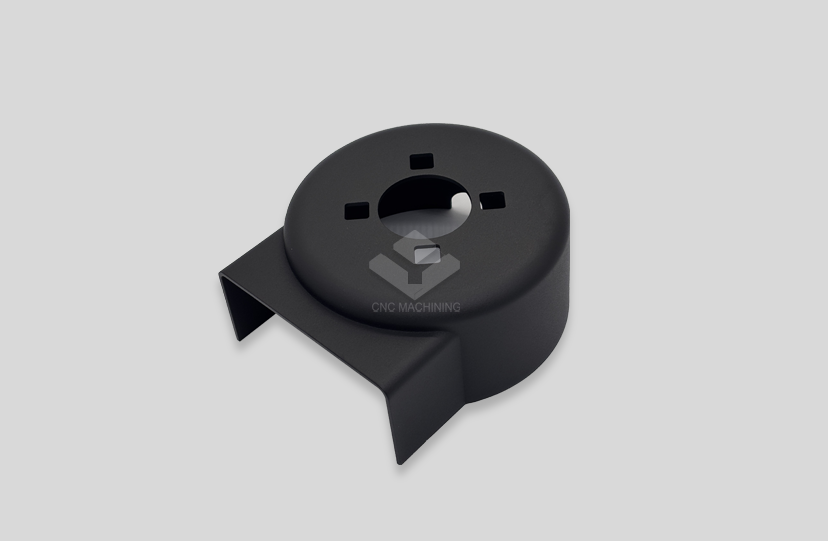
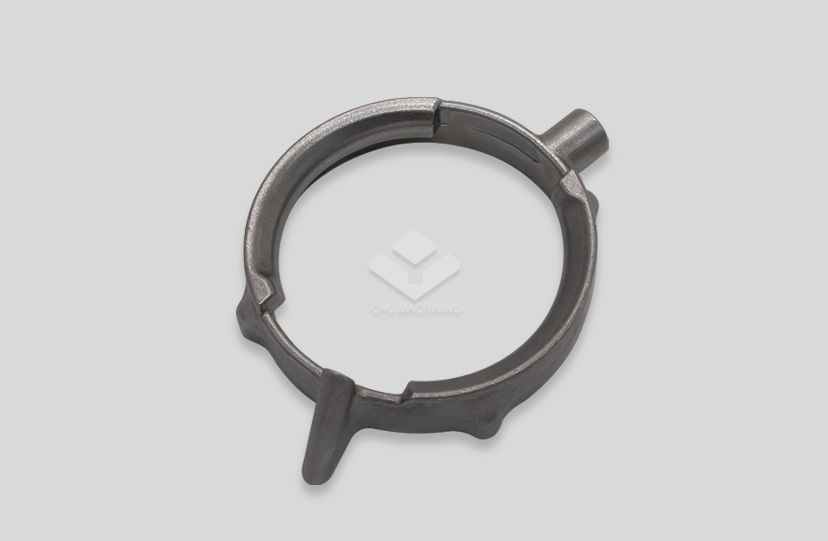
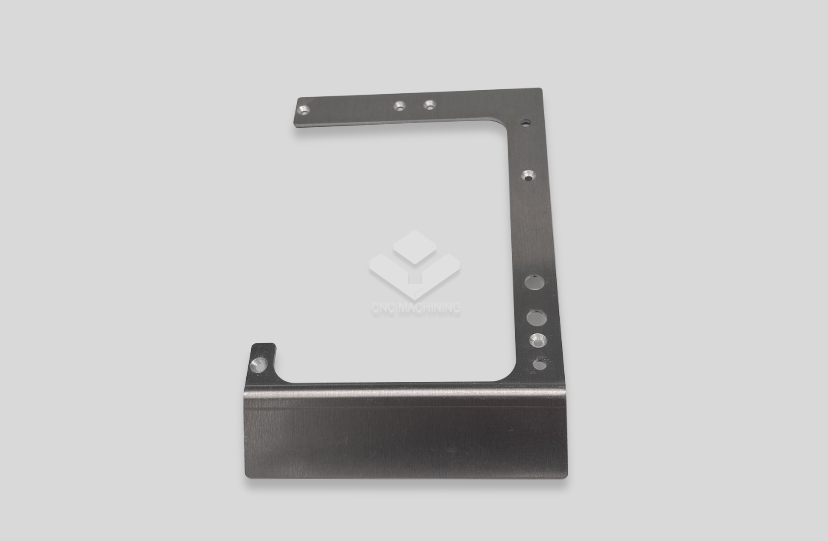
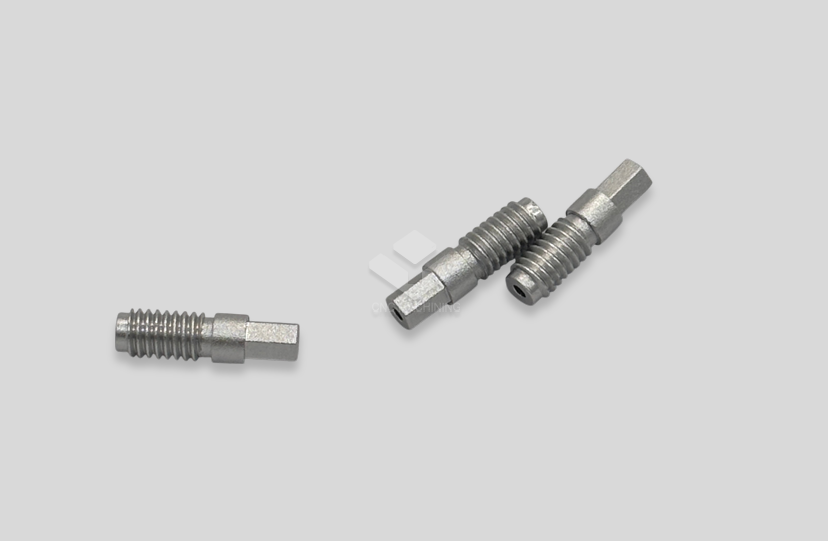
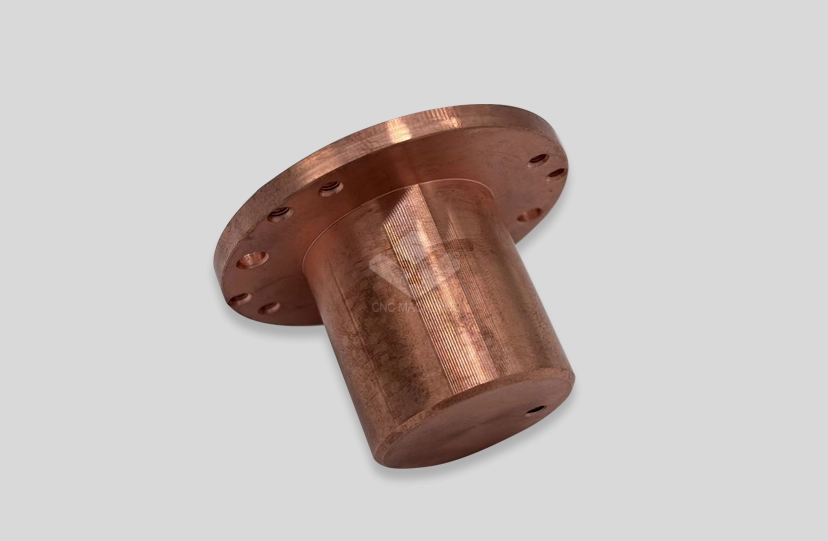
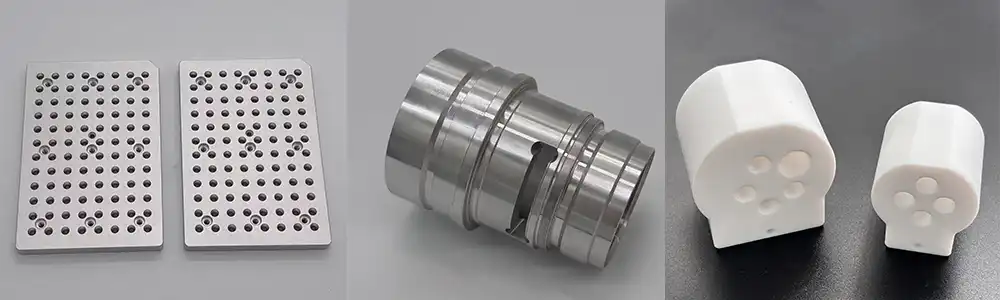
Precision Machined Components are parts that are made using advanced subtractive techniques, which carefully remove material to make parts that meet exact specifications. Instead of being made the usual way, these parts are made using Computer Numerical Control (CNC) cutting, Electrical Discharge cutting (EDM), or special grinding methods that make it possible to make complex shapes that can't be made by casting or pressing alone. Different types of materials are used, such as aerospace-grade aluminium alloys like 7075, medical-grade stainless steel 316L, and engineering plastics like PEEK. Each type was chosen for its unique mechanical properties and resistance to the environment.
Critical Role in Modern Manufacturing
Understanding how to meet strict performance standards is what makes these parts important. In robotics manufacturing, a difference in accuracy of just 0.01mm can throw off the position of joints and wear them out faster than they should. When it comes to surgical instruments, micron-level accuracy is very important for medical device companies because it directly affects patient safety. Automotive suppliers need parts that can handle changes in temperature and vibration and still keep their structural integrity over millions of operational cycles. Because of these real-world needs, purchasing managers are giving more weight to providers who can show they can provide precision along with engineering help.
Industry-Specific Applications
For aerospace uses, parts need to work consistently at high and low temperatures while also being as light as possible. Precision machining gives fuel manifolds and landing gear systems the strength-to-weight ratios they need. To keep cleanrooms from getting dirty, companies that make semiconductor equipment need vacuum chamber parts with finishes on the outside that are less than 0.8 microns rough. Battery equipment providers in the electric car industry need parts with tight tolerances for automated assembly systems. In these systems, even small differences can slow down production and lower yield rates.
Precision Machining vs Alternative Manufacturing Methods: Making the Right Choice
CNC Machining Compared to Stamping
Multi-Axis CNC Versus EDM Capabilities
When it comes to precision manufacturing, CNC milling and EDM work hand-in-hand. Multi-axis CNC machines are great at working with a wide range of materials, such as thermoplastics, aluminium, and titanium, that have complicated outside features. When compared to standard 3-axis methods, our 5-axis CNC centers can finish parts that need more than one setup in a single process. This cuts down on handling errors and production time by 40%. When working with hardened tool steels or making complex interior spaces with sharp corners that regular cutting tools can't reach, EDM is a must. Figuring out which technology meets the needs of your component saves you time and money on costly repairs.
Precision Machining and Additive Manufacturing
When purchasing things, comparing CNC machining and 3D printing can be hard to understand. When rapid prototyping is needed, and speed of design changes is more important than mechanical properties, additive manufacturing really shines. But printed parts usually have lower tensile strength, surface quality problems that need to be fixed after printing, and different sizes depending on the direction of the build. Precision machining is still the best way to make useful parts that are subject to mechanical loads, heat stress, or need surface finishes that are less than 1.6 microns thick. Both 3D printing and CNC machining are now used together in many successful product development strategies. 3D printing is used to test designs, and CNC machining is used to make production parts.
Understanding Precision Machining Quality Standards and Tolerances
Tolerance Fundamentals and Impact
When it comes to usefulness, tolerances tell us how much a part's dimensions can change without breaking. Standard machining can get tolerances of about ±0.1mm, which is good for features that aren't very important. For precise tasks that need ±0.02mm to ±0.005mm accuracy, you need special tools and skilled machinists. It has a big effect on the economy because tighter tolerances make inspections take longer and may need more machining passes, which raises unit costs by 30 to 50 percent. But this investment stops problems with assembly that can cost ten times more if they are found during production.
Industry Certification Requirements
Internationally recognised standards that allow for transparency and traceability are used to ensure the quality of Precision Machined Components manufacturing. ISO 9001 certification sets basic standards for quality management systems, and AS9100 adds requirements for configuration control and risk management that are specific to aerospace applications. Medical device makers have to make sure their sources have ISO 13485 approval, which demonstrates compliance with regulatory requirements for biocompatibility and cleanroom production. Along with IATF 16949 for automotive applications, we keep these certifications up to date to ensure our processes meet the highest standards in the industry.
Inspection Protocols and Documentation
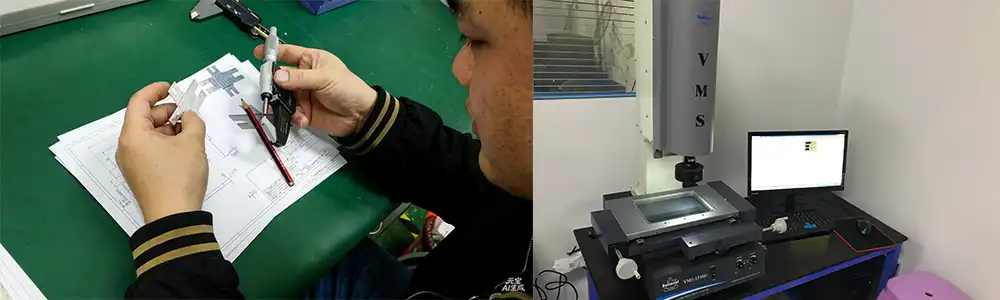
For quality control to work, strict inspection methods that are backed up by calibration standards must be used. Coordinate Measuring Machines (CMM) check dimensions without touching them and can resolve issues down to 0.001mm. They also make thorough reports that show if the measurements match engineering plans. Optical measuring devices can quickly scan complicated objects and make 3D models that can be compared to CAD files. Each shipment comes with a Material Test Report (MTR), which confirms the grade and chemical makeup of the materials through certified laboratory analysis. Tracking with Statistical Process Control (SPC) and CPK numbers above 1.67 shows that the process is stable and can regularly meet requirements.
How to Choose the Right Precision Machined Components Supplier
Evaluating Technical Capabilities
Before choosing a supplier, you should compare their machining skills to what the project needs. Can they work with the tools you give them? Do they use equipment with multiple axes for complicated shapes? Ask for examples of parts or case studies that show how complex the parts you want to buy are. During the initial discussions, we encourage potential partners to share technical drawings. Our engineers offer a free Design for Manufacturability (DFM) analysis that finds problems before production starts, and they often suggest design changes that lower costs without sacrificing functionality.
Communication and Engineering Support
One thing that is often ignored that affects a supplier's success is how easy it is for engineers to access. A lot of manufacturers have trouble with suppliers that rely on salespeople who don't know much about technology. This can lead to misunderstandings about specifications and mistakes that cost a lot of money. These gaps are filled by direct conversation between engineers. When procurement managers talk to machinists and quality engineers directly, they get useful advice on how to choose materials, improve tolerances, and find surface treatment options that meet performance needs while staying within budget.
Lead Time and Flexibility Assessment
Knowing what reasonable lead times are keeps projects from being held up. Standard Precision Machined Components usually take 10 to 15 business days to ship from the time the order is confirmed, but schedules can change depending on how complicated the parts are and how quickly they can be made. Often, prototype parts can be produced faster. For example, our facility can finish simple parts in three days and complicated assemblies in seven days to meet important product development goals. Check to see if the provider is flexible with order sizes as well. Companies that can handle both prototype runs of five pieces and production batches of 5,000 units are helpful as products move from development to commercialization.
Maximizing Value from Precision Machined Components Procurement
Preparation for Accurate Quoting
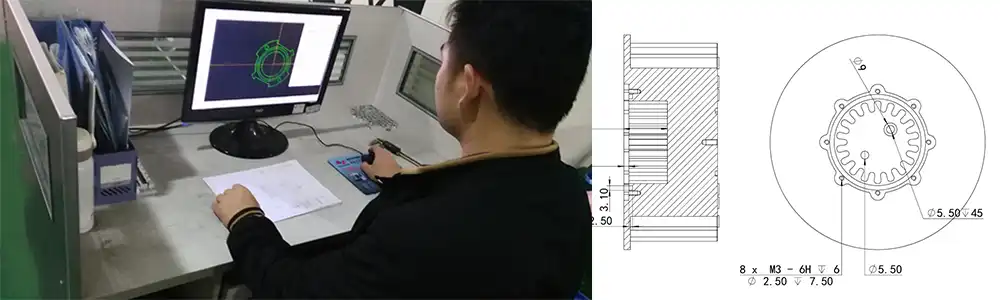
For procurement to work, there must be a lot of paperwork. Give detailed engineering drawings with full GD&T callouts, material specifications including grade, heat treatment needs, and expected surface finish. Make it clear what kind of inspections are needed. For example, does the project need CMM reports, material certifications, or specialised testing like salt spray analysis? Suppliers can give accurate quotes when you give them clear specifications, and misunderstandings that cause delivery delays can be avoided. We suggest setting up technical review calls so that experts from both companies can talk about the project needs and find any problems before they are made.
Building Strategic Supplier Relationships
Transactional ways of buying miss opportunities to improve the supply chain and come up with new ideas. Long-term partnerships with suppliers of precision machining give businesses several ways to stay ahead of the competition. Suppliers get to know your products and design tastes, which cuts down on the time it takes to get quotes and helps you spot problems before they happen. When capacity is limited, volume agreements often let you get a better price and scheduling. The most valuable thing about experienced suppliers is that they become trusted advisors who can suggest design improvements based on their knowledge of how to make things. These suggestions can lower costs while also making the product work better.
The way that industries buy Precision Machined Components is changing all the time because they need tighter tolerances, faster turnaround times, and more customisation. Strategic buyers know that choosing a seller is more than just comparing prices. They also look at things like technical skills, quality systems, and how well the suppliers communicate. Our method puts an emphasis on partnerships over transactions. We offer technical support and reliable production that transforms procurement from a cost center into a source of competitive advantage.
Conclusion
FAQ
What materials work best for precision machined components?
Choosing the right material for an application means finding a balance between strength, weight, resistance to corrosion, and ease of machining. For aircraft and robot uses, aluminium alloys 6061 and 7075 have great strength-to-weight ratios. Medical and food processing tools made of stainless steel types 304 and 316 won't rust. Titanium is very strong and biocompatible, making it perfect for implantable devices. Engineering plastics, like PEEK and Delrin, are good for uses that need to be resistant to chemicals, electrical current, or weight compared to metals.
How do suppliers ensure dimensional accuracy for tight-tolerance components?
Accurate measurements come from regulated tools, a controlled environment, and strict checking procedures. Temperature-controlled machining centers keep precision from being affected by thermal expansion. Coordinate Measuring Machines check measurements against engineering drawings with an accuracy of 0.001 mm. Statistical Process Control keeps an eye on changes in dimensions and takes corrective action before parts stop meeting specifications. Material Test Reports make sure that the qualities of the material meet the needs of the plan.
Can precision machining accommodate low-volume production and prototyping?
Reliable, precise machining providers allow for a range of order sizes, from five-piece trial runs to production batches of over 10,000 units. When compared to stamping or moulding, CNC machining is more cost-effective for low to medium numbers because setup costs are spread out over fewer pieces. This adaptability is very important for product development projects that need to make changes to the design and test the production on a small scale before moving on to mass production.
Partner with RYH for Your Precision Machined Components Manufacturing Needs
Since 2008, RYH has provided precision machining services to help product development teams and purchasing managers in a wide range of challenging businesses. Our engineering team, which has an average of over 15 years of technical experience, talks directly with your design engineers to make sure that the product can be made and that production problems don't happen, which could be expensive. We make custom metal and plastic parts from drawings provided by our customers, keeping tolerances of ±0.005mm and offering full material certifications and surface treatment options such as anodising and FDA-compliant finishing. Sample production can be finished in as little as three days for less complicated shapes, which allows for faster development timelines. RYH offers flexible manufacturing with open communication and door-to-door global logistics coordination, whether you need to test a prototype or increase the number of items you make. Get in touch with bill@bldmachining.com right away to talk about your project needs with our engineering team and find out how working with an experienced Precision Machined Components source can improve the quality of your products and make your business run more smoothly.
References
1. Kalpakjian, S., & Schmid, S. R. (2014). Manufacturing Engineering and Technology (7th ed.). Pearson Education.
2. Boothroyd, G., Dewhurst, P., & Knight, W. A. (2011). Product Design for Manufacture and Assembly (3rd ed.). CRC Press.
3. Groover, M. P. (2020). Fundamentals of Modern Manufacturing: Materials, Processes, and Systems (7th ed.). John Wiley & Sons.
4. International Organization for Standardization. (2015). ISO 9001:2015 Quality Management Systems – Requirements. ISO.
5. Society of Automotive Engineers. (2016). AS9100D Quality Management Systems – Requirements for Aviation, Space, and Defense Organizations. SAE International.
6. Curtis, M. A. (2013). Handbook of Machining with Grinding Wheels. CRC Press.