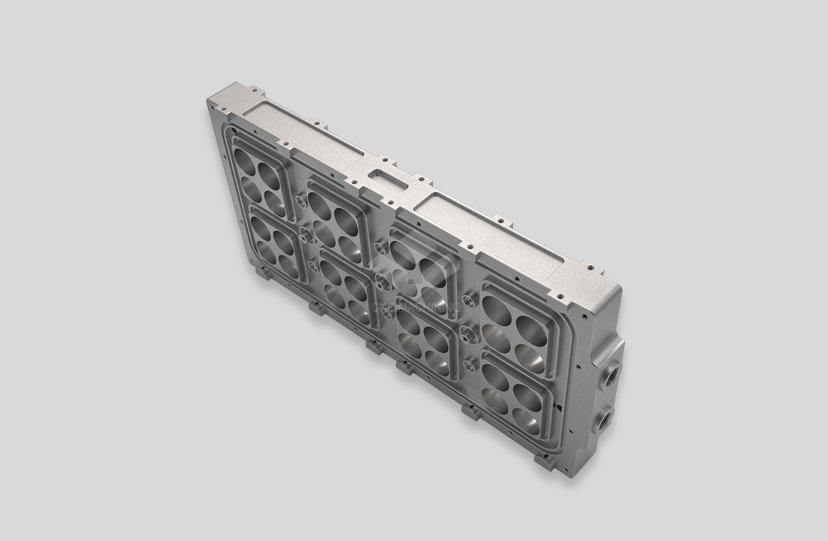
7 Aspects About Precision Machined Components You Should Know
Understanding Precision Machined Components is important for buying success when looking for important industrial parts. These very precise parts are used in a huge range of industrial settings, from medical devices to aerospace assemblies. Precision Machined Components are made with cutting-edge CNC methods that allow for tolerances as small as ±0.005mm. This makes sure that the dimensions are always the same, which is something that regular fabrication just can't do. Whether you're an R&D engineer testing prototype designs or a procurement manager looking at a supplier's skills, knowing the technical details, material concerns, and quality standards of these parts has a direct effect on how the project turns out. This guide looks at seven basic factors that help you make better decisions about where to buy things and build stronger relationships with suppliers.
What Are Precision Machined Components and How Are They Made?
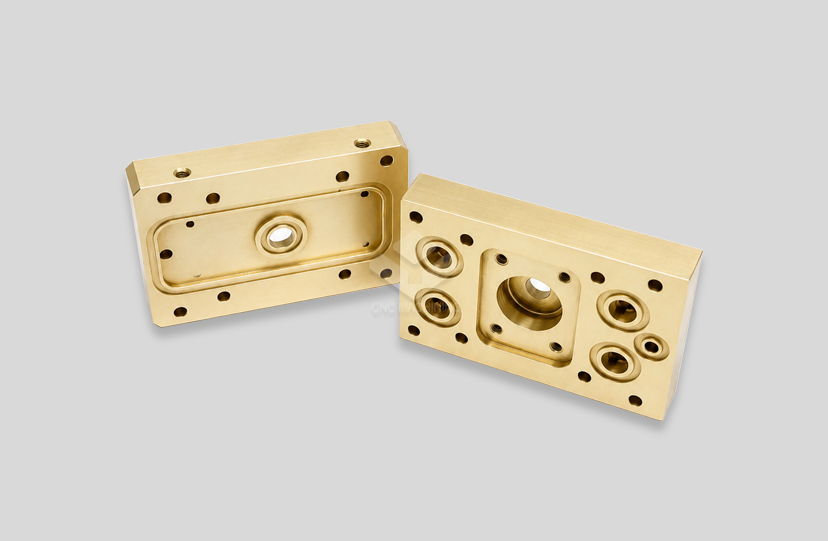
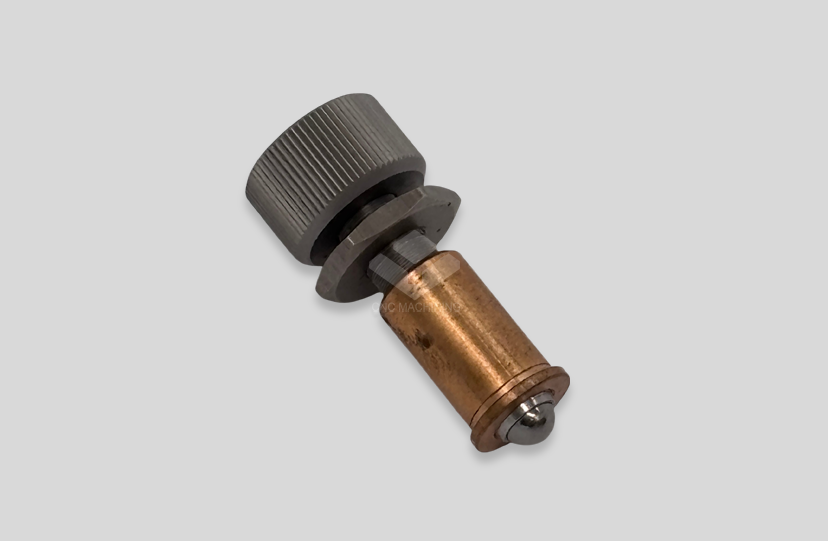
Precision Machined Components are a type of made parts that have very tight limits on their dimensions and excellent surface finishes. Precision work requires exact adherence to specifications, often within microns, to ensure functional reliability in demanding environments. This is different from regular machining, which can handle a wider range of differences.
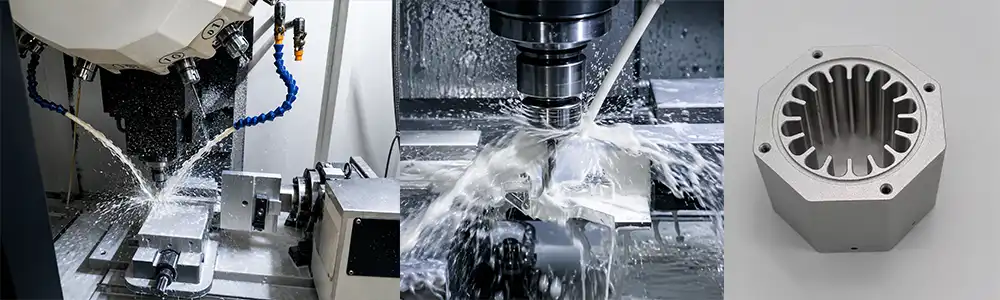
Manufacturing Through CNC Processes
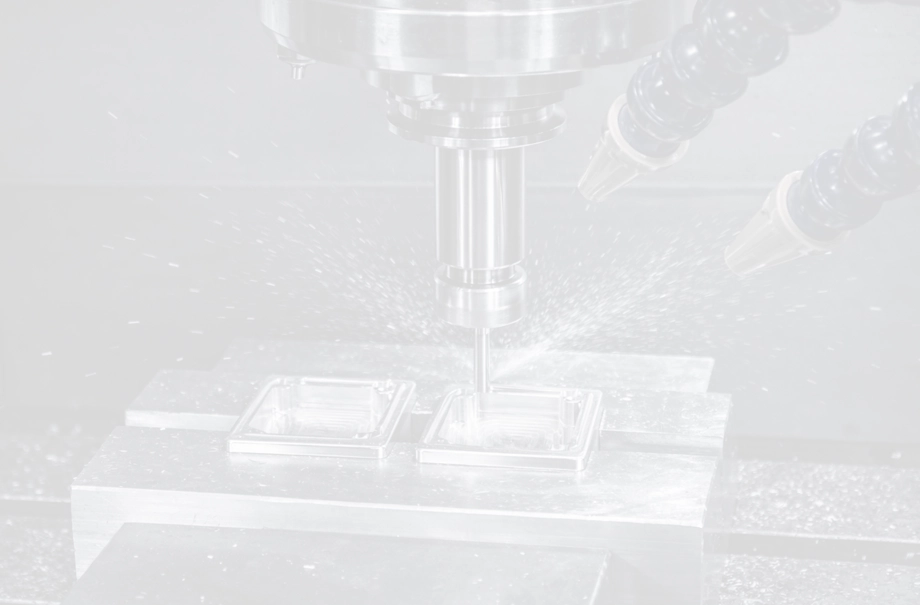
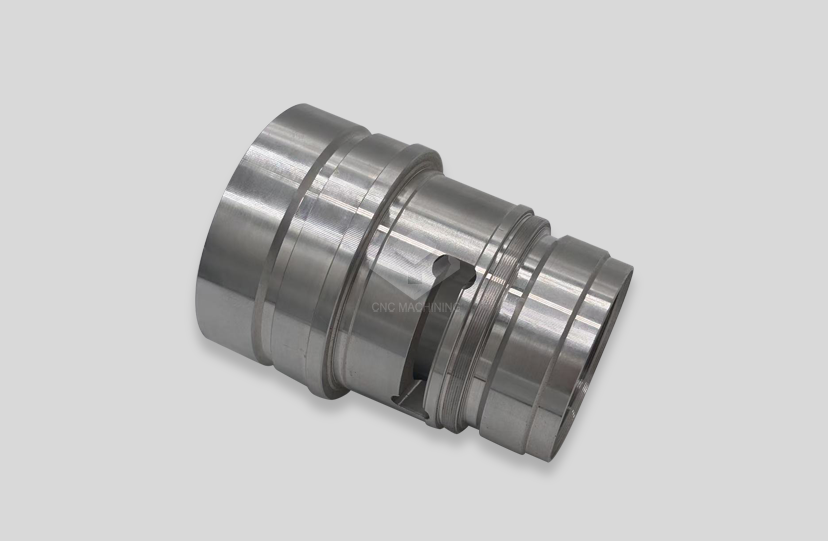
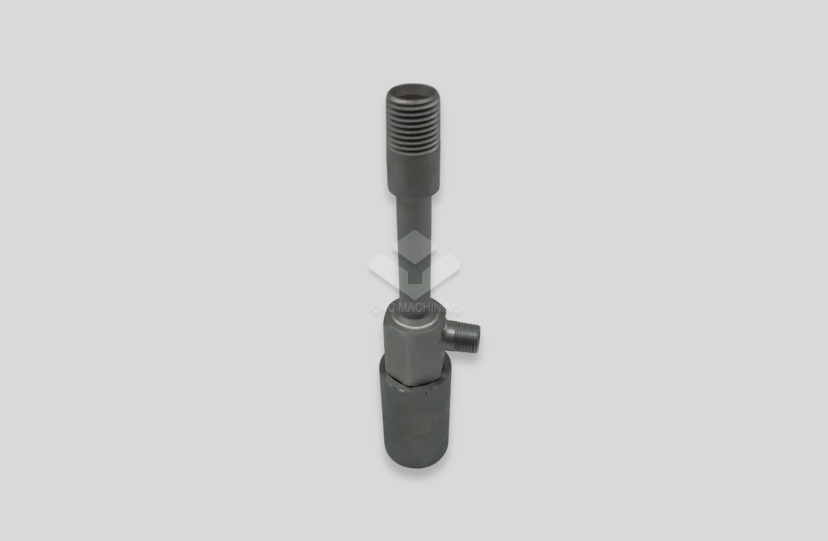
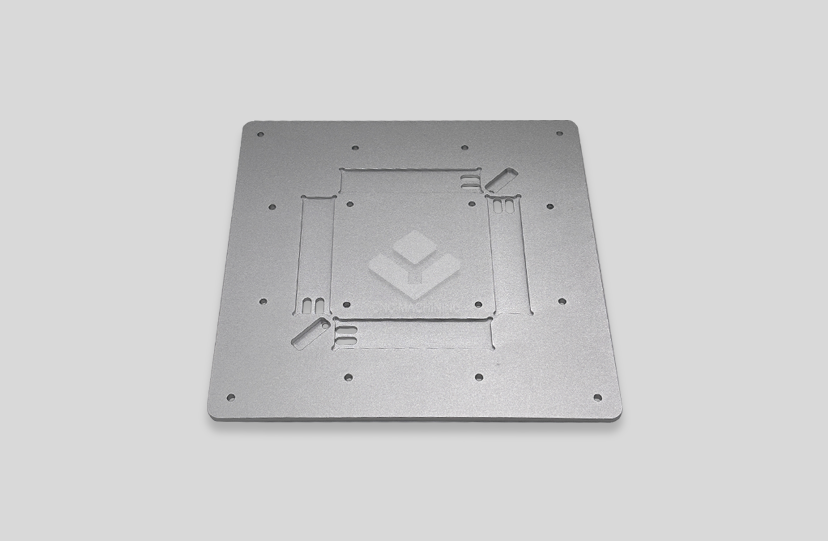
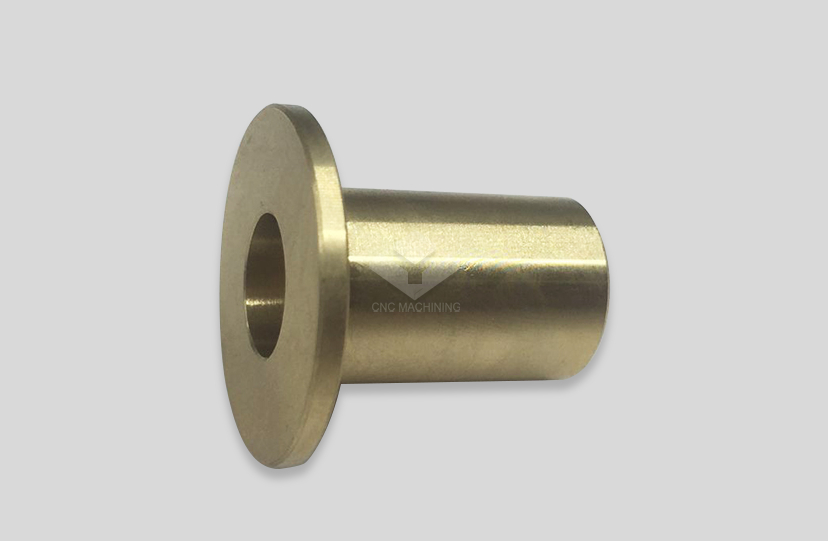
Computer Numerical Control (CNC) is the technology that makes it possible to make precision parts today. CNC machines use pre-programmed instructions to control cutting tools very accurately, eliminating the mistakes that happen when things are done by hand. Manufacturers can make complex internal features and geometries that would be impossible with traditional methods, thanks to multi-axis capabilities that range from 3 to 5 axes. Milling processes make housings, brackets, and parts with detailed surface features, while turning centers work with circular parts like shafts and bushings.
Material Selection Drives Performance
Choosing the right materials has a big effect on both how well they work in the end and how easy they are to make. Aerospace-grade aluminium metals, like 6061 and 7075, have great strength-to-weight ratios. This makes them perfect for use in aircraft where weight reduction is important. Grades of stainless steel like 304 and 316 don't rust, which is very important for medical tools and food processing equipment. Titanium makes implantable devices biocompatible, and industrial plastics like PEEK can handle being exposed to chemicals in the chip manufacturing process. Each material has different machinability properties that affect the tools that can be used, the speeds at which they can be cut, and the surface finishes that can be achieved.
Unmatched Accuracy and Repeatability
Precision machining is great for making parts that are exactly the same from one production run to the next. Statistical Process Control methods check for consistency in dimensions, and CPK and PPK values show how well the process is working. This repeatability is very important when making replacement parts for assemblies that are already together or when going from making a prototype to full production volumes. Coordinate Measuring Machines check measurements against CAD models, and Geometrical Dimensioning and Tolerancing standards make sure that requirements for form, fit, and function are always met.
Precision Machining vs Other Manufacturing Methods: A Comparative Overview
In order to choose the right manufacturing process, you need to know what the technologies' pros and cons are.
Precision CNC Machining Advantages
Through grinding and EDM operations, CNC machining usually keeps tolerances of ±0.005mm or tighter. This means that the measurements are very accurate. This subtractive process works just as well with metal as it does with plastic. Design freedom lets iterations happen quickly; when engineering changes are made, only program changes are needed instead of new tools. Since setup costs are low compared to moulding or stamping, low-volume production can still be done economically. With multi-axis capabilities, complicated three-dimensional shapes, undercuts, and internal features don't pose big problems.
Stamping and Pressing Limitations
Metal pressing is great for making a lot of flat or shallowly shaped parts from sheet stock. The cost of tools makes it hard to make prototypes or small batches. Press tonnage and die geometry limit how complicated the design can be. For example, sharp angles, deep draws, or thick materials are hard to work with. Dimensional accuracy is good enough for many uses, but it's not as good as CNC accuracy, especially when it comes to smoothness and perpendicularity.
Manual Machining Drawbacks
Injection Molding Considerations
With cycle times measured in seconds, plastic injection moulding is a very efficient way to make a lot of market goods. Mould fabrication, on the other hand, needs a big expense up front and long wait times. When designs change, expensive mould changes have to be made. Injection moulding can make many plastic parts, but it can't make metal parts, which means it can't be used for structure or high-temperature tasks. Mould quality and process parameter control have a big impact on the surface finish and the accuracy of the dimensions.
Understanding these differences is helpful for procurement professionals because it helps them choose the right process based on production volume, material needs, precision in measurements, and project deadlines.
Applications and Industries Leveraging Precision Machined Components
Different high-tech fields depend on precision components that are very important, and failure can have big effects.
Aerospace and Defense Applications
Parts of aeroplane engines are put under a lot of mechanical and thermal stress, which calls for materials like Inconel superalloys that stay strong at high temperatures. To make sure that landing gear parts can extend and retract reliably over thousands of rounds, they need materials that don't wear down easily and close tolerances. Parts of the fuel manifold must be able to stop leaks and handle changes in temperature and vibration. UAV makers need parts that are both light and strong so that the drones can fly for a long time. For defence uses, extra paperwork, being able to track materials, and following ITAR rules about controlled technology are common requirements.
Medical Device Manufacturing
Surgical instruments need to be made of biocompatible materials, like surgical-grade titanium or stainless steel that has been processed under strict rules to keep it clean. For orthopaedic implants to fit properly in the body, they need surface finishes that help osseointegration while keeping the implants' dimensions accurate. Parts of lab tools must be able to go through multiple sterilisation processes without losing their shape or surface. To follow FDA rules, you need to have thorough material approvals, process validations, and quality paperwork. To make sure that complicated systems work right, tolerances are often ±0.01mm or tighter.
Automotive and Electric Vehicle Components
EV battery case parts need to be precisely machined to make sure that high-capacity battery packs are properly sealed and that heat is managed. Connectors for charging systems need to be very precise so that they can make good electrical contacts and last for a long time, even after many connections. Self-driving cars have sensor housings that protect the LIDAR and camera systems while keeping the optical clarity and exact mounting geometry. Traditional automotive uses include fuel injection parts, gearbox parts, and engine management sensors. The dependability of these parts has a direct effect on how well the vehicle runs and how well it meets emissions standards.
Electronics and Semiconductor Equipment
Parts of vacuum chambers need to have very flat closing surfaces and be made of special materials that can handle plasma etching conditions. To get the best thermal flow, heat sink systems need to have exact fin spacing and flat bases. The parts of a test device need to stay the same size and shape across a range of temperatures and make electrical contact over and over again. When making semiconductors, equipment works in cleanrooms where particles from worn parts must be kept to a minimum by choosing the right materials and Precision Machined Components with optimized surface finishing to ensure reliable performance and contamination control.
How to Select the Right Precision Machining Supplier
When picking factory partners, you need to do more than just compare prices.
Certification and Quality Standards
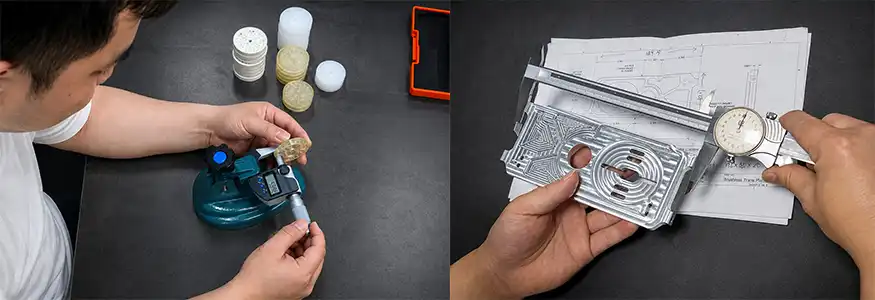
Quality certifications show that a supplier is dedicated to controlling processes in a planned way. ISO 9001 shows basic quality management methods that can be used in any business. AS9100 certification means that quality processes designed for aircraft are followed, such as traceability, configuration management, and risk reduction. Medical device component suppliers must follow ISO 13485, which includes rules for design controls, process validation, and documentation needs. Certifications of materials, especially Material Test Reports that confirm chemical composition and mechanical properties, give confidence that parts meet the requirements set by the specification. Inspection tools like CMMs, optical comparators, and surface roughness testers make it possible to check the accuracy of measurements in an objective way.
Engineering Support Capabilities
When non-technical sales reps try to moderate technical conversations, mistakes happen. Direct contact between engineers gets rid of these problems. Design for Manufacturing analysis finds potential production problems early on and suggests changes that make the product easier to machine, cheaper, or more reliable without affecting its function. Material suggestions use knowledge from manufacturing to offer options that meet performance needs while also taking cost and availability into account. Support for prototyping lets you test your design before committing to production tools or larger order quantities.
Our engineering team has an average of more than 15 years of technical experience, which lets us have useful technical conversations that speed up project timelines. We carefully look over the customer's drawings and make ideas about tolerances, surface finishes, and feature design that make the product easier to make while still meeting the useful needs.
Response Time and Communication
Quick turnaround on quotes shows that the provider is quick and technically skilled. For simple parts, we usually send detailed quotes within 24 hours. For more complicated parts, it takes 48 to 72 hours for us to plan their production carefully. Clear communication throughout the production process, including early warning of possible delays or technical problems, boosts confidence and lets you plan for what might go wrong. In product development settings, where project needs often change, flexible teamwork makes it possible to meet those needs.
Manufacturing Capability Assessment
Beyond simple 3-axis milling, complex cutting is possible. Suppliers who work with rare materials like titanium alloys, Inconel, or strong tool steels have a deep understanding of how the process works. Putting together turning, milling, grinding, and EDM in the same building is called multi-process integration. It makes logistics easier and cuts down on wait time. Small-batch manufacturing makes it possible for prototypes to be turned into mass-produced goods. Initially, orders may only include 5–10 pieces, but they can quickly grow to hundreds or thousands. Specialised surface treatments, such as hard-coat anodising, electropolishing, and PVD coating, make things more useful.
Since we started in 2008, we've grown our range of skills to include working with both metal and non-metal materials, as well as special processing needs and complicated shapes that are hard for many machine shops.
Ordering Precision Machined Components: Pricing, Lead Times, and Bulk Purchasing
Pricing Influencers
The prices of materials change based on the markets for commodities. For example, the prices of aluminium and steel change with the seasons. Due to their scarcity and difficulty in shaping, exotic alloys get very expensive. Design complexity directly affects machining time; surfaces that are hard to get to, have complex features, or are within tight tolerances need slower cutting speeds and more operations. The number of pieces you order affects the price per piece through setup amortisation. For example, making 100 pieces spreads the costs of setup and programming across more units than making 10 pieces. Finishing the surface adds to the cost, and methods that take more than one step, like anodising or electropolishing, are much more expensive than simple deburring.
Lead Time Considerations
Making a prototype usually takes a week, and for easier shapes, it can be done in three days if the materials are on hand. Production orders take longer, usually between two and six weeks, depending on how many are being made and how busy the shop is. Getting materials can push back plans if the requirements call for approved stock that isn't kept in stock. The total lead time may go up by 5 to 10 days if complex surface treatments are done by specialised vendors. For pressing needs, rush service is still available, but there are fees to cover the extra work and time it takes to get it done faster.
Strategic Bulk Purchasing
By spreading out setup costs and buying materials more efficiently, volume agreements make price cuts possible. When you use blanket buy orders with scheduled releases, you can balance the costs of keeping inventory with the benefits of price savings and supply security. But if the design changes while the product is being made, the bulk inventory may become useless. This is why it's smart to place conservative initial orders until the designs are stable. Talking to suppliers about your expected volume in an honest way lets you plan your capacity in a way that benefits both of you by giving you more control over your schedule and better prices.
We accept a range of order sizes, from small runs for prototypes to large volumes for production. Our processes can be changed to fit the stage of your project and the level of risk you are willing to take. Our global logistics network makes sure that even small orders are delivered quickly and efficiently from door to door, making it easier to buy things from other countries.
Future Trends and Innovations in Precision Machined Components Manufacturing
Keeping up with new technologies helps you see how your skills will improve and where you can compete.
Advanced CNC Technology
Next-generation machine tools are more stable when it comes to temperature, which keeps dimensions from changing too much during long production runs. Cycle times are cut without lowering the quality of the surface finish thanks to faster spindles and more advanced toolpath algorithms. Lights-out manufacturing, which greatly increases effective capacity, is made possible by integrated automation that includes robotic loading and tool management. Machines that can do more than one thing, like turning, milling, and grinding, get rid of the need for work-holding transfers that cause tolerance stack-up.
Smart Manufacturing Integration
Internet of Things sensors keep an eye on how machines are working in real time and find issues like tool wear and process drift before they affect the quality of the parts. Predictive maintenance algorithms look at patterns of vibration and power use to plan maintenance for planned downtime instead of waiting for problems to happen. Digital twin technology virtually mimics machine processes, making programs more efficient before they are cut in real life. Customers can see the status of their orders without having to keep sending emails asking about them with cloud-based production monitoring.
Sustainability Initiatives
Environmental responsibility is becoming more and more important in purchasing decisions. Materials that can be recycled and closed-loop coolant systems help cut down on waste. Strategies for energy-efficient machining balance how much power is used with how much work is done. Transport emissions are kept to a minimum when materials are sourced locally. Through offset and green energy programs, some producers try to run their businesses in a way that doesn't produce any carbon. These commitments to sustainability are in line with goals for corporate responsibility and could lower long-term operating costs.
Conclusion
FAQ
What tolerances can precision CNC machining achieve?
For most features, standard precision machining keeps the tolerances at ±0.005mm (±0.0002"). When applications need to be very precise, specialised processes like grinding and EDM push the limits even further. But defining limits that are too tight raises costs without adding any usefulness. Talking to factory experts about what is actually needed helps come up with the right specs that balance performance needs with the realities of the economy.
How do you verify material authenticity?
Material Test Reports show the chemical makeup and mechanical qualities of each output batch and can be linked to mill certificates. Positive Material Identification testing with mobile XRF analysers confirms grades without damaging the material. This paperwork is very important for industries like aircraft, medicine, and others that need to be able to fully track materials from the time they are made to the time they are used.
Can you accommodate design changes during production?
Because CNC programming is flexible, engineering changes can be made quickly compared to methods that require hard tools. Sharing changes quickly keeps schedules from getting thrown off and keeps work that is already in progress from being thrown away. Our team works together to figure out whether a change is possible, how much it will cost, and if there are any changes that need to be made to the schedule. This keeps projects on track even though product development changes requirements all the time.
What surface treatments enhance component performance?
Hard-coat anodising makes aluminium more resistant to wear and rust. Passivation adds an oxide layer to stainless steel to protect it. Electropolishing removes very small amounts of surface material, making things cleaner and more resistant to rust for uses in medicine and semiconductors. PVD coatings put down thin, hard layers that make tools last longer by reducing friction. The choice of treatment is based on the base material, the operating environment, and the needs of the function.
Partner with RYH for Your Precision-Machined Components Needs
RYH has been making precision products for more than 16 years and can help you with your most difficult jobs. Our engineer-to-engineer contact model gets rid of middlemen so you can talk directly to technology experts who understand your problems. We are very good at quick prototyping, which means we can get samples to you within a week or as little as three days for simple ideas. This speeds up the process of making your product. We can do CNC milling, turning, grinding, and specialised surface treatments on both metal and plastic materials. We also have strict quality control measures in place, such as CMM inspections and full material licenses. We handle everything from small 5-piece runs for prototypes to large-scale production, and our high standards stay the same no matter what the order size is. If you need Precision Machined Components from a company that cares about quality, speed, and real partnership, email bill@bldmachining.com to talk about how RYH can help your next project with reliable, low-cost solutions.
References
1. Kalpakjian, S. and Schmid, S.R. (2014). Manufacturing Engineering and Technology, 7th Edition. Pearson Education Limited.
2. Boothroyd, G., Dewhurst, P., and Knight, W.A. (2011). Product Design for Manufacture and Assembly, 3rd Edition. CRC Press.
3. Society of Manufacturing Engineers. (2018). Fundamentals of Tool Design, 6th Edition. SME Publishing.
4. ASM International Handbook Committee. (2016). ASM Handbook Volume 16: Machining. ASM International.
5. Groover, M.P. (2020). Fundamentals of Modern Manufacturing: Materials, Processes, and Systems, 7th Edition. John Wiley & Sons.
6. International Organization for Standardization. (2015). ISO 2768-1:1989 General Tolerances for Linear and Angular Dimensions. ISO Standards Collection.